
Last updated September 9, 2026

Humility & Mortality on the Mountain
A big mountain can make a person feel powerful for preparing well enough to stand on it. It can also undo that illusion in a few minutes. Weather changes. Altitude strips away strength. A partner struggles. The summit remains close—and suddenly the wisest decision is to go down.
Humility is not believing we are incapable. It is remembering we are not in control.
Mountains reward preparation. Training matters. Skill matters. Experience matters. Judgment matters. Those things are real, and good climbers spend years building them.
But a mountain also has a way of exposing the line between preparation and control.
I can strengthen my legs, learn the route, study the forecast, hire a good guide, carry the right equipment and leave home with a thoughtful plan. None of that makes the weather mine. None of it guarantees that my body will acclimatize. None of it prevents every falling rock, hidden crevasse, avalanche, illness, mistake or bad decision.
That truth does not make preparation meaningless. It makes preparation honest.
There is relief in remembering our true scale.
Modern life spends a surprising amount of energy telling us that we are the center of things. We customize what we see. We choose when the lights come on, what temperature the room will be, when food arrives and which voice plays through the speaker. Much of that is convenient. It also makes control feel normal.
A mountain can interrupt that feeling quickly.
Stand beneath a huge face and your body becomes a small point. Cross a glacier and the scale changes again. Look across a valley carved long before any road existed and the ordinary importance of schedules, inboxes and arguments begins to shrink.
I do not experience that smallness as an insult. I experience it as relief.
There is freedom in knowing I do not have to be the largest thing in the landscape. I do not have to control every variable. I do not have to make the mountain approve of me. The mountain has no opinion about my résumé, my bank account, my title or how many people know my name.
It gives me a cleaner question: Can I meet reality as it is?
That may be the beginning of humility—not thinking less of ourselves, but seeing ourselves more accurately.
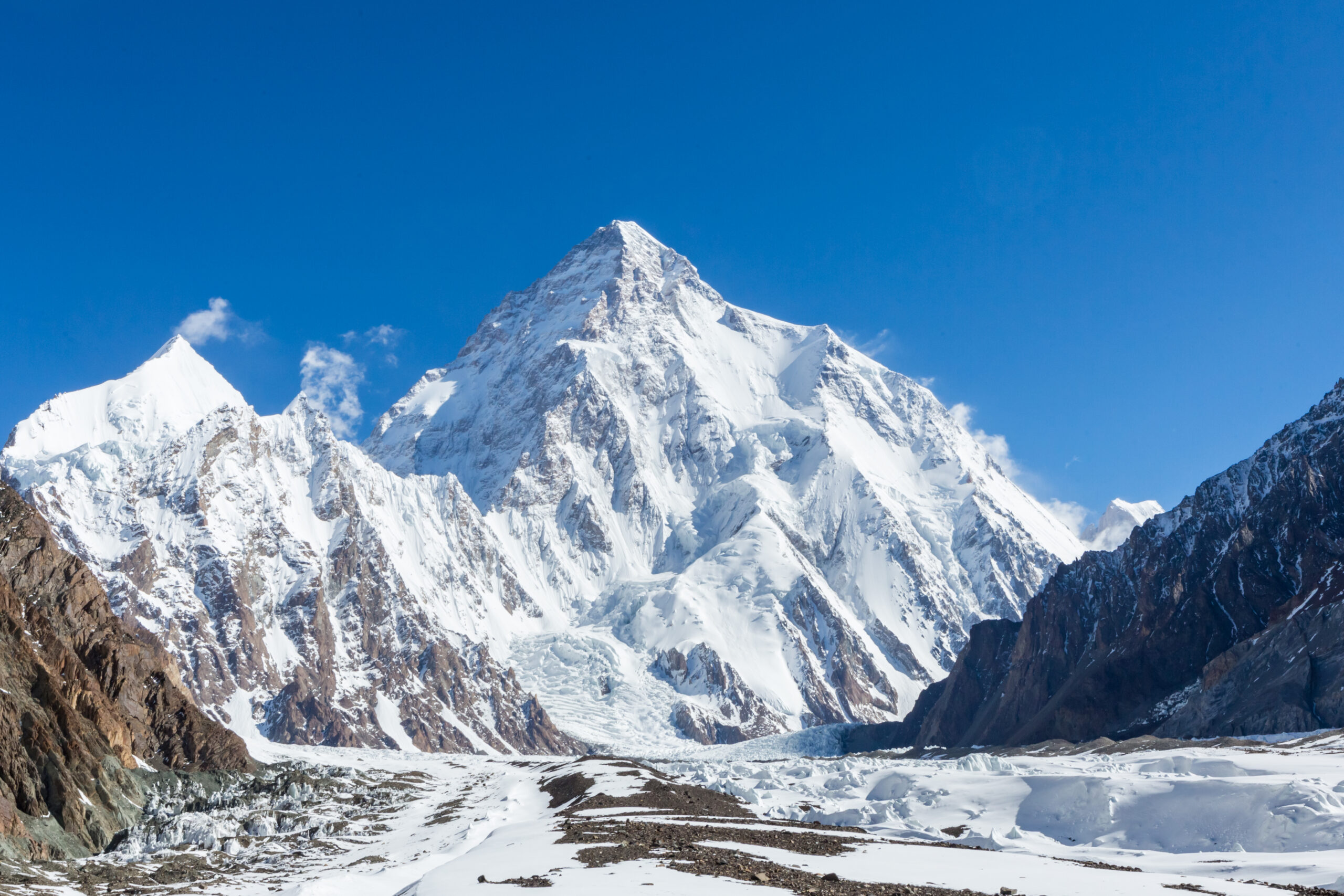
Ambition is useful until it begins editing reality.
A hard mountain does not become easier because the permit was expensive, the trip took two years to plan or the summit is visible above you. Commitment can strengthen judgment. It can also distort it.
The better prepared I become, the more important this distinction feels.
Beginners sometimes underestimate mountains because they do not yet know how many things can go wrong. Experienced climbers face a different temptation: overestimating what experience allows them to control.
Competence is powerful. It lets a person move efficiently, recognize hazards, manage systems and make better decisions. But competence can quietly become confidence, and confidence can quietly become entitlement.
I trained for this. I flew across the world. I paid for the expedition. I have climbed harder things. The forecast was supposed to improve. We are almost there.
Every sentence can be true and still be irrelevant to the decision in front of us.
The mountain does not negotiate with sunk cost.
That is one reason I increasingly think of good planning as an exercise in defining limits before emotion gets involved. What wind is too much? What time is too late? What symptoms require descent? What conditions make the route unacceptable? What happens if the strongest person becomes the weakest person?
Those are technical questions, but they are also humility questions. They ask us to accept in advance that there may be a day when desire must lose.
The summit can be close and still be the wrong direction.
Mountaineering culture rightly celebrates perseverance. The harder skill is knowing when perseverance has stopped serving the objective and started serving the ego.
Sometimes the answer is yes. Tired is not the same as unsafe. Discomfort is not the same as danger. Big objectives require the ability to keep moving when the day becomes hard.
That question is broader. It includes weather, timing, route conditions, altitude, partner condition, descent complexity, rescue margin and how much uncertainty remains above.
This is where the mountain can become psychologically dangerous. A turnaround may feel like public evidence that the training, money or identity did not add up to a summit.
Not what was forecast yesterday. Not what we hoped would happen. Not what another team is doing. What is actually true about this team, this route and this moment?
I like the idea that a summit attempt can succeed in ways that do not show up in a summit register. A team can communicate honestly. A climber can recognize altitude illness early. Someone can surrender a goal to protect a partner. A person can come home with better judgment than he had before the trip.
Those are not consolation prizes.
They may be the part that lasts.
Mountains make death visible in a way ordinary life often does not.
Most of us know intellectually that life is finite. We can know that for decades without thinking about it very often.
Mountain environments make the fact harder to keep abstract.
There are memorials at trailheads and base camps. There are accident reports. There are names attached to storms, falls and avalanches. On the highest mountains, there are places where recovery itself can be too dangerous.
I do not think the right response is fascination.
Death can become content too easily. A mountain earns a nickname. A ratio circulates online. A list of the “deadliest” peaks turns loss into a ranking. The numbers have legitimate planning value, but the people inside those numbers were not statistics when they left home.
They were partners, children, parents, siblings, friends, guides, workers and climbers with return flights booked.
Remembering that is one reason I want the risk research on Global Summit Guide to remain connected to decisions. A fatality statistic should lead back to terrain, weather, altitude, route choice, rescue margin and judgment—not merely to the thrill of reading a larger number.
Mortality becomes useful when it makes us more serious about life.
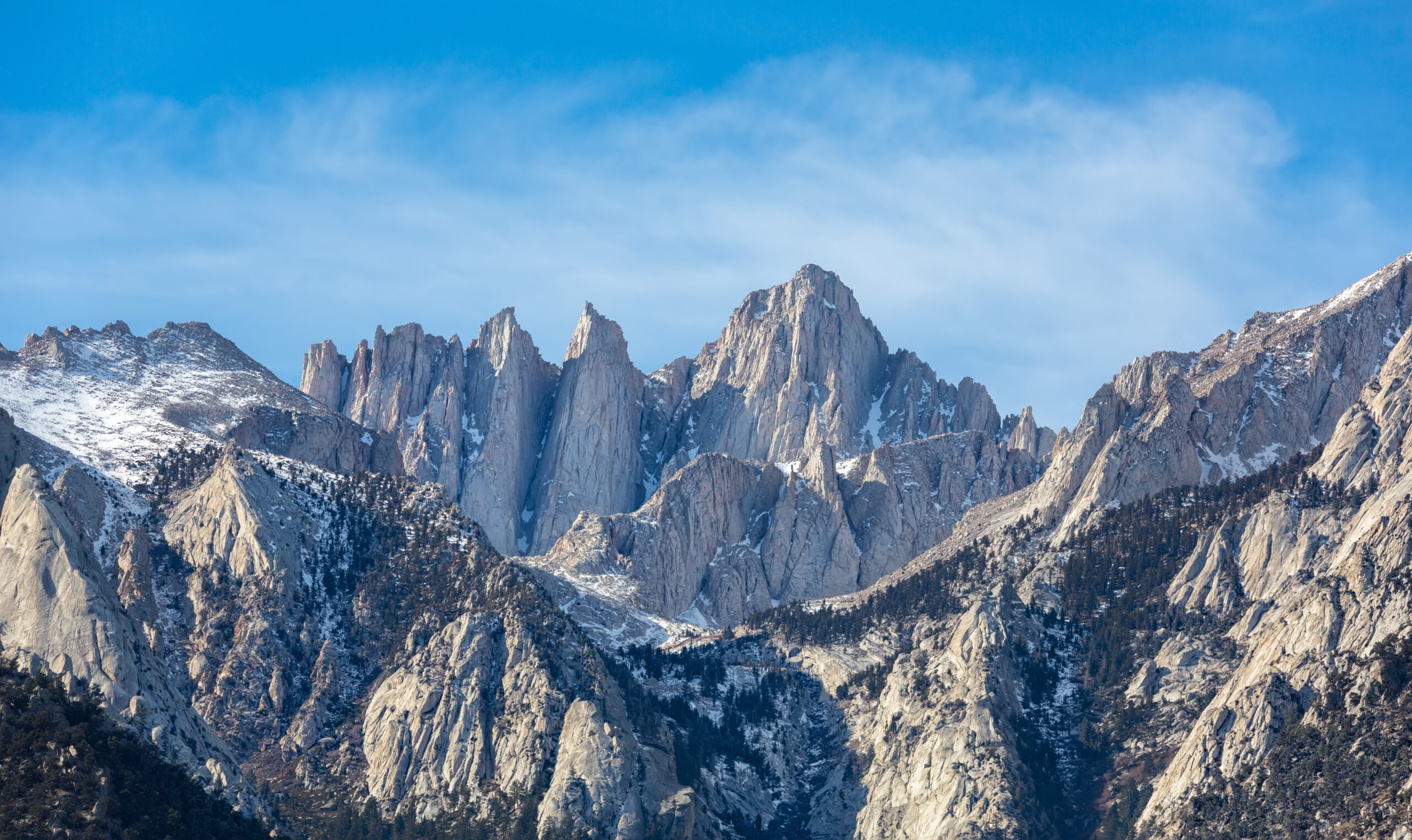
Risk data should clarify consequence, not create false certainty.
The Death Rates by Mountain project separates fatality metrics because “deadliest” changes with the denominator. The deeper lesson belongs here: mortality cannot be reduced to a percentage, and a percentage cannot tell one climber what will happen tomorrow.
Numbers are most valuable when they change a decision.
The Mountaineering Truth Project was built around that principle: evidence should replace vague assumptions, but evidence should also be read correctly.
Deaths divided by summits is not personal probability.
A deaths-to-summits ratio compares recorded deaths with recorded successful summits. Failed attempts, turnarounds, repeat climbers and support workers mean the denominator is not “everyone who tried.”
Total deaths answers a different question.
A heavily climbed mountain can accumulate a large absolute toll without having the highest ratio. Exposure volume matters. Popularity and severity are not the same measure.
Difficulty and mortality are not interchangeable.
Technical climbing, weather, objective hazard, route-finding, descent and rescue margin can make a mountain deeply serious even when no clean historical denominator exists.
Death Rates by Mountain
Use the current comparison to understand how different fatality metrics behave and why older headline percentages can differ from current datasets.
The Mountaineering Truth Project
The broader research series covers fatality patterns, cost, operator performance, altitude, permits, insurance and other evidence that should inform mountain decisions.
Everest Death Map
Fatality history becomes more useful when cause, location, route, altitude zone and climber role are examined instead of reducing every incident to one total.
Courage is not the absence of fear. It is refusing to let fear or pride make the decision alone.
Mountains create legitimate fear. Exposure, storms, altitude and uncertainty deserve emotional respect. The task is not to become numb to danger.
Fear can protect us. It can make the hand grip harder, the eyes scan more carefully and the mind ask a second question before committing.
Fear can also distort us. It can freeze movement, make a simple problem feel impossible or turn every unknown sound into evidence that something is wrong.
Pride can distort us in the opposite direction.
That is why courage in the mountains feels more balanced than bravado. Courage is being willing to move when the risk is understood and managed. It is also being willing to stop when the risk has moved beyond the plan.
I do not want to become so afraid of dying that I stop living. I also do not want to become so attached to the identity of being adventurous that I stop respecting death.
The mountain holds those two truths together more clearly than most places.

The mountain can reorder what feels important.
There are things that seem urgent at home and strangely small on a ridge. Mortality has a way of doing the same thing. It asks what I would still care about if the scale changed suddenly.
Awareness of death can become gratitude for life.
There is a version of mortality reflection that becomes dark and obsessive. I am not interested in that.
The more useful question for me is: if I remember that life is finite, what becomes clearer?
People become clearer.
A summit is meaningful, but I do not want it to become more important than coming home to the people I love. An expedition can matter deeply without becoming the measure of my worth. A failed objective can disappoint me without becoming a failed life.
Time becomes clearer too.
I am more aware that there will not be an unlimited number of strong years, clear mornings, trips with family, or chances to stand somewhere beautiful. That knowledge makes me want to use time well—not desperately, but gratefully.
Maybe that is one of the paradoxes of mountaineering. The activity puts us closer to consequence, and consequence can make ordinary life feel richer.
The Gratitude at the Summit reflection takes that idea toward the top of the mountain. This one stops earlier. It asks whether the possibility of not reaching the summit—and the deeper possibility that none of us controls how much time we have—can make the climb more honest.
For me, humility is also spiritual.
My faith does not tell me that preparation is unnecessary. It tells me that control is incomplete.
I believe life is a gift. That makes me want to use it, not hide from every risk. It also makes me reluctant to treat life as if it were mine in an absolute sense—something I can spend carelessly because I am the only person affected.
There are people connected to every climber.
That does not mean every mountain risk is selfish. Families can understand ambition. People can support hard goals. Life without risk is not really available anyway.
But faith adds a question I do not want to ignore: am I acting with gratitude for the life I have been given, or am I asking the mountain to prove something about me?
I do not always know the answer.
That uncertainty itself may be healthy.
Humility is not a final state where I become perfectly wise. It is a posture that keeps the question open.
Humility sits between silence, stewardship and gratitude.
The other essays approach the same mountain experience from different directions: attention, care and thankfulness.
Solitude & Silence
What becomes audible when ordinary noise falls away.
Stewardship of Creation
Why gratitude for wild places should become responsibility for how we treat them.
Gratitude at the Summit
Receiving the summit moment as something more than an achievement metric.
Use evidence to deepen judgment, not certainty.
This page is a reflection. The research pages below are where Global Summit Guide separates datasets, denominators and risk mechanisms.
Death Rates by Mountain
Compare current and historical fatality measures, including why deaths-to-summits ratios must not be interpreted as personal odds.
Open Death Rates by Mountain →The Mountaineering Truth Project
Twenty investigations connecting fatality patterns, cost, operator performance, altitude, permits, insurance and failure to real decisions.
Explore the Truth Project →Everest Death Map
Look beyond a single fatality total by examining where recorded deaths occurred and how cause, route and altitude affect the story.
Open the Everest Death Map →Humility, mortality and mountain risk
The reflective lesson is simple: respect consequence without pretending a statistic can make the future certain.
Why do mountains teach humility?
Mountains expose limits that ordinary life can hide. Fitness, money, experience and preparation matter, but none of them control weather, altitude, objective hazard or every human variable. Humility is the willingness to see those limits clearly and make decisions without pretending effort creates entitlement to a summit.
Is turning around a failure?
No. A turnaround can be the best mountaineering decision of the day. Weather, route conditions, altitude illness, timing, fatigue or a struggling partner can all justify descent. The summit remains there; good judgment protects the possibility of another attempt.
Does thinking about death make climbing less enjoyable?
It does not have to. A mature awareness of mortality can make a mountain more meaningful because it clarifies what is actually at stake. The goal is not fear or obsession. It is honest respect for consequence.
What does a mountain death rate actually mean?
It depends on the metric. Global Summit Guide's Death Rates by Mountain project distinguishes deaths-to-summits ratios, total deaths and other measures. A deaths-to-summits ratio is a historical severity measure relative to recorded summit volume; it is not an individual's probability of dying on an attempt.
Which mountain has the highest death rate?
The answer depends on the dataset and metric. In Global Summit Guide's current Himalayan Database comparison, Annapurna I leads the Nepal 8,000er deaths-to-summits ratio. That does not mean a climber has that same percentage chance of dying, because successful summits are not the full population of attempts.
How should mortality affect mountain planning?
It should lead to better questions: What are the primary hazards? What conditions make the route unacceptable? What is the turnaround time? What rescue options exist? What symptoms require descent? What experience should come first? Mortality awareness is useful when it changes decisions rather than merely increasing anxiety.
Is humility the same as fear?
No. Fear is an emotional response. Humility is a more durable recognition of limits. A humble climber may still be bold, ambitious and highly skilled; the difference is a willingness to revise the plan when reality disagrees with confidence.
What should I read next in Faith & the Mountains?
Solitude & Silence explores listening and attention. Stewardship of Creation considers care for the places we enter. Gratitude at the Summit asks what achievement means when the moment is received as a gift. Why We Climb is the anchor reflection for the whole series.
Come home with better judgment than you carried up.
A summit is one possible outcome. A turnaround, a hard lesson, a safer decision or a clearer sense of what matters can also make the mountain worth the climb.
Continue from limits into silence, care and gratitude
Move through the other reflections, then into the two research pages that turn mortality from a dramatic idea into better mountain judgment.
Was this helpful?
Global Summit Guide is an independent mountaineering resource founded in 2026. The team combines first-hand trekking and climbing experience with in-depth research and professional health and nutrition review to help climbers choose objectives, prepare properly, and stay safe.
Health, altitude, and nutrition content is reviewed by Taylor Ludlow (Registered Nurse) and Brigg Hoopes (Nutritionist).
What We Don't Know Yet
Mountain information changes quickly. This box explains the limits of what this page can responsibly promise.
- Visa, passport, vaccination, border, insurance, and local transportation rules may change before your trip.
- Route conditions, snowpack, closures, and weather can change quickly after this page is updated.
- Permit rules, fees, quotas, and reservation windows may change between review cycles.
- Operator availability, pricing, guide ratios, and cancellation terms can change by season.
- Your fitness, altitude response, risk tolerance, and experience level may change what is safe or realistic.
Verify current conditions with official land managers, guide services, local forecasts, and current route reports before booking or climbing.
Mountaineering, rock and ice climbing, glacier travel, and high-altitude activity are inherently dangerous and can result in serious injury or death. The information on Global Summit Guide is provided for general informational and educational purposes only and is not a substitute for professional instruction, qualified guiding, proper equipment, or your own judgment and experience.
Route conditions, weather, snowpack, permits, regulations, and hazards change constantly and may differ from what is described here. Details may be incomplete, out of date, or contain errors. Always verify current information with local authorities, certified guides, and official sources before making any decision in the mountains.
Nothing on this site is medical, legal, or financial advice. Our fitness, acclimatization, altitude, and nutrition content is general in nature; consult a qualified physician before beginning any strenuous exercise program or exposing yourself to high altitude.
You are solely responsible for your own safety and decisions. To the fullest extent permitted by law, Global Summit Guide and its team accept no liability for any loss, injury, damage, or expense arising from use of, or reliance on, this information. By using this site you acknowledge these risks and accept these terms.
Some links on this site may be affiliate links. If you buy through them we may earn a small commission at no extra cost to you; this never affects our recommendations.
Global Summit Guide recommendation path
Next Best Mountain to Research
Use these recommendations to continue the right planning path instead of stopping on one page.
Use current permit, weather, route, and operator information before booking or climbing.