
Last updated September 9, 2026
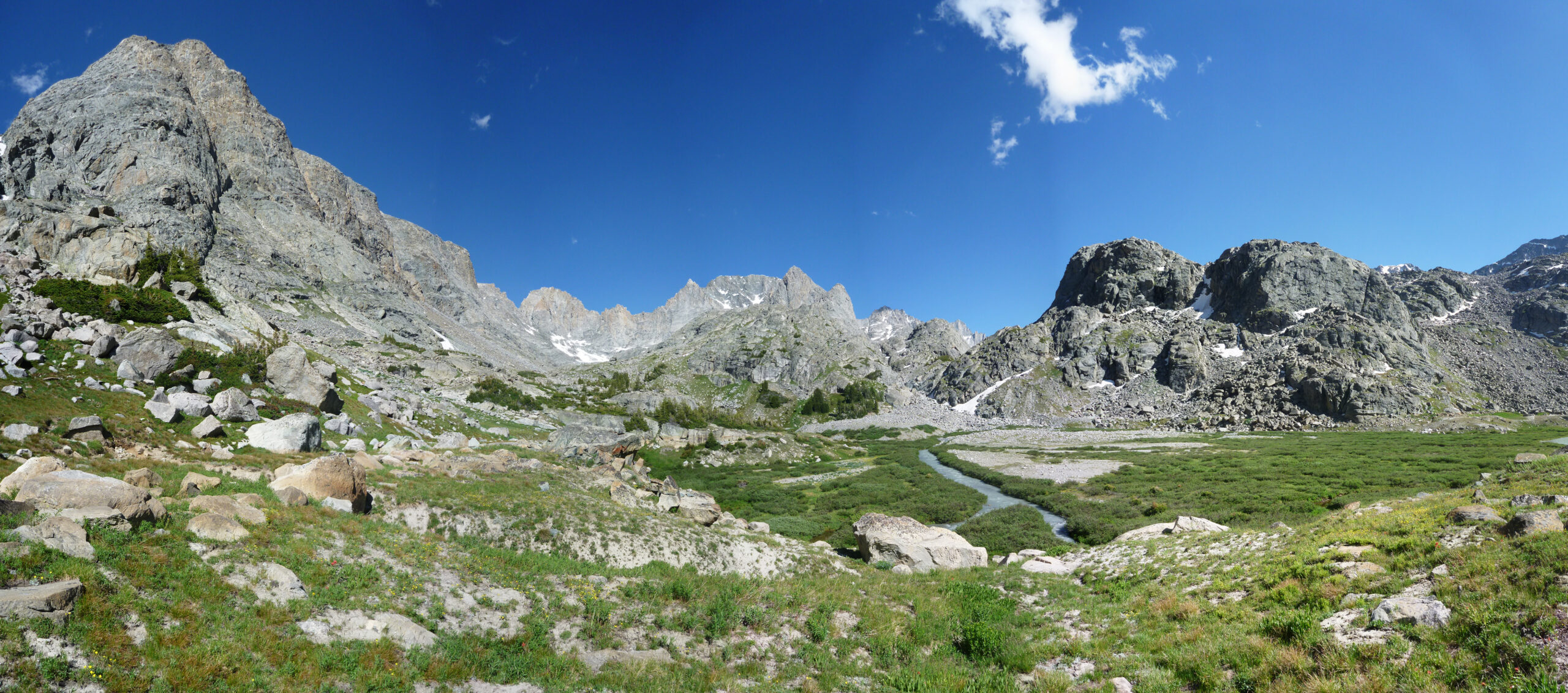
Solitude & Silence in the High Places
The mountains are rarely silent. Wind moves through grass. Water runs under snow. Boots scrape rock. A raven calls somewhere across the valley. What disappears is the ordinary noise—and when it does, we sometimes hear things that were there all along.
Silence does not empty the mountain. It makes room to notice it.
There are moments in the mountains when conversation stops without anyone deciding to stop it. The grade gets steeper. The morning becomes too beautiful to interrupt. Everyone settles into his own pace. Or you step away from camp before the others are awake and realize that, for a few minutes, nothing is asking anything from you.
I have come to value those moments because ordinary life rarely leaves much unclaimed space. There is always another message, another headline, another task, another voice asking for attention. Even when the room around me is quiet, my mind may not be.
Mountains do not solve that problem. They do something simpler. They remove enough noise that I can finally hear how noisy I have become.
Natural quiet has its own vocabulary.
I used to think of silence as the absence of sound. The mountains have changed that for me.
A high place can be full of sound: wind crossing a ridge, snow squeaking under a boot, water moving below the ice, a trekking pole tapping granite, fabric snapping in a gust, breath getting heavier with altitude. On a forest trail there are birds, branches and insects. Above treeline there may be fewer voices, but there is still weather.
What changes is the kind of sound. The National Park Service uses the idea of a natural soundscape to describe the sounds that belong to a place. It protects those soundscapes because they matter to wildlife, wilderness character and the visitor experience. That fits what I feel in the mountains: quiet does not mean nothing is happening. It means the place is finally loud enough to be heard.
There is a humility in that realization. The wind did not begin when I arrived. The river did not need an audience. A storm does not care whether I have planned a summit. The natural world keeps speaking in its own language, and most of the time I am the one who has been too distracted to notice.
Sometimes the first gift of the mountains is simply that the volume of everything else gets turned down.
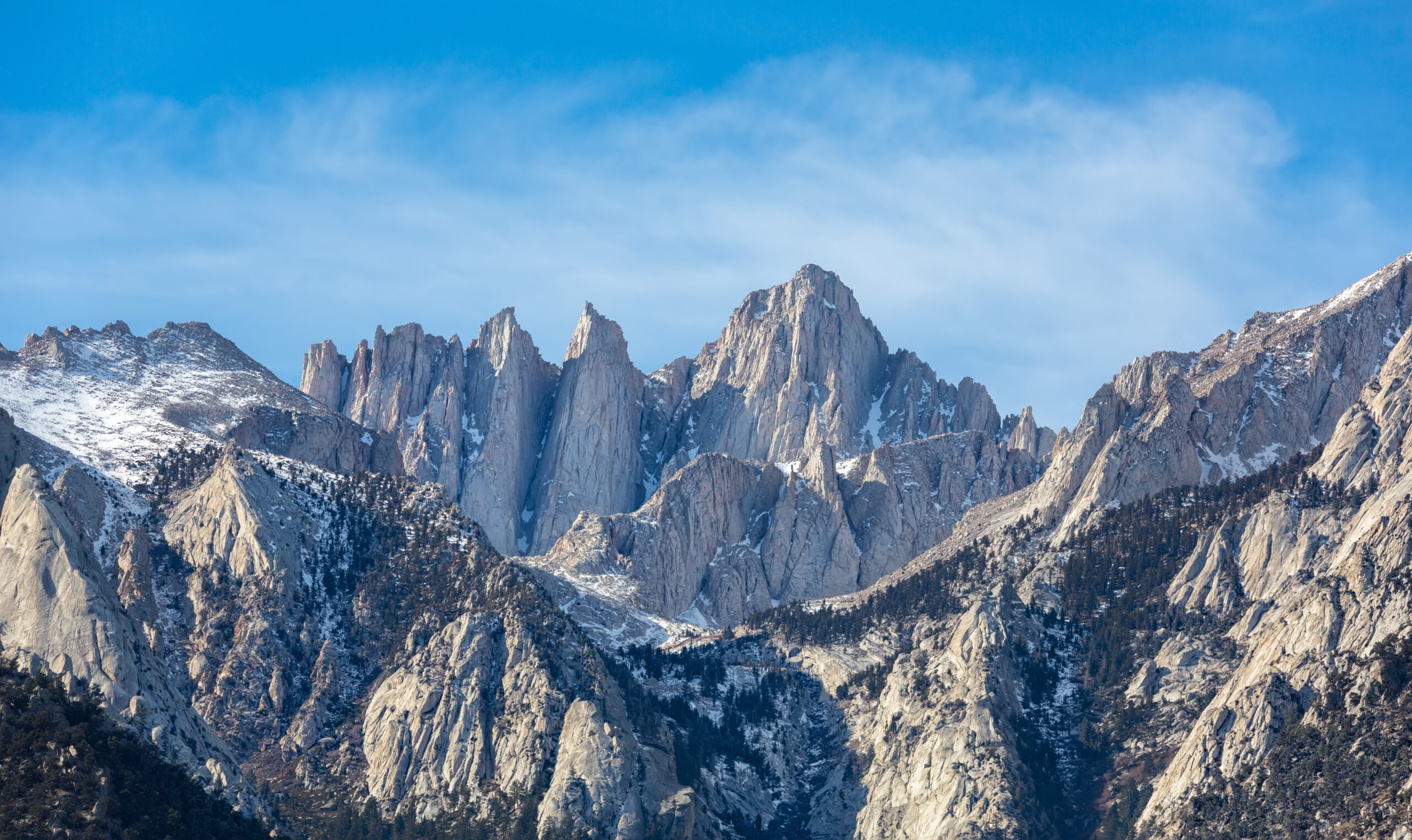
You begin to hear small things again.
Boots. Breath. Wind. Water. The tiny sounds are not new. The difference is that nothing louder is competing with them.
Quiet changes what I notice.
When I walk long enough without filling the space, my attention begins to widen. At first I notice the obvious things: the steepness of the trail, the weight of the pack, the weather, how far I still have to go.
Then smaller things begin to register. The color change in the rock. A line of cloud forming over a ridge. The way light moves across a valley. The difference between tired legs and a body that is actually running out of energy. The sound of a partner’s breathing. The fact that I have not taken a drink for an hour.
That is one reason silence is not separate from mountain judgment. Attention has practical value. A quiet person may notice that the wind has changed, that snow is softening faster than expected or that a friend has stopped talking because he is struggling.
But attention also has spiritual value for me. I find it difficult to be grateful for something I have not really noticed. The mountains slow me down enough to see again.
I do not mean that every quiet hike becomes profound. Sometimes my mind wanders. Sometimes I am cold, hungry or irritated. Sometimes I spend an hour thinking about something completely ordinary. Solitude does not manufacture wisdom on demand.
It does, however, create room where wisdom might enter.
You can be alone without being lonely—and surrounded without losing solitude.
That distinction matters because mountain culture can romanticize solo travel in ways that ignore risk and can also romanticize isolation in ways that confuse it with emotional health.
It may be ten quiet minutes at camp, a long stretch of trail without conversation or a morning walk before the group wakes. It does not require disappearing into remote terrain alone.
Loneliness is a painful sense of disconnection. A mountain can intensify it just as easily as a city can. Quiet is not automatically healing simply because the landscape is beautiful.
Some of the best mountain friendships include long stretches where no one feels pressure to talk. Presence and silence are not opposites.
There is nothing spiritually superior about unnecessary solo exposure. Communication, team decisions and emergency planning remain part of responsible mountain travel.
I have come to appreciate both. On a long climb, there are conversations I remember for years. There are also sections of trail where walking beside someone in silence feels more honest than filling every mile with words.
Maybe that is one reason mountains can deepen relationships. You learn whether you can share quiet.
For me, quiet makes prayer feel less like speaking and more like listening.
I believe in God. That belief shapes the way I experience high places, but I do not think mountains belong only to people who interpret them religiously. A person can stand under the same sky and feel wonder, relief, scale, beauty or simply pleasure without giving those feelings the same name I do.
For me, however, the quiet often turns toward prayer.
Not always formal prayer. Not always words. Sometimes it is simply awareness: I am here. This exists. I did not make it. My life is small, but not meaningless. The people I love matter more than the things that felt urgent yesterday.
At lower elevations, prayer can easily become another form of talking. I bring a list. I explain what I need. I ask questions. I fill the silence.
In the mountains, I sometimes feel a different invitation: stop explaining.
That may be the part of solitude I need most. Not an answer. Not a sign. Just enough quiet to stop rehearsing my own voice.
The anchor reflection, Why We Climb: The Mountains & the Sacred, begins with the larger question of why high places can feel spiritually charged at all. This reflection is narrower. It is about what happens when the mountain does not immediately give us something to say.

Silence rarely answers the question I brought with me.
Sometimes it does something better. It makes the question smaller. It reminds me that not every uncertainty needs to be solved before I can move forward.
Silence does not only reveal beautiful things.
There is a reason people reach for noise. Noise can distract us.
On a mountain, quiet can reveal fear more clearly. I can hear the part of my mind that is worried about exposure, weather, getting lost, disappointing someone or turning around. I can hear old frustrations I carried up the trail without realizing they were still with me.
That is not a failure of solitude. It may be one of its functions.
When distraction falls away, whatever remains deserves attention. Sometimes that is awe. Sometimes it is anxiety. Sometimes it is grief. Sometimes it is gratitude. Sometimes it is the recognition that I have been moving too fast through more than just the trail.
I do not think the mountain solves those things. It simply gives them fewer places to hide.
The reflection on Humility & Mortality on the Mountain goes farther into fear, limitation and turning around. Solitude often comes first. Before I can make an honest decision, I have to be quiet enough to admit what I am actually feeling.
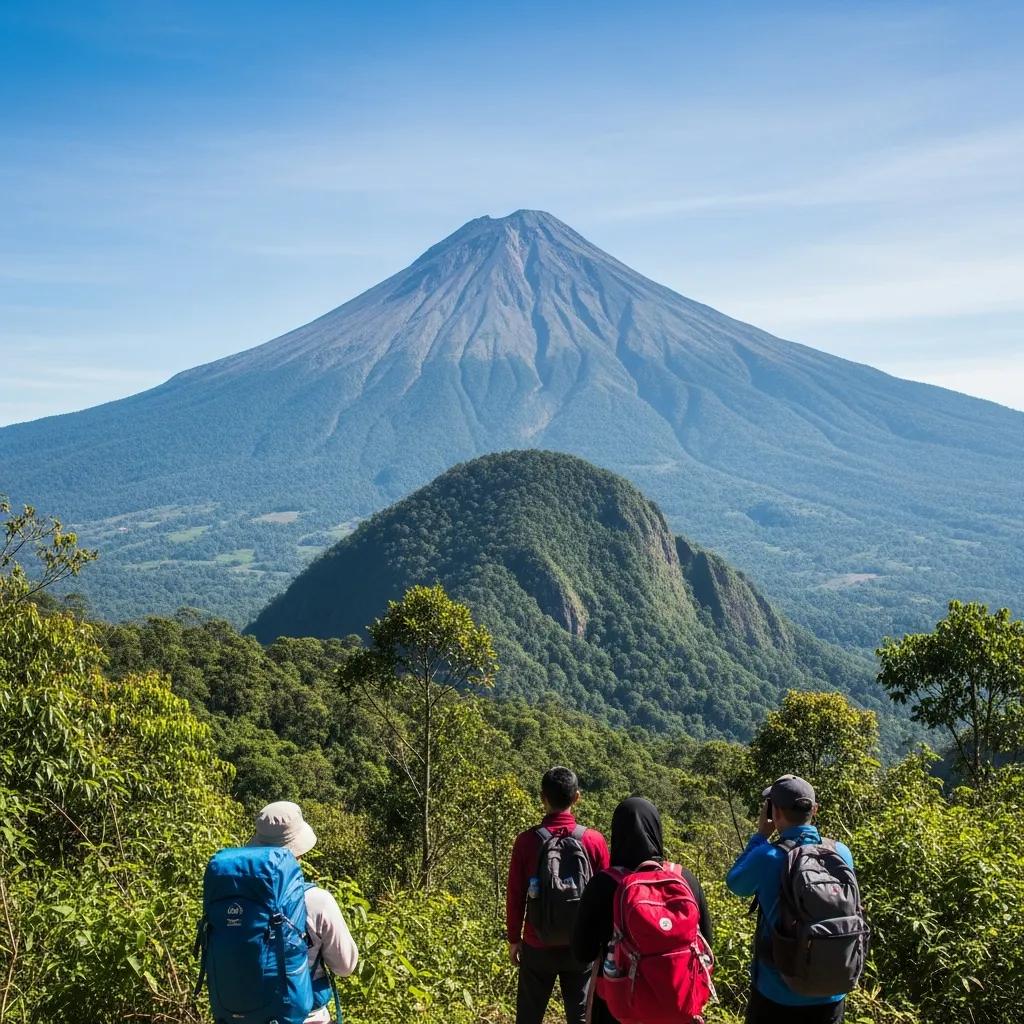
Some mountain quiet belongs to worship, ceremony or prayer.
On sacred landscapes, silence may be more than personal preference. The Sacred Mountains of the World collection is a reminder that visitors can enter a place where others are not seeking recreation at all.
You do not need a remote expedition to practice quiet.
Solitude can be designed into an ordinary hike without turning the trip into an unsafe search for isolation.
Start without headphones.
Give the first hour to the actual soundscape. Notice how long it takes before your mind stops looking for another input.
Take one quiet break.
Choose a durable place off the main flow of traffic. Sit for ten minutes without taking a photo, checking a message or turning the view into content.
Let a companion know.
On a shared hike, say that you would enjoy a quiet stretch. Silence works better when no one mistakes it for anger, fatigue or a problem.
Choose lower-demand times responsibly.
Weekdays, shoulder hours and less-famous nearby routes can create space, but do not use darkness, weather or closed access simply to avoid people.
Listen before speaking.
At a viewpoint or sacred site, notice the existing atmosphere before adding your own. Sometimes the respectful thing is to match the place rather than change it.
Carry one question.
If reflection matters to you, bring one question instead of ten. Do not force an answer. Let the hike be long enough for the question to change.
The deepest solitude I have felt has not always been in the most remote place. Sometimes it has happened within sight of a road, with another person twenty feet away, during a pause that lasted only a few minutes.
Remoteness can help. It is not the point.
The point is attention.
The mountain eventually sends us back.
No matter how quiet the high place becomes, I eventually descend.
The car door closes. The phone reconnects. The calendar is still waiting. The ordinary voices return.
That used to make mountain solitude feel temporary, almost like an escape with an expiration date. I think about it differently now.
The purpose of quiet is not to stay quiet forever. It is to return with a better sense of what deserves my attention.
Maybe I listen more carefully to someone at home. Maybe I realize that a problem I carried up the mountain is not as large as it felt. Maybe I become more grateful. Maybe I become less interested in proving something. Maybe I recognize that I have filled too much of my life with noise simply because silence felt uncomfortable.
For me, sometimes I return with a renewed sense of God—not because I heard a voice on the summit, but because the noise faded enough for reverence to return.
And sometimes I return with nothing I can explain.
I am learning that this is okay too.
Solitude is one part of a larger mountain language.
The other reflections move into stewardship, limitation and gratitude. Together they ask what the mountain changes in us after the route is over.
Stewardship of Creation
What happens when gratitude becomes responsibility for the places we enter.
Humility & Mortality
Turning around, living with limits and remembering our true scale.
Gratitude at the Summit
Receiving the summit moment as a gift rather than only recording it as an achievement.
Quiet is also a protected part of wilderness character.
This page is reflective, but the value of natural sound is not merely poetic. The National Park Service manages natural soundscapes as part of the ecological and visitor experience of protected places.
Why Sounds Matter
The National Park Service explains why natural sounds matter to wildlife, wilderness character and the way visitors experience protected places.
Read the NPS soundscape guidance →Leave No Trace & Other Visitors
Quiet also has an outdoor-ethics dimension: consider how group noise, music and other behavior affect people who came to experience the natural soundscape.
Read the NPS Leave No Trace guidance →Sacred Mountains
For places where quiet intersects with worship, pilgrimage, ceremony or cultural restraint, begin with the Sacred Mountains collection.
Explore Sacred Mountains →Solitude, silence and the mountains
The goal is not isolation for its own sake. It is enough quiet to notice the mountain, your companions and your own inner life more clearly.
Why do mountains feel so quiet?
Mountain quiet is rarely the absence of sound. It is often the absence of ordinary human noise. Wind, water, birds, gravel under boots, a jacket moving in the breeze and your own breathing become more noticeable because traffic, notifications and conversation have fallen away.
Is solitude in the mountains the same as being alone?
No. Solitude is a chosen state of attention, while loneliness is an unwanted sense of disconnection. You can experience solitude while hiking with a trusted companion, sitting quietly at camp or pausing alone for ten minutes on a ridge.
Can solitude improve a mountain trip?
For many people, yes. Quiet can make it easier to notice weather, wildlife, fatigue, fear and the landscape itself. It can also create room for reflection or prayer. It should never replace communication needed for safety, navigation or team decision-making.
Is this a religious reflection?
It is written from a personal faith perspective, but it is not an argument that every reader must interpret mountain silence the same way. Some people experience quiet as prayer, others as restoration, focus, wonder or simply relief from noise.
Is natural silence important in wilderness?
Yes. The National Park Service treats natural soundscapes as part of the character and ecological value of protected places. Natural sounds matter to wildlife as well as to visitors seeking a sense of wilderness and quiet.
How can I experience more solitude on a popular mountain?
Go at less crowded times when rules and safety allow, choose longer approaches or lesser-known nearby routes, keep your own group small, pause away from bottlenecks on durable surfaces and avoid adding unnecessary noise. Never trade solitude for unsafe timing or illegal access.
Should I hike alone to find solitude?
Not necessarily. Solo hiking has its own risks and is not required for reflection. A quiet hike with a spouse, friend, family member or small group can still create deep solitude if everyone is comfortable allowing stretches without conversation.
What should I read next in Faith & the Mountains?
Why We Climb is the anchor reflection. Stewardship of Creation considers how gratitude becomes care, Humility & Mortality looks at limits and turning around, and Gratitude at the Summit considers what a summit means when it is received rather than merely achieved.
Leave some room for silence on the next climb.
You may hear wind. You may hear fear. You may hear gratitude. You may hear nothing you can name. The practice is the same: make enough room to listen.
Continue from silence into care, humility and gratitude
Move through the other reflections, then into two sacred mountain guides where restraint, remoteness and quiet materially shape the meaning of the place.
Was this helpful?
Global Summit Guide is an independent mountaineering resource founded in 2026. The team combines first-hand trekking and climbing experience with in-depth research and professional health and nutrition review to help climbers choose objectives, prepare properly, and stay safe.
Health, altitude, and nutrition content is reviewed by Taylor Ludlow (Registered Nurse) and Brigg Hoopes (Nutritionist).
What We Don't Know Yet
Mountain information changes quickly. This box explains the limits of what this page can responsibly promise.
- Visa, passport, vaccination, border, insurance, and local transportation rules may change before your trip.
- Route conditions, snowpack, closures, and weather can change quickly after this page is updated.
- Permit rules, fees, quotas, and reservation windows may change between review cycles.
- Operator availability, pricing, guide ratios, and cancellation terms can change by season.
- Your fitness, altitude response, risk tolerance, and experience level may change what is safe or realistic.
Verify current conditions with official land managers, guide services, local forecasts, and current route reports before booking or climbing.
Mountaineering, rock and ice climbing, glacier travel, and high-altitude activity are inherently dangerous and can result in serious injury or death. The information on Global Summit Guide is provided for general informational and educational purposes only and is not a substitute for professional instruction, qualified guiding, proper equipment, or your own judgment and experience.
Route conditions, weather, snowpack, permits, regulations, and hazards change constantly and may differ from what is described here. Details may be incomplete, out of date, or contain errors. Always verify current information with local authorities, certified guides, and official sources before making any decision in the mountains.
Nothing on this site is medical, legal, or financial advice. Our fitness, acclimatization, altitude, and nutrition content is general in nature; consult a qualified physician before beginning any strenuous exercise program or exposing yourself to high altitude.
You are solely responsible for your own safety and decisions. To the fullest extent permitted by law, Global Summit Guide and its team accept no liability for any loss, injury, damage, or expense arising from use of, or reliance on, this information. By using this site you acknowledge these risks and accept these terms.
Some links on this site may be affiliate links. If you buy through them we may earn a small commission at no extra cost to you; this never affects our recommendations.
Global Summit Guide recommendation path
Next Best Mountain to Research
Use these recommendations to continue the right planning path instead of stopping on one page.
Use current permit, weather, route, and operator information before booking or climbing.