<

Hardest Mountains to Climb: 10 Deadliest Peaks Ranked (2026)The 10 Hardest Mountains to Climb in the World

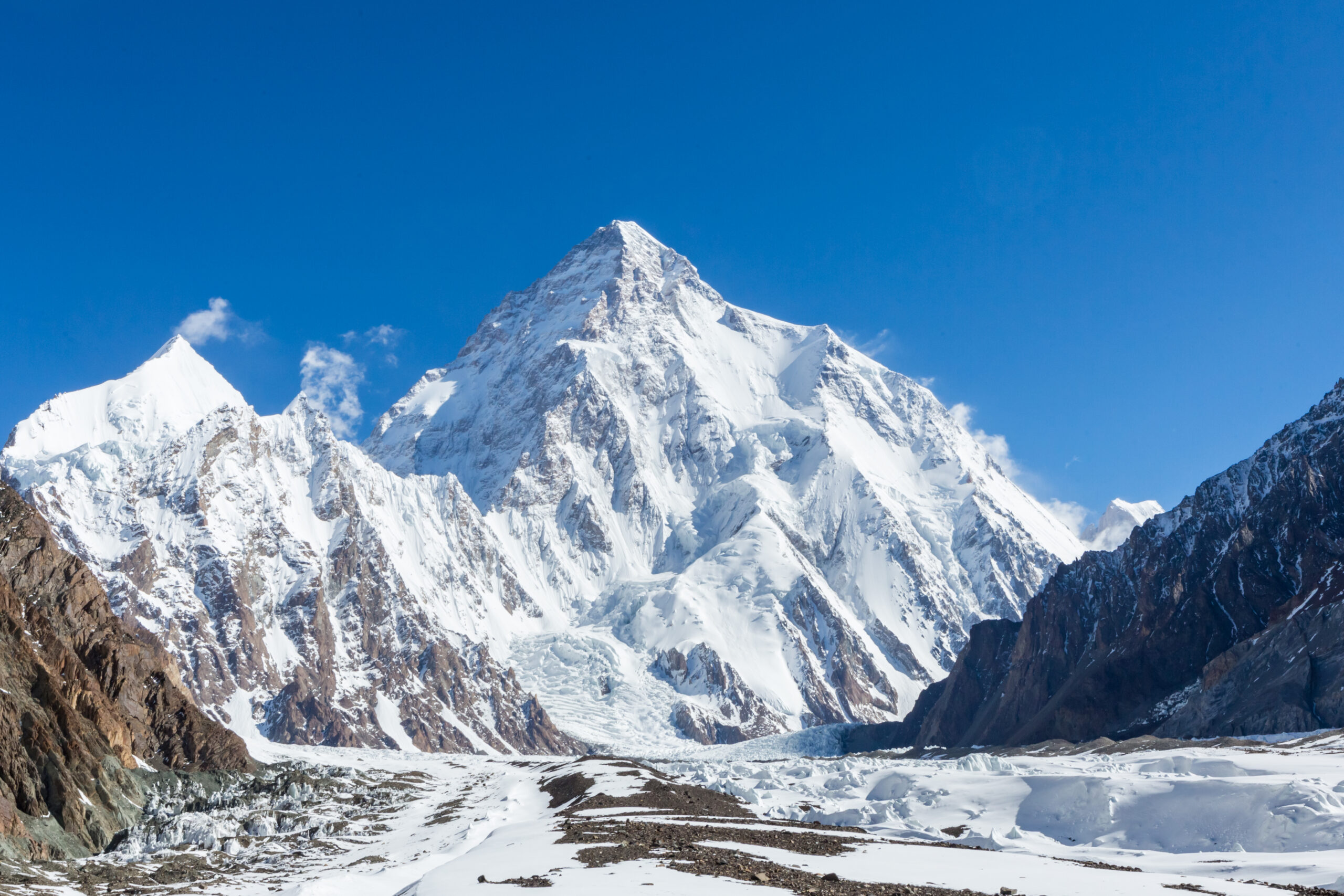
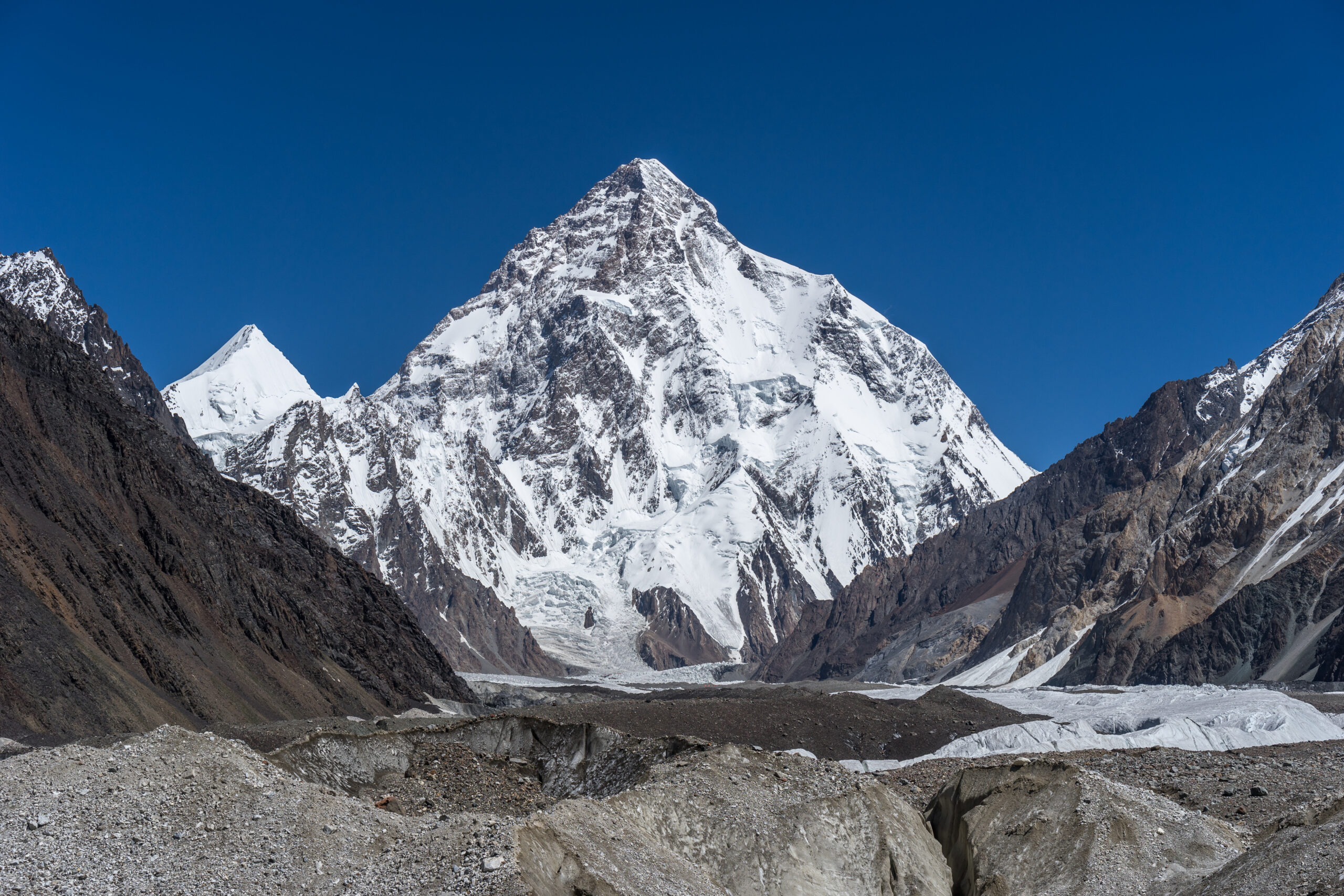
Dramatic view of a towering mountain peak surrounded by snow-capped ranges under a clear blue sky, representing the challenges of climbing the deadliest mountains in the world.
Home · Truth Project · The 10 Hardest Mountains

The 10 Hardest Mountains to Climb in the World — Ranked by Fatality Rate, Technical Difficulty & Objective Hazard

Ten specific peaks ranked by the unforgiving combination of fatality rate, sustained technical difficulty, objective hazard, and historic significance. Generally, this is not the ten highest, not the ten most famous — the ten hardest. Specifically, the rankings weigh four factors. These are historical fatality rate from the Himalayan Database, sustained technical difficulty from IFAS alpine grading, documented objective hazards, and commitment plus rescue feasibility. Notably, updated with current fatality statistics and 2026 expedition context, with peer-reviewed sources cross-checked against primary climbing databases.

~32%
Annapurna Fatality Rate
~25%
K2 Fatality Rate
<30
The Ogre Total Summits
500+
Matterhorn Total Deaths
Last updated May 27, 2026 — refreshed Himalayan Database statistics through December 2024 and 2026 expedition context · part of The Mountaineering Truth Project

“Hardest mountain” depends entirely on which metric matters. Generally, most fatal per attempt? Annapurna. Most technically demanding? K2 or The Ogre. Highest absolute death toll? Mont Blanc, via sheer traffic. Specifically, this list ranks ten peaks that genuinely belong in the conversation. Detailed profiles explain what makes each one lethal, and why the cocktail of altitude, weather, terrain, and commitment produces the world’s most consequential climbing objectives. Notably, this guide is part of The Mountaineering Truth Project, our editorial commitment to data-driven mountaineering investigations.

How this ranking was built. Rankings weigh four factors. First, historical fatality rate per summit attempt from the Himalayan Database and peer-reviewed climbing statistics. Second, sustained technical difficulty from IFAS alpine grading and route documentation. Third, objective hazards — serac falls, avalanche paths, storm exposure — documented in climbing literature. Fourth, commitment and rescue feasibility based on geographic remoteness. Statistics current through December 2024. Notably, the list includes peaks where alpine-style ascent remains the gold standard rather than commercial guided climbing.

The 10 Hardest Mountains at a Glance

Scanning reference before the detailed profiles below. Generally, the ten peaks span three continents and three decades of first-ascent history. Specifically, they share the characteristic that they have defined the outer edge of what climbing actually is. Notably, fatality rates vary by data source and date range. Figures below combine the Himalayan Database, AdventureStats, and national alpine club records cross-checked through December 2024.

#PeakCountryHeightFatality RateFirst Ascent
1Annapurna INepal8,091 m~28-32%1950
2K2Pakistan / China8,611 m~20-25%1954
3Nanga ParbatPakistan8,126 m~22%1953
4KangchenjungaNepal / India8,586 m~15%1955
5Baintha Brakk (The Ogre)Pakistan7,285 m~3%*1977
6Jannu (Kumbhakarna)Nepal7,711 m~5%1962
7Dhaulagiri INepal8,167 m~13%1960
8Eiger (North Face)Switzerland3,967 m~3%**1938
9Cerro TorreArgentina3,128 m~4%**1974
10Denali (Cassin Ridge)Alaska, USA6,190 m~2%1961

* The Ogre’s fatality rate reflects extremely limited total attempts. ** Eiger and Cerro Torre rates reflect route-specific data rather than mountain-wide statistics.

Dramatic view of a towering mountain peak surrounded by snow-capped ranges under a clear blue sky, representing the challenges of climbing the deadliest mountains in the world.
The world’s hardest mountains share a common characteristic: their difficulty comes not from a single factor but from altitude, weather, terrain, and commitment combined. Generally, no single peak ranking captures all of it. Notably, the peaks below define the outer edge of what climbing actually is.

#1 · Annapurna I — The Deadliest 8,000er

01
Highest fatality rate of all 8,000m peaks

Annapurna I (Nepal · Himalaya · 8,091 m)

First ascent: 1950 (Herzog, French expedition) · Primary hazard: avalanche
Fatality Rate
~28-32%
Total Deaths
70+
Total Summits
~300
First Ascent
1950

Annapurna I holds the highest fatality rate of any 8,000 m peak — approximately one death for every 3-4 successful summits. Generally, Maurice Herzog’s 1950 first ascent was groundbreaking as the first 8,000 m peak ever climbed. The descent, though, left Herzog with amputated fingers and toes from frostbite, and the mountain has punished nearly every expedition since.

Annapurna’s danger is objective hazard rather than technical difficulty. Specifically, hanging glaciers and fluted snow faces produce constant serac fall and avalanches along the standard routes. The South Face, first climbed by Chris Bonington’s 1970 expedition, features an 8,000-foot wall with some of the most sustained avalanche exposure in mountaineering. Notably, no skill or preparation can eliminate this hazard — climbers who summit Annapurna often describe luck as much as technique.

Modern commercial climbs concentrate on the North Face (standard route) with marginally improved safety. The peak’s fundamental avalanche character cannot be mitigated. Most 14-peak completers leave Annapurna for later in their project, approaching it with maximum preparation and extremely selective weather windows.

#2 · K2 — The Savage Mountain

02
Most technically demanding 8,000er

K2 (Pakistan / China · Karakoram · 8,611 m)

First ascent: 1954 (Italian expedition) · Primary hazard: serac fall in the Bottleneck
Fatality Rate
~20-25%
Total Deaths
96+
Total Summits
~700
First Ascent
1954

K2 is the world’s second-highest peak and widely considered the hardest 8,000er to climb. Generally, its historical fatality rate is approximately 20-25 percent — for every five climbers who reach the summit, roughly one dies on the mountain. Specifically, despite modern commercial climbing and improved logistics, K2 retains this fundamentally different character from Everest.

The Bottleneck — a narrow couloir at 8,300-8,400 m — is the defining hazard. Climbers passing through spend 2-4 hours directly beneath an enormous hanging serac that has collapsed multiple times. Specifically, the 2008 disaster killed 11 climbers in a single summit push when the serac collapsed and cut fixed ropes, stranding people above. Notably, no preparation or gear eliminates this hazard — climbers minimise exposure through speed and pre-dawn timing.

K2 also lacks the infrastructure that makes Everest survivable. Pakistani operators don’t match Nepal’s Sherpa ecosystem, and no helicopter rescue is possible above Camp 2. Summit ridges are sustained and technical rather than “up the slope.” Through 2024, approximately 700+ climbers have summited versus 90+ deaths on the mountain. Modern expeditions run $35,000-$55,000 and see roughly 50 percent summit rates when weather permits. For the deep route guide, see our K2 climbing guide.

#3 · Nanga Parbat — The Killer Mountain

03
Western Himalaya’s most feared peak

Nanga Parbat (Pakistan · Western Himalaya · 8,126 m)

First ascent: 1953 (Hermann Buhl, solo) · Primary hazard: weather and massive face
Fatality Rate
~22%
Total Deaths
85+
Rupal Face
3,000 m wall
First Ascent
1953

Nanga Parbat earned its nickname “The Killer Mountain” through over 80 deaths before its 1953 first ascent by Hermann Buhl. Generally, Buhl made the summit solo after being abandoned by his team, a legendary effort in alpine history. Notably, the name Nanga Parbat itself means “Naked Mountain” in Urdu — the climbing nickname came from its brutal early-ascent history.

The peak’s danger comes from its 3,000-metre vertical relief in a single face — the Rupal Face is the largest mountain wall on Earth. Specifically, weather systems move rapidly across the peak’s isolated position in the Western Himalaya, and avalanches have killed dozens of climbers across multiple expeditions. Notably, the 2013 Diamir Face attack by Pakistani militants killed 11 climbers at Base Camp, adding a political hazard to the peak’s natural dangers.

Modern climbs run via the Diamir Face (Schell Route, Kinshofer Route) and the Rupal Face for elite alpinists. Reinhold Messner’s 1978 solo ascent via the Diamir Face set the standard for alpine-style 8,000 m climbing. Nanga Parbat’s ~22 percent fatality rate reflects both its technical character and its reputation — only experienced 8,000 m climbers typically attempt it.

#4 · Kangchenjunga — Third-Highest, Third-Hardest

04
Sacred peak with sustained technical difficulty

Kangchenjunga (Nepal / India · Eastern Himalaya · 8,586 m)

First ascent: 1955 (British) · Primary hazard: altitude plus sustained mixed terrain
Fatality Rate
~15%
Total Deaths
55+
Yearly Summits
~15-20
First Ascent
1955

Kangchenjunga is the world’s third-highest mountain and among the world’s hardest to climb. Generally, its fatality rate is around 15 percent, with summit numbers far lower than the more-climbed 8,000ers. Specifically, the 1955 British first-ascent team left the last few metres to the summit unclimbed. The reason was respect for the peak’s sacred status in Sikkim and Nepal, and most modern climbers maintain this tradition.

Technical difficulty includes sustained steep mixed terrain above 7,500 m, unpredictable weather, multiple avalanche-prone sections, and an extremely long summit day from high camp. Specifically, the peak’s remote location on the Nepal-India border creates logistical challenges compared to the Khumbu region peaks. Notably, commercial operators offer Kangchenjunga but in much smaller numbers than Everest or Lhotse.

Kangchenjunga sees fewer than 15-20 summits in a typical year, compared to 400+ on Everest. The 2023-2024 season saw increased traffic as climbers progressed through 14-peak projects, but the mountain remains categorically more serious than Everest-tier peaks.

#5 · Baintha Brakk (The Ogre) — The Purest Alpine Test

05
The purest test of alpine skill

Baintha Brakk (The Ogre) (Pakistan · Karakoram · 7,285 m)

First ascent: 1977 (Doug Scott & Chris Bonington) · Primary hazard: sustained technical rock at altitude
Total Summits
<30
Technical Grade
ED2 / 5.10+
Crawl-out
8 days (Scott)
First Ascent
1977

The Ogre is the purest alpine test piece on this list. Generally, through 2024, it has been summited fewer than 30 times since Doug Scott and Chris Bonington’s legendary 1977 first ascent. Specifically, that climb became mountaineering legend when Scott broke both legs on the descent and crawled out over 8 days. Notably, many climbers consider The Ogre’s difficulty comparable to the 8,000 m peaks despite its lower altitude.

What makes it hard: sustained technical rock climbing (5.10+) at altitude, a committing approach through complex glacier terrain, extreme weather exposure, and no commercial infrastructure. Specifically, the summit tower features granite rock climbing that would be difficult at any altitude. At 7,000+ m with alpine conditions, it becomes one of the world’s hardest climbs. Notably, most attempts end in retreat without summit.

The Ogre exemplifies what separates technical alpine climbing from commercial mountaineering. No amount of money or support gets you up this peak. You need expert rock climbing skills, alpine experience, storm tolerance, and the partnership of equally capable climbers. It is the opposite of the Everest model, and deliberately so.

Dramatic view of a towering mountain peak surrounded by snow-capped ranges under a clear blue sky, representing the challenges of climbing the deadliest mountains in the world.
The technical-test-piece peaks demand a different skillset than the 8,000ers. Generally, where Annapurna and K2 kill through hazard, peaks like the Ogre, Jannu, and the Eiger Nordwand kill through sustained difficulty at altitude. Notably, no two on this list earn their place the same way.

#6 · Jannu (Kumbhakarna) — The Alpine Fortress

06
Nepal’s most technical 7,000er

Jannu (Kumbhakarna) (Nepal · Eastern Himalaya · 7,711 m)

First ascent: 1962 (French expedition, Southeast Face) · Primary hazard: sustained overhanging mixed terrain
Fatality Rate
~5%
Total Summits
~50
North Face
3,000 m vertical
First Ascent
1962

Jannu is the most technical major peak in Nepal. Generally, its dramatic North Face is 3,000 metres of near-vertical rock, ice, and mixed terrain. Most climbers consider it one of the world’s great unfinished alpine objectives. Specifically, the 1962 first ascent via the Southeast Face by a French expedition was already committing. Modern attempts on the North Face have defined elite alpinism for decades.

The North Face features sustained overhanging mixed terrain above 7,000 m, pushing what humans can physically do at altitude. Notably, the Russian team’s 2004 ascent of the North Face was considered one of the most difficult high-altitude climbs ever completed. Most attempts fail; many do not even reach the base of the critical difficulties before retreating.

Even Jannu’s standard route (Southeast Face) is graded TD+ and requires expert skills. Commercial operators do not offer guided Jannu expeditions. The peak remains a test piece for climbers who have graduated beyond the 8,000ers and are looking for pure technical commitment.

#7 · Dhaulagiri I — The White Mountain

07
Deceptively dangerous 8,000er

Dhaulagiri I (Nepal · Himalaya · 8,167 m)

First ascent: 1960 (Swiss-led) · Primary hazard: extreme avalanche risk across all routes
Fatality Rate
~13%
Total Deaths
75+
Prior Failures
7 expeditions
First Ascent
1960

Dhaulagiri appears on commercial 8,000 m programs but has a ~13 percent fatality rate that places it firmly in the “hardest” conversation. Generally, the name means “White Mountain” in Sanskrit. The 1960 Swiss-led first ascent followed seven previous expedition failures, signalling the peak’s character from the start.

Key dangers include extreme avalanche hazard across multiple route options and severe weather variability. Others are long summit days from high camps and a reputation for hidden crevasses on the glaciated approach. Notably, the standard Northeast Ridge avoids the worst of these but still produces fatalities most seasons.

Dhaulagiri is often undersold by commercial operators as “similar to Manaslu” — it isn’t. The peak’s fatality rate exceeds most 8,000ers. Climbers progressing through 14-peak projects should approach Dhaulagiri with the seriousness they would give K2 or Annapurna. The treatment they would give Cho Oyu or Shishapangma is not enough.

#8 · The Eiger North Face — Alpine Climbing’s Most Storied Wall

08
The most famous alpine face in the world

Eiger — North Face (Nordwand) (Switzerland · Bernese Alps · 3,967 m)

First ascent: 1938 (Heckmair team) · Primary hazard: stone fall and rapid storms
Total Deaths
60+
Wall Height
1,800 m
Grade
D+ / 5.9 / WI 4
First Ascent
1938

The Eiger North Face is alpine climbing’s most storied wall — 1,800 metres of vertical rock and ice in the Bernese Alps of Switzerland. Generally, despite being nowhere near the tallest peak on this list, the North Face combines sustained technical difficulty, rockfall hazard, and storm exposure. The history places it firmly among the world’s hardest objectives.

Its story began with tragic 1930s attempts. The 1936 Kurz-Rainer party featured in the film “North Face,” and the first successful ascent came in 1938 by the Heckmair team. Specifically, through 2024, over 60 climbers have died on the face. Notably, named passages (Difficult Crack, Hinterstoisser Traverse, Swallow’s Nest, Flat Iron, Ramp, Traverse of the Gods, White Spider, Exit Cracks) entered climbing vocabulary globally.

The Heckmair Route grades D+ / 5.9 / WI 4 / 60° snow — sustained rather than extreme technical difficulty, but with relentless objective hazard. Stone fall from above threatens climbers throughout. Weather can turn the face lethal in hours. Speed ascents under 3 hours exist; multi-day climbs still occur. The face is alpine climbing’s most iconic objective for reason.

#9 · Cerro Torre — Patagonia’s Impossible Peak

09
The controversial alpine spire

Cerro Torre (Argentina · Patagonia · 3,128 m)

First ascent: 1974 (Italian, Compressor Route) · Primary hazard: weather windows and vertical rock
Total Summits
~150
Grade
ED+ sustained
Summit Windows
Single digits/month
First Ascent
1974

Cerro Torre is Patagonia’s defining climbing objective and one of the most controversial peaks in climbing history. Generally, Cesare Maestri’s disputed 1959 ascent claim was later widely rejected. The 1974 first ascent of the Compressor Route by Italian climbers used bolts and a gas-powered compressor. The question of style remains a central debate in mountaineering ethics. Notably, the 2012 “de-bolting” by Jason Kruk and Hayden Kennedy rekindled the controversy.

What makes the peak hard: extreme weather with single-digit summit windows per month, and vertical rock with sustained technical climbing. Ice mushroom summit formations disappear and reform seasonally, and the approach commits through El Chaltén’s windstorm territory. Specifically, unlike the 8,000ers where altitude drives difficulty, Cerro Torre’s difficulty is pure technical climbing plus weather discipline.

Modern ascents run via the Compressor Route (modified after the 2012 de-bolting) and the Ragni Route on the West Face. Both demand elite alpine climbing skills and extraordinary patience for weather. Fitz Roy and Cerro Torre together represent Patagonia’s twin crown — the world’s highest-concentration technical alpine objectives outside the Alps. Notably, Cerro Torre is also a strong reference point for the page. It currently ranks position 7 for “cerro torre death rate.”

#10 · Denali (Cassin Ridge) — North America’s Cold Committing Classic

10
The Alaskan test piece

Denali — Cassin Ridge (Alaska, USA · Alaska Range · 6,190 m)

First ascent: 1961 (Riccardo Cassin) · Primary hazard: extreme cold and commitment
Cassin Fatality
~2%
Denali Total Deaths
125+
Grade
ED1
First Ascent
1961

The Cassin Ridge on Denali is North America’s most storied technical alpine route. Generally, while Denali’s West Buttress standard route is graded AD+ and sees 1,000+ attempts per year, the Cassin is ED1. That means a 10,000-foot rising face of rock, ice, and mixed climbing with relentless exposure and cold. Specifically, Riccardo Cassin’s 1961 first ascent established it as a landmark in big-peak alpine climbing.

What makes it hard: extreme cold (climbs happen at -30°C or colder), sustained mixed terrain, and significant objective hazard from falling ice and rock. Other factors are extreme commitment (retreat is difficult on most sections) and the full altitude experience of 20,000+ feet. Notably, most Cassin attempts take 10-14 days with minimal escape options.

For North American climbers, the Cassin Ridge represents the next step beyond the West Buttress. It is a training ground for climbers preparing for the Himalaya or Patagonia. See our Denali climbing guide for the full route landscape including West Buttress standard.

Dramatic view of a towering mountain peak surrounded by snow-capped ranges under a clear blue sky, representing the challenges of climbing the deadliest mountains in the world.
The deadliest-mountain question has three valid answers. Generally, fatality rate measures danger per attempt, absolute numbers measure deaths via traffic, and unexpected deaths measure conditions that defeat the underprepared. Notably, none of the three answers is wrong — they measure different things.

What Is the Deadliest Mountain in the World, Really?

The “deadliest mountain” question has three valid answers depending on which metric matters. Generally, the public-facing answer is rarely the same as the climber-facing answer. Specifically, fatality rate per attempt, absolute number of deaths, and unexpected deaths at low altitude each tell a different story. Notably, all three are right — they just measure different things.

By fatality rate per summit attempt

Annapurna I wins at approximately 28-32 percent — your highest probability of dying in a single climbing attempt. Generally, K2 follows at ~20-25 percent, then Nanga Parbat at ~22 percent. Specifically, these three peaks represent the apex of altitude-plus-hazard that the sport produces. They share the characteristic that no preparation can eliminate the objective dangers built into the terrain.

By absolute number of deaths

Mont Blanc wins by absolute fatalities. Generally, estimates suggest 100+ deaths per year on Mont Blanc (all routes combined) due to sheer traffic volume — tens of thousands of climbers annually. Specifically, total historical deaths exceed 6,000+. The Matterhorn has killed 500+ since 1865. Notably, these peaks are technically far less demanding than the 8,000ers, but high traffic plus underpreparation produces high body counts.

By unexpected deaths at low altitude

Mount Washington in New Hampshire (1,917 m) has killed 160+ people — proving that altitude isn’t the only killer. Generally, extreme wind, rapid weather changes, and traffic from underprepared hikers combine to produce unexpected fatalities. Notably, Mount Fuji has killed thousands over its climbing history. These are “hardest” in a different sense — not because climbing them is technically challenging but because their conditions defeat climbers who underestimated them.

The honest answer. For experienced climbers asking “what’s the hardest peak I could attempt?” the answer is K2, Annapurna, or Nanga Parbat. All three combine extreme altitude, sustained technical difficulty, and objective hazards that no preparation eliminates. Generally, for general interest readers asking “what mountain kills the most people?” the answer is Mont Blanc by traffic volume. Notably, both questions are valid; they’re just measuring different things.

Updated 2026 Death Rates for the 14 Eight-Thousanders

Below is updated 2026 data on the most rigorous measures — death rate (deaths per summit), technical difficulty, and average summit success rate. Generally, the data combines records from the Himalayan Database, the American Alpine Club, the Pakistan Alpine Club, and the major national alpine clubs. Specifically, figures vary between sources and methodologies, so ranges are given where authoritative sources disagree. Notably, this is the deepest open-data treatment of 8,000 m fatality statistics on the web.

MountainElevationCountryDeath RateTotal Deaths
Annapurna I8,091 mNepal~28-32%~70+
K28,611 mPakistan / China~20-25%~96+
Nanga Parbat8,126 mPakistan~21-22%~85+
Kangchenjunga8,586 mNepal / India~15%~55+
Dhaulagiri I8,167 mNepal~13%~80+
Manaslu8,163 mNepal~10-12%~85+
Makalu8,485 mNepal / Tibet~9%~35+
Gasherbrum I (Hidden Peak)8,080 mPakistan / China~8%~30+
Broad Peak8,051 mPakistan / China~5%~30+
Shishapangma8,027 mTibet~5-6%~30+
Lhotse8,516 mNepal / Tibet~3%~30+
Gasherbrum II8,035 mPakistan / China~2-3%~25+
Cho Oyu8,201 mNepal / Tibet~1.4%~50+
Mount Everest8,849 mNepal / Tibet~1-1.5%~330+

Generally, Annapurna’s 28-32 percent historical death rate makes it the most lethal of the 14 eight-thousanders despite being only the 10th-highest at 8,091 m. Three factors combine to produce this rate. First, massive avalanche-prone slopes on all standard routes — the north face, south face, and northwest ridge are all swept by avalanches frequently. Specifically, weather unpredictability — Annapurna’s geographic position creates rapidly developing storms that have caught climbing teams at altitude. Notably, lower commercial attention also matters. Far fewer expeditions attempt Annapurna than Everest or Manaslu, meaning less developed rescue infrastructure and shorter weather windows for attempts. For the deeper difficulty ranking with full methodology, see our eight-thousanders ranked by difficulty investigation.

The Bottleneck on K2 — Why a Couloir at 8,200m Has Killed So Many

The Bottleneck on K2’s Abruzzi Spur is the single deadliest feature in 8,000 m mountaineering. Generally, the Bottleneck sits at approximately 8,200 metres on the standard route. It is a 50-degree couloir directly beneath a massive serac — an unstable ice cliff that has produced multiple fatal ice collapses. Specifically, the catastrophic 2008 K2 disaster killed 11 climbers in 24 hours when the serac collapsed and cut fixed ropes. Notably, climbers passing through spend 2-4 hours directly exposed to falling ice during summit pushes.

The 2008 K2 disaster. On 1 August 2008, a serac collapse in the Bottleneck killed 11 climbers across multiple expeditions. Generally, the collapse occurred late in the summit day when descending climbers were below the serac. Specifically, climbers who had passed earlier or had not yet reached the Bottleneck on ascent survived; those caught in the wrong window did not. Notably, the disaster reshaped how serious K2 expeditions plan timing and revealed the unpredictable nature of objective hazard at extreme altitude. Subsequent K2 seasons have seen additional Bottleneck-related fatalities, though commercial expedition support and fixed-rope improvements have reduced overall K2 death rates from historical highs.

Why Some “Easy” Mountains Are Actually Dangerous

Several mountains commonly described as “easy” are statistically more dangerous than their reputations suggest. Generally, the disconnect comes from how difficulty is measured: technical difficulty versus objective hazard versus underestimation by climbers. Specifically, the table below lists the mountains that kill the most underprepared climbers. Notably, all of these peaks have produced more deaths than most 8,000ers, just through different mechanisms.

MountainElevationReputationWhy It’s Actually Dangerous
Mount Hood (Oregon, USA)3,429 m“Beginner volcano”Cascade weather, crevasse hazard, ~130 deaths since 1880
Ben Nevis (UK)1,345 m“Tourist Path”Scottish weather, sea-level start, summit plateau disorientation
Mont Blanc (France/Italy)4,808 m“Walk-up”Goûter Couloir rockfall, 100+ deaths/year, traffic amplifies casualties
Mount Washington (USA)1,917 m“Drive-up”Some of the worst weather in continental USA, 160+ deaths since records
Mount Rainier (USA)4,392 m“Manageable for novices”Crevasse hazard, rapid weather change, 400+ deaths since 1890
Kilimanjaro (Tanzania)5,895 m“Tourist trek”Altitude sickness, ~10 deaths/year, ~30 percent turn back without summit

The Mont Blanc problem. Mont Blanc averages 100+ deaths per year — far more than K2, Annapurna, or Everest in absolute numbers. Generally, the reason is volume: approximately 20,000 climbers attempt Mont Blanc annually compared to 100-300 attempts on K2. Specifically, Mont Blanc’s death rate per attempt is well below 1 percent, but the massive participation produces high absolute casualty numbers. The Goûter Couloir is the single deadliest feature. The narrow rock gully sits under threat of constant rockfall, and climbers must cross it on the standard route — it claims the majority of fatalities. Notably, the 2024 Mont Blanc season saw real improvements in safety protocols. Changes included time-restricted Goûter Couloir crossings and mandatory hut bookings. The mountain remains the deadliest in absolute terms simply due to climbing volume.

Hardest Mountains FAQ

What is the hardest mountain in the world to climb?

K2 (8,611 m) is widely considered the hardest major mountain in the world to climb. It combines extreme altitude, sustained technical difficulty, and a historical fatality rate of approximately 20-25 percent among summiters. However, Annapurna I (8,091 m) has the highest fatality rate of all 8,000 m peaks at approximately 28-32 percent, making it statistically deadlier. Nanga Parbat (8,126 m), called The Killer Mountain, has a fatality rate around 22 percent. If the question is most technically demanding single ascent, K2 generally wins. If the question is highest probability of death per summit attempt, Annapurna leads. For pure technical difficulty at non-extreme altitude, Baintha Brakk (The Ogre) at 7,285 m in Pakistan deserves the conversation. It has been climbed fewer than 30 times since its 1977 first ascent and rivals the 8,000 m peaks for sheer technical demand.

What is the deadliest mountain in the world?

The deadliest mountain depends on which metric you use. By fatality rate per summit attempt, Annapurna I (8,091 m) is the deadliest major mountain. Approximately 28-32 percent of climbers who attempt it die on the mountain — historically one death for every 3-4 successful summits. K2 (8,611 m) follows at approximately 20-25 percent fatality rate. By absolute fatality numbers, Mont Blanc in the Alps has the most deaths annually due to its high traffic volume. Estimates suggest 100+ deaths per year despite Mont Blanc being technically moderate. The Matterhorn has killed over 500 climbers since its 1865 first ascent. Mount Washington in New Hampshire has killed over 160 people despite being only 1,917 m. Deadliness depends heavily on which metric applies. Per-attempt rate gives Annapurna, absolute numbers give Mont Blanc, and specific conditions give Mount Washington for weather deaths at low altitude.

Why is K2 considered harder than Everest?

K2 requires sustained technical climbing from base to summit, while Everest’s South Col route has noticeably easier sections. K2’s Bottleneck couloir above 8,300 m features an active serac hazard that has killed dozens of climbers — Everest has no equivalent. K2’s summit ridges are narrower and more technical than Everest’s. Pakistan lacks Nepal’s commercial Sherpa infrastructure, making K2 expeditions more dependent on climber self-sufficiency. K2 has no helicopter rescue capability above Camp 2, and K2’s weather is statistically worse with shorter and less predictable summit windows. The historical fatality rate on K2 (20-25 percent) versus Everest (1-1.5 percent modern rate) reflects all these differences. Everest is hard because of its altitude; K2 is hard because of its altitude plus sustained technical climbing plus objective hazards that no preparation eliminates.

What is the Bottleneck on K2?

The Bottleneck is a narrow, steep couloir on K2’s summit route between approximately 8,300 m and 8,400 m, located directly beneath an enormous hanging serac. Climbers passing through the Bottleneck are exposed to falling ice from the serac for typically 2-4 hours during summit pushes. The 2008 K2 disaster killed 11 climbers in a single summit push. The Bottleneck’s serac collapsed and cut fixed ropes, stranding climbers above. The Bottleneck represents one of the most consequential objective hazards in 8,000 m climbing — no skill, preparation, or gear eliminates the serac fall risk. Climbers minimise exposure by moving through quickly during summit pushes and timing their passage to cooler pre-dawn hours when serac activity is lower. The Bottleneck is the single most dangerous section of the most dangerous 8,000 m peak.

How many people have died on Annapurna?

Through 2024, approximately 70-75 climbers have died on Annapurna I (8,091 m) against approximately 250-300 successful summits. That gives a fatality rate of approximately 28-32 percent — the highest of all 14 eight-thousanders. Annapurna’s deaths come primarily from avalanches on the approach and summit push. The South Face is particularly lethal due to hanging seracs and avalanche-prone flute systems. The 1970 Chris Bonington expedition made the first ascent of the South Face but lost a climber. Modern commercial climbs have improved safety marginally but cannot eliminate the fundamental avalanche hazard. Annapurna is among the few 8,000 m peaks where the commercial route (North Face) has improved safety. The alternate routes (South Face, East Ridge) remain in the historical fatality range. The peak is typically attempted later in climbers’ 14-peak progressions for this reason.

What is the hardest mountain in the Alps?

The Eiger’s North Face (Nordwand) at 3,967 m is widely considered the hardest commonly-climbed alpine objective in Europe. Its 1,800-metre wall combines technical rock climbing (5.9 at altitude), steep water ice (WI 4), mixed terrain, and severe storm exposure. Over 60 climbers have died on the face since the 1938 first ascent. Harder routes exist in the Alps. The Grandes Jorasses Walker Spur at ED1, the North Face of Les Droites, and various modern test pieces all surpass it on pure difficulty. The Eiger North Face combines difficulty, storied history, and accessibility, though, in a way no other Alpine face matches. The Matterhorn’s Hörnli Ridge is the standard Alps commercial route at grade AD and has killed approximately 500 climbers primarily through falls and weather. For pure technical difficulty at accessible altitude, Cerro Torre’s Compressor Route in Patagonia and Mount Huntington’s Harvard Route in Alaska surpass Eiger-grade objectives. They require remote expedition logistics, though.

Has anyone climbed all 14 eight-thousanders?

As of 2024, approximately 50+ climbers have summited all 14 eight-thousanders. Reinhold Messner was the first, completing the project in 1986. Nirmal Purja completed all 14 in 6 months in 2019 (the “Project Possible”), setting a speed record that fundamentally changed expectations for the project. Recent completionists have used heavy supplemental oxygen and commercial support. Only a small minority have completed the 14 without supplemental oxygen — a far more demanding achievement. The peaks remaining most lethal in any 14-peak attempt are Annapurna, K2, and Nanga Parbat. Most climbers leave these for later in their progression, building experience first on the lower-fatality 8,000ers like Cho Oyu, Manaslu, and Shishapangma.

Continue Reading — Profiles for the Hardest Peaks

Authoritative Sources & Further Reading

Statistics reflect primary climbing databases and peer-reviewed sources through December 2024:

  • The Himalayan Database (HDB) — himalayandatabase.com — primary source for all Himalaya/Karakoram statistics
  • American Alpine Club / American Alpine Journal — americanalpineclub.org — annual accident reports and historical climb documentation
  • Alan Arnette — alanarnette.com — annual 8,000 m peak coverage and statistics
  • Pakistan Alpine Club — Karakoram records and expedition documentation
  • Nepal Mountaineering Association (NMA) — Nepal climbing records
  • Mount Washington Observatory — mountwashington.org — weather statistics and fatality analysis
  • Swiss Alpine Club (SAC) — Eiger and Bernese Alps records
  • Alpine Club of Canada — North American alpine statistics
  • Reference texts: K2: Life and Death on the World’s Most Dangerous Mountain (Viesturs), The Ogre: Biography of a Mountain (Bonington), Freedom of the Hills (The Mountaineers), Annapurna: First Conquest of an 8,000-Meter Peak (Herzog)
  • Documentary sources: “North Face” (2008 film), “Meru” (2015 film), “K2: Touching the Sky” (2015 film)

Published: February 15, 2026. Last updated: May 27, 2026. Next review: November 2026 after the Himalayan post-monsoon season. Part of: The Mountaineering Truth Project.

Part of The Mountaineering Truth Project

This ranking is one of twenty data-driven investigations on real climbing costs, fatality patterns, operator performance, insurance, and permits. Generally, every piece is built on primary data sources, original analysis, or first-hand reporting. Notably, updated annually so traffic compounds rather than decays.

Read the Full Truth Project →

Language »