
Last updated July 20, 2026
The real climbs behind our guides
Anyone can write about mountains. We think you deserve to know who is actually doing the climbing. This is our honest first-hand record: two dozen summits and more than forty ascents from Utah’s Wasatch Range to the roof of Africa, climbs in Patagonia and Iceland, and the high-altitude progression we are on right now. Where our guides go beyond what we have personally climbed, we tell you, and we cite our sources.
Deep experience up to 19,000 feet, and honest about the rest.
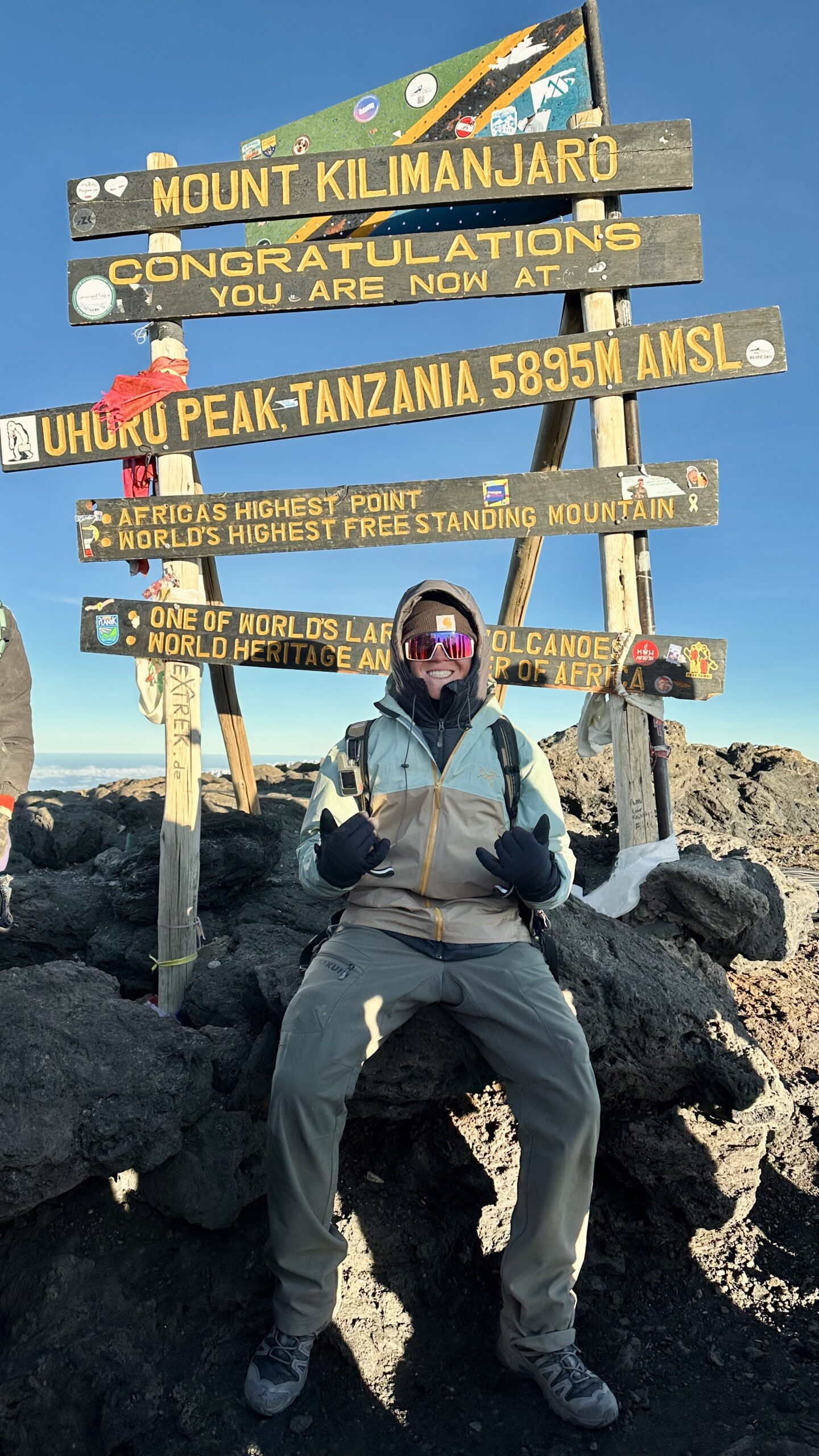
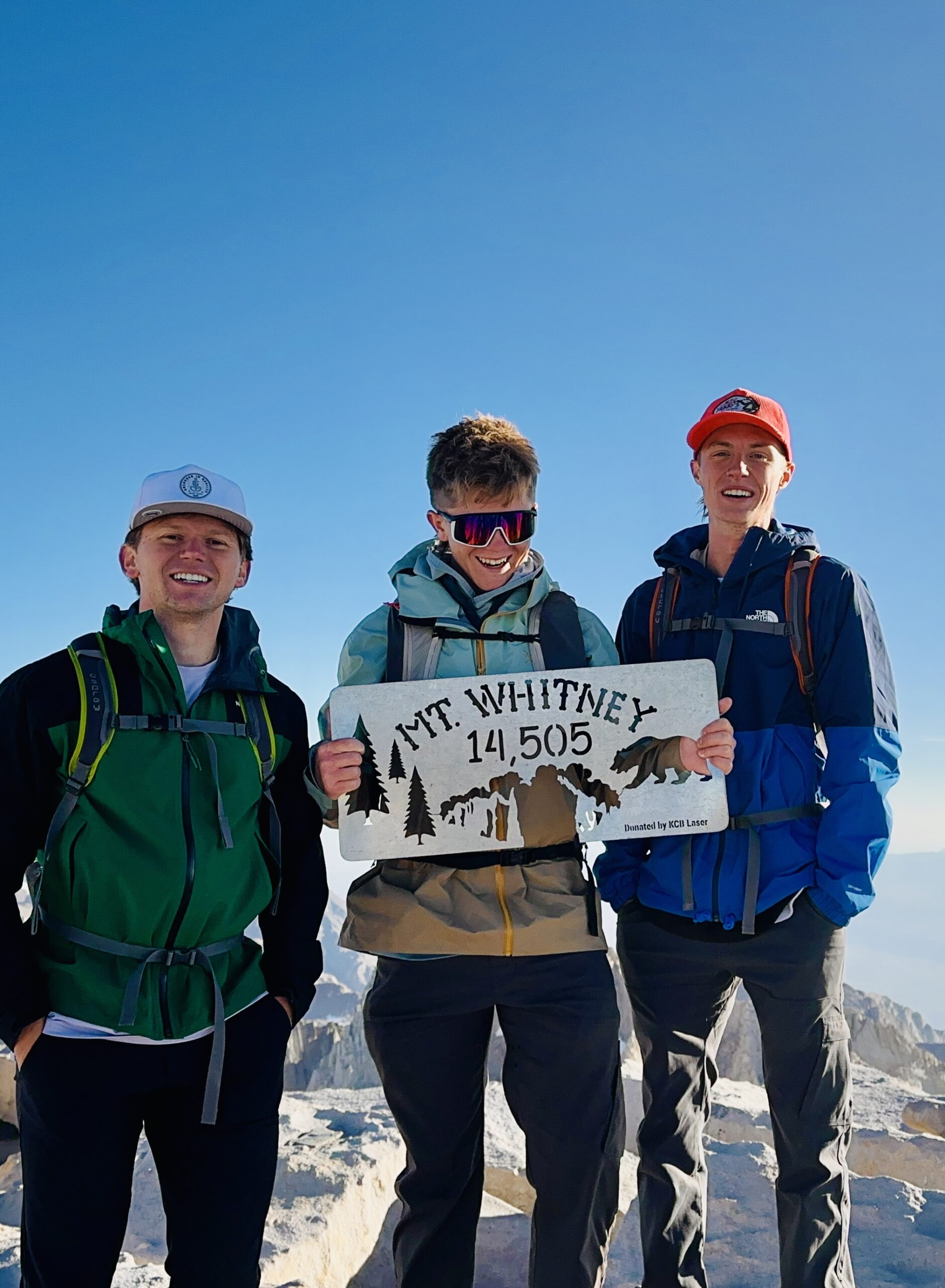
Our Climbing & Mountaineering Lead, Dawson Ludlow, has summited more than twenty distinct peaks across more than forty ascents, from repeated Wasatch classics to Kilimanjaro (19,341 ft), Mount Whitney (14,505 ft), and the glaciated Mount Hood.
With founder Travis Ludlow he has also climbed Pikes Peak, climbed in Patagonia and Iceland, and stood at the foot of Mount Fuji.
We have not summited Everest or any 8,000-meter peak, and we never pretend otherwise. Next up is a deliberate high-altitude progression: Orizaba, Cotopaxi, and Chimborazo.
Signature & high-altitude summits
The climbs that anchor our altitude and glacier experience, and inform how we write about the bigger peaks.
Kilimanjaro · via the Lemosho route
The roof of Africa and the highest point we have reached. A non-technical but serious high-altitude trek that taught us first-hand how altitude, pacing, and multi-day fatigue actually feel above 15,000 feet, lessons that shape our Kilimanjaro and altitude guides.
Mount Whitney
The highest summit in the contiguous United States, a long, demanding day at altitude on the classic route.
Pikes Peak · Travis and Dawson
A Colorado 14er climbed together, one of several climbs Travis and Dawson have done side by side.
Mount Hood · via Timberline
Our introduction to a glaciated Cascade volcano: crampons, an alpine start, and real snow-and-ice terrain, and a direct stepping stone toward the volcanoes we are climbing next.
The Wasatch record
Utah’s Wasatch Range is our home range and the foundation of everything else. Repeated ascents in every season are where judgment is actually built.
The bulk of our experience is earned close to home, on the peaks of Utah’s Wasatch Range, climbed and re-climbed across seasons and conditions. This is where the unglamorous work of mountaineering happens: learning to read weather, pace a long climb, move on snow, and turn around when a day goes wrong. Highlights include Mount Nebo, the highest peak in the Wasatch, climbed six times; Mount Timpanogos by two different routes including the Everest Ridge; Lone Peak three times via the committing Jacob’s Ladder approach; and Kyhv Peak above Provo four times. These are not exotic objectives, but the accumulated mileage across dozens of ascents is exactly the kind of experience that makes the difference between writing about mountains and knowing them.
The full summit table
Every peak in our first-hand record, with verified elevations and the number of ascents. Grouped by elevation band.
| Peak | Route(s) | Elevation | Ascents |
|---|---|---|---|
| High-altitude & signature | |||
| Kilimanjaro | Lemosho | 19,341 ft (5,895 m) | 1 |
| Mount Whitney | Standard route | 14,505 ft (4,421 m) | 1 |
| Mount Hood | Timberline | 11,249 ft (3,429 m) | 1 |
| Wasatch & Utah 11,000-ft peaks | |||
| Mount Nebo | North Peak Trail | 11,928 ft | 6 |
| Mount Timpanogos | Timpooneke; Everest Ridge | 11,752 ft | 3 |
| American Fork Twin Peaks | Standard | 11,489 ft | 1 |
| Pfeifferhorn | Standard | 11,326 ft | 2 |
| Lone Peak | Jacob’s Ladder | 11,253 ft | 3 |
| Mount Superior | Cardiff Pass | 11,132 ft | 1 |
| Box Elder Peak | Standard | 11,101 ft | 1 |
| Provo Peak | The Y; Slate Canyon; normal | 11,068 ft | 3 |
| Wasatch & Utah 10,000-ft peaks | |||
| Loafer Mountain | Standard | 10,687 ft | 1 |
| Santaquin Peak | Loafer Mountain Trail | 10,685 ft | 1 |
| Sunset Peak | Catherine Pass | 10,648 ft | 1 |
| Gobblers Knob | Standard | 10,246 ft | 1 |
| Mount Raymond | Standard | 10,241 ft | 1 |
| Spanish Fork Peak | Standard | 10,193 ft | 2 |
| Utah peaks under 10,000 ft | |||
| Ben Lomond | Cutler | 9,712 ft | 1 |
| Notch Peak | Standard | 9,655 ft | 1 |
| Mount Olympus | Standard | 9,026 ft | 2 |
| Y Mountain | Standard | ~8,568 ft | 1 |
| Grandeur Peak | Standard | 8,299 ft | 1 |
| Kyhv Peak | Rock Canyon | 7,865 ft | 4 |
| Big Baldy | Standard | Wasatch | 2 |
Twenty-four distinct summits, forty-two total ascents. The repeated climbs matter as much as the list: six trips up Mount Nebo and four up Kyhv Peak represent real, seasonal familiarity, not a one-time tick. Elevations are verified against current records; Big Baldy is listed without a precise figure rather than guess at which of Utah’s several Big Baldys applies.
International climbing
Beyond the summits above, Travis and Dawson have sought out mountain terrain around the world.
Our experience is not confined to North America. Together, Travis and Dawson have climbed in Patagonia, the wild, weather-battered mountains at the southern end of South America, and in Iceland, a landscape of glaciers, volcanoes, and fast-changing conditions. They have also spent time at the base of Mount Fuji in Japan. We are precise about that last one on purpose: we explored Fuji’s lower slopes rather than standing on its summit, and it matters to us to describe experience exactly as it happened. Time in these ranges, on very different rock, ice, and weather than Utah’s, broadens the judgment we bring to writing about mountains everywhere.
What we are climbing next
Our experience is not a finished list. We are on a deliberate progression toward higher, glaciated, high-altitude volcanoes, and we will document it as it happens.
The high-altitude progression, 2026 to 2027
Pico de Orizaba
North America’s highest volcano and our next high-altitude glacier objective, building on Mount Hood.
Cotopaxi
A classic glaciated Andean volcano and a step up in sustained altitude and glacier travel.
Chimborazo
Ecuador’s highest peak and the farthest point from the center of the Earth, our first objective above 20,000 feet.
These are goals, not achievements, and we will report honestly on how the preparation and the climbs actually go. Follow the same path in our progression plans and expedition training guides.
Global Summit Guide covers mountains far higher and more technical than we have personally climbed, including Everest, K2, and the 8,000-meter peaks. We will never blur the line between what we have done and what we have researched. Our first-hand summits top out at Kilimanjaro; everything above that is research-based synthesis drawn from the Himalayan Database, the American Alpine Club, expedition operators, and published accounts, and we cite those sources.
We believe this honesty makes us more useful, not less. It means you can trust that when we describe how something feels, we have felt it, and when we are working from research, we say so. That is the standard we hold every page on this site to.
Experience FAQ
The questions readers ask about who is behind the guides.
Has the team summited Everest or the 8,000-meter peaks?
No, and we say so plainly. Our highest summit is Kilimanjaro at 19,341 feet. Our 8,000-meter guides are research-based syntheses from the Himalayan Database, the American Alpine Club, operators, and published accounts, with sources cited.
What is the team’s highest summit?
Kilimanjaro, 19,341 feet (5,895 m), via Lemosho. Then Mount Whitney (14,505 ft), Pikes Peak (14,115 ft), and Mount Hood (11,249 ft), plus more than twenty Wasatch summits.
How does this experience make your guides more reliable?
First-hand time teaches what no database can: how altitude feels, how fast weather turns, how fatigue erodes judgment on descent. That shapes how we frame difficulty, training, and risk, even for peaks higher than we have climbed, where we are transparent that the work is research-based.
What are you climbing next?
A high-altitude progression: Pico de Orizaba (18,491 ft) in December 2026, then Cotopaxi (19,347 ft) and Chimborazo (20,548 ft) in 2027. Glaciated volcanoes that build directly on Kilimanjaro and Mount Hood.
Who does the climbing?
Primarily Dawson Ludlow, our Climbing & Mountaineering Lead, with founder Travis Ludlow climbing alongside him, including Pikes Peak and climbs in Patagonia and Iceland. Health and altitude content is reviewed by Taylor Ludlow, RN.
About Global Summit Guide
Global Summit Guide is an independent mountaineering resource built on a simple principle: earn trust by being honest about what we know first-hand and what we have researched. This page is our experience record, and we keep it current as we climb. Health and altitude content is reviewed by Taylor Ludlow (Registered Nurse), and gear by Walker Ludlow. Read more about the team and mission.
Was this helpful?
Global Summit Guide is an independent mountaineering resource founded in 2026. The team combines first-hand trekking and climbing experience with in-depth research and professional health and nutrition review to help climbers choose objectives, prepare properly, and stay safe.
Health, altitude, and nutrition content is reviewed by Taylor Ludlow (Registered Nurse) and Brigg Hoopes (Nutritionist).
What We Don't Know Yet
Mountain information changes quickly. This box explains the limits of what this page can responsibly promise.
- Guide-company prices, departure dates, guide ratios, included services, and cancellation rules can change without notice.
- Weather, snowpack, avalanche risk, road access, and route conditions can change quickly and may be different on your climbing dates.
- Route conditions, trailhead access, crevasse exposure, stream crossings, and rescue access may vary from published planning guidance.
- Fitness and altitude response vary by person; no guide, itinerary, or training plan can guarantee acclimatization or summit success.
Verify current conditions with official land managers, guide services, local forecasts, and current route reports before booking or climbing.
Mountaineering, rock and ice climbing, glacier travel, and high-altitude activity are inherently dangerous and can result in serious injury or death. The information on Global Summit Guide is provided for general informational and educational purposes only and is not a substitute for professional instruction, qualified guiding, proper equipment, or your own judgment and experience.
Route conditions, weather, snowpack, permits, regulations, and hazards change constantly and may differ from what is described here. Details may be incomplete, out of date, or contain errors. Always verify current information with local authorities, certified guides, and official sources before making any decision in the mountains.
Nothing on this site is medical, legal, or financial advice. Our fitness, acclimatization, altitude, and nutrition content is general in nature; consult a qualified physician before beginning any strenuous exercise program or exposing yourself to high altitude.
You are solely responsible for your own safety and decisions. To the fullest extent permitted by law, Global Summit Guide and its team accept no liability for any loss, injury, damage, or expense arising from use of, or reliance on, this information. By using this site you acknowledge these risks and accept these terms.
Some links on this site may be affiliate links. If you buy through them we may earn a small commission at no extra cost to you; this never affects our recommendations.
Global Summit Guide recommendation path
Next Best Mountain to Research
Use these recommendations to continue the right planning path instead of stopping on one page.
Use current permit, weather, route, and operator information before booking or climbing.
Search Flights, Hotels & Rental Cars
Have the mountain or destination picked? Use Expedia to compare the flights, lodging and rental cars that fit your actual trip dates. For mountain travel, consider arriving early enough for delays and adding a buffer night after the climb before a fixed flight home.
Compare current flight, hotel and car options.
Affiliate disclosure: Global Summit Guide may earn a commission if you book through this link, at no additional cost to you.