
Last updated September 7, 2026
Iceland in March: what hikers should actually expect (and what the travel blogs get wrong)
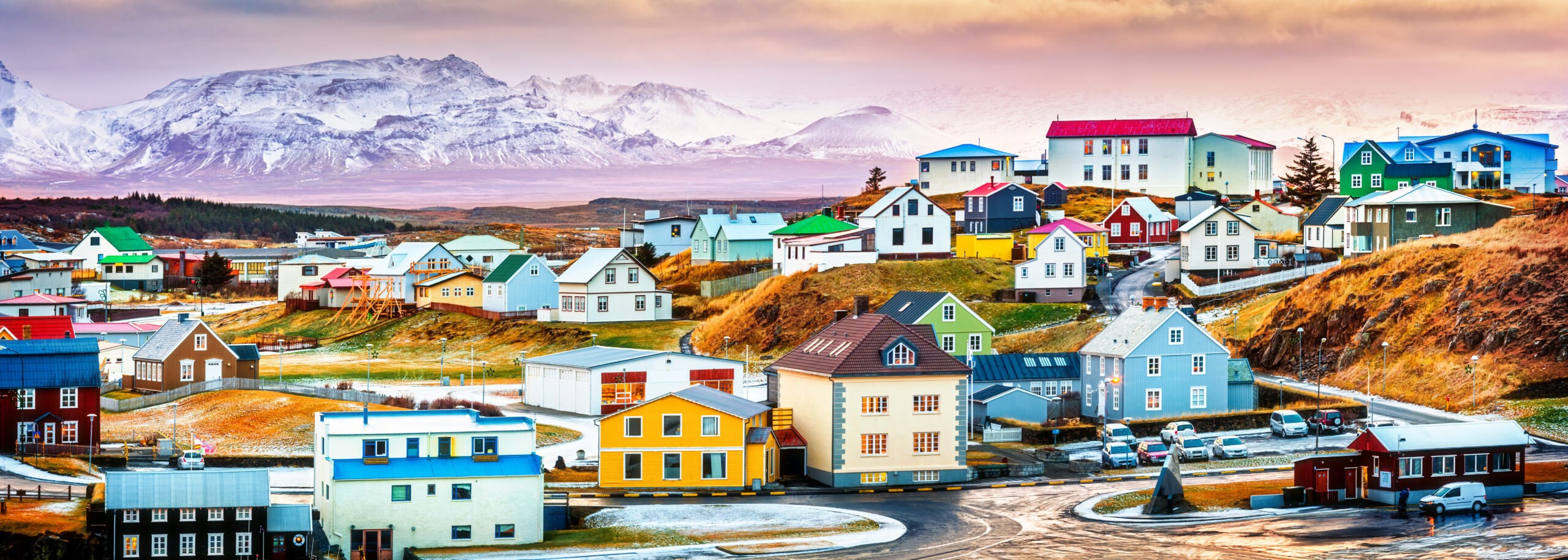
We went to Iceland in March and based ourselves in Vik, on the south coast. It was cold. More than that, it was windy, and then it was cold again. The scenery was worth every gust, but almost nothing about the trip matched the green, sunlit hiking photos that fill the travel blogs. Here is the honest version, so you can plan around the Iceland that actually shows up in March.
There is a version of Iceland that lives on travel blogs: emerald valleys, a lone hiker on a ridge in a light jacket, waterfalls under a midnight sun. It is real, and it is wonderful. It also does not exist in March. What exists in March is a low, silver light, black-and-white coastlines, and a wind that turns a short walk to a waterfall into a genuine physical effort. We loved it. But we loved it because we went in knowing what it was, and plenty of visitors do not. So before you book, here is what hiking in Iceland in March is actually like.
March is winter day-hiking, not summer trekking. Plan for wind above all.
The Highlands and all the famous multi-day treks are closed and snowbound until summer. What you get instead is spectacular winter day-hiking near the open roads, the northern lights, and almost no crowds. The single biggest thing the blogs undersell is the wind, which matters more than the temperature and can flatten your plans entirely.
Go in expecting that, and Iceland in March is superb. Expect the summer postcard, and you will be cold, frustrated, and locked out of half your itinerary.
Coastal temps
28 to 37 F, but the wind chill is the real story.
The Highlands
F-roads and big treks shut until summer.
What the travel blogs get wrong
Not lies, exactly. Just summer photos attached to a winter month.
“Iceland is a hiker’s paradise”
In summer, absolutely. In March, the interior Highlands, where the iconic multi-day treks live, are completely snowbound and the roads to them are legally closed. The hiking that remains is winter day-hiking near the coast. It is beautiful, but it is a different sport.
“It’s cold, so pack warm layers”
True but incomplete. The temperature is manageable, often hovering near freezing on the coast. The wind is what defines the day. It drives the wind chill down hard and, in a storm, can stop you walking outright. Check the wind speed as carefully as the temperature.
“Winter means barely any daylight”
That is December, not March. Daylight expands quickly through March, from about 10 hours early in the month to roughly 13 by the end, with the equinox around the 21st. You have ample time for day hikes, and the dark evenings still deliver the northern lights.
“Just follow the itinerary”
Iceland does not care about your itinerary in March. Storms close roads and cancel tours at short notice, and the local saying that if you do not like the weather you should wait five minutes is not a joke. Flexibility is not a nice-to-have. It is the plan.
The weather, honestly
March is the last true winter month, and it behaves like one.
On the south coast, where we were, daytime temperatures mostly sat between about -2 and 3 C (28 to 37 F). That sounds mild, and on a still day it is. But still days are rare. The wind is nearly constant, and it turns a pleasant reading on the thermometer into something that bites through anything not properly windproof. We had snow, rain, and sudden sun within the same hour more than once, which is entirely normal here. Inland and up high it is far colder, with the Highlands sitting well below -10 C (14 F) and storms adding snow by the metre. If you take one thing from this report, let it be that in Iceland in March you dress for and plan around the wind first, and the temperature second.
What’s open and closed
The single most important planning fact: the interior is shut.
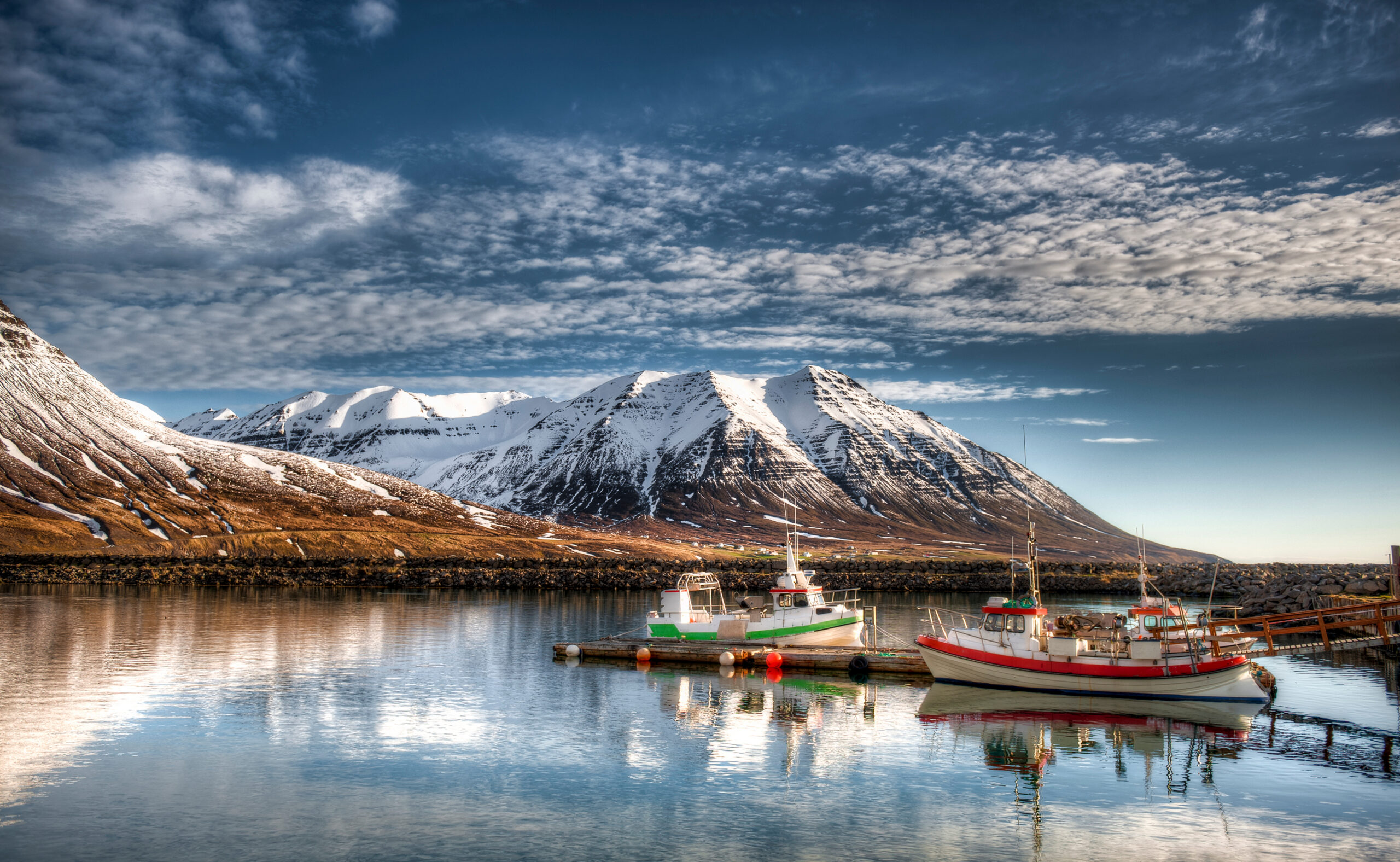
The main roads do the heavy lifting in March. The Ring Road, the Golden Circle, and the South Coast route are usually kept open and cleared, though storms can close sections temporarily and without much warning. What is firmly closed is the entire Highland interior: every F-road stays shut until summer, typically not reopening until June or July, because of deep snow and ice. That closure is what rules out the famous treks. Laugavegur, Fimmvorduhals, and the other classic multi-day hut routes are summer-only, and in March they are buried and inaccessible. If a Highland hut trek is your dream, that is a July-to-September trip, and our guides to the best first hut-to-hut hikes and one-week circuits cover Laugavegur for when you go back in the right season.
What you can actually hike
Plenty, as long as you think day hikes near the open roads, and carry traction.
South Coast waterfalls: Seljalandsfoss and Skogafoss
Short walks to two of Iceland’s great waterfalls, both just off the South Coast road. Expect sheet ice on the paths and spray that freezes fast, so microspikes and a windproof shell are essential. The staircase beside Skogafoss may be icy or partly closed.
Reykjadalur hot-spring valley
A popular day hike up a geothermal valley to a warm bathing river, doable in winter but often snowy and icy underfoot. A rewarding half day with traction and a check of conditions first.
Coastal walks near Vik: Dyrholaey and Reynisfjara
The black-sand coast around Vik is dramatic in winter and easy to reach. But treat Reynisfjara with real caution: its sneaker waves are powerful, unpredictable, and have killed visitors. Stay well back from the water and never turn your back on the sea.
Solheimajokull glacier (guided only)
You can walk on a glacier tongue in March, but only on a guided tour with crampons and a certified guide. Do not venture onto glacier ice alone; crevasses and thin snow bridges make it lethal without training and gear.
Mount Esja, near Reykjavik
The capital’s local mountain is a popular hike, but in March it is a genuine winter ascent: snow, ice, and wind increase with height. Fine for a lower stretch with traction; the full climb needs winter skills and honest judgment about conditions.
Sneaker waves. On south-coast beaches like Reynisfjara, surges rush far up the sand without warning and drag people in. People die here most years. Keep a big margin from the water.
Wind and storms. If the forecast shows a storm, do not hike, and do not drive to a trailhead to “see how it is.” Iceland’s emergency services repeat the same message every winter: when the weather says stay put, stay put.
What to bring
Get the shell and the traction right and the rest follows.
March hiking kit for Iceland
- A fully windproof and waterproof shell – jacket and trousers. This is the most important item.
- Microspikes or trail crampons – paths, car parks, and trails are routinely iced over.
- Warm insulating layers – merino base, mid-layer, insulated jacket; wind drives the real cold.
- Hat, warm gloves, and a buff – wind protection for hands and face.
- Sturdy waterproof boots – with good tread under the spikes.
- Daily weather and road checks – vedur.is for weather, safetravel.is for alerts, road.is for closures.
Where to stay on the south coast
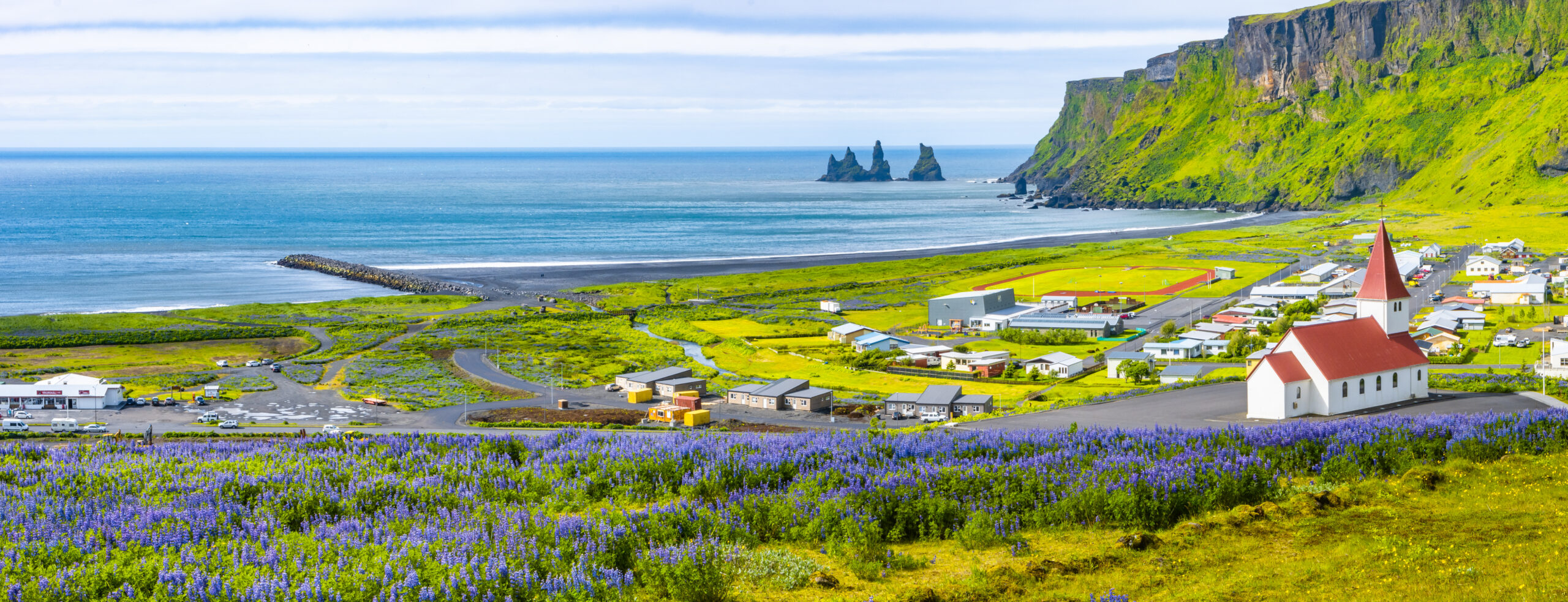
Basing yourself in a town like Vik or Reykjavik keeps you close to the open roads and gives you somewhere warm to wait out a storm. Booking flexible lodging and your flights early makes a weather-dependent trip far less stressful.
Disclosure: the link below is an affiliate link. If you book through it, Global Summit Guide may earn a small commission at no extra cost to you. It does not affect what we recommend.
Find lodging and flights for Iceland →Iceland in March FAQ
The questions hikers ask most before a March trip.
Can you hike in Iceland in March?
Yes, but it is winter day-hiking, not summer trekking. The Highlands and all F-roads are closed until summer, so multi-day routes like Laugavegur are out. You can do day hikes and walks near the open main roads, mostly along the South Coast and around Reykjavik, with traction for ice and a close eye on the weather.
How cold is Iceland in March?
Coastal temperatures hover around -2 to 3 C (28 to 37 F), but wind is relentless and the wind chill makes it feel far colder. The Highlands are much colder, often -10 to -20 C (14 to -4 F). The wind matters more than the number on the forecast.
How much daylight does Iceland get in March?
Far more than its reputation suggests: about 10 hours early in the month rising to around 13 by the end, with the equinox near March 21. That is plenty for day hikes, and the dark evenings still offer the northern lights, especially early in the month.
Is the Laugavegur trek open in March?
No. Laugavegur and the other famous Highland treks are summer routes, typically walkable only from around late June to September. In March the interior is snowbound and the F-roads are closed. For a hut trek, come back in summer.
Do you need microspikes or crampons?
Yes. Trails, paths, and even car parks are frequently iced over, so microspikes or trail crampons over sturdy waterproof boots are close to essential, paired with a fully windproof and waterproof shell. Wind protection matters as much as insulation.
Iceland: More Mountain Travel From the Field
Continue from our March Iceland experience into other trips, hikes and climbs documented directly by Global Summit Guide.
Was this helpful?
Global Summit Guide is an independent mountaineering resource founded in 2026. The team combines first-hand trekking and climbing experience with in-depth research and professional health and nutrition review to help climbers choose objectives, prepare properly, and stay safe.
Health, altitude, and nutrition content is reviewed by Taylor Ludlow (Registered Nurse) and Brigg Hoopes (Nutritionist).
What We Don't Know Yet
Mountain information changes quickly. This box explains the limits of what this page can responsibly promise.
- Visa, passport, vaccination, border, insurance, and local transportation rules may change before your trip.
- Route conditions, snowpack, closures, and weather can change quickly after this page is updated.
- Permit rules, fees, quotas, and reservation windows may change between review cycles.
- Operator availability, pricing, guide ratios, and cancellation terms can change by season.
- Your fitness, altitude response, risk tolerance, and experience level may change what is safe or realistic.
Verify current conditions with official land managers, guide services, local forecasts, and current route reports before booking or climbing.
Mountaineering, rock and ice climbing, glacier travel, and high-altitude activity are inherently dangerous and can result in serious injury or death. The information on Global Summit Guide is provided for general informational and educational purposes only and is not a substitute for professional instruction, qualified guiding, proper equipment, or your own judgment and experience.
Route conditions, weather, snowpack, permits, regulations, and hazards change constantly and may differ from what is described here. Details may be incomplete, out of date, or contain errors. Always verify current information with local authorities, certified guides, and official sources before making any decision in the mountains.
Nothing on this site is medical, legal, or financial advice. Our fitness, acclimatization, altitude, and nutrition content is general in nature; consult a qualified physician before beginning any strenuous exercise program or exposing yourself to high altitude.
You are solely responsible for your own safety and decisions. To the fullest extent permitted by law, Global Summit Guide and its team accept no liability for any loss, injury, damage, or expense arising from use of, or reliance on, this information. By using this site you acknowledge these risks and accept these terms.
Some links on this site may be affiliate links. If you buy through them we may earn a small commission at no extra cost to you; this never affects our recommendations.
Global Summit Guide recommendation path
Next Best Mountain to Research
Use these recommendations to continue the right planning path instead of stopping on one page.
Use current permit, weather, route, and operator information before booking or climbing.