
Last updated September 13, 2026
The 20 Best First Hut-to-Hut Hikes in the World
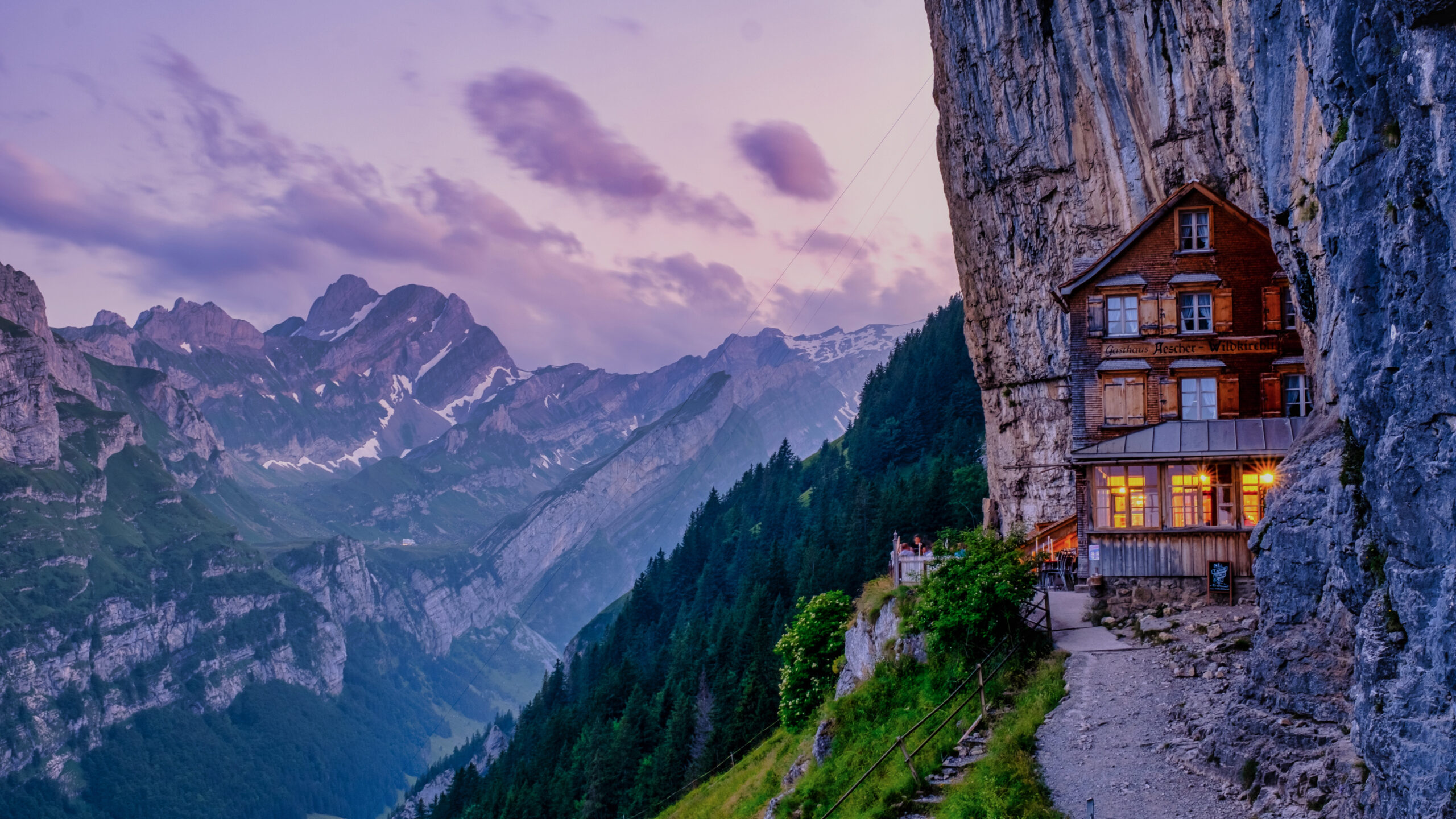
Hut-to-hut hiking is the friendliest way to spend days in the high mountains: you sleep in a mountain hut each night, so you carry a light pack instead of a tent and a week of food. These 20 routes are the best places to start, chosen for accessible logistics, good hut networks, and world-class scenery, from the Alps and Dolomites to New Zealand and Patagonia. Distances in kilometres (miles); elevations in metres (feet).
If you have ever looked at a multi-day mountain trek and been put off by the thought of a 20-kilo pack, a tent, and a week of freeze-dried dinners, hut-to-hut hiking is the answer. You walk from one mountain hut to the next, and each night there is a bunk and, in most of the Alps, a hot cooked meal waiting. That single fact – a light pack – transforms what is possible, letting ordinary fit walkers link high passes and remote valleys that would otherwise take an expedition. It is the reason the Alps built a hut network in the first place, and the reason hut-to-hut is the best on-ramp to the mountains.
The best first hut trek is a served one, booked early.
For your first hut-to-hut hike, favor a route with a dense, staffed hut network, waymarked trails, and the option of a self-guided package that books the huts and moves your luggage. The Alps, and the Dolomites in particular, are the gold standard for exactly this. Wherever you go, book the huts months ahead: beds sell out fast for a short season.
New to multi-day hiking entirely? See how a hut trek compares to other adventures in high route vs thru-hike vs summit trek, and the wider picture in our World’s Great High Routes pillar.
Routes
Beginner-friendly hut treks on five continents.
No tent
Beds and meals at the hut mean a daypack, not a haul.
Months ahead
Huts and refugios sell out for the short season.
Why hut-to-hut is the best first multi-day hike
It removes the two things that make backpacking hard: the pack and the exposure.
A hut trek is more accessible than tent-based backpacking at the same distance for a simple reason: you are not carrying your shelter, your bedding, or most of your food. In the Alps the huts are staffed and serve dinner and breakfast, so a daypack with layers, water, and snacks is all you need. That lighter load means you can tackle higher, longer, more spectacular terrain safely, and it means a bad-weather day ends at a warm hut rather than a wet tent. Huts are also social and safe: wardens know the conditions, other walkers share the trail, and help is closer than in true wilderness. The main catch is booking – beds are limited and popular routes fill months ahead – and that beyond the Alps, hut comfort varies, with New Zealand and Scandinavian huts often self-catered.
The Alps & Dolomites: the gold standard
The densest hut network on earth, and the best place to start. Catered huts, waymarked trails, luggage transfer available.
1.Tour du Mont Blanc
The world’s most famous hut circuit, looping the Mont Blanc massif through three countries. Do the whole thing or a three-to-five-day section for a first taste; luggage transfer and self-guided packages are widely available.
2.Alta Via 1, Dolomites
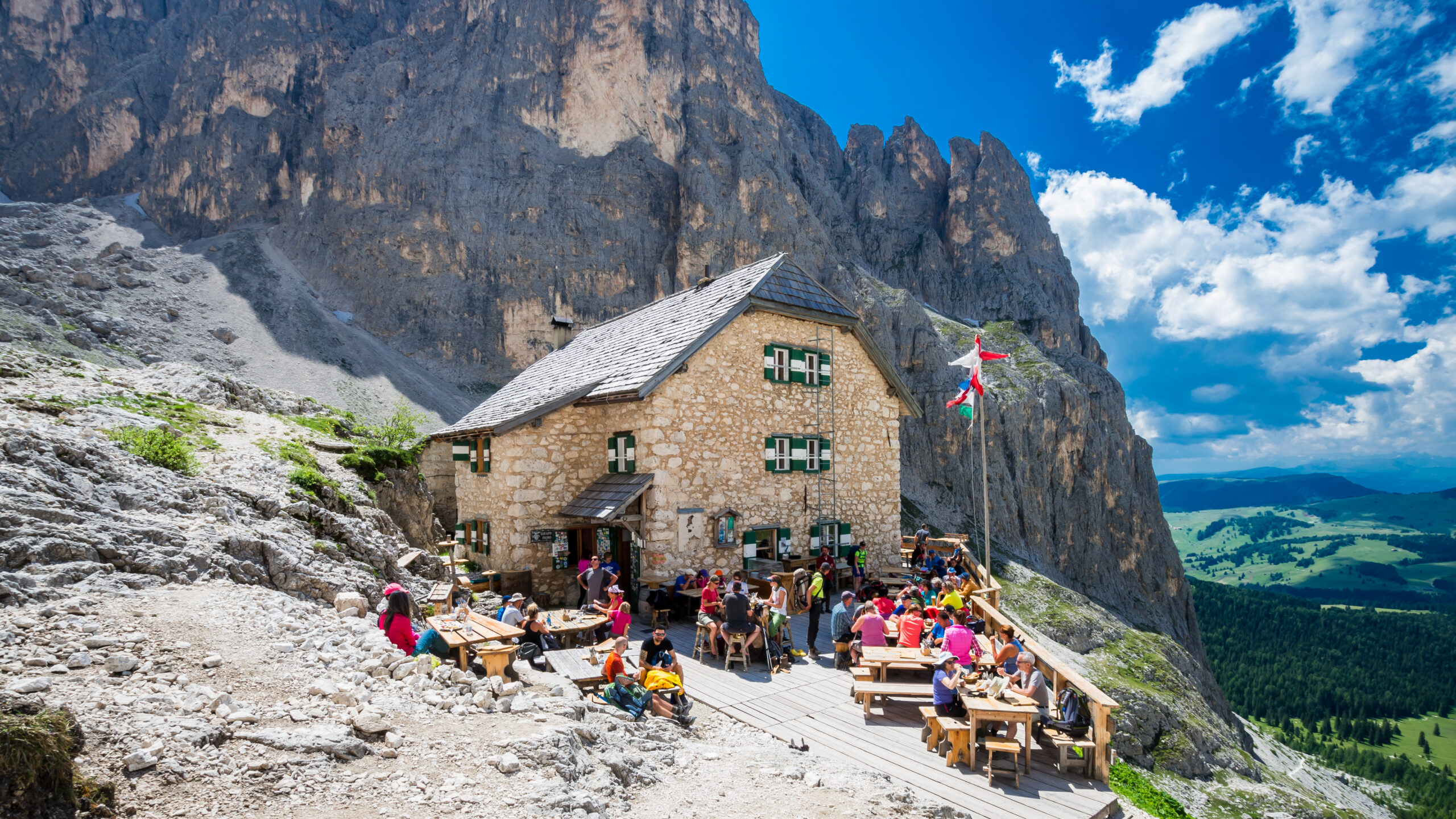
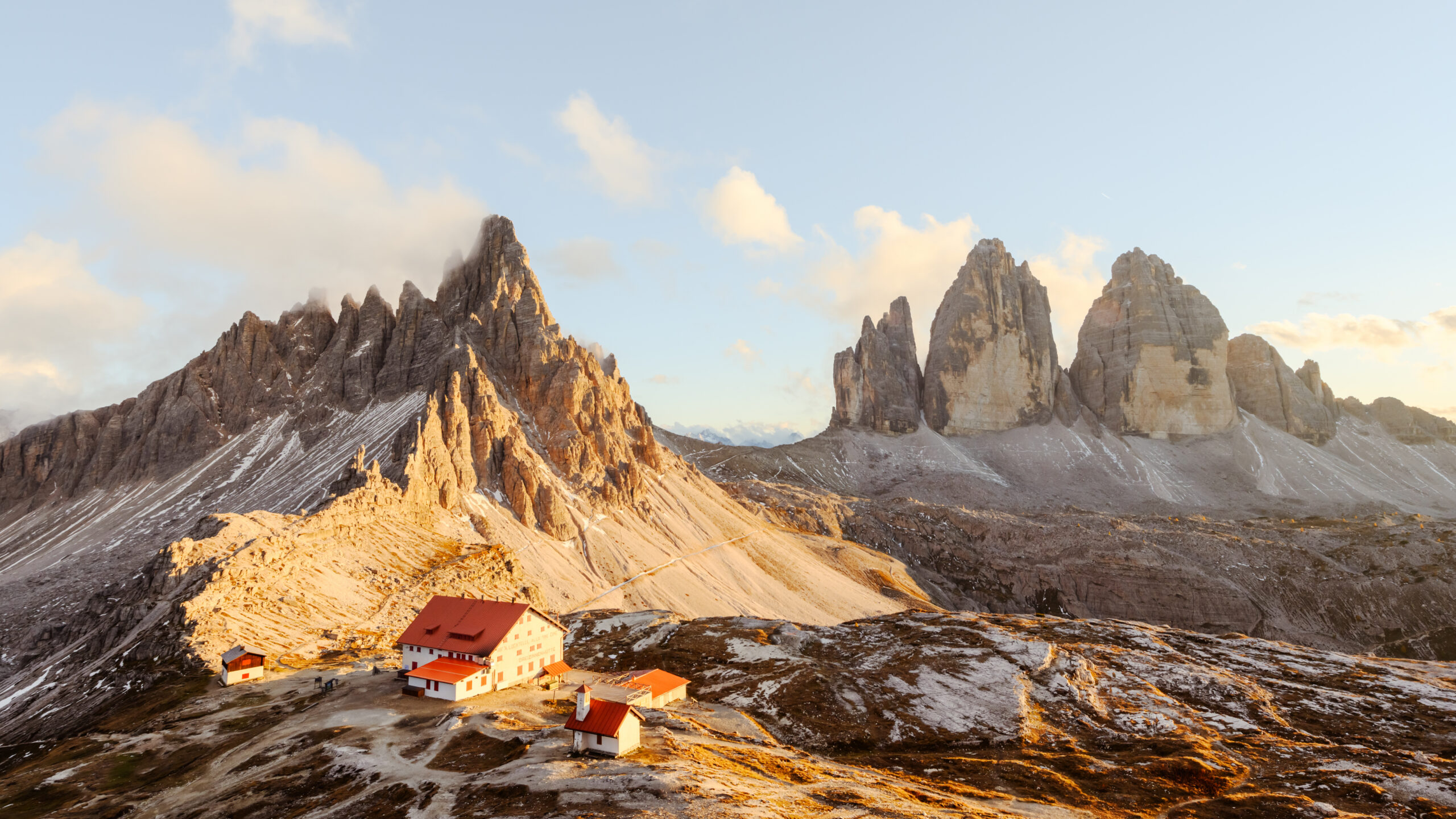
The most beginner-friendly of the great Dolomite routes, past turquoise lakes and sheer limestone walls, with comfortable rifugios and generous Italian meals. Non-technical, and the classic first hut trek.
3.Tour of the Vanoise
Gentle gradients and well-made paths through France’s oldest national park make this a superb, low-stress introduction to Alpine hut trekking, with wildlife and glaciers as a backdrop.
4.Adlerweg (Eagle Walk)
Austria’s signature trail traces the shape of an eagle across Tyrol. It is designed to be sampled in sections, so first-timers can pick a two-to-four-day stretch matched to their fitness.
5.Berliner Hohenweg
A classic Austrian high route linking a chain of welcoming huts around the Zillertal. A step up with some exposed sections, best once you have a shorter hut trek behind you.
6.Triglav Lakes Valley, Julian Alps
A short, scenic hut trek through the lake-strewn heart of Triglav National Park, on the flanks of Mount Triglav. Quieter and cheaper than the big-name Alps, with an easy option that skips the via ferrata to the summit.
7.Dachstein Rundwanderweg
A tidy three-day loop around the Dachstein massif, with limestone scenery, glaciers, and comfortable huts. Short enough for a first trip, spectacular enough to hook you.
8.Kesch Trek
A compact Swiss classic on well-marked T2 trails, staying in Swiss Alpine Club huts, with big mountain scenery and manageable daily stages. An ideal Swiss introduction.
9.Meraner Hohenweg (Merano High Route)
A high-level circuit around the Texel group with gentle sun-terrace walking and mountain-inn comfort. One of the easiest and longest-season options here, walkable in parts.
10.Tour du Queyras
A quiet circuit in a sunny, remote corner of the French Alps, with a mix of refuges and village gites that keeps costs down and the atmosphere relaxed.
11.Alpine Pass Route
A coast-to-coast crossing of Switzerland over 16 passes, easily sampled as a section. Superb infrastructure and public-transport access make short first attempts simple to arrange.
12.Gran Paradiso Alta Via
Hut trekking through Italy’s Gran Paradiso, with forests, alpine meadows, ibex, and the friendly rifugios of the country’s oldest national park. Beginner-friendly in sections.
Iceland & the Nordics
Short, wild, and hut-served, with a different landscape entirely.
13.Laugavegur
Iceland’s most famous trek, crossing rhyolite mountains, geothermal steam, and black-sand deserts from Landmannalaugar to Thorsmork. Short, otherworldly, and served by huts that must be booked early.
14.Jotunheimen hut routes
The Norwegian Trekking Association (DNT) maintains a huge network of huts linking Norway’s highest mountains, including the famous Besseggen ridge. Flexible, well-marked, and a fine introduction to Nordic hut culture.
15.Kungsleden (sections)
The King’s Trail runs through Arctic Sweden past Kebnekaise, the country’s highest peak, with a chain of spaced huts. Best sampled in a short section for a first trip, in the brief northern summer.
New Zealand: the Great Walks
World-class huts, but self-catered. Book early through the Department of Conservation.
16.Routeburn Track
One of New Zealand’s finest Great Walks and a superb first hut trek, crossing an alpine pass between Fiordland and Mount Aspiring parks. Huts are booked through DOC and you carry your own food.
17.Tongariro Northern Circuit
A volcanic circuit past brilliant blue crater lakes and lava fields, on well-maintained, easy-to-navigate trail. Includes the famous Tongariro Alpine Crossing as one day.
18.Abel Tasman Coast Track
The gentlest walk here: golden beaches, turquoise bays, and easy graded trail, with the option to shorten days by water taxi. Ideal for families and true first-timers.
Australia & Patagonia
Two bucket-list firsts, both hut- or refugio-served.
19.Overland Track
Australia’s premier alpine walk, from Cradle Mountain through moorland and glacial valleys to Lake St Clair, with public huts along the way and a booking system for the main season.
20.Torres del Paine W
Patagonia’s signature trek, past the granite towers, French Valley, and Grey Glacier, staying in catered refugios that book out months ahead. A big, rewarding first international hut trek.
Compare all 20
Commonly cited figures. Distances, days, and grades vary by variant and source.
| Hike | Where | Distance | Days | Huts | Difficulty | Season |
|---|---|---|---|---|---|---|
| Tour du Mont Blanc | Alps (FR/IT/CH) | ~170 km (105 mi) | 7-11 | Catered | Moderate-strenuous | Jun-Sep |
| Alta Via 1 | Dolomites, Italy | ~120 km (75 mi) | 8-12 | Catered | Moderate | Jun-Sep |
| Tour of the Vanoise | France | Loop | 5-6 | Catered | Moderate | Jul-Sep |
| Adlerweg (Eagle Walk) | Austria | Sectioned | 2-8+ | Catered | Moderate | Summer |
| Berliner Hohenweg | Austria | ~70 km (44 mi) | 6-8 | Catered | Moderate-strenuous | Jul-Sep |
| Triglav Lakes Valley | Slovenia | Short | 3-4 | Catered | Moderate | Jun-Sep |
| Dachstein Rundwanderweg | Austria | Loop | 3 | Catered | Moderate | Summer |
| Kesch Trek | Switzerland | Short | 3-4 | Catered | Moderate | Jul-Sep |
| Meraner Hohenweg | Italy (S. Tyrol) | ~24-40 km | Sections | Catered | Easy-moderate | Spr-Aut |
| Tour du Queyras | France | Loop | 7-10 | Catered | Moderate | Jun-Sep |
| Alpine Pass Route | Switzerland | Sectioned | Sections | Catered | Moderate-strenuous | Summer |
| Gran Paradiso Alta Via | Italy | Sectioned | Sections | Catered | Moderate | Summer |
| Laugavegur | Iceland | ~55 km (34 mi) | 4 | Self-catered | Moderate | Jun-Sep |
| Jotunheimen (DNT) | Norway | Sectioned | Sections | Mixed | Moderate | Jul-Sep |
| Kungsleden | Sweden | ~440 km full | Sections | Self-catered | Moderate, remote | Summer |
| Routeburn Track | New Zealand | ~33 km (21 mi) | 3 | Self-catered | Moderate | Oct-Apr |
| Tongariro N. Circuit | New Zealand | ~43 km (27 mi) | 3-4 | Self-catered | Moderate | Nov-Apr |
| Abel Tasman Coast | New Zealand | ~60 km (37 mi) | 3-5 | Self-catered | Easy | Year-round |
| Overland Track | Tasmania | ~65 km (40 mi) | 6 | Basic + camps | Moderate | Oct-May |
| Torres del Paine W | Patagonia | ~80 km (50 mi) | 4-5 | Catered | Moderate-strenuous | Nov-Mar |
How to plan your first hut-to-hut hike
Get these five things right and the rest is walking.
Planning a first hut trek is mostly about booking and honest self-assessment. Reserve huts as early as you can, because beds are limited and the popular routes fill months ahead for a short season. Get the season right: the Alpine hut season runs roughly late June to mid-September, New Zealand and Patagonia are the austral summer, and Iceland and Scandinavia have short windows. Know whether your huts are catered or self-catered, since that changes what you carry. Decide between fully self-guided, a self-guided package that books huts and transfers luggage, or a fully guided trip. And pack light, because the whole advantage of hut trekking is the daypack.
Your first hut-to-hut checklist
- Book early – huts and refugios sell out months ahead; camping is restricted in the Alps.
- Match the route to your fitness – choose one whose daily stages you can comfortably walk on consecutive days.
- Check catered vs self-catered – Alps huts feed you; New Zealand and Nordic huts usually do not.
- Consider a self-guided package – it books the huts and moves your luggage, ideal for a first trip.
- Pack light and layered – a daypack with layers, rain shell, water, snacks, and a hut sheet.
- Carry the safety basics – map, the ability to navigate, and a plan for weather; see our navigation and weather guides.
Getting there and where to stay
Most of these hikes start from a mountain town – Chamonix, Cortina, Innsbruck, Queenstown, Puerto Natales – where you will want a night before and after the trail to travel in, sort gear, and recover. Booking those nights and your flights early makes the whole trip smoother.
Disclosure: the link below is an affiliate link. If you book through it, Global Summit Guide may earn a small commission at no extra cost to you. It does not affect which hikes we include or how we rank them.
Find lodging and flights to trailhead towns →Explore the Great High Routes cluster
Where hut-to-hut fits in the bigger picture of long mountain adventures.
Hut-to-hut hiking FAQ
The questions first-timers ask most.
What is hut-to-hut hiking?
Multi-day walking where you sleep each night in a staffed or serviced mountain hut instead of carrying a tent. In the Alps the huts serve meals and provide bedding, so you carry a light daypack. In New Zealand and Scandinavia the huts are more basic and self-catered, so you bring your own food and stove.
Which hut-to-hut hike is best for a first-timer?
The Alps are the gold standard. The Dolomites’ Alta Via 1 and sections of the Tour du Mont Blanc are the usual first picks: waymarked, catered, strenuous but non-technical, and easy to arrange self-guided or with a support company. New Zealand’s Routeburn and Abel Tasman are excellent too, though self-catered.
Do I need to book huts in advance?
Yes, often months ahead. Popular Alpine refuges, New Zealand Great Walk huts, and Patagonia’s refugios fill quickly for short seasons, sometimes six months out. Camping is largely restricted in the Alps, so early hut booking is essential. Many first-timers use a package or operator to secure beds.
How fit do I need to be?
Comfortable walking 5 to 8 hours a day on consecutive days, with ascent and descent, but no technical skills for the beginner routes here. A light pack makes it more accessible than tent backpacking at the same distance. Prepare with day hikes and back-to-back walks, and match the route’s stages to your fitness.
Guided or self-guided for a first hut trek?
Waymarked routes can be self-guided if you are fit and can navigate and book huts. A self-guided package that books the huts and transfers luggage is the popular first-timer middle ground. Choose fully guided if you want company, local knowledge, or reassurance on your first multi-day walk.
📋 How this guide is built
This guide is a research synthesis by the Global Summit Guide Editorial Team, drawing on national-park and alpine-club information, established trekking operators, and our team’s own multi-day trekking in Patagonia and Iceland. Distances, days, and difficulty are commonly cited ranges that vary by variant and source, so we give ranges rather than false precision. Reviewed for safety by Dawson Ludlow, our Climbing & Mountaineering Lead (Wilderness First Aid). Verify current hut availability, permits, and conditions before you book or set out.
Sources and further reading
- National-park and alpine-club hut information for the Alps, Dolomites, and Julian Alps.
- New Zealand Department of Conservation (DOC) Great Walks hut and booking information.
- Norwegian Trekking Association (DNT) and Icelandic and Swedish hut networks.
- Established hut-trekking operators and route guidebooks for distances and stages.
- Figures are commonly cited ranges; confirm current data before planning.
Don’t Pick From 20 — Start With the Trip You Want
All 20 routes above can work for the right first-timer. These five stand out when the decision is narrowed to logistics, Alpine experience, scenery, value or a non-European first trip.
| Best first trip for… | Our pick | Why it wins | Typical format | Main tradeoff | Best reader profile |
|---|---|---|---|---|---|
| Easiest logistics | Tour du Mont Blanc Start with a section | Mature hut network, major gateway towns, extensive transport, abundant self-guided support and widespread luggage-transfer options. | Try a 2–5 day section before committing to the full 7–11 day circuit. | The complete loop is still physically demanding, with repeated high passes and substantial daily ascent. | First-time hut walkers who want maximum infrastructure and minimum uncertainty. |
| Best Alps introduction | Alta Via 1 Dolomites, Italy | Catered rifugios, extraordinary scenery and a classic non-technical hut-to-hut structure. | Roughly 8–12 days for the full route, with shorter sections possible. | Rocky footing, steep descents and occasional exposure mean “non-technical” does not mean flat. | Strong hikers who want the complete European rifugio experience on their first major hut trek. |
| Most unusual scenery | Laugavegur Iceland | Rhyolite mountains, geothermal terrain, black sand and a completely different landscape from the classic Alps. | About 4 days / 55 km. | Huts are more basic and the Icelandic weather can make a short route feel much more serious. | Fit hikers who value wild scenery more than catered-hut comfort. |
| Best lower-cost Alps option | Triglav Lakes Valley Slovenia | Shorter trip, traditional mountain huts, exceptional lake-and-limestone scenery and generally lower trip costs than the marquee western-Alps circuits. | About 3–4 days for a first hut itinerary. | Keep the itinerary in the Lakes Valley if you are not prepared for Triglav’s exposed summit terrain. | Budget-conscious walkers who still want a genuine Alpine hut experience. |
| Best first trip outside Europe | Routeburn Track New Zealand | Short, spectacular, well-established and run through New Zealand’s Great Walk hut system. | Most walkers use 3 days / 2 nights for the roughly 32–33 km route. | Huts are self-catered, and because the route is point-to-point you must organize transport between the two ends. | Independent first-timers comfortable carrying their own food who want a short Southern Hemisphere trek. |
TMB Section
Start small and use the world’s deepest hut-trekking infrastructure.
Alta Via 1
The strongest combination of rifugio culture, scenery and approachable Alpine terrain.
Laugavegur
Short enough for a first trip, visually unlike almost anything in the Alps.
Triglav Lakes
Three or four days can deliver the complete hut-to-hut rhythm without a marquee-route budget.
Routeburn
A compact Great Walk with excellent huts and spectacular Southern Alps terrain.
Two Useful First-Timer Updates
The route descriptions above are evergreen. Booking systems and specific first-trip advice can change, so these are worth checking when you move from comparison into an actual reservation.
That reinforces the safest way to use TMB as a first hut trek: test the format on a short section before booking the complete 10–11-stage circuit.
Most walkers take three days and two nights. The route is one-way, so transportation between Routeburn Shelter and The Divide should be booked as part of the trip plan.
Choose the Region Before You Choose the Booking
These pages narrow the decision by hiking style and destination rather than repeating the same general hut-to-hut recommendations.
Was this helpful?
Global Summit Guide is an independent mountaineering resource founded in 2026. The team combines first-hand trekking and climbing experience with in-depth research and professional health and nutrition review to help climbers choose objectives, prepare properly, and stay safe.
Health, altitude, and nutrition content is reviewed by Taylor Ludlow (Registered Nurse) and Brigg Hoopes (Nutritionist).
What We Don't Know Yet
Mountain information changes quickly. This box explains the limits of what this page can responsibly promise.
- Guide-company prices, departure dates, guide ratios, included services, and cancellation rules can change without notice.
- Weather, snowpack, avalanche risk, road access, and route conditions can change quickly and may be different on your climbing dates.
- Route conditions, trailhead access, crevasse exposure, stream crossings, and rescue access may vary from published planning guidance.
Verify current conditions with official land managers, guide services, local forecasts, and current route reports before booking or climbing.
Mountaineering, rock and ice climbing, glacier travel, and high-altitude activity are inherently dangerous and can result in serious injury or death. The information on Global Summit Guide is provided for general informational and educational purposes only and is not a substitute for professional instruction, qualified guiding, proper equipment, or your own judgment and experience.
Route conditions, weather, snowpack, permits, regulations, and hazards change constantly and may differ from what is described here. Details may be incomplete, out of date, or contain errors. Always verify current information with local authorities, certified guides, and official sources before making any decision in the mountains.
Nothing on this site is medical, legal, or financial advice. Our fitness, acclimatization, altitude, and nutrition content is general in nature; consult a qualified physician before beginning any strenuous exercise program or exposing yourself to high altitude.
You are solely responsible for your own safety and decisions. To the fullest extent permitted by law, Global Summit Guide and its team accept no liability for any loss, injury, damage, or expense arising from use of, or reliance on, this information. By using this site you acknowledge these risks and accept these terms.
Some links on this site may be affiliate links. If you buy through them we may earn a small commission at no extra cost to you; this never affects our recommendations.
Global Summit Guide recommendation path
Next Best Mountain to Research
Use these recommendations to continue the right planning path instead of stopping on one page.
Use current permit, weather, route, and operator information before booking or climbing.
Search Flights, Hotels & Rental Cars
Have the mountain or destination picked? Use Expedia to compare the flights, lodging and rental cars that fit your actual trip dates. For mountain travel, consider arriving early enough for delays and adding a buffer night after the climb before a fixed flight home.
Compare current flight, hotel and car options.
Affiliate disclosure: Global Summit Guide may earn a commission if you book through this link, at no additional cost to you.