Last updated October 21, 2026
20 Greatest Mountains in the USA for Climbers
From Denali’s remote ice to the granite walls of Yosemite, these are the American peaks that matter most to climbing history, skill development and mountain ambition.
Quick verdict: Denali is our #1 expedition mountain, Rainier our #2 glacier-training classic, Whitney our #3 lower-48 altitude milestone, and Grand Teton our #4 alpine-rock icon.
Editorial scores are judgments, not objective safety ratings. Last editorial review: October 2026. Verify conditions, access, and permits before attempting a route.
How we chose the 20 greatest
“Greatest” does not mean highest, most dangerous, most popular or prettiest. Our six-factor editorial model rewards each mountain’s contribution to American climbing and what a climber learns there. This is a judgment-based ranking, not a scientific performance score.
Climbing significance
Influence on American mountaineering and climbing culture.
History & culture
First ascents, wider recognition and lasting influence.
Skill development
Transferable rock, snow, glacier, weather and expedition lessons.
Stature & presence
Height, relief, prominence and physical scale.
Route quality
Classic lines, route variety and climbing character.
Progression value
How the objective prepares climbers for a logical next step.
All 20 mountains, ranked
Compare the defining climbing value at a glance. Scores are editorial, not a comparison of accident risk or technical grade. Click verified mountain guides where provided.
| Rank | Mountain | State | Elevation | Climbing style | Why it matters | Score |
|---|---|---|---|---|---|---|
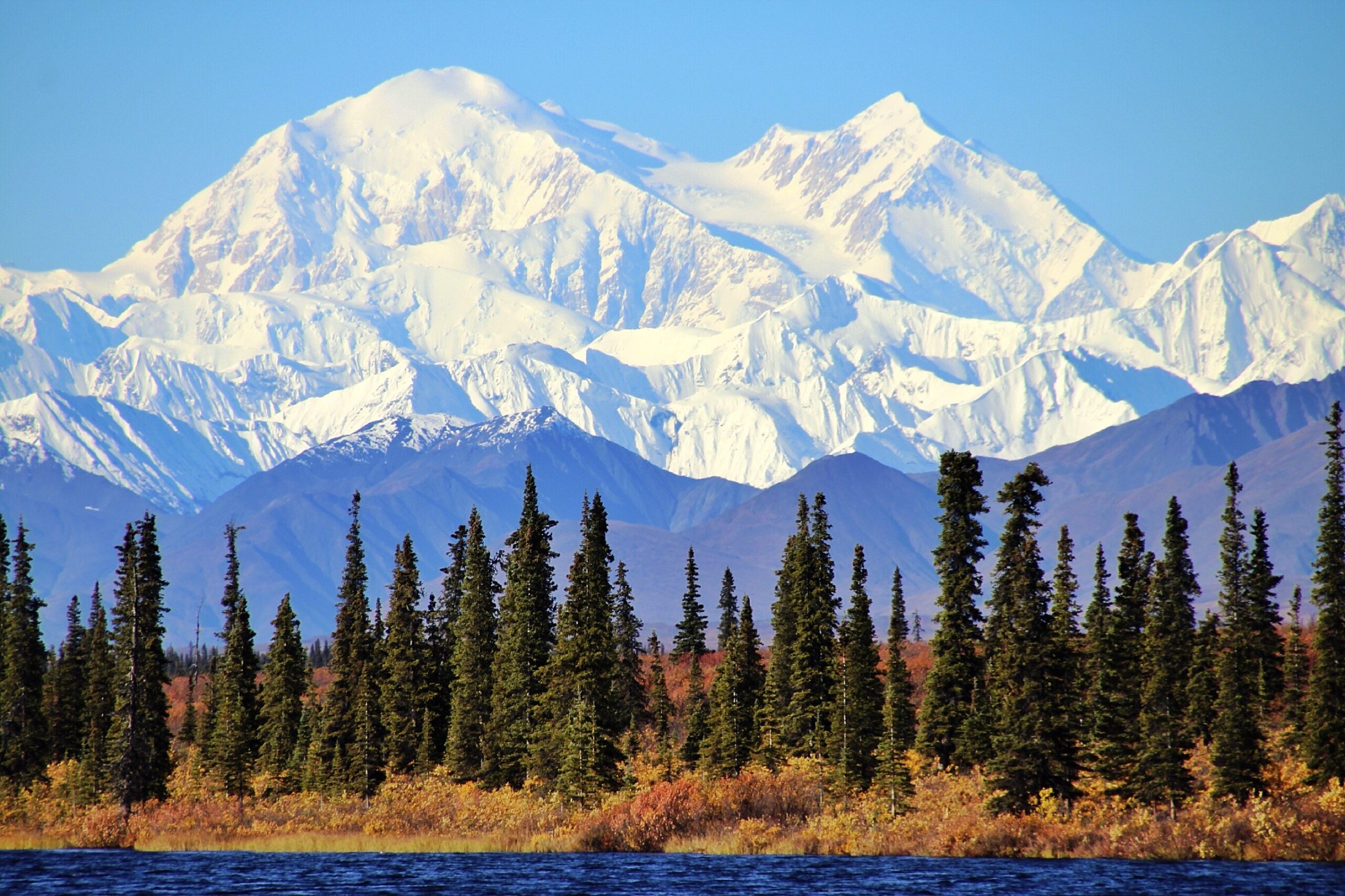
| #1 | Denali | Alaska | 20,310 ft | Glacier expedition | America’s ultimate expedition mountain | 97/100 |
| #2 | Mount Rainier | Washington | 14,410 ft | Glacier mountaineering | America’s glacier classroom | 94/100 |
| #3 | Mount Whitney | California | 14,505 ft | High-altitude hiking / alpine rock | Lower-48 altitude gateway | 88/100 |
| #4 | Grand Teton | Wyoming | 13,775 ft | Alpine rock | Defining alpine-rock icon | 87/100 |
| #5 | Mount Hood | Oregon | 11,249 ft | Steep snow | Accessible early mountaineering test | 84/100 |
| #6 | Longs Peak | Colorado | 14,259 ft | Exposed scrambling | Colorado’s serious standard-route classic | 82/100 |
| #7 | Mount Washington | New Hampshire | 6,288 ft | Severe-weather alpine | Weather seriousness beyond elevation | 81/100 |
| #8 | Mount Shasta | California | 14,179 ft | Snow climb | Bridge from hiking to mountaineering | 80/100 |
| #9 | Mount Saint Elias | Alaska / Yukon | 18,008 ft | Remote expedition | Exceptional relief and commitment | 79/100 |
| #10 | Mount Foraker | Alaska | 17,400 ft | Technical alpine | Advanced Alaska challenge | 78/100 |
| #11 | El Capitan | California | 7,573 ft | Big-wall rock | Defining American big wall | 77/100 |
| #12 | Half Dome | California | 8,839 ft | Cables / rock climbing | Yosemite’s broadest mountain icon | 75/100 |
| #13 | Mount Baker | Washington | 10,781 ft | Glacier climb | First rope-team glacier objective | 74/100 |
| #14 | Mount Adams | Washington | 12,281 ft | Snow climb | Cascade snow progression | 72/100 |
| #15 | Mount Elbert | Colorado | 14,440 ft | High-altitude hiking | Rocky Mountains high point | 70/100 |
| #16 | Pikes Peak | Colorado | 14,115 ft | Long hiking / public access | Historic American altitude icon | 68/100 |
| #17 | Mauna Kea | Hawaii | 13,803 ft | Volcanic high point | Remarkable volcanic scale | 67/100 |
| #18 | Mount Katahdin | Maine | 5,269 ft | Exposed ridge hiking | Knife Edge and Appalachian Trail | 66/100 |
| #19 | Humphreys Peak | Arizona | 12,633 ft | High-altitude hiking | Arizona altitude landmark | 64/100 |
| #20 | Kings Peak | Utah | 13,528 ft | Wilderness backpacking | Multi-day wilderness high point | 62/100 |
Elevation and route conditions can vary between datasets and seasons; this page preserves the existing ranking and published editorial scores.
The top 10 American climbing icons
A good mountain is the right challenge for your current skills. These profiles explain why each peak made the list and whom it best serves.
Denali
West Buttress combines heavy packs, sled hauling, crevasse terrain, sustained cold, acclimatization and self-supported camps. It is a test of expedition competence, not merely summit fitness.

Mount Rainier
Rope-team travel, crevasse systems and early alpine starts make Rainier an important training ground for more remote expeditions. The standard routes are never guaranteed or crevasse-free.
Mount Whitney
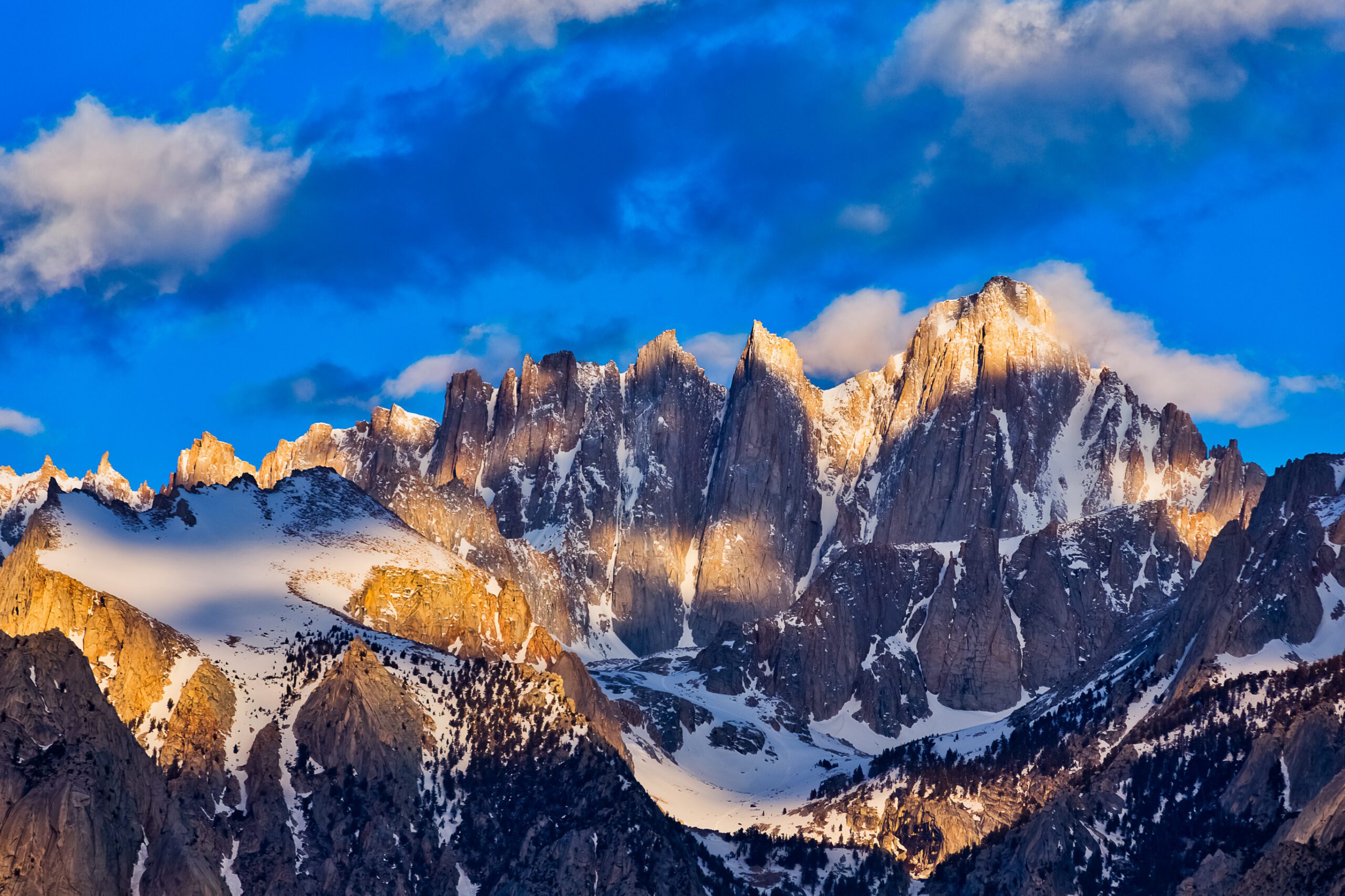
The standard Mount Whitney Trail makes serious altitude accessible to prepared hikers, while the Mountaineer’s Route and East Buttress offer a distinct technical path. Permits, storms and acclimatization remain crucial.
Grand Teton
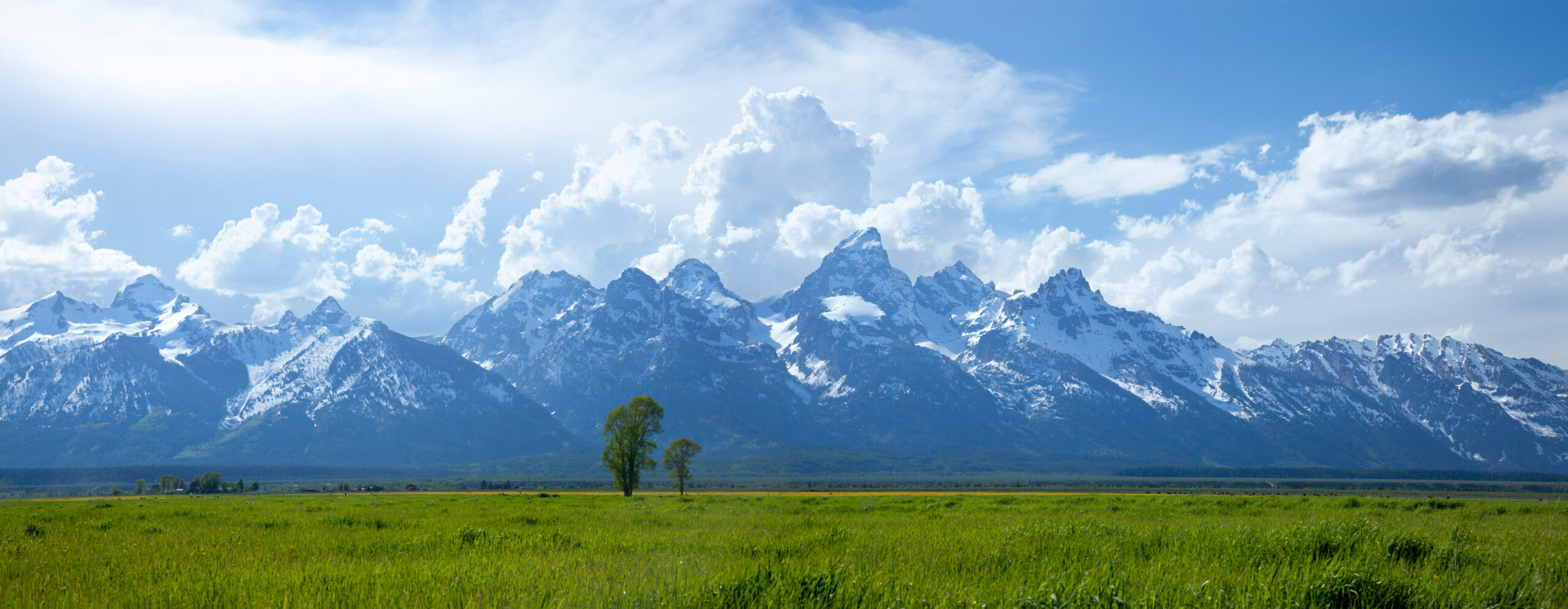
The Owen-Spalding and Exum Ridge routes bring exposure, route-finding and technical movement to a dramatic granite summit. This is not a walk-up and most first-timers benefit from a guide.
Mount Hood
Quick access to the upper mountain can conceal the hazards of steep snow, rapidly warming conditions and consequential descents. An effective bridge toward larger Cascade volcanoes.
Longs Peak
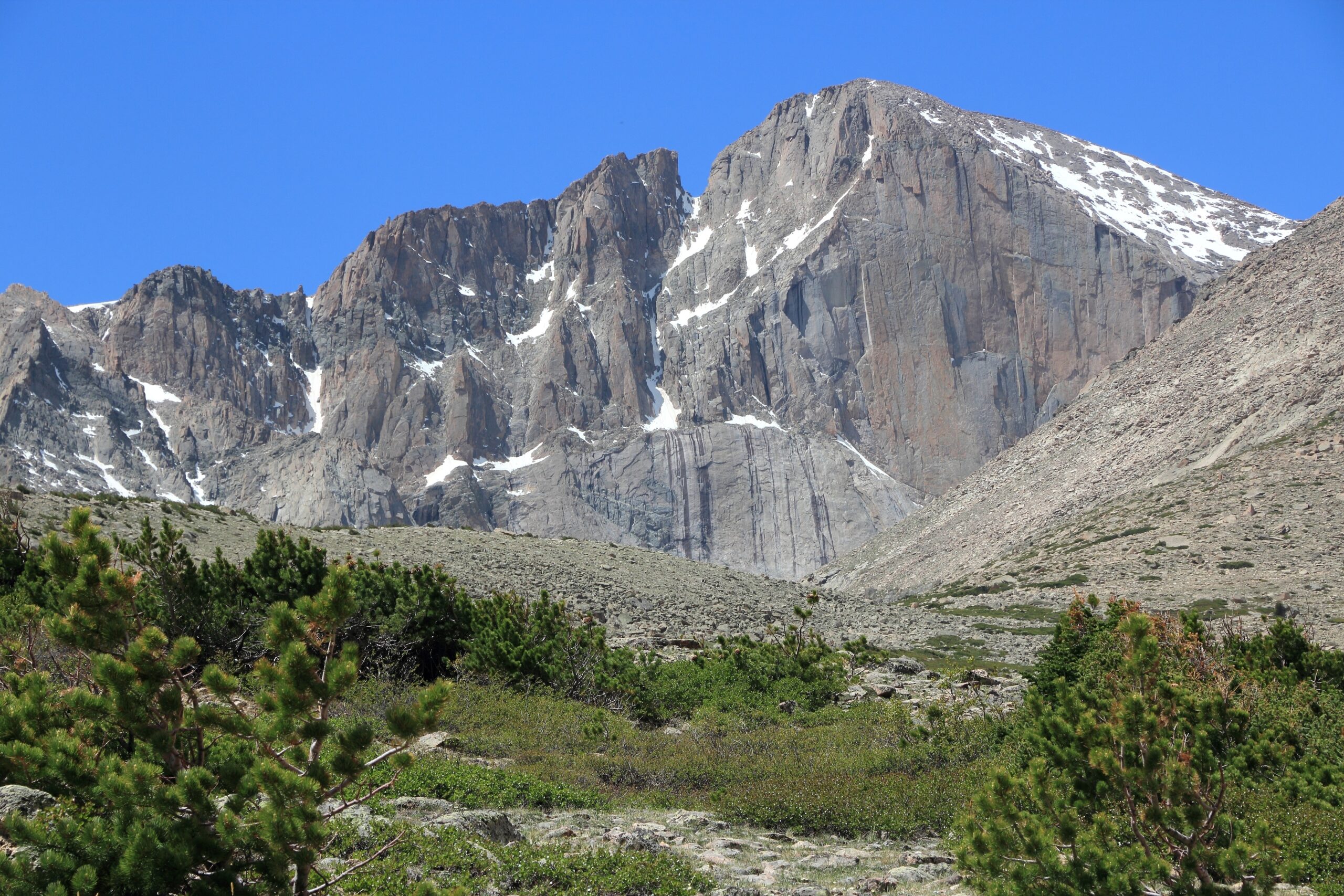
The Keyhole Route rewards route-finding, timing and calm movement through sustained exposure. Thunderstorms, ice and retreat decisions matter as much as elevation.

Mount Washington
The summit’s relatively low elevation can be misleading. Strong winds, rapid changes and cold-weather navigation make the mountain an excellent lesson in respecting conditions.
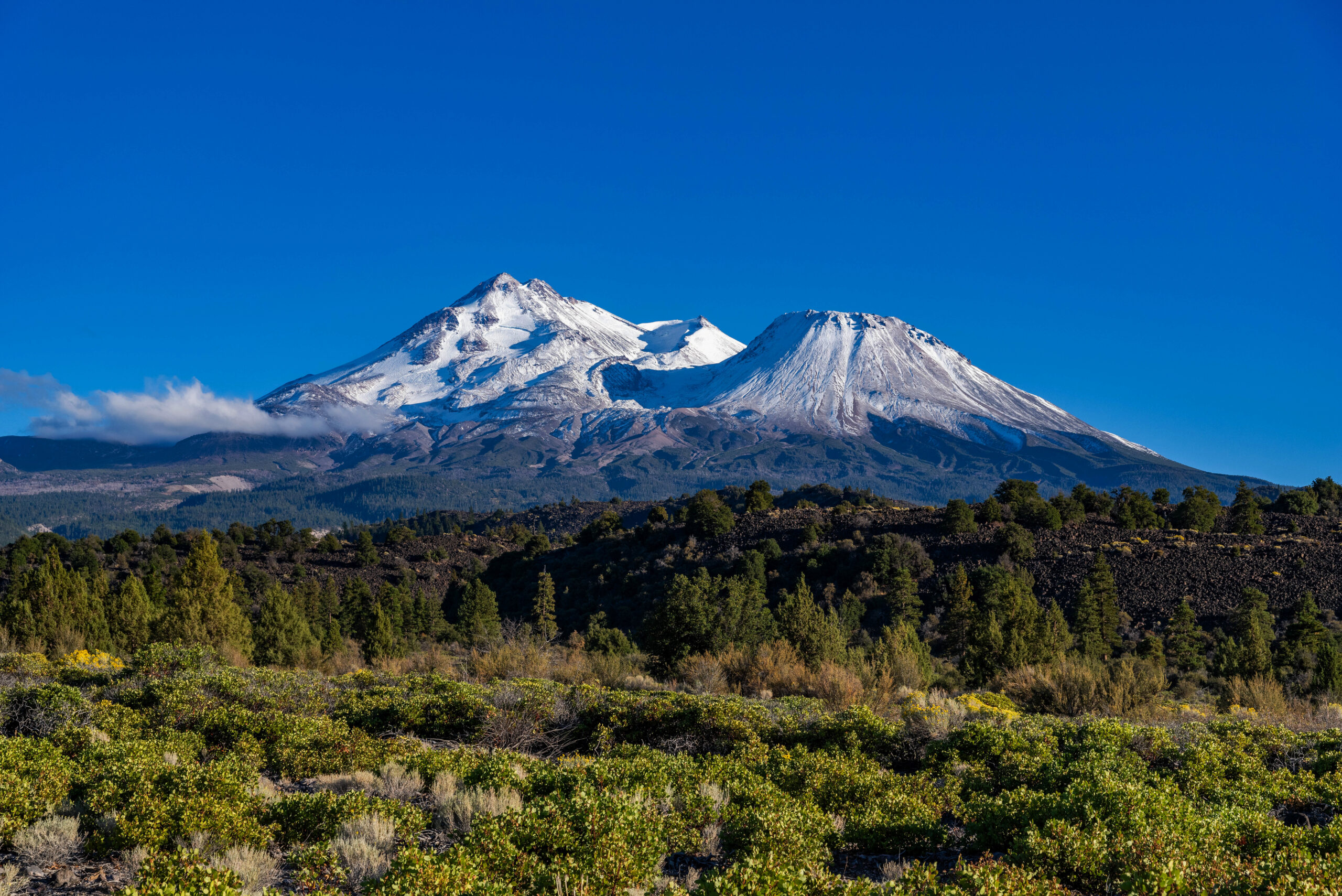
Mount Shasta
Avalanche Gulch delivers long snow travel, crampon movement and altitude without the same standard-route glacier complexity as Rainier. Rockfall and changing snow conditions still demand care.
Mount Saint Elias
Rising dramatically near the Gulf of Alaska, Saint Elias pairs tremendous relief with dangerous storms, difficult access and complex glaciated terrain. An advanced expedition, not a next beginner objective
Mount Foraker
Denali’s immense neighbor offers far less traffic and substantially more technical commitment on commonly attempted alpine routes. Strong independent climbing teams only.
Ranks 11–20: Why each matters
El Capitan
A vertical granite wall rather than a conventional summit objective. El Capitan earns its place through unmatched influence on big-wall, free and speed climbing.
Half Dome
The cable route, historic rock faces and unmistakable profile unite hiking ambition and climbing heritage. Cable access is permit-controlled and weather sensitive.
Mount Baker
The Easton and Coleman-Deming routes are popular places to develop glacier travel, crevasse rescue awareness and rope-team efficiency.
Mount Adams
The South Spur provides a substantial snow objective for fit climbers progressing from hikes to ice axe and crampon skills. Conditions determine the necessary techniques.
Mount Elbert
Elbert’s usual routes are nontechnical in good conditions, making it a valuable altitude and endurance milestone before committing to more exposed fourteeners.
Pikes Peak
Pikes Peak combines a major endurance hike with broad cultural recognition and unusual road and rail access. The long Barr Trail remains serious for hikers.
Mauna Kea
High altitude, isolation and fast-changing weather shape this summit. Cultural sensitivity and land-access rules are central to responsible planning.
Mount Katahdin
Katahdin is the northern terminus of the Appalachian Trail and delivers serious exposure on the Knife Edge despite comparatively modest elevation.
Humphreys Peak
Arizona’s high point offers thin-air hiking, changing alpine weather and an accessible test of pacing and fitness before larger western objectives.
Kings Peak
Utah’s high point emphasizes remote backpacking, route planning and endurance. Its standard approach is a long wilderness commitment rather than a technical rock climb.
A practical American climbing progression
Hiking fitness + altitude
Develop long-day fitness, weather routines, navigation, hydration and pace on nontechnical peaks such as Elbert or Whitney in suitable conditions.
Shasta / Hood / Adams
Learn crampon technique, ice-axe arrest, snow assessment and safe descent with instruction and conditions suited to your abilities.
Baker → Rainier
Practice rope-team systems, crevasse rescue, winter camping and objective-hazard decisions with qualified instruction.
Grand Teton and technical routes
Progress toward scrambling exposure, pitched climbing and route finding with a competent partner or guide.
Denali preparation
Arrive able to handle heavy loads, severe cold, glacier rescue and extended self-supported camping before flying onto the glacier.
Foraker / Saint Elias
Treat these as separate elite objectives requiring experience beyond a Denali summit.
Why the USA offers so many different climbing styles
Alaska
Major glacier expeditions, severe cold and remote technical alpine lines.
Cascades
Volcanic snow climbs, complex glaciers and fast-changing Pacific Northwest weather.
Sierra Nevada
High-altitude trail objectives, granite climbing and alpine routes.
Rocky Mountains
High points and exposed scrambling at altitude.
Northeast
Unforgiving weather, winter terrain and iconic ridge hikes.
Yosemite & Hawaii
World-defining granite walls and culturally important volcanic summits.
Season, permit and budget framework
Dates are broad seasonal patterns, not current route reports. Conditions shift yearly and official permit requirements can change.
| Objective type | Common planning window | Main cost driver | What to verify |
|---|---|---|---|
| Lower-48 summer hikes | Generally summer to early autumn | Travel, access and lodging | Permit lottery or reservations, snow, storm forecasts |
| Cascades snow climbs | Often late spring to summer | Guide or instruction, equipment | Crevasse and avalanche conditions, route permits |
| Alpine rock routes | Often midsummer to early autumn | Guide, technical equipment, lodging | Route conditions, local permits, approach closures |
| Alaska expeditions | Usually late spring to early summer | Flights, guide services, expedition gear | NPS fees, registration, flights, glacier conditions |
| Winter alpine objectives | Highly condition dependent | Technical systems and safety margins | Weather, avalanche forecast, partner competence |
Questions climbers ask
What is the greatest mountain in the United States for climbers?
Denali ranks first in this editorial model for altitude, remoteness, weather, glacier travel and expedition commitment. It is not the best first mountain for most people.
Is this a ranking of the hardest mountains in the USA?
No. The rankings combine history, route quality, significance and learning value with stature and progression. Hardest and greatest answer different questions.
Why does Mount Whitney rank above more technical peaks?
Whitney’s position rewards its lower-48 high-point status, cultural significance and role as an accessible altitude milestone. It does not imply the standard trail is more technical.
Is Mount Rainier good preparation for Denali?
Rainier is an important glacier-training objective. Denali preparation also requires heavy-load hauling, cold-weather camping, expedition logistics and strong judgment.
Which USA mountain should a beginner climb first?
A fit beginner might start with an appropriate nontechnical peak, depending on altitude, weather and experience. Begin with a mountain-by-skill guide rather than using this overall ranking as an itinerary.
Explore US Mountains
Every major American range, list and challenge in one place — pick your next one below.
Was this helpful?
🏔Related peaks nearby
🧭Explore & compare
Global Summit Guide is an independent mountaineering resource founded in 2026. The team combines first-hand trekking and climbing experience with in-depth research and professional health and nutrition review to help climbers choose objectives, prepare properly, and stay safe.
Health, altitude, and nutrition content is reviewed by Taylor Ludlow (Registered Nurse) and Brigg Hoopes (Nutritionist).
What We Don't Know Yet
Mountain information changes quickly. This box explains the limits of what this page can responsibly promise.
- Permit availability, reservation windows, quotas, and official fee rules may change after this page is updated.
- Weather, snowpack, avalanche risk, road access, and route conditions can change quickly and may be different on your climbing dates.
- Route conditions, trailhead access, crevasse exposure, stream crossings, and rescue access may vary from published planning guidance.
- Fitness and altitude response vary by person; no guide, itinerary, or training plan can guarantee acclimatization or summit success.
Verify current conditions with official land managers, guide services, local forecasts, and current route reports before booking or climbing.
Mountaineering, rock and ice climbing, glacier travel, and high-altitude activity are inherently dangerous and can result in serious injury or death. The information on Global Summit Guide is provided for general informational and educational purposes only and is not a substitute for professional instruction, qualified guiding, proper equipment, or your own judgment and experience.
Route conditions, weather, snowpack, permits, regulations, and hazards change constantly and may differ from what is described here. Details may be incomplete, out of date, or contain errors. Always verify current information with local authorities, certified guides, and official sources before making any decision in the mountains.
Nothing on this site is medical, legal, or financial advice. Our fitness, acclimatization, altitude, and nutrition content is general in nature; consult a qualified physician before beginning any strenuous exercise program or exposing yourself to high altitude.
You are solely responsible for your own safety and decisions. To the fullest extent permitted by law, Global Summit Guide and its team accept no liability for any loss, injury, damage, or expense arising from use of, or reliance on, this information. By using this site you acknowledge these risks and accept these terms.
Some links on this site may be affiliate links. If you buy through them we may earn a small commission at no extra cost to you; this never affects our recommendations.
Global Summit Guide recommendation path
Next Best Mountain to Research
Use these recommendations to continue the right planning path instead of stopping on one page.
Use current permit, weather, route, and operator information before booking or climbing.
Start Planning Your Next Mountain Adventure
Found a mountain, hiking region or destination worth exploring? Use Expedia to start comparing the flights, places to stay, rental cars and travel options that can turn the idea into a realistic trip.
Explore current travel options for your next destination.
Affiliate disclosure: Global Summit Guide may earn a commission if you book through this link, at no additional cost to you.