
20 Greatest Mountains in the USA, Ranked for Climbers
Which American mountains matter most to climbers? This ranking scores 20 iconic US peaks and mountain objectives by climbing significance, history, technical challenge, stature, route quality, and the skills each one helps climbers build.
◆ Ranking page vs USA master guide
This page owns the editorial ranking. It answers “Which American mountains are greatest for climbers, and why?” The separate USA mountain master guide is the browsing hub for choosing peaks by state, region, skill level, mountain type, and trip goal.
Denali ranks #1 because no other American mountain combines comparable altitude, glacier logistics, cold, weather, heavy-load travel, self-sufficiency, and multi-week expedition commitment.
Mount Rainier ranks #2 as America’s most important glacier classroom. Mount Whitney ranks #3 because it is the lower-48 high point and the most accessible major altitude milestone. Grand Teton follows as the country’s defining alpine-rock icon.
📑 On This Page
How the Ranking Works
“Greatest” is not the same as tallest, easiest, most popular, or most beautiful. This page ranks the mountains that have the greatest overall importance to American climbers. The score is editorial rather than scientific, but the same six factors are applied to every mountain.
| Ranking factor | Weight | What earns points |
|---|---|---|
| American climbing significance | 25 points | Influence on US mountaineering, training, progression, or climbing culture |
| History & cultural importance | 20 points | Historic ascents, national recognition, and importance beyond specialist climbers |
| Skill-development value | 20 points | Transferable altitude, snow, glacier, rock, weather, or expedition skills |
| Stature & visual prominence | 15 points | Elevation, relief, dominance, and the mountain’s physical presence |
| Route quality & variety | 10 points | Classic routes, multiple difficulty levels, and enduring climbing value |
| Progression value | 10 points | How well the objective prepares climbers for a logical next mountain |
The Complete 20-Mountain Ranking
This table gives the entire answer before the longer profiles. The “defining value” column explains why each mountain holds its position.
| Rank | Mountain | State | Elevation | Climbing style | Defining value | Score |
|---|---|---|---|---|---|---|
| 1 | Denali | Alaska | 20,310 ft | Glacier expedition | America’s ultimate expedition mountain | 97/100 |
| 2 | Mount Rainier | Washington | 14,410 ft | Glacier mountaineering | The national glacier classroom | 94/100 |
| 3 | Mount Whitney | California | 14,505 ft | High-altitude hiking / alpine routes | The lower-48 altitude gateway | 88/100 |
| 4 | Grand Teton | Wyoming | 13,775 ft | Alpine rock | America’s defining alpine-rock icon | 87/100 |
| 5 | Mount Hood | Oregon | 11,249 ft | Steep snow | Accessible early mountaineering test | 84/100 |
| 6 | Longs Peak | Colorado | 14,259 ft | Exposed scrambling | Colorado’s serious standard-route classic | 82/100 |
| 7 | Mount Washington | New Hampshire | 6,288 ft | Severe-weather alpine | Weather seriousness beyond elevation | 81/100 |
| 8 | Mount Shasta | California | 14,179 ft | Snow climb | The bridge from hiking to mountaineering | 80/100 |
| 9 | Mount Saint Elias | Alaska / Yukon | 18,008 ft | Remote expedition | Exceptional relief, weather, and commitment | 79/100 |
| 10 | Mount Foraker | Alaska | 17,400 ft | Technical alpine | The advanced Alaska objective beyond Denali | 78/100 |
| 11 | El Capitan | California | 7,573 ft | Big-wall rock | The defining American big wall | 77/100 |
| 12 | Half Dome | California | 8,839 ft | Hike, cables, and rock | Yosemite’s broadest mountain icon | 75/100 |
| 13 | Mount Baker | Washington | 10,781 ft | Glacier climb | The leading first rope-team glacier peak | 74/100 |
| 14 | Mount Adams | Washington | 12,281 ft | Snow climb | Large Cascade progression mountain | 72/100 |
| 15 | Mount Elbert | Colorado | 14,440 ft | High-altitude hiking | Colorado and Rocky Mountains high point | 70/100 |
| 16 | Pikes Peak | Colorado | 14,115 ft | Long hiking / public access | National recognition and accessible altitude | 68/100 |
| 17 | Mauna Kea | Hawaii | 13,803 ft | Volcanic high point | Extraordinary base-to-summit scale and culture | 67/100 |
| 18 | Mount Katahdin | Maine | 5,269 ft | Exposed ridge hiking | Knife Edge and Appalachian Trail significance | 66/100 |
| 19 | Humphreys Peak | Arizona | 12,633 ft | High-altitude hiking | The Southwest’s major state-high-point objective | 64/100 |
| 20 | Kings Peak | Utah | 13,528 ft | Wilderness backpacking | A substantial multi-day high-point journey | 62/100 |
The Top 10 Greatest USA Mountains Ranked
Denali — Alaska
Denali is the highest peak in the United States, the highest peak in North America, and the most important American expedition mountain. It is not merely taller than the rest of the country — it is colder, more remote, more self-sufficient, and more physically demanding than the standard objectives below it.
The standard West Buttress route is not highly technical by elite Alaska standards, but it demands glacier travel, sled hauling, heavy packs, snow camping, crevasse awareness, fixed-line movement, and disciplined weather patience over a three-week itinerary. For American climbers, Denali is the great divider between weekend mountaineering and expedition mountaineering.
Best for: experienced glacier climbers ready for a major expedition. Start with the Denali climbing guide, then compare Rainier vs Denali and the Denali progression plan.
Mount Rainier — Washington
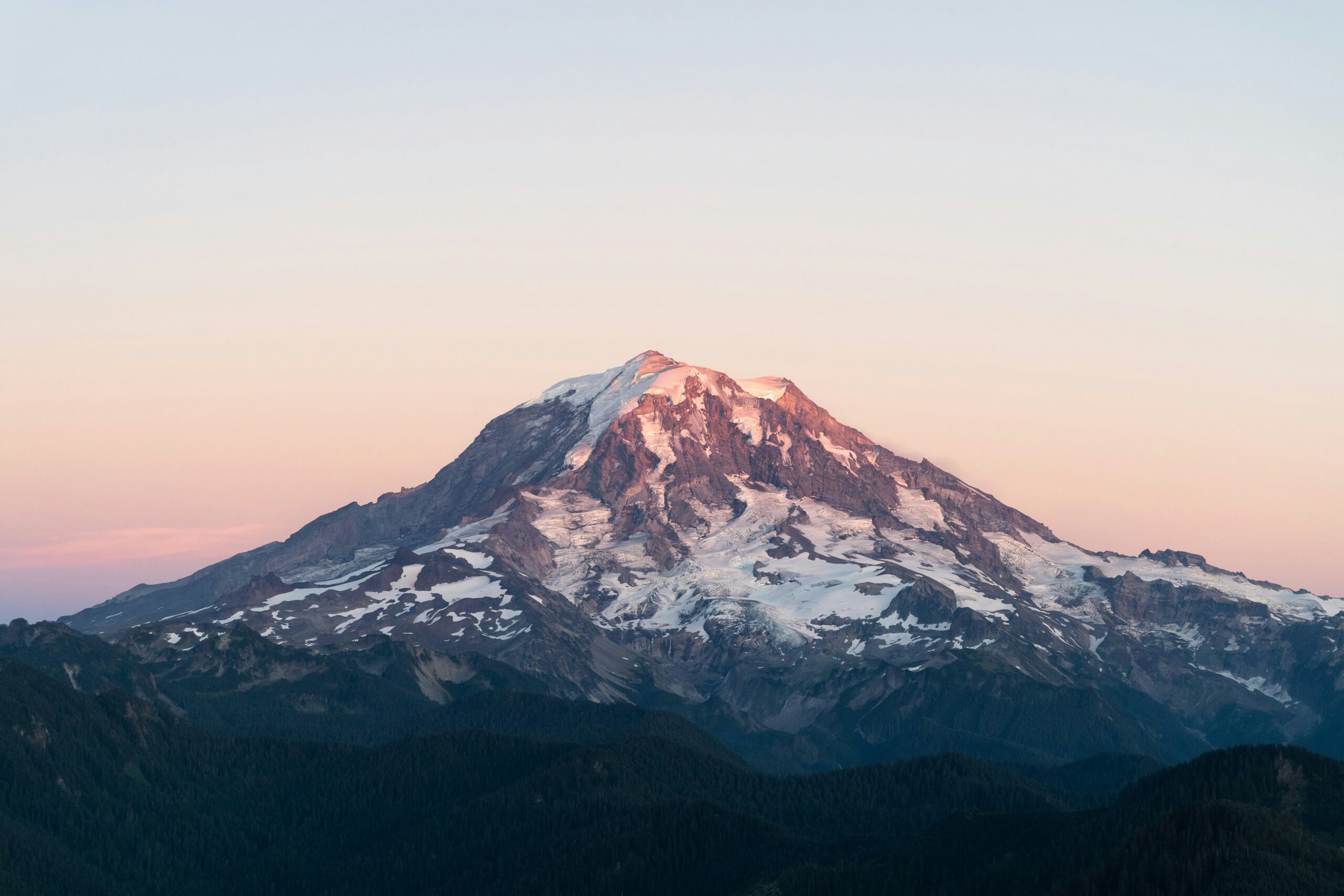
Mount Rainier is the most important training mountain in American mountaineering. It has the visibility of an icon, the glacier systems of a serious alpine objective, and the access that lets thousands of climbers test themselves on rope-team terrain every year.
Rainier teaches the skills that transfer directly to Denali and beyond: cramponing, self-arrest, roped glacier travel, crevasse risk, heavy-pack movement, early alpine starts, and the discipline to turn around when weather or route conditions deteriorate. It is beautiful, accessible, and serious — a rare combination.
Best for: aspiring mountaineers building toward Denali, Aconcagua, or international expeditions. See the Mount Rainier guide, what to climb before Rainier, and best peaks after Rainier.

Mount Whitney — California
Mount Whitney is the highest mountain in the contiguous United States and the great California gateway to altitude. The standard trail is not a technical climb, but the mountain still demands fitness, acclimatization, weather awareness, and a permit.
Whitney’s greatness is access to height. A fit hiker can stand on the lower-48 high point by walking rather than roped climbing, while more advanced climbers can move to the Mountaineers Route, East Buttress, or surrounding Sierra alpine objectives.
Best for: fit hikers seeking a first serious high summit. Compare Mount Whitney vs Mount Rainier and Half Dome vs Mount Whitney.
The Grand Teton — Wyoming
The Grand Teton is one of the most visually powerful mountains in North America: a clean granite pyramid rising above Jackson Hole. The standard Owen-Spalding route is not a simple hike; it involves exposed scrambling and a short technical section. The Exum Ridge adds one of America’s classic moderate alpine rock climbs.
Best for: climbers who want exposure, scrambling, and classic alpine-rock character without Alaska-scale expedition logistics. Read the complete Grand Teton climbing guide.
Mount Hood — Oregon
Mount Hood is one of the most accessible serious snow climbs in the United States. It is close to Portland, starts high from Timberline, and gives climbers real crampon-and-ice-axe terrain without requiring a long expedition.
Its accessibility is also the trap: many accidents happen when climbers underestimate descent conditions, warming snow, icefall, rockfall, or a route that feels straightforward on the way up and less forgiving when tired.
Best for: early mountaineering skill building before Rainier. Start with the complete Mount Hood climbing guide, then strengthen the skills with microspikes vs crampons and how to use an ice axe.
Longs Peak — Colorado
Longs Peak is the most famous 14er in Rocky Mountain National Park and one of the most serious standard-route experiences in Colorado. The Keyhole Route includes the Ledges, Trough, Narrows, and Homestretch — a progression of exposed terrain where weather, fatigue, route-finding, and altitude matter.
Best for: hikers moving from walk-up 14ers toward exposed scrambling. Build context in the complete Mount Elbert guide.
Mount Washington — New Hampshire
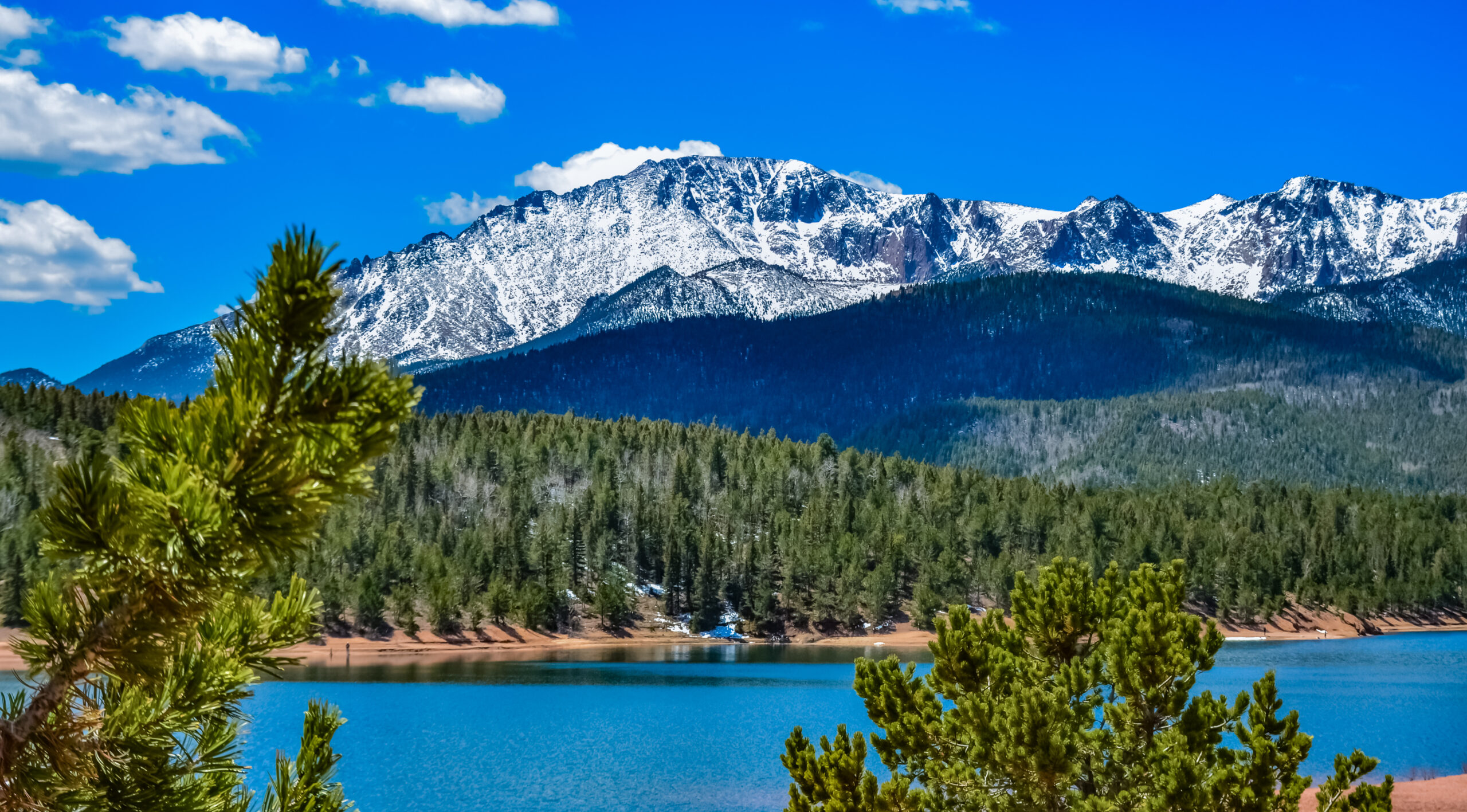
Mount Washington proves that elevation alone does not define danger. At barely over 6,000 feet, it has some of the harshest and most unpredictable mountain weather in the country. The summit’s 1934 wind record became part of American mountain history, and winter conditions can feel Arctic despite the modest altitude.
Best for: East Coast hikers and winter climbers who want serious weather lessons without western elevation. Read the complete Mount Washington guide.
Mount Shasta — California
Mount Shasta is one of the best first serious snow climbs in the United States. Avalanche Gulch gives fit climbers a big day or two-day climb with crampons, ice axe, snow travel, and altitude — but usually without the complex glacier system that defines Rainier.
Best for: climbers preparing for Rainier or a bigger Cascade progression. Start with the complete Mount Shasta guide, then compare Mount Shasta vs Mount Rainier.

Mount Saint Elias — Alaska / Yukon
Mount Saint Elias is one of the wildest major peaks in North America. It rises from near sea level to 18,000 feet in a spectacular coastal wall of ice, weather, and remoteness. It is not a common climber’s objective; that scarcity is part of the seriousness.
Best for: advanced expedition climbers beyond Denali who want a remote, storm-prone, committing objective. Read the complete Mount Saint Elias guide.
Mount Foraker — Alaska
Foraker is Denali’s neighbor, but not Denali’s understudy. Its standard routes are more technical, less traveled, and more committing than Denali’s West Buttress. For elite American alpinists, Foraker represents the step beyond the famous summit.
Best for: advanced Alaska Range climbers with Denali-level experience and stronger technical alpine skills. Read the complete Mount Foraker guide.
Ranks 11–20: The Mountains That Complete the American Story
These ten objectives broaden the list beyond expedition peaks. They include Yosemite rock history, first-glacier training, state high points, exposed ridges, volcanic scale, and wilderness travel.
#11 · El Capitan — California
77/100El Capitan belongs because American climbing history cannot be explained without it. The granite wall transformed big-wall technique, speed climbing, free climbing, aid climbing, and public understanding of what rock climbers can accomplish.
Why #11: It is not a conventional summit objective, but its climbing significance is greater than that of many independent mountains.
#12 · Half Dome — California
75/100Half Dome connects several audiences: permit hikers on the cables, climbers on historic face routes, and visitors who recognize its profile instantly. Its influence reaches far beyond elevation.
Why #12: Few American objectives combine cultural recognition, exposure, access, hiking ambition, and climbing history so completely. Read the complete Half Dome guide, then compare Half Dome vs Mount Whitney.
#13 · Mount Baker — Washington
74/100Mount Baker is one of the strongest first-glacier objectives in the United States. Standard routes teach rope-team travel, crevasse awareness, snow camping, crampon movement, and early starts without Rainier’s full scale.
Why #13: Its progression value is exceptional. It is the logical bridge between snow climbing and a major glaciated volcano. Explore the complete Mount Baker guide.
#14 · Mount Adams — Washington
72/100Mount Adams gives climbers a large volcanic objective with significant vertical gain, snow travel, altitude, and descent management, but generally less glacier complexity than Rainier or Baker on its standard south-side line.
Why #14: It is one of America’s most useful progression mountains for moving from hiking into sustained snow climbing. Read the complete Mount Adams guide.
#15 · Mount Elbert — Colorado
70/100Mount Elbert is the highest mountain in Colorado and the Rocky Mountains. Its standard routes are non-technical, making it an accessible way to test pacing, acclimatization, weather judgment, and endurance above 14,000 feet.
Why #15: Height, state-high-point status, and beginner progression value give it national importance. Start with the Colorado 14ers guide.
#16 · Pikes Peak — Colorado
68/100Pikes Peak is among America’s most recognizable high mountains. Roads and rail access reduce its wilderness character, but the Barr Trail remains a long, serious altitude day and the mountain has shaped public imagination for generations.
Why #16: Cultural recognition and accessible altitude outweigh its limited technical climbing value. Read the complete Pikes Peak guide.
#17 · Mauna Kea — Hawaii
67/100Mauna Kea is often described as Earth’s tallest mountain when measured from its seafloor base. Its summit is also culturally sacred and scientifically important, so visitors should approach access, altitude, and local stewardship with respect.
Why #17: Its scale, cultural importance, volcanic geography, and unusual altitude experience make it nationally distinctive. Read the complete Mauna Kea guide.
#18 · Mount Katahdin — Maine
66/100Katahdin is the northern terminus of the Appalachian Trail and home to the Knife Edge, one of the most memorable exposed hiking ridges in the eastern United States. Weather and park access rules add seriousness.
Why #18: It combines national trail history, eastern mountain culture, and genuine exposure despite modest elevation. Explore Mount Katahdin in the Maine mountain guide.
#19 · Humphreys Peak — Arizona
64/100Humphreys Peak is Arizona’s high point and an important Southwest altitude objective. The route is non-technical in normal summer conditions, but elevation, wind, lightning, and seasonal snow can change the day quickly.
Why #19: It gives desert-region hikers a genuine alpine summit and a clear introduction to altitude judgment. Explore Humphreys Peak in the Arizona mountain guide.
#20 · Kings Peak — Utah
62/100Kings Peak is Utah’s high point and usually requires a multi-day wilderness approach. The summit itself is not highly technical, but distance, weather, navigation, loose rock, and backpacking logistics make the complete journey meaningful.
Why #20: It represents the American wilderness-summit tradition better than a roadside or short-trail high point. Read the complete Kings Peak guide.
Why This Order?
The ranking becomes more useful when the close decisions are explained directly.
Why Rainier ranks above Whitney
Rainier teaches more transferable mountaineering skills: glacier travel, rope teams, crevasse awareness, crampons, camp systems, and alpine weather judgment. Whitney is higher, but its standard trail is non-technical.
Why Whitney ranks above Grand Teton
Grand Teton is the stronger technical climb, but Whitney’s lower-48 high-point status, accessibility, altitude value, and national recognition give it broader significance.
Why Mount Washington ranks #7
Its modest elevation hides extraordinary weather seriousness. It has taught generations of eastern climbers that wind, cold, visibility, and rapid change matter more than summit height alone.
Why El Capitan counts
This is a climber-focused ranking of mountains and defining mountain objectives. El Capitan’s influence on American climbing history is too large to exclude simply because the wall is not an independent summit.
Which Mountain Fits Each Climbing Goal?
The ranking answers overall significance; this section answers a different question: which mountain most directly develops the skill you need next?
Mount Whitney
Highest in the lower 48, non-technical by the standard trail, but long enough and high enough to feel serious.
Mount Elbert
A strong Colorado starting point for altitude, pacing, early starts, and Rocky Mountain weather.
Mount Hood or Mount Shasta
Both teach crampon and ice-axe judgment, with Shasta usually the bigger wilderness-feeling climb.
USA Mountains by Region
The strength of American mountaineering is regional variety. A climber can build a deep skill portfolio by moving between ranges rather than repeating the same kind of peak.
| Region | Climbing character | Signature peaks | Best season |
|---|---|---|---|
| Alaska Range | Expedition glacier climbing, cold, remoteness | Denali, Foraker, Hunter, Mooses Tooth | May–early July |
| Cascade Range | Glaciated volcanoes, snow travel, rope teams | Rainier, Baker, Hood, Adams, Shasta | May–July |
| Sierra Nevada | Granite peaks, long approaches, alpine rock | Whitney, Russell, Muir, Half Dome, El Capitan | July–September |
| Rocky Mountains | 14ers, scrambling, altitude, thunderstorms | Elbert, Longs, Pikes, Maroon Bells, Capitol | July–September |
| Teton Range | Exposed alpine rock and classic ridges | Grand Teton, Middle Teton, Mount Owen | July–September |
| White Mountains | Severe weather at modest elevation | Mount Washington, Adams, Jefferson, Madison | Summer / winter |
| Utah Wasatch & Uintas | Accessible training hikes and backpacking high points | Kings Peak, Timpanogos, Nebo, Lone Peak | July–September |
| Hawaii volcanoes | Volcanic high points and island altitude | Mauna Kea, Mauna Loa, Haleakala | Year-round with weather checks |
A Practical American Climbing Progression
The smartest way to use this list is not to chase the biggest name first. Build the next skill, then the next mountain. A safe progression usually looks like this:
| Stage | Objective type | Good US peaks | Skill gained |
|---|---|---|---|
| 1 | Fitness hiking and altitude | Whitney, Elbert, Pikes, Kings Peak | Pacing, altitude, long days |
| 2 | Intro snow travel | St. Helens, Adams, Shasta, Hood | Crampons, ice axe, snow timing |
| 3 | Roped glacier travel | Baker, Rainier, Olympus | Rope teams, crevasse risk, glacier movement |
| 4 | Major glacier objective | Rainier, Shasta harder routes, Baker north-side routes | Heavy packs, camps, weather patience |
| 5 | Expedition preparation | Rainier repeat, Alaska prep course, winter skills | Cold systems, self-sufficiency |
| 6 | Major expedition | Denali West Buttress | Three-week expedition competence |
| 7 | Advanced alpine | Foraker, Saint Elias, Hunter, technical Tetons | Advanced risk and technical judgment |
Cost & Season Framework for USA Peaks
American peaks are often cheaper than international equivalents, but the cost range is wide. A permit-based day hike is not the same kind of budget as a guided Rainier program or a Denali expedition.
| Trip type | Typical cost range | Example peaks | Notes |
|---|---|---|---|
| Self-guided high hike | $100–$500 | Whitney, Elbert, Kings Peak | Permits, fuel, lodging, food, gear gaps |
| Colorado 14er weekend | $200–$700 | Elbert, Bierstadt, Longs | Higher if flying in or staying near resorts |
| Intro guided snow climb | $800–$1,800 | Hood, Shasta, Baker | Usually 2–3 days with instruction |
| Guided glacier climb | $1,800–$3,500 | Rainier, Grand Teton | Common entry point for serious climbers |
| Major US expedition | $9,000–$25,000+ | Denali | Depends heavily on guided vs independent style |
| Elite remote expedition | $15,000–$30,000+ | Saint Elias, advanced Alaska | Flights, pilots, logistics, weather buffers |
| Region | Best window | Primary issue |
|---|---|---|
| Alaska Range | May–early July | Cold, storms, glacier travel, expedition duration |
| Cascades | May–July | Snow condition, crevasse bridges, rockfall later in season |
| Colorado 14ers | July–September | Afternoon thunderstorms and loose rock |
| Sierra Nevada | July–September | Permits, altitude, lightning, lingering snow |
| Tetons | July–September | Dry rock, lightning, exposure, route-finding |
| White Mountains | June–September / Jan–Mar | Extreme weather and rapid temperature swings |
Methodology: How We Ranked These Peaks
Editorial scoring, not false precision
Each mountain was scored across the six categories shown near the top of the page. The numbers make the reasoning visible, but they are not a scientific measure of beauty, danger, or personal meaning.
- Climbing significance receives the greatest weight. This keeps the page focused on climbers rather than sightseeing popularity.
- History and culture matter. El Capitan, Half Dome, Pikes Peak, Mount Washington, and Mauna Kea rank partly because they shaped national understanding of mountains.
- Skill transfer separates close choices. Rainier, Baker, Hood, Shasta, and Grand Teton teach skills that change what a climber can attempt next.
- Stature is broader than elevation. Relief, prominence, visual dominance, remoteness, and commitment all contribute.
- Current conditions are not part of the permanent score. Snowpack, route access, permits, closures, and hazards must be checked for each trip.
Editorial limitation: Global Summit Guide has not climbed every mountain on this list. The ranking synthesizes established mountain significance, route character, progression value, and the site’s broader US mountain research. Readers should use official land-management and forecasting sources for current access and safety decisions.
Greatest Mountains in the USA FAQ
What is the greatest mountain in the USA?
For climbers, Denali is the greatest mountain in the United States. It is the highest peak in North America, the highest in the USA, and the country’s premier expedition mountaineering objective. It demands glacier travel, high-latitude cold management, crevasse awareness, fixed-line movement, heavy loads, and multi-week expedition judgment.
Why does Mount Rainier rank above Mount Whitney?
Rainier ranks higher because it has greater mountaineering significance and teaches more transferable glacier, rope-team, crampon, crevasse, camp, and weather-management skills. Whitney remains the more accessible major high point and the strongest first altitude milestone for many hikers.
What is the hardest mountain to climb in the United States?
Denali is the hardest mainstream objective because of its altitude, cold, expedition duration, glacier travel, heavy packs, and weather. For more advanced technical climbers, Foraker, Saint Elias, Mount Hunter, and Alaska Range technical routes may be harder than Denali’s standard West Buttress.
What is the most famous mountain in America?
Denali, Mount Rainier, Mount Whitney, Grand Teton, Mount Hood, Mount Washington, Pikes Peak, Half Dome, El Capitan, and Mauna Kea are among the most famous mountains or mountain objectives in America. Climbers tend to place Denali and Rainier at the top because of their role in mountaineering progression.
Which US mountain is best preparation for Denali?
Mount Rainier is the best standard preparation peak for Denali. It teaches roped glacier travel, crampon movement, crevasse awareness, heavy packs, alpine starts, camp systems, and weather decisions. Most climbers should also build through Mount Baker, Mount Hood, Mount Adams, Mount Shasta, or an alpine course first.
How were the 20 mountains ranked?
The ranking uses a 100-point editorial framework: 25 points for American climbing significance, 20 for history and cultural importance, 20 for skill development, 15 for stature and prominence, 10 for route quality and variety, and 10 for progression value.
About Global Summit Guide
Choose the mountain that builds the next skill
Use the ranking for context, then choose the mountain that builds your next missing skill: altitude, snow travel, glacier systems, rock exposure, weather judgment, or expedition self-sufficiency.
Browse the USA mountain master guide → Denali progression → Colorado 14ers →Explore US Mountains
Every major American range, list and challenge in one place — pick your next one below.