
Last updated October 4, 2026
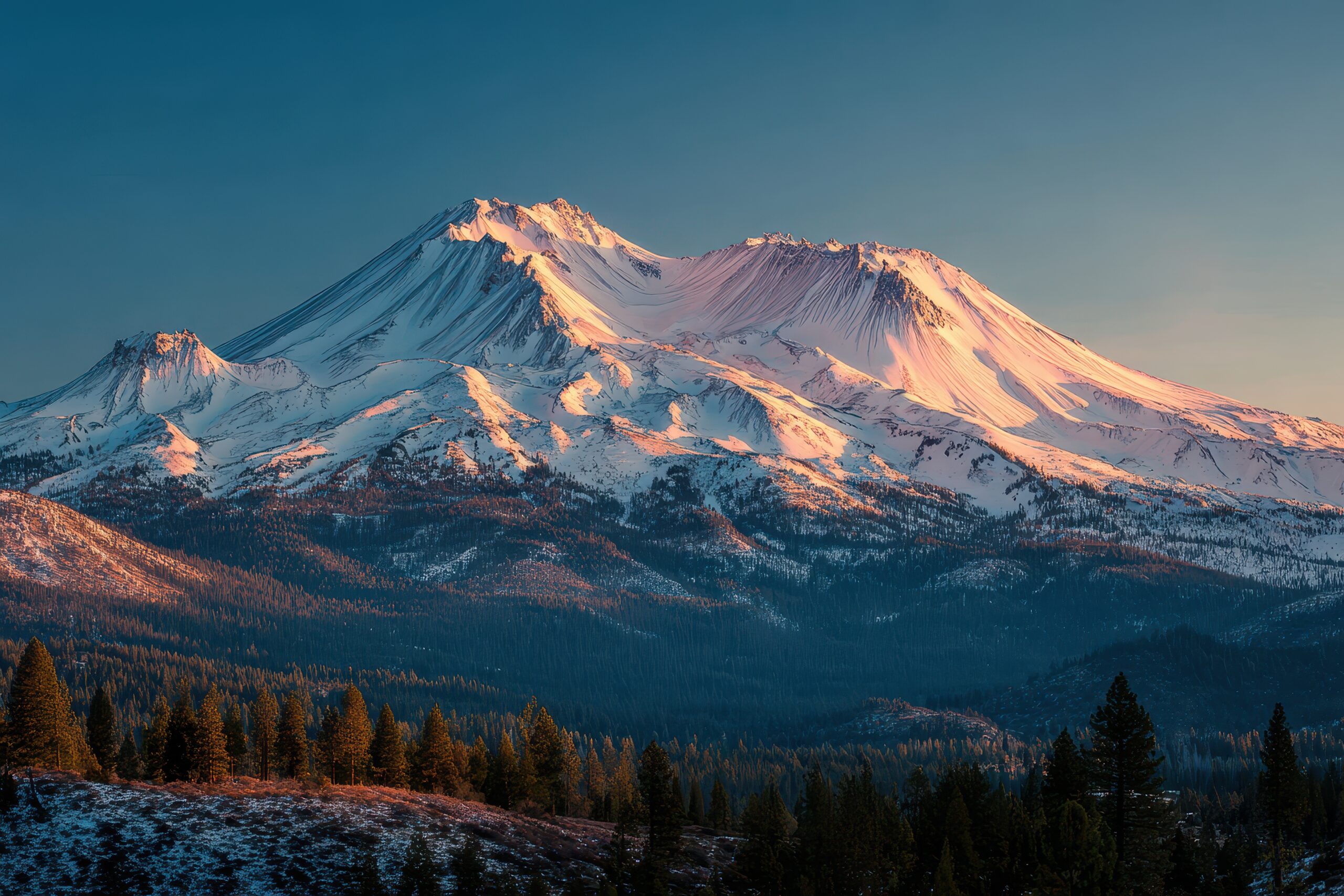
Mount Shasta vs Mount Rainier: Which Should You Climb First?
Mount Shasta and Mount Rainier are both major Cascade volcanoes above 14,000 feet, but their normal climbing routes solve different problems. Shasta is primarily a steep snow-mountaineering objective. Rainier adds active glaciers, rope-team systems, crevasses and a larger total workload.
For Most Developing Mountaineers, Climb Shasta Before Rainier.
Mount Rainier is the harder standard climb. Its Disappointment Cleaver corridor requires glacier travel, rope-team competence, crevasse awareness, more than 9,000 feet of total elevation gain and a longer chain of technical decisions.
Mount Shasta’s Avalanche Gulch is still a serious mountaineering route. It asks for strong fitness, crampon technique, ice-axe competence, practiced self-arrest, snow judgment, altitude management and a disciplined descent. But its standard line normally avoids the active glacier systems that define Rainier.
Comparing Mount Shasta with Mount Rainier by summit elevation alone misses almost everything that matters. The two summits are separated by only a few hundred feet, yet the standard routes sit on opposite sides of an important mountaineering threshold: Shasta teaches major snow climbing; Rainier requires glacier mountaineering.
On Shasta’s Avalanche Gulch route, the central questions are whether you can move efficiently on steep firm snow, arrest a fall, manage altitude, judge warming conditions and preserve enough energy for a long descent. The Mount Shasta Avalanche Center describes Avalanche Gulch as the mountain’s most popular non-technical route, but that description should never be confused with an ordinary hike.
Rainier adds a different operating system. The National Park Service requires technical glacier-travel rope skills for safe ascent and descent. Crevasses, changing snow bridges, glacier movement, high-camp logistics and route changes mean that the team—not simply the individual climber—becomes part of the safety system.
Shasta vs Rainier at a Glance
The important differences are route character, technical systems, vertical workload, logistics and consequences—not the small difference in summit elevation.
| Decision factor | Mount Shasta | Mount Rainier |
|---|---|---|
| Current official elevation | 14,163 ft / 4,317 m on the current USGS volcano profile. Older climbing sources may still show 14,179 ft. | 14,410 ft / 4,392 m at Columbia Crest. |
| Typical first route | Avalanche Gulch from Bunny Flat. | Disappointment Cleaver corridor from Paradise via Camp Muir. |
| Core terrain | Steep seasonal snow, volcanic scree and upper-mountain snow/ice. | Active glacier terrain, snow bridges, crevasses and changing upper-mountain routing. |
| Approx. vertical gain | About 7,200 ft from Bunny Flat to the summit. | More than 9,000 ft from Paradise to Columbia Crest. |
| Rope team | Not normally required on Avalanche Gulch in standard conditions. | Technical glacier-travel rope skills are required. |
| Core skills | Crampons, ice axe, self-arrest, steep snow movement, navigation, timing and altitude judgment. | Shasta-type skills plus roped glacier travel, crevasse systems, team movement and more complex high-camp logistics. |
| Typical trip format | Commonly 2 days, although strong experienced climbers sometimes use a long single-day strategy. | Commonly a multi-day climb, with commercial itineraries varying by operator and training format. |
| Core 2026 climbing fee | $25 Summit Pass above 10,000 ft; free wilderness permit also required. | $82 NPS climbing fee per person per climb, plus wilderness camping fees where applicable. |
| Normal first-climb season | Avalanche Gulch is usually best from mid-May to mid-July, subject to snow year and conditions. | Standard routes are primarily summer objectives, with June and July central to many first-time climbing plans. |
| Best role in progression | First major snow volcano after skills training. | Major glacier objective after rope-team and crevasse competence. |
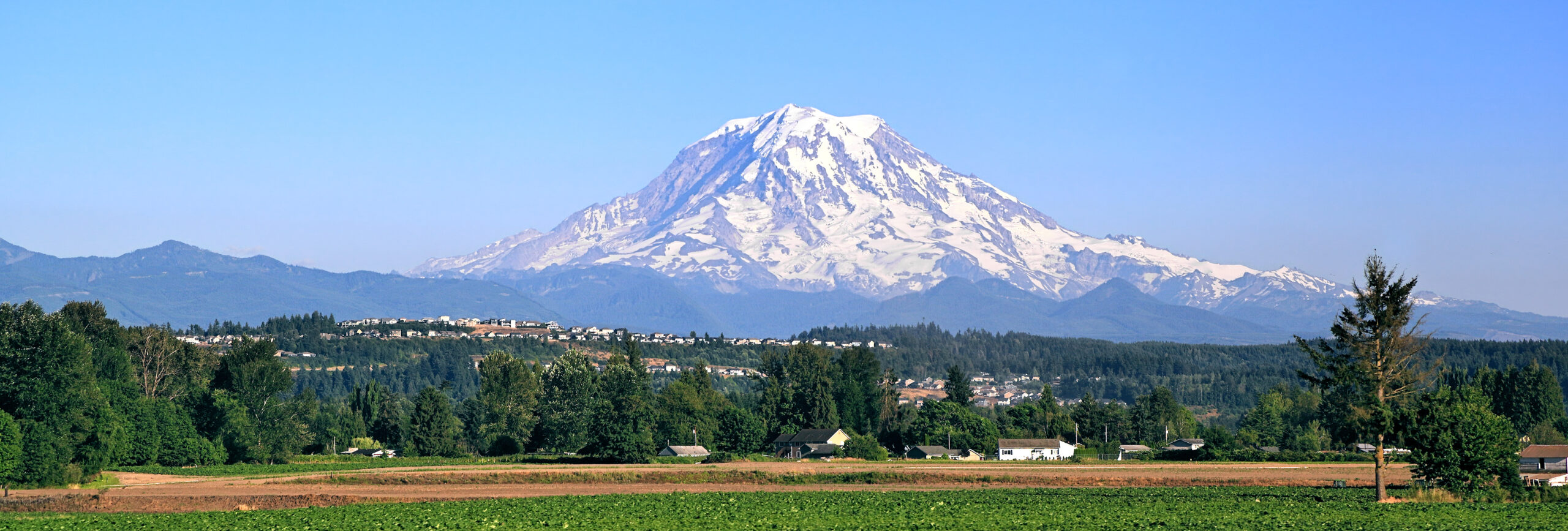
Rainier Is Not Simply a Taller Version of Shasta.
The National Park Service currently identifies 28 named glaciers on Rainier. That glaciation—not the small difference in summit elevation—is the defining technical step between the two standard routes.
Which Mountain Fits Your Current Experience?
The correct mountain is the one whose required systems you can already execute—or are deliberately learning through an appropriate instructional program.
Strong Hiker, New Snow Mountaineer
You already handle long mountain days and have received instruction in crampon use, ice-axe technique, self-arrest and steep snow movement. Shasta lets you apply those systems on a major volcano without making glacier rope travel the centerpiece of the climb.
Glacier Skills Are Already Functional
You have practiced roped glacier travel, team communication and crevasse-rescue systems and want a much larger objective where those skills matter for hours rather than a short training exercise.
You Have Snow Skills but No Glacier Resume
Shasta may be the right objective now. Afterward, add a glacier course or a suitable glacier mountain such as Mount Baker before treating Rainier as the automatic next summit.
You Are Building Toward Denali
Rainier becomes especially valuable once glacier competence exists because it combines rope systems, altitude, high camps, sustained vertical gain, loaded movement and a long technical descent.
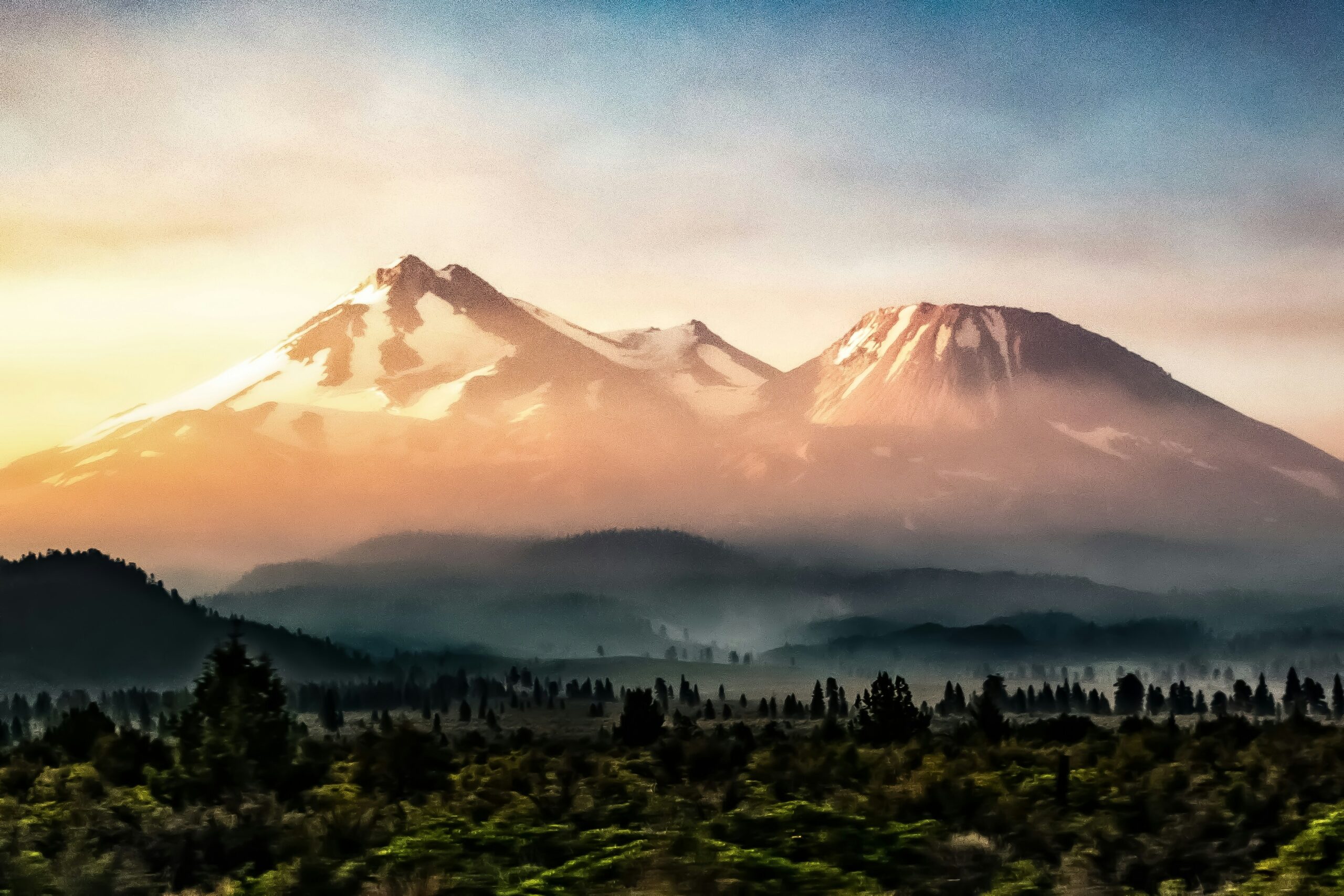
What Shasta Teaches
Avalanche Gulch is valuable because it makes fundamental snow skills consequential. Climbers must move efficiently in crampons, use an ice axe correctly, know what self-arrest can and cannot accomplish, pace a large vertical day and understand how snow changes as the sun rises.
The route also teaches an important timing lesson. Firm morning snow may climb efficiently but punish a fall. Later, warming can increase postholing, wet-loose activity and rockfall as volcanic debris emerges from the shrinking snowpack.
Those lessons transfer directly to Rainier—but they are only part of the Rainier system.
What Rainier Adds
Rainier adds rope spacing, team communication, glacier navigation, crevasse arrest and rescue systems to the snow-climbing foundation. Those systems must function while everyone is tired, cold and moving at night.
The route can also change during the season. Snow bridges weaken, crevasses widen and the established boot track can shift as guides and rangers respond to glacier conditions. That makes current route information part of the technical system rather than a convenience.
This is why a successful Shasta climb does not automatically make a climber Rainier-ready.
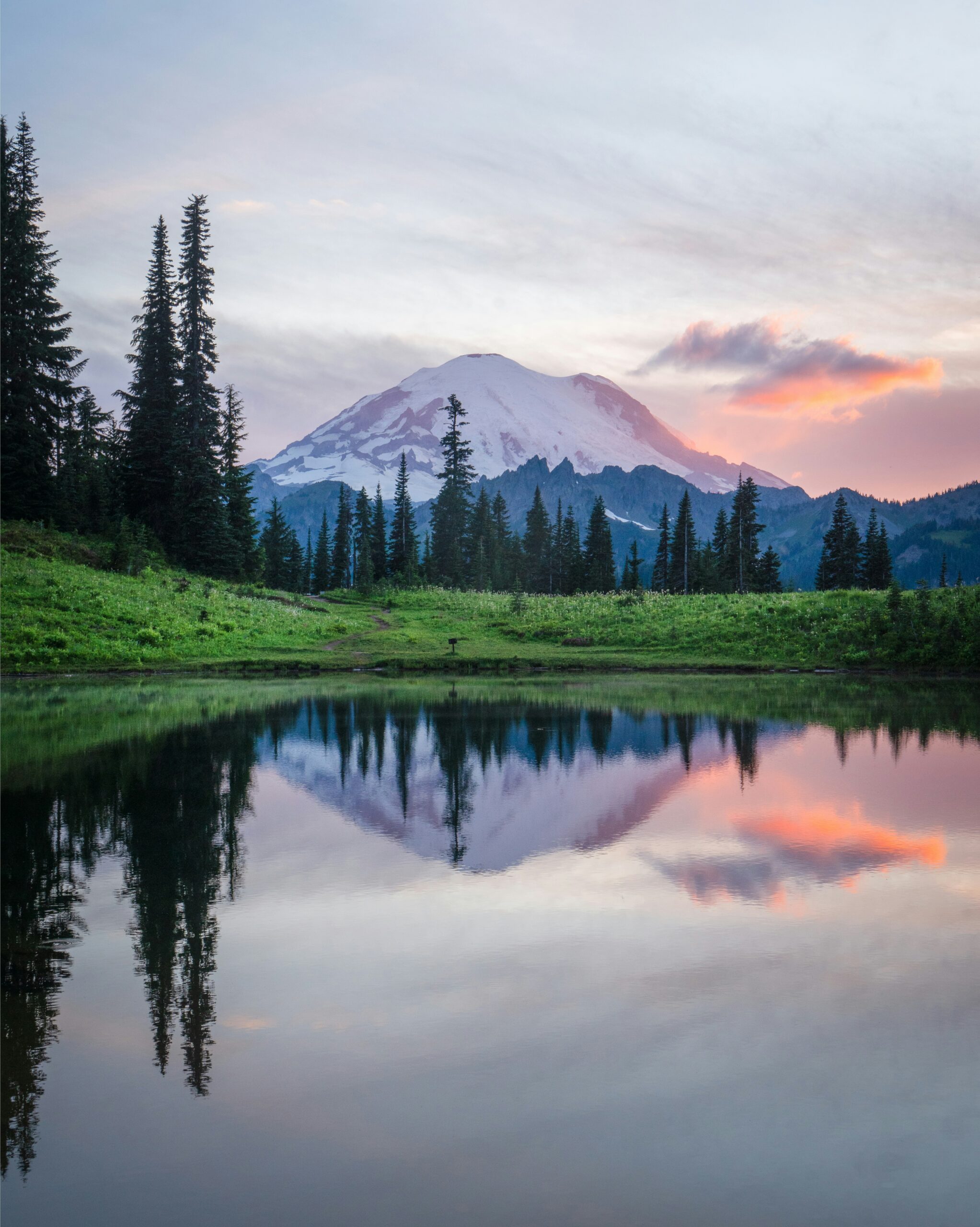
Avalanche Gulch vs Disappointment Cleaver
These are the routes most useful for a first Shasta-vs-Rainier decision. They are not interchangeable versions of the same style of climb.
Avalanche Gulch
The standard south-side progression begins at Bunny Flat, moves toward Horse Camp and Helen Lake, climbs into Avalanche Gulch, passes the Heart and Red Banks, crosses Misery Hill and reaches the broad summit plateau.
In good spring conditions the route is technically straightforward for a trained snow mountaineer, but the vertical gain, altitude, warming snow and long descent make the day substantial.
Disappointment Cleaver
The standard south-side system begins at Paradise, climbs to Camp Muir and then enters the Cowlitz/Ingraham glacier environment before climbing through the Disappointment Cleaver corridor and upper glacier toward the crater and Columbia Crest.
The exact line evolves during the season. Crevasses, snow bridges, ladders, traverses and route-setting decisions can change the practical route even though the name remains the same.

On Rainier, the Route Is a Living Glacier System.
A line that worked earlier in the season may require rerouting later. The boot track is useful information—but never a substitute for current route status, team competence and judgment.
Which Is Physically Harder?
Rainier normally creates the larger total workload, but neither mountain should be reduced to a fitness score.
| Demand | Mount Shasta | Mount Rainier |
|---|---|---|
| Vertical gain | Roughly 7,200 ft from Bunny Flat. | More than 9,000 ft from Paradise. |
| Pack load | Overnight equipment is common on a two-day climb, but the standard route does not require a glacier-rope system. | High-camp, rope-team and glacier systems generally create more equipment and logistical load. |
| Technical fatigue | Cramponing, steep snow concentration and a long descent. | Technical attention continues through glacier travel, rope-team movement and the descent. |
| Altitude | Rapid rise from roughly 6,950 ft to above 14,000 ft. | Similar summit altitude but with more total workload and extended time in the high-mountain system. |
| Descent reserve | Warming snow, rockfall and fatigue can compound late in the day. | Climbers must preserve enough concentration to descend active glacier terrain after the summit push. |
Two Volcanoes, Two Different Trip Systems
Shasta sits in far northern California near Interstate 5. Rainier sits southeast of the Seattle–Tacoma region inside Mount Rainier National Park. Access complexity rises significantly on Rainier.
Bunny Flat provides unusually direct road access to a very large snow-mountaineering objective.
Paradise is the normal southern gateway for Camp Muir and the Disappointment Cleaver climbing system.
Baker’s standard glacier routes often make it a useful Washington training bridge between Shasta snow skills and Rainier.
Shasta Usually Peaks Earlier Than Rainier
Shasta’s classic south-side strategy depends on preserving good snow coverage. Rainier’s glacier routes remain active later into summer, but the glacier system becomes increasingly broken as the season advances.
| Month | Mount Shasta | Mount Rainier |
|---|---|---|
| May | Avalanche Gulch often begins entering its primary spring climbing window when snow coverage and freeze-thaw conditions cooperate. | Active climbing season, but colder and more spring-like glacier conditions can be part of the equation. |
| June | Frequently one of the strongest months for Avalanche Gulch. | Standard-route activity becomes well established. |
| July | Early to mid-July can remain good; rockfall and melting snow become increasingly important as coverage deteriorates. | Central summer climbing period for standard routes. |
| August | Avalanche Gulch is normally past its preferred window. | Still climbed, but glacier openings and route complexity can increase substantially. |
| September | Usually not the standard Avalanche Gulch objective. | Possible, but guide schedules, snow bridges, daylight and late-season glacier conditions become more limiting. |
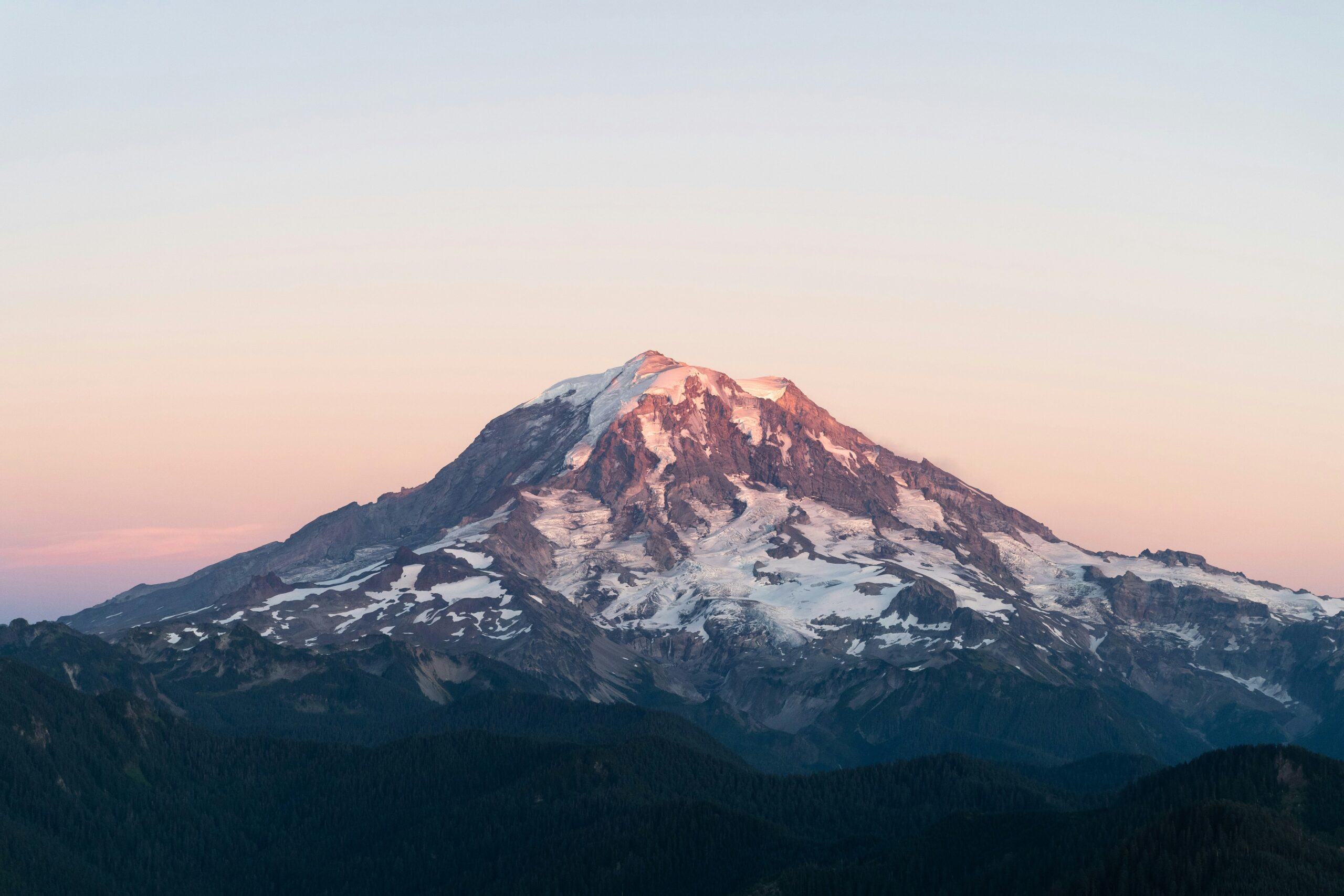
The Same Mountain Can Be a Different Problem Six Weeks Later.
Shasta loses snow coverage and gains rockfall. Rainier’s glaciers open and route architecture changes. “Summer” is not one set of conditions.
Shasta Is Simpler and Cheaper to Organize
The difference is not only the dollar amount. Rainier has a more structured climbing-registration and wilderness-permit system tied to a national park and high-camp capacity.
$25 Summit Pass
The Mount Shasta Avalanche Center’s 2026 climbing information lists:
- $25 Summit Pass required above 10,000 feet.
- Free Mount Shasta Wilderness permit.
- Human-waste pack-out bag.
Open trailheads and ranger locations provide the applicable self-issue materials. Availability and trailhead access still need to be checked before the climb.
$82 Climbing Fee
Mount Rainier National Park lists:
- $82 climbing fee per person per climb in 2026.
- $12 per person per night for wilderness permits.
- Age 15 and younger: wilderness overnight fee is free.
- $6 Recreation.gov trip/application fee where applicable.
Climbers must also follow the current registration process and activate required permits. Park entrance fees are separate.
Different Mountains, Different Ways to Get Into Trouble
Both mountains punish late decisions. The important difference is what those decisions are managing.
Slide-for-Life Snow
Firm steep snow can turn a small balance mistake into a long fall. Crampons and an axe are not substitutes for practiced movement and arrest technique.
Warming & Rockfall
As Avalanche Gulch warms and melts out, loose rock becomes a larger problem. Earlier seasonal timing and earlier daily timing both matter.
Crevasses & Snow Bridges
Glacier openings can be hidden, partially bridged or rapidly changing. Rope-team systems exist because individual footing alone cannot solve that hazard.
Route Change
Established routing can change as glaciers move. Old tracks can become irrelevant or unsafe even when they remain visible.
Wind & Whiteout
Both volcanoes rise high above surrounding terrain and can become difficult navigation problems when cloud erases visual reference.
Descent Fatigue
The summit is only the midpoint. Sloppy footwork and weak decisions become more likely after hours of climbing at altitude.
A Better Ladder: Shasta → Baker → Rainier → Denali
Progression works best when each mountain introduces a manageable new system instead of simply increasing altitude.
Mount Shasta
Snow climbing, crampons, axe, pacing, altitude and descent discipline.
Mount Baker
Add roped glacier travel, crevasse rescue, glacier navigation and team systems.
Mount Rainier
Combine the systems on a larger mountain with greater vertical, altitude and commitment.
Denali
Add expedition duration, extreme cold, sleds, heavy loads and a much larger altitude system.
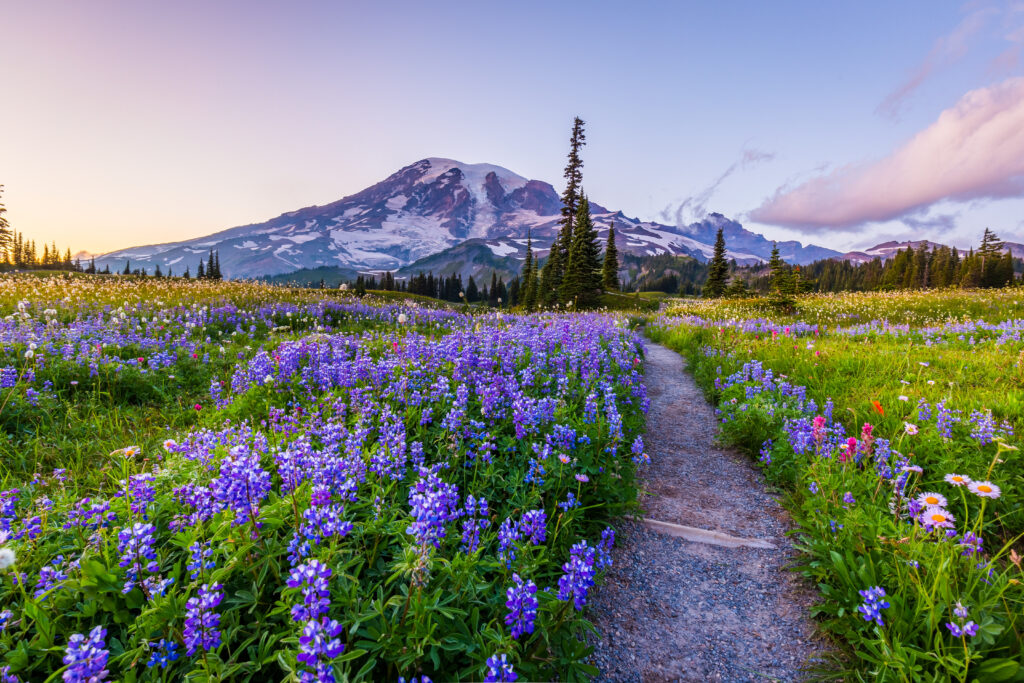
The Best Next Mountain Is the One That Adds the Right Skill.
Climbing Shasta first is useful because it does not pretend to teach the glacier systems Rainier requires. Build that missing layer deliberately, then use Rainier as the test.
The Gear Overlap Is Large. The Systems Are Not.
Boots, crampons, ice axe, helmet and mountain layers can overlap. Rainier then adds the glacier and rope-team equipment appropriate to the route, team and guide program.
Footwear & Traction
Mountaineering boots need to fit the climber and work correctly with the chosen crampon binding. Compatibility should be tested before the trip rather than discovered at the trailhead.
Ice Axe & Helmet
Carrying technical equipment only helps when the techniques behind it have already been practiced on appropriate terrain.
Glacier Systems
Rope, harness, rescue hardware and related equipment depend on the team’s system. Guided climbers should follow the operator’s exact equipment list rather than improvising one from an article.
Mountaineering Gear for Shasta & Rainier
This is the appropriate commerce point in the comparison because the reader now knows why boots, crampons, ice axes and helmets matter. Confirm route requirements, fit and compatibility before purchasing.
Choose Shasta or Rainier by What You Need to Learn Next
A summit is useful progression only when the preparation process adds the right capability.
| If this describes you… | Better next choice | Why |
|---|---|---|
| Strong hiker with recent snow-skills instruction | Mount Shasta | Large enough to test snow movement, altitude and pacing without making glacier systems the core problem. |
| Successful Shasta climber with no glacier training | Baker or formal glacier course | Adds the rope-team and crevasse systems Shasta’s standard route does not provide. |
| Strong climber with practiced glacier systems | Mount Rainier | Combines those systems with larger scale, more gain and high-camp complexity. |
| New to crampons and ice-axe movement | Instruction first | Neither summit should be the location where basic technical movement is first improvised independently. |
| Building toward Denali | Rainier after glacier competence | Rainier creates a valuable bridge into glacier expedition systems without pretending to reproduce Denali’s scale. |
| Budget and simple logistics are major constraints | Mount Shasta | Lower administrative climbing cost and a simpler permit structure make Shasta easier to organize independently. |
How This Comparison Was Verified
Current fees, glacier counts and official climbing requirements are separated from editorial judgment about progression. Conditions must still be rechecked immediately before a climb.
Build the Cascade Progression Around the Comparison
This page owns the Shasta-vs-Rainier decision. The parent mountain guides own complete trip planning; route, operator and progression pages handle their narrower questions.
Mount Shasta vs Mount Rainier FAQ
The questions below focus on the decision between the mountains rather than duplicating their complete climbing guides.
Is Mount Rainier harder than Mount Shasta?
Yes, when comparing the normal first-climb routes. Rainier adds active glacier terrain, rope-team systems, crevasse management, more than 9,000 feet of gain and more complex high-camp logistics. Shasta’s Avalanche Gulch is still a serious snow-mountaineering route.
Should I climb Mount Shasta before Mount Rainier?
For many developing mountaineers, yes. Shasta is a strong place to consolidate crampon technique, ice-axe use, steep snow movement, altitude pacing and descent discipline before adding glacier systems.
Does climbing Shasta prepare you for Rainier?
It prepares you for important parts of Rainier, including snow travel, crampons, ice-axe use, altitude, early starts, pacing and descent judgment. It does not by itself teach roped glacier travel, crevasse rescue or glacier navigation.
Do you need glacier skills for Mount Rainier?
Yes. The National Park Service states that technical glacier-travel rope skills are required to ascend and descend Mount Rainier safely. Climbers using a guided instructional program may learn and apply those systems within the operator’s program structure.
Do you need a rope on Mount Shasta’s Avalanche Gulch route?
A rope is not normally part of standard Avalanche Gulch movement in appropriate conditions because the route is not a normal glacier route. Other Mount Shasta routes can enter glacier terrain and require a different technical system.
What is the best time to climb Mount Shasta?
The Mount Shasta Avalanche Center says Avalanche Gulch usually has its best conditions from mid-May to mid-July. Snow year, weather, overnight refreeze and rockfall should determine the actual climb date.
How much does it cost to climb Shasta versus Rainier in 2026?
Shasta’s Summit Pass is $25 for travel above 10,000 feet, and its wilderness permit is free. Rainier’s 2026 climbing fee is $82 per person per climb. Overnight wilderness permits at Rainier are $12 per person per night, plus the applicable $6 Recreation.gov trip fee. Guide-service prices are separate and vary by program.
Is Rainier twice as hard as Shasta?
“Twice as hard” is not a useful technical measure. The better distinction is categorical: Avalanche Gulch is primarily a major snow climb, while Rainier’s standard route is a major glacier climb. Rainier normally requires more systems and a larger total workload.
Can Mount Shasta be a first mountaineering climb?
It can be an appropriate first major snow mountain for a fit climber who has already learned the required movement and arrest skills, or who is climbing in a suitable instructional guide program. It should not be treated as a place to improvise basic crampon and ice-axe skills during an independent summit attempt.
What should I climb between Shasta and Rainier?
The missing requirement is glacier competence, not a specific summit. Mount Baker is a common progression choice because its standard routes require roped glacier travel. A formal glacier course can serve the same developmental purpose when it teaches and tests the required systems.

About This Comparison
Travis Ludlow leads Global Summit Guide’s mountain and route research. Safety review: Dawson Ludlow. This comparison is research-based and separates verified government requirements from editorial progression advice. It does not present unverified route success percentages or imply that reading a guide replaces current conditions, technical training or experienced mountain judgment. Read the editorial approach.
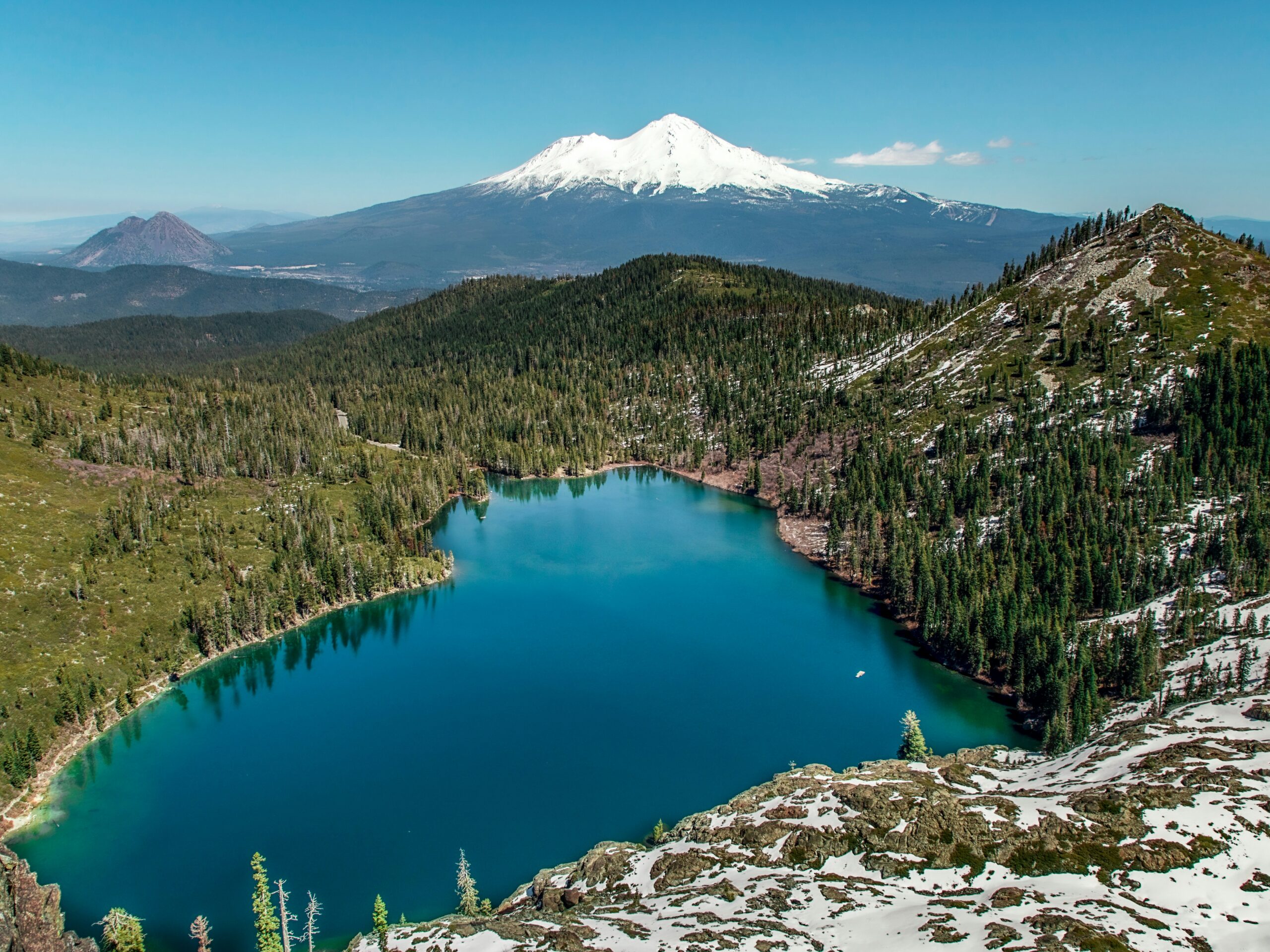
Shasta First. Glacier Skills Next. Rainier When the Systems Are Ready.
If snow mountaineering is the missing layer, start with Shasta. If glacier systems are missing, add training or Baker. If those systems are already reliable, Rainier becomes the logical larger Cascade objective.
Compare, Then Plan the Climb
Go deeper on each mountain in this comparison — full guides, permits, routes and season.
Was this helpful?
🏔Related peaks nearby
🧭Explore & compare
Global Summit Guide is an independent mountaineering resource founded in 2026. The team combines first-hand trekking and climbing experience with in-depth research and professional health and nutrition review to help climbers choose objectives, prepare properly, and stay safe.
Health, altitude, and nutrition content is reviewed by Taylor Ludlow (Registered Nurse) and Brigg Hoopes (Nutritionist).
What We Don't Know Yet
Mountain information changes quickly. This box explains the limits of what this page can responsibly promise.
- Comparisons simplify complex decisions; the better mountain depends on current conditions, skills, timing, budget, and risk tolerance.
- Visa, passport, vaccination, border, insurance, and local transportation rules may change before your trip.
- Route conditions, snowpack, closures, and weather can change quickly after this page is updated.
- Permit rules, fees, quotas, and reservation windows may change between review cycles.
- Operator availability, pricing, guide ratios, and cancellation terms can change by season.
Verify current conditions with official land managers, guide services, local forecasts, and current route reports before booking or climbing.
Mountaineering, rock and ice climbing, glacier travel, and high-altitude activity are inherently dangerous and can result in serious injury or death. The information on Global Summit Guide is provided for general informational and educational purposes only and is not a substitute for professional instruction, qualified guiding, proper equipment, or your own judgment and experience.
Route conditions, weather, snowpack, permits, regulations, and hazards change constantly and may differ from what is described here. Details may be incomplete, out of date, or contain errors. Always verify current information with local authorities, certified guides, and official sources before making any decision in the mountains.
Nothing on this site is medical, legal, or financial advice. Our fitness, acclimatization, altitude, and nutrition content is general in nature; consult a qualified physician before beginning any strenuous exercise program or exposing yourself to high altitude.
You are solely responsible for your own safety and decisions. To the fullest extent permitted by law, Global Summit Guide and its team accept no liability for any loss, injury, damage, or expense arising from use of, or reliance on, this information. By using this site you acknowledge these risks and accept these terms.
Some links on this site may be affiliate links. If you buy through them we may earn a small commission at no extra cost to you; this never affects our recommendations.
Global Summit Guide recommendation path
Next Best Mountain to Research
Use these recommendations to continue the right planning path instead of stopping on one page.
Use current permit, weather, route, and operator information before booking or climbing.
Explore Travel Options for Your Destination
Once your mountain, dates and route are taking shape, compare flights, hotels and other travel options that fit the trip.
Affiliate link. We may earn a commission at no additional cost to you.