Last updated October 30, 2026
Mount Shasta Guides: Compare 3 Services for 2027
Want a Mount Shasta climbing guide? Start with the three guide businesses identified in federal climbing materials, then compare their 2-day and 3-day programs, published costs, instruction and included equipment. A good match is about your experience and the actual snow conditions—not an invented success percentage.
Independent editorial comparison · Research-based, not a firsthand trip report · Check guide permit status and exact 2027 departures directly before paying.

Which Mount Shasta guide should you choose?
Shasta Mountain Guides is an excellent starting point if you want a dedicated local outfitter with several routes and a substantial instructional program. SWS Mountain Guides is worth comparing if you want a 2-day versus 3-day teaching-focused choice and potentially broader training options. International Alpine Guides has a clearly published 3-day Avalanche Gulch program that includes most technical and camping gear, making its inclusion list worth checking carefully.
For a first big snow climb, a longer instruction-oriented trip may be better than the cheapest or quickest departure. A 2-day trip can suit highly fit climbers, but its compressed schedule leaves less time to practice.
These are editorial fit descriptions, not a 1-to-3 quality score, a guaranteed summit result, or a sponsorship package. The Forest Service controls commercial authorization; verify the exact company and trip permit before booking. This comparison has no paid operator placement.

2027 Mount Shasta guided-climb prices and formats
Prices below are published on the operators’ websites as reviewed October 29, 2026, not guaranteed quotes for a particular 2027 departure. Compare similar programs before judging value; published inclusions differ. Where a site lists 2027 dates, verify the exact date and final checkout total.
| Guide service | Example program | Listed per-person price | Best fit | Review before booking |
|---|---|---|---|---|
| Shasta Mountain Guides | 3-day expedition-style climb | $1,595 | First-time climbers seeking a local Shasta specialist and a longer itinerary | Personal gear, rental costs, travel and permit inclusions |
| SWS Mountain Guides | 2-day Avalanche Gulch / 3-day Avalanche Gulch | $1,395 / $1,595 | Learning snow skills with a clearly defined two- versus three-day choice | Equipment list, rental needs, route changes, refunds |
| International Alpine Guides | 2-day / 3-day Avalanche Gulch | $1,125 / $1,325 (3-day midweek special $1,175) | Value-focused climbers who want substantial listed technical-gear inclusions | Boots and clothes excluded, possible sleeping-bag cleaning fee, dates |
| Self-guided (no commercial guide) | Independent ascent | No guide tuition; separate permits, equipment and travel | Teams with demonstrated snow travel, navigation and self-rescue capability | Risk, avalanche forecast, emergency plan, wilderness and summit permits |
Sources: SMG · SWS 2-day · SWS 3-day · IAG 3-day · IAG 2-day.
Choose time to learn
Favor a program with explicit snow school, self-arrest instruction and a day-by-day progression. Ask how much actual practice you receive before summit day.
Assess a 2-day trip
A compressed program may work if you already move confidently on steep snow and can handle a long summit and descent day.
Skill comes first
Self-issue permits are not evidence of readiness. Navigate, evaluate snow, manage cold and make conservative turnaround decisions as a team.
Detailed Mount Shasta guide-service reviews
These are comparison profiles based on published services—not testimonials and not claims of firsthand climbing with the companies. Company information is only as current as its last published website update.
Shasta Mountain Guides (SMG)
SMG describes itself as the original Mount Shasta guide service, with decades of local operations. Its public program menu includes 3-day expedition-style climbs, 2-day alpine-style trips, glacier seminars, West Face, North Side, Casaval Ridge and Clear Creek options. That range matters when the mountain’s snowpack makes one line safer or more suitable than another.
- Broad choice of Shasta-specific routes and courses.
- 3-day option listed for climbers without prior mountaineering experience but with strong fitness and hiking background.
- Ability to ask about advanced routes for returning climbers.
- Which 2027 itinerary is offered for your dates.
- Guide-to-client ratio, gear rentals and permit inclusions for that itinerary.
- Cancellation rules if conditions force a different route or no summit.
SWS Mountain Guides (Sierra Wilderness Seminars)
SWS lists both 2-day ($1,395) and 3-day ($1,595) Avalanche Gulch trips, plus other Mount Shasta routes and technical instruction. Its 2-day page describes group size six and a 1:3 guide-to-guest ratio; the 3-day program adds time for practical skill development and adjustment to the altitude.
- Two-day and three-day choices with stated expectations.
- Explicit training in crampons, ice axe and self-arrest.
- Broader mountain education, ski and rock guiding portfolio.
- Actual 2027 departure availability and itinerary pace.
- Required rentals and personal gear.
- Who leads the trip and the weather-transfer/refund policy.
International Alpine Guides (IAG) / Alpine Skills International
IAG’s 2027 schedule is posted, with a 3-day Avalanche Gulch climb listed at $1,325 and certain midweek departures listed at $1,175. Its two-day alpine-style program is listed at $1,125. IAG states that most technical and camping equipment is included, along with meals on the mountain and summit passes. Footwear and clothing are not included; a cleaning charge may apply to a borrowed sleeping bag.
The 3-day program is deliberately more instructional: an approach to Horse Camp, movement to higher camp and snow-skills practice before the early summit bid. The operator says its lead guides have AMGA training and its programs are supervised by an IFMGA guide; this should not be interpreted as a promise that every person guiding your departure holds every credential.
- Clear published 2027 pricing and date options.
- Substantial stated inclusion of technical gear.
- Three-day instruction and acclimatization progression.
- Whether a particular trip is run under the listed federal authorization.
- Correct boot rental arrangements and gear sizes.
- Cancellation/refund terms and exact date (the posted date list contains some apparent typographical errors).
The Forest Service and Mount Shasta Avalanche Center have published a three-business list naming Shasta Mountain Guides, SWS / Sierra Wilderness Seminars, and Alpine Skills International. Public-facing brands and corporate names sometimes differ. This older federal list is evidence of historical permitted operators—not a substitute for confirming current Special Use Permit coverage with the Forest Service for the exact trip and operator.
Ask these 8 questions before booking
- Is the exact guiding entity currently authorized? Confirm the legal outfitter and federal permit coverage—not merely the booking-brand name.
- What route is likely? Avalanche Gulch is the spring standard; later-season alternatives can change fitness and gear demands.
- How many instruction hours are built in? Ask about real snow-school time before summit day.
- What is the guide/client ratio on summit day? Ask for the ratio that applies to your departure, not a generic company average.
- Which items are included? Boots, crampons, helmet, axe, sleeping gear, tent, meals, group transport and permits may differ.
- What happens when weather prevents the summit? Understand no-summit terms, transfers, refunds and trip insurance requirements.
- How fit must I be? Ask for required hiking volume, elevation gain and pack weight.
- What is the emergency plan? Ask about communications, evacuation thresholds and the lead guide’s medical training.

Avalanche Gulch, Clear Creek and seasonal route choice
A Shasta guide booking is not a guarantee that a certain slope will remain safe. Snow, wind, temperature and rockfall can move the safe route or close the window entirely.
Avalanche Gulch: the classic snow ascent
The usual spring line starts at Bunny Flat, passes Horse Camp and high camp near Helen Lake, then continues toward Red Banks, Misery Hill and the summit. It requires competent steep-snow movement and careful descent decisions. As snow melts, rockfall exposure can increase.
Clear Creek: a later-season alternative
Clear Creek can be an option when snow coverage on Avalanche Gulch deteriorates, but different terrain does not make it automatically easy. Long elevation gain, altitude, changing road access and routefinding still matter. Request the guide’s current route plan before paying.

What a three-day itinerary generally looks like
Meet your guide, confirm equipment and route conditions, hike from Bunny Flat and settle into a lower camp. Some programs teach essential technique in the afternoon.
Work on crampon walking, axe technique, arrest and mountain decision-making, depending on itinerary and conditions. Some groups move camp higher.
Start early under the guide’s conditions plan, decide on a firm turnaround based on actual hazards and group pace, and descend to the trailhead. No summit is promised.
When to go
For Avalanche Gulch, roughly mid-May through early July is a common planning window, but it varies sharply by winter snowpack and spring warming. Early-season storms may require advanced avalanche judgment, while summer melt-out raises loose-rock and hard-surface hazards. Do not carry old June 2026 heat warnings forward as if they predict 2027.
Check the Mount Shasta Avalanche Center, National Weather Service, and guide-specific route updates immediately before departure.

Mount Shasta orientation map
Geographic overview only. This map is not an ascent route or navigation aid; consult the Forest Service and your guide for trailhead access and route finding.
Open Mount Shasta on OpenStreetMap ↗ · Map data © OpenStreetMap contributors.
Permits, summit passes and group logistics
Mount Shasta is in the Shasta-Trinity National Forest. Under the published system, climbers entering the Mount Shasta Wilderness need a free wilderness permit, and those age 16 and older going above 10,000 feet need a $25 standard summit pass valid for up to three days (or an eligible annual pass). Human waste must be packed out. Rules and fees should be reconfirmed for the 2027 season.
The Forest Service and Avalanche Center describe a self-issue, non-lottery permit system. That is a permit process—not an assurance that a visitor can safely summit. When choosing a guide, ask which permits it supplies on your behalf.
Complete GSG permits and logistics guide → · Avalanche Center permit FAQ ↗

Mount Shasta guide cost calculator
The listed guide fee is only one part of the trip. Use this lightweight planning tool to estimate operator tuition plus lodging, transport, equipment, meals and a contingency buffer. It does not fetch current prices or make bookings.
Default sample: $1,595 guide program + $250 lodging + $300 travel + $150 gear + $125 extras, plus a 10% contingency. Figures are illustrative, not checkout quotes.
Compare actual inclusions
If a package already includes sleeping gear, technical equipment, food and a summit pass, set the corresponding extra cost near zero. If footwear is excluded, budget for compatible boots and fitting before arrival. Be careful not to count the same expense twice.
Do not buy a summit guarantee
Weather-related cancellations and safe turnarounds are part of real mountaineering. Ask about optional insurance and whether it covers the actual activity and circumstances; exclusions and evacuation terms vary by policy.
Training, boots and the essential safety questions
A guided Shasta trip is physically demanding. Expect sustained climbing at altitude while carrying layers and overnight equipment. Prepare with repeated uphill efforts, long hikes and pack work, and follow your guide’s written fitness requirements rather than an arbitrary one-size-fits-all workout.
Snow tools are skills, not souvenirs: ice axe, crampons, helmet, appropriate footwear, layers and navigation equipment must match the route. Guided instruction can introduce techniques, but you should not assume a brief lesson guarantees competency in every condition.
- Ask the guide which mountaineering boots and crampon compatibility are required.
- Discuss previous altitude response and any relevant medical considerations with your clinician.
- Learn how the team makes weather, snow and turnaround decisions.
- Carry a realistic hydration and sun-protection plan appropriate to temperatures and wind.
Check mountain readiness → · Explore the mountaineering gear guide →

Sun protection is part of the snow kit
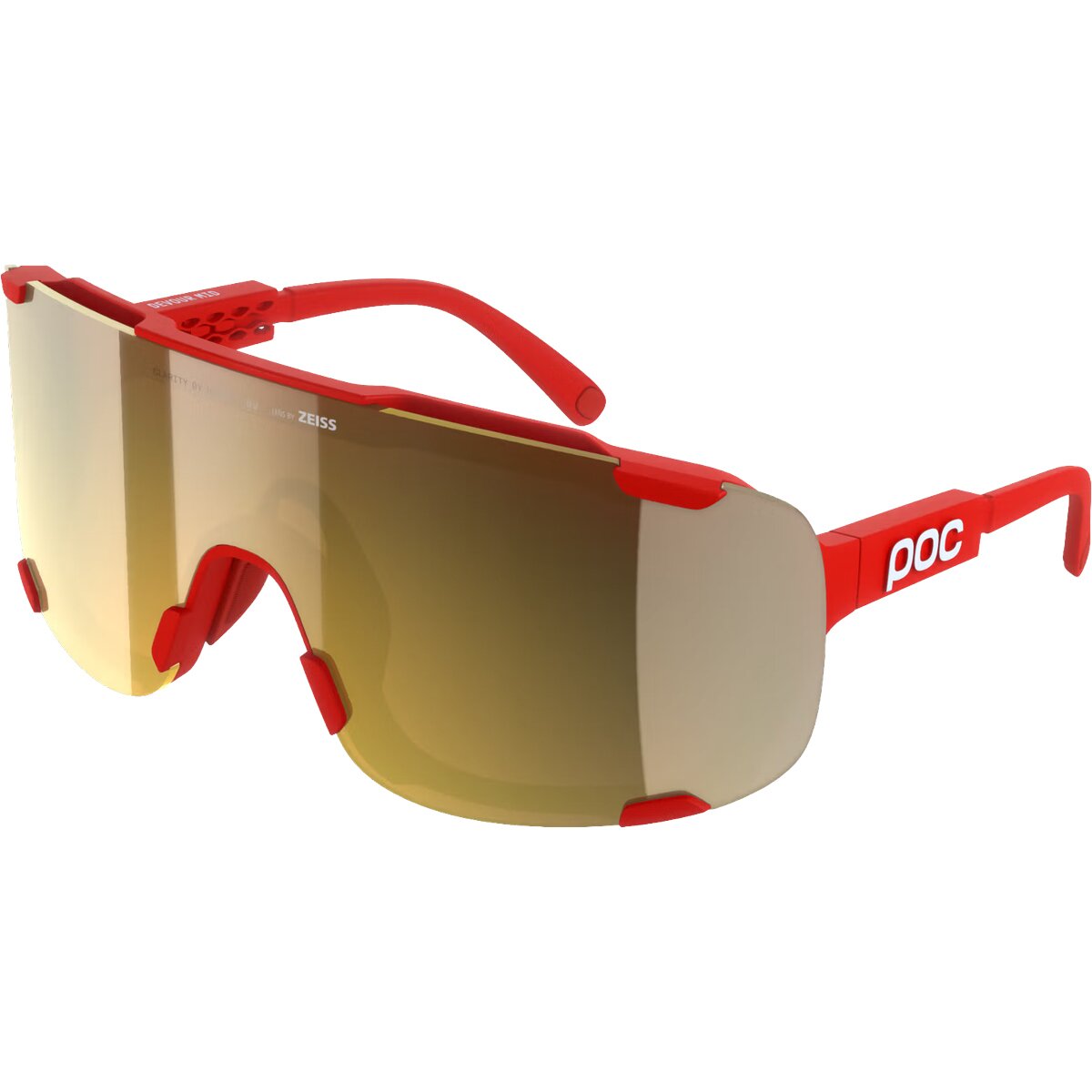
Snow reflects substantial sunlight; many climbers need wraparound UV-protective eyewear chosen for mountain glare and fit. The product examples below are optional shopping references, not an operator requirement and not a substitute for a guide’s equipment checklist.
Affiliate disclosure: GSG may earn a commission from qualifying purchases through some gear links, at no added cost to you. Editorial operator comparisons above are independent of these commissions.
Glacier and High-UV Mountain Eyewear
Mount Shasta guide FAQ
Who can guide commercially on Mount Shasta?
The Forest Service’s public climbing guide identifies Shasta Mountain Guides, Sierra Wilderness Seminars/SWS, and Alpine Skills International. Because permit authorizations can change, verify the current outfitters and the exact booking entity with the Forest Service before choosing a 2027 departure.
How much does a Mount Shasta guided climb cost?
The operator pages reviewed October 29, 2026 list representative two- or three-day programs from $1,125 to $1,595. A four-day instructional program can cost more. These are operator-listed fees, not a fixed price range for every date or private climb; compare inclusions, travel and rentals.
Can beginners climb Mount Shasta with a guide?
Some programs explicitly welcome beginners with strong hiking fitness and appropriate training, especially a three-day expedition or introductory course. A guided trip still involves real altitude, steep snow and weather hazards. Ask whether the course’s instruction time matches your prior experience.
Is a two-day or three-day Shasta climb better?
A two-day itinerary can be efficient for very fit climbers but may be demanding. Three days often permits more practice, adjustment and pacing. The best choice depends on fitness, skill level, route and conditions—not simply the number of days.
Do guided climbs include crampons, boots and ice axes?
Inclusions vary. IAG publicly lists most technical and camping gear, but excludes footwear and clothing. Other operators provide specific packing or rental lists. Always get an itemized checklist for the departure you actually book.
What is the best time of year for Mount Shasta?
For the classic Avalanche Gulch snow route, mid-May into early July is a useful broad planning window according to local guidance, but snowpack, weather, rockfall and route access determine the actual safe season. Clear Creek can be considered later when conditions justify it.
Do I need a permit if I use a guide?
The Forest Service’s published rules require a wilderness permit and a summit pass above 10,000 feet for applicable ages. Ask your guide whether permits are provided as part of the package; do not assume they are automatically included.
What is the summit success rate for guided Shasta climbs?
There is no current mountain-wide, operator-comparable audited rate that GSG can verify. Ask any provider how it defines a summit attempt, its sampling years, route mix and weather exclusions. See the corrected GSG Shasta success-rate analysis.
Can I climb Shasta without a guide?
The public self-issue system supports independent climbing by capable teams. However, a permit is not a training credential. If you lack steep-snow travel skills, conservative hazard judgment, navigation and self-rescue ability, instruction with a qualified guide is the safer path.
What happens when conditions become unsafe?
A responsible guide may change the route, turn around, reschedule or cancel. Read written refund and transfer policies, ask about evacuation logistics, and accept that a summit is never guaranteed.
Sources, methods and important limits
Research updated October 29, 2026. This is a desk-researched comparison; GSG does not claim the author or team climbed Mount Shasta or personally tested these providers. We evaluated public guiding authorization references, published program scope, stated instructional progression, costs, inclusions, available route options, clarity of policies and the needs of different climbers. We did not use undisclosed scores or operator-paid ranking positions.
- Mount Shasta Avalanche Center: permits, guiding and general requirements
- Mount Shasta Avalanche Center: current route information
- Shasta Mountain Guides: program listings and published prices
- SWS: 2-day Avalanche Gulch program
- SWS: 3-day Avalanche Gulch program
- International Alpine Guides: 3-day program and 2027 dates
- International Alpine Guides: 2-day program
- GSG operator editorial methodology
No verified 2027 availability, current federal permit roster, independently audited summit success rate or promise of a safe route is implied by these pages. Price references may change. The prior 2026 Shasta heat advisory is not carried forward as a 2027 forecast. Named provider links are editorial reference links, not sponsored placements.

Choose the guide. Then prepare for the mountain.
Use the published programs to shortlist an outfitter, ask questions about the precise itinerary and permit coverage, then build the skills and schedule for the actual conditions. A well-timed safe turnaround is better than any advertised summit statistic.
Was this helpful?
🏔Related operators
🧭Explore & compare
Global Summit Guide is an independent mountaineering resource founded in 2026. The team combines first-hand trekking and climbing experience with in-depth research and professional health and nutrition review to help climbers choose objectives, prepare properly, and stay safe.
Health, altitude, and nutrition content is reviewed by Taylor Ludlow (Registered Nurse) and Brigg Hoopes (Nutritionist).
What We Don't Know Yet
Mountain information changes quickly. This box explains the limits of what this page can responsibly promise.
- Guide-company prices, departure dates, guide ratios, included services, and cancellation rules can change without notice.
- Total trip cost can change with flights, lodging, guide pricing, permits, gear rentals, transportation, and exchange rates.
- Comparisons simplify complex decisions; the better mountain depends on current conditions, skills, timing, budget, and risk tolerance.
- Visa, passport, vaccination, border, insurance, and local transportation rules may change before your trip.
Verify current conditions with official land managers, guide services, local forecasts, and current route reports before booking or climbing.
Mountaineering, rock and ice climbing, glacier travel, and high-altitude activity are inherently dangerous and can result in serious injury or death. The information on Global Summit Guide is provided for general informational and educational purposes only and is not a substitute for professional instruction, qualified guiding, proper equipment, or your own judgment and experience.
Route conditions, weather, snowpack, permits, regulations, and hazards change constantly and may differ from what is described here. Details may be incomplete, out of date, or contain errors. Always verify current information with local authorities, certified guides, and official sources before making any decision in the mountains.
Nothing on this site is medical, legal, or financial advice. Our fitness, acclimatization, altitude, and nutrition content is general in nature; consult a qualified physician before beginning any strenuous exercise program or exposing yourself to high altitude.
You are solely responsible for your own safety and decisions. To the fullest extent permitted by law, Global Summit Guide and its team accept no liability for any loss, injury, damage, or expense arising from use of, or reliance on, this information. By using this site you acknowledge these risks and accept these terms.
Some links on this site may be affiliate links. If you buy through them we may earn a small commission at no extra cost to you; this never affects our recommendations.
Global Summit Guide recommendation path
Next Best Mountain to Research
Use these recommendations to continue the right planning path instead of stopping on one page.
Use current permit, weather, route, and operator information before booking or climbing.