
Last updated October 17, 2026
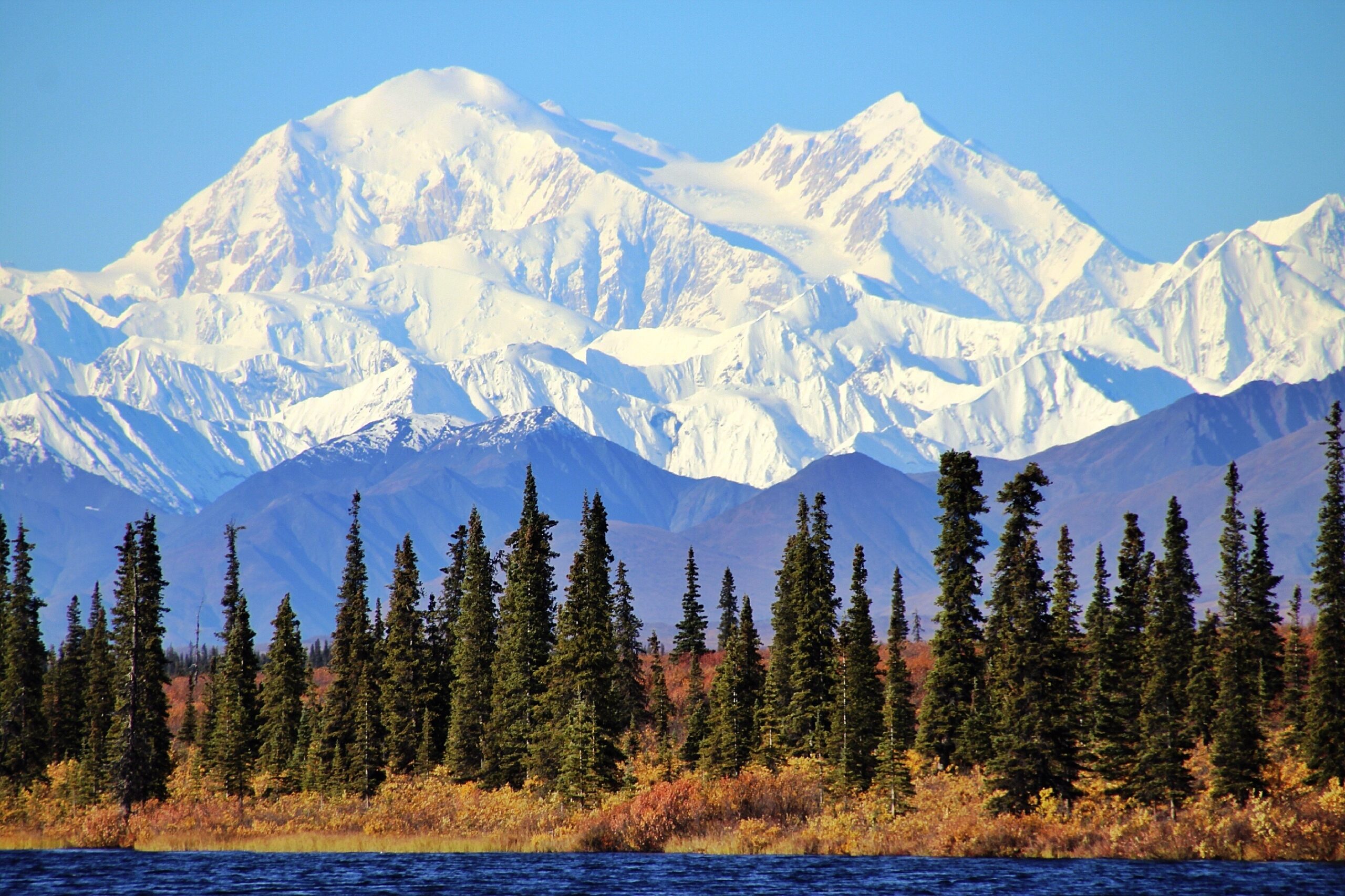
Rainier vs Denali: How Big Is the Step Up?
Mount Rainier teaches many of the glacier skills Denali demands—but Denali turns those skills into a multi-week expedition at 20,310 feet with heavy loads, sleds, cache carries, Arctic cold, prolonged weather delays and far less margin for weakness in the team.
Denali Is Much Harder—Even Though the Core Glacier Skills Overlap.
Rainier is one of the best American preparation mountains for Denali because it develops rope-team glacier travel, crampon and ice-axe movement, crevasse systems, cold starts, altitude pacing and the habit of descending technical terrain while tired.
But Denali is not simply “a longer Rainier.” The West Buttress adds nearly 6,000 feet of summit elevation, multi-week exposure, expedition camps, load carries, sled hauling, cache management, fixed-line terrain, much colder temperatures and weather delays that may keep a team in one camp for days.
Rainier and Denali belong in the same mountaineering progression because they share a real technical language. Both involve glacier travel, rope teams, crevasse risk, crampons, ice axes, expedition clothing systems and the need to keep making good decisions after the uphill work has already consumed most of the day’s energy.
That overlap can create a dangerous simplification: “I climbed Rainier, therefore I am ready for Denali.” Rainier is normally a three-to-five-day mountain program. A standard Denali West Buttress expedition commonly occupies roughly three weeks and forces climbers to repeat hard work day after day instead of concentrating it into one summit push.
Denali also crosses a major logistical threshold. Climbers transport weeks of food and fuel, manage caches, move loads between camps and live with prolonged exposure to cold and storms. The expedition can punish a weakness that never had time to surface during a short Rainier climb.
Rainier vs Denali at a Glance
The same basic glacier vocabulary appears on both mountains. Denali increases the altitude, duration, load, cold, self-management and consequences attached to that vocabulary.
| Decision factor | Mount Rainier | Denali |
|---|---|---|
| Elevation | 14,410 ft / 4,392 m | 20,310 ft / 6,190 m |
| Normal progression route | Disappointment Cleaver / Ingraham corridor | West Buttress |
| Typical guided format | About 3–5 days depending on program | Roughly three weeks on standard expedition programs |
| Glacier travel | Yes | Yes, repeated for weeks |
| Crevasse systems | Required skill set | Required expedition system |
| Heavy load movement | Loaded pack | Pack + sled + repeated carries and caches |
| Fixed lines | Not the defining standard-route system | Major West Buttress component above 14,000-foot camp |
| Cold exposure | Severe mountain weather possible | Arctic expedition cold sustained over many days |
| Acclimatization | Shorter exposure to altitude | Staged multi-week acclimatization |
| 2026 NPS climbing / permit fee | $82 per person per climb | $450 adult mountaineering fee |
| Advance registration | Current NPS climb registration and permit process | At least 60 days before expedition start |
| Best role | Major glacier-mountaineering foundation | Full-scale cold-weather expedition objective |
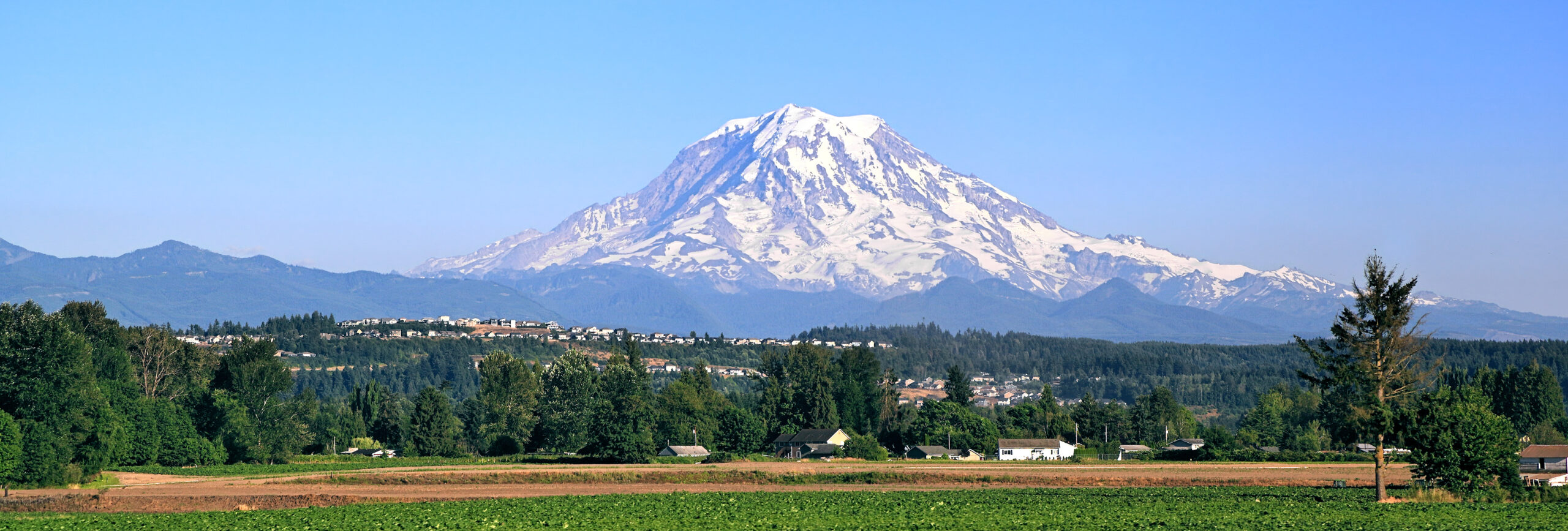
Rainier Gives You the Language. Denali Demands Fluency.
Glacier travel, crampons, rope-team movement and cold starts transfer directly. The difference is how long, how heavily and how independently those systems must function.
Skills That Transfer Directly to Denali
Rainier deserves its place in the Denali progression because the overlap is substantive—not because the mountains are equally difficult.
| Skill or demand | Rainier | How Denali expands it |
|---|---|---|
| Roped glacier travel | Core standard-route skill | Repeated every day across a multi-week expedition |
| Crevasse rescue | Part of independent-team competence | Must remain functional in a remote, heavily loaded system |
| Crampon movement | Hours of steep snow and glacier movement | Repeated under greater cold, altitude and cumulative fatigue |
| Ice-axe use | Foundational snow and glacier tool | Same foundation carried into larger expedition terrain |
| Rope-team communication | Essential | Becomes a long-duration expedition habit |
| Early summit start | Normal part of Rainier | One element inside weeks of schedule management |
| High-camp living | Short exposure | Repeated camps, tent systems, cache cycles and weather holds |
| Technical descent while tired | Major Rainier lesson | Occurs after days or weeks of accumulated fatigue |
A Rainier summit is one data point, not a Denali qualification. Use the Mountain Readiness Assessment to separate glacier competence, physical reserve, altitude experience, expedition judgment and logistics before deciding Alaska should be next.

What Rainier Does Not Fully Prepare You For
Rainier compresses the technical mountain into days. Denali expands the expedition into weeks. That difference creates problems that cannot be simulated by simply climbing Rainier harder.
- Moving large loads repeatedly rather than once.
- Hauling a sled while carrying a substantial pack.
- Building and maintaining expedition camps.
- Managing food, fuel and caches over many days.
- Sleeping at progressively higher elevations.
- Recovering from one hard carry before the next.
- Remaining useful to the team during weather delays.
- Maintaining feet, hands, hydration and appetite in prolonged cold.
That is why experienced Denali preparation often includes longer glacier seminars, expedition training, multiple cold-weather objectives or other multi-day mountaineering experience after Rainier.
Denali Is a Load-Movement Expedition
Rainier tests whether you can climb with a mountain pack. Denali tests whether you can transport an expedition without destroying your recovery.
Carry the Climb
Your pack contains the clothing, food, water and overnight equipment required by the itinerary. The load matters, but the trip is short.
Carry + Pull
West Buttress teams commonly divide expedition weight between a large pack and sled during lower-mountain travel.
Carry It Again
Cache-and-carry strategy means the mountain is not simply climbed once. Loads are moved, cached, retrieved and reorganized as the team advances.

Ask How Much Reserve You Had—not Whether You Touched the Summit.
Denali readiness is better indicated by controlled movement, sound glacier systems, useful team behavior and physical reserve than by a Rainier summit obtained at the edge of exhaustion.
The Extra 5,900 Feet Changes the Expedition
The numerical gap looks simple. The physiological effect is not.
High Enough to Expose Acclimatization Weakness
Rainier can produce headache, nausea, reduced pace and poor sleep, especially when climbers arrive from low elevation and move quickly to high camp.
But the total trip is short enough that Rainier does not create the same staged acclimatization system as a 20,000-foot expedition.
Altitude Becomes a Multi-Day Management Problem
Denali forces gradual movement through camps while the team carries loads, rests, caches equipment and waits for conditions.
The question becomes whether the climber can continue eating, sleeping, recovering and performing as elevation and cumulative fatigue rise together.
Rainier Has Bad Weather. Denali Makes Weather Part of the Expedition.
Pacific storms can make Rainier severe, but the normal program is measured in days. A poor weather window can end the attempt.
On Denali, waiting is part of expedition management. Teams may remain at camp while wind, snowfall or upper-mountain conditions make movement unreasonable. That changes fuel consumption, food planning, morale, tent management, recovery and the total schedule.
Cold management also becomes cumulative. Boots, gloves, sleep systems, hydration routines and skin protection must work repeatedly—not merely survive one stormy summit push.
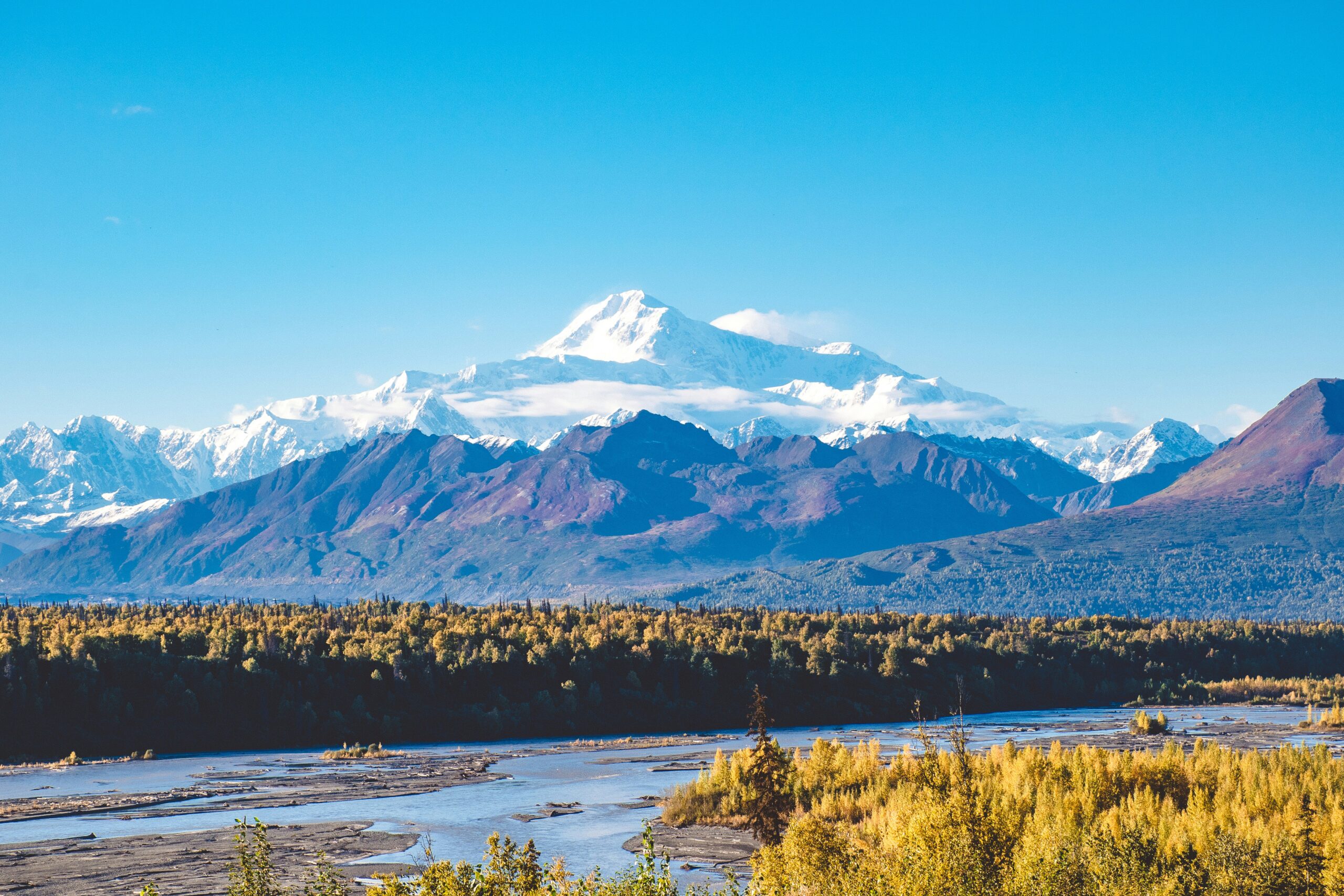
Denali Is a Different Financial Commitment
Permit price is only the visible difference. Expedition duration, Alaska logistics, air-taxi access, food, fuel, specialized cold-weather gear and guide structure drive the larger Denali budget.
$82 NPS Climbing Fee
- $82 per person per climb.
- Paid online before arriving at the park.
- Climbers still complete the applicable registration process.
- Wilderness camping permits are a separate planning item.
- Guided program pricing varies by route and operator.
$450 Mountaineering Fee
- $450 adult mountaineering special-use fee.
- $350 for qualifying climbers age 24 or younger.
- $15 park entrance fee unless covered by an applicable pass.
- Registration at least 60 days before the expedition start.
- Guided climbers coordinate application details with their operator.
Denali is where hidden costs become expedition costs. Use the Expedition Budget Calculator to model the full trip rather than comparing Rainier and Denali by guide-company headline price alone.
Do Not Compare Rainier and Denali With a Fake “50% vs 50%” Statistic
The mountains do not currently have equivalent official success datasets. That matters.
Denali Has Current NPS Season Data
The National Park Service’s July 20 preliminary 2026 season wrap-up reported 976 registered Denali climbers and 582 summits, rounded by NPS to a 60% summit rate.
The same preliminary report listed 28 helicopter search-and-rescue missions and five West Buttress deaths during the 2026 season.
Those numbers provide useful current Denali context. They should not be paired with an invented current Rainier percentage.
For dedicated data methodology, see the Denali summit-success analysis and Denali fatality-risk analysis .
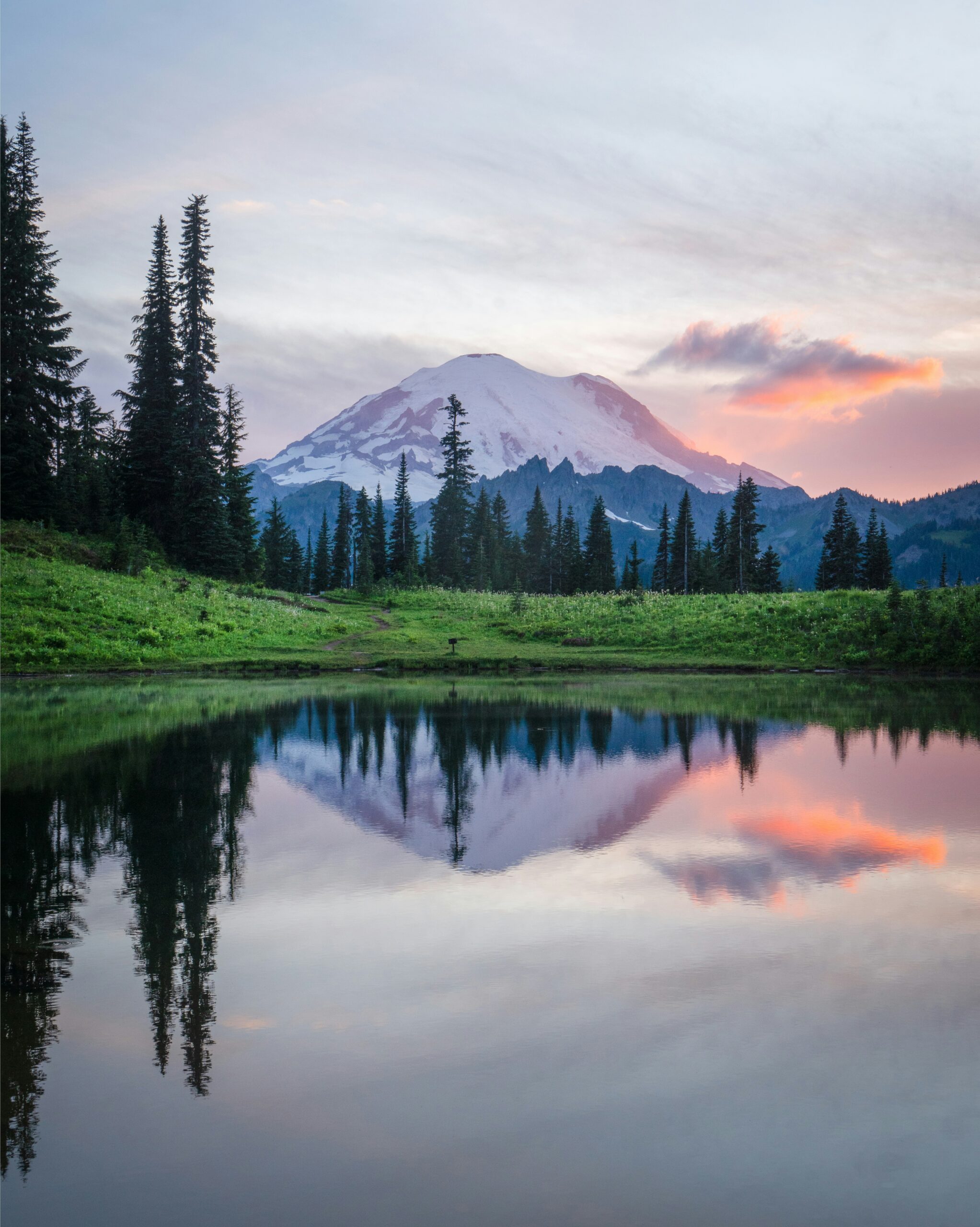
Rainier Is the Foundation. Denali Is the Expedition.
The useful question is not which mountain has the prettier success percentage. It is whether the climber can transfer Rainier’s glacier competence into Denali’s longer, colder and heavier system.
Road-Accessible Cascade Volcano vs Fly-In Alaska Expedition
Geography explains part of the difficulty jump. Rainier begins from a national-park road system. Most West Buttress Denali expeditions stage through Talkeetna and fly to glacier basecamp.
Paradise provides road access to the normal southern climbing system through Camp Muir.
West Buttress expeditions normally stage through Talkeetna before ski-equipped aircraft access the Kahiltna Glacier.
Does a Rainier Summit Mean You Are Ready for Denali?
Sometimes. The quality of the Rainier performance matters more than the summit checkbox.
Rainier Is a Positive Denali Signal When…
- You moved efficiently in crampons without constant correction.
- Rope-team communication felt routine rather than confusing.
- You understood the glacier systems instead of merely following them.
- You arrived at the summit with enough reserve for a disciplined descent.
- Your feet, hands, hydration and fueling remained under control.
- You recovered well after the climb rather than being destroyed for days.
- You functioned as a useful teammate when cold and tired.
- You can now add heavier loads and longer expedition exposure.
Rainier → Expedition Experience → Denali
The best bridge is not necessarily one named mountain. It is whatever closes the gap Rainier revealed.
Rainier
Validate glacier travel, crampons, altitude pacing, team movement and technical descent.
Add Duration
Complete a longer glacier seminar, expedition course or multi-day objective where camp systems and repeated work matter.
Add Load & Cold
Train with progressively heavier packs and develop a proven cold-weather clothing, boot, sleep and hand-management system.
Denali
Combine glacier competence with multi-week endurance, expedition judgment, altitude and load management.
Continue with the Rainier progression plan and the Denali progression plan .
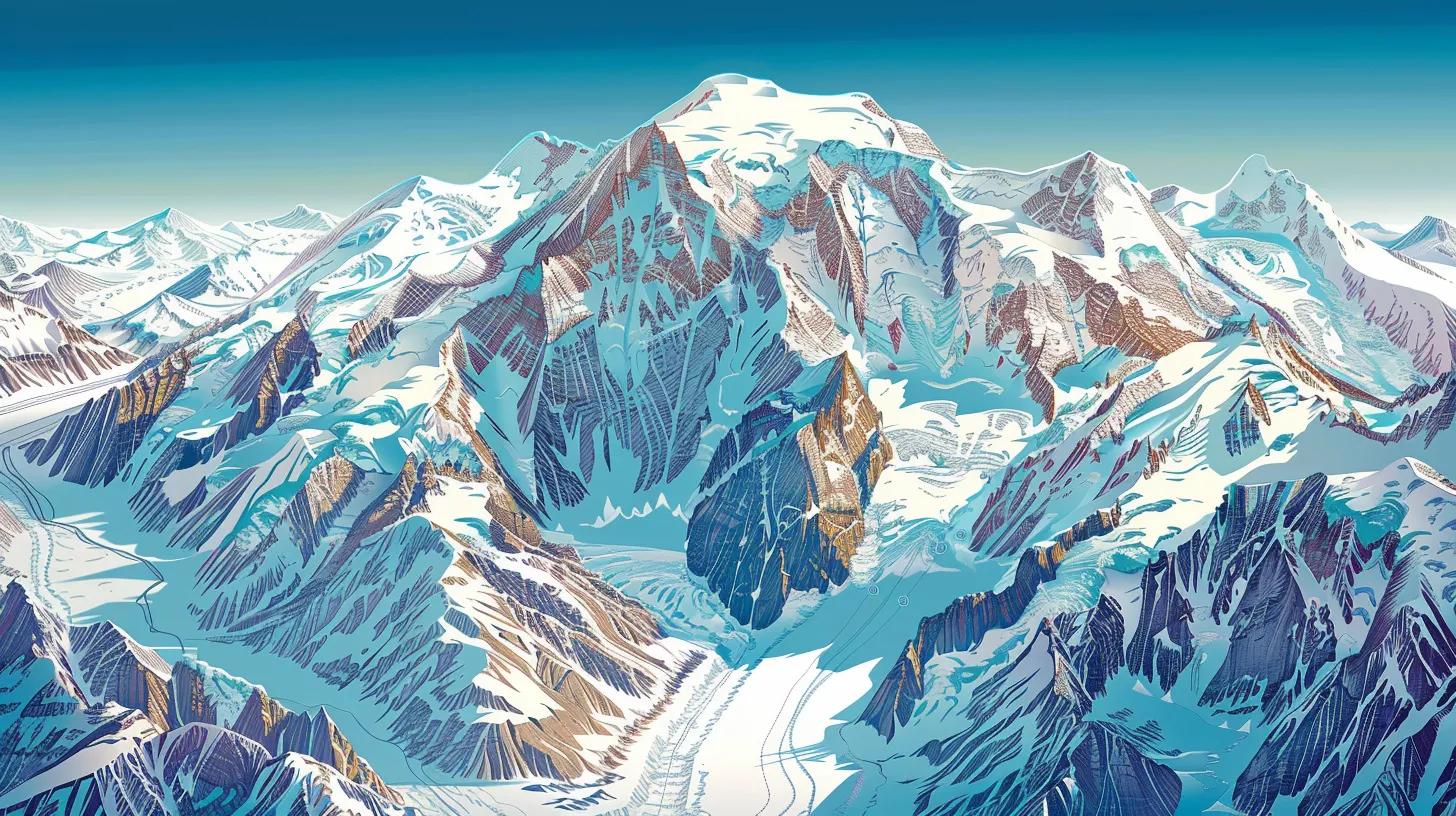
976 Registered Climbers. 582 Summits. A Preliminary 60% Season.
Those NPS numbers describe one Denali season—not your personal odds. Readiness, weather, team decisions, acclimatization and expedition execution remain individual variables.
Gear That Changes From Rainier to Denali
Rainier can validate the basic mountaineering system. Denali expands the cold, sleep, shelter and load requirements dramatically.
Boots, Crampons & Axe
Both mountains require real mountaineering footwear and traction. Denali generally pushes boot warmth and cold management far beyond a normal Rainier system.
Sleep & Shelter
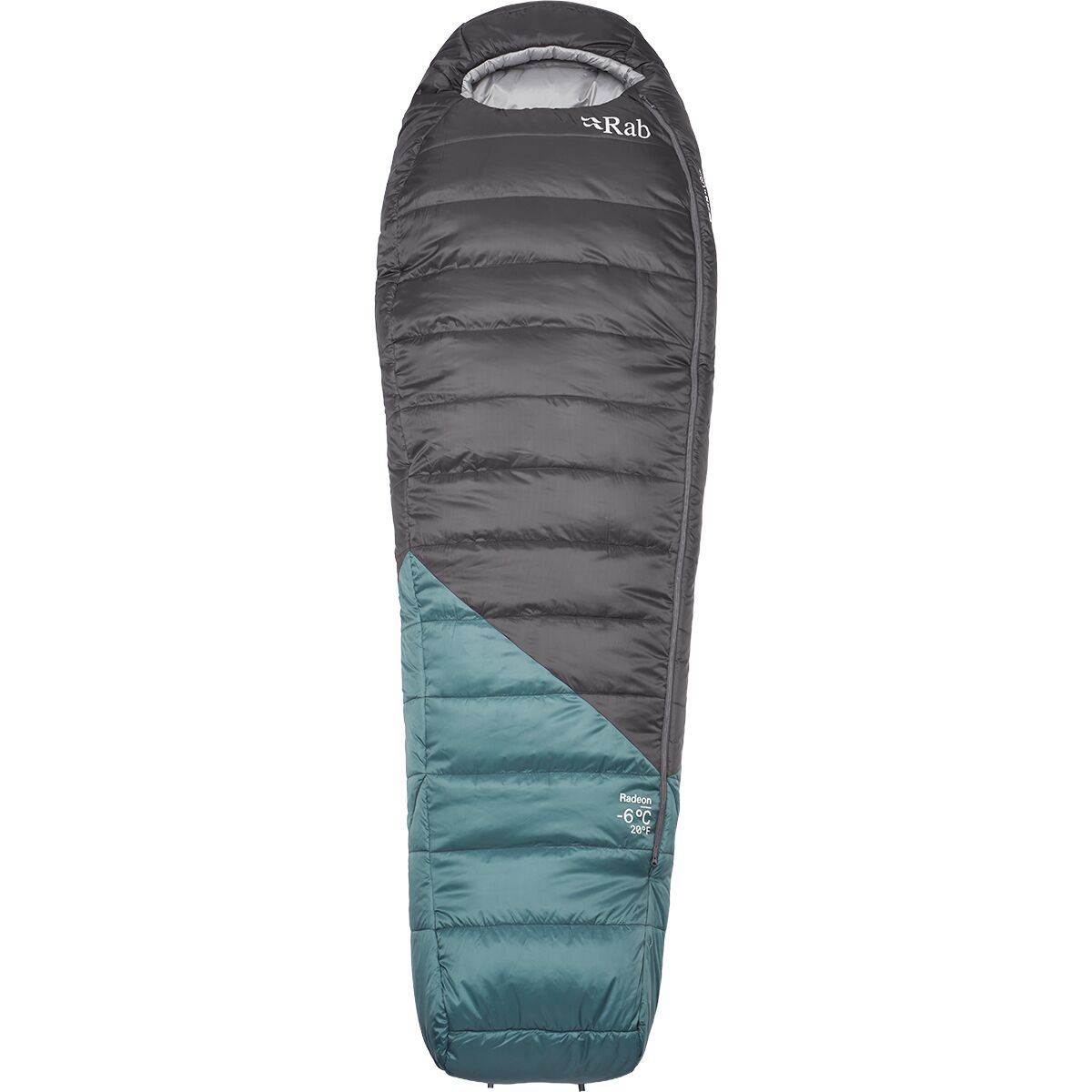
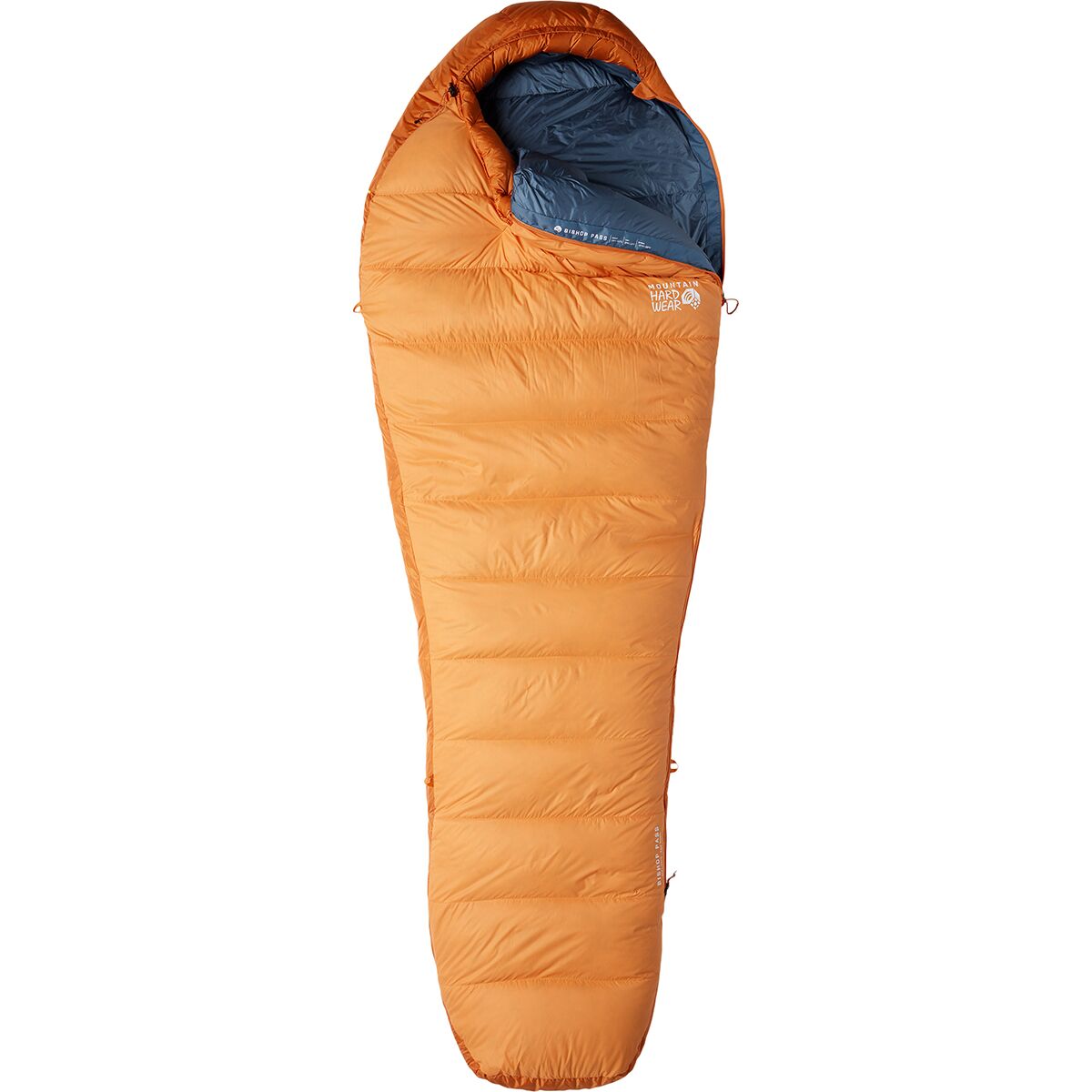
Sleeping bag warmth, pad insulation, four-season tent performance and the ability to manage condensation and storm loading become expedition systems rather than overnight conveniences.
Load System
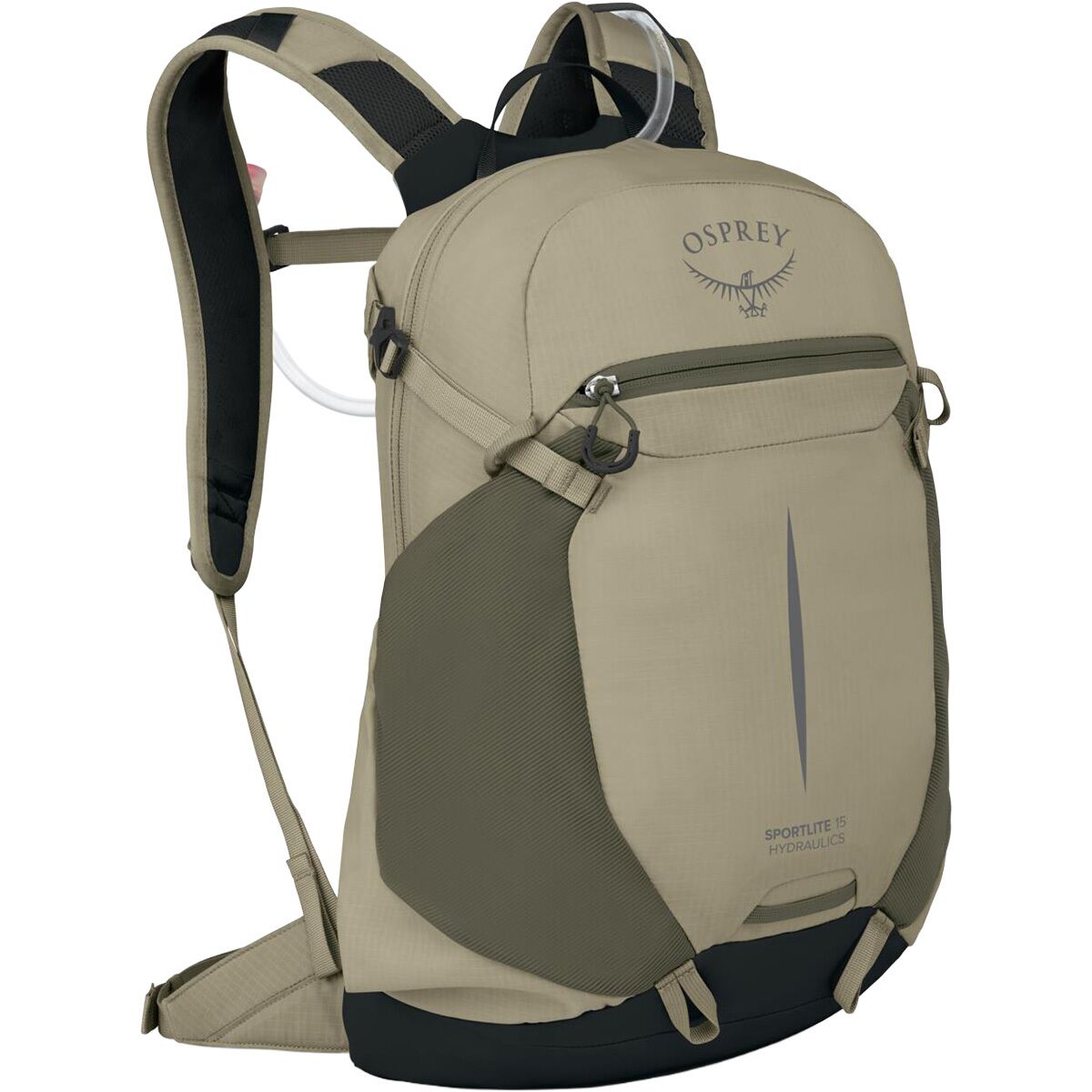
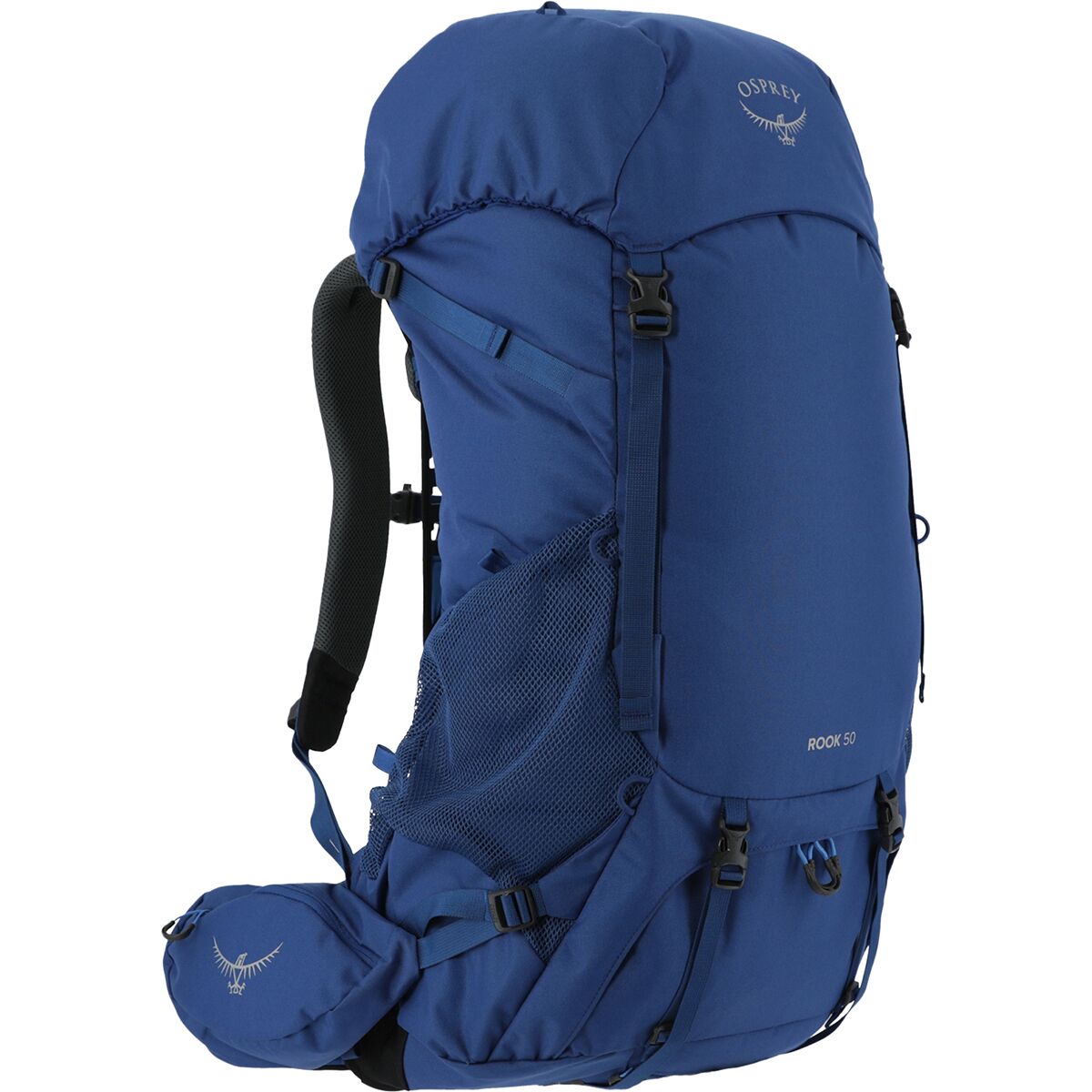
Backpack fit becomes even more important when the pack is one half of a pack-and-sled transport system repeated over many days.
Build the equipment system from the route and operator requirements backward. Use the Mountain Gear Planner before buying expedition equipment simply because it appears on a generic Denali checklist.
Rainier & Denali Expedition Gear
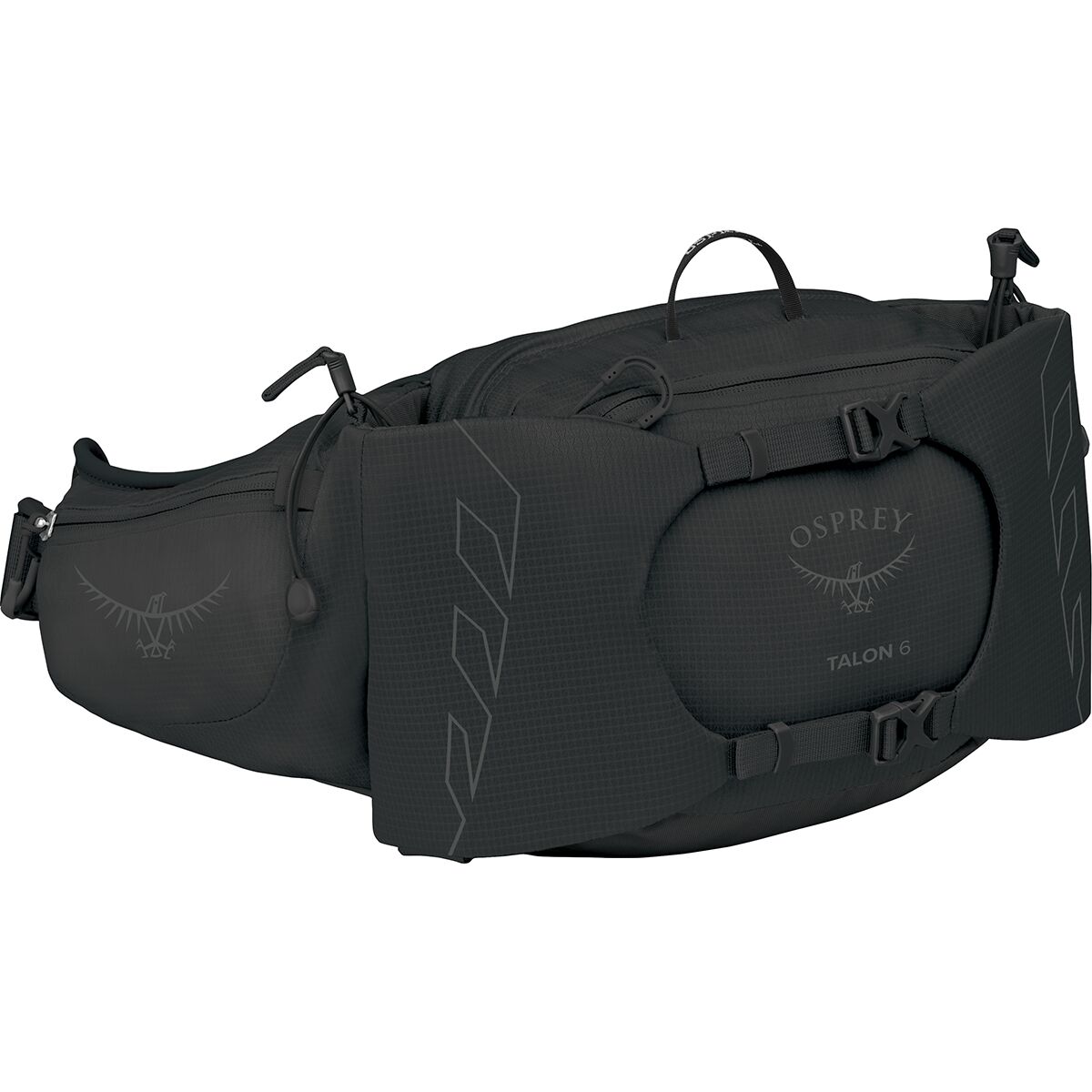
The product mix below intentionally spans the equipment categories where progression from Rainier to Denali creates real buying decisions: mountaineering boots, crampons, ice axes, four-season tents, sleeping bags and expedition packs.
Rainier & Denali Expedition Gear
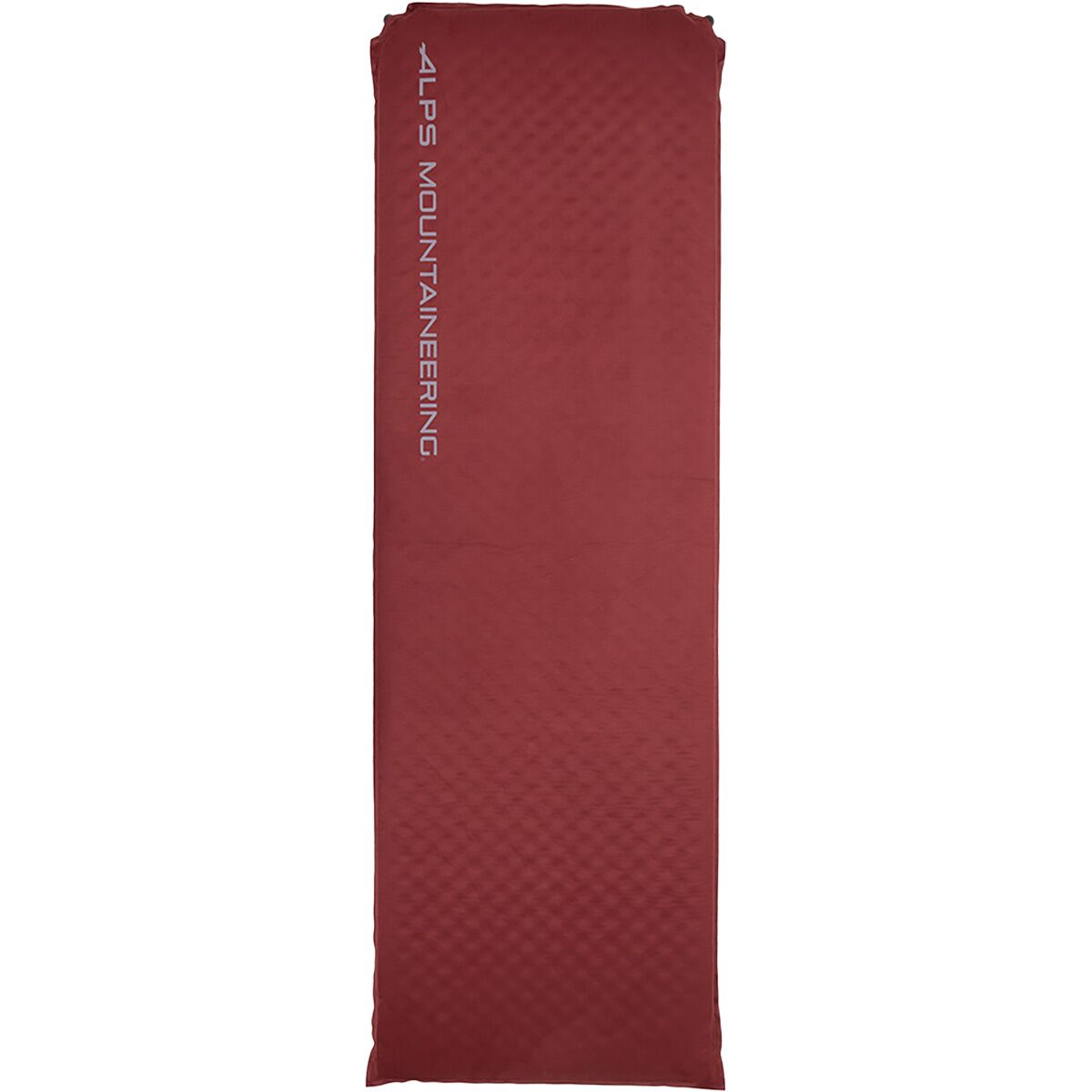
- ALPS MountaineeringALPS Mountaineering Apex Sleeping PadFrom $63.99
$99.99Check price at Back Country (opens in a new tab)
A Guided Rainier Summit and Independent Denali Readiness Are Not the Same Thing
Guide support changes how much of the mountain system the climber must personally understand and manage.
A Strong Learning Objective
A professional Rainier program can introduce glacier movement, pacing, camp routines, rope-team behavior and mountain judgment in a highly structured environment.
That experience is valuable, but the guide team may still be carrying much of the route finding, hazard assessment, rescue leadership and logistical decision making.
The Climbers Must Carry More of the System
Even on a guided Denali expedition, clients must tolerate sustained expedition work, camp life, load carries, cold management and high-altitude recovery for weeks.
Independent Denali teams need a substantially deeper level of glacier, expedition, navigation, rescue and team-management competence.
If you want professional support, compare the current Mount Rainier guide companies and authorized Denali guide services rather than assuming the same operator product model applies to both peaks.
What Should You Do After Rainier?
Your next move should be determined by the weakness Rainier exposed—not by how quickly you want to add Denali to the résumé.
| Your Rainier outcome | Best next move | Why |
|---|---|---|
| Strong, controlled climb with technical confidence | Add expedition-specific preparation | The glacier foundation is working. Now build load, cold and duration before Denali. |
| Summited but was physically emptied | More fitness and loaded endurance | Denali requires repeated work rather than one maximum summit push. |
| Followed the rope system without understanding it | Glacier course / independent skills practice | Denali is not the place to discover that the system only worked because a guide was controlling it. |
| Cold hands or feet became a major issue | Fix cold-management systems | Denali magnifies small boot, glove, fueling and circulation problems. |
| Rainier felt controlled and you have multi-day glacier experience | Evaluate Denali seriously | The remaining questions become expedition load, cold, altitude, operator/team fit and budget. |
| Never climbed Rainier or an equivalent glacier peak | Build glacier experience first | Denali should not be the first place where basic glacier systems become real. |
How This Comparison Was Built
Official NPS information controls current permit, registration and season statistics. Global Summit Guide’s progression recommendations are editorial analysis rather than government requirements.
Rainier and Denali Research Cluster
This page owns the Rainier-vs-Denali decision. The mountain parents own complete planning; progression, operator and data pages answer the narrower questions without competing with this comparison.
Rainier vs Denali FAQ
These answers focus specifically on the progression between the two mountains rather than duplicating the full Rainier or Denali guides.
Is Denali harder than Mount Rainier?
Yes. Denali is substantially harder as an overall expedition. The mountains share glacier-travel skills, but Denali is almost 6,000 feet higher, commonly takes roughly three weeks, requires repeated heavy load movement and exposes climbers to prolonged Arctic cold, altitude and weather delays.
Should I climb Rainier before Denali?
Rainier is one of the strongest North American preparation mountains for Denali because it develops glacier travel, rope-team movement, crampon skills, altitude pacing and technical descent. It should be viewed as part of a progression rather than an automatic qualification.
Does summiting Rainier mean I am ready for Denali?
Not necessarily. A better test is whether the Rainier climb felt technically controlled, whether you had meaningful physical reserve, whether you understood the glacier systems and whether you can now add multi-week load, cold and camp-management experience.
What does Denali require that Rainier does not?
Denali adds multi-week expedition durability, sled hauling, repeated load carries, cache management, higher altitude, prolonged cold, fixed-line terrain, extended camp systems and the possibility of waiting through multi-day weather holds.
How much higher is Denali than Rainier?
Denali’s summit is 20,310 feet while Mount Rainier reaches 14,410 feet, a difference of 5,900 feet. The more important consequence is that Denali requires staged acclimatization while climbers continue moving large loads through a multi-week expedition.
How much are the Rainier and Denali climbing fees in 2026?
Mount Rainier’s 2026 NPS climbing fee is $82 per person per climb. Denali’s 2026 mountaineering special-use fee is $450 for adults and $350 for qualifying climbers age 24 or younger, plus the applicable park entrance fee.
How far in advance do I need to register for Denali?
The National Park Service requires climbers attempting Denali to register at least 60 days before the expedition start date. Guided climbers should coordinate the current application process with their authorized guide service.
What was Denali’s summit success rate in 2026?
The National Park Service’s preliminary July 20, 2026 season wrap-up reported 976 registered climbers and 582 summits, which NPS rounded to a 60% summit rate. The agency explicitly described the season numbers as preliminary at publication.
What is Rainier’s current summit success rate?
Mount Rainier National Park does not currently publish a modern official summit-success percentage comparable with Denali’s annual NPS season totals. Global Summit Guide therefore does not use a current Rainier percentage in this comparison.
How long should I wait between Rainier and Denali?
There is no required number of months or years. The correct interval is long enough to close the weaknesses Rainier revealed. For some climbers that means additional glacier training, longer expeditions, heavier-load training or another cold-weather mountain before Denali.

About This Comparison
Travis Ludlow leads Global Summit Guide’s mountain research architecture. Safety review: Dawson Ludlow. This comparison uses current National Park Service permit and season data and avoids presenting incompatible Rainier and Denali summit statistics as though they measure the same thing. Read the editorial approach.
Rainier Should Make Denali More Understandable—not Merely More Tempting.
Use Rainier to identify whether glacier travel, fitness, cold management and team systems are becoming strengths. Then build the load, duration and expedition experience Denali adds before committing to Alaska.
Rainier is the training mountain for Denali — same glacier travel, same crevasse hazard, same long summit day. But how big is the step up? See Rainier vs Denali: what carries over, what doesn’t, and whether you’re ready for Alaska.
Compare, Then Plan the Climb
Go deeper on each mountain in this comparison — full guides, permits, routes and season.
Was this helpful?
🏔More comparisons
🧭Explore & compare
Global Summit Guide is an independent mountaineering resource founded in 2026. The team combines first-hand trekking and climbing experience with in-depth research and professional health and nutrition review to help climbers choose objectives, prepare properly, and stay safe.
Health, altitude, and nutrition content is reviewed by Taylor Ludlow (Registered Nurse) and Brigg Hoopes (Nutritionist).
What We Don't Know Yet
Mountain information changes quickly. This box explains the limits of what this page can responsibly promise.
- Comparisons simplify complex decisions; the better mountain depends on current conditions, skills, timing, budget, and risk tolerance.
- Visa, passport, vaccination, border, insurance, and local transportation rules may change before your trip.
- Route conditions, snowpack, closures, and weather can change quickly after this page is updated.
- Permit rules, fees, quotas, and reservation windows may change between review cycles.
- Operator availability, pricing, guide ratios, and cancellation terms can change by season.
Verify current conditions with official land managers, guide services, local forecasts, and current route reports before booking or climbing.
Mountaineering, rock and ice climbing, glacier travel, and high-altitude activity are inherently dangerous and can result in serious injury or death. The information on Global Summit Guide is provided for general informational and educational purposes only and is not a substitute for professional instruction, qualified guiding, proper equipment, or your own judgment and experience.
Route conditions, weather, snowpack, permits, regulations, and hazards change constantly and may differ from what is described here. Details may be incomplete, out of date, or contain errors. Always verify current information with local authorities, certified guides, and official sources before making any decision in the mountains.
Nothing on this site is medical, legal, or financial advice. Our fitness, acclimatization, altitude, and nutrition content is general in nature; consult a qualified physician before beginning any strenuous exercise program or exposing yourself to high altitude.
You are solely responsible for your own safety and decisions. To the fullest extent permitted by law, Global Summit Guide and its team accept no liability for any loss, injury, damage, or expense arising from use of, or reliance on, this information. By using this site you acknowledge these risks and accept these terms.
Some links on this site may be affiliate links. If you buy through them we may earn a small commission at no extra cost to you; this never affects our recommendations.
Global Summit Guide recommendation path
Next Best Mountain to Research
Use these recommendations to continue the right planning path instead of stopping on one page.
Use current permit, weather, route, and operator information before booking or climbing.
Explore Travel Options for Your Destination
Once your mountain, dates and route are taking shape, compare flights, hotels and other travel options that fit the trip.
Affiliate link. We may earn a commission at no additional cost to you.