
Last updated October 4, 2026
“`html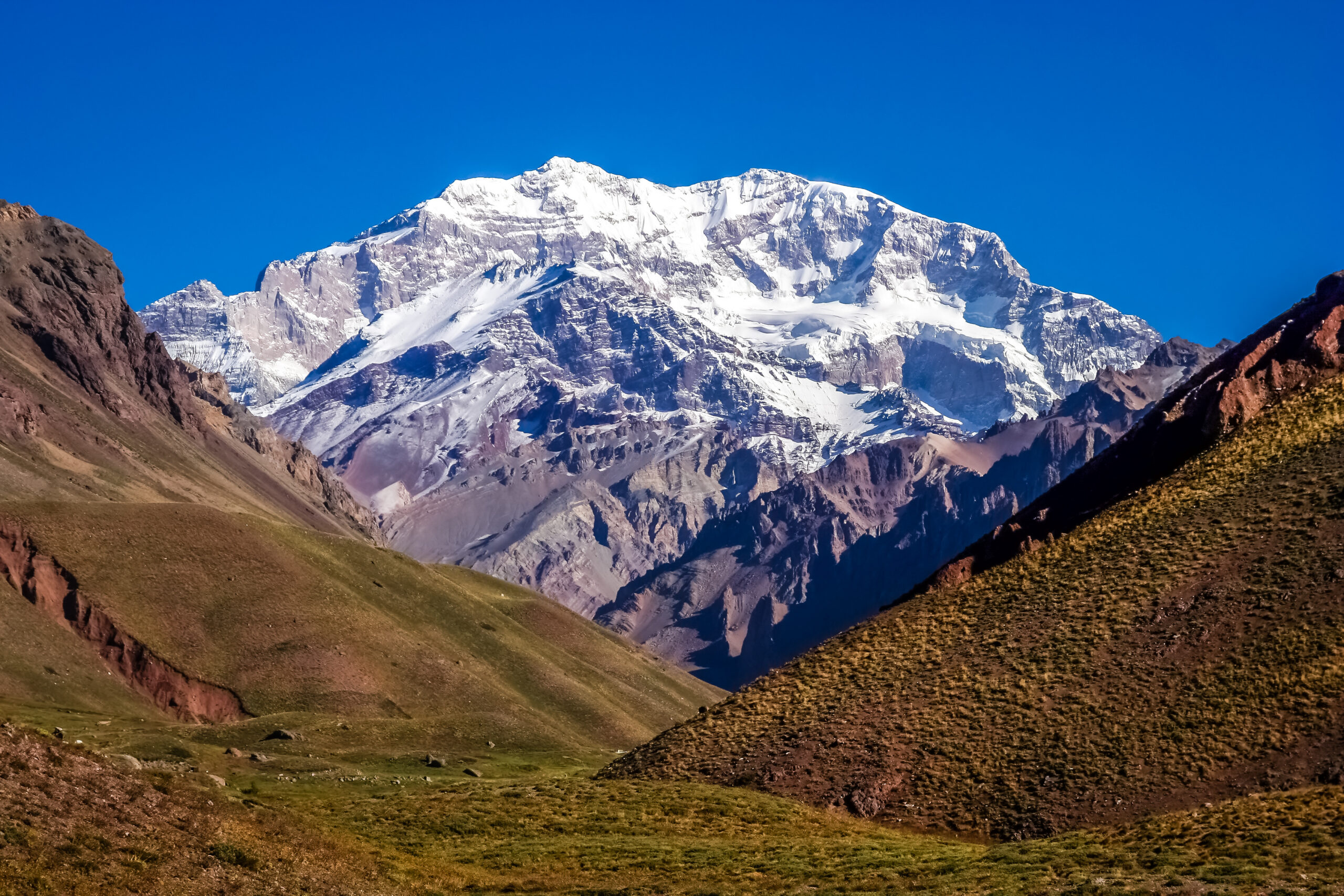
Aconcagua vs Denali: Which Is Harder & Why?
Aconcagua is higher. Denali is the harder standard-route mountaineering expedition. Aconcagua tests how you function near 7,000 meters; Denali adds glacier travel, crevasse rescue, heavy packs, sled hauling, severe cold and far more expedition self-sufficiency.
Denali Is Harder Overall. Aconcagua Is the Bigger Pure-Altitude Test.
For the standard routes, Denali requires the broader mountaineering skill set. The West Buttress involves roped glacier travel, crevasse risk, snow-and-ice travel, cold-weather camping, large personal loads and sled hauling for much of the expedition.
Aconcagua’s Normal Route reaches a higher summit—about 6,962 m / 22,841 ft—but is fundamentally a high-altitude expedition rather than a heavily glaciated technical climb. Its difficulty comes from altitude, wind, cold, duration, high-camp carries and a demanding summit day rather than sustained rope-team glacier systems.
The progression is therefore not simply “Aconcagua is easier.” It is better described as: Aconcagua teaches extreme-altitude expedition living; Denali adds a much larger technical and self-sufficiency layer.
Aconcagua vs Denali at a Glance
This comparison focuses on Aconcagua’s Normal Route and Denali’s West Buttress—the routes most climbers mean when comparing these Seven Summits.
| Factor | Aconcagua | Denali | Practical edge |
|---|---|---|---|
| Elevation | ~6,962 m / 22,841 ft | 6,190 m / 20,310 ft | Aconcagua higher |
| Standard route | Normal Route via Horcones / Plaza de Mulas | West Buttress via Kahiltna Glacier | Different expedition systems |
| Technical character | High-altitude trekking / basic mountaineering | Glacier mountaineering | Denali harder |
| Glacier travel | Not central on Normal Route | Core part of expedition | Denali harder |
| Crevasse rescue | Not normally a Normal Route prerequisite | Essential team competence | Denali harder |
| Load hauling | Mule assistance to base camp; carries above | Heavy packs plus sleds between camps | Denali harder |
| Altitude | Near 7,000 m | 6,190 m at high latitude | Aconcagua higher |
| Cold | Severe wind and high-altitude cold | Extended Alaska expedition cold | Denali colder |
| Normal commercial season | Southern summer | Alaska late spring / early summer | Opposite seasons |
| Typical progression role | First major 6,000–7,000 m expedition | Advanced Seven Summits progression | Aconcagua usually first |
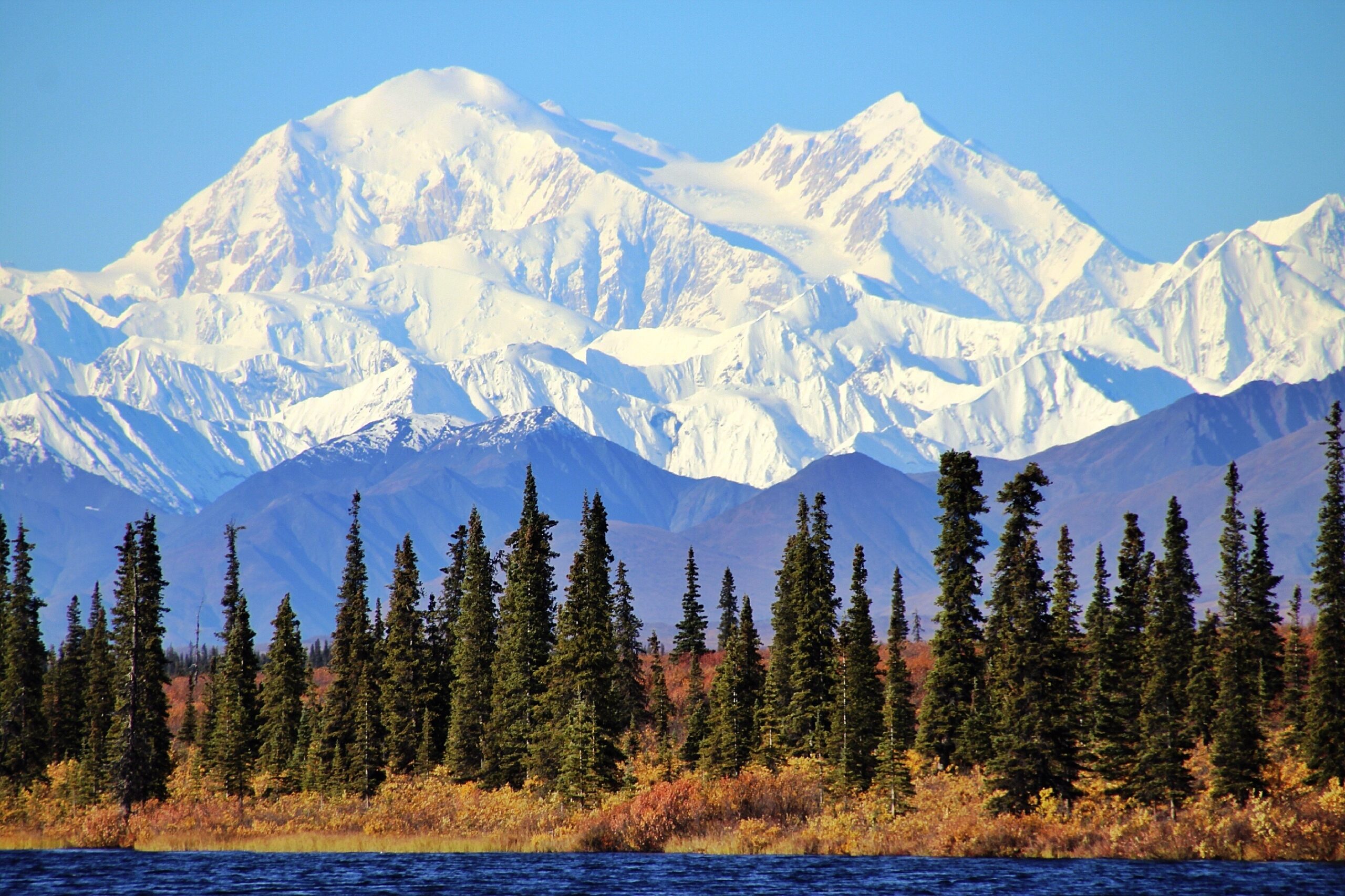
The Mountain Makes You Move the Expedition With You.
Denali’s difficulty is cumulative. Glacier travel, crevasse risk, sleds, heavy packs, cold camps and repeated load carries are not side issues—they are the expedition.
Latitude Changes the Environment
Aconcagua rises near 33° south in the central Andes. Denali stands near 63° north in Alaska. That geographic separation affects season, weather, pressure and expedition logistics.
Aconcagua Is Altitude Hard. Denali Is Expedition Hard.
That distinction explains why climbers can be ready for one and still be poorly prepared for the other.
Extreme altitude with simpler terrain
- Summit near 7,000 meters.
- Long acclimatization schedule.
- Wind can shut down summit attempts.
- Multiple high camps above base camp.
- Long summit day in severe hypoxia.
- Cold and dehydration accumulate over the expedition.
Altitude plus expedition systems
- Continuous glacier environment low on route.
- Roped travel and crevasse management.
- Heavy pack carries plus sled hauling.
- Cold-weather camp construction.
- Snow and ice travel higher on the mountain.
- Greater self-sufficiency for a longer period.
For full mountain-specific planning, use the Aconcagua climbing guide and the Denali West Buttress guide .
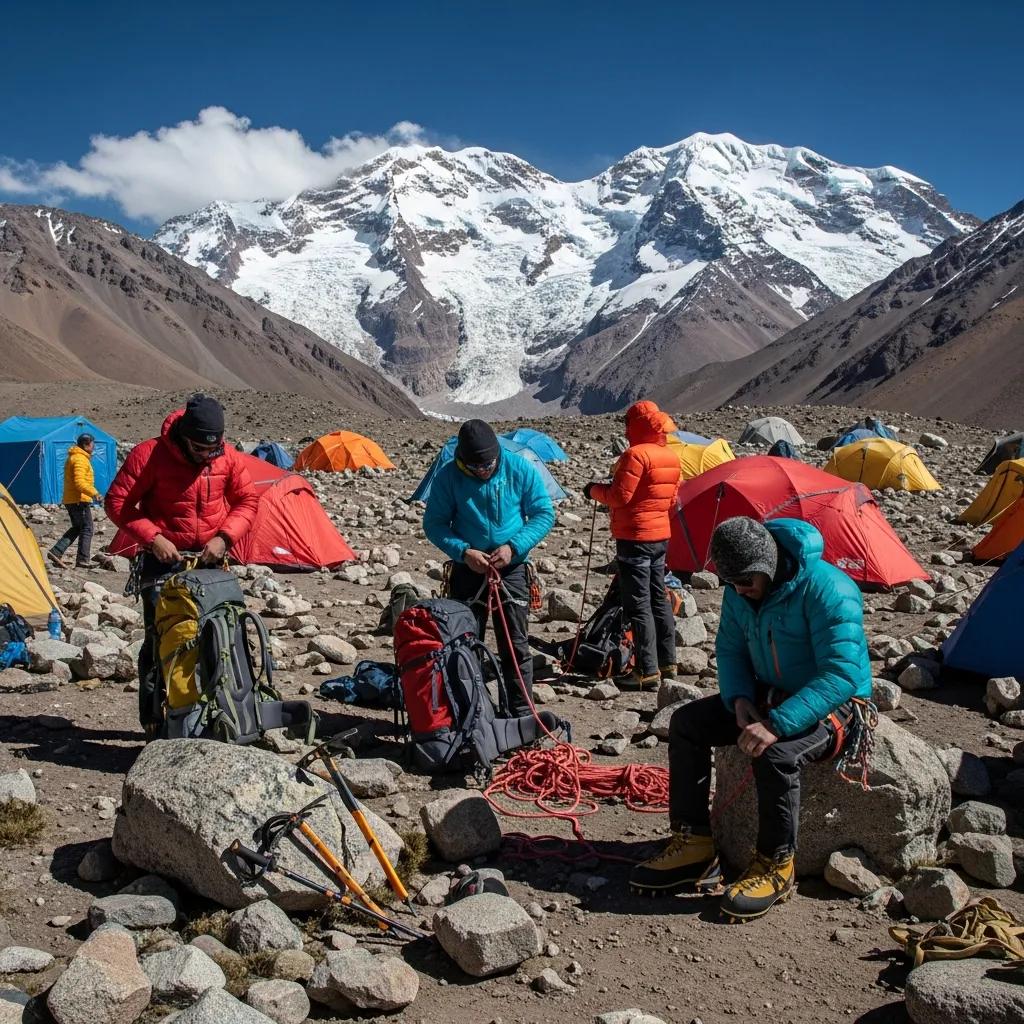
Simpler Terrain Does Not Make 6,962 Meters Simple.
The Normal Route removes many of Denali’s glacier problems, but it replaces them with a sustained test of acclimatization, appetite, hydration, wind tolerance and the ability to keep functioning while increasingly hypoxic.
Which Mountain Is Harder for Altitude?
On absolute elevation alone, Aconcagua is the larger high-altitude objective. Denali’s latitude complicates the comparison but does not erase the 772-meter geometric difference.
Climbers spend days progressing from the approach into base camp and then through higher camps toward a summit almost 7,000 meters above sea level. The last phase of the climb becomes an increasingly severe acclimatization test.
Denali’s summit is lower, but the mountain’s high latitude means atmospheric pressure behavior differs from a tropical or subtropical mountain at the same geometric elevation. The practical lesson is to respect Denali’s altitude rather than assigning it a simplistic “equivalent elevation.”
If your main unknown is how your body responds near 7,000 meters, Aconcagua provides the more direct test. Denali asks nearly the same altitude question while adding far more technical and logistical work.
What Denali Requires That Aconcagua Often Does Not
This is where the two mountains stop being close substitutes for one another.
| Skill | Aconcagua Normal Route | Denali West Buttress |
|---|---|---|
| Rope-team glacier travel | Not normally central | Essential |
| Crevasse rescue | Not normally a route prerequisite | Essential team skill |
| Crampon efficiency | Condition-dependent and useful | Expected competence |
| Self-arrest | Useful when conditions require | Expected skill |
| Expedition camping | Important | Critical in severe cold |
| Heavy load management | Important above mule-supported approach | Central to the expedition |
| Sled hauling | No standard equivalent | Standard West Buttress system |
If Denali is the goal, use the Complete Mountaineering Training Guide to build the endurance base before treating technical skills as the only readiness gap.
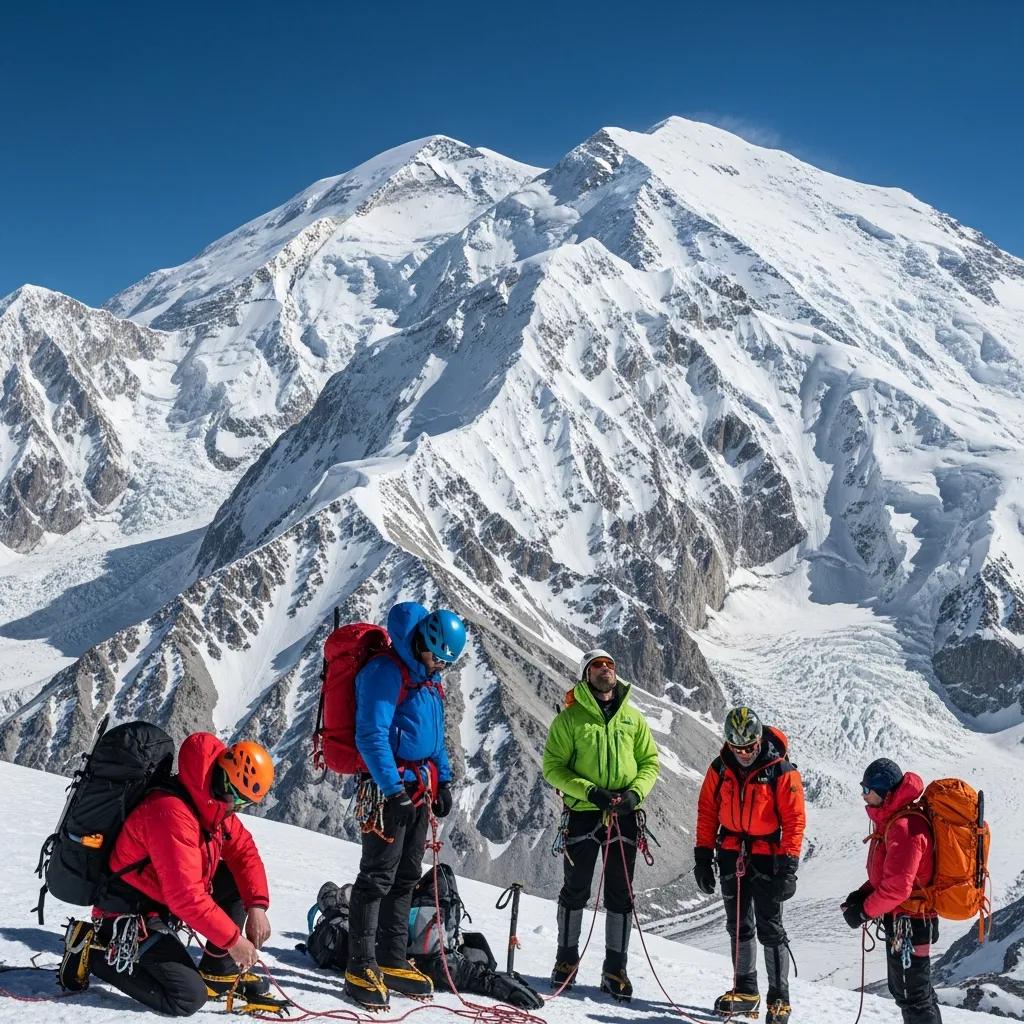
Learn the Glacier Systems Before the Expedition.
Current commercial Denali programs commonly expect proficiency in cramponing, snow travel, self-arrest, glacier rope-team movement, expedition camping and crevasse rescue rather than teaching those systems from zero on the mountain.
Denali Adds Far More Load-Hauling Work
Fitness for Denali is not simply fitness for climbing uphill. Climbers repeatedly move expedition equipment while managing both pack and sled.
Mules change the lower mountain
Commercial Aconcagua expeditions commonly use mule support on the approach to base camp. Climbers still carry personal and group equipment higher on the mountain, but they do not begin the expedition with Denali’s glacier sled system.
You haul your expedition up the glacier
Heavy packs and sleds create a workload that continues for days. The challenge is not one heroic carry—it is repeating work while recovering, acclimatizing and maintaining technical discipline.
This is one reason an Aconcagua summit does not automatically prove Denali readiness. It validates altitude endurance, but not necessarily sled hauling, glacier teamwork or sustained cold-camp systems.
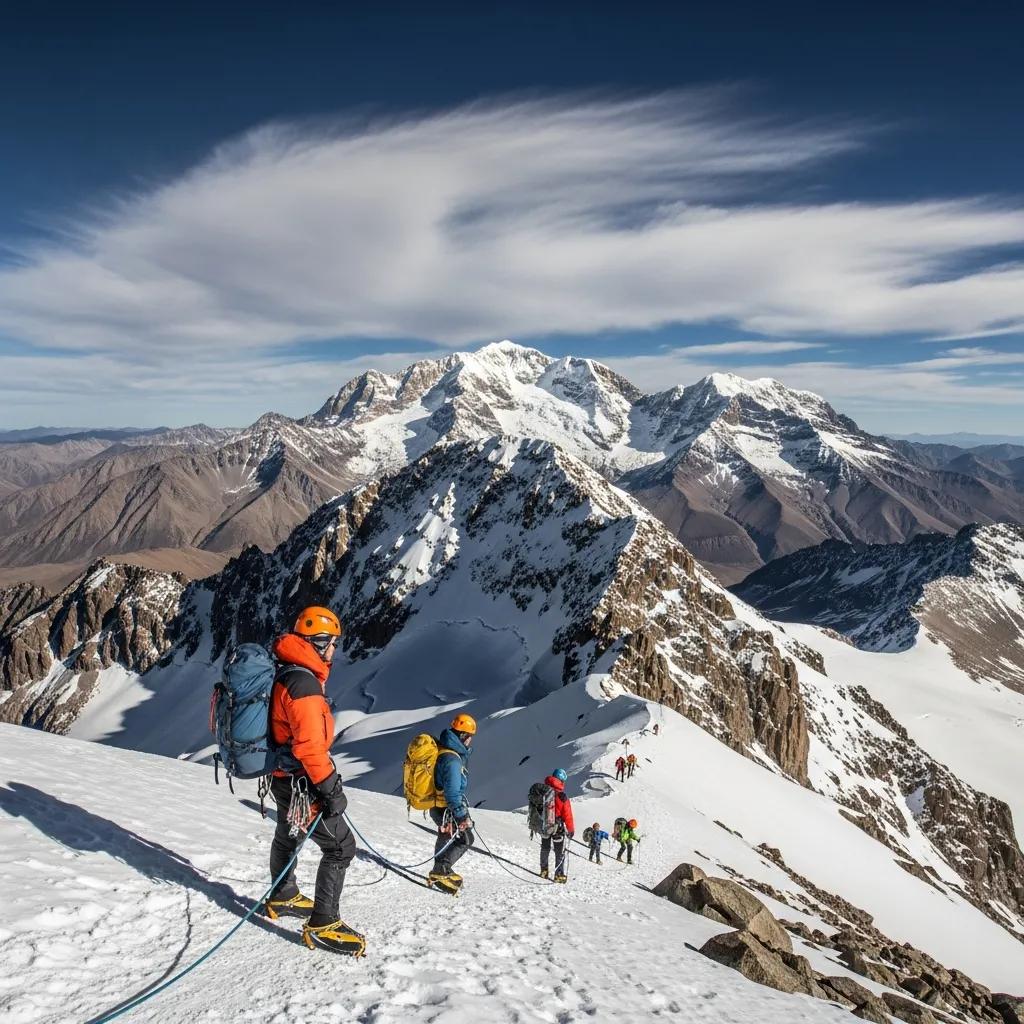
Aconcagua Can Prove Your Altitude System Before Denali Tests Everything Else.
A successful Aconcagua expedition can reveal how you eat, hydrate, sleep, recover and make decisions above 5,000–6,000 meters—useful information before combining altitude with Denali’s glacier and load-management demands.
Denali Demands the More Serious Cold-Weather System
Both mountains can deliver dangerous wind and cold. Denali asks climbers to live in that environment for longer while simultaneously managing glacier travel and heavy loads.
Cold Becomes an Expedition Skill
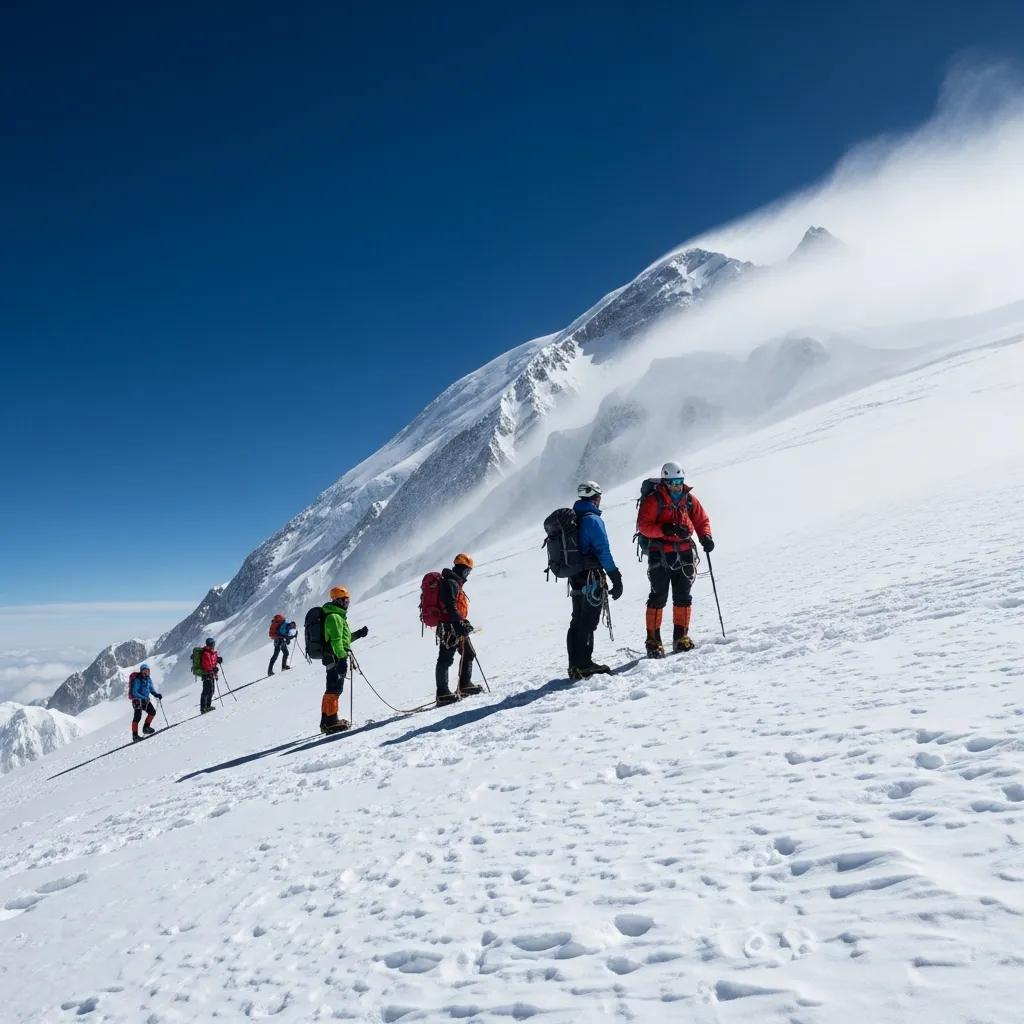
There Is No Single Crux That Explains the Mountain.
Denali is hard because technical systems, heavy loads, cold, altitude and weather accumulate. The difficulty is maintaining good decisions while all five pressures operate at the same time.
Denali Usually Costs More as a Guided Expedition
Use current operator prices as examples—not as universal market averages. Permit structures, flights, porter or mule services, equipment and travel all change the complete-trip budget.
$7,800 scheduled guide example
Alpine Ascents currently lists its 2026–27 Aconcagua Normal Route and Vacas Valley programs at $7,800 per person, with personal porter fees extra.
That is a useful comparable operator example—not a claim that every Aconcagua expedition costs $7,800.
$12,250 scheduled guide example
Alpine Ascents currently lists its 2027 Denali program at $12,250, with a 3:1 climber-to-guide ratio on standard departures.
The larger price reflects a different expedition structure, but personal equipment, Alaska travel and other costs still need to be modeled separately.
Compare the full-trip numbers with the Expedition Budget Calculator rather than comparing guide-company headline prices alone.
For company-level research, use the Aconcagua operator comparison and Denali guide-services comparison.
The Main Seasons Barely Overlap
This can make Aconcagua and Denali unusually compatible as a progression pair across different years—or occasionally within a carefully planned longer progression.
Mendoza lists the park’s summer operating season as November 1 through April 30. Most commercial summit programs cluster in the Southern Hemisphere summer.
West Buttress expeditions primarily operate from May into early July, after Alaska spring conditions allow glacier access and before the season closes.
An Aconcagua season can provide altitude data and recovery time before a later Denali season, but technical glacier preparation still has to be completed separately.
What the Latest Official Data Adds to the Comparison
Current statistics do not predict an individual climber’s outcome, but they show the operational scale and consequences of a Denali season.
976 registered climbers
NPS’s July season wrap reported 976 registered Denali climbers.
582 summits · 60%
NPS reported a preliminary 60% summit rate in the season wrap.
28 helicopter SAR missions
The same report recorded 28 helicopter search-and-rescue missions and five deaths on the West Buttress.
For 2026, NPS required most independent climbers to register at least 60 days before the expedition. The mountaineering special-use fee was $450 for most climbers plus the park entrance fee. Future-year fees can change with CPI adjustments, so use the current NPS page rather than carrying an old number forward.
Which Should You Climb First?
Choose based on the capability you need to build next—not simply which summit is higher.
You have strong hiking fitness and some high-altitude experience but still need to learn how your body performs during a long expedition near 7,000 meters.
You already have competent glacier travel, crevasse rescue, crampon, snow-camping and heavy-load expedition skills and want to combine them in a major cold-weather climb.
Your experience is primarily hiking and trekking with no multi-day expedition, glacier or high-altitude background. A smaller progression mountain will produce more useful preparation than simply buying a place on a larger expedition.
Use the Prepare to Climb framework to identify whether your current limiting factor is fitness, altitude experience, technical skill, equipment or expedition systems.
For the broader Seven Summits sequence, see The Seven Summits: A Progressive Climbing Strategy .
Aconcagua vs Denali FAQ
The most important comparison questions answered directly.
Which is harder, Aconcagua or Denali?
Denali is generally harder overall on the standard routes because it combines high altitude with glacier travel, crevasse-rescue systems, heavy packs, sled hauling, severe cold and greater expedition self-sufficiency. Aconcagua is higher and can be the greater pure-altitude challenge.
Which is higher, Aconcagua or Denali?
Aconcagua is about 6,962 meters / 22,841 feet, while Denali is 6,190 meters / 20,310 feet. Aconcagua is therefore roughly 772 meters higher.
Is Aconcagua good preparation for Denali?
Yes for altitude, expedition duration, pacing and high-camp experience. It is not complete Denali preparation because the Normal Route does not replicate the West Buttress’s glacier travel, crevasse rescue, sled hauling and cold-camp demands.
Do you need glacier experience for Denali?
West Buttress climbers need competence in glacier rope-team travel and crevasse rescue. Current commercial programs commonly list these among the required mountaineering prerequisites rather than skills to learn for the first time on Denali.
Is Aconcagua technically difficult?
The Normal Route is not considered a highly technical climbing route, but the mountain is still a serious expedition. Altitude, wind, cold, carries, changing surface conditions and a long summit day can make it extremely demanding.
Does Denali feel higher because it is farther north?
Latitude affects atmospheric pressure, so Denali’s pressure environment is somewhat different from the same geometric altitude closer to the equator. Exact claims that Denali equals one specific higher elevation should be treated as approximations rather than literal physiological conversions.
Which costs more to climb, Aconcagua or Denali?
Guided Denali expeditions generally cost more. As one current comparison, Alpine Ascents lists Aconcagua at $7,800 for its standard 2026–27 programs and Denali at $12,250 for 2027. Those are operator examples, not universal market averages.
When are Aconcagua and Denali climbed?
Aconcagua is primarily climbed during the Southern Hemisphere summer, with Mendoza listing the park’s summer season as November 1 through April 30. Denali’s main West Buttress season generally runs from May into early July.
Go Deeper on Aconcagua or Denali
This page owns the direct Aconcagua-vs-Denali difficulty decision. Use the individual mountain pages for route planning and the broader hub for other mountain comparisons.
Primary Planning Sources
Permit fees, operator prices, route conditions and annual climbing statistics can change. Recheck these sources before using this comparison to book an expedition.
- National Park Service — Denali 2026 Season Wrap-Up
- National Park Service — Denali Mountaineering
- National Park Service — Mountaineering Registration & Fee FAQ
- Government of Mendoza — Aconcagua Provincial Park
- Alpine Ascents — Current Aconcagua program
- Alpine Ascents — Current Denali program and prerequisites
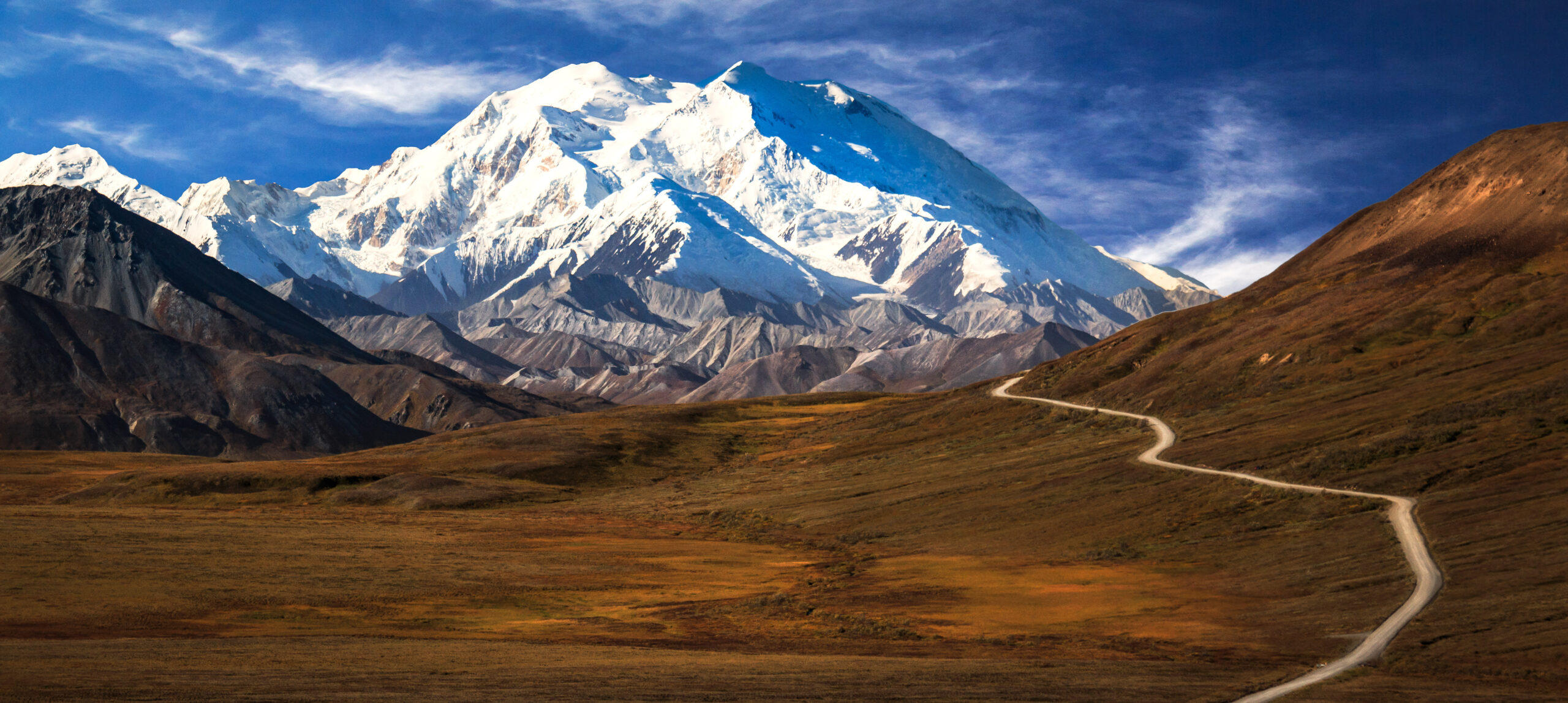
Aconcagua Tests the Altitude. Denali Tests the Expedition.
If your next unknown is how you function on a long expedition near 7,000 meters, study Aconcagua. If you already have high-altitude experience plus glacier travel, crevasse rescue, cold-camp and heavy-load systems, study Denali as the larger mountaineering progression.
Was this helpful?
🏔More comparisons
🧭Explore & compare
Global Summit Guide is an independent mountaineering resource founded in 2026. The team combines first-hand trekking and climbing experience with in-depth research and professional health and nutrition review to help climbers choose objectives, prepare properly, and stay safe.
Health, altitude, and nutrition content is reviewed by Taylor Ludlow (Registered Nurse) and Brigg Hoopes (Nutritionist).
What We Don't Know Yet
Mountain information changes quickly. This box explains the limits of what this page can responsibly promise.
- Comparisons simplify complex decisions; the better mountain depends on current conditions, skills, timing, budget, and risk tolerance.
- Visa, passport, vaccination, border, insurance, and local transportation rules may change before your trip.
- Route conditions, snowpack, closures, and weather can change quickly after this page is updated.
- Permit rules, fees, quotas, and reservation windows may change between review cycles.
- Operator availability, pricing, guide ratios, and cancellation terms can change by season.
Verify current conditions with official land managers, guide services, local forecasts, and current route reports before booking or climbing.
Mountaineering, rock and ice climbing, glacier travel, and high-altitude activity are inherently dangerous and can result in serious injury or death. The information on Global Summit Guide is provided for general informational and educational purposes only and is not a substitute for professional instruction, qualified guiding, proper equipment, or your own judgment and experience.
Route conditions, weather, snowpack, permits, regulations, and hazards change constantly and may differ from what is described here. Details may be incomplete, out of date, or contain errors. Always verify current information with local authorities, certified guides, and official sources before making any decision in the mountains.
Nothing on this site is medical, legal, or financial advice. Our fitness, acclimatization, altitude, and nutrition content is general in nature; consult a qualified physician before beginning any strenuous exercise program or exposing yourself to high altitude.
You are solely responsible for your own safety and decisions. To the fullest extent permitted by law, Global Summit Guide and its team accept no liability for any loss, injury, damage, or expense arising from use of, or reliance on, this information. By using this site you acknowledge these risks and accept these terms.
Some links on this site may be affiliate links. If you buy through them we may earn a small commission at no extra cost to you; this never affects our recommendations.
Global Summit Guide recommendation path
Next Best Mountain to Research
Use these recommendations to continue the right planning path instead of stopping on one page.
Use current permit, weather, route, and operator information before booking or climbing.
Start Planning Your Next Mountain Adventure
Found a mountain, hiking region or destination worth exploring? Use Expedia to start comparing the flights, places to stay, rental cars and travel options that can turn the idea into a realistic trip.
Explore current travel options for your next destination.
Affiliate disclosure: Global Summit Guide may earn a commission if you book through this link, at no additional cost to you.