
Last updated September 10, 2026
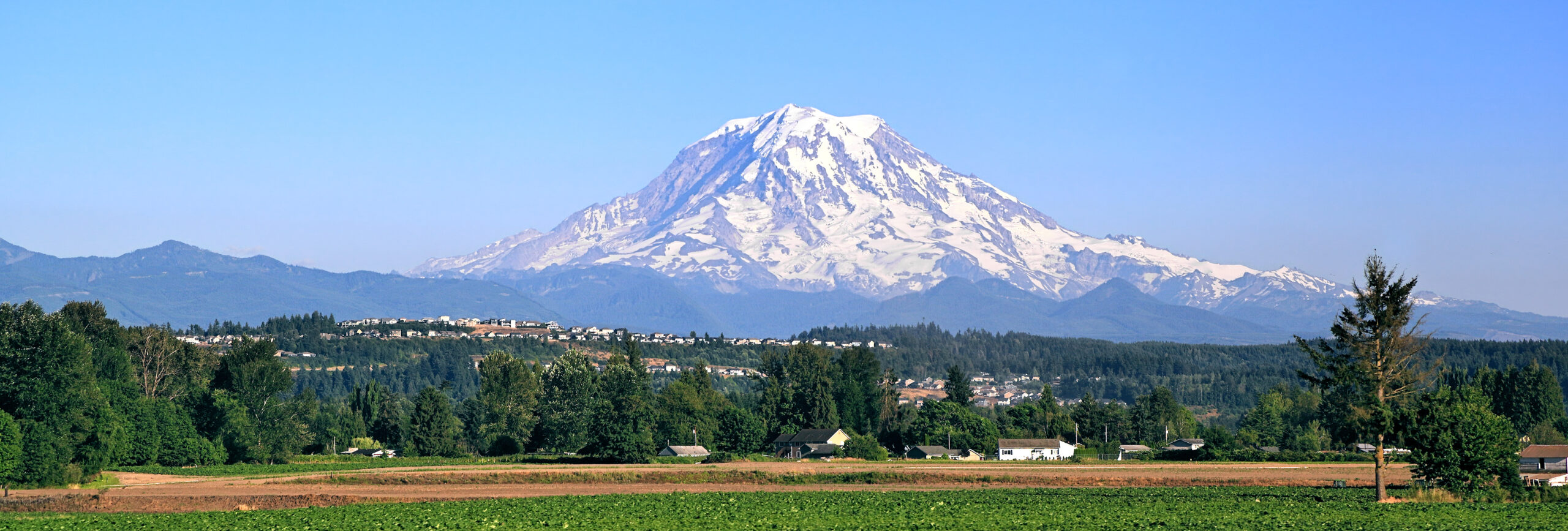
Best Mountains to Climb in Washington State: 10 Peaks Ranked
Washington has the strongest mountaineering progression in the Lower 48: start on St. Helens or Adams, learn real glacier systems on Baker, explore Shuksan and the North Cascades, then step onto Rainier when your skills match the mountain.
Updated August 12, 2026 · Global Summit Guide Washington climbing hub
Rainier is the best overall climb—but Baker is the mountain more climbers should choose first.
Mount Rainier is Washington’s defining mountaineering objective. Mount Baker is the best first true glacier climb. Mount Adams is the best non-technical big summit. Mount St. Helens is the best first volcano. Mount Shuksan is the best classic introduction to the North Cascades combination of glacier and alpine rock.
Washington’s Best Mountains by Climbing Goal
The best Washington mountain is not simply the highest one. Match the objective to the skill system you want to build next.
Mount Rainier
A real glacier expedition with altitude, high camps, crevasses and a long summit day.
Plan Rainier →Mount Baker
Coleman-Deming and Easton are the strongest first glacier classrooms in the state.
Plan Baker →Mount Adams
South Climb combines altitude, snow and endurance on Washington’s second-highest peak.
Plan Adams →Mount St. Helens
A permitted, strenuous but non-technical summit in normal summer conditions.
See first snow climbs →Forbidden Peak
The West Ridge is a benchmark North Cascades objective for experienced alpine climbers.
Browse mountain index →Mount Olympus
Rainforest approach, Blue Glacier and a summit rock pitch make height a misleading metric.
Plan Olympus →The 10 Best Mountains to Climb in Washington
This is not a difficulty list. The ranking weighs climbing quality, progression value, route character, Washington identity and how much each mountain teaches.
Mount Rainier
Best for: Best overall Washington mountaineering objective
Washington’s state high point is the defining climb in the state: a major glacier expedition with roughly 9,000 vertical feet from Paradise, crevasse navigation, high camps, cold starts and a long descent. The Disappointment Cleaver is the normal route, but even the normal route is serious mountaineering. Rainier is the right goal after—not instead of—glacier training.
Mount Baker
Best for: Best first true glacier climb
Baker is the strongest classroom in this list. Coleman-Deming and Easton give climbers real roped glacier travel, crevasse exposure, camp systems and a summit day at a scale that is easier to learn on than Rainier. The North Ridge then provides an entirely different advanced ice objective for climbers who outgrow the standard routes.
Mount Shuksan
Best for: Best classic North Cascades glacier-and-rock climb
Shuksan combines the ingredients that make the North Cascades special: glacier travel, a striking summit pyramid and multiple route personalities. The Sulphide Glacier is the more approachable standard; Fisher Chimneys adds steeper and more varied alpine movement. Shuksan is a better choice than Rainier when the goal is to learn North Cascades alpinism rather than simply climb higher.
Mount Adams
Best for: Best non-technical big mountain
Adams is the most useful big non-technical volcano in Washington. The South Climb gives roughly 6,000-plus feet of gain, snow travel, altitude, overnight options and an enormous summit plateau without requiring the complex glacier systems of Rainier or Baker on the standard line. It is a strong bridge from hiking into real Cascade climbing.
Forbidden Peak
Best for: Best alpine-rock classic
Forbidden is a different sport from the volcanoes. The West Ridge is one of North America’s classic alpine climbs: exposed rock, glacier approach, route-finding and a committing descent in Boston Basin. It belongs on a Washington list precisely because the state is not only volcano mountaineering.
Glacier Peak
Best for: Best remote volcano expedition
Glacier Peak feels more like a wilderness expedition than a roadside Cascade climb. The approach is long, rescue is slower and glacier travel is only one piece of the commitment. In 2026, access damage makes the planning problem even more important than normal; this is not the year to treat an old trail description as current access beta.
Mount Stuart
Best for: Best granite alpine objective
Stuart is the granite counterweight to Washington’s volcanoes. Classic ridges and faces demand efficient movement on rock, route-finding, protection skills and the ability to descend complex terrain late in the day. Climbers focused on alpine rock may reasonably rank Stuart above several taller volcanoes.
Mount Olympus
Best for: Best wilderness expedition
Olympus is low by Washington standards but enormous in total commitment. The trip begins with a long rainforest approach, continues across the Blue Glacier and finishes on a rock summit block. It is one of the best examples anywhere of why elevation alone is a poor measure of mountaineering difficulty.
Sahale Mountain
Best for: Best North Cascades introduction
Sahale gives climbers the high-alpine feel of the North Cascades without the scale of Forbidden or the remote commitment of Glacier Peak. The Cascade Pass and Sahale Arm approach is spectacular; glacier and summit conditions determine whether it remains a scramble or becomes a more technical outing. It is a good place to learn how a North Cascades day differs from a volcano climb.
Mount St. Helens
Best for: Best first volcano
St. Helens is the cleanest entry point into Washington summit days. Monitor Ridge is non-technical in summer and turns into a snow climb earlier in the season. It teaches pacing, early starts, weather discipline and permit planning without crevasse hazard, making it a better first mountain than Rainier for most new climbers.
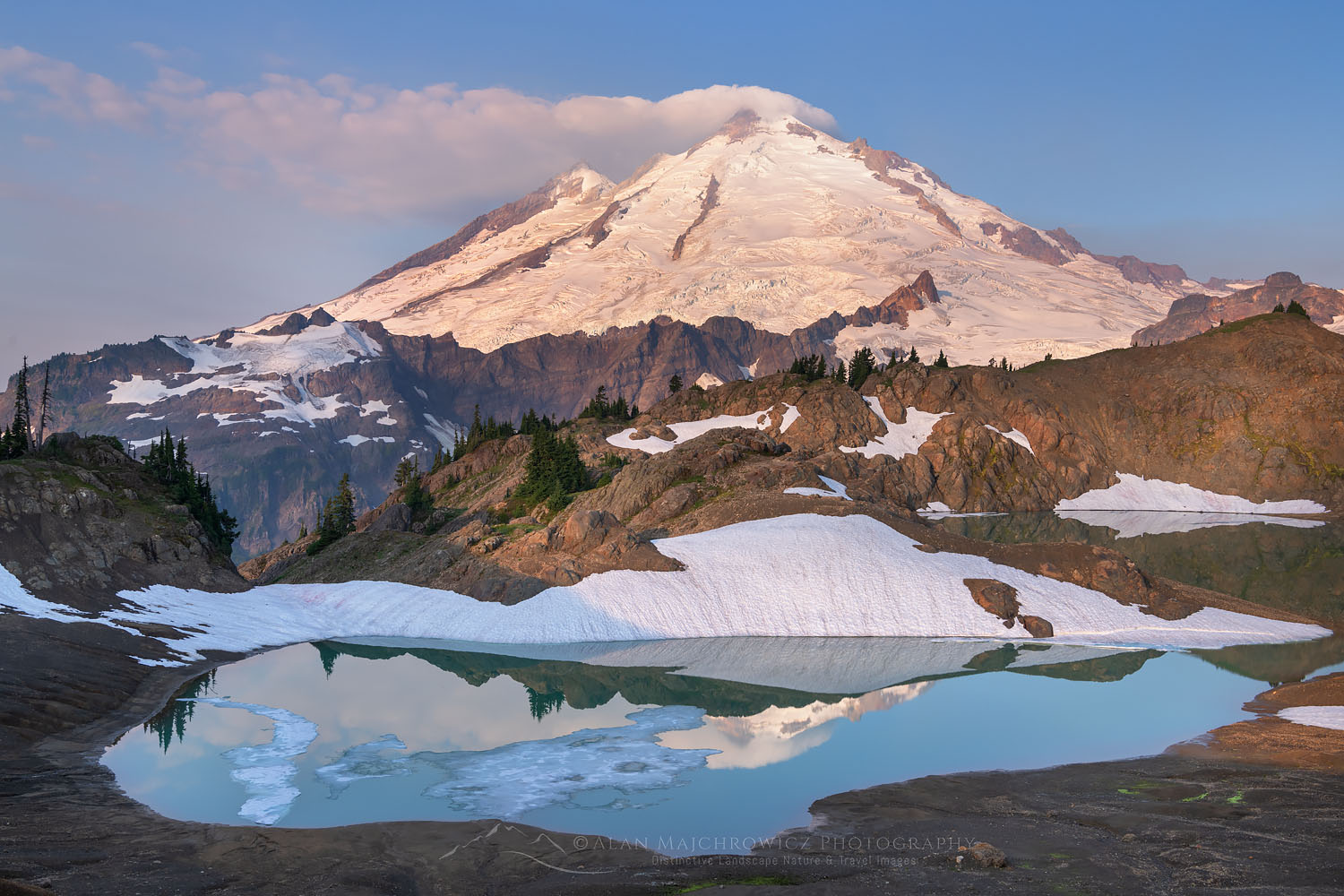
Mount Baker Teaches the Skills Rainier Assumes.
Baker’s standard routes create the right learning problem: active glacier travel, rope systems, crevasse awareness and alpine camp craft without adding Rainier’s full altitude and scale.
Which Washington Mountain Should You Climb Next?
Move up when the previous mountain felt controlled—not merely because you reached its summit.
| Stage | Good Washington objectives | Primary skill gained | Move on when… |
|---|---|---|---|
| 1 · Summit habits | Mount St. Helens | Pacing, weather, early start, crampon/axe use when snow-covered | You finish with energy, manage your own layers/food/navigation and turn around appropriately. |
| 2 · Big snow mountain | Mount Adams | 6,000+ ft ascent, altitude, snow timing, overnight systems | You can move efficiently for a very long day and manage snow without being coached through every decision. |
| 3 · Glacier systems | Mount Baker · Shuksan Sulphide | Rope team, crevasse rescue, glacier navigation, high camp | Rope transitions and rescue systems are practiced skills rather than summit-day theory. |
| 4 · Major glacier peak | Mount Rainier | Altitude + complex glacier + heavy packs + long descent | You can contribute to the team at altitude and maintain decision quality after 10–15 hours. |
| 5 · Remote / technical | Glacier Peak · Olympus · Forbidden · Stuart | Route-finding, remote rescue planning, alpine rock, self-sufficiency | You no longer depend on a busy normal route or guide infrastructure to solve the mountain for you. |
Mount Baker vs Mount Rainier
These two mountains are often compared because both are glaciated volcanoes, but they serve different roles in a climber’s progression.
| Factor | Mount Baker | Mount Rainier |
|---|---|---|
| Best role | First true glacier climb | Major glacier expedition |
| Altitude | 10,781 ft / 3,286 m | 14,411 ft / 4,392 m |
| Standard-route learning | Rope teams, crevasses, glacier camp | All Baker systems + higher altitude, larger crevasses, bigger vertical day |
| Permit structure | Trailhead recreation pass/wilderness rules; verify route-specific requirements | Climbing fee/registration plus wilderness camping requirements |
| Who should choose it? | Climber building glacier competence | Climber who already has glacier competence or is in a serious instructional guide program |
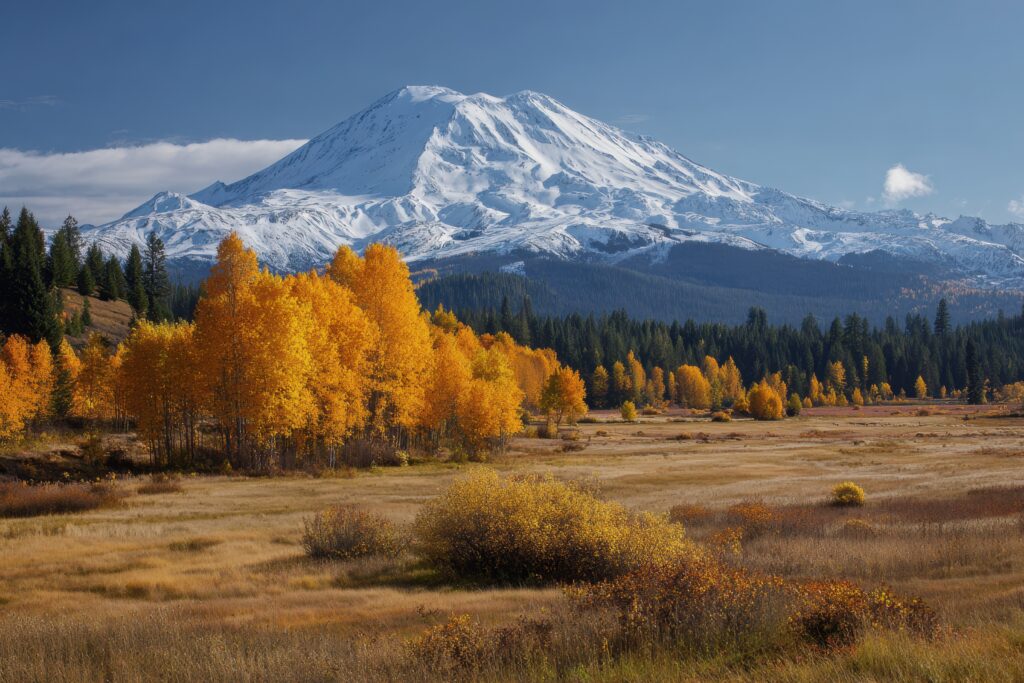
Adams Is Where Hiking Fitness Becomes Mountain Endurance.
The South Climb is long enough and high enough to expose pacing, snow-travel and altitude mistakes—without forcing a new climber to solve an active glacier at the same time.
Washington Climbing Permits & Access
There is no statewide “Washington climbing permit.” Each mountain sits under a different land manager and the rules can change by season, elevation, camp and route.
| Mountain / area | 2026 planning rule | What to verify before departure |
|---|---|---|
| Mount Rainier | 2026 climbing fee is $82 per person per climb for qualifying climbing activity; in-person climbing registration still applies. Overnight camps also involve wilderness permits. | Route opening, wilderness zone/camp, climbing registration, road/park status. |
| Mount Adams | Climbing pass required May 1–Sept 30 for climbers age 16+ traveling above 7,000 ft; wilderness rules/permits also apply. | South Climb road, pass purchase, snowline, sanitation requirements, Yakama-side closures. |
| Mount St. Helens | Climbing permit required. Current quota: 350/day Apr 1–May 14 and 110/day May 15–Oct 31 on the main Forest Service summit page. | Permit release date, trailhead access, snow route, volcanic/USGS notices. |
| Mount Baker | USFS route pages emphasize recreation passes at fee trailheads and wilderness regulations rather than a separate summit fee. | Trailhead recreation pass, road status, glacier condition, route-specific camping/wilderness rules. |
| Shuksan / Forbidden / Sahale | North Cascades National Park requires backcountry permits year-round for all overnight trips. | Cross-country zone/camp availability, bear-canister rules, road access and current ranger route report. |
| Mount Olympus | Olympic wilderness permit required for overnight trips; Glacier Meadows is quota-limited. Current wilderness fee is $8 per adult/night plus $6 permit fee. | Glacier Meadows quota, Hoh road/trail status, bear canister, Blue Glacier conditions. |
| Glacier Peak | No simple permit note solves the 2026 problem: access into Glacier Peak Wilderness is officially described as extremely limited after Dec 2025 storm damage. | Which trailhead/road is actually open, current wilderness permit/pass requirements and realistic rescue access. |
Permit fees, quota dates, roads and seasonal rules are time-sensitive. Verify every item with NPS or USFS immediately before travel.
Best Season by Mountain Type
“Summer” is not enough. Snow routes, glaciers, granite ridges and the Olympic rainforest come into condition on different schedules.
| Objective type | Typical planning window | What decides the real window |
|---|---|---|
| St. Helens snow / crater | Spring through autumn | Permit quota, snow coverage, refreeze, volcanic alerts and trailhead access. |
| Mount Adams South Climb | Late spring through summer | Road opening, continuous snow, overnight plan and surface freeze/thaw. |
| Baker standard glaciers | Late spring through summer | Crevasse bridges, glacier route, upper-mountain snow and current guide/ranger observations. |
| Rainier standard routes | Late spring through summer | Route construction, crevasses, ladders, rockfall/icefall exposure, weather window and camp access. |
| North Cascades alpine rock | Mid- to late summer | Snow on approaches, moat formation, glacier crossings, smoke/fire and dry-rock conditions. |
| Mount Olympus | Late June–mid-August (NPS planning window) | Hoh approach, Glacier Meadows availability, Blue Glacier and summit-block condition. |
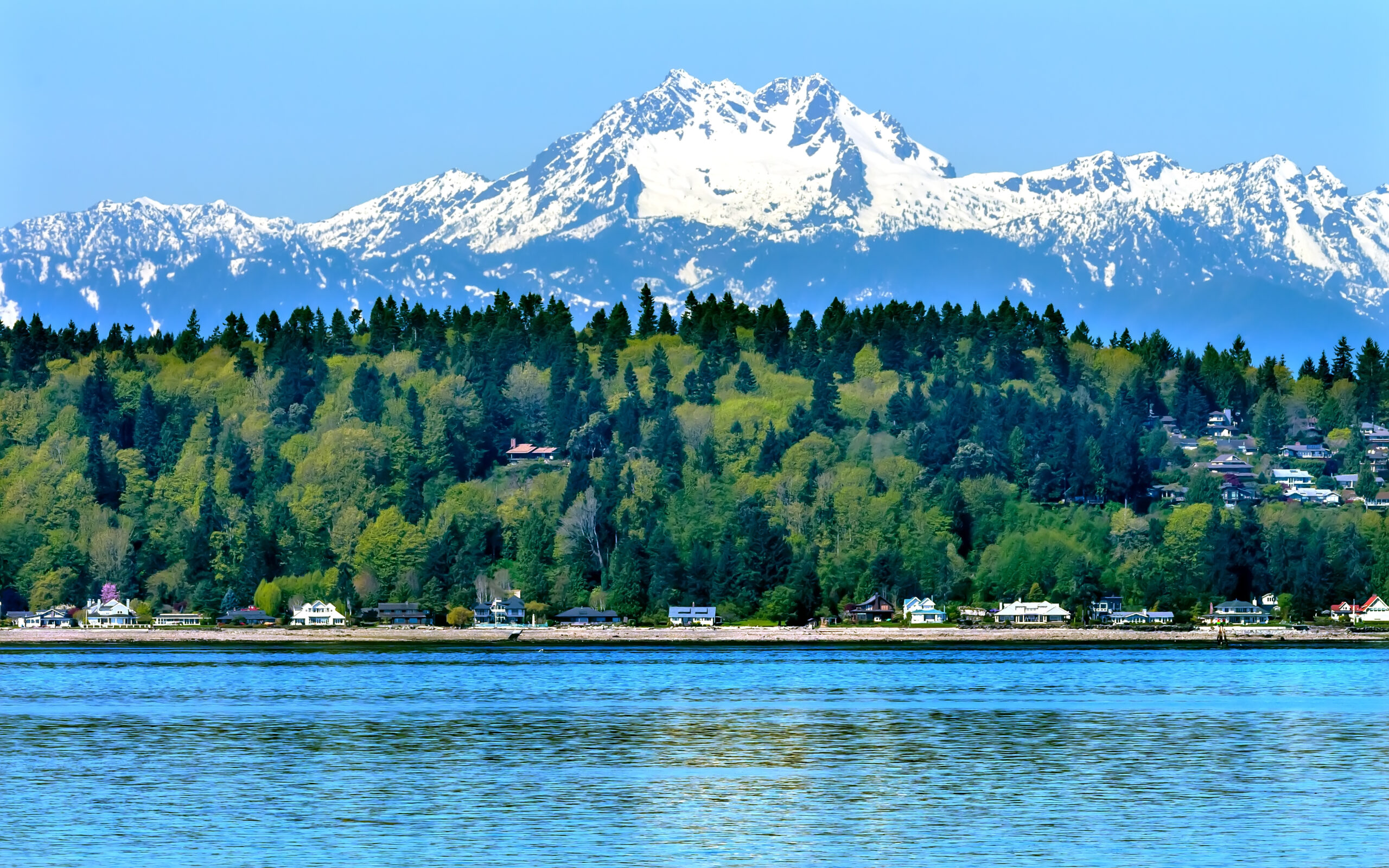
Olympus Is Only 7,980 Feet—and Still One of Washington’s Biggest Trips.
The Hoh approach, quota camping, Blue Glacier and summit rock block make Olympus a wilderness expedition problem rather than a simple altitude problem.
Washington’s Mountain Ranges
Understanding the range matters because the same fitness level can feel very different on a volcano, a North Cascades ridge and an Olympic glacier approach.
Cascade Volcanoes
Rainier, Adams, Baker, Glacier Peak and St. Helens develop snow, glacier, altitude and expedition systems in a natural progression.
Open Cascade Volcanoes →North Cascades
Shuksan, Forbidden and Sahale combine glaciers with steeper rock and more complex route-finding; Stuart adds major granite alpine climbing.
See current Cascades updates →Olympic Mountains
Mount Olympus replaces high altitude with rainforest mileage, heavy precipitation, glacier travel and a short summit rock problem.
Open Mount Olympus →Continue Your Research
This page owns the statewide “which mountain?” decision. Use the mountain parents, comparisons and skills pages for deeper route-specific planning.
Mount Rainier
Routes, permits, cost, progression and full Rainier child library.
Master guideMount Baker
Coleman-Deming, Easton, North Ridge, glacier skills and access.
Washington volcanoMount Adams
South Climb, current climbing-pass system, season and big-mountain progression.
Olympic expeditionMount Olympus
Hoh approach, Blue Glacier, Glacier Meadows and summit block.
Regional collectionCascade Volcanoes
Rainier, Baker, Adams, St. Helens, Glacier Peak and broader Pacific Northwest progression.
Head-to-headMount Baker vs Rainier
Which glacier volcano belongs next in your progression?
Next stepBest Peaks After Mount Baker
Where to go once your first real glacier climb is complete.
National rankingGreatest Mountains in the USA
Place Washington’s peaks in the wider American climbing landscape.
Core skillGlacier Travel Basics
Rope-team movement, spacing and glacier systems before Baker or Rainier.
Core skillCrevasse Rescue Basics
Understand the rescue system before committing to a roped glacier route.
Decision skillMountain Weather
Freezing level, wind, precipitation and the maritime forecast problem.
Trip planningPlanning Hub
Operators, insurance, permits, travel and expedition budgeting.
How We Ranked Washington’s Mountains
The ranking favors mountaineering value—not only height, fame or the easiest route to a summit.
Ranking factors
- Climbing quality: how memorable and complete the standard objective is.
- Progression value: what transferable skill the mountain teaches.
- Washington identity: whether the mountain represents a major part of the state’s climbing character.
- Route diversity: whether the peak supports meaningful progression beyond one normal route.
- Commitment: glacier, altitude, rock, approach, weather and retreat are considered separately.
What this ranking does not promise
- It is not a claim that #1 is “easier” or “safer” than #10.
- Route difficulty changes with snow, ice, rockfall, glacier and weather conditions.
- Permit rules and road access can change after publication.
- Several North Cascades objectives require skills well beyond standard volcano mountaineering.
- No article can replace current ranger reports, a qualified guide or formal technical instruction.
Frequently Asked Questions
Direct answers to the decisions climbers usually make before choosing a Washington objective.
What is the best mountain to climb in Washington State?
Mount Rainier is the best overall Washington mountaineering objective because it combines altitude, active glaciers, route-finding, expedition camp systems and a major summit day. It should not be a first mountain; Mount Baker, Mount Adams or Mount St. Helens are better progression peaks.
What is the best beginner mountain in Washington?
Mount St. Helens is the best first volcano for a fit beginner in appropriate summer conditions. Mount Adams is the next step for a larger non-technical snow mountain. For a first roped glacier climb, Mount Baker is the better choice after formal glacier training.
What is the best first glacier climb in Washington?
Mount Baker is the strongest first glacier objective. Coleman-Deming and Easton provide genuine rope-team travel and crevasse exposure at a more manageable altitude and scale than Mount Rainier. Climbers should already know or be actively learning glacier travel and crevasse rescue.
Is Mount Rainier suitable for beginners?
Rainier can be appropriate for a fit first-time glacier climber inside a legitimate instructional guided program, but it should not be a first-ever mountain. Independent climbers need established glacier travel, crevasse rescue, navigation, weather and camping skills.
What is the best non-technical big mountain in Washington?
Mount Adams via the South Climb is the best large non-technical objective in the state. It still involves substantial elevation gain, snow travel, altitude and rapidly changing mountain weather, but the standard route does not require the complex glacier navigation of Baker or Rainier.
Which Washington mountains are best for alpine rock climbing?
Forbidden Peak and Mount Stuart are the strongest classics in this list. Forbidden’s West Ridge combines glacier approach and exposed alpine rock, while Stuart offers major granite ridges and faces. Both require substantially more technical rock and route-finding skill than the standard volcano routes.
Do I need permits to climb Washington mountains?
Permit systems vary by land manager and route. Rainier requires climbing registration and its annual climbing fee for qualifying climbs; Mount Adams requires a climbing pass above 7,000 feet during the main season; Mount St. Helens requires a climbing permit; North Cascades overnight trips require backcountry permits; and Olympic National Park requires wilderness permits for overnight Mount Olympus trips.
When is the best climbing season in Washington?
There is no single statewide window. Spring and early summer are often best for snow routes on St. Helens and Adams; Baker and Rainier standard glacier routes commonly see their main traffic from late spring through summer; North Cascades alpine rock is generally a mid- to late-summer objective; and the National Park Service lists late June through mid-August as the best season for Mount Olympus.
Is Glacier Peak a good first glacier mountain?
No. Glacier Peak combines a long wilderness approach, glacier travel and difficult rescue logistics. In 2026 the Forest Service also warns that access into Glacier Peak Wilderness is extremely limited because of road and trail damage from the December 2025 storm. Baker is a much better first glacier progression choice.
Mount Baker or Mount Rainier: which should I climb first?
Mount Baker should usually come first. Baker teaches active glacier travel, rope-team systems and crevasse awareness at a smaller scale. Rainier then adds more altitude, heavier loads, longer summit days and a much larger active-glacier environment.
Start With the Skill You Need. Let Rainier Be the Result—not the Shortcut.
St. Helens teaches summit habits. Adams teaches big-mountain endurance. Baker teaches glacier systems. Shuksan introduces North Cascades complexity. Rainier combines the lessons at expedition scale.
Mountains in Washington
Full climbing guides for every major peak in this region — routes, permits, difficulty and season.
Was this helpful?
🏔Related peaks nearby
🧭Explore & compare
Global Summit Guide is an independent mountaineering resource founded in 2026. The team combines first-hand trekking and climbing experience with in-depth research and professional health and nutrition review to help climbers choose objectives, prepare properly, and stay safe.
Health, altitude, and nutrition content is reviewed by Taylor Ludlow (Registered Nurse) and Brigg Hoopes (Nutritionist).
What We Don't Know Yet
Mountain information changes quickly. This box explains the limits of what this page can responsibly promise.
- Route conditions, snowpack, closures, and weather can change quickly after this page is updated.
- Permit rules, fees, quotas, and reservation windows may change between review cycles.
- Operator availability, pricing, guide ratios, and cancellation terms can change by season.
- Your fitness, altitude response, risk tolerance, and experience level may change what is safe or realistic.
- Use this page for planning guidance, then verify current information with official sources and qualified local experts before committing.
Verify current conditions with official land managers, guide services, local forecasts, and current route reports before booking or climbing.
Mountaineering, rock and ice climbing, glacier travel, and high-altitude activity are inherently dangerous and can result in serious injury or death. The information on Global Summit Guide is provided for general informational and educational purposes only and is not a substitute for professional instruction, qualified guiding, proper equipment, or your own judgment and experience.
Route conditions, weather, snowpack, permits, regulations, and hazards change constantly and may differ from what is described here. Details may be incomplete, out of date, or contain errors. Always verify current information with local authorities, certified guides, and official sources before making any decision in the mountains.
Nothing on this site is medical, legal, or financial advice. Our fitness, acclimatization, altitude, and nutrition content is general in nature; consult a qualified physician before beginning any strenuous exercise program or exposing yourself to high altitude.
You are solely responsible for your own safety and decisions. To the fullest extent permitted by law, Global Summit Guide and its team accept no liability for any loss, injury, damage, or expense arising from use of, or reliance on, this information. By using this site you acknowledge these risks and accept these terms.
Some links on this site may be affiliate links. If you buy through them we may earn a small commission at no extra cost to you; this never affects our recommendations.
Global Summit Guide recommendation path
Next Best Mountain to Research
Use these recommendations to continue the right planning path instead of stopping on one page.
Use current permit, weather, route, and operator information before booking or climbing.
Search Flights, Hotels & Rental Cars
Have the mountain or destination picked? Use Expedia to compare the flights, lodging and rental cars that fit your actual trip dates. For mountain travel, consider arriving early enough for delays and adding a buffer night after the climb before a fixed flight home.
Compare current flight, hotel and car options.
Affiliate disclosure: Global Summit Guide may earn a commission if you book through this link, at no additional cost to you.