Last updated June 5, 2026
The 9 Best Mountains to Climb in Alaska
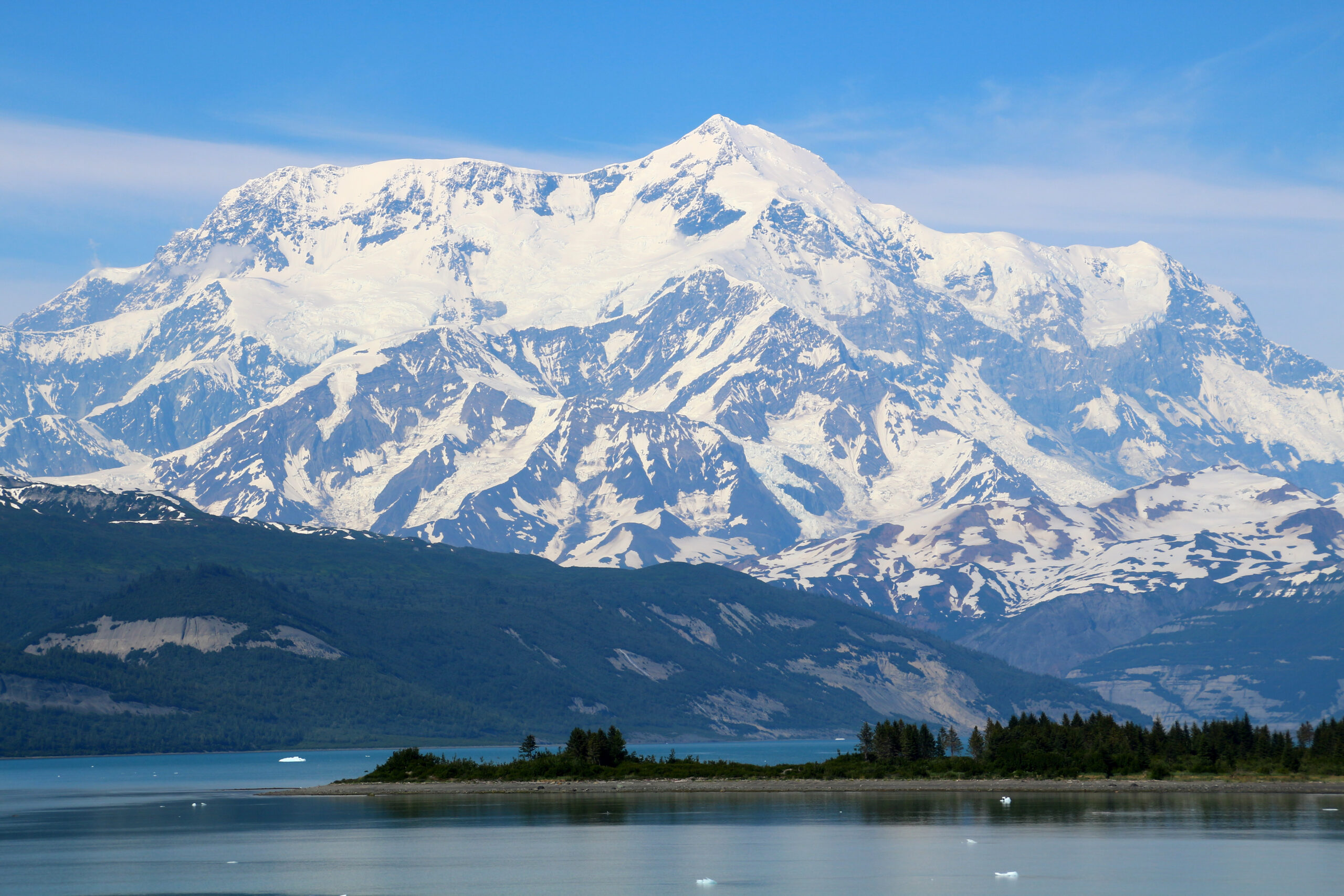
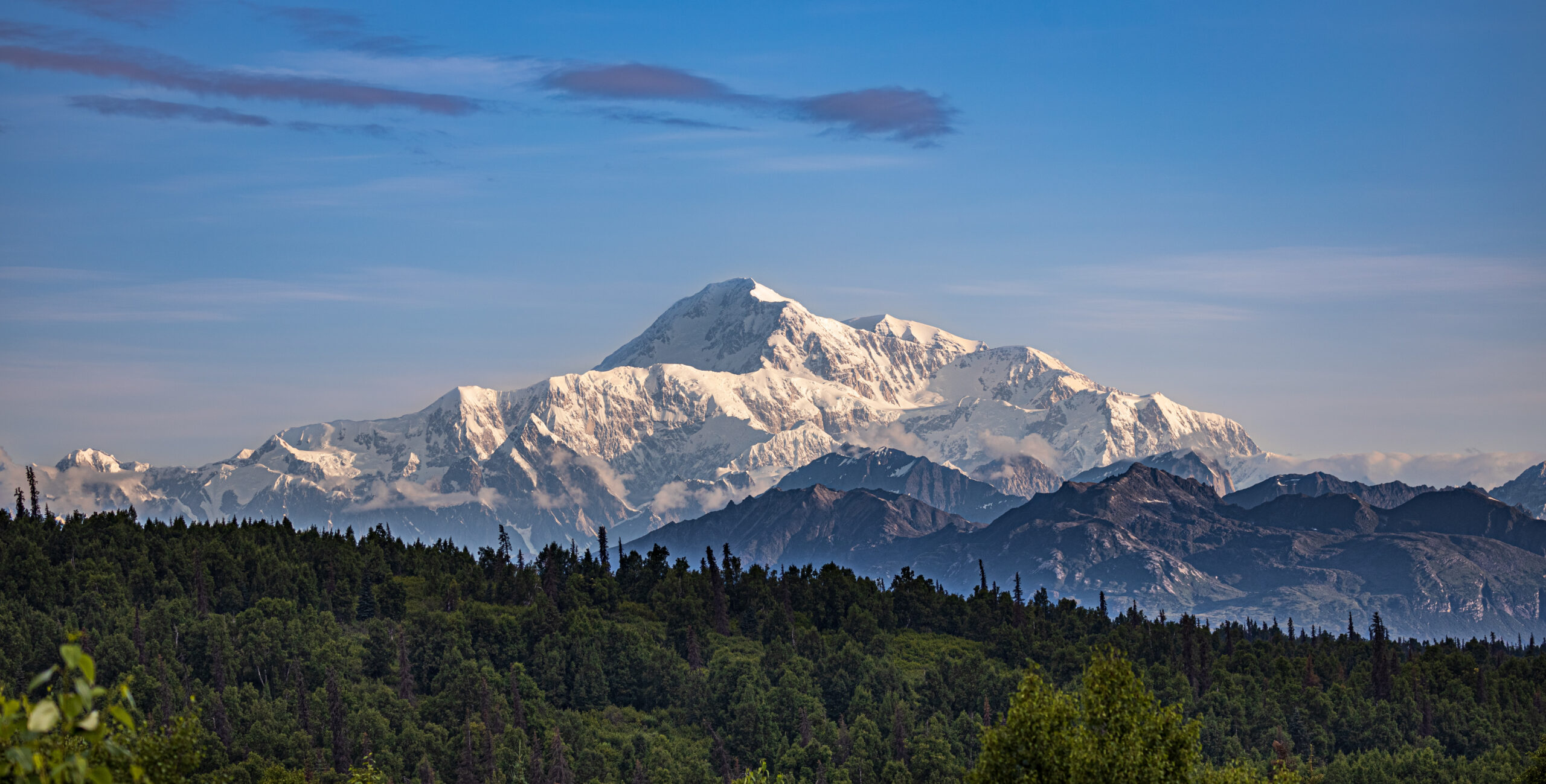
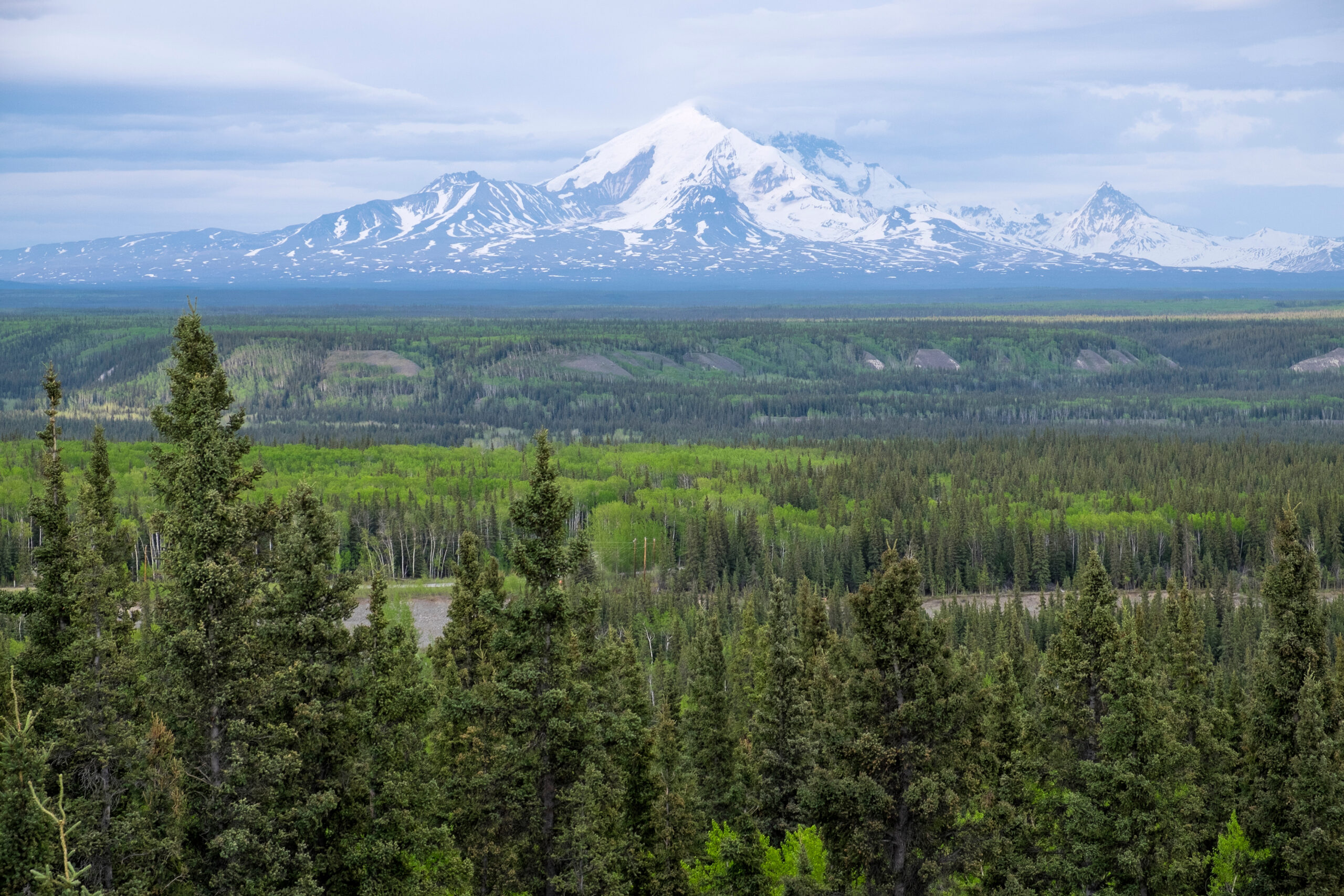
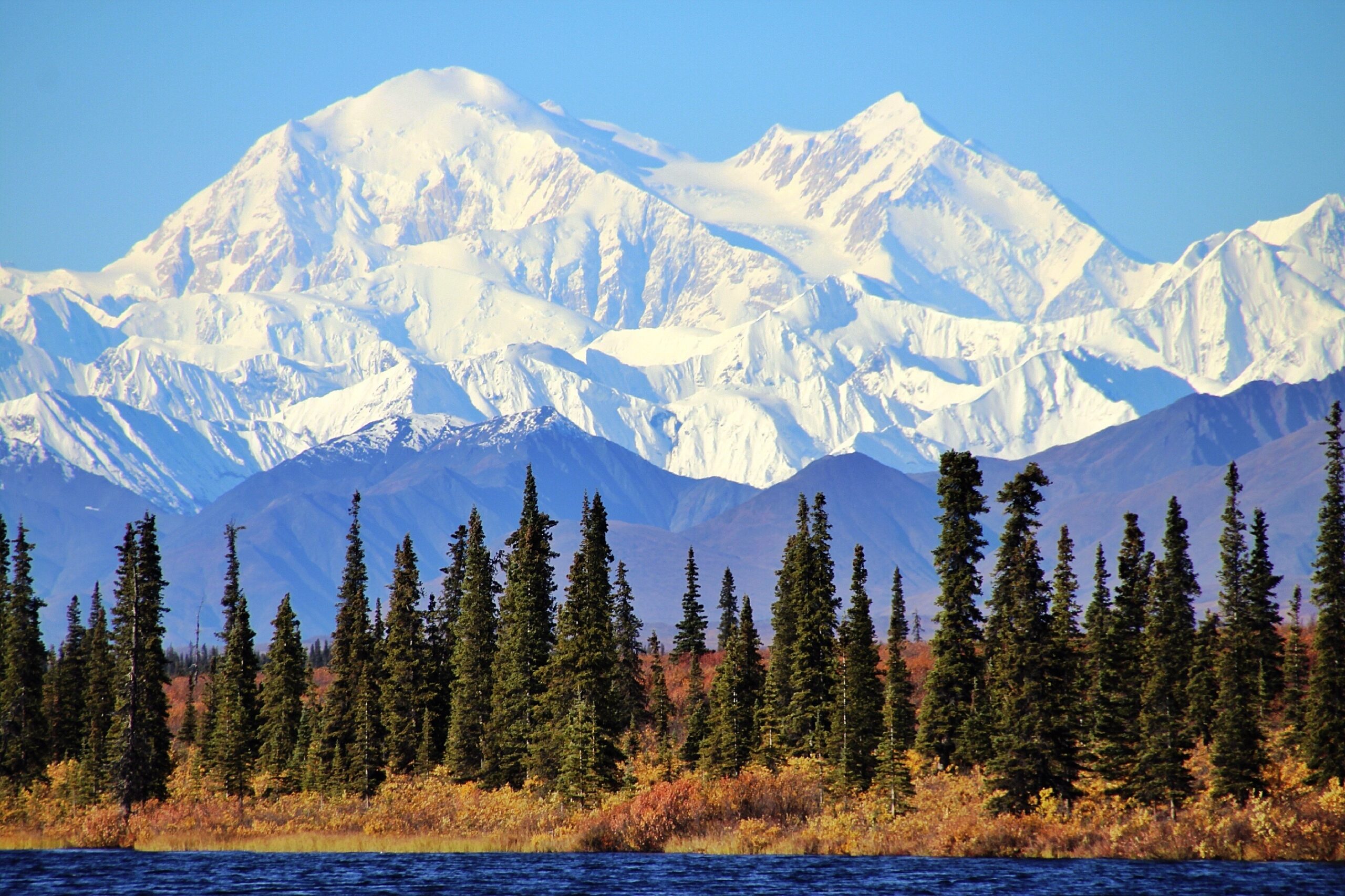
Denali’s 6,190 m signature North American expedition. Mt. Foraker’s Class 4-5 technical Alaska Range commitment. Mt. Blackburn anchoring the Wrangell Range. Plus accessible day hikes near Anchorage, Juneau, and Seward. Alaska is fundamentally an expedition mountaineering destination — and the most consequential climbing state in America.
Alaska is fundamentally an expedition mountaineering state — not a day-hike destination. The signature peak is Denali at 6,190 m (North America’s highest summit), demanding 17-21 days on the mountain, NPS permit, bush flight access via Talkeetna, and expedition-grade glacier travel skills. Generally, Alaska’s climbing peaks divide into three categories: accessible day hikes near population centers (Flattop Mountain near Anchorage, Mt. Marathon in Seward, Mt. Roberts in Juneau), Wrangell-St. Elias Range glaciated expeditions (Mt. Blackburn 4,996 m, Mt. Sanford 4,949 m, Mt. Bona, Mt. Drum), and Alaska Range major expedition objectives (Denali 6,190 m, Mt. Foraker 5,304 m, Mt. Hunter 4,442 m). Specifically, this 9-peak guide covers the proven progression objectives across all three categories — from Flattop Mountain (Class 1, accessible to any fit hiker) through Denali (Class 3-4, the signature North American expedition). Notably, even Alaska’s “easy” peaks involve wilderness considerations (bears, weather extremes, long approach distances) that distinguish them from equivalent Lower 48 day hikes — and the expedition peaks require multi-week commitment, bush flight logistics, and serious wilderness self-sufficiency. Devils Thumb (2,767 m, Class 5+) in the Stikine Icefield deserves particular mention as one of the most committing technical alpine objectives in the USA despite its modest elevation — famous from Jon Krakauer’s solo attempt in Eiger Dreams.
Key Takeaways
- Denali (6,190 m) is THE Alaska objective — North America’s highest peak, 17-21 day expedition, $395 NPS permit, ~50% summit success rate.
- Mt. Foraker (5,304 m) is significantly more technical than Denali — Class 4-5 via Sultana Ridge, much smaller crowds, expert-only.
- Mt. Blackburn (4,996 m) is the Wrangell Range tallest — Class 3-4 glaciated expedition with significantly less traffic than Alaska Range peaks.
- Mt. Sanford (4,949 m) is the most accessible major Wrangell peak — Class 2-3 sustained snow climbing, excellent first big Alaska objective.
- Devils Thumb (2,767 m) in the Stikine Icefield is Class 5+ technical — one of America’s most committing alpine objectives despite low elevation.
- Bush flight access is required for nearly all expedition peaks — Talkeetna Air Taxi, K2 Aviation, Sheldon Air Service ($700-1,200 RT).
- NPS Denali registration must be submitted 60+ days ahead ($395 fee, peak season mid-May to early June requires 90-180 day lead time).
- Day hikes (Flattop, Marathon, Roberts) are accessible to visitors — Flattop is Alaska’s most-climbed peak at ~200,000 visitors annually.
- Alaska weather is genuinely unpredictable — plan 3-4 week total trip window with 2-3 day weather buffer on both ends.
Why Alaska Is the Most Consequential Climbing State in America
Alaska is fundamentally an expedition mountaineering destination — not a state for casual day-hike summits like Colorado, Oregon, or Washington. Generally, the major climbing peaks require bush flight access, multi-week commitment, and expedition-grade preparation. Specifically, Denali (6,190 m) defines American expedition mountaineering and serves as the North American mountaineering objective that every serious US climber aspires to attempt at some point in their career.
Notably, the state divides into three climbing categories: accessible day hikes near population centers (Flattop, Mt. Marathon, Mt. Roberts) suitable for visitors and beginners; Wrangell-St. Elias glaciated expeditions (Mt. Blackburn, Mt. Sanford) representing intermediate-to-expert progression; and Alaska Range major expeditions (Denali, Foraker, Hunter) defining the elite tier of North American climbing.
Find Hotels, Flights & Trips for the World’s Best Hiking Destinations
The Global Summit Guide Travel Shop on Expedia — curated for outdoor adventurers, mountaineers, and serious hikers. Patagonia to the Alps. Nepal to the Rockies. Curated lodging for every region we cover.
Explore Travel Shop on Expedia →Geographic context: Alaska’s climbing peaks divide into three primary regions. The Alaska Range (south-central Alaska, accessed from Anchorage via Talkeetna) contains Denali, Mt. Foraker, Mt. Hunter, and most of the major American expedition objectives. The Wrangell-St. Elias Range (eastern Alaska bordering the Yukon) contains Mt. Blackburn, Mt. Sanford, Mt. Bona, and the lesser-traveled Wrangell volcanoes — the largest national park in the USA at 13.2 million acres. The Coast Mountains and Stikine Icefield (southeast Alaska, accessed from Petersburg or Wrangell) contain Devils Thumb and other technical alpine objectives. Major day hikes are accessed from Anchorage (Flattop), Seward (Mt. Marathon), and Juneau (Mt. Roberts).
The 9 Best Mountains to Climb in Alaska
Organized by commitment level — accessible day hikes for visitors, intermediate Wrangell glaciated expeditions, and expert Alaska Range major objectives. Generally, there’s a significant gap between Alaska’s accessible day hikes and its expedition peaks — the state lacks the gradual difficulty progression of Colorado or Washington. Specifically, climbers building toward Denali typically progress through Lower 48 objectives (Mt. Rainier, Mt. Hood) before their first Alaska expedition rather than within Alaska itself.
Accessible Day Hikes: For Visitors & Beginners
Flattop Mountain
Glen Alps Trailhead · Class 1 maintained trail · 3 mi RT, 396 m gain
Flattop Mountain is Alaska’s most-climbed peak — an estimated 200,000+ visitors annually summit via the maintained trail from Glen Alps Trailhead. Generally, the route is a Class 1 trail with 396 m of gain over 1.5 miles each way. Specifically, the trailhead at 671 m sits in Chugach State Park just 20 minutes from downtown Anchorage, making Flattop the easiest major Alaska summit experience for visitors.
Planning a Trip? Find Lodging on Expedia
Hotels, flights, and vacation packages for the world’s great hiking and mountaineering destinations.
Summit views span Cook Inlet to the west, the Chugach Mountains to the east, and on clear days, the entire Alaska Range including Denali visible 130 miles to the north. The final 61 m is a Class 2 rocky scramble but the standard summit point is accessible to anyone willing to hike a steep maintained trail.
Mt. Marathon
Race Trail · Class 2 scramble · 3 mi RT, 921 m gain
Mt. Marathon is famous as the venue for the Mt. Marathon Race held every July 4th in Seward since 1915 — one of the oldest footraces in the United States. Generally, the route gains 921 m in 1.5 miles via the Race Trail — extraordinarily steep terrain involving sustained Class 2 scrambling on loose scree. Specifically, the race record stands at approximately 41 minutes for the round-trip ascent and descent — but for typical hikers, expect 3-6 hours.
Summit views are dramatic — Resurrection Bay below, Harding Icefield to the southwest, and the Chugach Mountains north. The descent on loose scree is the route’s defining feature — race participants “scree ski” down at speed. Not recommended for hikers uncomfortable with sustained steep terrain.
Mt. Roberts
Tramway access + summit trail · Class 1-2 · 4 mi RT from tram, 610 m gain
Mt. Roberts is the easiest major Alaska summit accessible by aerial tramway. Generally, the Mt. Roberts Tramway operates from downtown Juneau at sea level to the upper terminal at 549 m, leaving a Class 1-2 trail to the 1,164 m summit. Specifically, this tram-plus-trail approach makes Mt. Roberts the most accessible significant Alaska summit experience for cruise ship visitors and travelers without dedicated hiking time.
For climbers wanting a longer day, the full hike from sea level via Mt. Roberts Trail adds 5+ miles each way through old-growth temperate rainforest. Summit views span the Inside Passage waterways and Coast Mountains. Tramway operates May through September seasonally.

Wrangell Range: Intermediate-to-Expert Glaciated Expeditions
Mt. Sanford
North Ramp · Class 2-3 glaciated · 7-10 day expedition
Mt. Sanford is the most accessible major Wrangell peak technically — the North Ramp route is sustained Class 2-3 snow climbing without major technical scrambling. Generally, this makes Sanford an excellent intermediate-to-expert stepping stone for climbers building toward harder Wrangell peaks (Mt. Blackburn, Mt. Bona) or eventually Denali. Specifically, the climb is typically 7-10 days total including bush flight access from Glennallen, glacier base camp establishment, and summit attempt with weather buffer.
The route involves landing on a glacier base camp (Sanford Glacier or Boulder Creek) via Wrangell Mountain Air bush flight from McCarthy, establishing high camp, and a sustained snow climb to the summit plateau. Glacier travel kit (rope, crampons, ice axe), expedition-grade gear, and crevasse rescue capability are all required.
Mt. Blackburn
North Ridge · Class 3-4 glaciated · 10-14 day expedition
Mt. Blackburn is the tallest peak in the Wrangell Range and the premier Wrangell-St. Elias expedition objective. Generally, the North Ridge is the standard route — Class 3-4 glaciated climbing with sustained snow and ice travel, multiple high camps, and 10-14 day expedition commitment. Specifically, the route involves bush flight access to Kennicott Glacier or Nabesna area, then sustained glaciated climbing to the summit at 4,996 m.
Blackburn is widely considered an excellent precursor to Denali — similar expedition logistics, sustained altitude work, and glaciated climbing demands, but with significantly less traffic. The Wrangell solitude is a feature for many expert climbers seeking expedition experience without the crowds of the West Buttress.
Alaska Range: Expert Major Expeditions

Mt. Foraker
Sultana Ridge · Class 4-5 technical · 17-21 day expedition
Mt. Foraker is the second-tallest peak in the Alaska Range and significantly more technical than Denali despite being 887 m lower. Generally, the Sultana Ridge standard route involves sustained Class 4-5 technical climbing on snow and ice with serious objective hazard — much more committing than Denali’s West Buttress. Specifically, Foraker requires the same NPS climbing registration ($395 fee) and bush flight access as Denali but receives a small fraction of Denali’s traffic — typically 10-30 climbers per year.
Foraker is best for expert climbers who have already completed Denali or comparable expedition experience (Himalayan trekking peaks, major Wrangell peaks). The technical demands are closer to a Class 4-5 Himalayan peak than to Denali’s West Buttress.
Mt. Hunter (Begguya)
West Ridge · Class 4-5 technical · Multi-week expedition
Mt. Hunter (Begguya in Athabaskan) is widely considered one of the hardest mountains in the Alaska Range despite being significantly lower than Denali and Foraker. Generally, the West Ridge standard route involves sustained technical climbing — Class 4-5 ice and mixed terrain with serious objective hazard. Specifically, Hunter sees fewer than 50 ascents in many seasons and has a much higher accident rate per attempt than Denali.
Hunter is for elite climbers with multiple major expedition successes (Denali, 8,000 m peaks, Patagonia objectives). Not appropriate as a first Alaska Range objective. See our Mt. Hunter guide for detailed information.
Devils Thumb
East Ridge · Class 5+ technical alpine
Devils Thumb is one of the most committing technical alpine objectives in the USA despite its modest 2,767 m elevation. Generally, the East Ridge standard route involves sustained Class 5 climbing on snow, ice, and rotten rock with serious objective hazard. Specifically, the peak is famous from Jon Krakauer’s solo attempt described in his book Eiger Dreams — Krakauer never reached the summit, and Devils Thumb has turned back many of America’s strongest alpinists.
Access is via the Stikine Icefield from Petersburg or Wrangell, Alaska — bush flight or boat approach to a base camp on the Witches Cauldron Glacier. The remoteness adds significant logistical complexity beyond the technical climbing demands. Reserved for elite technical alpinists with significant 5.10+ alpine ice and mixed climbing experience.

Denali
West Buttress · Class 3-4 glaciated expedition · 17-21 days
Denali is the signature North American expedition mountaineering objective. Generally, the standard West Buttress route requires 17-21 days on the mountain with progressive high camps at 2,195 m (Kahiltna Basecamp), 2,896 m (Camp 1), 3,353 m (Camp 2), 4,328 m (14 Camp), and 5,243 m (High Camp). Specifically, the route involves bush flight access from Talkeetna to Kahiltna Basecamp, progressive load ferrying through camps, sustained altitude work above 4,267 m, and a final summit push from High Camp via Denali Pass and the summit ridge.
Technical requirements: double mountaineering boots, full glacier travel kit, expedition-grade -40°C sleeping systems, sled hauling capability, NPS climbing registration ($395), bush flight booking, satellite communicator. Denali has approximately a 50% summit success rate even with experienced parties — weather windows and acclimatization limitations turn many attempts back.
See our complete Denali climbing guide for detailed route descriptions, NPS permit information, training plans, gear lists, expedition companies, and the full Denali Progression Plan.
Alaska Mountains Comparison Table
Quick-reference comparison of all 9 featured Alaska peaks. Generally, the table organizes peaks by difficulty tier (accessible day hikes first, expert expeditions last). Specifically, use this for planning your Alaska climbing trip — whether a quick visitor day hike or a major expedition.
| Peak | Region | Elev. | Class | Duration | Access | Permit |
|---|---|---|---|---|---|---|
| Flattop Mountain | Anchorage | 1,070 m | Class 1 | 3-5 hr | Road | None |
| Mt. Marathon | Seward | 921 m | Class 2 | 3-6 hr | Road | None |
| Mt. Roberts | Juneau | 1,164 m | Class 1-2 | 3-5 hr | Tram/Road | None |
| Mt. Sanford | Wrangell-St. Elias | 4,949 m | Class 2-3 | 7-10 days | Bush flight | Backcountry |
| Mt. Blackburn | Wrangell-St. Elias | 4,996 m | Class 3-4 | 10-14 days | Bush flight | Backcountry |
| Mt. Foraker | Alaska Range | 5,304 m | Class 4-5 | 17-21 days | Bush flight | NPS $395 |
| Mt. Hunter (Begguya) | Alaska Range | 4,442 m | Class 4-5 | Multi-week | Bush flight | NPS $395 |
| Devils Thumb | Stikine Icefield | 2,767 m | Class 5+ | Variable | Bush flight | None |
| Denali | Alaska Range | 6,190 m | Class 3-4 | 17-21 days | Bush flight | NPS $395 |
Best Seasons for Alaska Climbing
Alaska’s climbing season is narrower than most US states due to extreme latitude and continental polar climate. Generally, the expedition season runs late April through mid-July with peak conditions in May-June. Specifically, the day hikes have a longer May-September accessible window.
Spring · Apr-May
Expedition prime: Denali, Foraker, Hunter season opens late April. Wrangell peaks accessible. Best snow conditions and stable weather windows.
Summer · Jun-Aug
Expedition peak: Mid-May to early June best for Denali. June peak for Wrangell. Day hikes: Optimal conditions for Flattop, Marathon, Roberts.
Fall · Sep-Oct
Expeditions: Season closed for major peaks. Day hikes: Still accessible with cooler weather. Fall colors September.
Winter · Nov-Mar
Off-season for nearly everything. Winter Alaska climbing is for expert specialists only. Sub-zero temps, limited daylight, grounded flights.
Alaska Permits and Access
Generally, Alaska has unique permit and access requirements compared to other US states due to wilderness character and federal land management. Specifically, four distinct permit systems govern Alaska climbing.
Denali NPS Climbing Registration ($395): Required for any ascent above 2,195 m on Mt. Denali via the West Buttress or any other route. Submit registration at least 60 days before your climb through the NPS Talkeetna Ranger Station via the NPS Denali Mountaineering page. For prime summit windows (mid-May to early June), register 90-180 days ahead. Mt. Foraker is in Denali National Park and requires the same NPS registration. Mt. Hunter also requires NPS climbing registration.
Wrangell-St. Elias National Park Backcountry Permits: Required for climbing on Mt. Blackburn, Mt. Sanford, Mt. Bona, Mt. Drum, Mt. Wrangell, and other Wrangell peaks. No fee but wilderness orientation required at the visitor center in Copper Center or McCarthy. The 13.2 million acre park is the largest in the USA with significant wilderness character — bear safety, weather contingency, and self-rescue capability are baseline expectations.
Tongass National Forest (Devils Thumb): No formal permit required but the Stikine Icefield approach requires significant wilderness self-sufficiency. Coordinate with bush flight operators in Petersburg or Wrangell for access logistics.
Day hikes (Flattop, Mt. Marathon, Mt. Roberts): No climbing permits required. State Park parking fees ($5/day at Glen Alps Trailhead for Flattop). Mt. Roberts Tramway operates seasonally May-September with paid tickets ($45/adult round-trip 2026 pricing). Mt. Marathon trailhead is in Seward town with no fees.
Alaska Guides and Operators
For climbers seeking guided experiences on Alaska’s major peaks, five established guide services cover the primary objectives. Generally, guided Denali climbs cost $7,000-12,000 per person depending on operator, group size, and service level. Specifically, the major Alaska guide services are:
- Rainier Mountaineering Inc. (RMI): The most-experienced Denali guide service. Multiple expeditions per season. rmiguides.com — see our Denali Operators guide for comparison.
- Alpine Ascents International: Seattle-based Denali and Wrangell expedition operator with strong climbing school heritage.
- Mountain Trip: Specialty Denali guide service known for higher guide-to-client ratios and personal-attention expedition style.
- Alaska Mountaineering School (AMS) — Talkeetna: The premier locally-based Alaska guide service. Glacier travel courses, Denali expeditions, and Alaska Range objectives. See our AMS guide.
- American Alpine Institute (AAI): Bellingham-based with strong Denali, Wrangell, and Alaska Range program portfolio.
When to hire a guide on Alaska peaks: First Denali attempt (strongly recommended for nearly all climbers given the cost-to-safety ratio), first Wrangell peak (recommended), first Alaska Range objective (essential), Mt. Foraker / Mt. Hunter (essential — these are not appropriate for self-organized first Alaska Range attempts). Independent climbing is appropriate for Wrangell peaks after successful Denali completion, or for Devils Thumb only for elite alpinists with sustained technical experience.
Alaska-Specific Safety Considerations
Alaska climbing has several state-specific safety considerations that distinguish it from any other US state. Generally, three concerns deserve specific attention beyond standard mountain safety.
1. Bush Flight Weather Dependence
Most Alaska expedition climbing requires bush flight access — and bush flights are weather-dependent. Generally, Talkeetna Air Taxi, K2 Aviation, and Sheldon Air Service can be grounded 2-4 days at a time during storm cycles. Specifically, this affects both arriving at base camp and departing — climbers have been stuck at Kahiltna Basecamp for days waiting for flyable weather to return to Talkeetna. Notably, build a 2-3 day weather buffer on both ends of your trip itinerary, and never plan tight connections from bush flight return to airline departures.
2. Bears (Both Black and Brown)
Alaska’s bear population is dense and active near climbing areas — particularly approaches to Wrangell-St. Elias peaks, Devils Thumb base camps, and even Flattop Mountain trailheads in Anchorage. Generally, all Alaska climbers should carry bear spray, make noise on approaches, and use proper food storage (bear canisters or hung food) at base camps. Specifically, brown bears (grizzlies) are the primary concern in wilderness areas; black bears are more common near urban day hike trailheads. Notably, Devils Thumb base camp on Witches Cauldron Glacier has had bear encounters despite the glacier location.
3. Denali-Specific Crevasse Falls
Crevasse falls are the #1 cause of Denali fatalities — the upper West Buttress and the lower Kahiltna Glacier both have major crevasses. Generally, climbers must travel roped (typically 3-4 climbers per rope) with crevasse rescue capability — Z-pulley systems, prusik ascension, snow anchor construction. Specifically, the Kahiltna Glacier descent at trip end has caused multiple fatalities involving climbers who unroped after the technical climbing ended — keep rope team configuration on glaciers until you’re back at Basecamp. Notably, take a glacier travel and crevasse rescue course before any glaciated Alaska objective.
The 8 Common Mistakes Climbers Make on Alaska Mountains
Avoid These Common Alaska Climbing Mistakes
- Attempting Denali without prior expedition experience. The single most consequential Alaska mistake. Denali requires expedition-grade glacier travel, multi-week commitment, and sub-zero environment experience that you cannot acquire on Lower 48 day climbs. Build through Mt. Rainier expedition route, take a glacier course, gain altitude experience above 4,267 m on Mexican volcanoes or Aconcagua before Denali.
- Treating Mt. Foraker as a “Denali alternative” for less traffic. Foraker is significantly more technical than Denali — Class 4-5 sustained climbing vs Denali’s Class 3-4 glaciated. Don’t go to Foraker for solitude expecting an easier climb. Build to Foraker through Denali, not around it.
- Underestimating bush flight weather dependence. Bush flights can be grounded 2-4 days at a time. Climbers who plan tight connections from bush flight return to airline departures miss flights, lose deposits on guided trips, or push climbing in marginal weather. Build a 2-3 day buffer on both ends.
- Not registering Denali permit 60+ days ahead. NPS registration must be submitted at least 60 days before your climb. Late registration can result in being turned away at Talkeetna Ranger Station. For peak season (mid-May to early June), register 90-180 days ahead.
- Skipping a glacier travel course before Wrangell or Alaska Range peaks. Self-taught glacier travel is statistically the most dangerous form of mountaineering. The $400-700 cost of a course (Alaska Mountaineering School, AAI Bellingham) is significantly less than the cost of glacier accidents — and Denali crevasse falls are the #1 cause of fatalities.
- Ignoring bear safety on approaches and base camps. Alaska bears are not theoretical — both black and brown bears are active in climbing areas. Carry bear spray, use proper food storage, make noise on approaches. Bear encounters happen even at glacier base camps.
- Treating Flattop Mountain as a “tourist trail.” While Flattop is Class 1 and very accessible, it’s in Chugach State Park with real wilderness considerations. Bears are active in the park. Weather can change quickly. The final 61 m is a Class 2 scramble. Many tourists turn around at “The Cliffs” section, not realizing the easier alternate route exists. Carry the 10 Essentials even on Alaska day hikes.
- Underestimating Mt. Marathon’s steepness. Mt. Marathon’s “race trail” gains 921 m in just 1.5 miles — extraordinarily steep for a Class 2 objective. Tourists expecting a normal trail are often unprepared for the loose scree, sustained steepness, and route-finding requirements. The descent on loose scree is also challenging. Treat Mt. Marathon as a real Class 2 scramble, not just a steep hike.
What This Alaska Guide Doesn’t Cover
Honest limitations of any state climbing guide
Technical alpine rock and ice routes are outside this scope. Alaska has world-class technical alpine climbing — Moose’s Tooth, Mt. Huntington, the Cassin Ridge on Denali, the West Face of Mt. Huntington, and countless other Alaska Range and St. Elias technical objectives. These are pure technical alpinism rather than the expedition mountaineering progression covered here. Future guide expansion will include Alaska technical alpine climbing.
Sea kayaking and remote wilderness travel approaches aren’t included. Many Alaska peaks (Mt. Fairweather, Devils Thumb variants, peaks in the Coast Mountains) involve significant boat or sea kayak approach logistics that we don’t cover in detail. Coordinate with local operators in Petersburg, Wrangell, or Yakutat for these approach logistics.
Winter climbing on Alaska peaks is its own discipline. Winter ascents of Denali, Foraker, and other major Alaska peaks have been completed but require expert winter mountaineering capability that’s parallel to (not part of) the standard expedition season approach.
Yukon-bordering peaks have shared international logistics. Mt. Fairweather and Mt. Hubbard straddle the Alaska-Yukon border, creating additional permit and logistics considerations. We have dedicated guides for these but the international complexity is significant.
Volcanic activity is monitored but unpredictable. Several Wrangell peaks (Mt. Wrangell, Mt. Drum) are active volcanoes. The USGS Alaska Volcano Observatory monitors them — check current status before climbing.
NPS permit requirements and fees evolve. Denali climbing fees have increased multiple times in the past decade and may increase again. Verify current Denali permit costs and registration deadlines directly at the NPS Denali Mountaineering page within 2-4 weeks of your planned climb.
Alaska Mountain Climbing FAQ
What is the best mountain to climb in Alaska?
The best mountain to climb in Alaska depends on your experience and time commitment. Denali (6,190 m) is Alaska’s signature climbing objective and North America’s highest peak — but it requires 17-21 days on the mountain, NPS permit, bush flight access, and expedition-grade preparation. For visitors and beginners: Flattop Mountain (1,070 m, Class 1) near Anchorage is Alaska’s most-climbed peak and accessible by maintained trail. Mt. Roberts (1,164 m, Juneau) is accessed by tramway from downtown — the easiest major summit experience in Alaska. For intermediate climbers ready for expedition climbing: Mt. Sanford (4,949 m, Class 2-3 glaciated) in the Wrangell Range is the most accessible major Alaska expedition objective with sustained snow climbing but no major technical scrambling. For expert climbers: Denali (Class 3-4) is THE objective. Mt. Blackburn (4,996 m, Class 3-4), Mt. Foraker (5,304 m, Class 4-5), and Mt. Hunter (4,442 m, Class 4-5) are next-tier expedition objectives. Alaska climbing is fundamentally expedition mountaineering — even the “intermediate” peaks involve bush flight access, glaciated terrain, and remote wilderness character.
How hard is it to climb Denali?
Denali is a Class 3-4 glaciated expedition that demands expert mountaineering skills — significantly more committing than any Lower 48 peak including Mt. Rainier. The standard route is the West Buttress requiring 17-21 days on the mountain with progressive high camps at 2,377 m (Kahiltna Basecamp), 2,896 m (Camp 1), 3,353 m (Camp 2), 4,267 m (Camp 3 / 14 Camp), and 5,243 m (High Camp). Technical requirements include: double mountaineering boots, crampons, ice axe with practiced self-arrest, full rope team and crevasse rescue capability, expedition-grade gear systems rated to -40°C, sled hauling and load ferrying capability, and the physical/psychological endurance for 17-21 days at altitude. Denali has approximately a 50% summit success rate even with experienced parties — weather windows and acclimatization limitations turn many attempts back. The mountain has resulted in over 100 fatalities since the first ascent in 1913. First-time Denali climbers are strongly recommended to go with a guide service (RMI, Alpine Ascents, Mountain Trip, Alaska Mountaineering School) given the cost-to-safety ratio.
Do you need a permit to climb mountains in Alaska?
Permit requirements vary significantly by mountain. Denali requires NPS climbing registration with a $395 special use fee, submitted at least 60 days before your planned climb through the NPS Talkeetna Ranger Station. Mt. Foraker is in Denali National Park and requires the same NPS registration. Wrangell-St. Elias National Park peaks (Mt. Blackburn, Mt. Sanford, Mt. Bona, Mt. Drum, Mt. Wrangell) require Backcountry Permits obtained via wilderness orientation but no specific climbing fee. Devils Thumb is in Tongass National Forest with no permit requirement but is in extremely remote wilderness with significant approach logistics. Mt. Hunter is in Denali National Park requiring NPS climbing registration. Day hikes like Flattop Mountain, Mt. Marathon, and Mt. Roberts require no permits. Alaska state parks may charge parking fees ($5-10) at trailheads. The bush flight operators handle climbing-related logistics — bring permit confirmation when meeting your pilot.
What is the easiest mountain to climb in Alaska?
Three Alaska mountains are accessible to absolute beginners and casual visitors with no technical experience. (1) FLATTOP MOUNTAIN (1,070 m, Class 1) — Alaska’s most-climbed peak with an estimated 200,000+ visitors annually. Maintained trail from Glen Alps Trailhead at 671 m near Anchorage. 2 miles round-trip with 396 m of gain. Suitable for any fitness level willing to hike a steep trail; (2) MT. ROBERTS (1,164 m, Class 1-2) — accessible via the Mt. Roberts Tramway from downtown Juneau. The tram delivers visitors to 549 m, leaving a maintained trail to the 1,164 m summit; (3) MT. MARATHON (921 m, Class 2 race route) — Seward’s signature peak. The Race Trail ascends 921 m in 1.5 miles via Class 2 scrambling on the famous Mt. Marathon Race route. All three are accessible day climbs requiring only hiking fitness and standard hiking gear. Even “easy” Alaska peaks involve real wilderness concerns — bears, weather changes, and longer days than equivalent Lower 48 hikes due to high-latitude summer light.
When is the best time to climb in Alaska?
Best climbing seasons vary significantly by Alaska peak and objective type. The Alaska expedition climbing season is narrow — roughly late April through mid-July for major peaks. Denali prime season is mid-May through early June when snow is consolidated, weather windows are most stable, and the West Buttress route is in optimal condition. Late season (mid-June through July) sees increasing crevasse opening and rockfall — significantly more dangerous. Mt. Foraker and Mt. Hunter have similar windows May through June. Wrangell peaks (Mt. Blackburn, Mt. Sanford, Mt. Bona, Mt. Drum) are best mid-April through June for snow conditions. Devils Thumb is most often attempted June-August when weather allows access via Stikine Icefield. The day hikes (Flattop, Mt. Roberts, Mt. Marathon) are accessible May through September with peak conditions June-August. Winter climbing on any major Alaska peak requires expert winter mountaineering capability and is significantly more committing than summer routes.
How many days do you need to climb Denali?
Denali requires 17-21 days on the mountain plus travel and weather buffer days — most climbers plan 3-4 week total trips. The standard West Buttress itinerary involves progressive load ferrying and acclimatization through six camps: Day 1-2 — bush flight from Talkeetna to Kahiltna Basecamp (2,195 m), gear sorting; Day 3-5 — ferry loads to Camp 1 (2,896 m) and Camp 2 (3,353 m); Day 6-9 — progress to Camp 3 / 14 Camp (4,328 m), establish base; Day 10-13 — acclimatization rotations toward High Camp (5,243 m); Day 14-17 — summit window watch from 14 Camp or High Camp, summit attempt; Day 18-21 — descent and bush flight out. Plan for: weather days (bush flights grounded 2-4 days typical), acclimatization days (climb-high-sleep-low strategy critical), summit window flexibility (you may need 2-3 attempts), and rest days. Total trip planning: 3-4 weeks minimum including 2-3 days of travel, gear preparation, and weather buffer. Most guided trips run 21-23 days end-to-end. Climbers should budget at least 4 weeks of total time availability for a Denali attempt.
Sources and Methodology
Numbered Source References
This Alaska mountain climbing guide synthesizes data from federal land management agencies, established Alaska guide services, and route databases.
- National Park Service Denali Mountaineering. NPS Denali — official source for Denali climbing registration, route conditions, permits ($395 special use fee), and rescue statistics.
- National Park Service Wrangell-St. Elias. NPS Wrangell-St. Elias — Wrangell peaks (Mt. Blackburn, Mt. Sanford, Mt. Bona, Mt. Drum) climbing access, backcountry permits, and wilderness orientation.
- Alaska Mountaineering School (AMS). climbalaska.org — Talkeetna-based premier Alaska guide service with Denali expedition heritage and glacier travel course curriculum.
- Talkeetna Air Taxi. talkeetnaair.com — primary bush flight operator to Kahiltna Basecamp for Denali and Alaska Range expeditions.
- Alaska Volcano Observatory (USGS). avo.alaska.edu — volcanic activity monitoring for Mt. Wrangell, Mt. Drum, and other active Alaska volcanoes.
- Krakauer, Jon. Eiger Dreams (Anchor Books, 1990). Essential reference for Devils Thumb context and the cultural significance of the Stikine Icefield in American alpine climbing history.
- Alaska State Parks. Alaska DNR Parks — Chugach State Park (Flattop), trail conditions, and bear safety updates.
- Internal Global Summit Guide research. Cross-referenced with our Denali Climbing Guide, Denali Progression Plan, Mt. Blackburn guide, Mt. Foraker guide, Rainier vs Denali comparison, and Best Mountains in the USA.
Methodology note. Quarterly review cycle — next review September 2026 (post-summer expedition season). NPS Denali permit fees and registration deadlines evolve; verify current requirements directly at the NPS Denali Mountaineering page within 2-4 weeks of your climb.
What’s Next?
Alaska: Where American Expedition Mountaineering Is Defined
Generally, Alaska is the most consequential climbing state in America — fundamentally an expedition mountaineering destination centered on Denali as North America’s highest peak. Specifically, the state divides into accessible day hikes (Flattop, Mt. Marathon, Mt. Roberts), Wrangell glaciated expeditions (Mt. Sanford, Mt. Blackburn), and Alaska Range major objectives (Mt. Foraker, Mt. Hunter, Denali). Notably, climbers progressing toward Denali typically build through Lower 48 expedition experience first — particularly Mt. Rainier in Washington — before their first Alaska Range expedition.
See All 9 Featured Peaks Denali Complete Guide →Was this helpful?
🏔Related peaks nearby
🧭Explore & compare
Global Summit Guide is an independent mountaineering resource founded in 2026. The team combines first-hand trekking and climbing experience with in-depth research and professional health and nutrition review to help climbers choose objectives, prepare properly, and stay safe.
Health, altitude, and nutrition content is reviewed by Taylor Ludlow (Registered Nurse) and Brigg Hoopes (Nutritionist).
What We Don't Know Yet
Mountain information changes quickly. This box explains the limits of what this page can responsibly promise.
- Permit availability, reservation windows, quotas, and official fee rules may change after this page is updated.
- Weather, snowpack, avalanche risk, road access, and route conditions can change quickly and may be different on your climbing dates.
- Route conditions, trailhead access, crevasse exposure, stream crossings, and rescue access may vary from published planning guidance.
- Total trip cost can change with flights, lodging, guide pricing, permits, gear rentals, transportation, and exchange rates.
- Gear requirements can change by season, route variation, weather window, personal cold tolerance, and guide-service requirements.
Verify current conditions with official land managers, guide services, local forecasts, and current route reports before booking or climbing.
Mountaineering, rock and ice climbing, glacier travel, and high-altitude activity are inherently dangerous and can result in serious injury or death. The information on Global Summit Guide is provided for general informational and educational purposes only and is not a substitute for professional instruction, qualified guiding, proper equipment, or your own judgment and experience.
Route conditions, weather, snowpack, permits, regulations, and hazards change constantly and may differ from what is described here. Details may be incomplete, out of date, or contain errors. Always verify current information with local authorities, certified guides, and official sources before making any decision in the mountains.
Nothing on this site is medical, legal, or financial advice. Our fitness, acclimatization, altitude, and nutrition content is general in nature; consult a qualified physician before beginning any strenuous exercise program or exposing yourself to high altitude.
You are solely responsible for your own safety and decisions. To the fullest extent permitted by law, Global Summit Guide and its team accept no liability for any loss, injury, damage, or expense arising from use of, or reliance on, this information. By using this site you acknowledge these risks and accept these terms.
Some links on this site may be affiliate links. If you buy through them we may earn a small commission at no extra cost to you; this never affects our recommendations.
Global Summit Guide recommendation path
Next Best Mountain to Research
Use these recommendations to continue the right planning path instead of stopping on one page.
Use current permit, weather, route, and operator information before booking or climbing.