
Last updated September 22, 2026
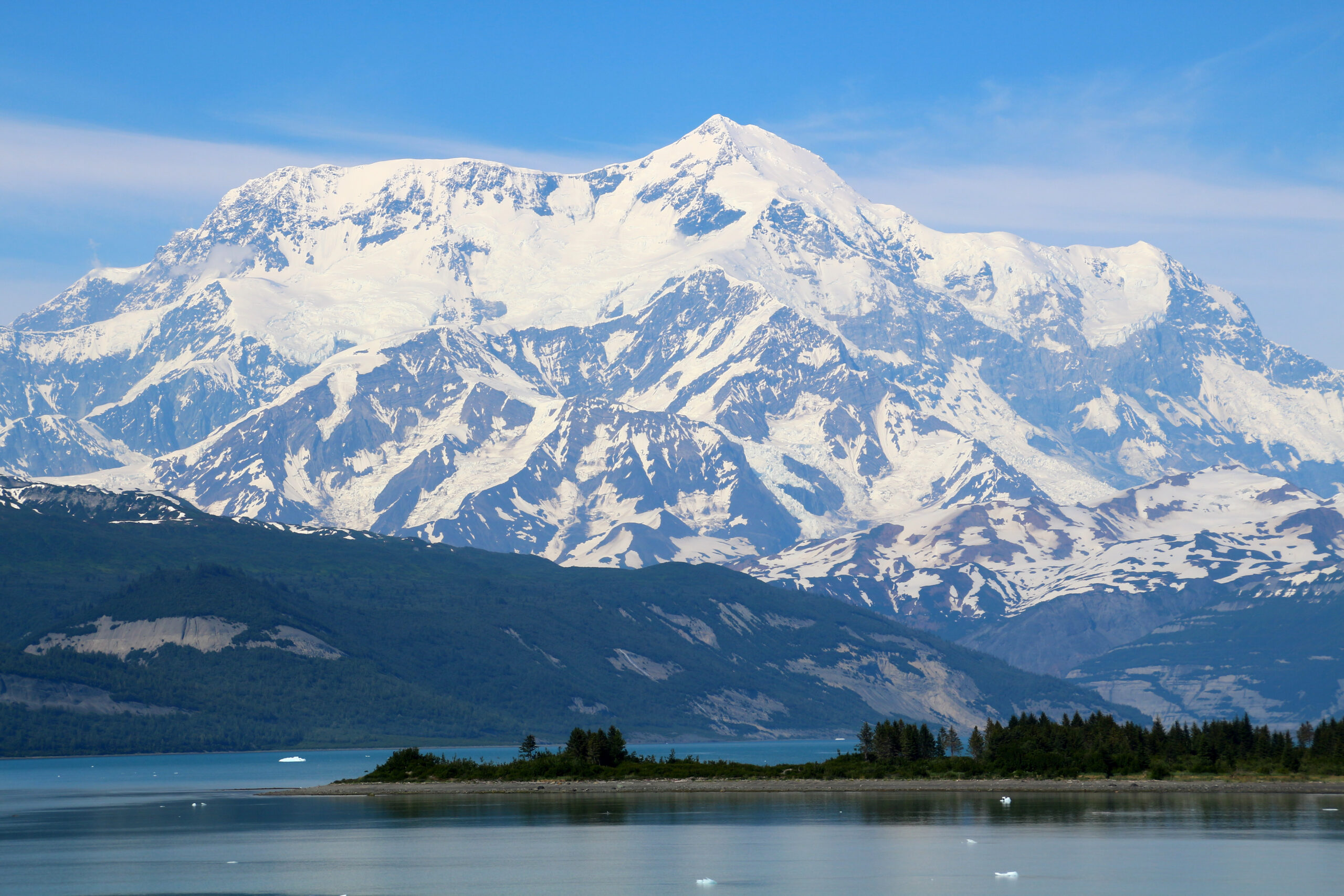
Best Mountains to Climb in Alaska: 10 Peaks from Hikes to Expeditions
Alaska does not offer one smooth climbing ladder. Its easiest summits are accessible hikes near Anchorage, Seward and Juneau; then the difficulty jumps sharply into remote glaciers, ski-plane landings, expedition camps and serious alpine terrain. These 10 peaks show where each type of climber fits.
What Are the Best Mountains to Climb in Alaska?
For a visitor or developing hiker, start with Flattop Mountain, Mount Marathon or Mount Roberts. They provide Alaska summit terrain without expedition logistics.
For experienced glacier climbers looking for a first remote Alaska expedition, Mount Sanford or Mount Bona are more logical progression objectives than jumping directly to Denali. Mount Blackburn adds greater route-finding and technical commitment.
Denali is the defining major expedition. Mount Foraker, Mount Hunter/Begguya and Devils Thumb belong much later: they are technical alpine objectives rather than quieter alternatives to Denali.
Which Alaska Mountain Fits You?
The useful distinction is not beginner, intermediate and expert alone. It is what kind of Alaska experience you actually want.
Flattop Mountain
A steep, accessible summit from Glen Alps with no expedition logistics. Best introduction to Alaska mountain terrain near a major city.
Mount Sanford
Broad glaciated terrain and serious wilderness without the sustained technical climbing of Foraker or Hunter.
Denali
The West Buttress combines glacier travel, heavy loads, altitude, cold-weather camps and a three-week expedition system.
Foraker / Hunter
Choose these only after major technical alpine experience. They are not simply Denali with fewer people.
Alaska Mountains Comparison Table.
Difficulty labels are broad planning categories. Glacier condition, route choice, weather and team competence can change the seriousness dramatically.
| Mountain | Elevation | Region | Trip style | Technical character | Best fit |
|---|---|---|---|---|---|
| Flattop Mountain | 3,510 ft | Chugach / Anchorage | Half-day hike | Steep trail + scrambling near top | First Alaska summit |
| Mount Marathon | 3,022 ft | Seward | Steep day hike | Loose, extremely steep terrain | Strong hikers wanting a hard local summit |
| Mount Roberts | 3,819 ft | Juneau | Day hike | Trail / light scrambling depending on endpoint | Juneau visitors |
| Mount Sanford | 16,237 ft | Wrangell Mountains | Remote glacier expedition | Alaska Grade 2-style glacier and snow travel | First big Alaska expedition after glacier training |
| Mount Bona | 16,550 ft | St. Elias Mountains | Remote glacier expedition | Broad glacier travel + crevasse navigation | High-altitude glacier progression |
| Mount Blackburn | 16,390 ft | Wrangell Mountains | Major glacier expedition | More complex and technical than Sanford/Bona | Experienced expedition teams |
| Denali | 20,310 ft | Alaska Range | Major expedition | Glacier + fixed lines + heavy loads + altitude | Experienced glacier mountaineers |
| Mount Foraker | 17,400 ft | Alaska Range | Technical expedition | Sustained alpine climbing; Sultana Ridge standard | Expert expedition climbers |
| Mount Hunter / Begguya | 14,573 ft | Alaska Range | Technical alpine expedition | Steep snow, ice, mixed and exposed ridge climbing | Advanced alpinists |
| Devils Thumb | 9,077 ft | Stikine Icefield | Technical alpine objective | Sustained technical rock / snow / ice | Elite technical teams |
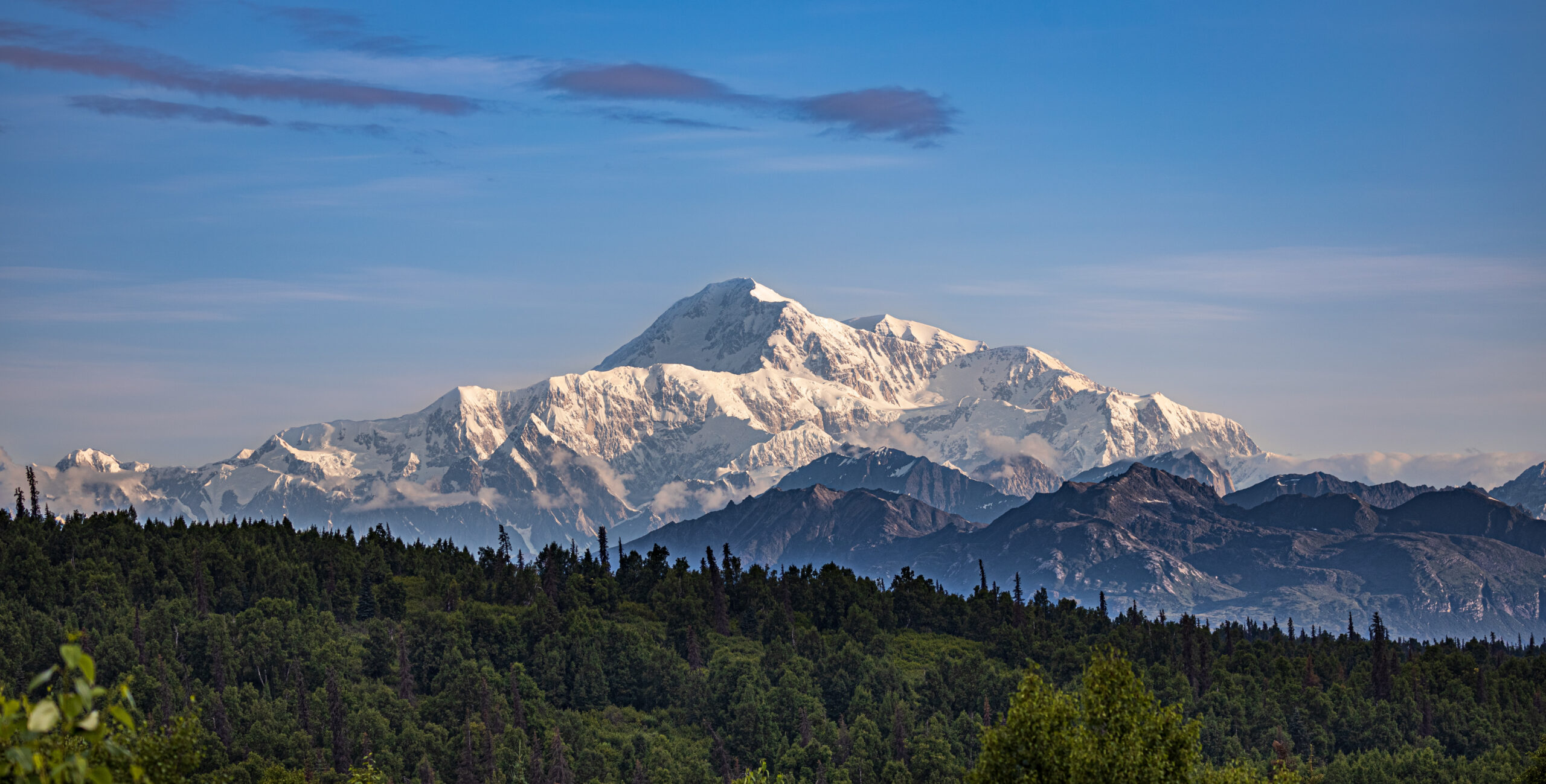
Alaska’s Scale Is the First Technical Lesson.
In the Lower 48, a storm may delay a trailhead start. In the Alaska Range, the same weather can ground the ski plane, trap a team on a glacier and consume several expedition days before the climbing even begins.
Three Mountains You Can Climb Without an Expedition.
These are hiking objectives, not preparation substitutes for Denali. Their value is accessibility and the chance to experience Alaska terrain around Anchorage, Seward and Juneau.
Flattop Mountain
Alaska State Parks lists the Flattop route from Glen Alps as about 1.5–1.7 miles one way with roughly 1,300 feet of elevation gain. The upper mountain involves steep ground and scrambling rather than a completely smooth maintained trail.
Choose it for: the easiest practical way to add an Alaska summit to an Anchorage trip.
Mount Marathon
The mountain is famous for the July 4 race, but hikers should not confuse race fame with easy terrain. Expect an extraordinarily steep ascent and a loose descent.
Choose it for: a physically hard Alaska day with immediate access from Seward.
Mount Roberts
The Juneau trail system lets hikers build the outing from downtown or shorten the elevation gain using the tram when operating. Continue only as far as terrain, weather and time allow.
Choose it for: a flexible mountain day during a Juneau visit.

The Wrangells Offer a Different Alaska Than Denali.
Climbers trade the busy West Buttress system for enormous wilderness, ski-plane logistics, changing glacier routes and far less mountain infrastructure. The technical grade can be lower while the self-reliance requirement is higher.
Sanford, Bona & Blackburn.
These are better understood as three different levels of remote glacier expedition, not as easier copies of Denali.
The Cleanest Entry Into Big Alaska Expedition Terrain
Sanford’s appeal is the contrast between comparatively moderate climbing and genuinely serious wilderness. Teams still need competent glacier travel, crevasse rescue, cold camping, weather judgment and a realistic aircraft-delay plan.
A Huge Glacier Mountain With Moderate Technical Terrain
Bona is especially useful for climbers who want more altitude and expedition duration without immediately stepping into the sustained technical terrain of Foraker or Hunter.
A Bigger Technical Step Than Sanford or Bona
Blackburn adds more complex route finding, steeper glaciated terrain and a stronger commitment requirement. It makes sense after a climber has already demonstrated remote glacier competence rather than as the place to learn those skills.
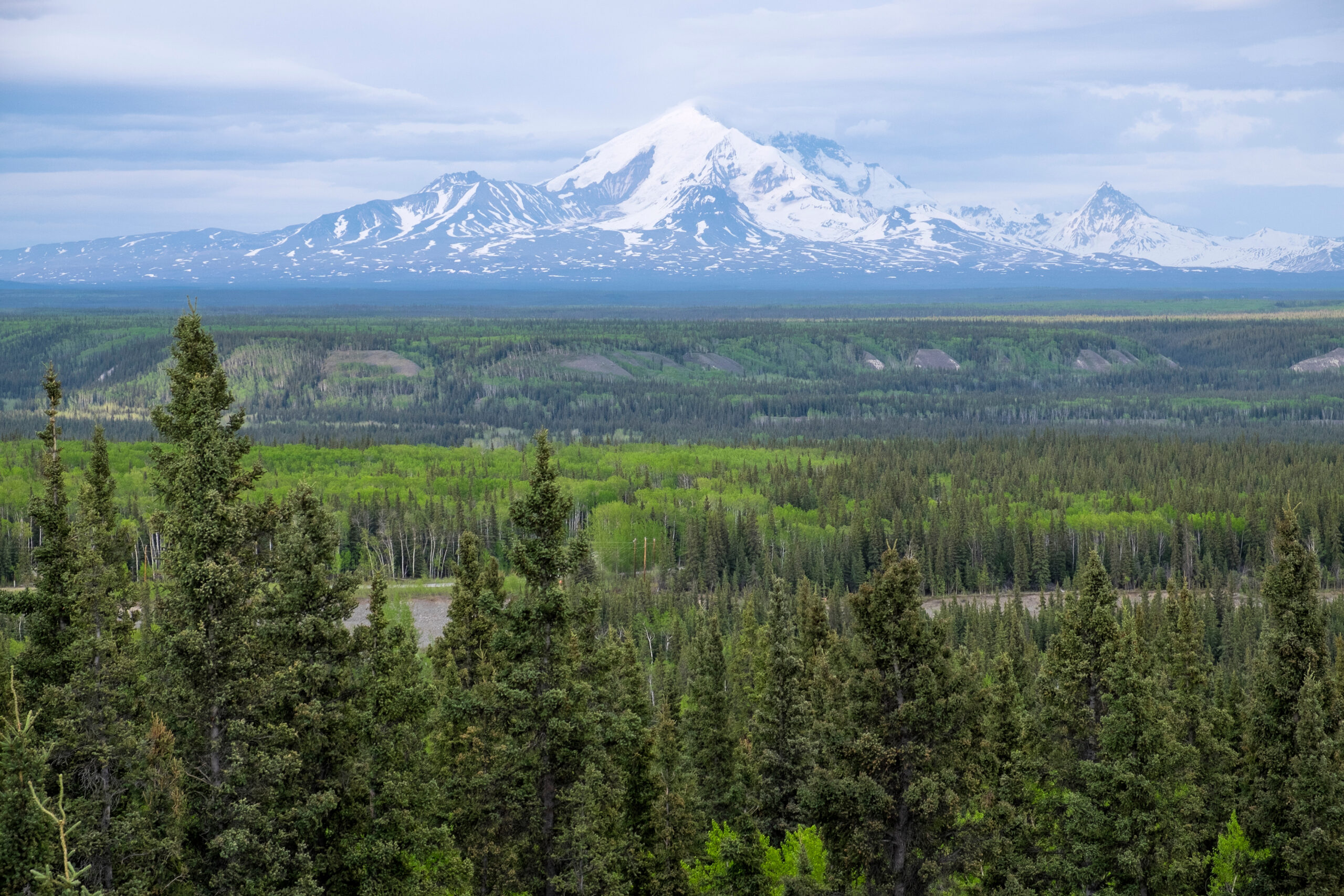
Wrangell Peaks Reward Climbers Who Want Expedition Skills Without the West Buttress System.
There are no ranger camps waiting above you. Route changes, aircraft delays and rescue limitations push responsibility back onto the climbing team.
Denali, Foraker & Hunter Are Not Three Versions of the Same Trip.
The mountains may share Talkeetna and ski-plane access, but the route demands diverge sharply after landing on the glacier.
Denali
The West Buttress is comparatively moderate technically, but combines crevasse terrain, heavy pack-and-sled hauling, fixed lines, altitude, cold and long weather holds.
NPS’s preliminary 2026 season wrap reported 976 registered climbers and 582 summits, or 60%.
Full Denali guide →Mount Foraker
Foraker shares the Kahiltna staging system but requires more technical and less-supported alpine climbing. Its Sultana Ridge is a serious, corniced expedition route—not a crowd-free Denali substitute.
NPS’s preliminary 2026 wrap reported 14 registered Foraker climbers and 5 summits.
Full Foraker guide →Mount Hunter / Begguya
Hunter is lower but far more technical than the West Buttress. Its classic routes require advanced snow, ice and mixed climbing combined with Alaska Range weather and commitment.
Unlike Denali and Foraker, Mount Hunter does not use their paid 60-day NPS mountaineering-permit system. NPS recommends voluntary backcountry registration for these glacier-area expeditions.
Full Mount Hunter guide →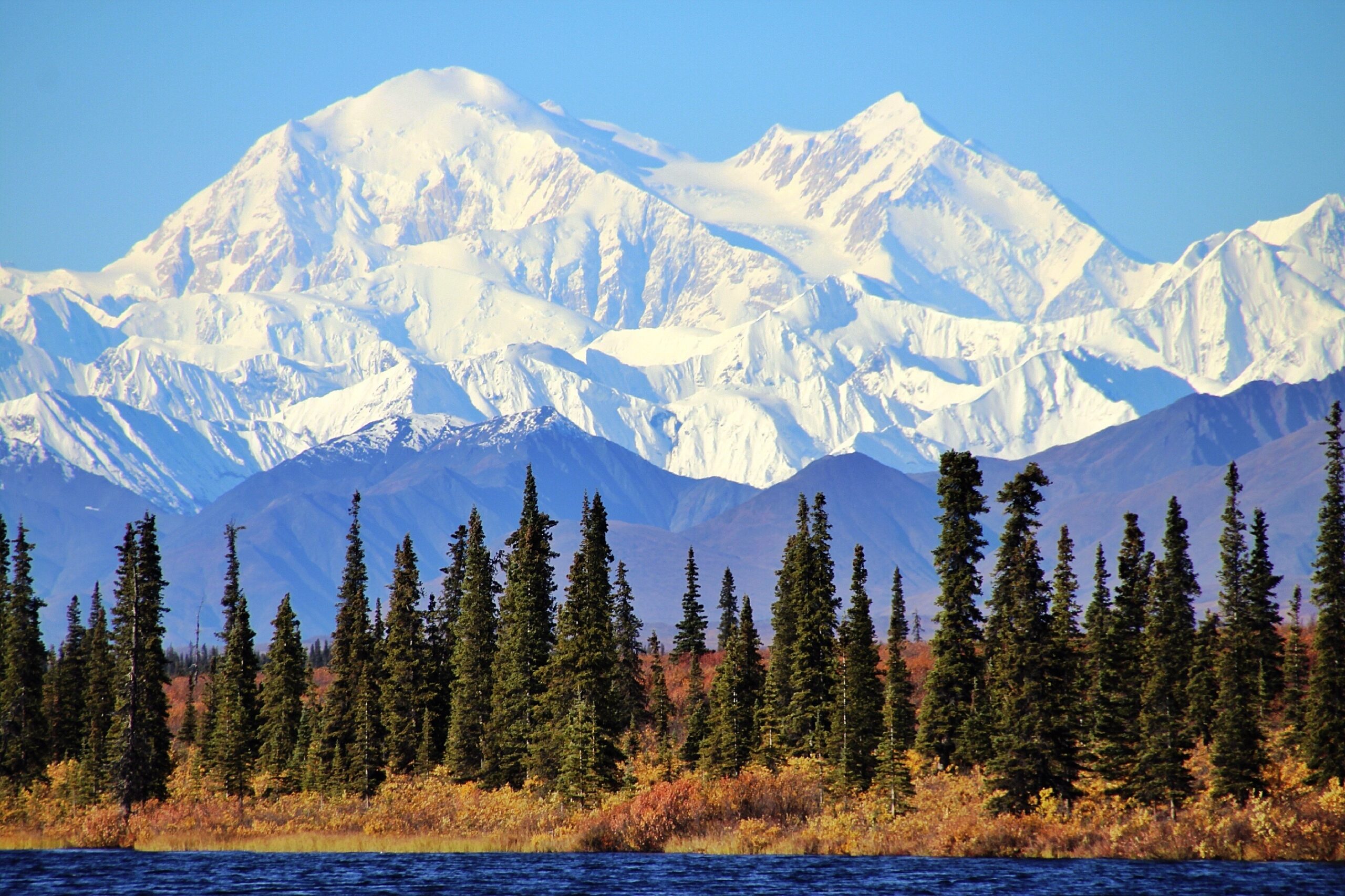
The West Buttress Is “Standard” Only Relative to Other Alaska Range Routes.
The route still requires an expedition team to function for weeks on an active glacier, haul heavy loads, manage severe cold and retain enough judgment to turn around after investing enormous time and money.
Devils Thumb Proves That Elevation Is a Terrible Alaska Difficulty Scale.
At roughly 9,077 feet, Devils Thumb is lower than many Colorado hiking summits. Its Stikine Icefield setting, difficult rock and ice, severe weather and remote access place it in a completely different category.
Alaska Climbing Permits Are Mountain-Specific.
This is where the old page was most misleading. Do not apply the Denali/Foraker system to every Alaska Range or Wrangell peak.
| Objective | Current rule | 2026 fee / registration | Planning note |
|---|---|---|---|
| Denali / Mount McKinley | Paid NPS mountaineering registration | $450 adult; $350 age 24 and younger + $15 park entrance unless covered | Normally register at least 60 days before the climb. |
| Mount Foraker | Same paid mountaineering system as Denali | $450 adult in 2026 + entrance fee rules | Same 60-day normal preregistration requirement. |
| Mount Hunter / other fly-in Alaska Range peaks | Voluntary NPS backcountry climbing registration recommended | No Denali/Foraker mountaineering special-use fee | Overnight glacier teams should still provide route and emergency details. |
| Sanford / Bona / Blackburn | No general Wrangell–St. Elias backcountry permit | No general climbing-permit fee | Commercial operations and special-use situations follow separate rules. |
| Flattop / local hiking peaks | Normal state/local recreation rules | Trailhead parking or tram costs may apply | Check the current land manager for closures and seasonal conditions. |
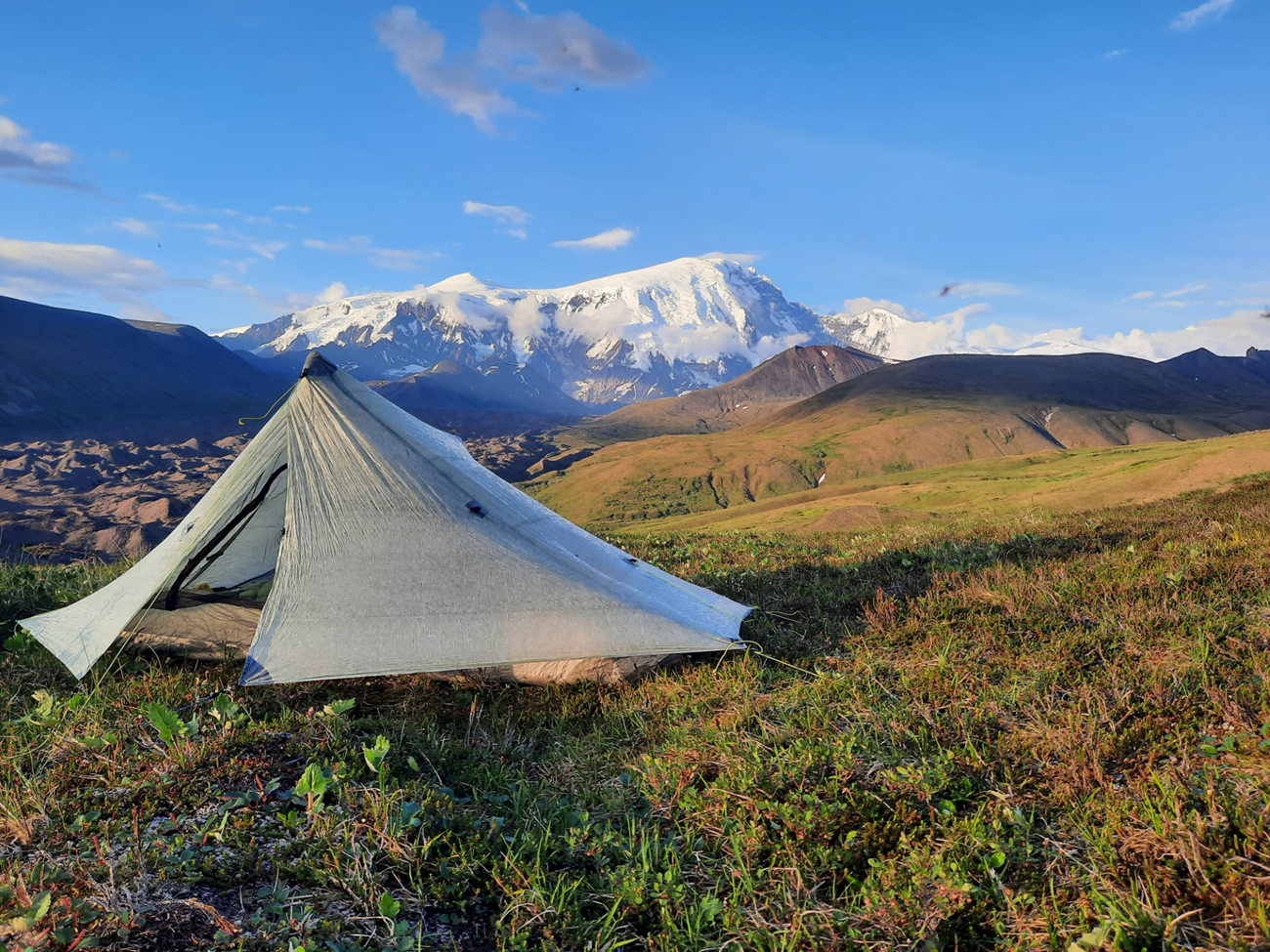
No Permit Does Not Mean No Consequence.
A Wrangell expedition may involve less bureaucracy than Denali, but it usually involves fewer people, less infrastructure and more reliance on the team’s own rescue, communications and weather decisions.
Photo: National Park Service · Wrangell–St. Elias National Park & Preserve
Most Denali Climbers Should Build Skills Outside Alaska First.
Alaska is unusually poor at providing a neat local beginner-to-Denali ladder. The jump from city-accessible hikes to remote glacier expeditions is enormous.
Mountain Fitness
Build long days, vertical gain and pack-carrying ability on accessible mountains.
Lower-48 Glacier Skills
Use Rainier, Baker or equivalent terrain to develop rope-team travel, crampons and crevasse-rescue competence.
Remote Expedition Systems
Sanford or Bona can add ski-plane logistics, glacier camps, self-reliance and weather patience.
Denali or Technical Alaska
Move toward Denali only when glacier, load, camp, cold and decision systems already function under fatigue.
There Is No Single Alaska Climbing Season.
Day hikes and glacier expeditions operate on very different calendars.
Late April–Early July
The normal Alaska Range expedition season spans spring into early summer. NPS emphasizes that no week guarantees good weather and recommends enough total trip time to absorb storms.
Spring–Early Summer
Sanford, Bona and Blackburn depend heavily on glacier condition, snow bridges, aircraft access and the specific line being attempted.
Summer–Early Fall
Flattop, Marathon and Roberts generally fit the broader Alaska hiking season, but lingering snow, rain and early winter conditions vary sharply by location.
Alaska’s Three Main Climbing Worlds.
The Alaska Range centers on Talkeetna and Denali. Wrangell–St. Elias occupies eastern Alaska near McCarthy, Chitina and the Canadian border. Southeast technical objectives lie around the Stikine Icefield and Inside Passage.
Alaska Mountain Climbing FAQ.
The most useful questions before deciding whether you need hiking shoes, glacier training or a multi-week expedition.
What is the best mountain to climb in Alaska?
It depends on experience and trip style. Flattop Mountain is a practical first Alaska summit near Anchorage. Mount Sanford is a strong remote glacier objective for experienced mountaineers. Denali is Alaska’s defining major expedition, while Foraker and Hunter belong to advanced technical alpinism.
What is a good first mountain in Alaska?
For hikers, Flattop is one of the most accessible choices. For experienced glacier climbers seeking their first major Alaska expedition, Mount Sanford can be a more logical objective than jumping directly to Denali.
Is Denali the hardest mountain in Alaska?
Denali is the highest and one of the largest expedition commitments, but several lower Alaska peaks require more technical climbing. Mount Foraker, Mount Hunter/Begguya and Devils Thumb can demand substantially more advanced alpine technique.
How much is the Denali climbing permit in 2026?
NPS lists the 2026 mountaineering special-use fee at $450 per adult climber and $350 for climbers age 24 or younger, plus the $15 park entrance fee unless an eligible pass covers it.
Does Mount Foraker require the same permit as Denali?
Yes. NPS applies the paid mountaineering registration system to both Denali/Mount McKinley and Mount Foraker, with normal registration at least 60 days before the climb.
Does Mount Hunter require the Denali climbing permit?
No. NPS distinguishes Mount Hunter and other fly-in glacier areas from Denali and Foraker. Prior registration is not required for overnight climbs in those areas, although voluntary backcountry registration is strongly recommended.
Do Mount Sanford and Mount Blackburn require climbing permits?
Wrangell–St. Elias does not require a general backcountry hiking or camping permit and does not list a separate standard climbing permit for these peaks. Commercial operations and special-use activities follow separate rules.
What was Denali’s 2026 summit rate?
NPS’s July 20 preliminary season wrap reported 976 registered climbers and 582 summits on Denali/Mount McKinley, a preliminary 60% summit rate. NPS noted that those numbers were preliminary pending its detailed annual report.
Do I need glacier experience before climbing in Alaska?
For the major expedition peaks, yes. Teams should already possess real glacier-travel and crevasse-rescue competence before using a remote Alaska expedition as their next step. Accessible hiking peaks are a different category.
What should I climb before Denali?
Build glacier competence on mountains such as Rainier, Baker or equivalent terrain, then add cold-weather camping, heavy-load movement and expedition self-sufficiency. A remote Wrangell objective can add useful Alaska experience before Denali when it matches the team’s skills.
Move From the State Guide Into the Exact Mountain.
This page owns Alaska mountain selection. Individual guides own route, permit, gear, operator and expedition planning.
Use the Land Manager for Rules That Change.
- National Park Service — Denali and Mount Foraker mountaineering registration
- National Park Service — Mount Hunter and Alaska Range backcountry climbing
- National Park Service — 2026 Denali and Foraker season wrap
- National Park Service — Wrangell–St. Elias mountaineering
- National Park Service — Wrangell–St. Elias permits and reservations
- Alaska State Parks — Flattop Mountain trail information
Last researched: September 21, 2026. Permit fees, glacier conditions, aircraft access and route conditions can change. Recheck the responsible land manager and current operator before booking.
Start With the Alaska Experience You Are Ready to Manage.
Hike Flattop or Marathon if you want a great Alaska summit day. Move toward Sanford or Bona only after glacier skills are real. Choose Denali when cold, loads, camps and crevasse systems already function. Save Foraker, Hunter and Devils Thumb for the point when technical Alaska terrain—not merely remoteness—is what you are prepared to climb.
Was this helpful?
🏔Related peaks nearby
🧭Explore & compare
Global Summit Guide is an independent mountaineering resource founded in 2026. The team combines first-hand trekking and climbing experience with in-depth research and professional health and nutrition review to help climbers choose objectives, prepare properly, and stay safe.
Health, altitude, and nutrition content is reviewed by Taylor Ludlow (Registered Nurse) and Brigg Hoopes (Nutritionist).
What We Don't Know Yet
Mountain information changes quickly. This box explains the limits of what this page can responsibly promise.
- Comparisons simplify complex decisions; the better mountain depends on current conditions, skills, timing, budget, and risk tolerance.
- Visa, passport, vaccination, border, insurance, and local transportation rules may change before your trip.
- Route conditions, snowpack, closures, and weather can change quickly after this page is updated.
- Permit rules, fees, quotas, and reservation windows may change between review cycles.
- Operator availability, pricing, guide ratios, and cancellation terms can change by season.
Verify current conditions with official land managers, guide services, local forecasts, and current route reports before booking or climbing.
Mountaineering, rock and ice climbing, glacier travel, and high-altitude activity are inherently dangerous and can result in serious injury or death. The information on Global Summit Guide is provided for general informational and educational purposes only and is not a substitute for professional instruction, qualified guiding, proper equipment, or your own judgment and experience.
Route conditions, weather, snowpack, permits, regulations, and hazards change constantly and may differ from what is described here. Details may be incomplete, out of date, or contain errors. Always verify current information with local authorities, certified guides, and official sources before making any decision in the mountains.
Nothing on this site is medical, legal, or financial advice. Our fitness, acclimatization, altitude, and nutrition content is general in nature; consult a qualified physician before beginning any strenuous exercise program or exposing yourself to high altitude.
You are solely responsible for your own safety and decisions. To the fullest extent permitted by law, Global Summit Guide and its team accept no liability for any loss, injury, damage, or expense arising from use of, or reliance on, this information. By using this site you acknowledge these risks and accept these terms.
Some links on this site may be affiliate links. If you buy through them we may earn a small commission at no extra cost to you; this never affects our recommendations.
Global Summit Guide recommendation path
Next Best Mountain to Research
Use these recommendations to continue the right planning path instead of stopping on one page.
Use current permit, weather, route, and operator information before booking or climbing.
Search Flights, Hotels & Rental Cars
Have the mountain or destination picked? Use Expedia to compare the flights, lodging and rental cars that fit your actual trip dates. For mountain travel, consider arriving early enough for delays and adding a buffer night after the climb before a fixed flight home.
Compare current flight, hotel and car options.
Affiliate disclosure: Global Summit Guide may earn a commission if you book through this link, at no additional cost to you.