
Last updated September 10, 2026

Best Mountains in Oregon: Choose the Right Peak, Skill Level & Season
Oregon is not one climbing problem. South Sister is a strenuous summer summit hike. Mount Hood is technical snow climbing. Mount Jefferson and North Sister are serious alpine objectives. The Wallowas add a remote mountain experience far beyond the Cascade volcano corridor. This guide helps you choose the right Oregon mountain before you plan the route itself.
Which Oregon Mountain Should You Climb?
Choose South Sister if you are a strong hiker who wants a major Oregon summit without technical climbing in normal summer conditions. Choose Mount Hood if you already have—or will hire a guide to build—the snow, crampon, ice-axe and alpine judgment required for a technical Cascade volcano.
Mount McLoughlin is the strongest trail-based progression mountain before South Sister. Mount Jefferson and North Sister belong much later in a climber’s progression because loose rock, exposure, glacier/snow travel and complex route-finding change the risk category.
The larger strategic point is that “best mountains in Oregon” should not mean “nine Cascade volcanoes.” Sacajawea Peak and Eagle Cap bring the Wallowas into the statewide picture, while Steens Mountain belongs as a high-desert mountain trip rather than a summit-climbing rank.
Which Oregon Mountain Experience Fits You?
The state becomes much easier to plan when you separate endurance hiking, technical snow, exposed alpine rock and remote wilderness objectives.
South Sister
Choose this when you want a full-scale Oregon mountain day with real altitude and vertical gain, but do not want a technical glacier climb in normal summer conditions.
Mount Hood
Choose Hood because you want mountaineering: snow skills, alpine timing and upper-mountain hazard judgment. Accessibility from Timberline does not make it a hike.
Mount Jefferson
Choose Jefferson only when your team already manages long approaches, complex alpine terrain and consequential technical sections. It is not simply a taller version of South Sister.
Sacajawea Peak
Choose the Wallowas when you want Oregon alpine scenery without building the entire trip around volcanoes. Joseph and Wallowa Lake create a natural destination base.
The Oregon Mountain Portfolio
This parent compares the objectives. Turn-by-turn route execution belongs in dedicated mountain and route guides.
| Mountain | Approx. elevation | Style | Difficulty band | Broad season | Main planning problem | Best for |
|---|---|---|---|---|---|---|
| Mount Hood | 11,000+ ft | Technical snow / alpine | Technical | Spring–early summer | Conditions + alpine timing + permit | Signature Oregon mountaineering |
| South Sister | 10,358 ft | Strenuous summer summit | Hiking / scree | Jul–Sep | Permit + weather + endurance | First 10,000-ft Oregon summit |
| Mount McLoughlin | 9,495 ft | Long trail summit | Nontechnical | Jul–Oct | Navigation + endurance | Beginner progression |
| Mount Jefferson | 10,497 ft | Technical alpine | Expert | Route dependent | Approach + glacier/snow + summit terrain | Experienced Cascade climbers |
| Middle Sister | 10,047 ft | Alpine scramble / snow | Advanced | Summer | Route choice + snow | Progression beyond South Sister |
| North Sister | 10,085 ft | Exposed alpine climbing | Expert | Conditions dependent | Loose rock + exposure + route finding | Experienced alpinists |
| Broken Top | 9,175 ft | Scramble / alpine | Advanced | Summer–early fall | Route choice + loose terrain | Central Oregon technical progression |
| Mount Thielsen | 9,182 ft | Hike + exposed summit | Advanced scramble | Summer–early fall | Exposure + storms | Strong scramblers |
| Sacajawea Peak | ~9,843 ft | Remote alpine summit | Strenuous | Summer–early fall | Long approach + wilderness logistics | Wallowa destination trip |
| Eagle Cap | 9,572 ft | Wilderness summit | Strenuous | Summer–early fall | Approach + weather + itinerary | Backpacking + summit trip |
| Mount Bachelor | 9,068 ft | Accessible high summit | Introductory | Summer operations | Access / uphill policy | Low-commitment high summit |
| Diamond Peak | 8,744 ft | Wilderness summit | Moderate–strenuous | Summer–early fall | Navigation + access + closures | Quieter Cascade objective |
The 12 Best Mountains in Oregon
The rank reflects Oregon identity, mountain quality, progression value and how worthwhile each objective is for the climber it serves—not simply height.
Mount Hood
Hood is the state’s defining mountaineering objective. The standard South Side begins at Timberline, but easy road access should not be confused with easy climbing. Upper-mountain conditions, steep snow, rock and ice fall, fumarole terrain and timing make it a technical alpine day.
South Sister
South Sister is the strongest first answer for a fit hiker who wants a major Oregon summit without immediately stepping into technical snow climbing. The summer route adds altitude, big vertical gain and loose volcanic terrain while preserving a clear distinction from Mount Hood.
Mount McLoughlin
McLoughlin is valuable because it tests mountain-day habits before technical systems enter the picture. A climber gets sustained vertical, pacing, heat management and navigation in a quieter southern Oregon setting.
Mount Jefferson
Jefferson is Oregon’s major expert objective. The mountain demands much more than its elevation suggests: a long wilderness approach, complex snow or glacier terrain, route-finding, loose volcanic rock and an exposed upper mountain.
Middle Sister
Middle Sister sits in the useful middle ground between South Sister’s mainstream summit experience and North Sister’s more consequential alpine terrain. It adds route judgment and snow or scrambling complexity without making the leap directly to Oregon’s hardest peaks.
North Sister
North Sister is not the third item on a simple Three Sisters checklist. Loose rock, exposed traverses and consequential route-finding make it a categorically different objective from South Sister.
Broken Top
Broken Top’s eroded crater and ridges give it more route character than Oregon’s smooth walk-up volcanoes. That makes it an appealing intermediate-to-advanced objective, but difficulty changes substantially with the chosen line and current conditions.
Mount Thielsen
Thielsen earns its identity from the final summit terrain. Much of the day can feel like hiking and scrambling, but the sharp upper mountain makes elevation a poor proxy for difficulty.
Sacajawea Peak
Sacajawea Peak is the strongest way to make this a true statewide Oregon mountain guide. The Wallowas replace volcanic scree with high ridges, deep valleys and a destination feel that rewards several days in northeastern Oregon.
Eagle Cap
Eagle Cap is less about collecting a state superlative and more about combining a summit with the lakes, meadows and backpacking character of the Eagle Cap Wilderness.
Mount Bachelor
Bachelor belongs because accessibility has strategic value. In the right summer access window, it can work as a lower-consequence introduction to high volcanic terrain or an acclimatization outing near Bend.
Diamond Peak
Diamond Peak is the anti-Hood option: lower profile, less crowded and more dependent on wilderness navigation and current access information than on a single famous standard route.
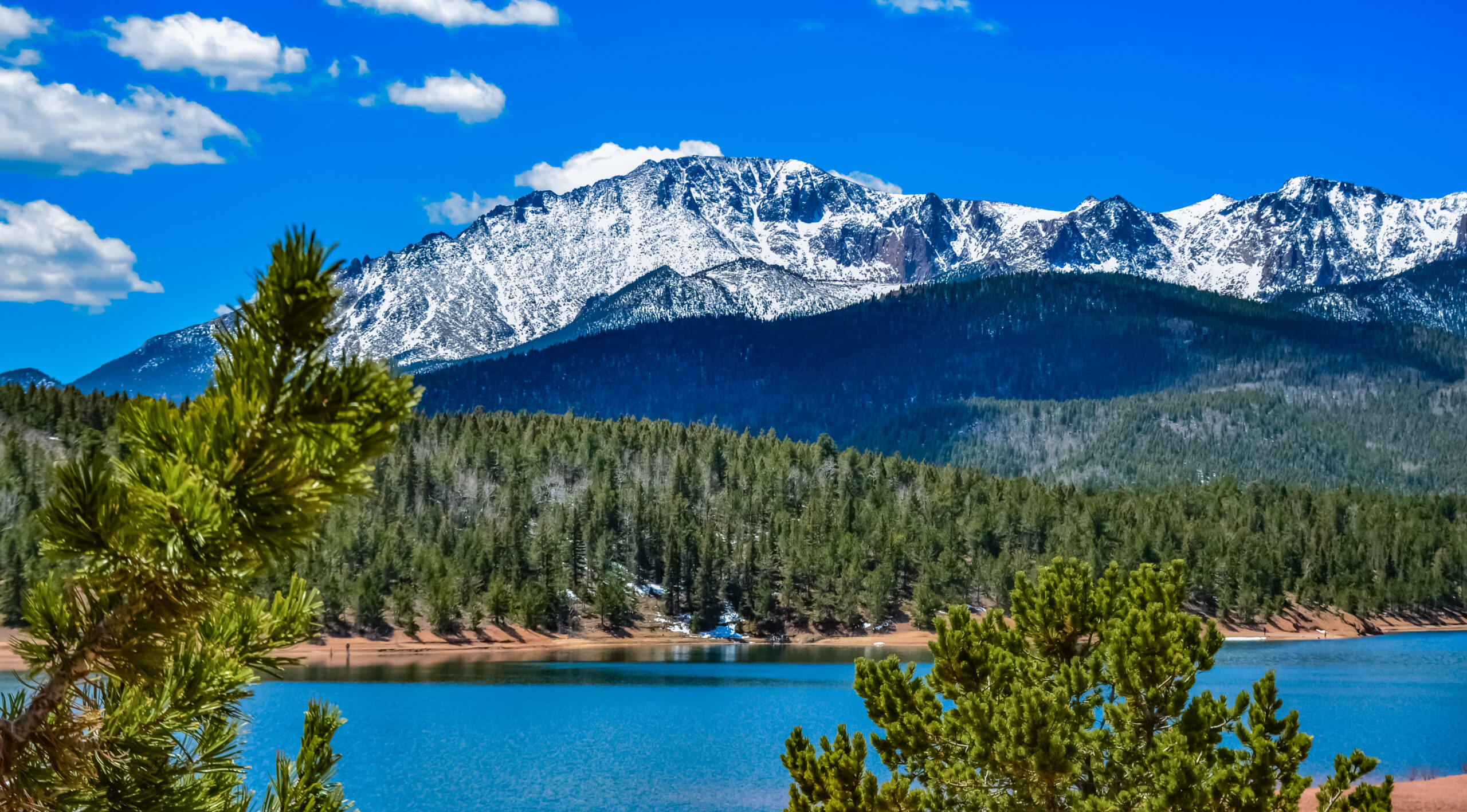
A Lower Oregon Peak Can Demand More Skill Than a Higher One.
South Sister is higher than several mountains on this list, yet North Sister, Broken Top and Thielsen can demand more technical judgment because exposure, loose rock, snow and route-finding matter more than elevation alone.
Which Oregon Mountains Need a Permit?
Do not turn “Oregon climbing permit” into one vague task. Hood and the Central Cascades use different systems.
| Objective / area | Current planning rule | When | Important distinction |
|---|---|---|---|
| Mount Hood above 9,500 ft | Mount Hood Climbing Permit required | Year-round when traveling above 9,500 ft | Current Recreation.gov price: $20 / 3 days or $50 annual per climber; permits are not quota limited |
| Three Sisters Wilderness | Central Cascades system | Jun 15–Oct 15 | All overnight use requires managed permit; selected day-use trailheads are quota controlled |
| Mount Jefferson Wilderness | Central Cascades system | Jun 15–Oct 15 | All overnight use requires managed permit; selected day-use trailheads are quota controlled |
| Mount Washington Wilderness | Central Cascades system | Jun 15–Oct 15 | All overnight use requires managed permit; selected day-use trailheads are quota controlled |
| Diamond Peak Wilderness | Not part of Central Cascades quota system | Check current local rules | Forest Service says free self-issue permits still apply in wilderness areas outside the Central Cascades quota program where required |
Official Mount Hood Climbing Permit → · Official Central Cascades permit FAQ →
Where Are Oregon’s Best Mountains?
Most rankings stop in the Cascades. A statewide page should explain the Cascades, the Wallowas and the high-desert exception.
Mount Hood + Mount Jefferson
Oregon’s two highest-profile technical volcano objectives. Hood is the state’s signature entry into technical mountaineering; Jefferson is more remote and committing.
Three Sisters + Broken Top + Bachelor
The strongest progression zone in Oregon, with a clear ladder from accessible high terrain to South Sister, then progressively more complex alpine objectives.
McLoughlin + Thielsen + Diamond Peak
Quieter objectives that add long trail days, exposed summit scrambling and wilderness navigation without the same Portland/Bend traffic pattern.
Wallowa Mountains
Sacajawea Peak and Eagle Cap turn Oregon into more than a volcano state. Build these as destination mountain trips rather than quick add-ons to a Portland itinerary.
When Should You Climb Oregon Mountains?
“Best time for Oregon mountains” is too broad until you name the objective.
| Season | Strongest objectives | Main issue | Planning posture |
|---|---|---|---|
| Mar–May | Mount Hood as snowpack consolidates | Storms, avalanche conditions, cold | Technical snow season; current conditions control the plan |
| June | Hood; selected snow/alpine routes | Rapid snow transition, rock/ice fall | Do not assume spring conditions persist into warming days |
| Jul–Aug | South Sister, McLoughlin, Wallowas, Bachelor, Diamond Peak | Heat, thunderstorms, smoke/fire, permit pressure | Best broad nontechnical window |
| September | Many trail/scramble peaks + Wallowas | Shorter days, early storms, smoke variability | Excellent when access remains open |
| Oct–winter | Lower or specialized winter objectives | Snow/ice, closures, short days | Winter skills and access planning become the limiting variables |
An Oregon Mountain Progression
The strongest use of Oregon’s mountains is as a ladder where each objective adds one or two new variables rather than all of them at once.
Mount Bachelor
Learn high-elevation pacing, weather awareness and volcanic terrain with relatively low commitment when access is operating.
McLoughlin → South Sister
Add long vertical days, navigation, 10,000-foot altitude, scree and a real all-day summit effort.
Mount Hood
Add technical snow skills, crampons, ice axe, alpine timing and objective-hazard decision making.
Jefferson / North Sister
Add complex route-finding, loose rock, exposure and a higher consequence level only after genuine alpine experience.
Build an Oregon Climb Around the Skill That Can Break It.
Choose the mountain first, then identify the limiting variable: endurance, snow skill, exposure, loose rock, permit access or wilderness logistics. The wrong way to progress is to select the next peak only because it is higher. The better way is to add the next skill deliberately.
Build all-day fitness before technical systems.
Add formal snow skills rather than assuming hiking strength transfers automatically.
Only after technical experience, route judgment and strong partners are in place.
Change the trip style as well as the peak difficulty.
How This Oregon Parent Is Maintained
Facts that change quickly are tied to official land-manager sources instead of copied indefinitely from old route reports.
What this page evaluates
- Mountain identity and trip value.
- Difficulty beyond elevation: exposure, snow, loose rock, navigation and commitment.
- Current permit ownership.
- Season and access dependencies.
- Progression value for developing climbers.
- Statewide representation beyond the Cascade volcanoes.
It does not try to become a complete turn-by-turn route guide for every mountain. That job belongs to dedicated mountain and route pages.
Primary 2026 sources
- Recreation.gov — Mount Hood Climbing Permit
- U.S. Forest Service — Central Cascades Wilderness Permit FAQ
- BLM — Steens Mountain Access
- USGS — Three Sisters
Maintenance rule: permit mechanics, wildfire closures, snow conditions, road access and seasonal restrictions should be rechecked before peak season and after major agency updates.
Oregon Mountains FAQ
Answers written for the statewide mountain-selection questions this parent should own.
What is the best mountain to climb in Oregon?
Mount Hood is Oregon’s signature technical mountaineering objective. For a strong hiker seeking a major nontechnical summer summit, South Sister is the better first choice. The right answer depends on whether you want hiking, scrambling or technical snow climbing.
What is the easiest major mountain to climb in Oregon?
Mount Bachelor is the most accessible high summit when summer access is operating. Mount McLoughlin is a stronger full-day beginner progression objective, while South Sister is the classic first 10,000-foot Oregon summit for fit hikers.
Do you need a permit to climb Mount Hood?
Yes. A Mount Hood Climbing Permit is required for travel above 9,500 feet in the Mount Hood Wilderness. Recreation.gov currently lists a $20 three-day permit and a $50 annual permit per climber. The climbing permits are not quota limited.
Do you need a permit for South Sister?
The Central Cascades Wilderness Permit system operates June 15 through October 15. Overnight use in the Three Sisters, Mount Jefferson and Mount Washington wilderness areas requires a managed permit during that season, and selected day-use trailheads are also limited-entry.
Is Mount Hood harder than South Sister?
Yes in technical terms. South Sister is primarily a strenuous summer hiking summit in normal dry conditions. Mount Hood is a technical alpine snow climb where crampons, ice axe skills, route conditions, timing and objective hazards matter.
What is the highest mountain in Oregon?
Mount Hood is Oregon’s highest mountain and the state’s defining technical Cascade volcano.
Which Oregon mountain should I climb before Mount Hood?
South Sister is an excellent fitness and altitude progression objective, but it does not teach the technical snow skills needed on Hood. Build crampon, ice-axe, snow-travel and hazard-assessment skills separately through qualified instruction or experienced partners.
Are the best Oregon mountains all in the Cascades?
No. The Cascades hold Oregon’s famous volcanoes, but the Wallowas add remote alpine objectives such as Sacajawea Peak and Eagle Cap. Steens Mountain adds a separate high-desert mountain experience, though it is better treated as a road-trip and wilderness destination than a ranked summit climb.
Choose the Mountain That Adds the Right Next Skill.
Start with the objective you actually want, then match it to your fitness, technical skills, permit reality and season. South Sister does not need to become Mount Hood, and Mount Hood does not need to become Jefferson. Oregon works best when you use the mountains as a deliberate progression.
Mountains in Oregon
Full climbing guides for every major peak in this region — routes, permits, difficulty and season.
Was this helpful?
🏔Related peaks nearby
🧭Explore & compare
Global Summit Guide is an independent mountaineering resource founded in 2026. The team combines first-hand trekking and climbing experience with in-depth research and professional health and nutrition review to help climbers choose objectives, prepare properly, and stay safe.
Health, altitude, and nutrition content is reviewed by Taylor Ludlow (Registered Nurse) and Brigg Hoopes (Nutritionist).
What We Don't Know Yet
Mountain information changes quickly. This box explains the limits of what this page can responsibly promise.
- Permit availability, reservation windows, quotas, and official fee rules may change after this page is updated.
- Weather, snowpack, avalanche risk, road access, and route conditions can change quickly and may be different on your climbing dates.
- Comparisons simplify complex decisions; the better mountain depends on current conditions, skills, timing, budget, and risk tolerance.
Verify current conditions with official land managers, guide services, local forecasts, and current route reports before booking or climbing.
Mountaineering, rock and ice climbing, glacier travel, and high-altitude activity are inherently dangerous and can result in serious injury or death. The information on Global Summit Guide is provided for general informational and educational purposes only and is not a substitute for professional instruction, qualified guiding, proper equipment, or your own judgment and experience.
Route conditions, weather, snowpack, permits, regulations, and hazards change constantly and may differ from what is described here. Details may be incomplete, out of date, or contain errors. Always verify current information with local authorities, certified guides, and official sources before making any decision in the mountains.
Nothing on this site is medical, legal, or financial advice. Our fitness, acclimatization, altitude, and nutrition content is general in nature; consult a qualified physician before beginning any strenuous exercise program or exposing yourself to high altitude.
You are solely responsible for your own safety and decisions. To the fullest extent permitted by law, Global Summit Guide and its team accept no liability for any loss, injury, damage, or expense arising from use of, or reliance on, this information. By using this site you acknowledge these risks and accept these terms.
Some links on this site may be affiliate links. If you buy through them we may earn a small commission at no extra cost to you; this never affects our recommendations.
Global Summit Guide recommendation path
Next Best Mountain to Research
Use these recommendations to continue the right planning path instead of stopping on one page.
Use current permit, weather, route, and operator information before booking or climbing.
Search Flights, Hotels & Rental Cars
Have the mountain or destination picked? Use Expedia to compare the flights, lodging and rental cars that fit your actual trip dates. For mountain travel, consider arriving early enough for delays and adding a buffer night after the climb before a fixed flight home.
Compare current flight, hotel and car options.
Affiliate disclosure: Global Summit Guide may earn a commission if you book through this link, at no additional cost to you.