
Last updated October 4, 2026
“`html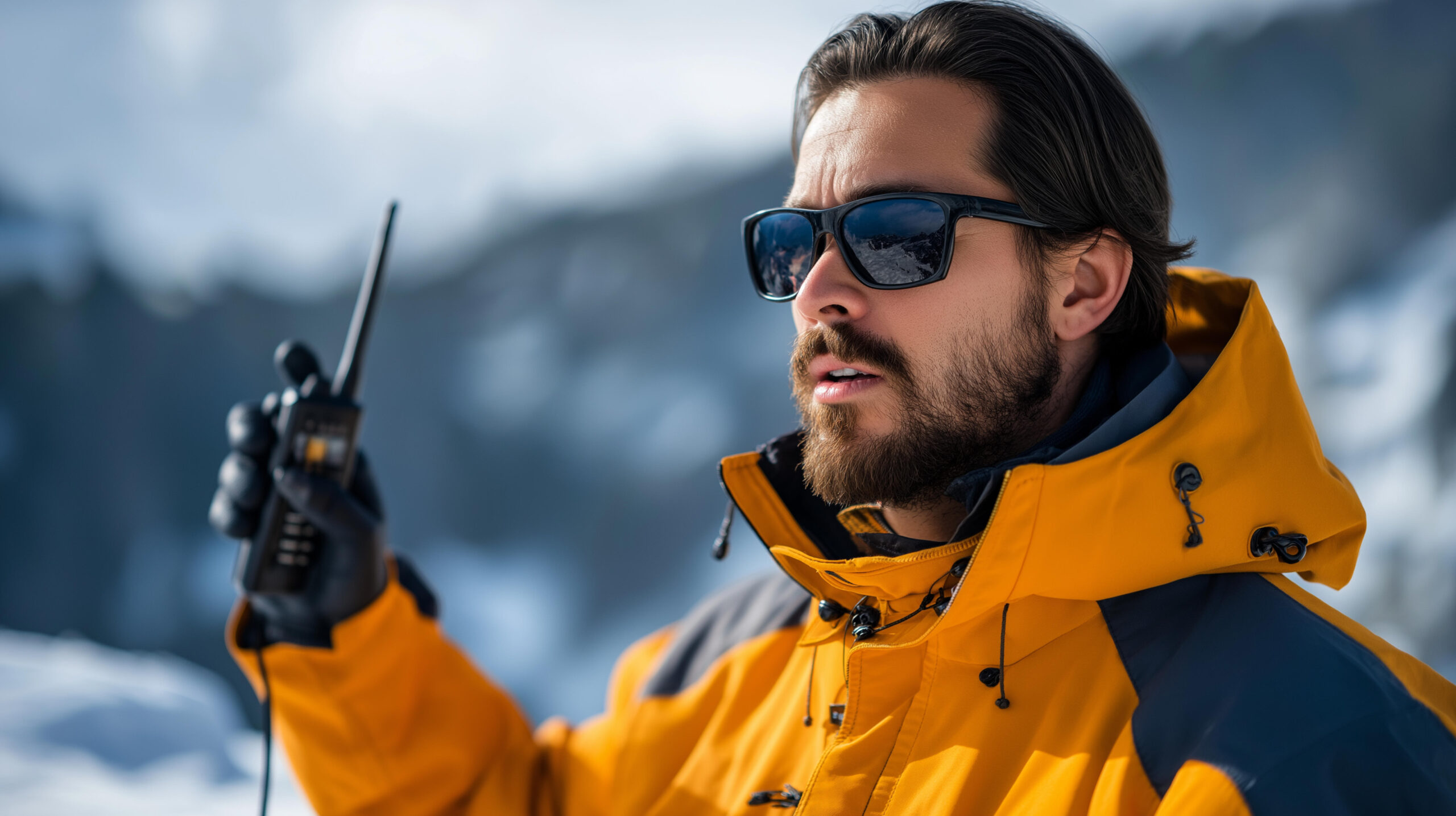
Private Guide vs Group Expedition: Which Is Actually Better?
A private guide buys attention, control and flexibility. A strong group expedition buys shared infrastructure, team energy and a much lower cost per climber. The right choice depends less on prestige than on your experience, pace, objective, learning needs and how much customization will genuinely change the trip.
Choose Private for Control. Choose Group for Value and Team Infrastructure.
A private guide makes the most sense when individual attention can materially change your expedition: you need a specific pace, targeted instruction, custom dates, added acclimatization, a chosen guide, family privacy or a highly personalized summit strategy.
A scheduled group expedition is the better choice for many climbers. You still receive professional guides, logistics and expedition systems, but the itinerary is shared with other climbers and the cost of those systems is spread across the team.
The most important point is that the label alone tells you very little. A well-run group expedition with excellent guide ratios can provide more meaningful support than a poorly structured “private” trip.
You Are Not Choosing Between “Good Support” and “Bad Support.”
You are choosing how much of the expedition should be built around you rather than around a predefined team itinerary.
The terms private guide and group expedition sound simple until you look closely at how modern expedition operators actually work.
A private trip might be one climber with one guide. It can also be a family, a pair of friends or a self-selected team hiring guides exclusively for themselves. A group expedition can range from a small highly supported team with strong guide ratios to a large commercially organized expedition in which individual climbers receive very different levels of personal attention.
That means the better question is not: “Is private better than group?”
It is: “Which parts of this expedition need to be individualized for me?”
Do you need flexibility?
Private programs can often adapt dates, pace, itinerary structure, training objectives and sometimes the specific guide.
Do you need individual instruction?
If the trip is partly about closing technical skill gaps, extra guide attention can be much more valuable than luxury or privacy.
Does the team add value?
On long expeditions, good teammates can provide motivation, shared experience and a surprisingly important psychological advantage.
Private Guide vs Group Expedition
Do not compare marketing labels. Compare what actually changes once you arrive on the mountain.
| Factor | Private guide / private team | Scheduled group expedition | Usually favors |
|---|---|---|---|
| Guide attention | Highly individualized | Shared across team | Private |
| Start dates | Often customizable | Pre-scheduled | Private |
| Daily pacing | More room to adapt to your party | Balanced around team movement | Private |
| Itinerary changes | Potentially more flexible | Usually constrained by team logistics | Private |
| Skill instruction | Can target your exact weaknesses | Curriculum shared with group | Private |
| Cost efficiency | Usually higher cost per climber | Shared logistics reduce individual cost | Group |
| Team camaraderie | Depends on who you bring | Built-in expedition community | Group |
| Privacy | High | Low to moderate | Private |
| Fixed infrastructure | Often still shared with operator’s larger system | Core strength of group format | Depends on operator |
| Best value for experienced climber | When autonomy or custom goals matter | When the scheduled trip already fits | Depends |
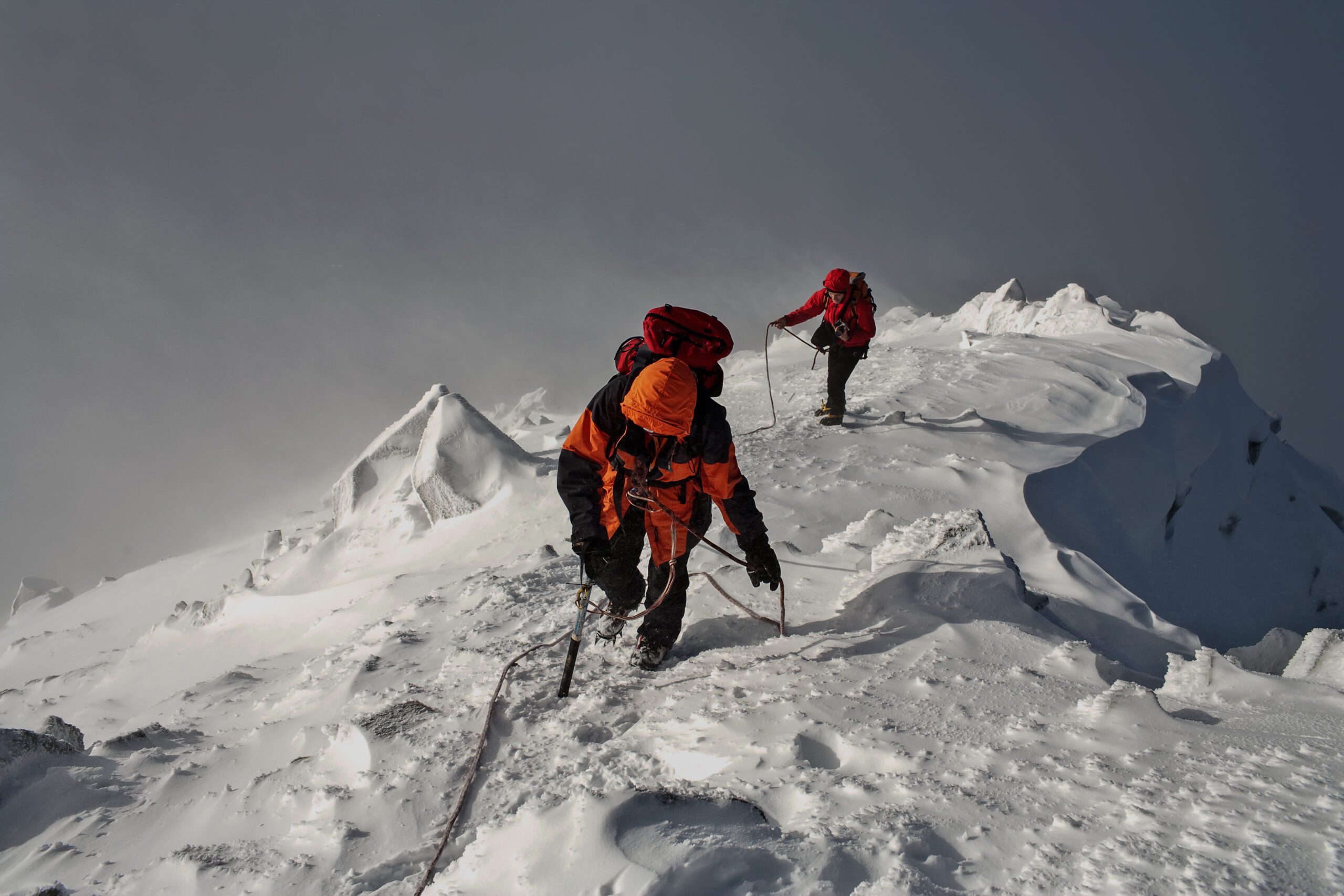
A Strong Team Is Not a Compromise. On the Right Expedition, It Is an Asset.
Shared effort, compatible teammates and good leadership can improve morale, decision-making and the experience of a long expedition. Paying more to remove the team is worthwhile only when greater personalization solves a real need.
The Extra Attention Changes the Expedition
Private support is most defensible when it solves a specific constraint instead of merely adding exclusivity.
Your natural pace differs from a normal team
A private structure can reduce the pressure to match strangers who acclimatize, descend or move at a very different speed.
You need targeted technical coaching
One-to-one or very small-ratio guiding gives the guide more time to observe and correct your movement, systems and decision-making.
Your available dates are restrictive
Custom programs can sometimes be built around work, family or travel limitations instead of a published departure.
You want a longer schedule
Some private programs can add acclimatization or contingency days where the normal itinerary would otherwise be fixed.
You want a specific guide
RMI explicitly markets custom programs around the ability to choose a guide, team and start date rather than simply joining a calendar departure.
You already have your own group
Families, friends, fundraising teams and corporate groups can preserve their own team dynamic without inviting unrelated climbers.
The Existing Expedition Already Fits You
If the standard dates, pace, itinerary and support model fit your objective, paying to customize them may not improve the climb.
The operator can spread guides, logistics, transport, camps and expedition infrastructure across a larger number of paying climbers.
Expedition friendships, shared meals and collective summit preparation can be a major part of the experience rather than an inconvenience.
If the published departure fits your schedule, flexibility has little practical value.
A climber who needs supervision rather than constant instruction may gain relatively little from paying for full-time 1:1 attention.
A strong climber-to-guide ratio can give a scheduled expedition many of the advantages people assume are available only through a private trip.
Ask About the Guide Ratio Before You Ask Whether the Trip Is “Private.”
Guide ratio often tells you more about expected individual attention than the marketing name of the program.
Maximum attention
The guide can focus almost entirely on one climber’s movement, pacing, systems and decisions. This is most valuable when those things genuinely need individual attention.
Often the sweet spot
Two or three climbers per guide can retain substantial individual interaction while spreading the guiding cost across a small team.
Judge the entire staffing system
Look beyond the advertised team size. Ask how many lead guides, assistant guides, high-altitude workers and summit companions actually support the climbers.
Private Does Not Automatically Mean Safer
Individual attention matters, but expedition safety depends on far more than the number of clients assigned to one guide.
What Actually Changes Expedition Support?
Evaluate these before treating a premium private option as inherently superior.
A private guide operating inside a mature expedition system may give you both individualized attention and large-team infrastructure. That hybrid model is increasingly important on major commercial expeditions.
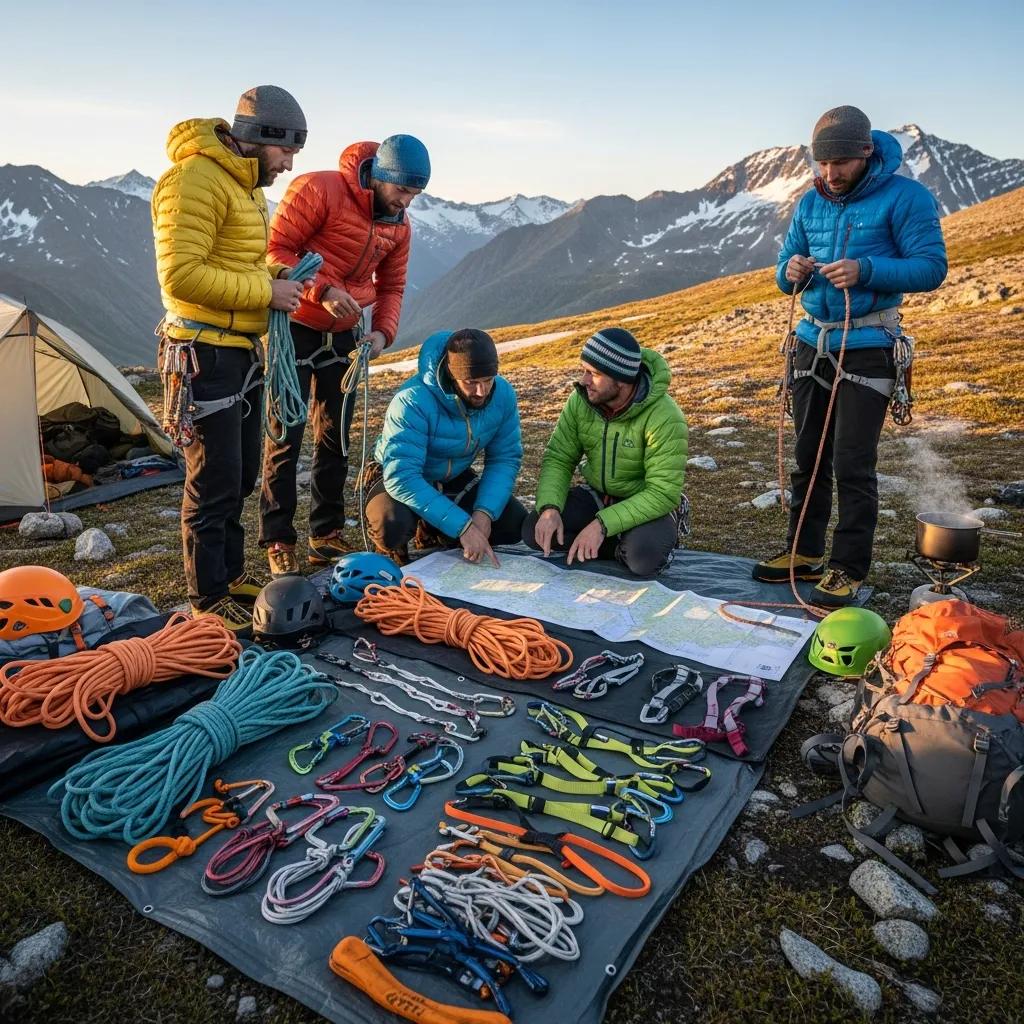
A 1:1 Guide Cannot Replace Weak Logistics, Poor Communication or Bad Expedition Leadership.
Buy the operating system first. Then decide how much personalized support you want layered on top of it.
If You Are Paying for Private Guiding, Use It to Become a Better Climber
Personalized instruction may be more valuable than personalized comfort.
Immediate feedback
Your guide can watch your crampon technique, rope systems, pacing, transitions, layering and decision habits rather than splitting instructional attention across an entire team.
Learning from other climbers
Watching teammates solve the same problem can expose you to different systems, mistakes and solutions that would never appear in a one-to-one environment.
If you are still closing fitness or skill gaps, use the Prepare to Climb framework before deciding whether a higher guide ratio is actually the problem you need to solve.
Do Not Use a Universal “Private Costs 2× More” Rule
Private pricing changes dramatically with mountain, group size, guide ratio, itinerary and the amount of expedition infrastructure already in place.
This is one place where the old version of this page was too simple. Private guiding can carry a very large premium on some mountains, but that premium is not universal.
Alpine Ascents, for example, notes that its private Kilimanjaro pricing depends on group size and guide selection and that some small private configurations can be surprisingly competitive with scheduled departures. RMI’s current custom-program pricing also demonstrates how strongly per-person cost changes as several climbers share the same private guide team.
What does the premium buy?
Guide exclusivity? Extra acclimatization? A chosen guide? A custom date? Better accommodation? More contingency?
Price the complete trip
Flights, hotels, equipment, insurance, gratuities, transfers and contingency can make the operator quote only one part of the decision.
Price a small private team
Two to four friends sharing a private guide structure can change the economics substantially compared with a solo 1:1 booking.
Run both options through the Expedition Budget Calculator rather than comparing operator headline prices alone.
CTSS Shows Why “Private vs Group” Is No Longer a Simple Either/Or Choice
Climbing the Seven Summits provides a useful Everest example because its higher-touch options do not necessarily remove the climber from the broader expedition system.
Instead, the climber can receive individualized 1:1 support while still benefiting from CTSS expedition leadership, logistics, Sherpa infrastructure and the wider Everest operation.
Private Western guide throughout the Everest expedition while remaining inside CTSS’s larger expedition leadership and support system.
Individual guide attention and autonomy with the infrastructure of the broader CTSS Everest operation behind the climb.
Designed for competent climbers seeking a companion climber and personal attention without purchasing the full private Western-guide structure.
Modern expedition operators can combine shared logistics and team infrastructure with individualized guide support rather than forcing a binary choice.
CTSS is useful here as a structural example, not because every climber should choose CTSS or a private Everest program. Their current product structure demonstrates that guide attention, expedition infrastructure and team membership can be purchased in different combinations.
Ask These Questions Before Paying for Either Format
The answers will reveal more than whether the webpage uses the words “private,” “premium” or “small group.”
Who is actually with me?
What is the climber-to-guide ratio? Does it change above base camp? Is the person selling the trip the person guiding it?
Will I keep the same guide?
Clarify whether “1:1 support” means one dedicated guide for the expedition or individual attention delivered by different team members.
What can actually be changed?
Ask whether pace, rest days, summit timing or acclimatization are genuinely flexible, or whether shared camps and fixed logistics still control the schedule.
Who else will be around?
A “private” guide may still place you inside a larger base-camp, trekking or summit operation. That can be an advantage, but understand it before booking.
Is coaching part of the program?
Do not assume a private guide automatically means technical instruction. Ask what training is included and what skills you are expected to bring.
What happens if I move differently from the team?
Ask what happens if you need an extra rest day, descend early or cannot match the published itinerary.
What is truly included?
Compare guide fees, hotels, meals, permits, technical equipment, high-altitude support, oxygen where relevant and rescue requirements.
What happens after payment?
Private programs can involve substantial non-refundable commitments. Read payment, transfer and cancellation terms before assuming flexibility continues after booking.
Use the full operator-vetting framework when the decision involves Everest or another large commercial expedition where staffing and support tiers become especially important.
Which Format Fits You?
Use the additional money only where it solves an identifiable problem.
You need custom dates, highly individual instruction, a specific guide, a deliberately slower pace, extra acclimatization or privacy for an existing group.
The published itinerary already fits, you value expedition camaraderie, your skills meet the prerequisites and you want the strongest cost-to-support ratio.
You want the logistics and community of a major expedition but individual guide or Sherpa support on the mountain. CTSS’s current Everest models are a clear example.
If you cannot explain what you are buying beyond “more safety” or “more attention,” get the exact guide ratio, inclusions and contingency policy before paying the premium.
Private Guide vs Group Expedition FAQ
The questions climbers should resolve before comparing deposits.
Is a private mountain guide safer than a group expedition?
Not automatically. A private guide can provide more direct attention, but expedition safety also depends on guide qualifications, route conditions, logistics, medical systems, weather decisions, emergency communication and the broader operator infrastructure supporting the climb.
Is a private guide worth the extra cost?
It can be when the premium solves a real need such as custom dates, individual technical coaching, a specific guide, additional acclimatization or a highly individualized pace. If the standard group itinerary already fits you well, the extra cost may add relatively little.
Are group expeditions less personal?
They can be, but team size alone does not determine the experience. A small expedition with excellent guide ratios can provide substantial personal attention. Ask about staffing rather than assuming every scheduled departure is a large anonymous group.
Does a private guide let me change the itinerary?
Often more than a scheduled group program, but the mountain, weather, permits, camps, transport and operator logistics still impose limits. “Private” should never be interpreted as complete freedom to ignore route conditions or safety decisions.
Is private guiding better for beginners?
It can be valuable when a beginner needs focused instruction, but private guiding does not replace prerequisites. Some objectives still require experience before an operator will accept a climber, even with one-to-one support.
Can a private expedition still be part of a larger group operation?
Yes. Major operators can place a climber with a private guide while sharing base camp, logistics, expedition leadership, route infrastructure or support staff with the broader team. CTSS’s Everest structure is one current example.
How much more does a private climbing guide cost?
There is no reliable universal multiplier. The premium varies by mountain, guide ratio, group size, itinerary, guide selection and included services. Compare actual quotes for the same objective and service level rather than using a fixed percentage.
What is the best guide ratio?
There is no single ideal ratio for every mountain. Technical terrain, climber experience, route commitment and the operator’s broader staffing system all matter. Ask specifically what the ratio will be during the most consequential portion of the climb.
Move From Support Model to Operator Choice
Once you know whether you need private, group or hybrid support, compare the companies capable of delivering that model well.
Sources Used for the 2026 Comparison
Private-program structures and prices can change. Recheck the operator’s current program before making a booking decision.
- Climbing the Seven Summits — Everest Private 1:1 International Guided Climb
- Climbing the Seven Summits — Everest Private 1:1 Nepali / Sherpa Guided Climb
- Climbing the Seven Summits — Everest Personal Sherpa option
- RMI Expeditions — Custom Programs
- Alpine Ascents International — Private Kilimanjaro Climbs
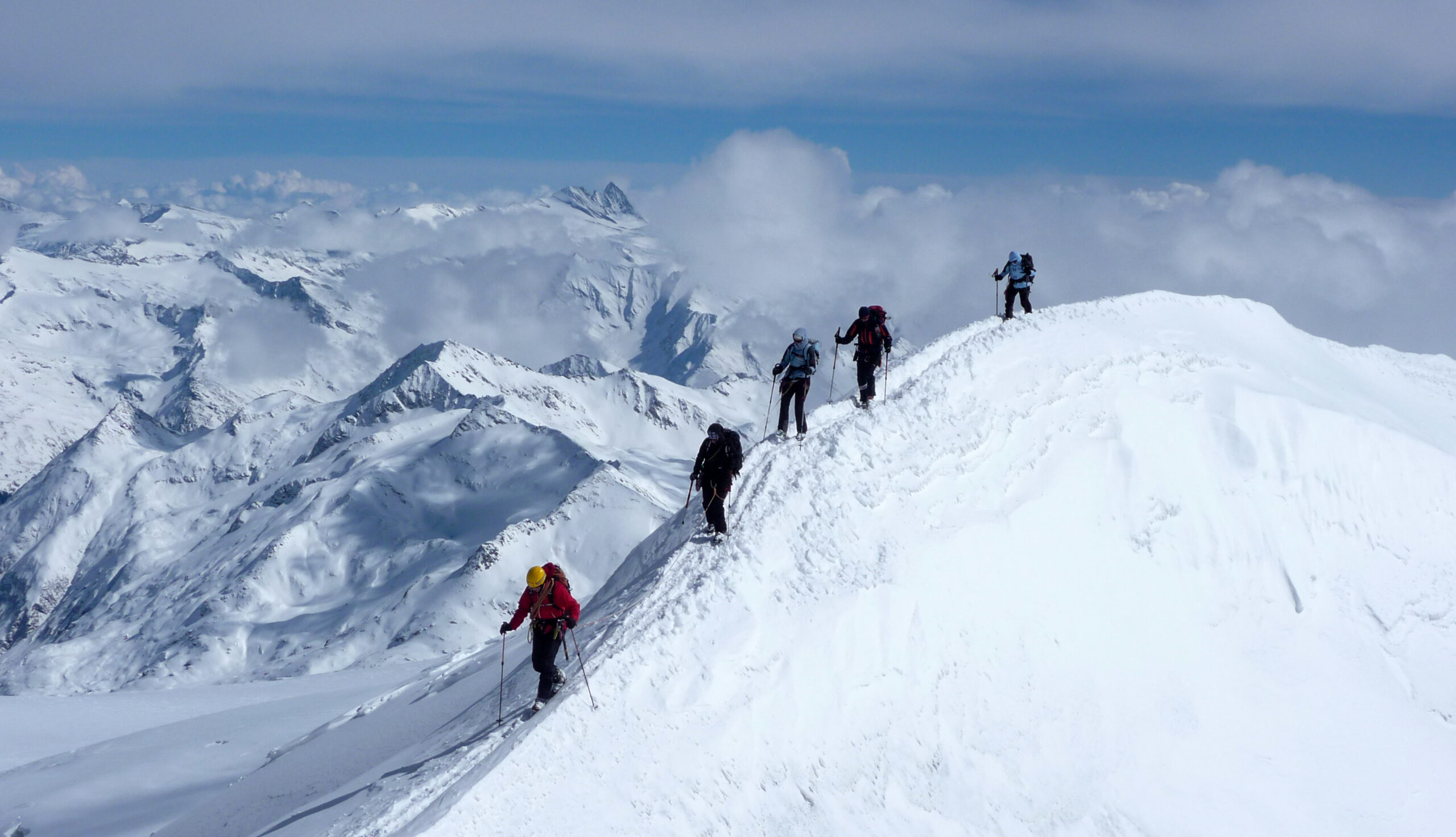
Pay for the Support You Need—not the Label That Sounds Most Premium.
Start with the mountain, your real skill gaps and the guide attention you actually need. Then compare operators that can deliver that support. If 1:1 attention matters, look at private or hybrid structures such as CTSS. If the scheduled itinerary already fits, a strong group expedition may be the smarter use of your budget.
Was this helpful?
🏔More comparisons
🧭Explore & compare
Global Summit Guide is an independent mountaineering resource founded in 2026. The team combines first-hand trekking and climbing experience with in-depth research and professional health and nutrition review to help climbers choose objectives, prepare properly, and stay safe.
Health, altitude, and nutrition content is reviewed by Taylor Ludlow (Registered Nurse) and Brigg Hoopes (Nutritionist).
What We Don't Know Yet
Mountain information changes quickly. This box explains the limits of what this page can responsibly promise.
- Visa, passport, vaccination, border, insurance, and local transportation rules may change before your trip.
- Route conditions, snowpack, closures, and weather can change quickly after this page is updated.
- Permit rules, fees, quotas, and reservation windows may change between review cycles.
- Operator availability, pricing, guide ratios, and cancellation terms can change by season.
- Your fitness, altitude response, risk tolerance, and experience level may change what is safe or realistic.
Verify current conditions with official land managers, guide services, local forecasts, and current route reports before booking or climbing.
Mountaineering, rock and ice climbing, glacier travel, and high-altitude activity are inherently dangerous and can result in serious injury or death. The information on Global Summit Guide is provided for general informational and educational purposes only and is not a substitute for professional instruction, qualified guiding, proper equipment, or your own judgment and experience.
Route conditions, weather, snowpack, permits, regulations, and hazards change constantly and may differ from what is described here. Details may be incomplete, out of date, or contain errors. Always verify current information with local authorities, certified guides, and official sources before making any decision in the mountains.
Nothing on this site is medical, legal, or financial advice. Our fitness, acclimatization, altitude, and nutrition content is general in nature; consult a qualified physician before beginning any strenuous exercise program or exposing yourself to high altitude.
You are solely responsible for your own safety and decisions. To the fullest extent permitted by law, Global Summit Guide and its team accept no liability for any loss, injury, damage, or expense arising from use of, or reliance on, this information. By using this site you acknowledge these risks and accept these terms.
Some links on this site may be affiliate links. If you buy through them we may earn a small commission at no extra cost to you; this never affects our recommendations.
Global Summit Guide recommendation path
Next Best Mountain to Research
Use these recommendations to continue the right planning path instead of stopping on one page.
Use current permit, weather, route, and operator information before booking or climbing.
Explore Travel Options for Your Destination
Once your mountain, dates and route are taking shape, compare flights, hotels and other travel options that fit the trip.
Affiliate link. We may earn a commission at no additional cost to you.