
Last updated September 23, 2026
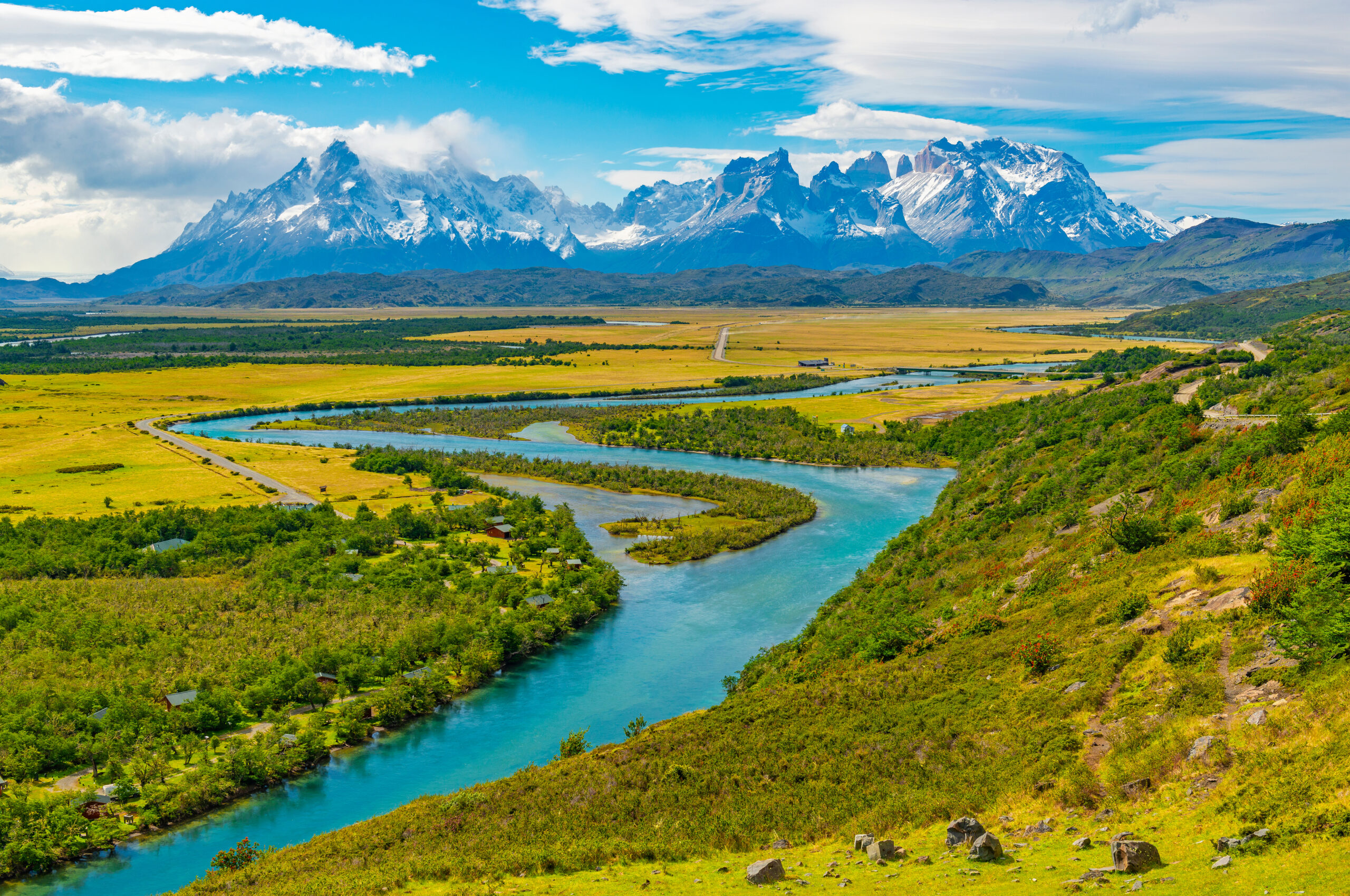
The Great Long-Distance Trails of the World
From the Pacific Crest Trail and Appalachian Trail to the Tour du Mont Blanc, Te Araroa and the Great Himalaya Trail, the world’s great long-distance trails range from four-day mountain journeys to five-month thru-hikes. This guide compares 21 defining routes by time, distance, infrastructure and trip style so you can choose the right one.
Which Long-Distance Trail Should You Choose?
If you want the classic multi-month thru-hiking experience, start with the Pacific Crest Trail, Appalachian Trail or Continental Divide Trail. If you want mountains plus beds, meals and villages most nights, look first at the Tour du Mont Blanc, Alta Via 1 or West Highland Way. For a destination trek measured in one or two weeks, the Everest Base Camp Trek, Annapurna Circuit, Inca Trail or Torres del Paine O Circuit fit a normal vacation much better. For a country-length journey, Te Araroa belongs on the shortlist. The best long-distance trail is usually determined first by how much time you have and how independently you want to travel—not by scenery alone.
Start With the Trail Family, Then Choose the Route.
A 2,600-mile American thru-hike, a ten-day Alpine hut trek and a Himalayan teahouse journey all qualify as long-distance walking, but they demand very different logistics. These three collections separate those decisions before you compare individual trails.
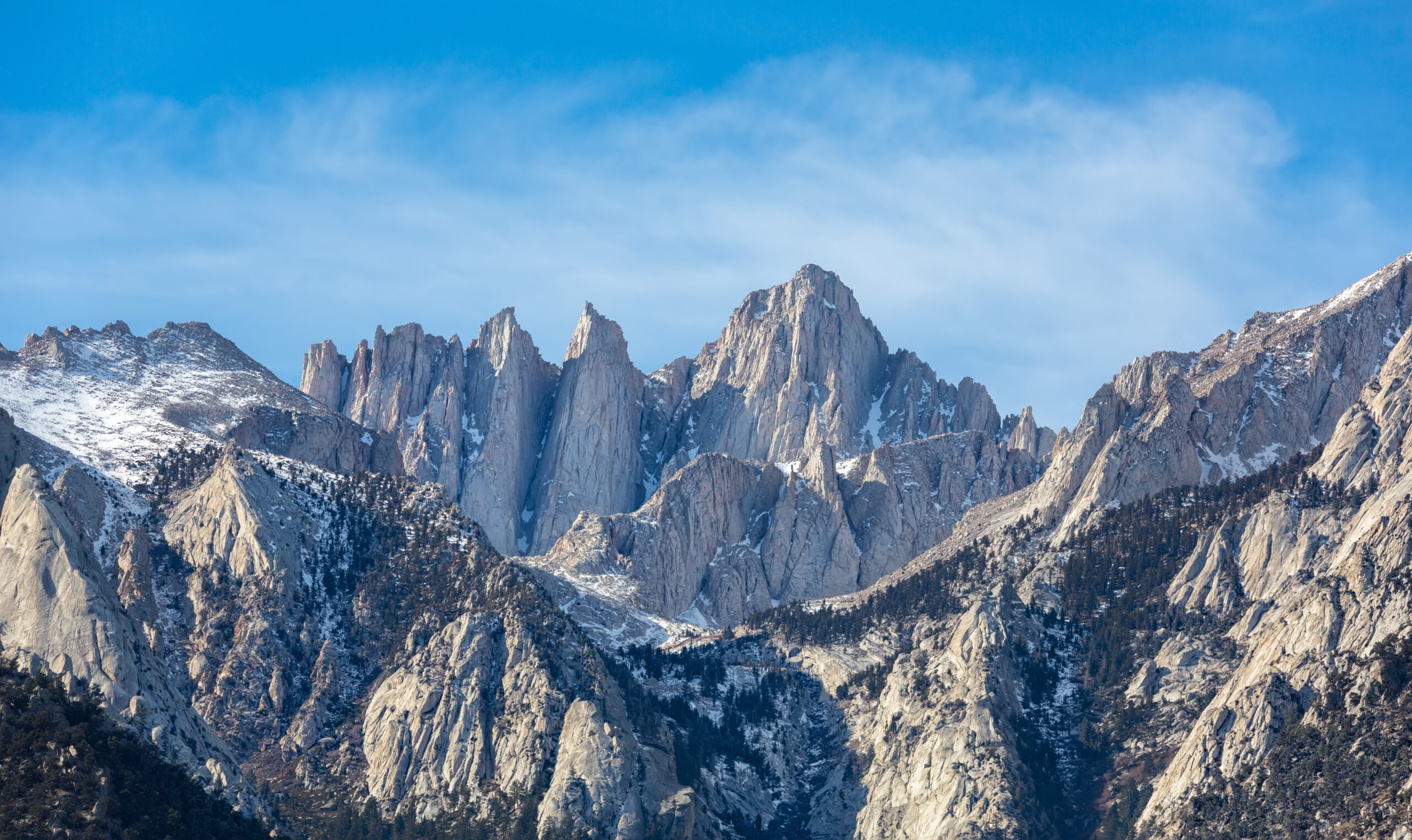
Triple Crown & Great American Thru-Hikes
PCT, Appalachian Trail, Continental Divide Trail, John Muir Trail, Colorado Trail, Long Trail and Wonderland Trail. This is the collection for resupply strategy, wilderness permits, long carries and continuous end-to-end hiking.
Explore North American thru-hikes →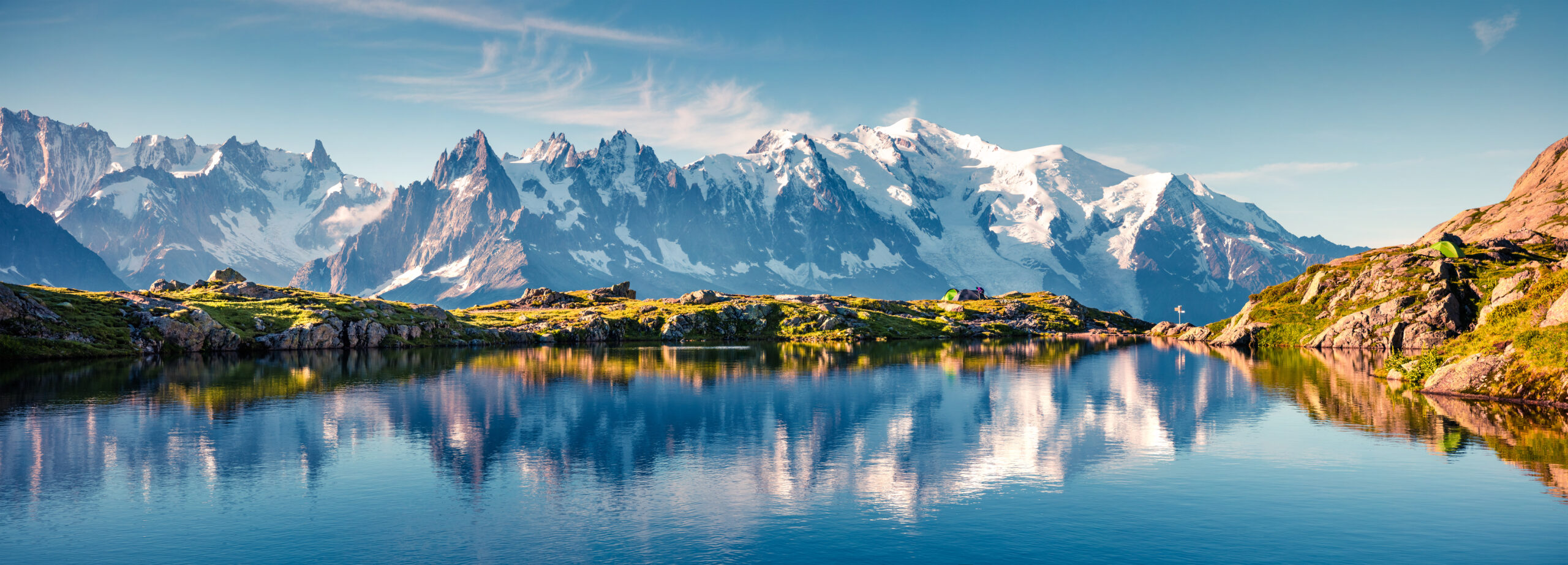
Europe’s Great Long-Distance Trails
Tour du Mont Blanc, GR20, Walker’s Haute Route, West Highland Way, Laugavegur, Alta Via 1 and the GR10. Europe pairs real mountain days with refuges, villages, public transport and frequent food access.
Explore Europe’s long trails →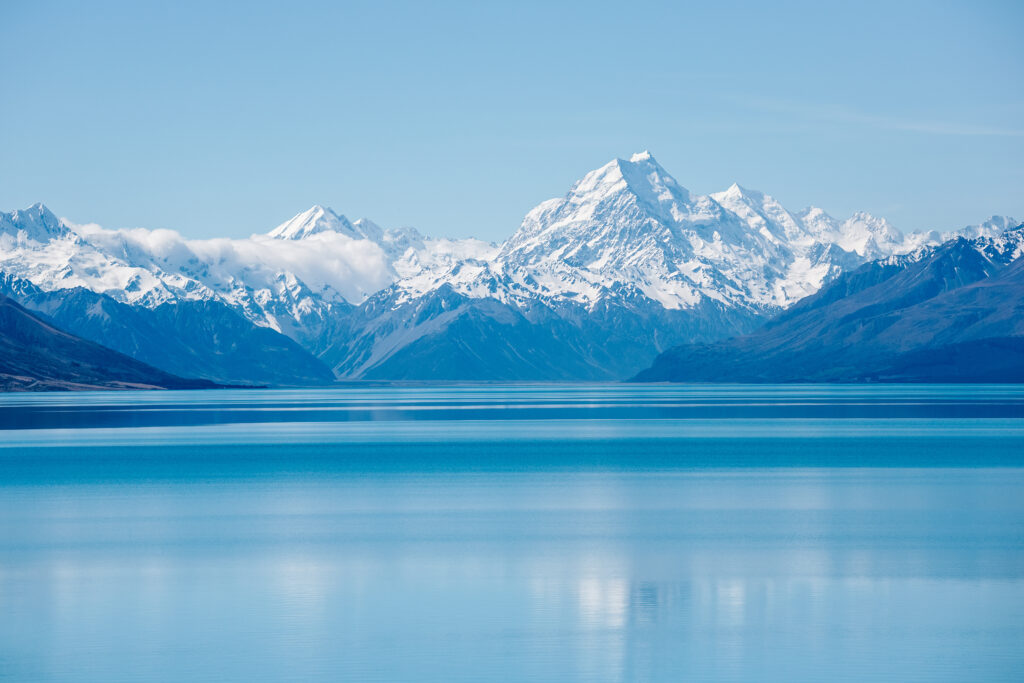
The World’s Great Treks
Everest Base Camp, Annapurna, Te Araroa, the Great Himalaya Trail, Torres del Paine, the Overland Track and the Inca Trail. These range from lodge-supported Himalayan trekking to country-length walking.
Explore the world’s great treks →Where the World’s Great Long-Distance Trails Are.
The map plots the 21 routes in this collection by their approximate central trail area. Zoom into the Alps, western United States or Nepal to see how tightly some of the world’s major long-distance routes cluster.
A Long-Distance Trail Is Not Automatically a Thru-Hike.
Search results often mix thru-hikes, national trails, hut routes, pilgrimages and summit treks into one list. They overlap, but the planning model changes enough that separating the terms is useful.
Long-Distance Trail
An established route intended to be followed over multiple days. It can be completed end-to-end, section by section, or as selected stages.
Thru-Hike
Completing an established long trail end-to-end in one continuous journey or season. Exact recognition rules vary among trail organizations.
Multi-Day Trek
A multi-day walking journey that may follow one named trail, a network of paths, or a route connecting valleys and settlements. Everest Base Camp is the clearest example here.
Pilgrimage / High Route
Pilgrimages prioritize a cultural or spiritual destination; high routes may prioritize mountain terrain over a single continuously waymarked trail.
Great Long-Distance Trails Compared.
Distance alone is a poor measure of commitment. A short high-altitude trek with controlled permits can require more advance organization than a much longer route through towns. Use the style and infrastructure columns alongside mileage.
| Trail | Region | Approx. distance | Typical trip | Style | Infrastructure |
|---|---|---|---|---|---|
| Pacific Crest Trail | Western USA | ≈2,656 mi | 4–6 months | Season-long thru-hike | Towns + resupply + camping |
| Appalachian Trail | Eastern USA | 2,190+ mi | 5–7 months | Season-long thru-hike | Shelters + towns + camping |
| Continental Divide Trail | US Rockies | ≈3,100 mi | 4–6 months | Remote thru-hike | Resupply + long wilderness sections |
| John Muir Trail | California Sierra | 211 mi | 2–4 weeks | High Sierra wilderness traverse | Camping + permit-driven |
| Colorado Trail | Colorado | ≈486 mi end-to-end | 4–6 weeks | Mountain thru-hike | Camping + trail towns |
| Long Trail | Vermont | 272 mi | 21–25 days | New England thru-hike | Shelters + towns + camping |
| Wonderland Trail | Mount Rainier | 93 mi | ≈10–14 days | Mountain circuit | Backcountry camps + permits |
| Tour du Mont Blanc | France · Italy · Switzerland | ≈170 km / 105 mi | 7–11 days | Alpine circuit | Refuges + villages + luggage options |
| GR20 Corsica | Corsica, France | ≈180 km / 112 mi | 12–16 days | Rugged mountain traverse | Refuges + camping |
| Walker’s Haute Route | France → Switzerland | ≈180–200 km | 10–14 days | Alpine village trek | Hotels + huts + villages |
| West Highland Way | Scotland | 96 mi / 154 km | 6–8 days | Supported long walk | Towns + inns + baggage transfer |
| Laugavegur | Iceland | ≈55 km / 34 mi | ≈4 days | Highland trek | Huts + camping |
| Alta Via 1 | Dolomites, Italy | ≈120 km / 75 mi | 8–12 days | Hut-to-hut trek | Mountain rifugi |
| GR10 Pyrenees | French Pyrenees | ≈850–900 km | 6–8 weeks | Long mountain traverse | Villages + refuges + camping |
| Everest Base Camp Trek | Nepal | ≈80 mi round trip | 12–14 days | High-altitude destination trek | Teahouses + villages |
| Torres del Paine O Circuit | Chile | 100 km+ | 7–9 days | Patagonian circuit | Camps + refugios |
| Te Araroa | New Zealand | ≈3,000 km / 1,864 mi | 4–6 months | Country-length thru-hike | Huts + camping + towns |
| Great Himalaya Trail | Nepal Himalaya | 1,700 km+ high route | 100–145 days | Expedition-scale traverse | Mixed + remote logistics |
| Overland Track | Tasmania | 65 km / 40 mi | ≈6 days | Wilderness traverse | Huts + campsites |
| Annapurna Circuit | Nepal | ≈160–230 km by itinerary | 12–18 days | High-altitude circuit | Teahouses + villages |
| Inca Trail | Peru | ≈43 km / 27 mi | 4 days | Controlled-access trek | Permit + organized camp support |
Distances are planning baselines, not fixed guarantees. Reroutes, official measuring methods, alternate routes, road access and itinerary choices can change the actual distance walked. The individual trail guides carry the route-specific permit, access and current-condition details.

The Same Distance Can Feel Like a Completely Different Trip.
A supported European long walk may pass a staffed refuge or village almost every day. A North American wilderness trail may require days of food between resupply points. A Himalayan trek may have lodging every night but add altitude, acclimatization and international logistics. The trail style should be decided before the destination.
The Great American Thru-Hikes.
The North American collection is built around continuity. Most hikers carry camping gear, organize repeated resupplies and move through climate zones rather than from hotel to hotel.
Pacific Crest Trail
The PCT links the Mexican and Canadian borders through California, Oregon and Washington. Desert timing, Sierra snow, wildfire closures, permits and a roughly five-month weather window make logistics as important as fitness.
Appalachian Trail
The AT is shorter than the PCT and CDT but never easy. Repeated climbs, rocks, roots, humidity and a long calendar create an endurance test supported by the strongest shelter-and-trail-town network of the Triple Crown.
Continental Divide Trail
The CDT is the most route-choice-driven of the three Triple Crown trails. Long remote sections, high elevation, snow, exposed weather and alternate lines reward hikers who are comfortable making navigation and risk decisions independently.
John Muir Trail
The JMT compresses classic Sierra backpacking into 211 miles between Yosemite Valley and Mount Whitney. Permit demand is a central planning issue, while sustained high elevation makes acclimatization and daily pacing more important than the modest mileage suggests.
Colorado Trail
The Denver-to-Durango thru-route gives hikers a month-scale Rocky Mountain journey without committing to a Triple Crown season. The route spends long stretches high, so summer thunderstorms, altitude and water strategy shape the trip.
Long Trail, Vermont
America’s historic Long Trail follows the spine of Vermont’s Green Mountains. At 272 miles it fits inside a month, but mud, steep grades, roots and rugged northern terrain keep it from behaving like an easy shortened Appalachian Trail.
Wonderland Trail
The Wonderland Trail circles Mount Rainier through forests, glacial river valleys and subalpine terrain. It is only 93 miles, but repeated climbing and descending creates roughly 27,000 feet of cumulative gain and an unusually concentrated physical challenge.
Europe’s Great Long-Distance Trails.
Europe changes the logistics equation. Mountain huts, villages, rail systems, buses and baggage-transfer services can reduce pack weight and resupply complexity without making the walking itself easy.
Tour du Mont Blanc
The TMB is one of the cleanest introductions to hut-to-hut trekking: about 170 km around the Mont Blanc massif with high passes, villages, staffed refuges and three countries packed into roughly a week and a half.
GR20
GR20 trades the TMB’s polished village network for rougher mountain terrain. Long rocky days, heat, exposure and limited easy exits make this one of the routes to choose after you already know you enjoy difficult multi-day mountain walking.
Walker’s Haute Route
The non-technical Walker’s Haute Route links two of the Alps’ great mountain towns without requiring glacier travel on the standard hiking version. It offers more linear journey character than the circular TMB.
West Highland Way
The 96-mile route from Milngavie to Fort William is one of the easiest major long walks in this collection to organize. Inns, towns and luggage-transfer options make it especially useful as a first supported long-distance walking trip.
Laugavegur Trail
Laugavegur compresses Icelandic highland walking into about four days: geothermal terrain, volcanic colors, rivers and exposed weather. The route is short enough for a normal trip but its useful hiking season is much narrower than most European trails.
Alta Via 1
Alta Via 1 pairs dramatic Dolomite walls with one of Europe’s strongest rifugio systems. It is a natural progression after shorter hut trips and a strong choice for hikers who want mountain immersion without carrying a full camping setup.
GR10
GR10 is where a European trail begins to resemble a true season project. It crosses the French Pyrenees from Atlantic to Mediterranean over hundreds of kilometers with repeated mountain stages, villages and refuge options.
Great Treks Beyond North America and Europe.
This collection ranges from four-day permit-controlled routes to an entire country and a Himalayan traverse measured in months. The common thread is that the journey—not a single summit—is the objective.
Everest Base Camp Trek
The EBC route is a high-altitude destination trek rather than a thru-hike. Teahouses simplify sleeping and food logistics, while altitude makes pacing and acclimatization the defining planning issue.
Torres del Paine O Circuit
The O Circuit travels around the Paine massif and folds the famous W corridor into a longer backcountry loop. Campsite and refugio reservations, strong wind and park rules make advance planning unusually important for a one-week trek.
Te Araroa
Te Araroa runs the length of New Zealand for roughly 3,000 km, mixing beaches, forests, roads, river travel, huts, mountain ranges and towns. It is one of the clearest alternatives to the big American season-long trails.
Great Himalaya Trail
The GHT is not a conventional uniformly waymarked thru-trail. The high-route concept crosses remote Himalayan regions over a journey of expedition scale, combining trekking, complex access, altitude and major logistical variation.
Overland Track
The Overland Track is a compact wilderness journey through Tasmania’s Cradle Mountain–Lake St Clair landscape. Six days is enough for the standard trip, but weather and controlled-season logistics keep it more serious than its mileage suggests.
Annapurna Circuit
Road access and itinerary choices mean there is no single modern mileage figure that describes every Annapurna Circuit. The defining experience remains the progression from lower valleys to the high crossing of Thorong La and back into inhabited valleys.
Inca Trail
The classic Inca Trail is short by long-distance standards, but permits, fixed access rules, elevation and the finish at Machu Picchu create a complete four-day journey. It belongs here as a tightly controlled destination trek, not as a conventional thru-hike.
Do You Want to Carry Your Bedroom or Walk to It?
This one decision eliminates half the list immediately.
- Tent + resupply: PCT, CDT, JMT and much of the Colorado Trail.
- Shelters + camping: Appalachian Trail and Long Trail.
- Refuges + villages: TMB, Haute Route, Alta Via 1 and much of GR10.
- Teahouses: Everest Base Camp and Annapurna Circuit.
- Mixed huts + camping: Laugavegur, Overland Track and Te Araroa.
- Controlled camps/refugios: Inca Trail and Torres del Paine.

Best Long-Distance Trails by Time Available.
Available vacation time is the cleanest first filter. A four-day route and a five-month route should not compete for the same traveler simply because both appear on a list of famous hikes.
Short Classics
Laugavegur
Inca Trail
Overland Track
Full Trek Vacation
West Highland Way
O Circuit
shorter TMB itineraries
Major Mountain Trek
TMB
GR20
Haute Route
EBC
Annapurna
Long Project
JMT
Long Trail
Colorado Trail
GR10
Life-Scale Journey
PCT
AT
CDT
Te Araroa
Great Himalaya Trail
When to Hike Depends on Latitude, Snow and Altitude.
There is no universal “thru-hiking season.” The useful calendar for a desert-to-Cascades PCT hike is fundamentally different from Iceland, Nepal, Patagonia or Tasmania.
Snow + Heat + Fire
PCT, JMT and Colorado Trail timing is controlled by mountain snow as much as average temperature. Desert heat, river crossings, summer thunderstorms and wildfire can then become the dominant issues later in the trip.
High Summer Core
The Alps, Pyrenees and Iceland generally become more straightforward after high passes lose winter snow and huts or refuges enter their main operating season. Early and late season conditions can change the required skills quickly.
Altitude + Monsoon
Nepal planning revolves around altitude, acclimatization, monsoon patterns and cold-season conditions rather than the same summer calendar used in the Alps or Rockies.
Austral Summer
Torres del Paine operates on a Southern Hemisphere calendar, with wind, rapidly changing mountain weather, reservations and park access all influencing the trip.
Long North-to-South Progression
Te Araroa walkers have to think beyond one mountain range because the trail crosses an entire country and multiple climate zones over several months.
Cool Maritime Wilderness
The Overland Track is short enough to schedule precisely, but cold rain, wind and mountain weather remain real considerations even during the main walking season.
Choose the Experience Before You Choose the Famous Name.
The strongest match usually appears once you combine time, sleeping style, altitude tolerance and appetite for self-supported logistics.
| If you want… | Start with… | Why | Main tradeoff |
|---|---|---|---|
| Your first supported long walk | West Highland Way | Excellent towns, lodging and baggage-transfer infrastructure | Less high-alpine terrain than TMB |
| Your first major hut trek | Tour du Mont Blanc | Strong refuge network with a complete mountain journey | Very high accommodation demand |
| Two to three weeks of wilderness | John Muir Trail | Exceptional Sierra continuity in a manageable timeframe | Permit demand and high elevation |
| A classic season-long thru-hike | PCT / AT | Deep trail communities and mature planning ecosystems | Months of logistics and physical durability |
| The most route-choice-driven Triple Crown trip | Continental Divide Trail | Remote terrain and greater navigation independence | Highest self-reliance requirement of the three |
| High mountains without camping every night | Alta Via 1 / Haute Route | Mountain days linked by huts, villages and food | Reservations can control itinerary flexibility |
| High-altitude cultural trekking | Everest Base Camp / Annapurna | Teahouse network removes most camping logistics | Altitude becomes the dominant constraint |
| A country-length adventure outside the USA | Te Araroa | 3,000 km through New Zealand from end to end | Mixed surfaces, road walking and long commitment |
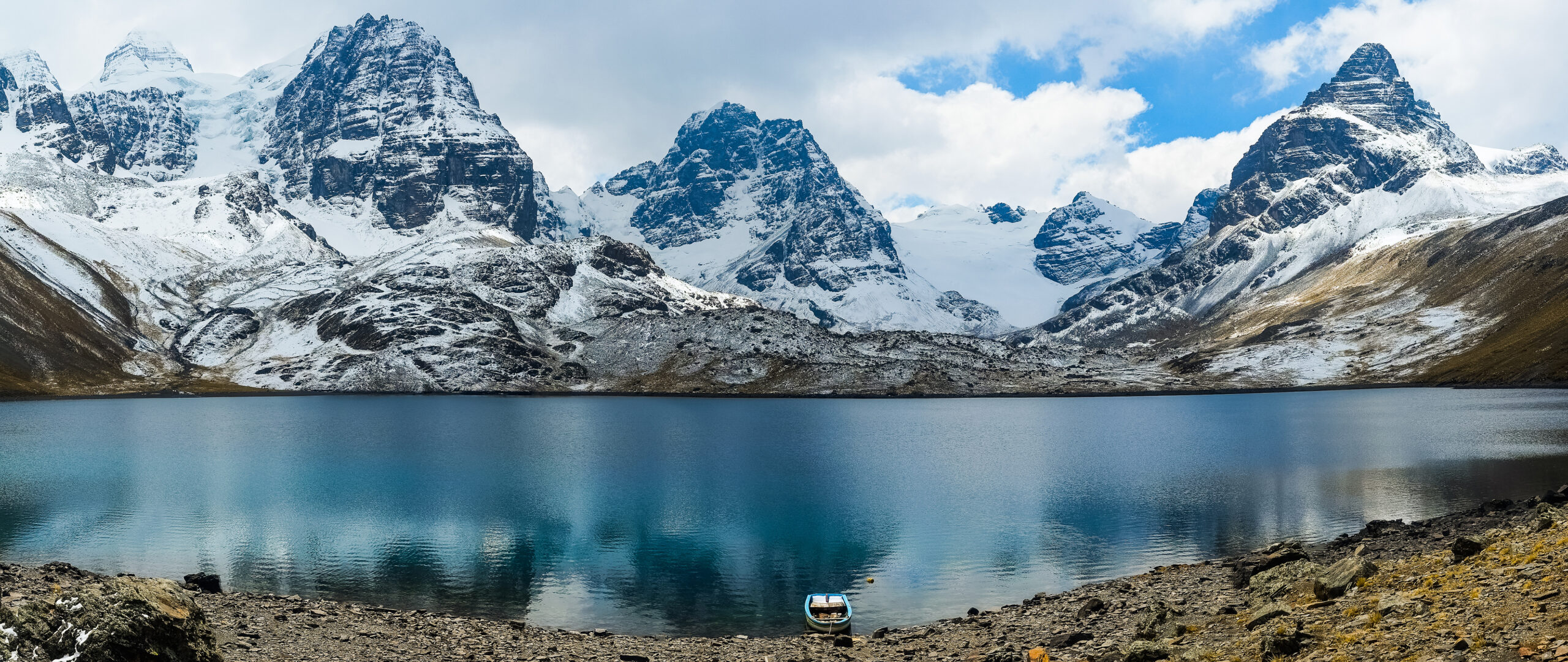
Distance, Altitude, Terrain and Logistics Are Four Separate Problems.
The Inca Trail is vastly shorter than the Appalachian Trail, yet its permits, elevation and fixed itinerary create a different kind of planning challenge. The Great Himalaya Trail adds remote access and expedition-scale logistics. GR20 adds rough terrain. The correct comparison is not simply mileage.
Seven Decisions to Make Before a Thru-Hike or Long Trek.
A good long-distance plan begins with the constraints that cannot easily be changed later: calendar, permit system, seasonal window and daily support model.
Fix the Real Calendar
Count total days away from home, including travel, acclimatization, weather buffers and recovery—not just advertised walking days.
Find the Safe Window
Work backward from snow, heat, monsoon, hut openings, park seasons and typical high-pass conditions.
Solve Permits Early
JMT, Wonderland, Inca Trail and other controlled routes can be constrained by access systems before fitness becomes relevant.
Choose Your Support Model
Camping, shelters, teahouses, refuges and hotels create completely different pack weights, costs and reservation requirements.
Build the Resupply Plan
Know where food comes from, how many days must be carried at once, and whether resupply is a store visit, mailed box, village meal or fully supported camp.
Train for Repeated Days
Long-distance hiking fitness is not one huge day. The test is whether your feet, joints and recovery can handle useful mileage again the next morning.
Know the Bailout Plan
Weather, injury, wildfire, snow, illness and transportation disruption can change a long trip. Know the practical exits before you need one.
Go From Inspiration to an Actual Plan.
Once you have narrowed the route family, these planning guides handle the questions shared by nearly every long-distance trail.
Use the Hiking Regions Before Locking the Exact Trail.
A long-distance route is only one way to experience a mountain region. These existing Global Summit Guide regional guides let you compare the surrounding day hikes, alternative treks and nearby objectives before committing to one continuous trail.
Distances Are Baselines. Trail Authorities Are the Final Word.
Long trails change. Reroutes, wildfire damage, bridge work, road access, official measuring improvements and alternate lines can change mileage without changing the identity of the trail. Use this hub to compare routes; use the individual trail guide and official authority for final planning.
Frequently Asked Questions.
The broad search questions usually come down to definition, first-trip difficulty, time commitment and infrastructure.
What is a thru-hike?
A thru-hike generally means completing an established long-distance trail from one end to the other in one continuous journey or hiking season. Individual trail organizations can use more specific recognition rules. A long-distance trail can also be section-hiked over multiple trips without being a thru-hike.
What are the three Triple Crown trails?
The American Triple Crown of Hiking consists of the Pacific Crest Trail, Appalachian Trail and Continental Divide Trail. Together they represent three very different multi-month hiking systems: the mountain-and-desert West, the forested East and the high, remote Continental Divide.
Which long-distance trails are easiest to organize for a first trip?
Supported European routes such as the West Highland Way and Tour du Mont Blanc reduce many camping and resupply complications because lodging, food and settlements are frequent. That does not make the walking effortless, but it can make the logistics much more approachable than a multi-month wilderness thru-hike.
What is a good first wilderness long-distance trail?
The answer depends on experience and permits, but a route measured in days or weeks is usually a more practical learning step than immediately committing to the PCT, AT or CDT. Wonderland Trail, the Overland Track and shorter section hikes can teach camp systems, recovery and food planning before a season-long project.
Do I need a guide for a long-distance trail?
Many established trails are routinely completed independently, including the big American thru-hikes and most European long walks. Other routes have controlled access, remote logistics or local operating rules that make organized support normal or required. Guide requirements should always be checked for the specific route rather than assumed from the word “trek.”
How long does a thru-hike take?
There is no standard length. The routes in this collection range from approximately four days on Laugavegur or the classic Inca Trail to roughly four to six months on the PCT, AT, CDT and Te Araroa. The Great Himalaya Trail can also become a multi-month expedition-scale journey.
What is the difference between a thru-hike and a section hike?
A thru-hike completes the full route in one continuous journey or defined season. A section hike completes portions separately, potentially over months or years. Section hiking can preserve the complete-trail goal while removing the need for one uninterrupted block of time.
Why is the Camino de Santiago not one of the 21 core trails here?
The Camino is one of the world’s great long walks, but its pilgrimage tradition, route network and cultural purpose create a different planning category. Global Summit Guide treats pilgrimage walking separately so that routes such as the Camino are compared with similar pilgrimage journeys rather than forced into a wilderness thru-hiking framework.
Your Next Step Is Not Picking From 21 Trails.
First decide whether you want a season-long North American thru-hike, a European hut-and-village journey, or a great trek elsewhere in the world. Once that decision is made, the shortlist becomes much smaller—and the right route becomes much clearer.
Keep Exploring the Long-Distance Trail Collection
Choose the next branch of the collection: North America, Europe, world treks, or the planning guides that connect them.
Parent pillarBest Hiking Regions in the World →Was this helpful?
Global Summit Guide is an independent mountaineering resource founded in 2026. The team combines first-hand trekking and climbing experience with in-depth research and professional health and nutrition review to help climbers choose objectives, prepare properly, and stay safe.
Health, altitude, and nutrition content is reviewed by Taylor Ludlow (Registered Nurse) and Brigg Hoopes (Nutritionist).
What We Don't Know Yet
Mountain information changes quickly. This box explains the limits of what this page can responsibly promise.
- Visa, passport, vaccination, border, insurance, and local transportation rules may change before your trip.
- Route conditions, snowpack, closures, and weather can change quickly after this page is updated.
- Permit rules, fees, quotas, and reservation windows may change between review cycles.
- Operator availability, pricing, guide ratios, and cancellation terms can change by season.
- Your fitness, altitude response, risk tolerance, and experience level may change what is safe or realistic.
Verify current conditions with official land managers, guide services, local forecasts, and current route reports before booking or climbing.
Mountaineering, rock and ice climbing, glacier travel, and high-altitude activity are inherently dangerous and can result in serious injury or death. The information on Global Summit Guide is provided for general informational and educational purposes only and is not a substitute for professional instruction, qualified guiding, proper equipment, or your own judgment and experience.
Route conditions, weather, snowpack, permits, regulations, and hazards change constantly and may differ from what is described here. Details may be incomplete, out of date, or contain errors. Always verify current information with local authorities, certified guides, and official sources before making any decision in the mountains.
Nothing on this site is medical, legal, or financial advice. Our fitness, acclimatization, altitude, and nutrition content is general in nature; consult a qualified physician before beginning any strenuous exercise program or exposing yourself to high altitude.
You are solely responsible for your own safety and decisions. To the fullest extent permitted by law, Global Summit Guide and its team accept no liability for any loss, injury, damage, or expense arising from use of, or reliance on, this information. By using this site you acknowledge these risks and accept these terms.
Some links on this site may be affiliate links. If you buy through them we may earn a small commission at no extra cost to you; this never affects our recommendations.
Global Summit Guide recommendation path
Next Best Mountain to Research
Use these recommendations to continue the right planning path instead of stopping on one page.
Use current permit, weather, route, and operator information before booking or climbing.