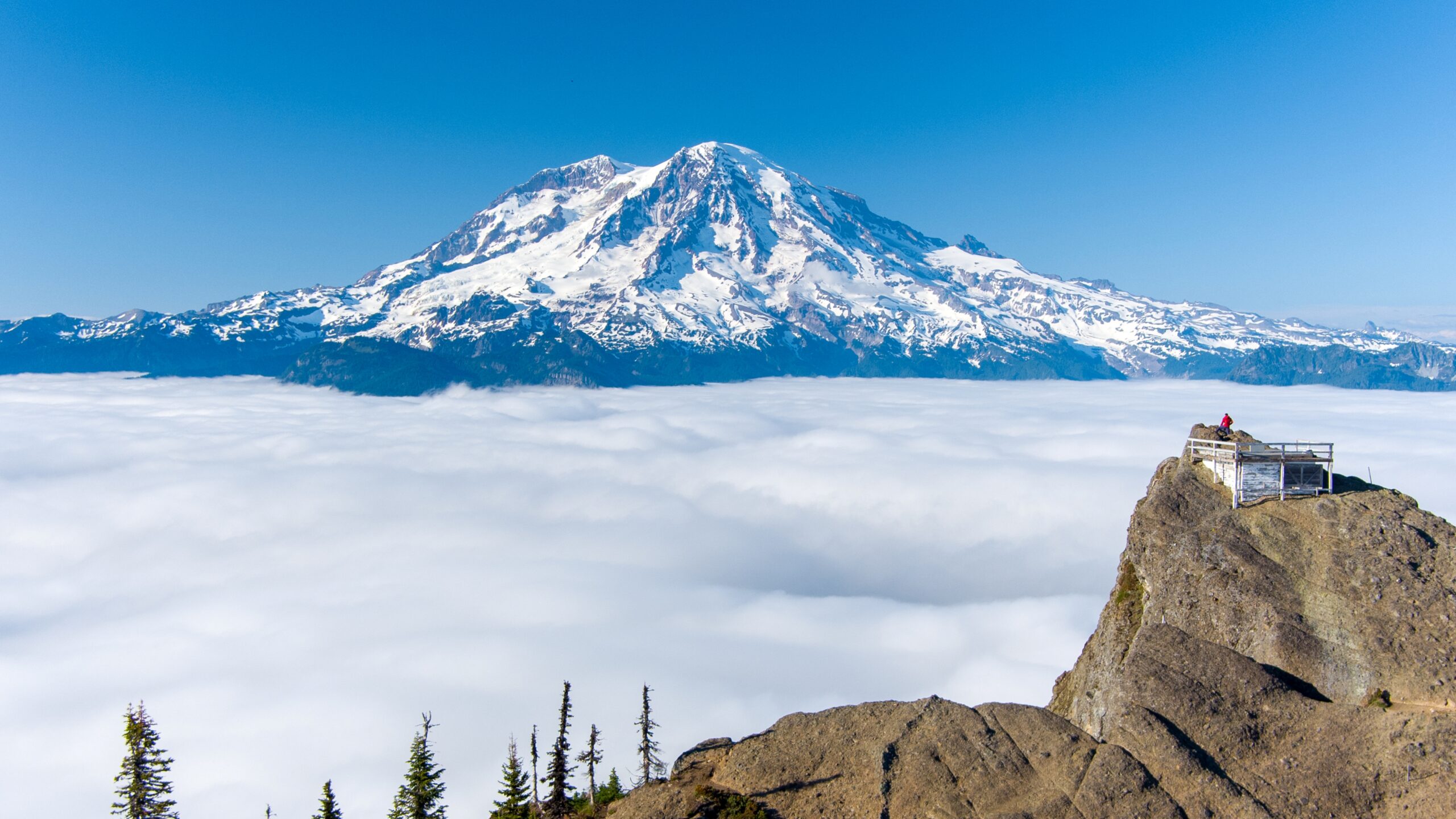
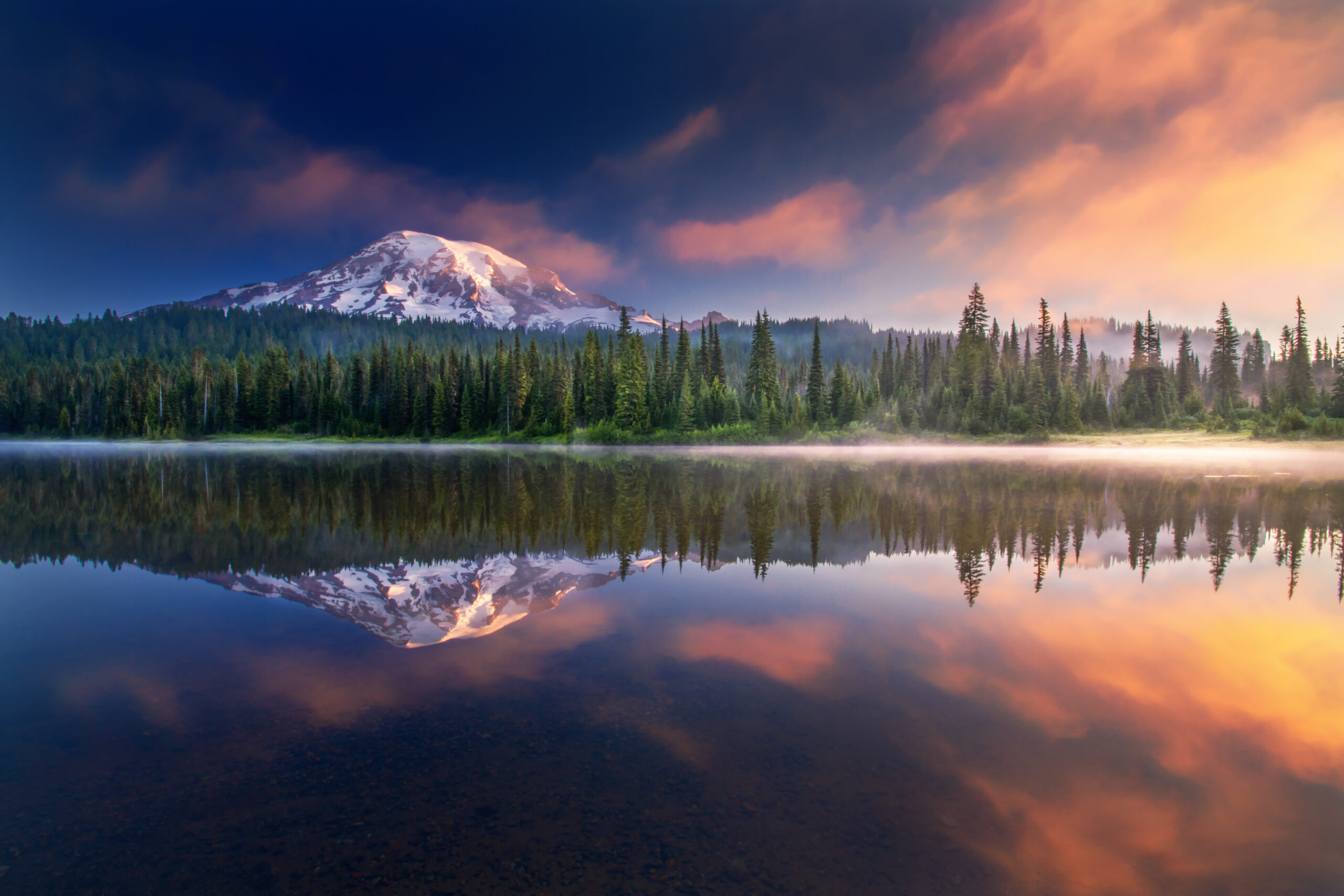
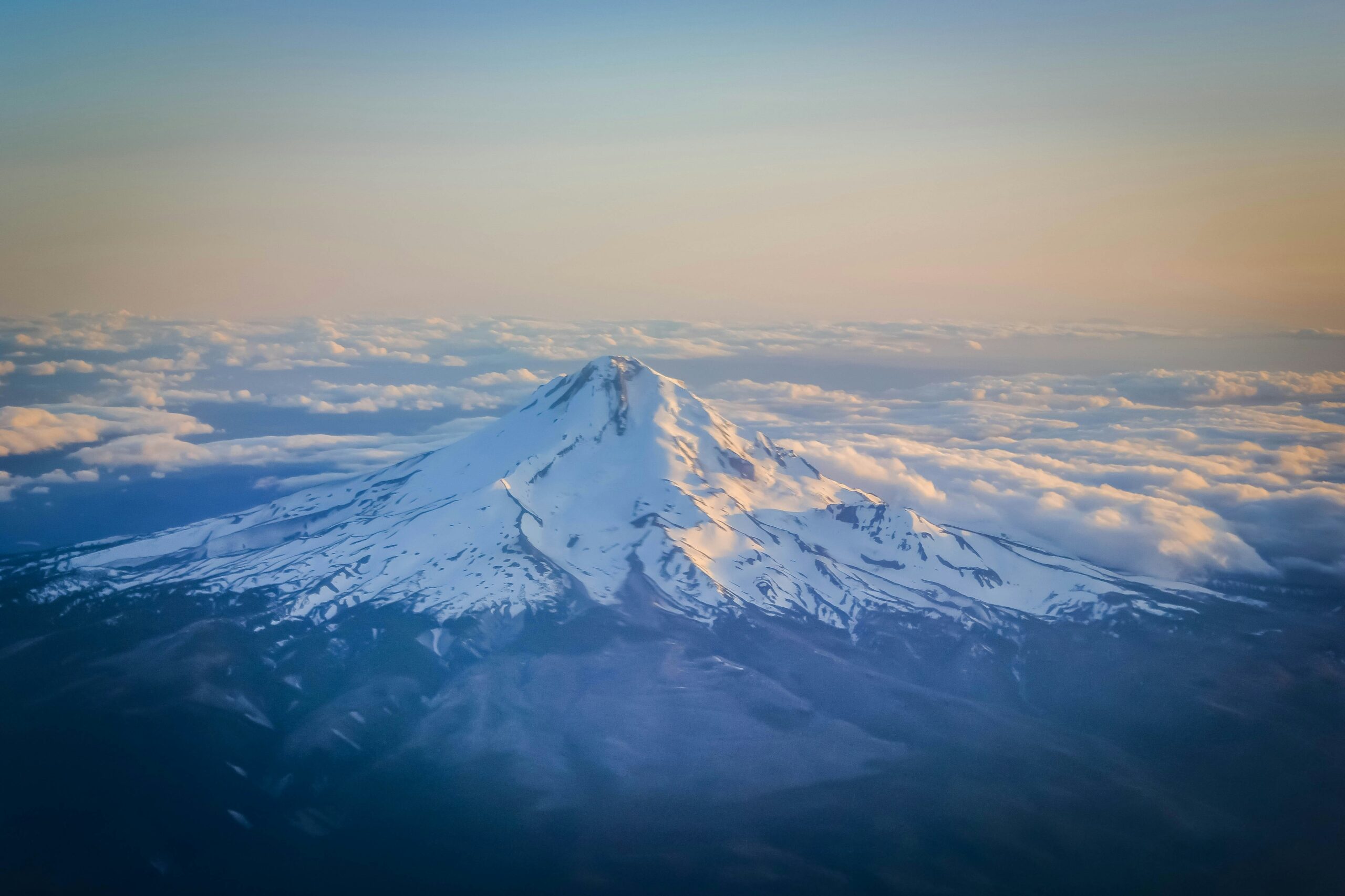
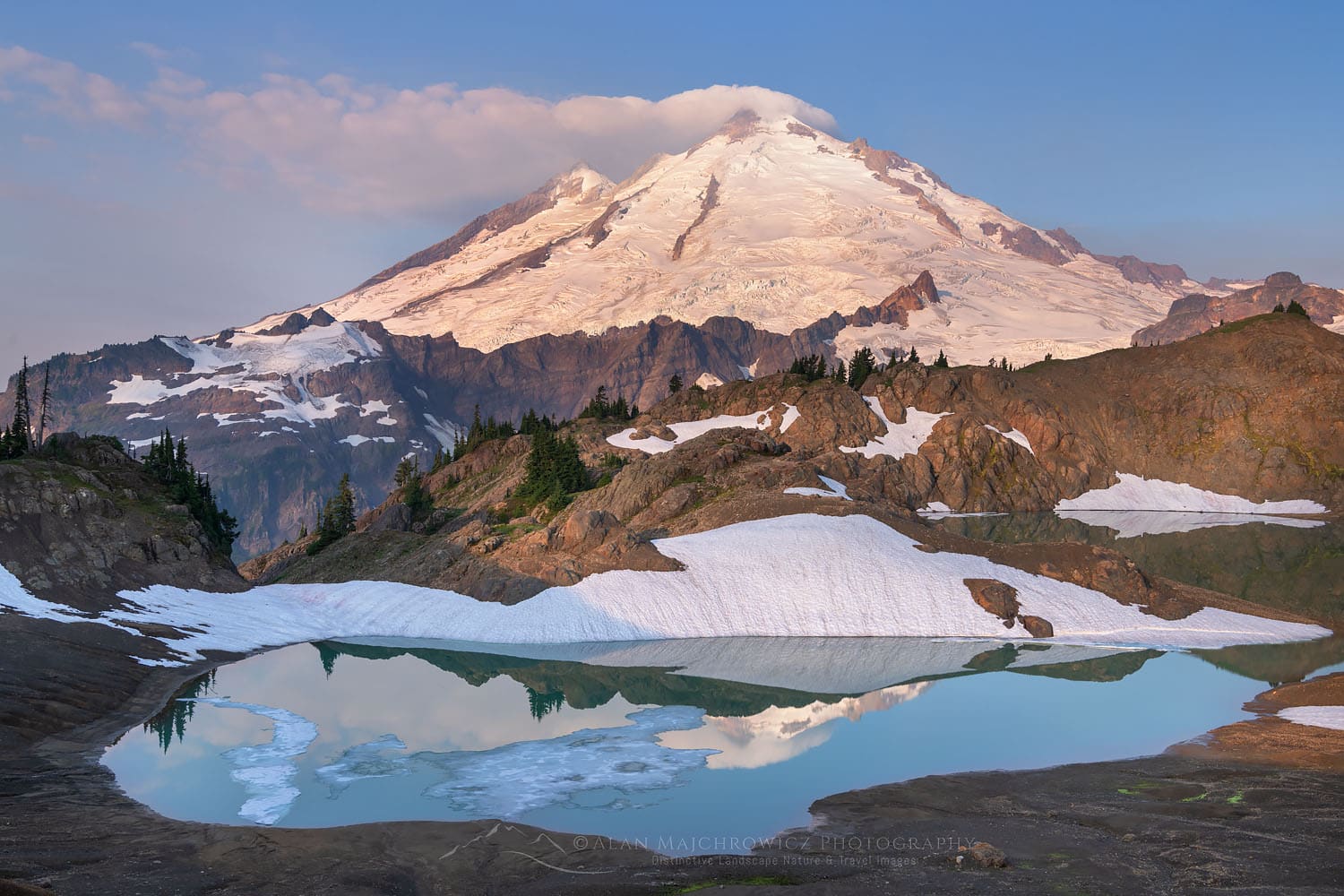
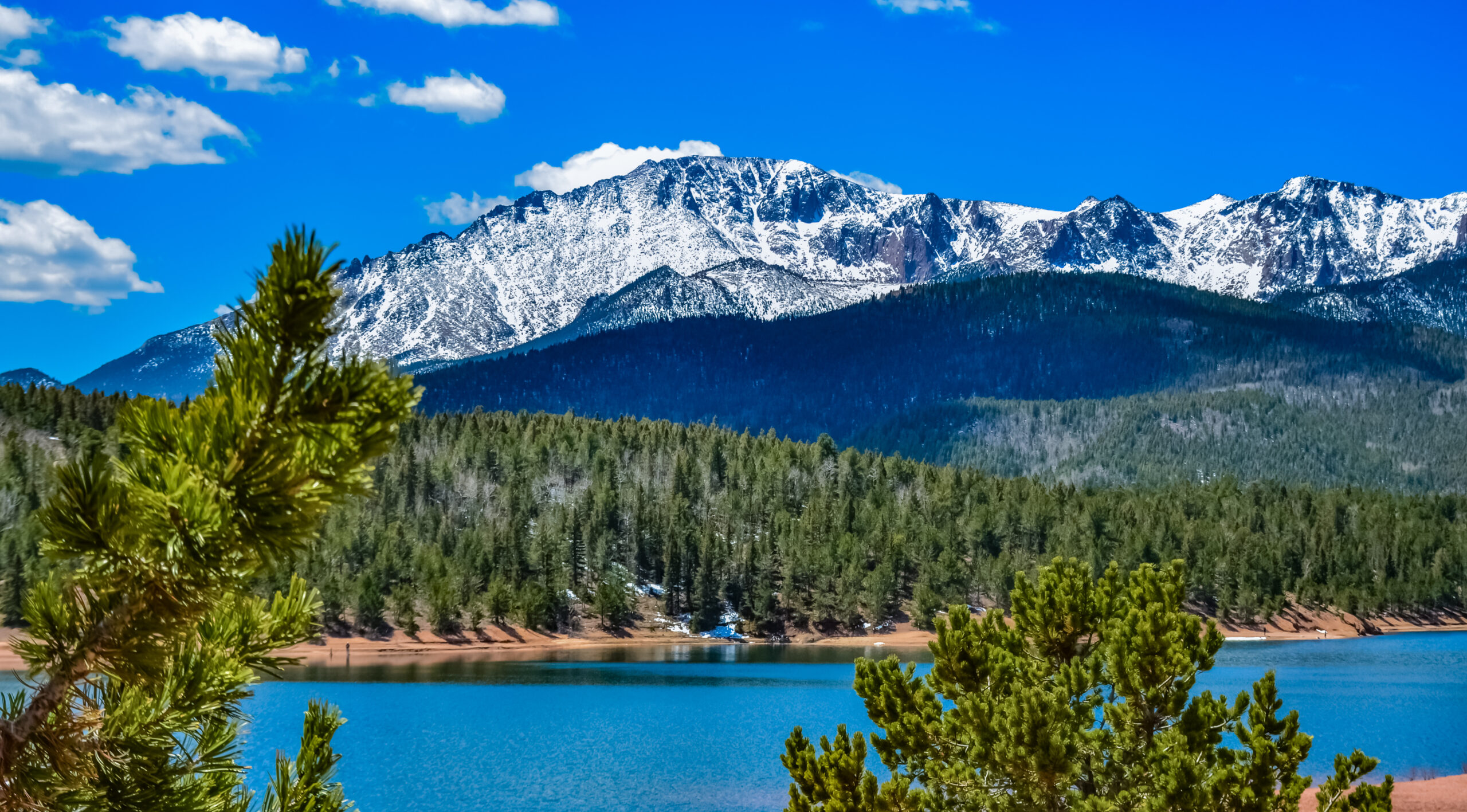
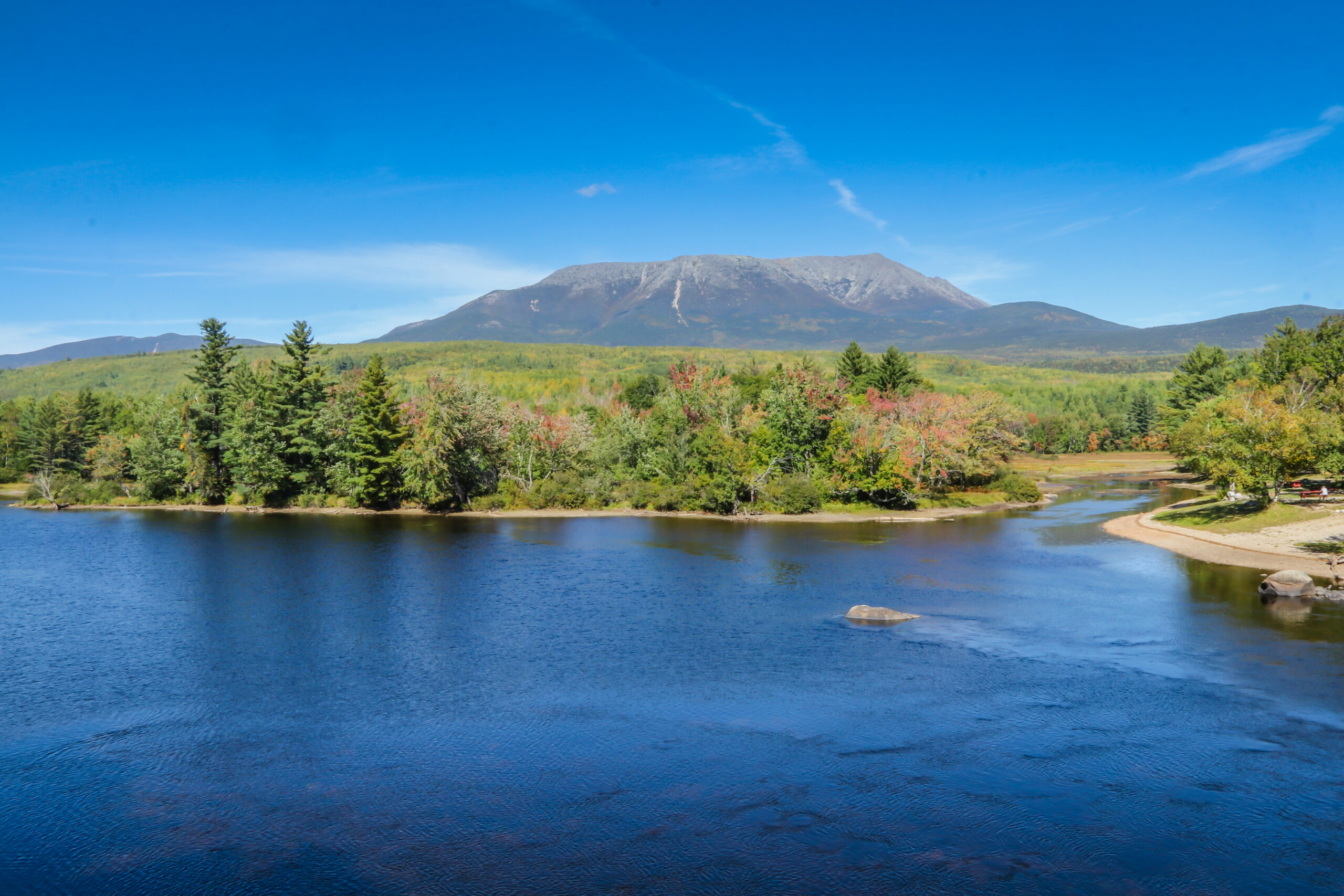
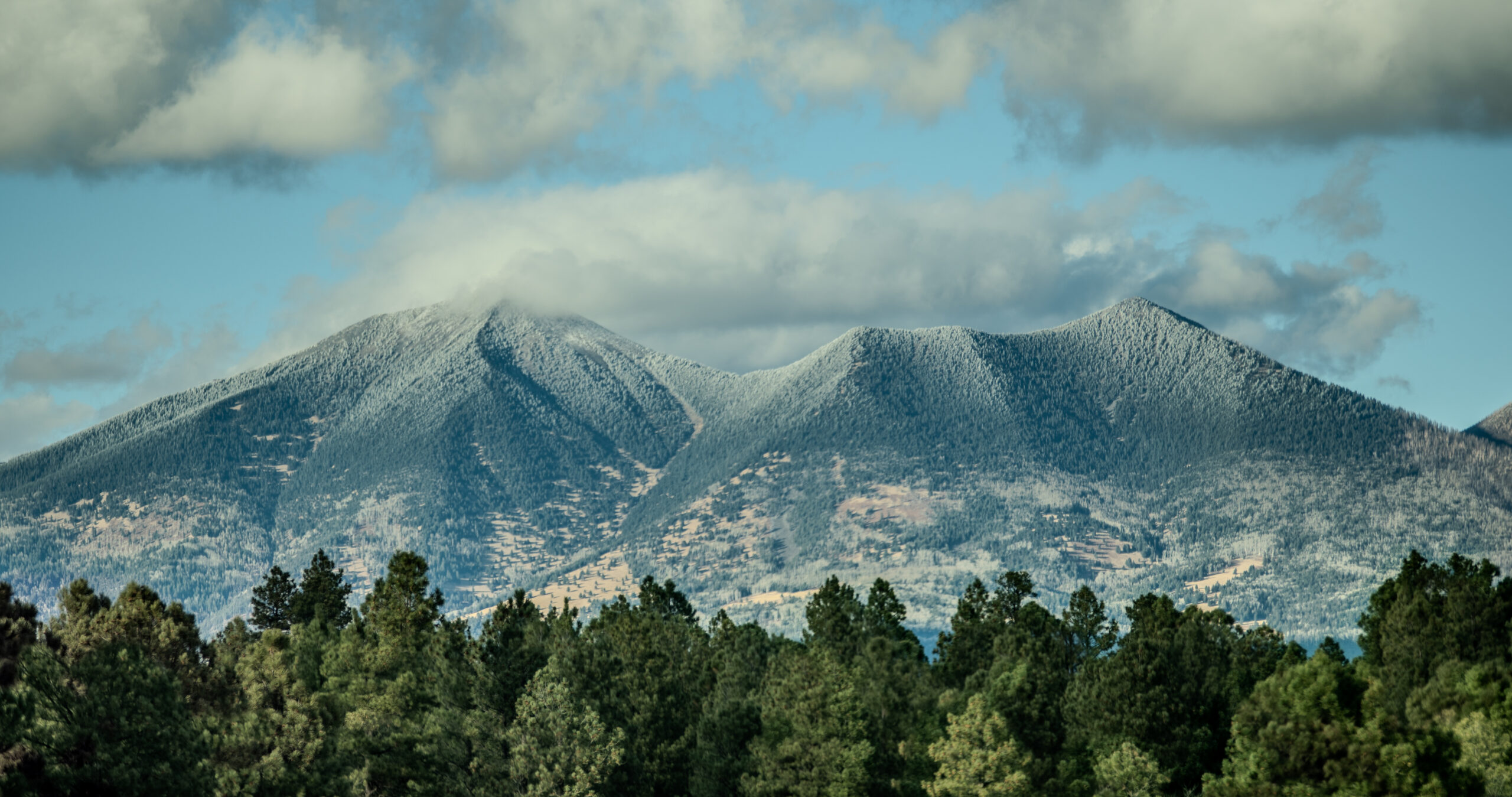
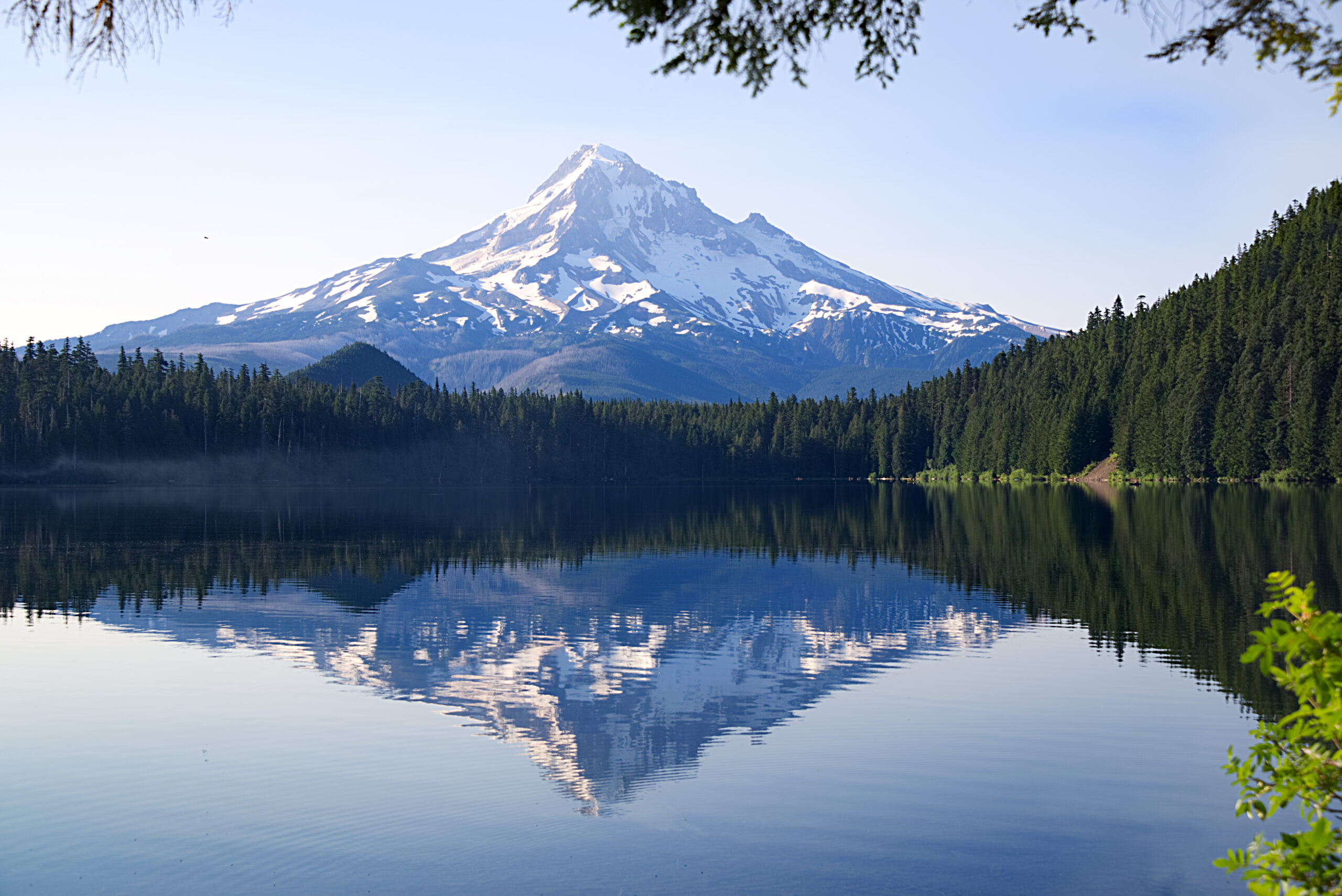
Mount Rainier is 14,411 ft (4,392 m), the most heavily glaciated peak in the contiguous US. This page tracks its season, with live weather below.
Expedition Updates · Cascades
Mount Rainier expedition update
Where Rainier stands this season, plus the Disappointment Cleaver route, the NPS climbing permit, glacier hazards, and safety. A single-mountain page in our Expedition Updates directory. Elevations in feet (metres).
By Travis Ludlow, Founder & Head of Research · Safety review: Dawson Ludlow
Updated Jul 21, 2026 · Season status refreshed monthly · ~9 min read
Single-mountain expedition update. Figures are grounded in US National Park Service data and published season reporting, with sources named below. Reviewed for safety by Dawson Ludlow, Climbing & Mountaineering Lead (Wilderness First Aid). Seasonal status is a planning signal, not a live safety clearance; confirm conditions with the NPS climbing blog and your guide.
Current statusIn season14,411 ft (4,392 m)
In season now. Peak summer conditions.
Rainier’s climbing season runs late June through early September, and late July sits in the prime window. The standard Disappointment Cleaver route is being climbed and guided daily, though the exact line shifts week to week as crevasses open, so late-July conditions differ from late August.
Rainier is a serious glacier climb, not a walk-up: a summit success rate near 50 percent, about 9,000 ft of gain, and its own violent weather. It is the classic first big glacier climb for American mountaineers, and the training ground for Denali and beyond.
14,411 ft
Summit (4,392 m)
The most heavily glaciated peak in the contiguous US.
Jun to Sep
Climbing season
In season now; the peak window is July and August.
~50%
Summit rate
Weather and crevasse conditions turn many teams back.
Rainier rises alone above the Cascades southeast of Seattle, an active, ice-clad stratovolcano with more than two dozen glaciers. This page is the update view: where the mountain sits in its season, the route, and the rules that matter. For the full how-to on operators, cost, gear, and preparation, see our Mount Rainier climb guide and routes guide, and for the wider picture, the Expedition Updates dashboard.
Where the mountain is today, and how the window works.
Right now Rainier is in the heart of its season. Guide services are running Disappointment Cleaver programs daily, and independent teams are moving through Camp Muir for midnight summit pushes. The window runs from late June, once the upper mountain has consolidated, through early September, when opening crevasses, rockfall, and retreating snow bridges make the standard route harder and guide services begin winding down. The catch on Rainier is that the route is a living thing: the exact line through the Ingraham Glacier and over the Cleaver changes across the summer, so a report from late July is not a description of late August.
From Paradise at 5,400 ft, the route climbs the Muir Snowfield to Camp Muir at 10,080 ft (3,072 m), where teams rest before a midnight start. Above Muir it crosses the Cowlitz Glacier, traverses the Ingraham Glacier, and climbs the rocky Cleaver rib to the upper mountain and the crater rim. Summit day is roughly 4,500 to 5,500 ft of gain. This is the most climbed and most guided line, and the exact path shifts as crevasses open through the season.
Emmons Glacier (main alternative)
On the northeast side, the Emmons-Winthrop route climbs from the White River trailhead to Camp Schurman, then up the broad Emmons Glacier. It is less crowded than the Cleaver and a fine objective for teams with solid glacier skills. For the full route breakdown, see the Mount Rainier routes guide.
Rainier is roped, crevassed glacier travel from Camp Muir up: crampons, ice axe, and rope-team skills are the price of entry.
Weather and conditions
Rainier makes its own weather. Here is a live read.
Rainier is tall enough and close enough to the Pacific to generate its own storms, and the summit can be socked in while the lowlands are clear. Cloud caps over the peak are a classic warning sign. Even in peak season, a forecast window can close fast, which is one reason the summit rate stays near half. The live map below shows current wind and conditions for the massif; use it as a starting point and rely on the National Park Service ranger blog and a dedicated forecast for any real decision.
Live wind and weather for the Mount Rainier massif. Source: Windy.com. For how to read it, see our mountain-weather guide.Mount Rainier, southeast of Seattle in the Washington Cascades. Map: OpenStreetMap contributors.
Mount Rainier is a national park, and climbing above the glaciers is permitted and reserved. A climbing permit is required for glacier travel or travel above about 10,000 ft, booked through recreation.gov, and overnight camps such as Camp Muir are managed through the wilderness reservation system. The permit funds the ranger and rescue program on the mountain.
Mount Rainier climbing costs, 2026 (indicative; confirm current rates via recreation.gov).
Item
2026 cost
Climbing permit (per climber)
~$61
Park entrance fee
Additional, per vehicle
Guided Disappointment Cleaver program
~$1,400 to $2,800
What you need to climb
Climbing permit – reserved on recreation.gov for glacier travel or above ~10,000 ft.
Overnight reservation – Camp Muir, Ingraham Flats, or Camp Schurman via the wilderness system.
Glacier competence – crampons, ice-axe self-arrest, a rope team of three or more, and crevasse rescue.
A helmet – rockfall on the Cleaver is a real hazard, especially later in the day.
Safety and hazards
Why Rainier is respected, and where the risk sits.
Rainier’s hazards are glacier and weather driven: crevasse falls, collapsing snow bridges, serac fall on the Disappointment Cleaver, rockfall as the day warms, avalanches early and late in the season, and storms that build fast. The mountain has caused around 100 deaths since 1897, averaging four to six climbers a year, and the 1981 serac collapse on the Cleaver killed 11, still the worst single mountaineering accident in US history. The protective habits are the usual ones: move early, rope up, carry rescue gear and know it, and turn around when the weather or the clock says so.
⚠ A glacier climb, not a hike
Above Camp Muir, Rainier is crevassed glacier the whole way, with overhead serac hazard on the Cleaver. Roped travel and practiced crevasse rescue are non-negotiable, and helmets matter. This page is not medical or safety advice; build your skills with our glacier travel basics and acclimatization guides and a qualified guide.
Rainier stands alone above the Cascades and is the standard first big glacier climb for American mountaineers, and a proving ground for bigger peaks.
Rainier by the numbers
The context behind a single season, from grounded records.
1870
First verified ascent
Hazard Stevens and Philemon Van Trump, August 17.
~9,000 ft
Route gain
Paradise to summit via Camp Muir and the Cleaver.
25+
Glaciers
The most heavily glaciated peak in the contiguous US.
Rainier is the standard training peak for bigger glaciated objectives. Our Rainier progression plan lays out the build-up, the Cascade Volcanoes collection covers its neighbours, and for climbers eyeing Alaska, Rainier is the classic step before Denali.
Cascades expedition updates
Rainier’s neighbours in the range, each with its own update page. Back to the full Expedition Updates dashboard.
The questions climbers ask most about timing, permits, and conditions.
When is the Mount Rainier climbing season?
Late June through early September, with July and August the peak window, and the mountain is in season now. The Disappointment Cleaver line shifts through the summer as crevasses open and guides re-route, so conditions in late July differ from late August. Early and late in the season carry more avalanche and rockfall risk.
Do I need a permit to climb Mount Rainier?
Yes. A climbing permit is required for glacier travel or travel above about 10,000 ft, reserved through recreation.gov, and it runs around $61 per climber for 2026 plus the park entrance fee. Overnight camps such as Camp Muir are managed through the wilderness reservation system. Fees and reservation rules change, so confirm current details with the National Park Service.
What is the standard route on Rainier?
The Disappointment Cleaver, climbed from Paradise at 5,400 ft up the Muir Snowfield to Camp Muir at 10,080 ft (3,072 m), then across the Cowlitz and Ingraham Glaciers and up the Cleaver to the crater rim. It is the most climbed and most guided line. The Emmons Glacier via Camp Schurman is the main alternative on the northeast side.
How hard is Mount Rainier to climb?
It is a serious glacier climb, not a hike: roughly 9,000 ft of gain over about 15 miles round trip, with a summit success rate near 50 percent because weather and conditions turn many teams back. It demands crampons, practiced ice-axe self-arrest, rope-team travel, and crevasse-rescue skill, which is why it is the classic first big glacier climb for American mountaineers.
Do I need a guide for Mount Rainier?
First-time climbers are strongly advised to go with a guide service such as RMI, IMG, or Alpine Ascents, or with an experienced team. Guided Disappointment Cleaver programs run three to five days and cost roughly $1,400 to $2,800, including guiding, group gear, and hut access. Independent climbers need proven glacier skills and their own rescue capability.
What is the current status of Rainier?
As of late July the 2026 season is in full swing and the mountain is in season. Conditions on the Disappointment Cleaver change week to week as crevasses open through the summer. Check the National Park Service ranger climbing blog and the Northwest Avalanche Center, plus this page, before you commit to a plan.
📋 How this update is built
This page is compiled by Travis Ludlow, Founder and Head of Research at Global Summit Guide, from US National Park Service data, the ranger climbing blog, and published season reporting, with sources named below. It was reviewed for safety by Dawson Ludlow, our Climbing & Mountaineering Lead (Wilderness First Aid), whose highest first-hand summit is Kilimanjaro. Where our team has no first-hand experience of Rainier, we report the cited records rather than personal anecdote, and we confirm fees and rules against the NPS.
Sources and further reading
US National Park Service, Mount Rainier – climbing permits, the ranger climbing blog, and route conditions.
Recreation.gov – Mount Rainier climbing permit and wilderness camp reservations.
Northwest Avalanche Center – Cascade snowpack and avalanche forecasts.
Our own Mount Rainier climb guide and Mount Rainier routes guide.
We report published figures and named sources rather than posting unverified live conditions.
Global Summit Guide · American mountaineering · Independent editorial ranking
20 Greatest Mountains in the USA: Ranked for Climbers.
The defining climbs of American mountaineering—from Denali’s expedition ice to Rainier’s glaciers, Whitney’s altitude, Grand Teton’s alpine rock and the walls of Yosemite. Compare all 20, explore their real locations on the map and choose the right next challenge.
20 ranked US objectives6-factor editorial scoringGlacier · Rock · Snow · High-altitude hikingUpdated October 2026
The Verdict · Read This First
Which Are America’s Greatest Mountains for Climbers?
Denali is our #1 American mountaineering objective because its glacier expedition, elevation and commitment represent the highest overall test of US expedition climbing. Mount Rainier ranks #2 as the country’s premier glacier-training mountain; Mount Whitney ranks #3 for its lower-48 high-point status and accessible altitude; Grand Teton ranks #4 as an iconic technical alpine-rock ascent.
Important: “greatest” is an editorial climbing judgment—not an objective measurement of beauty or danger, and not a list of the 20 tallest mountains. Our six-factor scoring preserves this page’s existing rankings. We include El Capitan explicitly as a defining climbing objective, not a topographically independent mountain.
The 20 Greatest US Mountain Objectives at a Glance.
The ranking is based on climbing significance (25 points), history and culture (20), transferable climbing skills (20), stature and presence (15), route quality (10) and progression value (10). Scores express editorial judgment, not measured danger or a claim that every climber will agree.
How to read the table: The position is editorial, not based on elevation. The El Capitan figure describes the landmark’s rim elevation, not the height of its vertical face. Elevations use commonly published reference figures and may vary slightly between surveys. Map markers represent approximate summit or objective positions, not routes or current conditions.
Select the Lower 48, Alaska or Hawaiʻi, or zoom out to see the full geographic spread. Tap any gold pin to see its editorial rank, climbing style and the link to its guide. The map uses real OpenStreetMap tiles, with a noninteractive fallback if map scripts are blocked.
Choose a Ranked Objective
Explore by Mountain.
Click a mountain to center the map and see its position. Use the table for the full 20-objective comparison.
The map will become interactive when loaded.
Map caveat: These pins are geographical reference points only. They are not trailheads, GPS tracks, summit approach directions or safety recommendations. Confirm permitted access and route conditions with the relevant land manager.
The Essential American Climbing Mountains
Why These Ten Mountains Lead the Ranking.
For US mountaineering, skill progression matters more than simply collecting a taller summit. These profiles explain each mountain’s place in the ranking—and what a climber actually learns there.
#1 · 97/100 editorial score
Denali
20,310 ft · Alaska · Glacier expedition
The summit is North America’s highest point, but height alone does not explain its place at #1. Denali demands a multiweek glacier expedition, heavy carries, self-sufficiency and sustained decisions in severe cold.
What it develops: Roped glacier travel, crevasse rescue, load hauling and high-camp logistics. A long mountain, not a quick summit outing.
Rainier offers an unusually complete glaciated-mountain education within a few days: rope teams, crevasses, route changes, altitude, snow bridges and alpine timing.
What it develops: A cornerstone goal for climbers graduating from snow travel into true glacier systems; standard summit routes remain technical.
Typical planning window: May–July. Exact safe timing changes each season.
14,505 ft · California · Altitude hiking / alpine rock
Whitney is the highest summit in the contiguous United States. Its popular trail lets ambitious hikers test altitude, pacing and endurance without claiming they have completed a technical climb.
What it develops: The Mountaineer’s Route and east-face rock lines add much harder alternatives; permit and snow conditions change the experience.
Typical planning window: July–September. Exact safe timing changes each season.
The Grand rises abruptly above Jackson Hole. Its classic Exum and Owen–Spalding routes convert rock technique into a genuine mountain day where exposure, weather and route finding matter.
What it develops: Technical scrambling or roped rock, efficient movement, rappelling judgment and rapid response to thunderstorms.
Typical planning window: July–September. Exact safe timing changes each season.
Hood can seem accessible because trailheads are close to Portland and the south-side route is popular. Steep summit terrain, falling ice and fast-changing conditions are why it belongs among America’s essential mountaineering objectives.
What it develops: Crampon movement, ice-axe arrest, steep-snow judgment and early starts; route choice is conditions-dependent.
Longs is not a casual walk-up despite its famous Keyhole Route. Broad alpine terrain, ledges, a long summit day and Colorado’s afternoon weather force climbers to value decisions over summit fever.
What it develops: Third-class exposure, movement on slabs, altitude pacing and conservative turnaround times.
Typical planning window: July–September. Exact safe timing changes each season.
Its low elevation hides an outsized lesson: weather governs risk. The Presidential Range has long taught American climbers that winter wind, whiteouts and cold can be harder than altitude.
What it develops: Route choice, layered clothing, navigation, wind assessment and, in winter, full mountaineering preparation.
A huge independent volcano with classic snow routes, Shasta is one of the best-known places to convert basic hiking fitness into snow and ice-axe proficiency—when avalanche and rockfall hazards are properly evaluated.
What it develops: Crampon technique, arrest practice, snow timing and avalanche awareness; not a beginner-only mountain.
Typical planning window: May–July. Exact safe timing changes each season.
Near the Gulf of Alaska, Saint Elias rises with astonishing vertical relief and weather exposure. Few American summit objectives demand this level of access planning and expedition tolerance.
What it develops: Remote glacier logistics, very high consequence decisions, advanced expedition competency. The summit lies on the Alaska–Yukon international boundary.
Typical planning window: Late spring–summer. Exact safe timing changes each season.
Foraker stands close to Denali yet is a different undertaking: technically complex routes and remote glacier approaches make it a natural long-term ambition for very experienced teams.
What it develops: Expert ice and mixed technique, self-reliant expedition judgment and major storm contingencies.
From Rainier’s Glacier Rope Teams to Grand Teton’s Alpine Rock.
No single objective represents every part of American climbing. A strong progression often combines snow, rock, altitude and judgment—rather than moving in a straight line to higher and higher peaks.
Ranks 11–20: Big Walls, Glaciers, State High Points and Wilderness.
These ten illustrate why the best US mountaineering objectives extend beyond technical alpine summits. Big-wall climbing, long wilderness hikes and regional traditions all shaped the American climbing landscape.
11
#11 · 7,573 ft · 77/100
El Capitan
El Capitan is a rock formation rather than a separate high-prominence mountain. It belongs here because American climbing cannot be ranked honestly without its defining big-wall routes.
The Half Dome cables route and the classic technical face routes are very different undertakings. Both have helped define the American idea of Yosemite adventure.
Baker combines a large glacial environment with routes commonly used in mountaineering courses. It is an excellent learning mountain only with the required instruction and competent companions.
Adams provides a long Cascade snow ascent without being a substitute for glacier training. The south-side route is a natural step for skilled hikers developing snow competence.
Elbert is Colorado’s and the Rocky Mountains’ high point. Summer hiking routes make it an accessible altitude and endurance test rather than a technical mountaineering benchmark.
Its road and railway do not reduce the challenge of climbing by foot. Pikes Peak is a touchstone of American mountain culture and a substantial ascent by the Barr Trail.
Measured from its submarine base, Mauna Kea is among Earth’s most imposing volcanic mountains. It is also a sacred landscape; respectful access decisions take precedence over a summit checkbox.
Katahdin’s Knife Edge, weather and dramatic prominence above the Maine forest make it a true Eastern challenge and the symbolic northern end of the Appalachian Trail.
Humphreys rises above Flagstaff in the San Francisco Peaks. It rewards high-country hiking skills and adds a different Southwestern mountain environment to an otherwise glacier-heavy list.
Utah’s high point asks for a long approach through the High Uintas, often making the backpacking and wilderness decision-making as important as the summit scramble.
El Capitan (#11) is a sheer granite wall in Yosemite, not a separate major summit in the same way Denali or Rainier is. We retain it because the page explicitly ranks America’s most significant climbing objectives. That distinction prevents a misleading geological comparison.
What a Simple Top 20 List Cannot Explain
Four Close Calls—and Why We Ranked Them This Way.
#2 vs #3 · Glacier versus altitude
Why Rainier Beats Whitney.
Whitney is slightly higher, but Rainier requires rope-team and crevasse skills on its standard glacier routes. We place more weight on transferable mountaineering technique than altitude alone.
#3 vs #4 · Broad influence versus technical purity
Why Whitney Beats Grand Teton.
Grand Teton is the stronger technical rock climb. Whitney’s position reflects national recognition, its lower-48 high-point status and its role as an attainable altitude goal for ambitious hikers.
At 6,288 feet, Mount Washington would rank low by height. Alpine storms and severe winter conditions have shaped generations of eastern climbers. Weather judgment is mountaineering skill.
A climbers’ ranking should account for the rise of American big-wall culture. We classify El Capitan clearly as a rock-climbing objective, not pretend its rim is an independent high mountain.
Your US Mountaineering Progression Should Follow Skills.
A mountain can be easy in dry summer conditions and dangerous in winter. Use this as a decision pathway, not a substitute for training, current route information or professional instruction.
Stage 1 · Hiking & altitude
Build the Base.
Mount Elbert, Whitney’s summer trail or Kings Peak help develop pacing, backpacking, navigation and altitude awareness.
The United States Has More Than One Kind of Mountaineering.
Alaska Range
Denali and Foraker are expedition-scale mountains: travel, camps, crevasses, cold and self-reliance dominate the experience. Saint Elias adds remarkable coastal relief and extreme remoteness.
Rainier, Baker, Hood and Adams make the Pacific Northwest America’s premier classroom for volcanic snow ascents and glacier technique, with dramatically different hazards on each mountain.
Whitney offers high-altitude objectives while Grand Teton—not in the Sierra—offers its own brand of alpine rock. El Capitan and Half Dome in Yosemite represent the technical-wall and iconic-hiking ends of the spectrum.
Elbert, Longs and Pikes Peak anchor Colorado; Washington and Katahdin teach eastern judgment; Humphreys, Kings Peak and Mauna Kea broaden the story across deserts, wilderness and volcanic Pacific landscapes.
Seasons and Costs: Do Not Plan These as the Same Kind of Trip.
Below are illustrative planning ranges from the previous editorial guide—not current operator price quotes. Flights, permits, specialist equipment and guide fees can materially change total cost. Check each current land manager’s rules and current conditions before reserving.
Trip type
Example objectives
Illustrative budget
What drives the cost
Self-guided summer high hike
Elbert, Whitney, Kings Peak
$100–$500
Travel, permit, camping, food and equipment already owned
Colorado alpine weekend
Elbert, Longs Peak
$200–$700
Lodging, transport, trailhead logistics and gear gaps
Intro guided snow climb
Hood, Shasta, Baker
$800–$1,800
Instruction, group size, equipment and duration
Guided glacier or alpine rock
Rainier, Grand Teton
$1,800–$3,500
Guiding ratio, number of days and skills training
Major Alaska expedition
Denali
$9,000–$25,000+
Air transport, guides, glacier access, weather buffers and gear
Remote advanced expedition
Saint Elias, Foraker
$15,000–$30,000+
Charter access, specialist support and contingency plans
Typical seasonal planning windows
Alaska: late spring–early summer for classic Denali season. Cascades: late spring to mid-summer for many snow and glacier routes. Colorado/Tetons/Sierra: predominantly summer for dry-route objectives. Eastern peaks: summer hiking differs sharply from winter mountaineering.
What can override the calendar?
Storms, heat, snow bridge stability, rockfall, avalanche conditions, wildfire restrictions, permits and closures. Always consult official park/forest updates, mountain weather, and qualified local guides if needed. Neither this ranking nor its map is real-time hazard reporting.
Mountaineering Equipment Is Specific to the Objective.
Snow & Volcano
Appropriate traction, helmet, ice axe and trained self-arrest skills may be necessary on Hood, Shasta and Adams. Snow conditions change what is required.
Advertisement / affiliate disclosure — Global Summit Guide may earn a commission on qualifying purchases at no extra cost to you
Mediavine Journey display advertising remains managed automatically by the site; this article does not insert or imitate Journey ad units. To add GSG Gear Ads later, use a separate WordPress Shortcode block outside this Custom HTML block.
Transparent Editorial Method
How Global Summit Guide Ranked America’s Greatest Climbs.
We preserved the six-part ranking and scores from this article’s prior edition. We did not manufacture a scientific danger score or claim to have climbed every mountain. The scoring favors importance to US climbing, skill transfer and enduring routes rather than Instagram popularity.
25 pointsAmerican climbing significance
20 pointsHistory and cultural importance
20 pointsSkill-development value
15 pointsStature, relief and visual presence
10 pointsRoute quality and variety
10 pointsClimbing progression value
Editorial boundary: these are comparative judgments, not measured probabilities of death, difficulty grades or claims that conditions are currently safe. The page distinguishes ordinary hiking lines, glacier routes, alpine rock and exceptional objectives—an essential distinction when the same mountain name can refer to very different climbs.
Our elevation references draw primarily from the relevant federal agencies and conventional published mountain descriptions. For example, the National Park Service confirms Denali at 20,310 ft, Mount Rainier at 14,410 ft, and Mount Whitney at 14,505 ft. Some older topographic maps show different values because survey standards changed.
The mountain photographs on this page were chosen from the Global Summit Guide media library using source titles identifying the depicted destination. No photo of one named mountain is reused as another. Photo licensing is governed by the site’s existing media assets.
Frequently Asked Climbing Questions
US Mountaineering FAQ.
What is the best mountain to climb in the United States?
There is no single best mountain for everyone. Our editorial #1 is Denali for an experienced expedition climber. For glacier-skill development, Rainier or Mount Baker are stronger targets with appropriate instruction. For ambitious hikers, summer Mount Elbert or Mount Whitney may be more suitable.
What is the highest mountain in the USA?
Denali in Alaska is the highest mountain in the United States and North America, at 20,310 feet (6,190 meters). Some current federal publications use Mount McKinley as its official name; this climbing guide retains the name Denali used widely in mountaineering.
What is the hardest mountain in America to climb?
Difficulty depends on the exact route, weather and climber experience. Remote high-altitude objectives such as Denali, Mount Foraker and Mount Saint Elias can involve exceptional commitment, while El Capitan routes require advanced rock-climbing ability. A single mountain-wide difficulty rating is misleading.
Is Mount Whitney harder than Mount Rainier?
On their commonly used standard summer routes, Mount Rainier requires technical glacier travel and snow safety systems while the Mount Whitney Trail is normally a high-altitude hiking route. Whitney can be physically demanding and winter or technical routes are substantially more serious.
Is Mount Rainier good for beginner mountaineers?
Rainier is not a beginner hike. It can be an early major glacier-climbing goal when climbers have trained in crampon movement, rope teams and crevasse rescue, often through a qualified mountaineering course or guide.
Why does the list include El Capitan?
This is a ranking for climbers, not a geological list of independent summits. El Capitan is a famous granite big-wall climbing objective, so it belongs in American climbing history even though it is not a separate major mountain in the topographic sense.
Where is the best mountaineering in the United States?
Alaska excels in large glacier expeditions; Washington and Oregon in volcano and glacier routes; Wyoming in alpine rock; California in high Sierra objectives and Yosemite walls; Colorado in high-altitude peakbagging; New Hampshire and Maine in severe-weather and exposed-ridge skills.
Can I use the map as a mountain route map?
No. The map locates mountains approximately. It does not plot trailheads, climbing lines, crevasses, avalanche terrain, private land boundaries, access restrictions or current conditions. Use official maps and current land-manager information for navigation.
Use the editorial ranking as inspiration, the interactive map as context and the mountain guides for route-specific research. Your next summit should fit your training, weather window, partners and risk tolerance.
Aconcagua vs Denali vs Rainier: Which Mountain Should Come Next?
These three mountains should not be treated as a fixed checklist.
Rainier tests glacier and rope-team foundations. Aconcagua tests prolonged
high-altitude performance. Denali combines glacier systems, expedition cold,
heavy loads and weeks of self-supported mountain living. The right next peak
is the one that exposes the capability you still need to prove.
Rainier · 4,392 mDenali · 6,190 mAconcagua · 6,962.8 mcapability-based progression2026 fees verified where available
The direct answer
Which Should You Climb First: Rainier, Aconcagua or Denali?
If you have not yet built real glacier and rope-team competence, Rainier or an equivalent glaciated training mountain belongs early. It compresses glacier travel, crampon movement, rope-team systems,
crevasse awareness and a serious summit day into a short objective.
After that, the choice between Aconcagua and Denali should be driven
by the capability you need next. Choose Aconcagua when
prolonged extreme altitude is the missing test. Choose Denali when glacier self-sufficiency, heavy loads, snow camping and severe cold
are the missing systems.
There is no mandatory three-mountain order. Rainier → Aconcagua → Denali is logical for many climbers,
but Rainier → Denali → Aconcagua can also make sense,
and experienced climbers may arrive with equivalent skills from entirely different peaks.
RainierGlacier foundation
AconcaguaExtreme-altitude test
DenaliExpedition-system test
No fixed orderReadiness gaps determine sequence
The comparison that matters
Rainier vs Aconcagua vs Denali.
Elevation alone gives the wrong order.
Each mountain tests a different mix of skills and expedition systems.
Factor
Mount Rainier
Aconcagua
Denali
Elevation
4,392 m / 14,410 ft
6,962.8 m / 22,845 ft
6,190 m / 20,310 ft
Standard objective
Disappointment Cleaver / Ingraham corridor
Normal Route via Horcones
West Buttress
Typical trip
3–5 days on common guided programs
18–21 days
17–21 days typical expedition
Glacier travel
Core skill
Not central on the Normal Route
Core skill for weeks
Rope-team systems
Central
Limited on Normal Route
Central from the Kahiltna onward
Primary altitude test
Moderate-high altitude
Extreme altitude near 7,000 m
Very high altitude + high-latitude physiology
Load hauling
Loaded pack
Expedition carries above base camp
Heavy pack + sled system
Cold exposure
Serious but relatively short
Cold + severe wind
Sustained expedition cold
Camp systems
Short-duration high camp
Multi-week expedition camps
Snow camps + cache system + storm management
2026 official fee
$82 climbing fee
2026–27 tariff should be rechecked before booking
$450 mountaineering fee + $15 park entrance unless covered
Best role
Glacier foundation
Altitude expedition
Full expedition-systems test
Do not compare summit-success percentages casually. Rainier, Denali and Aconcagua reporting uses different populations,
years and definitions. Use the dedicated success-rate pages rather than
putting three incompatible headline percentages in one table.
Foundation mountain
Rainier Is Valuable Because It Makes Glacier Skills Real.
Rainier is not merely a smaller version of Denali.
Its value in a progression is that it exposes climbers to roped glacier travel,
crevasse terrain, crampon movement, loaded ascent and a consequential descent
without requiring a three-week Alaska expedition.
Choose by missing capability
Which Mountain Should You Climb Next?
Start with what your résumé does not yet prove.
You need glacier competence
Choose Rainier
Best when your background is strong hiking and altitude but weak in
crampons, rope-team travel, crevasse awareness and glaciated summit movement.
Learn real rope-team movement.
Test crampon efficiency under fatigue.
Experience a pre-dawn glacier summit day.
Use the result to identify whether Baker or another glacier climb is still needed.
You need an altitude test
Choose Aconcagua
Best when your technical systems are adequate but you still lack proof
that you can acclimatize, recover and keep functioning near 7,000 meters.
Long acclimatization cycle.
Multiple high camps.
Wind and cold without major technical climbing.
Strong preparation for higher nontechnical expedition peaks.
You need expedition systems
Choose Denali
Best when glacier skills and altitude experience are already strong,
but you have not yet proved heavy-load hauling, snow-camp systems,
self-sufficiency and decision-making through a multi-week cold expedition.
Pack + sled hauling.
Cache strategy.
Glacier travel every day.
Storm-resistant camp management.
Mount Rainier · 4,392 m
Rainier: Prove the Glacier Foundation.
Rainier belongs early when glacier systems are the gap,
but the mountain name itself is not mandatory.
What it teaches
Glacier Movement
Rope-team discipline, crevasse awareness, crampons,
ice-axe use and sustained travel on active glacier terrain.
What it tests
Mountain Endurance
More than 9,000 vertical feet from Paradise to the summit,
plus a descent that must be completed while tired.
What it does not prove
Multi-Week Expedition Living
Rainier cannot by itself demonstrate that a climber can function
for three weeks while hauling heavy loads in severe cold.
Equivalent experience counts. A climber who already has strong glacier experience on Baker,
the Canadian Rockies, the Alps or similar terrain does not need Rainier
simply to collect the mountain name.
Aconcagua Separates High-Altitude Ability From Glacier Technique.
On the Normal Route, the central question is not whether you can climb
difficult ice or rock. It is whether you can acclimatize, carry,
recover, eat, sleep and make good decisions while approaching 7,000 meters.
Aconcagua · 6,962.8 m
Aconcagua: Prove Extreme-Altitude Endurance.
Aconcagua is not “just altitude,” but altitude is the defining
progression value of its Normal Route.
What it teaches
Long Acclimatization
Multiple weeks of gradual ascent, carries, rest,
recovery and repeated performance at high elevation.
What it tests
Nearly 7,000 m
Aconcagua exposes weaknesses in appetite, sleep,
pace, recovery and altitude tolerance that lower peaks may never reveal.
What it does not replace
Glacier & Rescue Skills
A successful Normal Route expedition does not prove Denali-level
rope-team travel, crevasse rescue or snow-camp competence.
Do not use last season’s permit price as the next season’s price. The 2025–26 advance-sale international ascent rates were published separately
by route. Recheck Mendoza’s official 2026–27 schedule before booking.
Denali Is Where All the Capabilities Start Stacking Together.
Glacier travel is only the beginning.
Climbers must also haul weeks of food and fuel,
manage caches, maintain snow camps, tolerate severe cold,
climb fixed lines while loaded and preserve enough energy for the descent.
Denali · 6,190 m
Denali: Prove the Entire Expedition System.
A climber should not arrive on the Kahiltna expecting Denali to teach
glacier rescue, snow camping or heavy-load expedition systems from scratch.
Glacier
Roped From the Beginning
The West Buttress begins on the Kahiltna Glacier
and remains a glacier expedition rather than a trekking approach.
Load
Pack + Sled
Climbers repeatedly move food, fuel and group equipment,
making load management one of the defining progression differences.
Cold
Weeks, Not Hours
The challenge is not one cold summit morning.
It is keeping boots, hands, sleep systems, fuel and judgment working
through sustained Alaska Range conditions.
2026 NPS reference: the adult mountaineering fee is $450 plus the $15 park entrance fee
unless covered by an eligible pass. Normal registration must begin
at least 60 days before the requested start date.
Five Gates Matter More Than Which Mountain Name Comes First.
A useful progression closes capability gaps.
Before moving toward Denali—or toward higher expedition climbing—
make sure each gate has been demonstrated rather than merely discussed.
1 · EnduranceRepeated long mountain days with meaningful pack weight.
5 · Expedition judgmentConservative decisions after days or weeks of accumulated fatigue.
Not a gateOwning the gear without practicing the systems.
Not a gateOne guided summit where the guide performed every technical task.
Not a gateA fixed list of mountain names completed in a prescribed order.
Three valid progressions
There Is More Than One Good Sequence.
The right path depends on what you already know and what your next objective demands.
Sequence A
Rainier → Aconcagua → Denali
Strong for a climber who first needs glacier foundations,
then wants to prove extreme altitude before adding the full
cold-and-load complexity of Alaska.
Sequence B
Rainier → Denali → Aconcagua
Logical for a climber whose glacier systems are strong,
who wants Alaska expedition competence early,
and who will later use Aconcagua as the higher-altitude test.
Sequence C
Equivalent Skills → Aconcagua or Denali
An experienced alpinist may already have Rainier-equivalent
glacier competence from Baker, the Alps, Canadian Rockies,
Alaska or another appropriate training history.
The weakest sequence is the one chosen for prestige instead of readiness. A harder mountain is not automatically the correct next mountain.
Before Denali
The Best Denali Preparation Is a Capability Stack, Not One Famous Summit.
Glacier skill from Rainier or Baker, altitude experience from Aconcagua
or another high peak, winter-camp systems and serious load training
can come from different mountains. Denali only cares whether they work.
Current permit comparison
Do Not Build the Decision Around Old Fee Tables.
Fees change. Use current official sources close to booking.
Mountain
Current verified reference
Registration note
Planning implication
Mount Rainier
$82 per climber per climb in 2026
Pay before registration; camp/wilderness reservation process is separate.
Low administrative cost relative to the other two.
Government permit varies by route, season and traveler category.
Do not carry forward the prior season’s number as though it were current.
Season strategy
The Calendar Can Help Separate the Progression.
The three mountains do not compete for exactly the same season,
which makes it possible to space them intelligently.
Rainier
Late Spring–Summer
The standard climbing season runs through the warmer Cascades months,
with route conditions changing substantially as summer progresses.
Denali
Late April–Mid July
The West Buttress season is compressed by Alaska weather,
glacier travel conditions and the NPS expedition calendar.
Aconcagua
Austral Summer
December through February forms the core expedition window,
allowing Aconcagua to fit between Northern Hemisphere mountain seasons.
Different mountains, different lessons
Aconcagua Does Not Replace Rainier—and Rainier Does Not Replace Aconcagua.
One builds technical glacier familiarity at moderate altitude.
The other reveals what happens to your body and expedition rhythm
when the summit approaches 7,000 meters. A useful progression needs both capabilities,
wherever you acquire them.
Geographic orientation
Three Mountains Across Two Hemispheres.
Their locations explain much of the progression:
maritime Cascade weather, high-latitude Alaska expedition conditions,
and the dry high Andes each create a different mountain system.
Mount Rainier · WashingtonCascade glacier mountain south of Seattle and Tacoma.
Denali · AlaskaRemote Alaska Range expedition accessed through Talkeetna and the Kahiltna Glacier.
Aconcagua · ArgentinaHigh Andes expedition west of Mendoza near the Chilean border.
Direct search answers
Aconcagua vs Denali vs Rainier FAQ.
Progression should answer readiness questions rather than create arbitrary prerequisites.
Should I climb Rainier before Denali?
Climbers who do not already possess equivalent glacier experience should build
Rainier-level competence before Denali. Rainier is one strong way to learn and
demonstrate rope-team movement, crampons, glacier travel and crevasse systems,
but equivalent experience on other suitable mountains can fulfill the same role.
Should I climb Aconcagua or Denali first?
Choose Aconcagua first when extreme altitude is the main capability you still
need to test. Choose Denali first only when your glacier systems, cold-weather
camping, load hauling and prior altitude experience are already strong.
Is Denali harder than Aconcagua?
Denali generally demands a broader expedition skill set because it combines
glacier travel, heavy pack-and-sled hauling, snow camps, cold, altitude and
more self-sufficient logistics. Aconcagua is higher and can be the more difficult
physiological test for climbers who struggle with extreme altitude.
Is Aconcagua more technical than Rainier?
Not on Aconcagua’s standard Normal Route. Rainier requires substantially more
glacier and rope-team competence, while Aconcagua’s Normal Route places much
greater emphasis on altitude, endurance, wind and multi-week expedition performance.
Can I go directly from Rainier to Denali?
Some climbers can, but a Rainier summit alone is not proof of Denali readiness.
You should also be competent in crevasse rescue, glacier rope systems,
cold-weather camping, heavy-load movement and multi-day expedition living.
Can I go directly from Rainier to Aconcagua?
Yes, that can be a logical progression when the climber already has strong
endurance and wants to add a major altitude expedition next.
Additional experience above 5,000 meters can improve the preparation picture.
Which mountain is highest?
Aconcagua is highest at about 6,962.8 meters, followed by Denali at
6,190 meters and Mount Rainier at 4,392 meters.
Which mountain is best preparation for the Himalaya?
The strongest preparation uses the capabilities from all three categories:
Rainier-style glacier competence, Aconcagua-style altitude exposure and
Denali-style expedition systems. None of the three alone constitutes complete
preparation for an 8,000-meter expedition.
What is a sensible progression through all three?
Rainier or equivalent glacier experience can come first, followed by
Aconcagua and Denali in either order depending on whether altitude or
expedition systems are the larger remaining gap.
Progression library
Move From the Comparison Into the Exact Readiness Plan.
This page owns the three-way decision.
The dedicated progression pages own the preparation details for each peak.
Last researched: September 21, 2026.
Rainier and Denali 2026 NPS fees are verified.
Recheck Aconcagua’s official 2026–27 summer tariff before publishing a next-season permit number.
The progression decision
Do Not Ask Which Mountain Is Next. Ask Which Capability Is Missing.
Use Rainier or equivalent terrain to prove glacier competence.
Use Aconcagua to prove prolonged high-altitude function.
Use Denali when glacier systems, cold-weather camps, heavy loads
and expedition self-sufficiency are already skills—not things you hope to learn after landing on the Kahiltna.
{
“@context”:”https://schema.org”,
“@type”:”FAQPage”,
“mainEntity”:[
{
“@type”:”Question”,
“name”:”Should I climb Rainier before Denali?”,
“acceptedAnswer”:{
“@type”:”Answer”,
“text”:”Climbers who do not already possess equivalent glacier experience should build Rainier-level competence before Denali. Rainier is one strong way to learn and demonstrate rope-team movement, crampons, glacier travel and crevasse systems, but equivalent experience on other suitable mountains can fulfill the same role.”
}
},
{
“@type”:”Question”,
“name”:”Should I climb Aconcagua or Denali first?”,
“acceptedAnswer”:{
“@type”:”Answer”,
“text”:”Choose Aconcagua first when extreme altitude is the main capability you still need to test. Choose Denali first only when glacier systems, cold-weather camping, load hauling and prior altitude experience are already strong.”
}
},
{
“@type”:”Question”,
“name”:”Is Denali harder than Aconcagua?”,
“acceptedAnswer”:{
“@type”:”Answer”,
“text”:”Denali generally demands a broader expedition skill set because it combines glacier travel, heavy pack-and-sled hauling, snow camps, cold, altitude and more self-sufficient logistics. Aconcagua is higher and can be the more difficult physiological test for climbers who struggle with extreme altitude.”
}
},
{
“@type”:”Question”,
“name”:”Is Aconcagua more technical than Rainier?”,
“acceptedAnswer”:{
“@type”:”Answer”,
“text”:”Not on Aconcagua’s standard Normal Route. Rainier requires substantially more glacier and rope-team competence, while Aconcagua’s Normal Route places more emphasis on altitude, endurance, wind and multi-week expedition performance.”
}
},
{
“@type”:”Question”,
“name”:”Can I go directly from Rainier to Denali?”,
“acceptedAnswer”:{
“@type”:”Answer”,
“text”:”Some climbers can, but a Rainier summit alone is not proof of Denali readiness. Climbers should also be competent in crevasse rescue, glacier rope systems, cold-weather camping, heavy-load movement and multi-day expedition living.”
}
},
{
“@type”:”Question”,
“name”:”Can I go directly from Rainier to Aconcagua?”,
“acceptedAnswer”:{
“@type”:”Answer”,
“text”:”Yes, that can be a logical progression when the climber already has strong endurance and wants to add a major altitude expedition next. Additional experience above 5,000 meters can strengthen the preparation.”
}
},
{
“@type”:”Question”,
“name”:”Which mountain is highest: Rainier, Denali or Aconcagua?”,
“acceptedAnswer”:{
“@type”:”Answer”,
“text”:”Aconcagua is highest at about 6,962.8 meters, followed by Denali at 6,190 meters and Mount Rainier at 4,392 meters.”
}
},
{
“@type”:”Question”,
“name”:”Which mountain is best preparation for the Himalaya?”,
“acceptedAnswer”:{
“@type”:”Answer”,
“text”:”The strongest preparation combines Rainier-style glacier competence, Aconcagua-style altitude exposure and Denali-style expedition systems. None of the three alone is complete preparation for an 8,000-meter expedition.”
}
},
{
“@type”:”Question”,
“name”:”What is a sensible progression through Rainier, Aconcagua and Denali?”,
“acceptedAnswer”:{
“@type”:”Answer”,
“text”:”Rainier or equivalent glacier experience can come first, followed by Aconcagua and Denali in either order depending on whether altitude or expedition systems are the larger remaining capability gap.”
}
}
]
}
Beginner mountain choice is about matching the objective to your current skills. Rainier belongs near the end of the beginner progression, while smaller trekking and instructional peaks belong at the beginning.
Beginner progression · 12 global peaks · first mountain selector · 2026
Best Mountains for Beginner Climbers: 12 First Peaks Ranked by Skill, Cost and Risk
A complete beginner, a strong hiker, a first-time glacier climber and a climber seeking a first altitude expedition need different mountains. This ranking separates those goals and shows which peaks can genuinely be a first-ever mountain—and which require training first.
The best first mountain depends on what you want to learn.
Best first technical mountain: Mount Baker. Best short guided snow climb: Mount Hood. Best first Alpine 4,000er: the Breithorn. Best first international trekking summit: Jebel Toubkal or Mount Fuji. Best first high-altitude expedition: Kilimanjaro.
Rainier and Pico de Orizaba are beginner-accessible only within a progression. They should not be treated as first-ever mountains.
First technical course
Mount Baker
Several days of instruction followed by a real glacier summit.
First Alpine summit
Breithorn
A compact guided glacier climb to a 4,000-metre summit.
First international trek
Toubkal or Fuji
Mountain logistics and altitude without technical glacier systems.
First altitude expedition
Kilimanjaro
A supported multi-day introduction to serious altitude.
12Global first-peak options
4Beginner types separated
6 regionsNorth America to Africa
$–$$$$Budget bands
68–94Beginner Score range
The 12 best beginner mountains compared
The ranking prioritizes suitability and progression value—not height or fame. “First-ever” refers to a climber with strong basic hiking preparation, not a sedentary traveler with no mountain experience.
Complete the questionsYour matches will appear here.
Mount Baker ranks first because a beginner can learn the complete technical foundation on the mountain before applying those skills on a supervised glacier summit.
Peak-by-peak beginner fit
What each mountain teaches, who should choose it and why some famous “beginner” peaks belong later in the progression.
Mount Baker remains the clearest first technical-mountaineering choice because major guide programs combine instruction with a real glacier summit. The mountain teaches the systems that transfer directly to Rainier, the Alps and larger expedition peaks.
First-ever?Yes—as a first technical climb after hiking preparation
The Breithorn combines cable-car access with genuine glacier travel and altitude. It is not trivial, but it gives a fit beginner a compact introduction to Alpine rope work without the long approach or sustained technical climbing of larger classics.
First-ever?Conditional—fit hikers should go guided
SeasonJune–September
Duration1 day
GuideRecommended for beginners
TeachesCrampon movement, rope travel, first 4,000er pacing
Gran Paradiso gives beginners a fuller Alpine experience than the Breithorn: a hut approach, predawn glacier travel, altitude and a short rocky summit section. It is one of the best bridges from hiking into European mountaineering.
First-ever?Conditional—strong hiking base required
Mount Hood offers the fastest route from skills day to a real technical summit. The South Side is short compared with Baker, but steeper and more conditions-sensitive. It suits fit beginners who want a guided weekend objective rather than a full instructional week.
Mount St. Helens is the lowest-cost way to test whether summit-focused mountain days suit you. The Monitor Ridge route is hiking and scrambling rather than technical mountaineering, while snow-season routes add equipment and skills that should be learned before an independent attempt.
First-ever?Yes in summer for a fit, prepared hiker
SeasonSpring–autumn
Duration1 day
GuideUsually optional in summer
TeachesPacing, weather, permits and turnaround discipline
Mount Fuji is a strong first international summit because the official-season routes have developed infrastructure, marked trails and mountain huts. The challenge is altitude, weather and crowd timing rather than technical climbing.
First-ever?Yes during the official climbing season
SeasonOfficial summer season
Duration1–2 days
GuideOptional for prepared hikers
TeachesAltitude pacing, hut logistics and night hiking
Toubkal adds culture, refuge logistics and a 4,000-metre summit without summer glacier systems. It is one of the most accessible international mountain experiences, although winter snow transforms it into a mountaineering objective.
First-ever?Yes for a fit hiker with a licensed guide
SeasonApril–October for summer conditions
Duration2–3 days
GuideLicensed local guide required
TeachesRefuge travel, long summit days and moderate altitude
Budget$–$$
08 · First self-supported snow climb after training
Mount Adams is the logical independence test after formal snow training. Its South Climb is less technically complex than Baker or Rainier, but the long ascent, snow travel and overnight systems make it unsuitable as a completely untrained first mountain.
First-ever?No—snow skills should come first
SeasonJune–August
Duration2 days
GuideOptional only with appropriate skills
TeachesHigh camps, self-arrest and independent systems
Kilimanjaro is the established first high-altitude expedition, not the easiest first mountain. Standard routes require no technical climbing, but the summit elevation is serious. A longer itinerary and conservative pacing matter more than raw athletic speed.
First-ever?Conditional—strong fitness and a long itinerary
SeasonJanuary–March and June–October
Duration7–9 days preferred
GuideLicensed operator required
TeachesAcclimatization, expedition routine and pacing
Point Lenana is the nontechnical trekking summit of Mount Kenya; Batian and Nelion are technical rock climbs and do not belong on a beginner list. A Sirimon–Chogoria traverse gives a stronger progression experience than a rushed out-and-back.
First-ever?Conditional—use a slow itinerary
SeasonJanuary–February and June–September
Duration4–6 days
GuideRegistered guide or operator recommended
TeachesMulti-day pacing, altitude and changing ecosystems
Budget$$$
11 · First 5,000-metre crampon-and-altitude progression
Orizaba is a first major altitude-and-crampon objective rather than a first mountain. It works best after introductory snow training and a staged Mexico-volcano acclimatization plan.
First-ever?No—prior snow skills and altitude experience
SeasonNovember–March
Duration7–10 days with acclimatization
GuideStrongly recommended
TeachesCrampon efficiency, altitude and pre-dawn summit pacing
Budget$$$
12 · First major glacier expedition after training
Rainier belongs at the end of a beginner list, not the beginning. It is the first major glacier expedition for climbers who have completed a course or a smaller glaciated peak and can arrive with strong fitness and practiced rope-team skills.
First-ever?No—course or prior glacier climb first
SeasonMay–July for many guided programs
Duration4–6 days
GuideStrongly recommended for first attempt
TeachesExpedition rhythm, glacier hazards and sustained summit days
Budget$$$
Four types of beginner climber
Most ranking mistakes happen because every beginner is treated as the same person.
1. First-ever summit beginner
Has hiking fitness but no technical mountain experience.
Best matches: St. Helens, Fuji and Toubkal.
Needs pacing, weather, navigation and turnaround habits.
2. First technical mountaineer
Wants crampons, an ice axe and rope-team instruction.
Best matches: Baker, Hood, Breithorn and Gran Paradiso.
Choose a structured instructional program rather than summit-only guiding.
3. First independent snow climber
Already has formal snow skills and wants to apply them.
Best match: Mount Adams in suitable conditions.
Must carry independent navigation and emergency systems.
4. First altitude-expedition climber
Has strong hiking fitness and wants a multi-day high summit.
Best matches: Kilimanjaro, Point Lenana and later Orizaba.
Altitude management—not technical grade—becomes the primary problem.
Guided does not mean identical. Some programs are designed primarily to reach a summit; others are built to teach transferable skills. Compare the difference in best mountains for your first guided climb before booking.
Mountains to avoid as a first-ever climb
A mountain can be marketed to beginners while still requiring prior fitness, altitude or technical experience.
Mount Rainier without a course or smaller glacier climb. Crevasses, rope-team travel and a sustained summit day make it a first major expedition—not a first mountain.
Pico de Orizaba without snow skills and acclimatization. Its standard route adds crampon efficiency and serious altitude at the same time.
Aconcagua, Denali, Elbrus, Vinson or Carstensz as a first serious objective. Nontechnical sections do not remove expedition, cold, altitude or access complexity.
Matterhorn and other technical Alpine ridges. These require efficient rock movement, route-finding and descent competence built on easier climbs.
Winter versions of summer beginner peaks. Snow, avalanche terrain and limited rescue options can completely change the difficulty.
A five-stage beginner progression
The mountain should become more complex only after the underlying skill has been demonstrated.
Build the hiking base. Complete repeated 8–12-mile mountain days with 2,500–4,000 feet of gain while learning footwear, fueling and weather decisions.
Complete a first summit objective. Use St. Helens, Fuji, Toubkal or a suitable local peak to test pacing and turnaround discipline.
Take a mountaineering course. Learn crampon movement, ice-axe arrest, rope-team travel, anchors and crevasse rescue on Baker or a comparable instructional mountain.
Apply the skills. Climb Hood, Gran Paradiso, the Breithorn or Adams under the level of supervision appropriate to your competence.
Add altitude or expedition complexity. Progress to Kilimanjaro, Point Lenana, Orizaba and finally Rainier-level objectives.
A first glaciated mountain should come after—not before—the systems that make glacier travel safer and more efficient.
Budget bands
Use budget bands rather than one false global price. Airfare, equipment rental, guide ratio and itinerary length can change the final total substantially.
Band
Typical format
Examples
What drives cost
$
Local or self-supported nontechnical objective
St. Helens, Adams, some Fuji plans
Permits, local transport and equipment already owned
$$
Short guided climb or low-cost international trek
Hood, Breithorn, Toubkal
Guide day, lifts, refuge or local transport
$$$
Multi-day guided course or expedition
Baker, Gran Paradiso, Point Lenana, Orizaba, Rainier
Instruction days, lodging, permits, rental equipment and guide ratio
$$$$
International high-altitude expedition
Kilimanjaro
Flights, operator support, park fees, porters and itinerary length
Complete the mountain and operator research first. Then compare flights and lodging through the Global Summit Guide Expedia travel shop.
Disclosure: the Expedia link is an affiliate link. Global Summit Guide may earn a commission at no additional cost to you.
Beginner mountain FAQ
Direct answers to the questions that matter before choosing a first objective.
What is the best mountain for a first technical climb?
Mount Baker is the strongest all-around first technical choice because guided programs combine several days of instruction with a glacier summit. Mount Hood is the better option for a shorter guided snow climb.
What is the best mountain for a complete beginner?
For a first-ever summit, Mount St. Helens in summer, Mount Fuji during its official season and Jebel Toubkal with a licensed guide are more appropriate than Rainier, Orizaba or Mount Adams. The right choice still depends on fitness and conditions.
What is the best first mountain in the Alps?
The Breithorn is the most compact first Alpine 4,000-metre experience. Gran Paradiso is the better choice for a fuller two- or three-day hut and glacier climb.
Can Mount Rainier be your first mountain?
Rainier should not be a first-ever mountain. It is a suitable first major glacier expedition after a formal course or a smaller glaciated climb such as Mount Baker.
What is the best first high-altitude expedition?
Kilimanjaro is the most established first high-altitude expedition because the standard routes are nontechnical and supported by licensed operators. A seven- to nine-day itinerary is preferable to a rushed schedule.
Is Pico de Orizaba a beginner mountain?
Orizaba is beginner-accessible only within a progression. Climbers should already have crampon and ice-axe competence, strong hiking fitness and prior altitude exposure.
Do I need a guide for my first mountain?
A guide is strongly recommended for a first technical, glaciated or high-altitude objective. Nontechnical summer routes may be appropriate independently when the climber already has navigation, weather and emergency skills.
What is the difference between an easy mountain and a good beginner mountain?
An easy mountain has a low technical barrier. A good beginner mountain also teaches transferable skills, has reliable guide and rescue infrastructure and offers a clear next step in a progression.
Which Seven Summit is best for beginners?
Kilimanjaro is the established first high-altitude Seven Summit. Kosciuszko is technically easier, but it is primarily a hiking objective rather than a mountaineering course.
Choose the mountain that teaches the next skill
Start with an objective that matches your fitness, experience, region and budget. Build one layer at a time, then use the larger mountains to confirm skills you already possess—not to learn everything at once.