
Last updated July 21, 2026
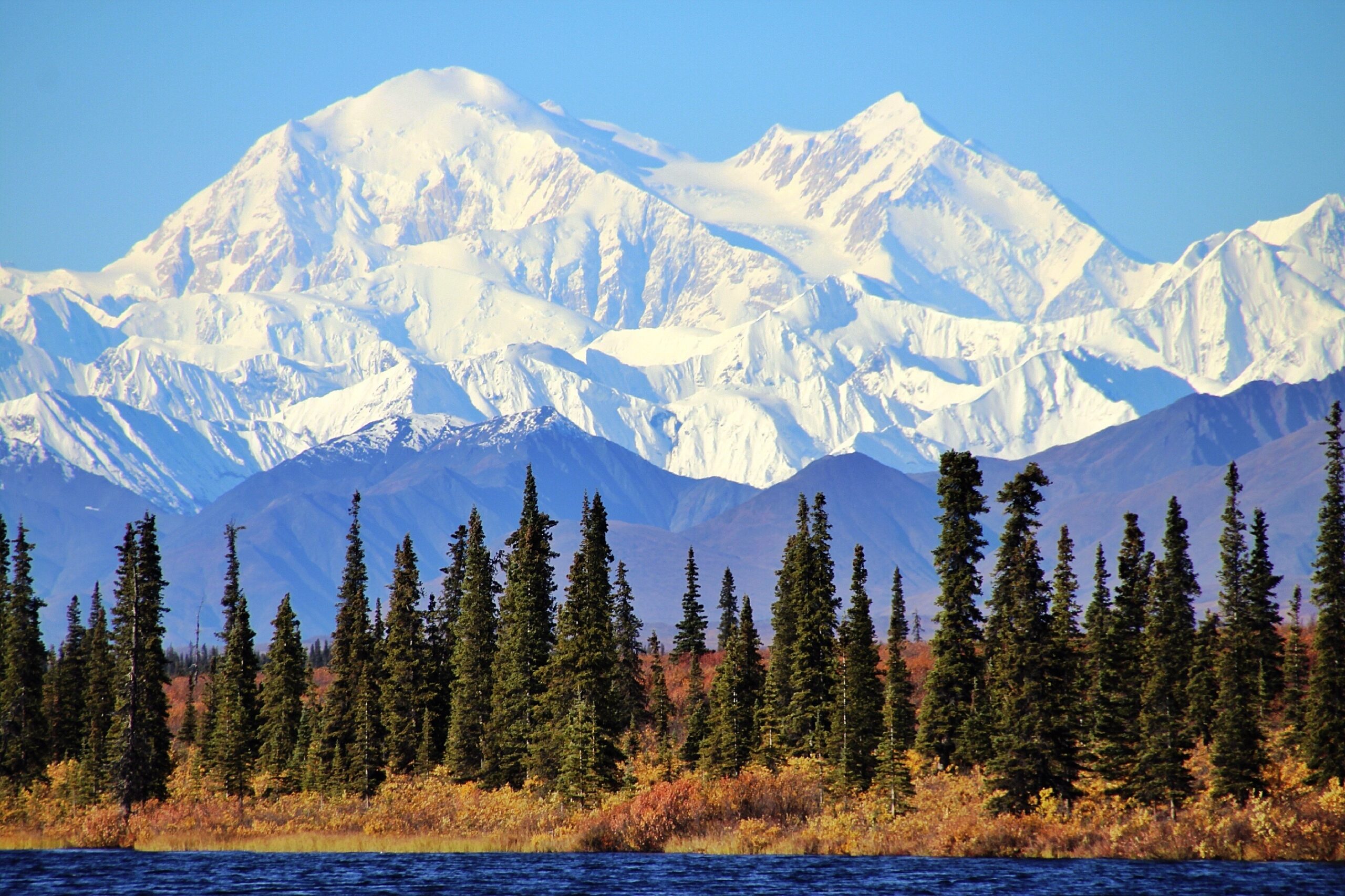
Denali expedition update
Where Denali stands this season, plus the West Buttress route, arctic weather, the NPS permit rules, and safety. A single-mountain page in our Expedition Updates directory. Elevations in feet (metres).
Season winding down. The 2026 window is closing.
Denali’s climbing window runs May to early July, with most summits in late May and June. By late July the lower glacier softens, crevasses open, and the last teams come off, so the mountain is now near the end of its year. The next real window is spring 2027.
Denali’s difficulty is arctic, not just high: a 63-degree-north latitude makes the air thinner than the same height near the equator, and the cold and storms are among the worst on any major peak. That is why the summit rate sits near 51 percent.
Summit (6,190 m)
The highest point in North America, and one of the coldest big peaks.
Climbing season
Most summits fall in late May and June; the window closes by mid-July.
Summit rate
Driven by weather and cold far more than by altitude alone.
Denali rises from the Alaska Range north of Talkeetna, and it is the classic North American expedition: a two-to-three-week, self-sufficient glacier climb where you haul and sled your own loads between camps. This page is the update view, with where the mountain sits in its calendar, the route, and the rules that matter. For the full how-to on operators, cost, and itinerary, see our Denali climb guide, and for the wider picture across ranges, the Expedition Updates dashboard.
Current status and next window
Where the mountain is today, and when it reopens.
Right now Denali is at the tail of its season. The bulk of teams register for May and June, when the snowpack is firm and the glacier is easier to travel, and by mid-to-late July warming days weaken snow bridges on the Kahiltna and the flow of climbers drops off. There is no autumn or winter commercial season here: the cold and short daylight later in the year put the mountain out of reach for all but a handful of specialists. If you are planning, spring 2027 is the season to build toward, with registration opening well ahead of a May or June start.
The 2026 season
The window, the numbers, and what it means for planners.
The 2026 season followed Denali’s usual arc: teams flew from Talkeetna onto the Kahiltna through May, worked up the West Buttress in load-carrying rotations, and waited out storms for the weather windows that make or break a summit. As always, the mountain’s summit rate reflects arctic weather more than altitude, hovering around the long-run figure near 51 percent, well below warmer peaks of similar height. Definitive registration and summit totals come from the National Park Service after the season, and we report those rather than early estimates. For the full statistical picture and how conditions drive it, see our Denali summit success rate analysis.
Route and conditions
The standard line, and the harder alternatives.
West Buttress (standard)
Used by roughly 85 to 90 percent of climbers and first climbed in 1951. From the Kahiltna Base Camp at about 7,200 ft (2,200 m), teams move through camps near 7,800, 11,200, and the 14,200 ft (4,330 m) basin, then up the headwall and fixed lines to high camp at 17,200 ft (5,240 m) and the summit ridge. It is a glacier and snow expedition, not a technical climb, but the altitude, cold, and load-hauling make it hard work.
West Rib, Cassin Ridge and beyond
The West Rib and the Cassin Ridge are far harder, committing technical lines climbed by a small number of experienced parties each year rather than guided teams. They demand a different level of skill and self-reliance than the West Buttress. For the full route breakdown, see the Denali climb guide.
Weather and cold
The real crux on Denali, plus a live forecast.
Weather, not altitude, is what turns most Denali teams around. The mountain sits far enough north that storms roll in off the Gulf of Alaska with little warning, temperatures at the high camps can fall well below minus 30 degrees, and wind can pin climbers in their tents for days. Because the atmosphere is thinner at this latitude, 20,310 ft feels physiologically higher than the number suggests. The live map below shows current wind and conditions for the massif; treat it as a starting point and rely on a dedicated expedition forecast for any real decision.
For a fuller explanation of reading a mountain forecast, see mountain weather for climbers.
Permits and access
The NPS rules every Denali climber works within.
Denali is managed by the National Park Service, and the mountaineering rules are strict and enforced. Every climber registers in advance, pays a use fee, attends an orientation, and packs out their own waste. The fee funds the ranger patrols and rescue infrastructure that have cut the fatality rate over the decades.
| Climber age | Mountaineering fee |
|---|---|
| 25 and over | ~$450 |
| 24 and under | ~$350 |
What the NPS requires
- Register at least 60 days ahead – through Pay.gov, with an experience questionnaire.
- Ranger orientation in Talkeetna – a mandatory briefing before you fly to the glacier.
- Clean Mountain Cans – all human waste is carried out; the CMC is issued by the park.
- Self-sufficiency – carry crevasse-rescue gear, know the skills, and be ready to manage emergencies; rescue is never guaranteed.
Safety on Denali
Where the risk sits on a glaciated arctic peak.
Denali’s hazards are cold injury, weather, altitude, and crevasses, in roughly that order. Frostbite and hypothermia are the most common serious problems, driven by the extreme cold and wind. The lower Kahiltna and the route between camps cross crevassed glacier, so roped travel and crevasse-rescue competence are non-negotiable. Altitude illness affects climbers who move up too fast in the thinner northern air. The single most protective habit is patience: acclimatize properly, keep margin for weather, and be willing to turn around.
More Denali trips end in frostbite, exhaustion, and weather retreats than in altitude alone, and the glacier below camp is a real crevasse-fall risk. Rope up, carry rescue gear, and know how to use it. This page is not medical or safety advice; build your skills with our crevasse-rescue basics and acclimatization guides and a qualified guide.
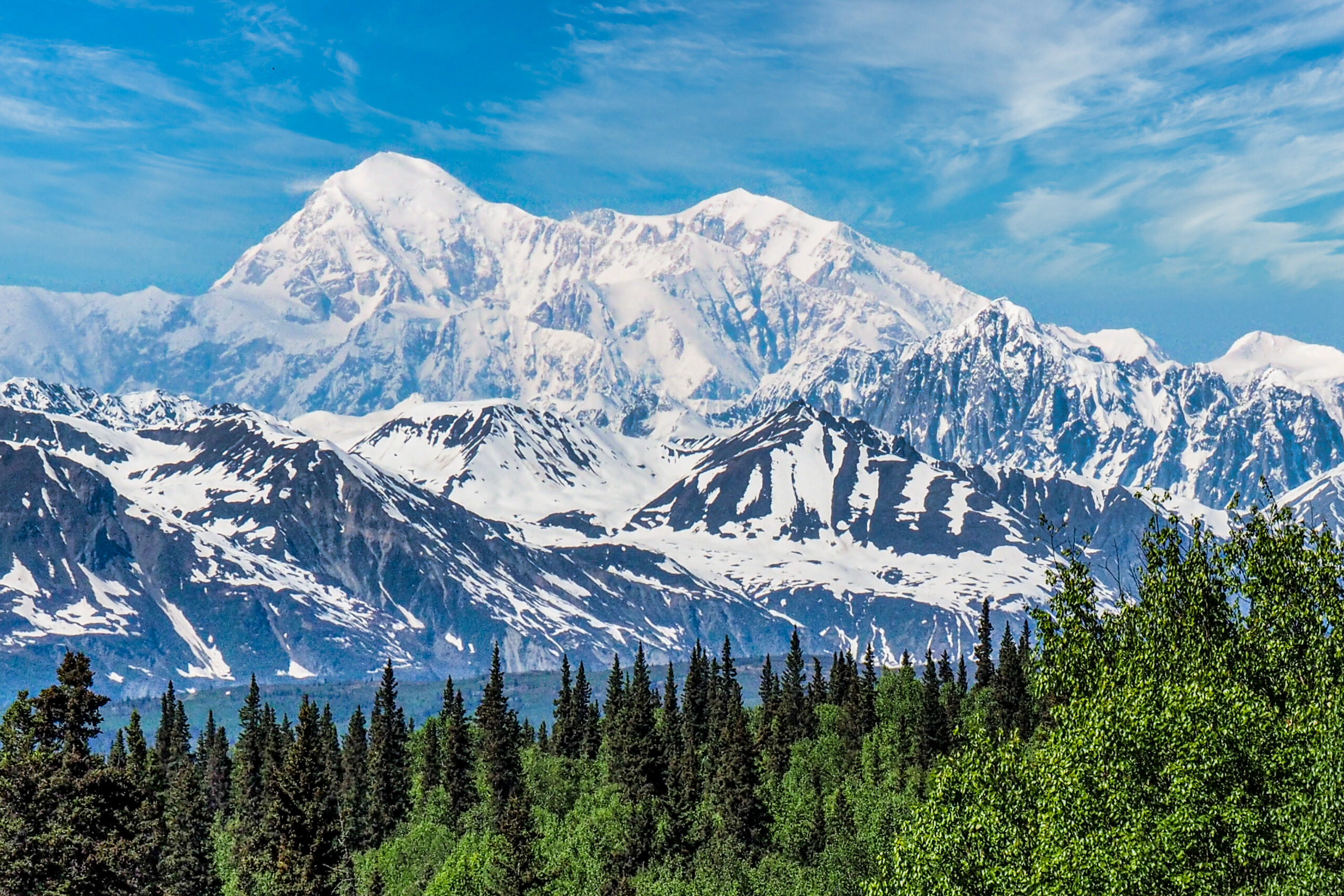
Denali by the numbers
The context behind a single season, from grounded records.
First ascent
Walter Harper led the first party to the summit on June 7, 1913.
Climb unguided
About half of Denali climbers organise their own expedition.
NPS-permitted guides
A small set of concessionaires run the guided West Buttress trips.
Denali is one of the Seven Summits, and it fits a longer progression toward the world’s high peaks. Our Denali progression plan lays out the five stages to the summit, Denali operators compares the permitted guide services, and the mountains to climb before the Seven Summits guide shows where Denali sits in a sensible build-up.
Alaska expedition updates
Denali’s neighbours in the range, each with its own update page. Back to the full Expedition Updates dashboard.
Denali update FAQ
The questions planners ask most about timing, permits, and conditions.
When is the Denali climbing season?
May to early July, with most summits in late May and June. By late July, warming snow and opening crevasses on the lower glacier make travel harder and the season winds down. Denali is not climbed commercially in winter, when cold and darkness are extreme.
How much is a Denali permit?
The National Park Service mountaineering fee for 2026 is about $450 per climber aged 25 and over, and $350 for those 24 and under, paid through Pay.gov. Every climber must register at least 60 days before the start date. Fees change, so confirm the current figure with the NPS.
What is the standard route on Denali?
The West Buttress, used by roughly 85 to 90 percent of climbers and first climbed in 1951 by a team led by Bradford Washburn. It is a long glacier and snow route rather than a technical climb. The West Rib and Cassin Ridge are far harder and rarely guided.
Why is Denali hard for its height?
Its 20,310 ft (6,190 m) summit sits at 63 degrees north, so the air is thinner than the same height nearer the equator and the effective altitude feels higher. Combined with some of the coldest, stormiest weather of any major peak, that is why the summit rate sits near 51 percent.
Do I need a guide for Denali?
About half of Denali climbers go unguided, but that demands real prior glacier travel, crevasse rescue, and expedition experience. A guided team handles logistics and improves summit odds, and most first-timers benefit from one. Either way, the NPS registration and skills bar is the same.
What is the current status of Denali?
As of late July the 2026 season is winding down and most teams are off the mountain. The next window is spring 2027, from May to early July. Check this page for the season summary and the current picture before you plan.
📋 How this update is built
This page is compiled by Travis Ludlow, Founder and Head of Research at Global Summit Guide, from US National Park Service data and published season reporting, with sources named below. It was reviewed for safety by Dawson Ludlow, our Climbing & Mountaineering Lead (Wilderness First Aid), whose highest first-hand summit is Kilimanjaro. Where our team has no first-hand experience of Denali, we report the cited records rather than personal anecdote, and we confirm fees and rules against the NPS.
Sources and further reading
- US National Park Service, Denali National Park – mountaineering permits, fees, and regulations.
- NPS annual Denali mountaineering summary – registration and summit statistics.
- Denali air-taxi and NPS-permitted guide operators – logistics and season reporting.
- Our own Denali climb guide and Denali summit success rate analysis.
- We report published figures and named sources rather than posting unverified live conditions.
Planning a Denali expedition?
Choosing the right approach is the biggest decision you will make. Compare the permitted teams in our Denali operators guide, read how to choose an expedition operator, and work through the Denali progression plan. For flights and lodging around Anchorage and Talkeetna, browse travel on Expedia.
Disclosure: the Expedia link above is a sponsored affiliate link. We may earn a commission at no extra cost to you.
Was this helpful?
Global Summit Guide is an independent mountaineering resource founded in 2026. The team combines first-hand trekking and climbing experience with in-depth research and professional health and nutrition review to help climbers choose objectives, prepare properly, and stay safe.
Health, altitude, and nutrition content is reviewed by Taylor Ludlow (Registered Nurse) and Brigg Hoopes (Nutritionist).
What We Don't Know Yet
Mountain information changes quickly. This box explains the limits of what this page can responsibly promise.
- Permit availability, reservation windows, quotas, and official fee rules may change after this page is updated.
- Weather, snowpack, avalanche risk, road access, and route conditions can change quickly and may be different on your climbing dates.
- Visa, passport, vaccination, border, insurance, and local transportation rules may change before your trip.
Verify current conditions with official land managers, guide services, local forecasts, and current route reports before booking or climbing.
Mountaineering, rock and ice climbing, glacier travel, and high-altitude activity are inherently dangerous and can result in serious injury or death. The information on Global Summit Guide is provided for general informational and educational purposes only and is not a substitute for professional instruction, qualified guiding, proper equipment, or your own judgment and experience.
Route conditions, weather, snowpack, permits, regulations, and hazards change constantly and may differ from what is described here. Details may be incomplete, out of date, or contain errors. Always verify current information with local authorities, certified guides, and official sources before making any decision in the mountains.
Nothing on this site is medical, legal, or financial advice. Our fitness, acclimatization, altitude, and nutrition content is general in nature; consult a qualified physician before beginning any strenuous exercise program or exposing yourself to high altitude.
You are solely responsible for your own safety and decisions. To the fullest extent permitted by law, Global Summit Guide and its team accept no liability for any loss, injury, damage, or expense arising from use of, or reliance on, this information. By using this site you acknowledge these risks and accept these terms.
Some links on this site may be affiliate links. If you buy through them we may earn a small commission at no extra cost to you; this never affects our recommendations.
Global Summit Guide recommendation path
Next Best Mountain to Research
Use these recommendations to continue the right planning path instead of stopping on one page.
Use current permit, weather, route, and operator information before booking or climbing.