
Last updated September 6, 2026
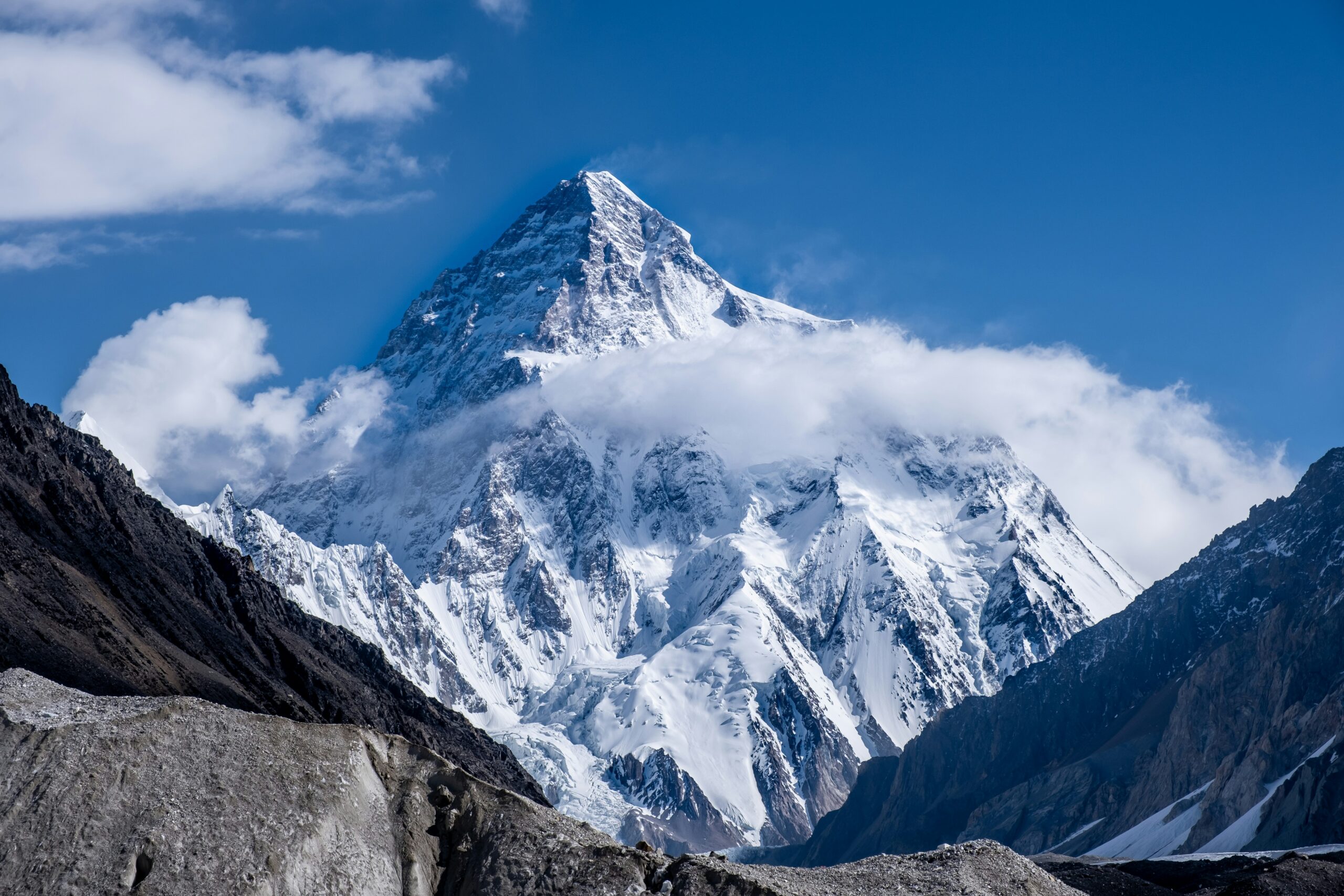
K2 Climbing Season: Summit Window, Permits, Access & Route Readiness
K2’s practical expedition season runs from late June through August, but the strongest summit period is usually much shorter—often a few days in late July or early August. Reaching that window requires more than favorable weather: the permit must be approved, the Baltoro approach completed, camps and fixed lines established, climbers acclimatized, and the route ready for both ascent and descent.
Reviewed August 16, 2026 · Gilgit-Baltistan Tourism Department + current expedition planning sources · Verify permit paperwork before payment
When is the K2 climbing season?
The normal expedition cycle begins in late June, when teams travel through Skardu and Askole, trek the Baltoro, establish Base Camp and begin route work. July is the core acclimatization and fixing month. The strongest summit opportunity commonly falls in late July, sometimes extending into early August.
August is not automatically “too late,” but the value of a second window depends on whether the route remains established, camps and oxygen are intact, the team is healthy, and forecasts still offer enough margin for a complete summit-and-descent cycle.
For temperature, wind, snowfall, monsoon influence and forecast interpretation, use the K2 Weather Guide.
- Late June: approach and Base Camp establishment.
- Early July: lower rotations and fixing.
- Mid July: upper rotations, camps and recovery.
- Late July: central summit-window period.
- Early August: possible second opportunity.
- Afterward: descent can be the correct decision even after weeks of investment.
K2 Expedition Calendar
A commercial expedition may last seven or eight weeks even though the mountain offers only a short final opportunity.
Skardu logistics, Askole roadhead, Baltoro trek, Base Camp setup and early route assessment.
Camp 1/2 movement, acclimatization, load carries and lower-route fixing.
Higher rotations, Camp 3 work, Black Pyramid progress, oxygen/camp staging and recovery.
The best chance comes when a usable forecast overlaps with fixed ropes, stocked camps and rested climbers.
| Phase | Main work | Primary uncertainty |
|---|---|---|
| Approach | Travel, permits, roadhead, Baltoro trek | Flights, roads, bridges, porter logistics |
| Lower rotations | Camps 1–2, rope work, acclimatization | Rockfall, snow, heat cycles, illness |
| Upper rotations | Camp 3, Black Pyramid, high-altitude recovery | Wind, new snow, fixing delays, fatigue |
| Summit staging | Camp 4, oxygen, team selection, forecast | Window duration, congestion, cache integrity |
| Summit/descent | Bottleneck, summit, return through technical route | Wind trend, turnaround time, queues, oxygen |
Five Things Must Align at the Same Time
Good weather alone does not make K2 ready for a summit push.
1 · Weather
Upper wind, snowfall and visibility must provide enough margin for the complete high-altitude cycle.
2 · Route
Fixed lines and camps must reach high enough for the team to use the forecast window.
3 · Team
Climbers must be acclimatized, healthy and recovered from their final rotations.
4 · Logistics
Oxygen, tents, fuel, stoves and caches have to be in place and functioning.
5 · Descent
The forecast has to protect the return through the Bottleneck, Black Pyramid and lower ridge.
Human judgment
Weeks of waiting create deadline pressure; a disciplined team still has to walk away from a marginal day.
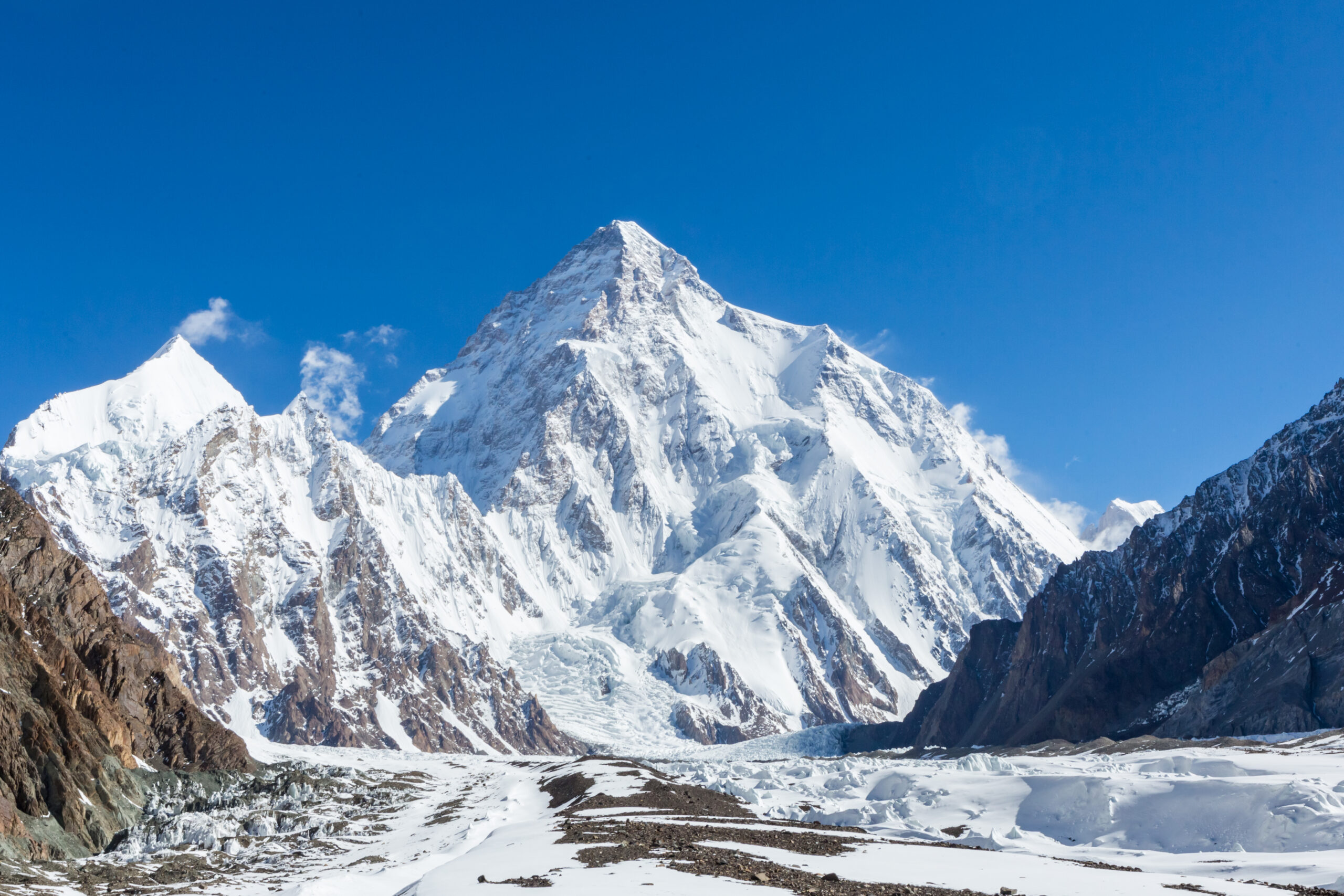
Weather, fixing, camps and team readiness must peak together.
A calm spell can be unusable if snow has buried the route, ropes stop below the Bottleneck, Camp 4 is damaged or the team has not recovered from its final acclimatization rotation.
What “K2 Conditions” Means From Askole to the Summit
The expedition can lose margin long before a climber reaches the Abruzzi Spur.
| Zone | Condition questions | Why it matters |
|---|---|---|
| Skardu / Askole | Flights, road status, bridges, landslides, vehicles | Delays consume acclimatization and recovery days. |
| Baltoro approach | Heat, precipitation, glacial streams, porter movement | Teams can arrive at Base Camp already depleted. |
| K2 Base Camp | Rest, illness, snow/rain, communications | Recovery quality determines readiness for rotations. |
| Lower Abruzzi | Rockfall, snow cover, fixed-line condition | Early delays can stall the entire route-building schedule. |
| Black Pyramid | Mixed conditions, rope integrity, congestion | Technical climbing slows traffic and increases oxygen/cold exposure. |
| Shoulder / Camp 4 | Wind, snow loading, tent and oxygen-cache condition | Summit plans often unravel here before the Bottleneck. |
| Bottleneck / summit | Serac exposure, queues, wind, temperature, turnaround time | The descent through the same terrain remains part of the summit decision. |
For the atmospheric side of these conditions, see K2 Weather by Month.
K2 Permit Royalty & Expedition Rules
Use the current government-published schedule as the starting point, then have your registered Pakistani operator confirm the full invoice.
| Official published item | Current GB schedule |
|---|---|
| K2 royalty · party up to 7 members | US$12,000 |
| Each additional member above 7 | US$3,000 |
| Maximum party size under published K2 terms | 15 members |
| Peak coverage | One permit is issued for one peak |
| Registered company relationship | Required for expeditions under current GB guidance |
| Insurance documentation | Required before permit issuance for local high-altitude workers under current policy |
For a detailed cost and paperwork breakdown, use the K2 Permits & Fees Guide.
What the Permit Application Requires
Gilgit-Baltistan Tourism publishes an online application process handled through the expedition’s registered tour company.
Core application documents listed by the Tourism Department
The official FAQ lists an online mountaineering/trekking application followed by royalty/environment payments and insurance documentation. The operator submits the expedition material and coordinates the government process.
- Application from the tour operator on company letterhead.
- Route map of the proposed peak or trek.
- Passport copies for expedition members.
- Completed visa application information for foreign trekkers/climbers.
- Occupation details for trekking/expedition members.
- Copy of the licensed tour operator’s documentation.
- Royalty / trekking fee receipt as applicable.
- Waste-management / environmental fee receipt as applicable.
- Insurance documentation required by current policy.
Do not plan around a bare minimum deadline.
Visa processing, expedition paperwork, fee transfers and corrections can consume time. Ask your operator for a dated document checklist and submission schedule months before travel rather than waiting until the Karakoram season begins.
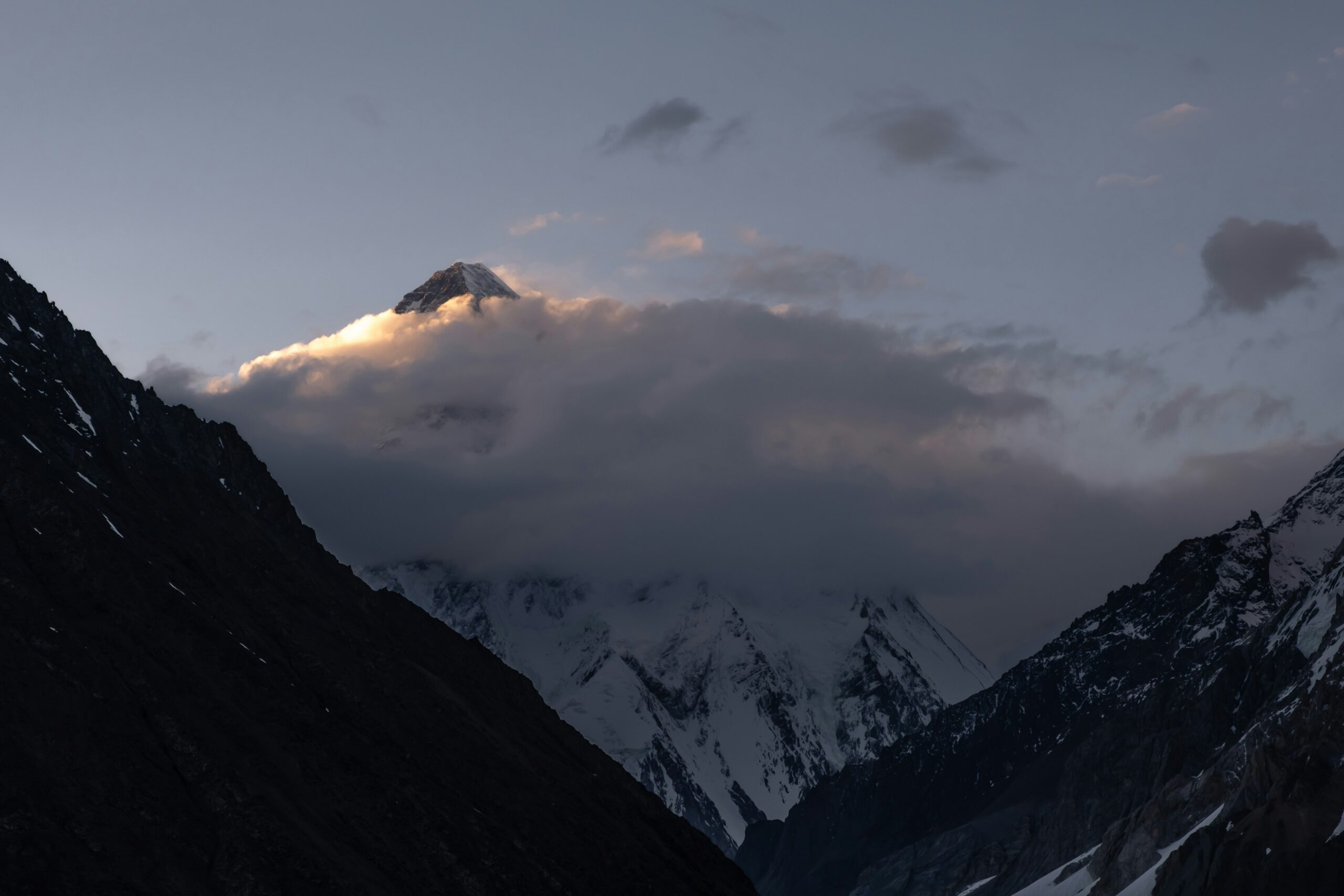
K2 has no road to Base Camp.
International arrival, Skardu logistics, Askole road access and the multi-day Baltoro trek all happen before the first acclimatization rotation. A delay in that chain can consume the margin needed for the summit period.
Skardu, Askole & Baltoro Access
The strongest itinerary is not the one that reaches K2 fastest; it is the one that absorbs delays without stealing recovery days.
Islamabad → Skardu
Domestic flights are valuable but weather-sensitive. Operators commonly plan road contingencies when schedules matter.
Skardu → Askole
Road and bridge conditions in the Shigar/Braldu corridor can change after rain, landslides or infrastructure damage.
Askole → Base Camp
The Baltoro trek is a real high-altitude approach through Paiju, Urdukas, Goro and Concordia before the Godwin-Austen Glacier and K2 Base Camp.
Route Fixing, Shared Lines & Congestion
K2’s commercial season depends on the route being established quickly enough to use the atmospheric window.
| Section | Why fixing matters | Season consequence |
|---|---|---|
| Lower Abruzzi | Early ropes establish camp movement and acclimatization flow | Delay here pushes every later rotation back. |
| House’s Chimney | Technical bottleneck on the lower route | Slow fixing creates queues before the high mountain. |
| Black Pyramid | Sustained technical terrain | A major schedule gate for Camp 3 access. |
| Shoulder / Camp 4 | High camps and oxygen must be established | Forecast opportunity is useless without summit staging. |
| Bottleneck / Traverse | Final lines control traffic through the key upper hazard | Late fixing can compress many teams into the same window. |
Study the terrain in the K2 Routes Guide.
Seven Ways a K2 Season Can Fail
Permit approval and weeks at Base Camp do not create an obligation to attempt the summit.
Access delays
Flights, roads, bridges or porter logistics consume days before Base Camp.
Persistent upper wind
No forecast provides enough calm time for the summit and descent.
Fresh snow
A storm leaves unacceptable loading, buried lines or slow trail-breaking.
Fixing stalls
The route is not established when the best forecast appears.
Illness or injury
Climbers or staff are unable to recover enough for the summit cycle.
Camp / oxygen failure
Damaged tents, stoves, caches or cylinders reduce the margin above Camp 3.
The seventh failure mode is deadline pressure.
The longer a team waits, the easier it is to reinterpret a marginal forecast as “good enough.” Strong expedition leadership treats sunk cost as irrelevant when conditions no longer support a defensible attempt.
Where to Follow the Current K2 Season
Season patterns are stable; rope fixing, summit pushes and team movements change day by day.
Use the live season tracker for temporary developments.
The K2 2026 Season Tracker is the better place for dated information such as team arrivals, current fixing progress, active delays and summit pushes. This guide is designed for the planning framework that remains useful from one season to the next.
- Current teams at Base Camp.
- Latest fixing progress.
- Active summit-window reports.
- Season incidents and major changes.
- Temporary access or weather disruptions.
K2 Season, Weather, Routes, Permits & Expedition Support
Move from timing to the specific planning question you need to solve next.
K2 Climbing Guide
Complete route, cost, difficulty, permit and progression overview.
Open K2 guide → WeatherK2 Weather by Month
Summit temperature, wind, snowfall, monsoon influence and forecast interpretation.
Study K2 weather → LiveK2 2026 Season Tracker
Current teams, fixing, delays, summit pushes and dated developments.
Follow the season → RoutesK2 Routes Guide
Abruzzi, Cesen, North Ridge, Bottleneck, camps and route history.
Study routes → PermitsK2 Permits & Fees
Detailed royalty, documents, insurance and government process.
Plan permits → OperatorsK2 Expedition Companies
Compare leadership, oxygen, HAP support, fixing participation and contracts.
Compare operators → RiskK2 Death Rate
Historical mortality data and denominator methodology.
Open risk data → TrainingK2 Training Plan
Build the durability needed to arrive at the one useful window ready to move.
Build readiness →Turn the Season Calendar Into an Expedition Plan
Two planning decisions matter immediately after choosing the season: the route system and the operator.
K2 Routes Guide
Understand where ropes, camps and congestion shape the timing of a commercial summit push.
Open Routes →K2 Operators
Compare who controls fixing, oxygen, staffing, turnaround authority, rescue planning and permit administration.
Compare Operators →K2 Climbing Season FAQ
The most common questions involve timing, permits, access and whether the route is ready when the forecast appears.
What is the K2 climbing season?
The practical commercial expedition season is late June through August. Most teams spend July acclimatizing and establishing the route, with the strongest summit opportunity usually in late July or early August.
What is the best month to climb K2?
July is the central month. Late July is especially important because route fixing, acclimatization and summer weather can finally align. For atmospheric detail, see the separate K2 Weather Guide.
Can K2 be climbed in August?
Yes. Early August can provide a second opportunity if the route remains established, the team is healthy and a defensible weather window appears. It should not be treated as guaranteed.
How much is the K2 climbing royalty?
Gilgit-Baltistan Tourism currently publishes a K2 royalty of US$12,000 for a party of up to seven members, plus US$3,000 for each additional member. Confirm the full expedition invoice and any additional fees through the registered Pakistani operator.
Can foreign climbers apply independently?
Gilgit-Baltistan Tourism states that expeditions must have proper permits and be associated with a registered tour company. Foreign expeditions normally use a licensed Pakistani operator to administer the process.
Does a K2 permit cover Broad Peak too?
No assumption should be made that one permit covers both. The current published terms state that a permit is issued for one peak, with another permit required for another peak.
How early should I start the permit process?
Start months before travel. The official process requires operator documentation, member information, route material, fees and insurance; visa and administrative timelines can add delays.
What if the best weather arrives before ropes reach the summit?
The forecast may be unusable. On K2, weather, route fixing, high camps, oxygen caches and team readiness all have to align before a commercial summit cycle can begin.
Where can I follow current K2 conditions?
Use the K2 2026 Season Tracker for dated team arrivals, rope-fixing progress, active delays and summit-window reporting.
How Global Summit Guide Evaluates the K2 Season
Government permit rules, stable expedition timing and live field developments are treated as different types of information.
Primary government sources
- Gilgit-Baltistan Tourism Department — K2: current published royalty schedule and party terms.
- Gilgit-Baltistan Tourism FAQ: permit application steps, supporting documents and registered-operator requirements.
- Gilgit-Baltistan Tourism advisory: insurance and permit policy for expeditions and local high-altitude workers.
What changes during the season
- Skardu and Askole access.
- Baltoro approach condition.
- Rope-fixing progress and camp locations.
- Upper-mountain snow loading and wind.
- Operator staffing and oxygen caches.
- Whether the team is healthy enough to use a forecast window.
Verify before payment and again before departure.
Government schedules can change, and expedition access is affected by weather, roads and administrative processes. Get the final royalty, fees, paperwork status and access plan in writing from the operator handling your expedition.
Plan for Late July—But Build Enough Margin to Wait or Walk Away.
A strong K2 expedition reaches Base Camp early enough to absorb delays, completes acclimatization without exhausting the team, establishes the route before the forecast appears and treats the summit period as an opportunity rather than a deadline.
K2 Season & Conditions, in Full Context
Windows and permits are one piece of a K2 attempt. See the full guide, the live tracker and K2’s risk profile below.
Was this helpful?
🏔Related peaks nearby
🧭Explore & compare
Global Summit Guide is an independent mountaineering resource founded in 2026. The team combines first-hand trekking and climbing experience with in-depth research and professional health and nutrition review to help climbers choose objectives, prepare properly, and stay safe.
Health, altitude, and nutrition content is reviewed by Taylor Ludlow (Registered Nurse) and Brigg Hoopes (Nutritionist).
What We Don't Know Yet
Mountain information changes quickly. This box explains the limits of what this page can responsibly promise.
- Permit availability, reservation windows, quotas, and official fee rules may change after this page is updated.
- Weather, snowpack, avalanche risk, road access, and route conditions can change quickly and may be different on your climbing dates.
- Visa, passport, vaccination, border, insurance, and local transportation rules may change before your trip.
Verify current conditions with official land managers, guide services, local forecasts, and current route reports before booking or climbing.
Mountaineering, rock and ice climbing, glacier travel, and high-altitude activity are inherently dangerous and can result in serious injury or death. The information on Global Summit Guide is provided for general informational and educational purposes only and is not a substitute for professional instruction, qualified guiding, proper equipment, or your own judgment and experience.
Route conditions, weather, snowpack, permits, regulations, and hazards change constantly and may differ from what is described here. Details may be incomplete, out of date, or contain errors. Always verify current information with local authorities, certified guides, and official sources before making any decision in the mountains.
Nothing on this site is medical, legal, or financial advice. Our fitness, acclimatization, altitude, and nutrition content is general in nature; consult a qualified physician before beginning any strenuous exercise program or exposing yourself to high altitude.
You are solely responsible for your own safety and decisions. To the fullest extent permitted by law, Global Summit Guide and its team accept no liability for any loss, injury, damage, or expense arising from use of, or reliance on, this information. By using this site you acknowledge these risks and accept these terms.
Some links on this site may be affiliate links. If you buy through them we may earn a small commission at no extra cost to you; this never affects our recommendations.
Global Summit Guide recommendation path
Next Best Mountain to Research
Use these recommendations to continue the right planning path instead of stopping on one page.
Use current permit, weather, route, and operator information before booking or climbing.
Search Flights, Hotels & Rental Cars
Have the mountain or destination picked? Use Expedia to compare the flights, lodging and rental cars that fit your actual trip dates. For mountain travel, consider arriving early enough for delays and adding a buffer night after the climb before a fixed flight home.
Compare current flight, hotel and car options.
Affiliate disclosure: Global Summit Guide may earn a commission if you book through this link, at no additional cost to you.