
Last updated October 9, 2026

Via Ferrata vs Rock Climbing vs Scrambling: What’s the Difference?
Via ferrata, scrambling and rock climbing can put you on surprisingly similar terrain. What changes is how you move, what protects you, what happens if you fall and how much technical skill you need. Here is where via ferrata actually sits between hiking and conventional climbing—and which activity makes sense for you.
Via Ferrata Is Not Simply “Easy Rock Climbing.”
Scrambling is hands-on mountain travel, usually without a continuous protection system. Via ferrata uses permanent steel cables, anchors, rungs, ladders or bridges together with a purpose-built energy-absorbing ferrata set. Rock climbing relies much more heavily on climbing movement and normally uses a rope, belay system, anchors and route-specific protection.
Via ferrata often occupies the space between scrambling and conventional climbing because fixed hardware makes steep terrain more accessible. But it is not a universal difficulty ladder. A serious exposed scramble may have greater consequences than an introductory roped climb, while a difficult ferrata can be extremely steep and physical.
The Terrain Can Look Similar. The Safety System Is What Changes.
A photograph of someone on steep rock does not always tell you whether they are scrambling, climbing a via ferrata or rock climbing. All three can involve exposure, hands-on movement and places where a slip would matter.
The more useful distinction is the system surrounding that movement. Scrambling commonly asks you to avoid falling without permanent protection. A via ferrata provides fixed infrastructure and a specific personal lanyard system. Roped climbing adds a broader technical system built around rope management, belaying, anchors and protection.
That affects the skills you need, the equipment you carry, the consequences of a mistake and the kind of instruction that makes sense before you start.
Compare the Activities Before You Pick the Route.
Start with the side-by-side comparison, then go deeper into protection, risk, equipment and progression.
Via Ferrata vs Scrambling vs Rock Climbing
Use the protection system, potential fall consequence and required technical skill—not the activity name alone—to understand what a route demands.
| Factor | Scrambling | Via Ferrata | Rock Climbing |
|---|---|---|---|
| Basic idea | Hands-on travel through mountain terrain without continuous fixed protection. | Protected mountain route using permanent steel cable and often engineered aids. | Technical climbing on natural rock using climbing movement and a protection system. |
| Typical protection | Often none. A rope may be introduced on more consequential terrain. | Fixed cable plus purpose-built energy-absorbing via ferrata set. | Rope, harness, belay system, anchors and fixed or removable protection. |
| Route infrastructure | Usually little or none. | Cables, anchors, steps, rungs, ladders and sometimes suspension bridges. | May include bolts and anchors, but the rock itself normally supplies the movement. |
| Hands required? | Yes once it becomes genuine scrambling. | Yes, especially on steep and difficult sections. | Yes. Technical movement is central to the activity. |
| Fall approach | Avoid falling. Many routes have no system designed to arrest one. | Avoid falling. The ferrata system is emergency protection rather than a recreational fall system. | Properly managed roped systems are designed to arrest falls, though route geometry and protection still matter. |
| Core technical gear | Mountain footwear and often a helmet; rope/protection may appear on harder terrain. | Helmet, harness and purpose-built via ferrata set. | Helmet, harness, rope, belay device and route-specific protection. |
| Learning curve | Low at the easy end; route-finding and consequence increase quickly. | Moderate on suitable beginner routes with proper equipment instruction. | Higher because both movement and rope-management skills require practice. |
| Exposure | Ranges from mild to extreme. | Often deliberately dramatic. | Common and highly route-dependent. |
| Best for | Hikers moving toward more complex mountain terrain. | People wanting protected access to steep, exposed terrain. | People wanting a deeper technical climbing skill set. |
A Useful Continuum—But Not a Difficulty Ranking.
Via ferrata often bridges the psychological and technical gap between ordinary mountain movement and roped climbing, but individual routes can cross those boundaries.
One way to visualize the progression
This describes changing systems, not guaranteed difficulty. An exposed scramble can be more consequential than an introductory top-rope climb, while a difficult via ferrata can demand considerable strength.

Via Ferrata Makes Steep Terrain More Accessible. It Does Not Make the Exposure Disappear.
Steel cables and iron steps can dramatically change the movement difficulty of a cliff. Height, weather, rockfall, fatigue and retreat options still matter.
Via Ferrata Strobel, Dolomites · Wikimedia Commons · CC BY-SA.Three Different Ways to Move Through Steep Mountain Terrain.
They overlap physically, but each asks you to solve a different movement, protection and skill problem.

Natural Terrain. Minimal Systems.
Scrambling begins where walking alone is no longer enough. Hands provide balance, upward movement or security, but permanent protection is usually absent.
- Route-finding can matter greatly.
- Loose rock and exposure may dominate risk.
- Harder scrambling can require a rope.
- The descent may be as serious as the ascent.

Fixed Protection. Serious Exposure.
Via ferrata uses permanent hardware to protect and sometimes assist passage through terrain that could otherwise require more advanced climbing skills.
- Helmet, harness and ferrata set are the core system.
- Clipping technique matters at cable anchors.
- Fixed aids can include ladders, rungs and bridges.
- Weather and retreat remain mountain problems.

Movement + Rope Systems.
Rock climbing puts greater emphasis on natural holds while adding a technical system for protection, belaying, anchors and descent.
- Footwork and body position become central skills.
- Belaying and rope management require practice.
- Protection changes between climbing styles.
- Skills can transfer into alpine climbing.
The Biggest Difference May Be What Happens When Your Feet Leave the Rock.
Physical difficulty gets most of the attention. Fall consequence is often the more important distinction.
Often No Catch System
A slip may immediately become a serious fall. Easier movement does not necessarily mean low consequence when no rope or fixed system is present.
Protected—But Not Fall Friendly
A climber may slide or fall along the cable before reaching the next anchor point. Rock, rungs and steel fixtures can be struck during the fall.
The Rope Manages the Fall
Properly configured climbing systems are designed to arrest falls, but protection quality, belaying, ledges and route geometry still matter.
A technically easy scramble may involve severe exposure with no protection, while a technically harder climbing move may occur on a well-managed rope system. Difficulty and consequence are separate questions.

Easy Moves Can Still Have Very Serious Consequences.
Scrambling is often physically easier than technical climbing. That matters less when the route is exposed, the rock is loose and there is nothing designed to catch a mistake.
Knife Edge, Capitol Peak · Greg Willis · Wikimedia Commons · CC BY-SA 4.0.The Equipment Changes Because the Protection System Changes.
Footwear, helmets and weather layers overlap. The equipment designed to manage a fall is fundamentally different.
| Equipment | Scrambling | Via Ferrata | Rock Climbing |
|---|---|---|---|
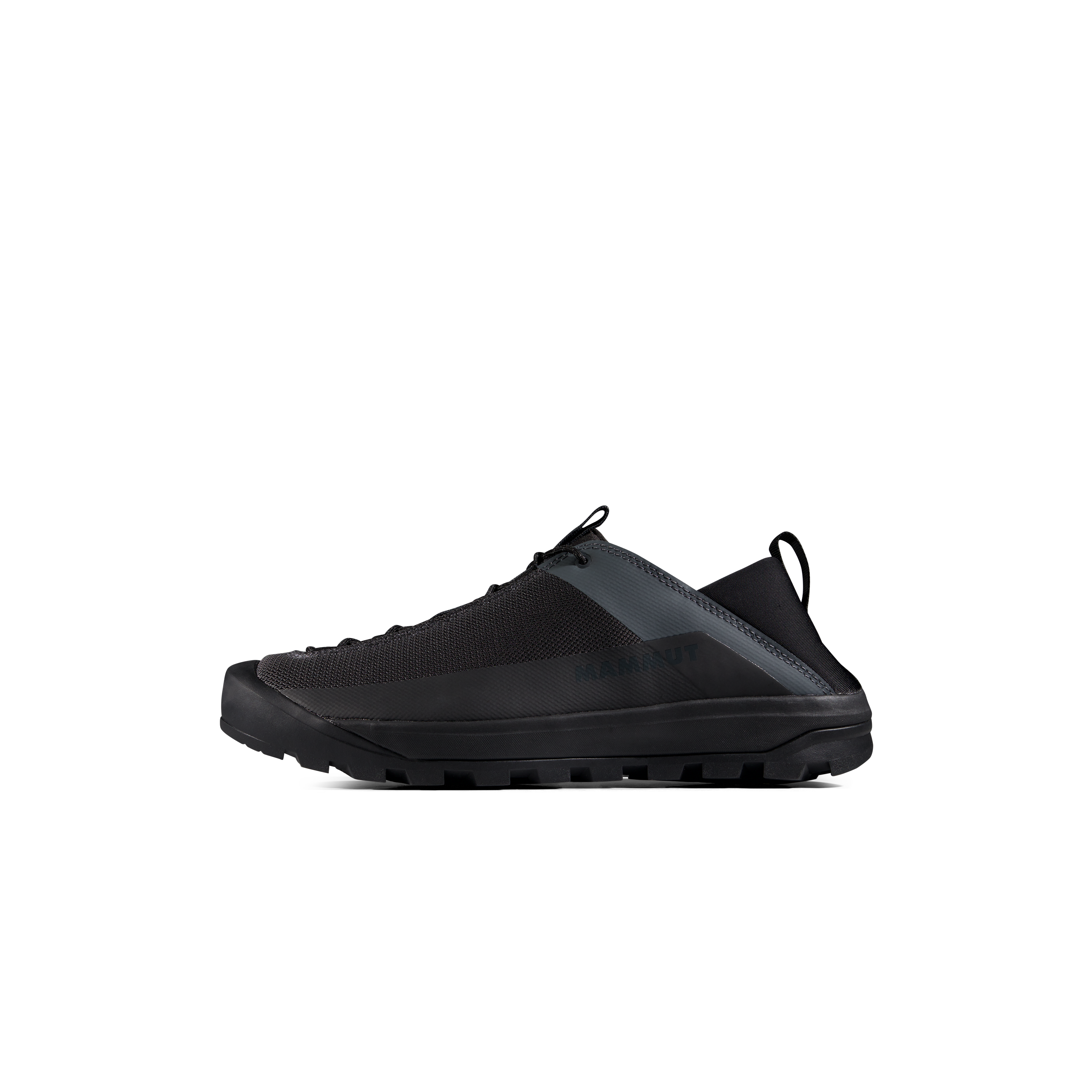
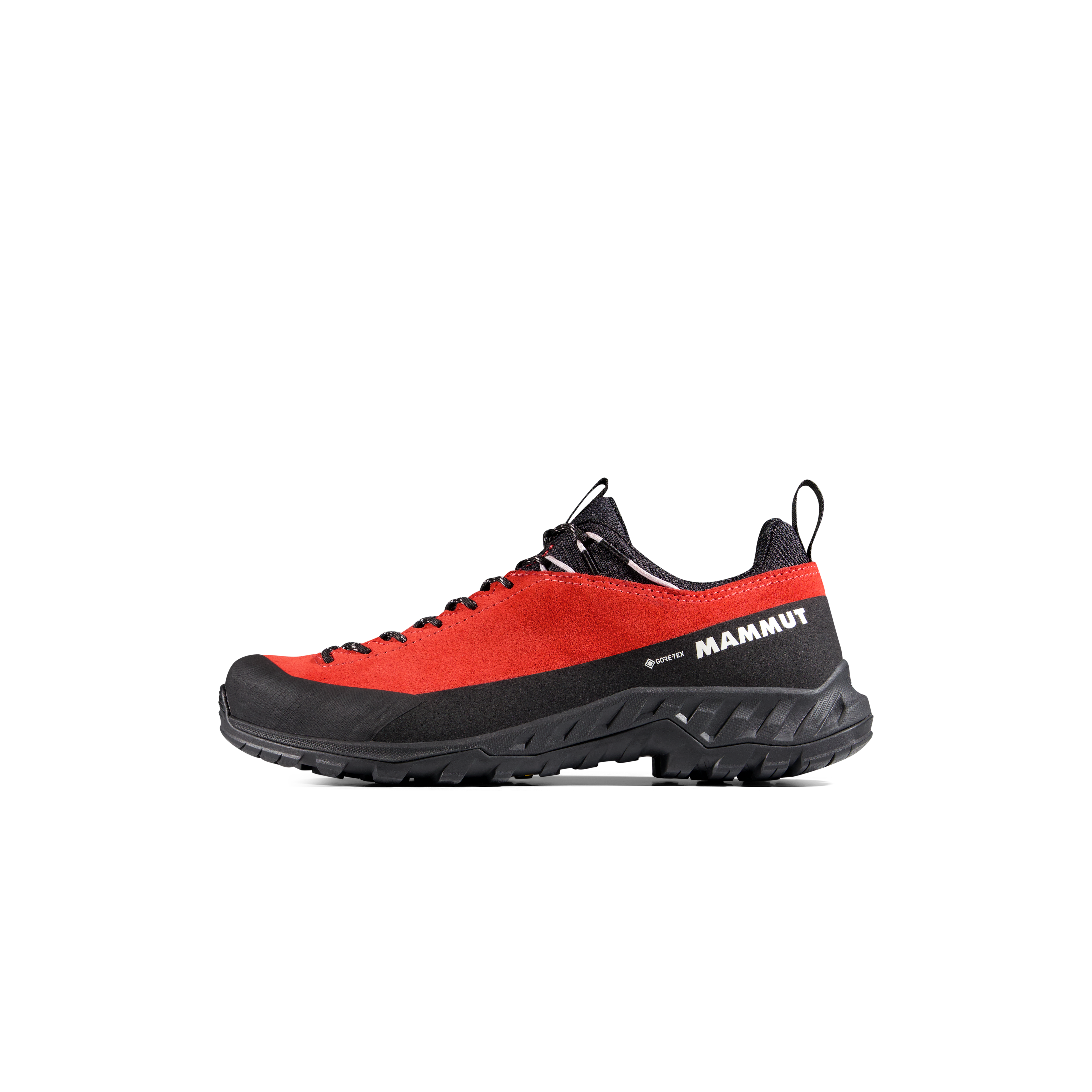
| Footwear | Hiking or approach footwear depending on terrain. | Approach shoes or suitable mountain footwear. | Climbing shoes for technical climbing; approach shoes for access. |
| Helmet | Increasingly useful as terrain becomes rocky or consequential. | Core equipment. | Core outdoor climbing equipment. |
| Harness | Usually absent on straightforward scrambling. | Core equipment. | Core equipment for roped climbing. |
| Ferrata set | No. | Yes: purpose-built energy-absorbing system. | No. Rock climbing uses a different protection system. |
| Dynamic rope | May appear on harder scrambling. | Not normally the primary self-protection system; competent parties may use one in special situations. | Central to most roped climbing. |
| Protection hardware | Sometimes added on harder terrain. | Much of the route protection is installed permanently. | Bolts, quickdraws, cams, nuts or other systems depending on style. |
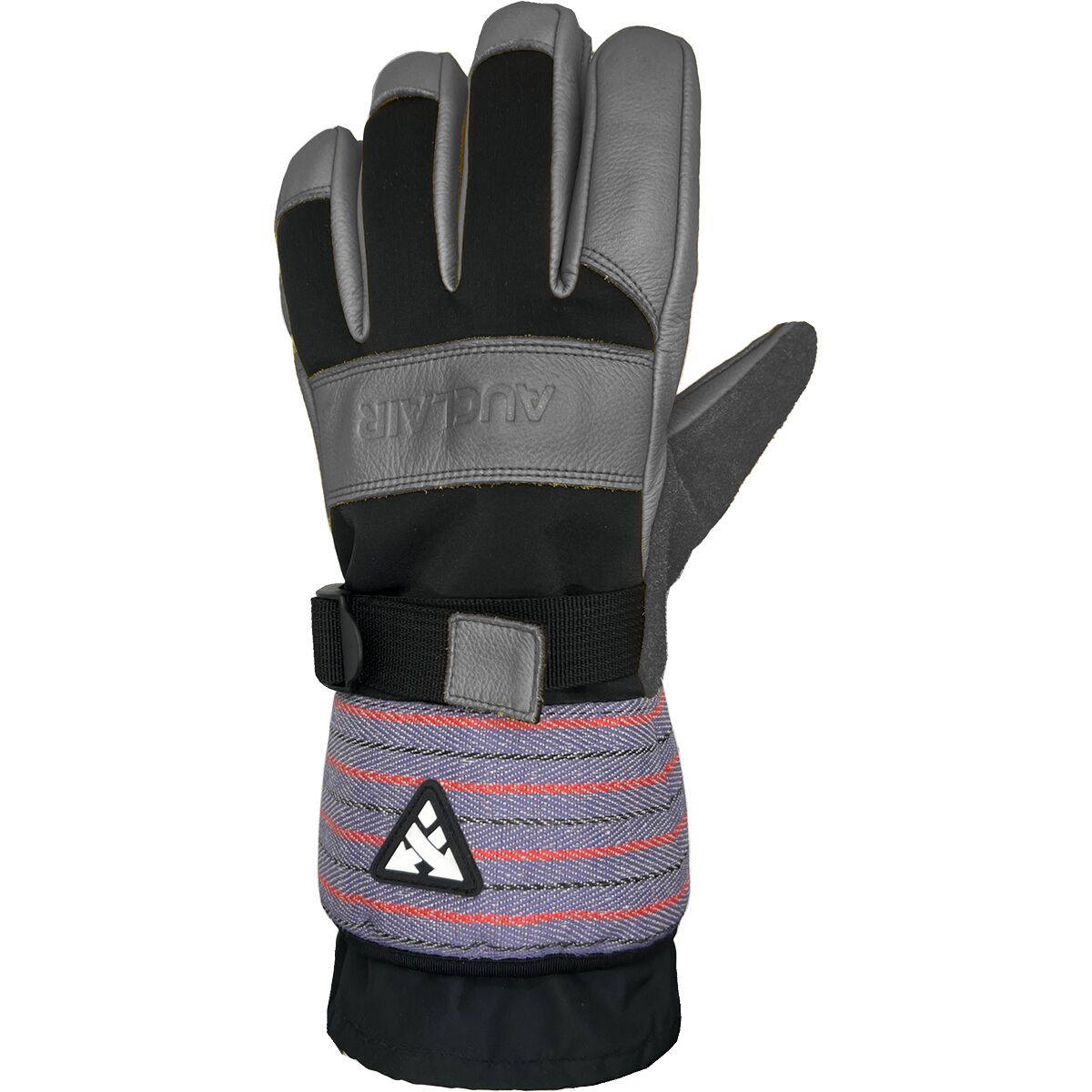
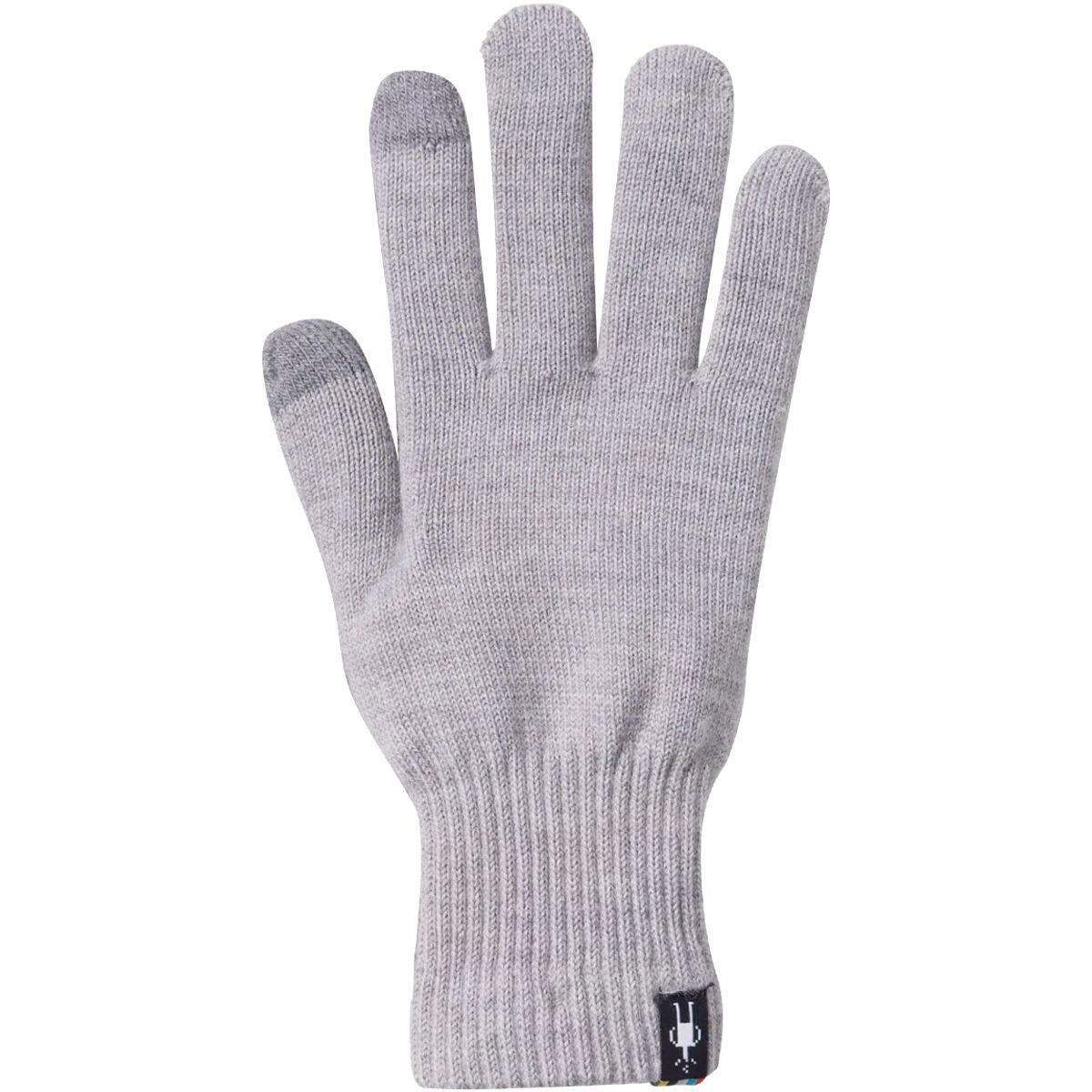
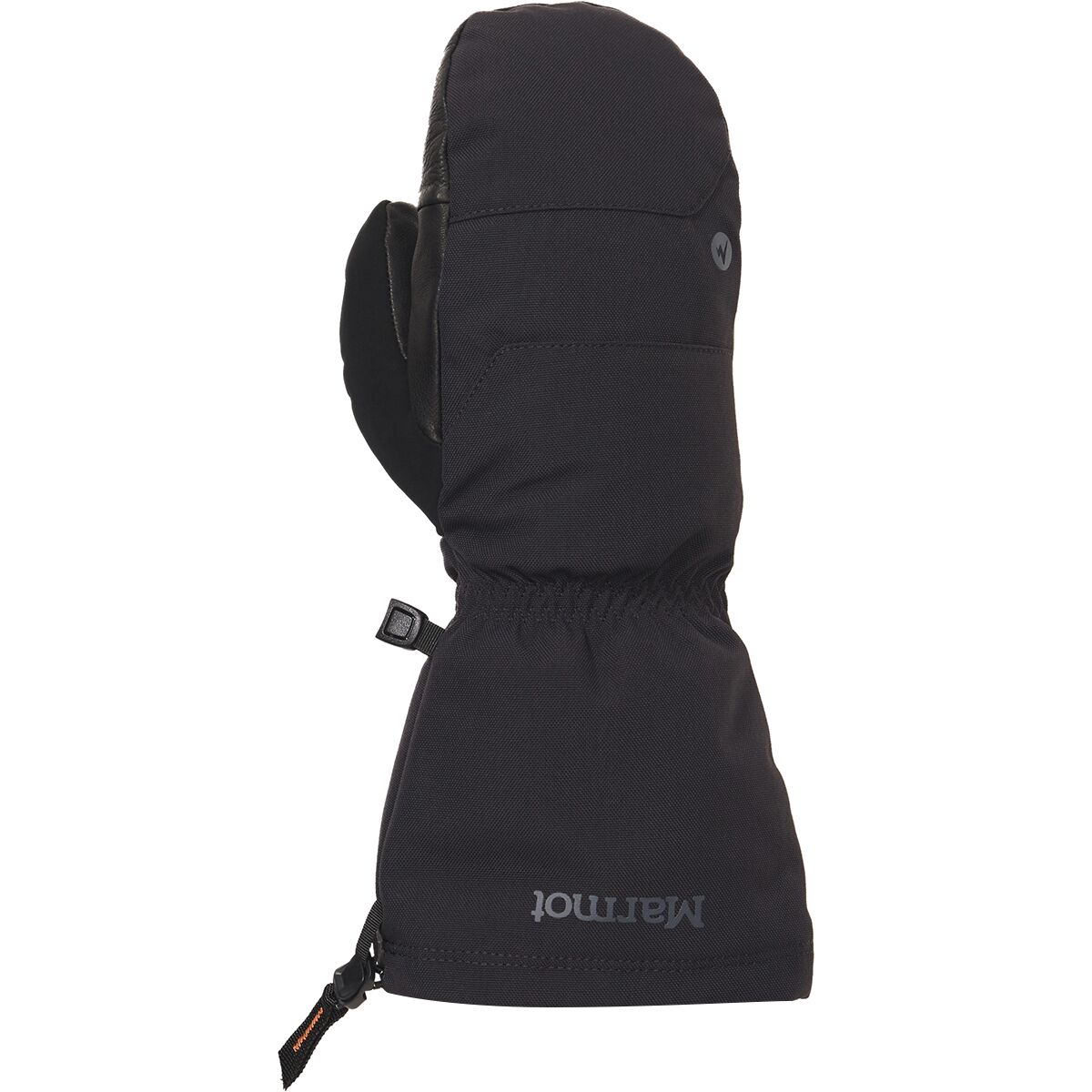
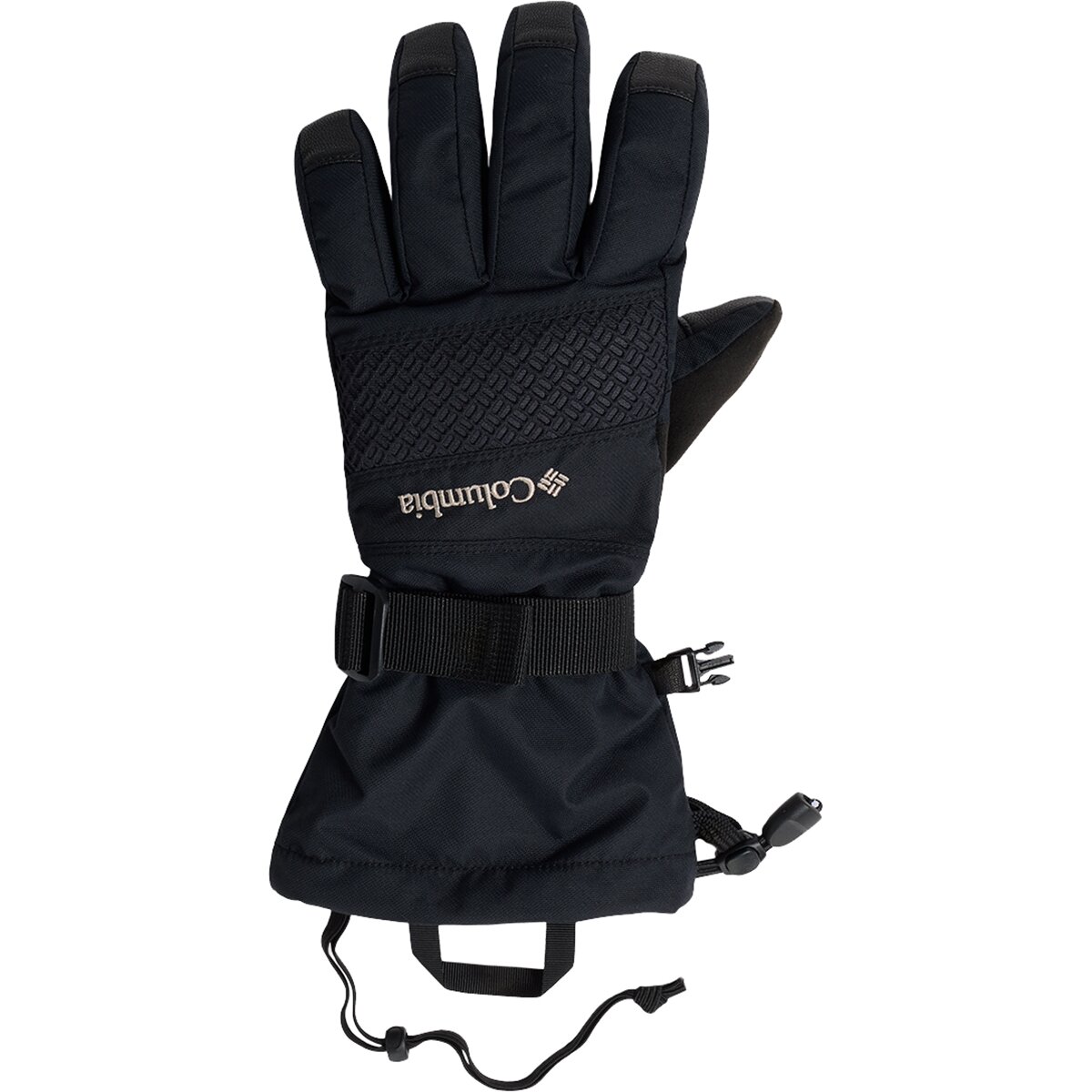
| Gloves | Optional. | Often useful for repeated cable and metal contact. | Usually not used for normal rock movement. |
Via ferrata fall geometry can generate high forces. Use a current purpose-built energy-absorbing ferrata system and follow the manufacturer’s instructions for the equipment you actually carry.
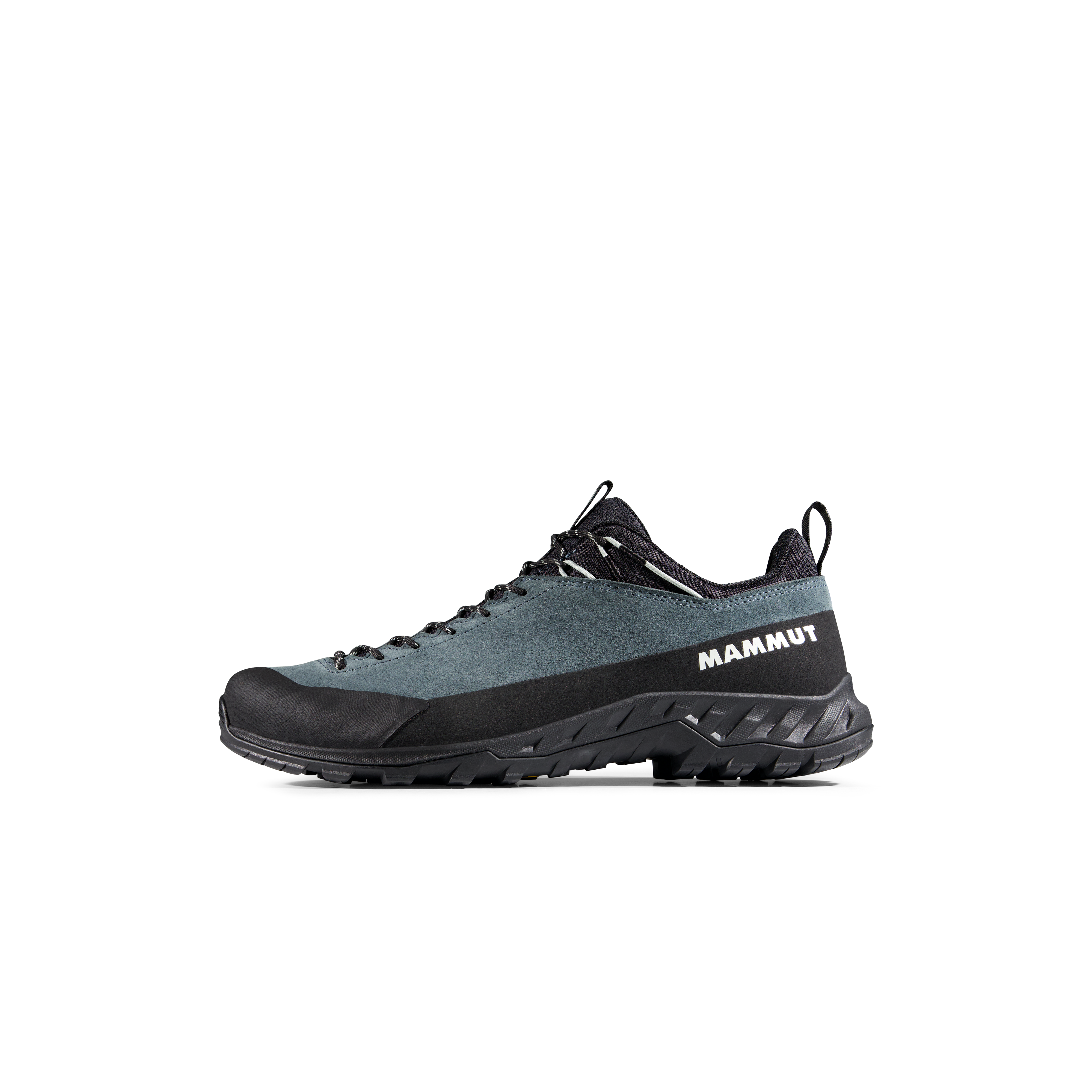
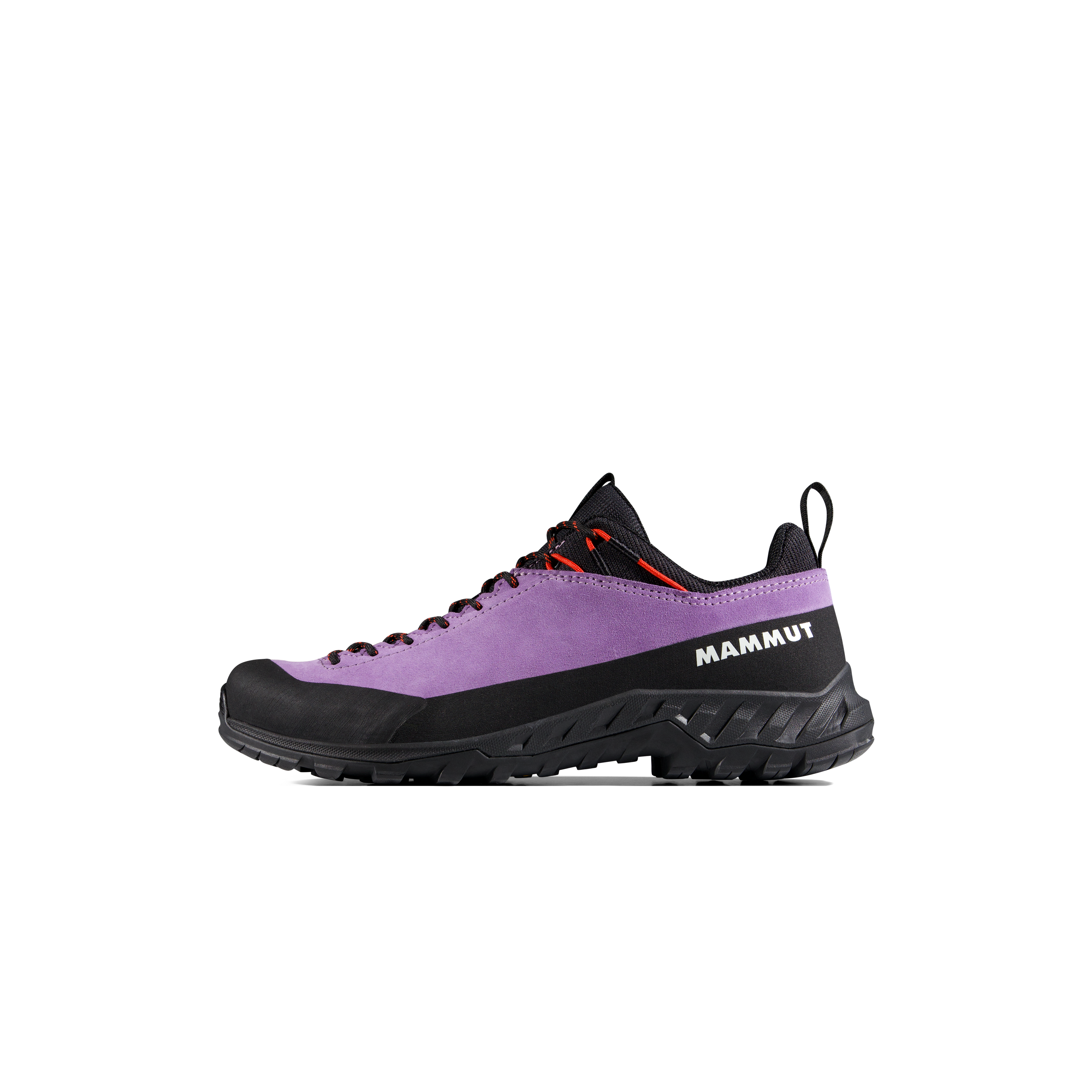
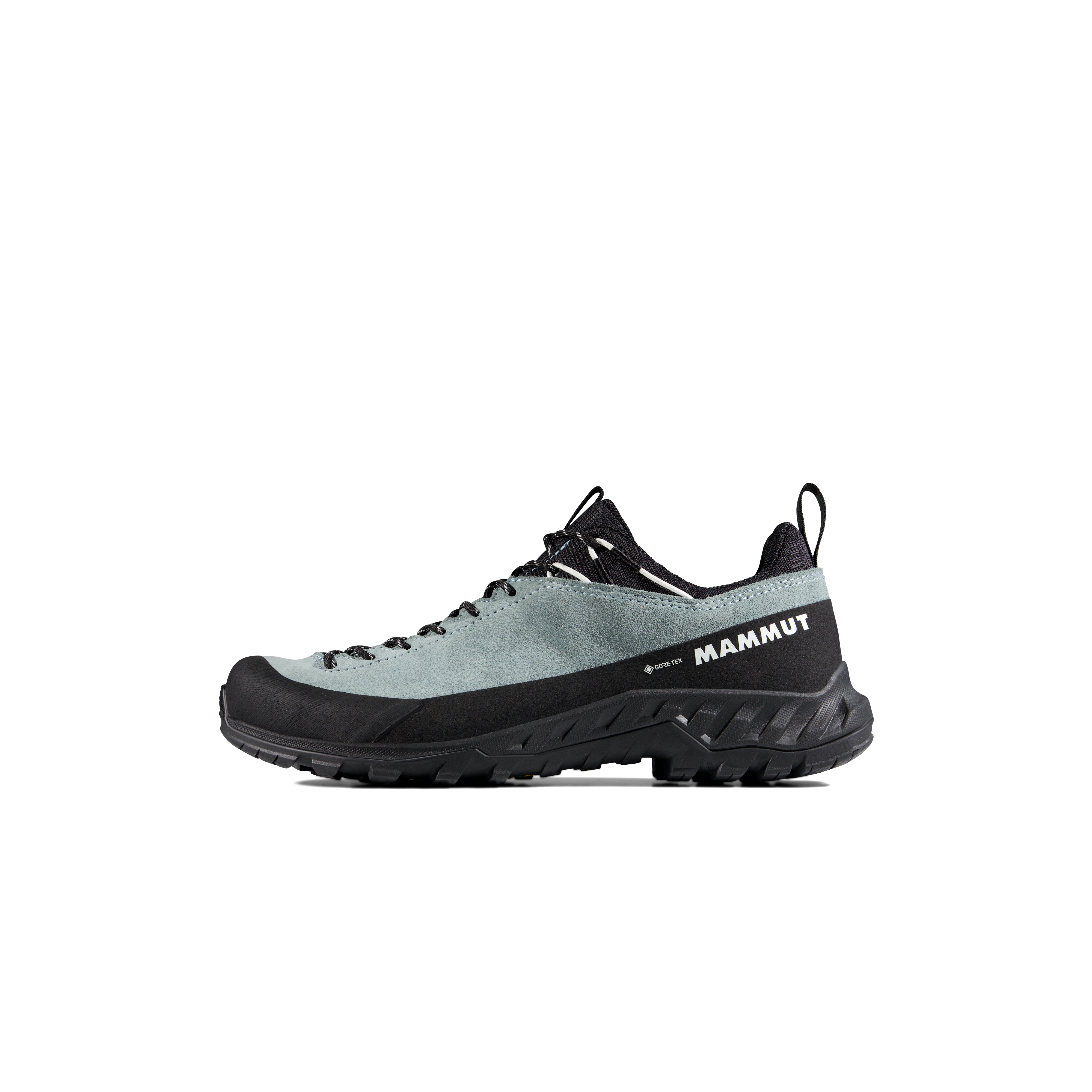
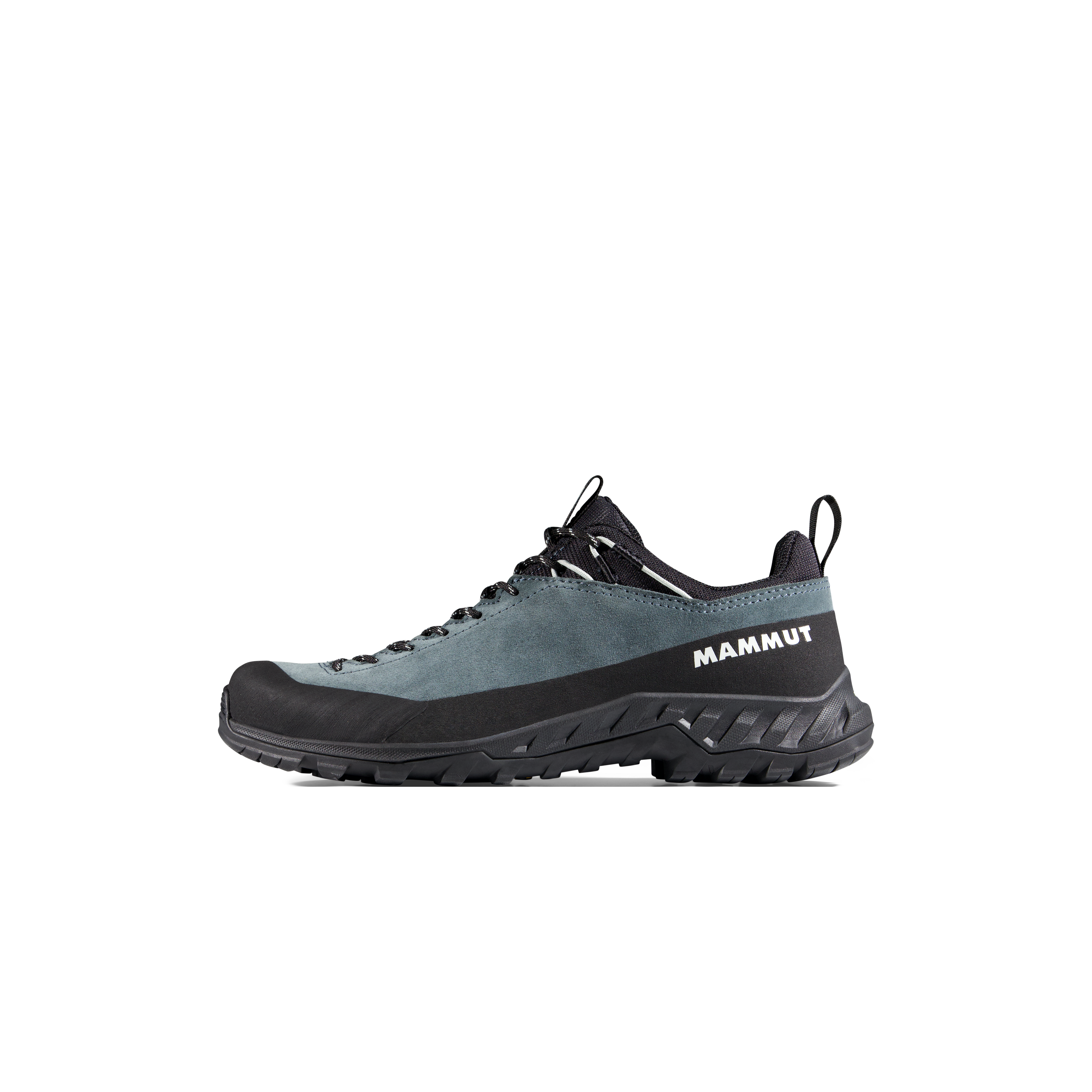
We may earn a commission if you buy through these links, at no extra cost to you. Affiliate disclosure

The Lanyard Is Backup Protection—not Permission to Fall.
A modern via ferrata set connects your harness to the fixed cable through two lanyard arms and an integrated energy absorber. At cable anchors, the connectors are transferred according to the equipment instructions so you remain connected.
This relatively straightforward protection system is one reason via ferrata can be more approachable than independent rock climbing. But its purpose is to reduce the consequences of an accident—not make falling routine.
Via ferrata protection system · Wikimedia Commons · CC BY-SA 4.0.- MarmotMarmot Warmest Mitten – Women'sFrom $109.95
$121Check price at Back Country (opens in a new tab)

Via Ferrata Has a Lower Entry Barrier. Rock Climbing Has a Deeper Technical System.
This is why via ferrata works so well as a bridge activity: it introduces exposure and climbing movement without requiring the entire independent climbing skill stack.
Movement + Terrain Judgment
- Route-finding
- Balance and efficient hand use
- Testing holds and loose rock
- Exposure judgment
- Recognizing when protection is appropriate
- Confident downclimbing
Clipping + Protected Movement
- Harness and equipment checks
- Correct cable attachment
- Anchor transitions
- Proper spacing
- Efficient foot use
- Weather and turnaround judgment
Movement + Rope Craft
- Technical footwork and body position
- Tying in
- Belaying
- Climber communication
- Protection and anchors
- Lowering or descent systems
Rock Climbing Is More Than Moving Up Steeper Rock.
A beginner can understand the basic via ferrata clipping process relatively quickly. Becoming an independent rock climber takes much longer because movement has to be combined with rope management, belaying and protection.
That deeper technical system is also the attraction. If knots, belaying, anchors, protection and efficient climbing movement interest you, rock climbing opens a much broader pathway.
High Exposure, Shawangunk Ridge · Jarek Tuszyński · Wikimedia Commons.Choose the Skill System You Actually Want to Learn.
Do not choose solely by which activity sounds easiest. Start with the experience you want and the protection system you are prepared to understand.
You Want More Mountain, Not More Equipment.
Scrambling is the natural progression for confident hikers who want rougher, more exposed and more hands-on terrain.
- You enjoy route-finding.
- You prefer natural terrain.
- You want to improve mountain judgment.
- You are willing to turn around when consequence rises.
You Want Protected Exposure.
Via ferrata fits people who like steep rock and dramatic exposure but are not yet trying to become independent technical climbers.
- You already hike confidently.
- You want a defined protection system.
- You enjoy ladders, cables and exposed traverses.
- You want a bridge toward steeper terrain.
You Want Technical Climbing Skills.
Rock climbing is the stronger path when learning the craft itself sounds as interesting as reaching the top.
- You want rope and belay skills.
- You enjoy movement practice.
- You want transferable alpine skills.
- You are willing to invest time in instruction.
You Do Not Have to Choose Only One.
These activities reinforce one another when difficulty is added deliberately rather than treating each step as proof that you are ready for the next.
Snow travel, crampons, ice axe use, glacier travel, crevasse rescue and alpine decision-making are separate skills. Via ferrata and rock climbing can contribute useful experience without replacing mountaineering instruction.

Let the Terrain Get Harder After the System Becomes Familiar.
Your first scramble, ferrata or climb does not need to prove how brave you are. It should leave enough reserve to learn what the activity is actually teaching you.
Tre Cime di Lavaredo from Via Ferrata De Luca-Innerkofler · Wikimedia Commons.Via Ferrata vs Climbing FAQ
The questions that usually matter when a hiker is deciding whether to move toward scrambling, via ferrata or technical climbing.
Is via ferrata considered rock climbing?
Via ferrata involves climbing movement, but it is normally treated as a distinct activity because permanent cables, rungs, ladders and fixed aids are central to protection and often movement. Conventional climbing relies much more heavily on natural holds plus a rope-and-protection system.
Is via ferrata harder than scrambling?
Not automatically. Both span a wide difficulty range. An easy ferrata may be more straightforward than a highly exposed scramble, while a steep difficult ferrata can be considerably more strenuous.
Do you need rock-climbing experience for via ferrata?
Not for every introductory route. A properly selected beginner ferrata can be appropriate for a fit hiker who understands the equipment, clipping, spacing and basic movement. Harder routes can demand much more climbing ability and exposure tolerance.
Is scrambling safer than rock climbing?
Not necessarily. Scrambling may involve less equipment, but consequential terrain may also have no protection system if you slip. Roped climbing may involve harder movement while providing a system specifically designed to arrest a fall.
Can you use a normal climbing sling on a via ferrata?
A normal static sling is not a substitute for a current purpose-built energy-absorbing via ferrata set. Use equipment designed for ferrata use and follow its manufacturer instructions.
Is via ferrata a good step before mountaineering?
It can develop comfort with exposure, helmets, harnesses and deliberate movement on steep terrain. It does not replace snow travel, crampon use, ice axe technique, glacier travel or crevasse rescue.
What should a complete beginner try first?
Strong hikers interested in hands-on mountain terrain can begin with easy scrambling. People interested in protected exposure may prefer an introductory via ferrata. Anyone specifically interested in technical climbing should consider qualified climbing instruction.
Protection Systems Matter More Than Labels.
This comparison is built around the practical distinctions between fixed-cable protection, unprotected scrambling and conventional roped climbing systems.
Equipment standards and manufacturer instructions can change. Always use current instructions for your actual equipment and current route information for the objective you intend to climb.
Now Choose the Next Skill, Not Just the Next Route.
This page owns the difference between scrambling, via ferrata and rock climbing. These guides take the next decision deeper.

Want the Exposure Without Jumping Straight Into Technical Climbing?
Learn the via ferrata system next: equipment, clipping, fall protection, grading, route selection, weather and how to choose a first route that leaves enough reserve to actually learn.
Was this helpful?
Global Summit Guide is an independent mountaineering resource founded in 2026. The team combines first-hand trekking and climbing experience with in-depth research and professional health and nutrition review to help climbers choose objectives, prepare properly, and stay safe.
Health, altitude, and nutrition content is reviewed by Taylor Ludlow (Registered Nurse) and Brigg Hoopes (Nutritionist).
What We Don't Know Yet
Mountain information changes quickly. This box explains the limits of what this page can responsibly promise.
- Comparisons simplify complex decisions; the better mountain depends on current conditions, skills, timing, budget, and risk tolerance.
- Visa, passport, vaccination, border, insurance, and local transportation rules may change before your trip.
- Route conditions, snowpack, closures, and weather can change quickly after this page is updated.
- Permit rules, fees, quotas, and reservation windows may change between review cycles.
- Operator availability, pricing, guide ratios, and cancellation terms can change by season.
Verify current conditions with official land managers, guide services, local forecasts, and current route reports before booking or climbing.
Mountaineering, rock and ice climbing, glacier travel, and high-altitude activity are inherently dangerous and can result in serious injury or death. The information on Global Summit Guide is provided for general informational and educational purposes only and is not a substitute for professional instruction, qualified guiding, proper equipment, or your own judgment and experience.
Route conditions, weather, snowpack, permits, regulations, and hazards change constantly and may differ from what is described here. Details may be incomplete, out of date, or contain errors. Always verify current information with local authorities, certified guides, and official sources before making any decision in the mountains.
Nothing on this site is medical, legal, or financial advice. Our fitness, acclimatization, altitude, and nutrition content is general in nature; consult a qualified physician before beginning any strenuous exercise program or exposing yourself to high altitude.
You are solely responsible for your own safety and decisions. To the fullest extent permitted by law, Global Summit Guide and its team accept no liability for any loss, injury, damage, or expense arising from use of, or reliance on, this information. By using this site you acknowledge these risks and accept these terms.
Some links on this site may be affiliate links. If you buy through them we may earn a small commission at no extra cost to you; this never affects our recommendations.
Global Summit Guide recommendation path
Next Best Mountain to Research
Use these recommendations to continue the right planning path instead of stopping on one page.
Use current permit, weather, route, and operator information before booking or climbing.