
Last updated September 28, 2026

Best Via Ferratas in the Dolomites: 12 Routes by Difficulty
The Dolomites are the landscape most closely associated with via ferrata: limestone towers, exposed ridges, steel cables, iron ladders, mountain huts and remnants of the First World War woven into the same mountain system. This guide compares twelve standout routes from approachable first ferratas to full-scale Alpine objectives.
Which Dolomites via ferrata should you choose?
For a first protected summit, start with Ra Gusela or Averau. Gran Cir is another compact progression route with comparatively limited technical difficulty. Brigata Tridentina is the classic next step for climbers ready for a more exposed, sustained outing. For First World War history, Col dei Bos, Ferrata delle Trincee and Lipella are especially compelling. Tomaselli belongs in the expert category, while Marmolada’s West Ridge is the biggest overall Alpine objective in this shortlist because its difficulty extends far beyond the fixed cable.
This Is Not a List of the Best Dolomites Hikes
A normal Dolomites hiking itinerary may climb steep trail, cross scree and reach spectacular rifugi without requiring technical fall-protection equipment. A via ferrata introduces a different system: fixed steel protection and technical equipment used on terrain where a fall can have severe consequences.
That distinction changes nearly every planning decision. Difficulty is no longer just mileage and elevation gain. You must consider the technical cable sections, exposure, vertical climbing, crowding, anchor transitions, retreat, weather, fixed-hardware condition and whether snow or ice affects the route.
If you are still learning what an iron path is, how a modern via ferrata set works or how to pass cable anchors, begin with the complete Via Ferrata for Beginners guide before choosing a Dolomites route.

12 Dolomites Via Ferratas From Easier to More Committing
The order below is a Global Summit Guide progression rather than a conversion of every local grading system into one universal number. Overall commitment includes technical climbing, exposure, duration, altitude, approach and descent, escape options, and seasonal snow or ice.
A technically easier route can be more serious overall because it is longer, higher, more remote or harder to retreat from. Use this table to create a shortlist, then read the full current route description before committing.
| # | Via ferrata | GSG planning band | Typical official itinerary | High point | Vertical | Best reason to choose it |
|---|---|---|---|---|---|---|
| 1 | Ra Gusela Passo Giau / Nuvolau | Intro / Easy | ≈ 3 hr | 2,575 m | ≈ +420 m | Strong first summit-style ferrata with hut infrastructure nearby. |
| 2 | Averau Nuvolau group | Easy | ≈ 2½ hr | 2,649 m | ≈ +394 m | Compact summit objective with easy access from the hut network. |
| 3 | Gran Cir Passo Gardena | Intro / Easy+ | ≈ 3 hr | ≈ 2,590 m | ≈ +618 m | Relatively modest technicality and exposure with a real summit feel. |
| 4 | Col dei Bos Falzarego | Intermediate | ≈ 3½ hr | 2,559 m | ≈ +525 m | Vertical opening, excellent climbing and visible WWI landscape. |
| 5 | Strobel – Punta Fiames Cortina | Intermediate+ | ≈ 5 hr | 2,240 m | ≈ +950 m | A much bigger physical day with ledges, steps, ladders and a serious descent. |
| 6 | Brigata Tridentina Pisciadù / Sella | Difficult | ≈ 3 hr 45 | 2,614 m | ≈ +704 m | Iconic vertical climbing, suspension bridge and finish near Rifugio Pisciadù. |
| 7 | Ferrata delle Trincee Padon / Marmolada | Intermediate / Advanced | ≈ 3 hr protected ridge* | 2,727 m | Route-dependent | One of the strongest combinations of exposure and WWI tunnels/trenches. |
| 8 | Punta Anna Tofane | Expert | ≈ 4 hr | 2,731 m | ≈ +430 m | Shorter outing but technical, vertical and highly exposed. |
| 9 | Lipella – Tofana di Rozes | Expert / Long | ≈ 8 hr | 3,225 m | ≈ +1,400 m | Huge summit day with the Castelletto WWI tunnel and sustained commitment. |
| 10 | Ivano Dibona Cristallo | Expert / Endurance | ≈ 9 hr | 3,008 m | ≈ +1,300 m | Long historic traverse with Ponte Cristallo and extensive WWI remains. |
| 11 | Tomaselli Fanis / Lagazuoi | Expert / Technical | ≈ 6 hr | 2,980 m | ≈ +770 m | One of the shortlist’s strongest tests of vertical ferrata technique and exposure. |
| 12 | Marmolada West Ridge | High-Alpine Objective | ≈ 6–10 hr* | 3,343 m | Major mountain day | Highest commitment: ferrata plus altitude, variable snow/ice and mountaineering terrain. |
*Times depend heavily on access method, route variation, lift operation, approach, descent and conditions. They are planning baselines rather than turnaround guarantees.
Best Dolomites Via Ferratas for Newer Climbers
“Easy” is relative. These routes still require a helmet, harness, energy-absorbing ferrata set, correct clipping technique, mountain footwear, weather judgment and comfort with exposure.
Ra Gusela
Ra Gusela is one of the most logical places to translate basic ferrata instruction into a real Dolomites mountain day. The route starts and finishes around Passo Giau, gains roughly 420 meters and can be integrated with the celebrated Nuvolau-Averau hut landscape.
The advantage for a developing climber is not that risk disappears. It is that the technical problem is relatively contained, allowing more attention to clipping rhythm, foot placement, spacing, route pace and descent management.
Averau
Averau is another strong progression objective because the protected climbing sits inside one of the Dolomites’ most convenient hut clusters. Rifugio Averau, Rifugio Scoiattoli and Rifugio Nuvolau create numerous ways to combine the ferrata with a broader day in the mountains.
The summit character makes it more satisfying than a practice circuit without immediately requiring the sustained difficulty of the harder Tofane or Sella routes.
Gran Cir
Gran Cir provides a useful bridge between easy protected climbing and the larger Sella routes. Official Alta Badia information describes comparatively low exposure and reduced technical difficulty, while the full outing still accumulates more than 600 meters of ascent.
That combination makes it particularly useful for learning an important Dolomites lesson: the difficulty of the steel-cable section and the effort of the complete mountain day are not the same measurement.
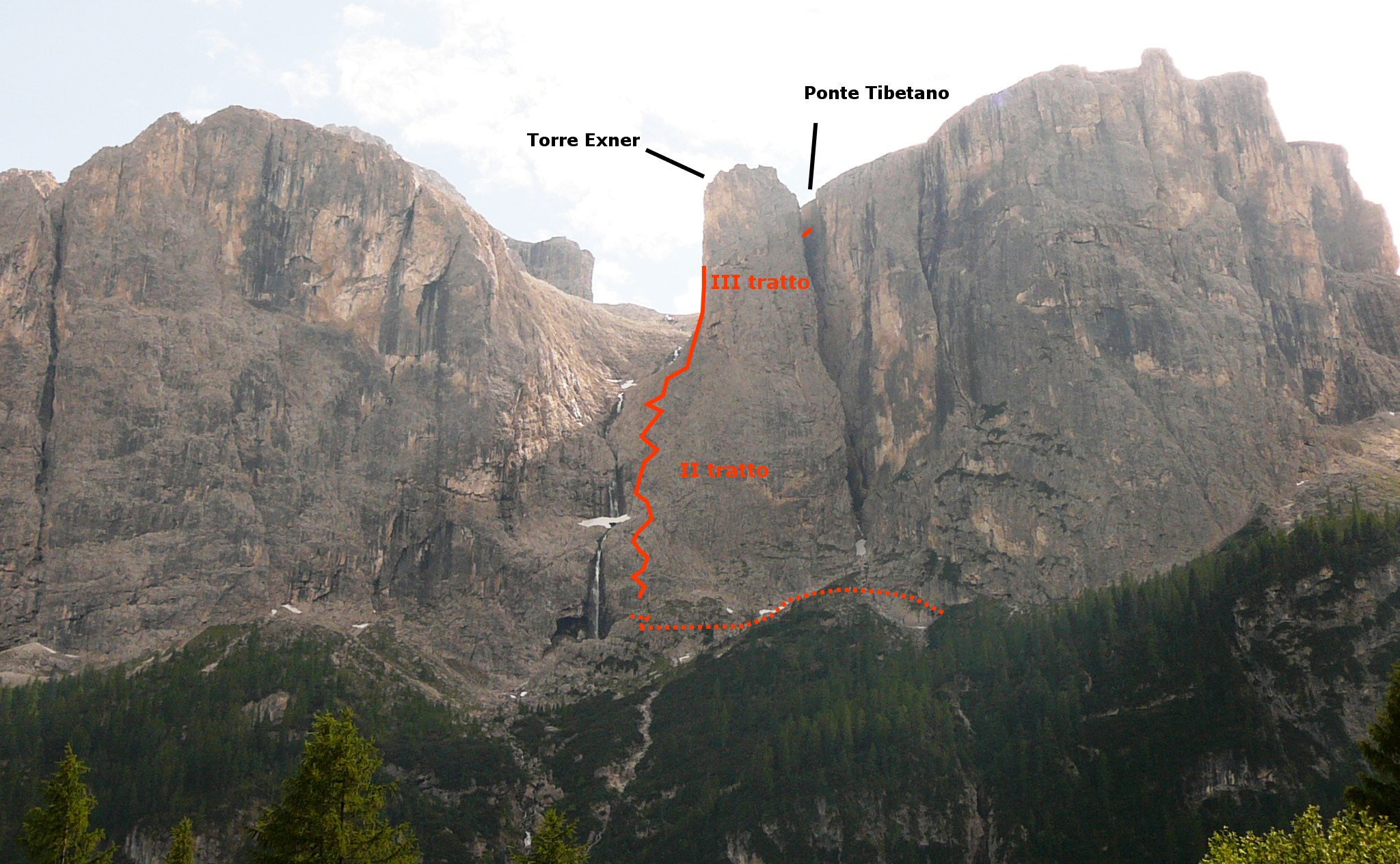
Brigata Tridentina Is Where the Dolomites Via Ferrata Experience Gets Serious
Longer vertical sequences, major exposure, a celebrated suspension bridge and a high-mountain hut finish make Tridentina one of the defining protected climbs of the Sella Group.
Photo: Luca Lorenzi · Ferrata Tridentina · CC BY-SA 3.0 · Wikimedia Commons.
Four Routes for the Intermediate Ferrata Climber
This is where the Dolomites reveal why a simple “easy / hard” label is inadequate. These routes add some combination of vertical climbing, longer days, more demanding descents, greater exposure or more complicated mountain logistics.
4. Col dei Bos
Col dei Bos is an excellent next step once easy ferrata movement feels natural. Its opening section gets your attention quickly, with steeper protected climbing than the beginner routes above. The route was re-equipped in the modern era along terrain intimately connected to the First World War.
Remnants of wartime infrastructure in the broader Falzarego sector add context without turning the outing into a museum walk. You are still climbing a real mountain route that demands concentration.
5. Strobel – Punta Fiames
Strobel is a good example of a ferrata becoming harder because of the complete day rather than one spectacular technical crux. The approach, exposed ledges, protected steps and ladders are followed by a descent that deserves its own attention.
Nearly 1,000 meters of ascent means fatigue management matters. A climber who is comfortable on cable but poorly conditioned for long mountain days may find Strobel more demanding than expected.
6. Brigata Tridentina
Tridentina earns its reputation through a combination of sustained protected climbing and mountain theater. Vertical sections rise toward the Sella plateau, and the famous suspension bridge near the upper route delivers the exposure most climbers have seen in photographs long before they arrive.
The route’s finish near Rifugio Franco Cavazza al Pisciadù is another reason it stands apart. A hut meal on the plateau can turn the climb into a complete Dolomites experience—but the Val Setus descent still needs energy and attention.
7. Ferrata delle Trincee
Trincee begins emphatically: a steep, exposed opening section forces climbers to engage immediately. From there the route follows the volcanic Padon ridge, dramatically opposite Marmolada.
Military outposts, trenches and tunnels remain from the Austrian positions of the First World War. A headlamp belongs in the kit because the history is not merely visible from the route—the route passes directly through it.

The Intermediate Test Is Judgment, Not Just Arm Strength
Climbers often assume progression means becoming stronger enough to pull through steeper cable. In the Dolomites, progression also means becoming better at managing an entire system.
- Can you read a route description and identify the point of commitment?
- Do you know the descent before entering the protected section?
- Can you maintain spacing without letting another party dictate your pace?
- Can you recognize when snow or wet rock changes the route category?
- Can you turn around early when the weather timeline no longer works?
Why World War I Is Everywhere in the Dolomites
Between 1915 and 1917, Italian and Austro-Hungarian forces occupied extraordinary positions across these mountains. Soldiers lived, moved supplies and fought among cliffs, towers, glaciers and ridges that modern visitors now cross for recreation.
The physical evidence remains unusually vivid. Tunnels pass through mountains. Barracks cling to ledges. Trenches cut across ridges. Caverns, firing positions, cableway remains and military paths appear in places that today feel impossibly exposed even with modern equipment.
Equipped mountain routes existed before the war. Some modern ferratas follow old military lines or incorporate wartime infrastructure; others were developed or substantially re-equipped later for civilian climbing. The Dolomites story is a mixture of early Alpine access, wartime engineering and modern recreation.
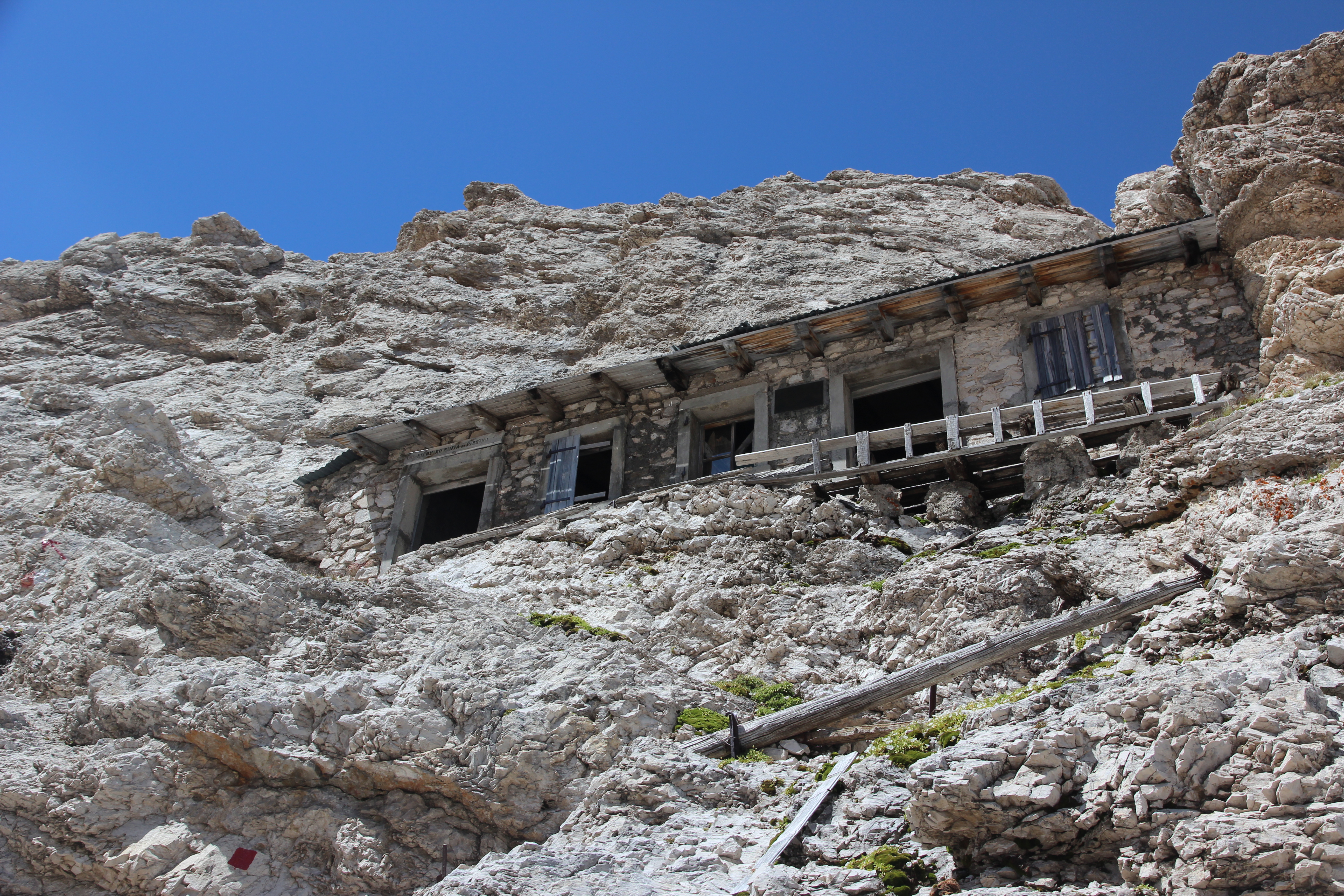
Falzarego & Col dei Bos
The Falzarego corridor was part of an intensely contested mountain front. Col dei Bos combines protected climbing with visible military remains and immediate access to the broader Lagazuoi-Castelletto war landscape.
Lipella & the Castelletto Tunnel
Lipella’s approach passes through the long Castelletto tunnel, part of the extraordinary underground war fought around Tofana di Rozes. In July 1916, Italian forces detonated a large mine beneath the Austrian position on Castelletto. Modern climbers pass through the same mountain architecture with headlamps.
Ivano Dibona & Cristallo
The Cristallo traverse is punctuated by shelters, barracks and military remains, including Buffa di Perrero. The famous Ponte Cristallo suspension bridge is now one of the route’s recognizable landmarks, but the surrounding terrain carries a much deeper military history.
Ferrata delle Trincee
The name itself means “via ferrata of the trenches.” The Padon ridge preserves Austrian positions, tunnels and excavations with Marmolada rising across the valley. It is one of the clearest places to experience ferrata and WWI history simultaneously.
The Dolomites Via Ferratas Where Commitment Jumps Again
These are not first-ferrata choices. Technical difficulty, exposure, altitude, endurance or complicated mountain terrain raises the consequences of poor preparation.
Punta Anna
Punta Anna packs significant technical climbing into a comparatively compact itinerary. Vertical and exposed passages arrive quickly, making good movement technique far more important than simply being willing to pull hard on the cable.
Its location above the Pomedes and Dibona hut area allows multiple itinerary combinations, but those extensions can also transform a four-hour ferrata into a substantially bigger Tofane day.
Lipella – Tofana di Rozes
Lipella is one of the great complete ferrata journeys of the Dolomites. The day begins with extraordinary wartime history in the Castelletto tunnel, then continues onto a long protected route around Tofana di Rozes and, under suitable conditions and itinerary choice, toward the high summit.
The length matters as much as the cable. Snow or ice can remain high on the route even in summer, and 1,400 meters of ascent makes this an endurance objective as well as a technical one.
Ivano Dibona
Ivano Dibona is a traverse rather than a short vertical hit. Expect an expedition-like sense of movement through the Cristallo group, with extensive ascent and even larger descent, exposed protected terrain, the Ponte Cristallo bridge and wartime positions distributed across the route.
Its scale makes logistics particularly important. Lift status, access, weather, descent timing and transport at the finish all deserve attention before the climber reaches the first cable.
Tomaselli
Tomaselli is the strongest pure technical test in this twelve-route progression. The protected sections include steep, exposed and physically demanding climbing where efficient feet, calm clipping and the ability to keep moving matter.
The route sits in the Lagazuoi-Fanis landscape, allowing a technically demanding ferrata to be combined with one of the Dolomites’ richest historical zones. That combination does not make it a sightseeing route: arrive with substantial prior ferrata experience.
The Hut Can Be Part of the Route—Not the Rescue Plan
Few mountain regions combine protected climbing and rifugi as effectively as the Dolomites. On Brigata Tridentina, for example, reaching Rifugio Pisciadù provides an unforgettable transition from exposed climbing to a high plateau, food and shelter.
But the presence of a hut should never encourage a climber to enter deteriorating conditions. Huts may be closed outside their operating season, full, separated from the safe descent by additional terrain, or simply too far away to solve an immediate problem.
Treat a rifugio as infrastructure that improves a well-planned itinerary—not as a substitute for turnaround decisions, emergency gear or enough time to descend safely.

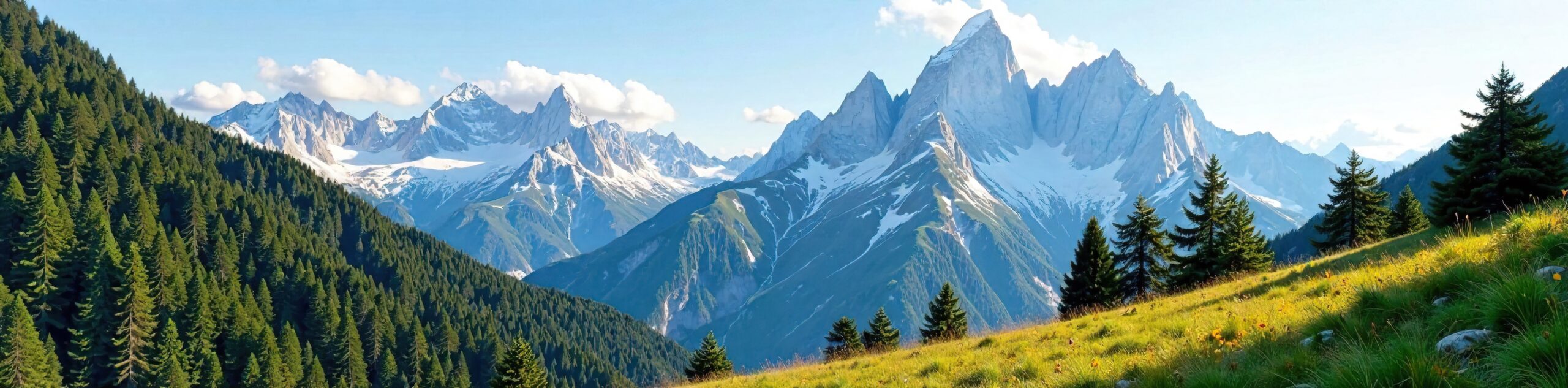
Marmolada West Ridge: Do Not Rank It by Cable Grade Alone
The West Ridge via ferrata reaches Punta Penia at approximately 3,343 meters, the highest point of the Dolomites. That alone changes the character of the day. The equipped ridge is only one component of a route that may also involve snow, ice, crampons and genuinely Alpine conditions.
This is why the page does not simply label Marmolada “the hardest via ferrata.” Routes such as Tomaselli may provide harder protected climbing. Marmolada carries a different kind of seriousness: altitude, changing conditions, approach and descent terrain, and the need to understand exactly what the current route requires outside the cable.
Marmolada’s West Ridge was equipped early in the twentieth century and is among the Dolomites’ historic protected routes. Today, rapidly changing mountain and glacier conditions make current local information particularly important.
Climbers should research the complete current ascent—not merely the fixed-cable section—and carry the equipment and skills demanded by current snow, ice and approach conditions.
How to Choose the Right Dolomites Via Ferrata
Route grades are useful, but they are not enough. The Dolomites cross several linguistic and guidebook traditions, and different sources may describe the same protected terrain using different grading systems.
Technical Cable Difficulty
How vertical is the protected climbing? Are there overhangs, smooth slabs, strenuous traverses or awkward moves where efficient footwork is essential?
Exposure
An easy sequence can become psychologically difficult when the wall drops hundreds of meters beneath your feet. Exposure tolerance is a real skill.
Duration & Vertical Gain
Five to nine hours in the mountains changes decision-making. A technically moderate cable becomes harder when you reach it already fatigued.
Escape Options
Some routes let you leave the protected terrain early. Others become increasingly committed once you pass a certain point.
Approach & Descent
Loose scree, exposed trail, route finding or snow can make the unprotected portion of the day every bit as consequential as the cable.
Altitude & Conditions
A 3,000-meter summit objective in marginal conditions should never be equated automatically with a lower, shorter ferrata carrying a similar technical label.
Do Not Let One Grade Make the Decision for You
Understand the broader principles behind mountain grades, commitment and objective difficulty before comparing routes from different regions or systems.
Read the Mountain Difficulty Ratings Guide →When Is the Best Time for Via Ferrata in the Dolomites?
For high Dolomites ferratas, July through September is the most dependable planning window. Late June can be excellent after a low-snow spring, while high routes may still carry snow, ice or wet gullies after a heavier winter. October can work on selected routes, but shorter daylight, colder temperatures, closed lifts and hut closures increasingly shape the itinerary.
| Period | What can work | Main concern | Planning posture |
|---|---|---|---|
| May–early June | Some lower, sunny routes | Snow, ice, wet approaches, many high huts/lifts not operating | Route-specific only |
| Late June | Increasing number of routes | Residual snow on high/north-facing terrain | Verify current conditions |
| July | Most classic routes | Thunderstorms, crowds, occasional remaining snow | Prime season with early starts |
| August | Broadest access | Crowds, heat and afternoon convection | Prime season; manage timing carefully |
| September | Excellent high-route potential | Cold fronts, early snow, shortening daylight | Often outstanding with stable forecast |
| October | Selected lower or dry routes | Ice, snow, cold, short days, lift/hut closures | Highly route-dependent |
High ridges, exposed cliffs and extensive steel cable are exactly where you do not want to discover that an afternoon storm arrived earlier than expected. Build the route around the forecast and your escape timeline—not around a fixed desire to reach the summit.
Make the Forecast Part of the Route
Learn how wind, thunderstorms, precipitation, temperature and timing interact with mountain terrain before committing to an exposed protected climb.
Open the Mountain Weather Guide →The Huts That Shape a Dolomites Via Ferrata Trip
Huts are more than places to sleep. They can shorten approaches, create logical overnight transitions and make multi-day ferrata itineraries dramatically more efficient.
| Route / area | Useful huts or support points | How they fit the itinerary |
|---|---|---|
| Ra Gusela / Averau | Rifugio Averau, Rifugio Nuvolau, Rifugio Scoiattoli, Passo Giau | Create one of the easiest multi-route bases for newer ferrata climbers. |
| Brigata Tridentina | Rifugio Franco Cavazza al Pisciadù | Classic high-hut finish before descending from the Sella plateau. |
| Col dei Bos / Falzarego | Passo Falzarego services and Lagazuoi-area refuges | Useful for linking ferrata, WWI sites and the Lagazuoi sector. |
| Punta Anna | Rifugio Dibona, Rifugio Pomedes, Rifugio Giussani, Duca d’Aosta | Supports multiple Tofane combinations and access strategies. |
| Lipella | Rifugio Dibona, Rifugio Giussani | Key staging points for a long Tofana di Rozes day. |
| Ivano Dibona | Rifugio Son Forca, Buffa di Perrero, Ospitale | Important reference points on a long linear traverse. |
| Tomaselli | Rifugio Lagazuoi and Falzarego support | Combines naturally with the Lagazuoi / Fanis zone. |
| Trincee | Rifugio Padon, Bivacco Bontadini | Useful staging around the Padon ridge opposite Marmolada. |
| Marmolada West Ridge | Rifugio Punta Penia and route-dependent support | High-Alpine logistics vary with current access and conditions. |
Hut opening periods, reservation systems and lift operations change. Confirm them directly for the season and date of your trip.
Three Practical Bases for a Via Ferrata Trip
Cortina d’Ampezzo
The most versatile base in this guide for Tofana, Cristallo, Punta Fiames, Passo Falzarego and Passo Giau. It is especially strong if you want to combine beginner, intermediate and expert routes without changing hotels every night.
Corvara & Alta Badia
The logical zone for Brigata Tridentina, Gran Cir and other routes around Passo Gardena and the Sella massif. It also connects efficiently toward Val Gardena and the broader central Dolomites.
Arabba & Val di Fassa
Better positioned for Ferrata delle Trincee, the Padon ridge and Marmolada. This is the base to consider when high-Alpine Marmolada is the centerpiece rather than an optional day trip.
Where the Major Ferrata Clusters Sit in the Dolomites
The core routes in this guide stretch from Cortina and the Tofane/Cristallo groups west through Falzarego, Passo Giau and the Sella massif to the Marmolada-Padon zone.
Ra Gusela · Averau · Strobel · Punta Anna · Lipella · Ivano Dibona
Col dei Bos · Tomaselli · extensive WWI landscape
Gran Cir · Brigata Tridentina · Trincee · Marmolada West Ridge
What to Carry on a Dolomites Via Ferrata
The technical protection system is only the beginning. Build the kit around the complete mountain route rather than the photograph of the cable.
The Core Ferrata System
- Current energy-absorbing via ferrata set
- Properly fitted climbing harness
- Climbing helmet
- Gloves with enough dexterity for carabiners
For the Whole Day
- Appropriate mountain footwear
- Insulating and weather layers
- Water and food
- Navigation and route information
- Headlamp—especially on tunnel routes
When Ferrata Gear Is Not Enough
- Crampons or traction for current snow/ice
- Ice axe where the complete route demands it
- Additional rope protection for appropriate teams
- Skills to use every technical item carried
Three Dolomites Via Ferrata Progressions
A multi-day trip works best when every day does not demand more than the day before. Weather and fatigue may justify swapping days or replacing the hardest objective entirely.
Confidence Progression
Day 1: Ra Gusela
Day 2: Averau
Day 3: Gran Cir or a guided intermediate route
The purpose is repetition: clipping, exposure management, descending and reading mountain conditions without escalating rapidly.
Classic Dolomites Progression
Day 1: Col dei Bos
Day 2: easier hiking or recovery
Day 3: Brigata Tridentina
Add Trincee on another stable-weather day if the first two protected climbs confirm that both fitness and exposure tolerance are appropriate.
Tofane / Expert Progression
Day 1: Punta Anna
Day 2: rest or moderate mountain day
Day 3: Lipella or Tomaselli
Ivano Dibona and Marmolada deserve their own weather windows rather than being squeezed into a schedule simply because the accommodation is already booked.
Via Ferrata Day or Hiking Day?
The Dolomites are ideal for mixed itineraries precisely because the two experiences are different. A hiker can spend a magnificent day beneath the towers on Tre Cime, Seceda or an Alta Via section without ever clipping a cable.
A ferrata day is the choice when the protected climbing itself is one of the objectives: putting on a harness, clipping into steel protection, moving through exposed terrain and reaching places where a conventional walking trail would not provide the same experience.
Rest days are another reason to keep the clusters separate. A world-class Dolomites hike can serve as the perfect recovery day between demanding ferratas without forcing another technical objective into the schedule.
Choose Ferrata When…
- You specifically want protected climbing and exposure.
- You have the correct equipment and know how to use it.
- Conditions are appropriate for the route.
- Your group’s technical experience matches the objective.
Choose Hiking When…
- You want scenery without sustained technical protection.
- The technical objective would exceed someone’s comfort level.
- You need an active recovery day.
- The ferrata conditions are poor but hiking alternatives remain appropriate.
Recheck the Route in the Final 72 Hours
Ferrata plans are unusually sensitive to recent conditions because the route may depend on lifts, huts, fixed hardware, exposed rock and specific approach or descent terrain.
Route
Look for current closures, cable damage, rockfall notices, trail diversions and snow on approaches or descents.
Infrastructure
Confirm lift times, parking/access changes, hut operation and transport needed for linear routes.
Weather
Rebuild the day’s start time around the newest mountain forecast rather than relying on the forecast you saw when planning the trip.
Run One Last Structured Check
Use the final pre-departure window to verify conditions, logistics, equipment, documents and your turnaround plan before leaving for the mountain.
Open the Final 72-Hour Checklist →Dolomites Via Ferrata FAQ
What is the best Dolomites via ferrata for a beginner?
Ra Gusela and Averau are strong introductory choices for people who already understand basic ferrata equipment and clipping technique. Gran Cir is another useful progression route. “Beginner” does not eliminate exposure, weather or mountain risk, so first-time climbers without experienced partners should consider instruction or a qualified guide.
What is the most famous via ferrata in the Dolomites?
Brigata Tridentina in the Sella Group is among the most recognizable, combining sustained protected climbing, a famous suspension bridge and arrival near Rifugio Pisciadù. Its popularity also means crowd management and early timing can be important.
Which Dolomites via ferrata is best for World War I history?
Ferrata delle Trincee provides one of the strongest direct combinations of protected climbing, trenches, tunnels and wartime positions. Lipella’s Castelletto tunnel is another major historical experience, while Col dei Bos and Ivano Dibona cross landscapes filled with military remains.
What is the hardest via ferrata in this list?
Tomaselli is one of the strongest technical protected climbs in this shortlist. Marmolada West Ridge is placed later because the complete high-Alpine objective introduces additional seriousness beyond cable technique. “Hardest” therefore depends on whether you mean pure ferrata moves or total mountain commitment.
Do I need a guide for via ferrata in the Dolomites?
Experienced ferrata climbers can complete many routes independently when they possess the necessary skills, route knowledge and judgment. A qualified guide is especially useful for a first ferrata, for climbers unfamiliar with local grading and conditions, and for high-Alpine objectives where ferrata skills alone are insufficient.
When is via ferrata season in the Dolomites?
July through September is the core planning window for many high routes. Late June can work when residual snow allows, while October becomes increasingly dependent on weather, daylight, snow, lift schedules and hut closures. Conditions must be checked for the specific route.
Can there still be snow on a Dolomites via ferrata in summer?
Yes. High, shaded or north-facing terrain may retain snow or ice, and new snowfall can occur in the mountains even during the normal summer season. Lipella and other high routes should never be assumed snow-free solely because the calendar says July or August.
Can I rent via ferrata gear in the Dolomites?
Rental is widely associated with the main Dolomites climbing centers, but availability, equipment models and opening hours vary. Reserve or verify the exact equipment before the trip and make sure the harness, helmet and ferrata set fit correctly and are appropriate for the user.
Are the Dolomites via ferratas the same as hiking trails?
No. Some approaches and descents use ordinary hiking trails, but the protected climbing sections require technical equipment and ferrata-specific skills. Travelers seeking nontechnical walking should use a dedicated Dolomites hiking guide rather than selecting a ferrata because the route appears on a hiking map.
Your Dolomites Via Ferrata Research Path
Via Ferrata for Beginners
Learn the safety system, cable transitions, equipment fundamentals and how to choose a first iron path.
Open the Via Ferrata Hub →Via Ferrata Gear
Go deeper into ferrata sets, energy absorbers, harnesses, helmets, gloves, footwear and route-dependent equipment.
Open the Gear Guide →Where to Stay
Match Cortina, Alta Badia, Val Gardena, Arabba and other bases to the mountain areas you plan to explore.
Choose Your Base →Best Hikes in the Dolomites
Build hiking and recovery days around Tre Cime, Seceda, Alta Via terrain and other classic walking objectives.
Explore Dolomites Hikes →Marmolada
Research the highest Dolomites objective separately, including the West Ridge and condition-dependent mountaineering requirements.
Plan Marmolada →Match the Route to the Climber
Do not choose the route that makes the best photograph. Choose the route whose technical difficulty, exposure, length and mountain conditions fit the actual experience of the group.
The Best Dolomites Via Ferrata Is the One That Fits Your Next Step
Begin with enough margin to learn. Add exposure before adding exhaustion. Add technical difficulty before adding remote commitment. Then, when the skills, weather and conditions all align, the Dolomites provide a progression from a short first cable to some of the most extraordinary protected mountain journeys in the Alps.
Was this helpful?
🏔Related peaks nearby
🧭Explore & compare
Global Summit Guide is an independent mountaineering resource founded in 2026. The team combines first-hand trekking and climbing experience with in-depth research and professional health and nutrition review to help climbers choose objectives, prepare properly, and stay safe.
Health, altitude, and nutrition content is reviewed by Taylor Ludlow (Registered Nurse) and Brigg Hoopes (Nutritionist).
What We Don't Know Yet
Mountain information changes quickly. This box explains the limits of what this page can responsibly promise.
- Visa, passport, vaccination, border, insurance, and local transportation rules may change before your trip.
- Route conditions, snowpack, closures, and weather can change quickly after this page is updated.
- Permit rules, fees, quotas, and reservation windows may change between review cycles.
- Operator availability, pricing, guide ratios, and cancellation terms can change by season.
- Your fitness, altitude response, risk tolerance, and experience level may change what is safe or realistic.
Verify current conditions with official land managers, guide services, local forecasts, and current route reports before booking or climbing.
Mountaineering, rock and ice climbing, glacier travel, and high-altitude activity are inherently dangerous and can result in serious injury or death. The information on Global Summit Guide is provided for general informational and educational purposes only and is not a substitute for professional instruction, qualified guiding, proper equipment, or your own judgment and experience.
Route conditions, weather, snowpack, permits, regulations, and hazards change constantly and may differ from what is described here. Details may be incomplete, out of date, or contain errors. Always verify current information with local authorities, certified guides, and official sources before making any decision in the mountains.
Nothing on this site is medical, legal, or financial advice. Our fitness, acclimatization, altitude, and nutrition content is general in nature; consult a qualified physician before beginning any strenuous exercise program or exposing yourself to high altitude.
You are solely responsible for your own safety and decisions. To the fullest extent permitted by law, Global Summit Guide and its team accept no liability for any loss, injury, damage, or expense arising from use of, or reliance on, this information. By using this site you acknowledge these risks and accept these terms.
Some links on this site may be affiliate links. If you buy through them we may earn a small commission at no extra cost to you; this never affects our recommendations.
Global Summit Guide recommendation path
Next Best Mountain to Research
Use these recommendations to continue the right planning path instead of stopping on one page.
Use current permit, weather, route, and operator information before booking or climbing.
Leave a Reply