
Last updated May 23, 2026
How to Climb Marmolada: Routes, Via Ferrata & the Post-2022 Reality
The “Queen of the Dolomites” at 3,343 m — Punta Penia, the highest peak of the entire Dolomite range. A multi-summit limestone ridge with the Dolomites’ only large glacier, ground zero of the deadly July 3, 2022 serac collapse, and the most-debated alpine objective in northeastern Italy.
Marmolada is the highest mountain in the Dolomites — a multi-summit limestone ridge culminating in Punta Penia at 3,343 meters (10,968 feet), perched on the regional border between Trentino and Veneto in northeastern Italy. Universally known as the “Queen of the Dolomites” (la Regina delle Dolomiti), Marmolada is geologically and visually distinct from the surrounding pale dolomitic peaks: it is composed of grey limestone rather than dolomite proper, and its north face hosts the only large glacier in the Dolomite range. The mountain’s reputation rests on a paradox — its south face presents one of the most dramatic vertical limestone walls in the Alps (a 700-1,000m drop frequented by elite climbers), while its north side has historically offered a relatively accessible glacier route that drew thousands of moderate mountaineers each year. That paradox shattered on July 3, 2022, when a section of the Marmolada Glacier near Punta Rocca collapsed and killed 11 climbers in one of the deadliest ice avalanches recorded in Alpine history. This guide covers the current climbing reality on Marmolada in 2026: the West Ridge via ferrata that has become the de facto standard route, the historical Normal Route across the increasingly unstable glacier, the legendary south face routes opened by Beatrice Tomasson in 1901 and refined across the 20th century, current 2026 guide costs, the post-2022 safety calculus, and why Marmolada’s accelerating glacier retreat is changing the mountain faster than route descriptions can keep up.
Marmolada Location & Live Weather
Marmolada sits in the Dolomites on the regional border between Trentino-Alto Adige and Veneto, with the Punta Penia summit located at approximately 46.4342°N, 11.8517°E. Climbers typically access the mountain via Passo Fedaia (2,057m) from Canazei (Val di Fassa, Trentino side) or from Rocca Pietore and Malga Ciapela (Val Pettorina, Belluno side). The nearest international airports are Venice Marco Polo (VCE) at approximately 2.5-3 hours by car and Innsbruck (INN) at approximately 2 hours.
Weather data from Open-Meteo at coordinates 46.4342°N, 11.8517°E. Summit conditions at 3,343m are typically 18-22°C colder than valley readings. The 2022 collapse occurred when summit temperatures reached an anomalous 10°C — climbers should treat any warm-summit forecast as a glacier instability signal.
Marmolada At a Glance
| Summit elevation | 3,343 m (10,968 ft) — Punta Penia, highest point of the entire Dolomite range |
|---|---|
| Five-summit ridge | Punta Penia (3,343m), Punta Rocca (3,309m), Punta Ombretta (3,230m), Monte Serauta (3,069m), Pizzo Serauta (3,035m) |
| Location | Border of Trentino-Alto Adige and Veneto, northeastern Italy; Dolomites range, Southern Limestone Alps |
| Coordinates | 46.4342°N, 11.8517°E |
| Geographic significance | “Queen of the Dolomites”; highest peak of the Dolomites; UNESCO World Heritage Site (2009); hosts the only large glacier in the Dolomites |
| Geology | Grey limestone (unlike most Dolomites which are composed of dolomite rock) |
| First ascent | September 28, 1864 — Paul Grohmann (Vienna) with Pellegrino Pellegrini, Angelo and Fulgenzio Dimai (Cortina d’Ampezzo guides), via the north route |
| South face first ascent | 1901 — Beatrice Tomasson with guides Michele Bettega and Bortolo Zagonel — landmark female-led alpinism |
| West Ridge via ferrata | Built 1902-1903; one of the oldest via ferratas in the Dolomites; now the de facto standard route |
| Routes | West Ridge via ferrata (now standard); Normal Route across north glacier (declining use); South Face technical multi-pitch routes (elite); East Ridge via ferrata (Eterna Brigata Cadore) |
| Standard duration | Single day (~9-10 hours); multi-day for South Face technical routes |
| Technical character | Mixed — moderate via ferrata to elite multi-pitch trad climbing depending on route |
| Best season | Late June to September for via ferrata/rock; late August-September preferred post-2022 for glacier safety; March-May for ski touring |
| 2026 guide cost | €230-€370+ per climber for one-day guided ascent depending on group size and route |
| Defining tragedy | July 3, 2022 — serac collapse below Punta Rocca killed 11, injured 8; among deadliest ice avalanches in Alpine history |
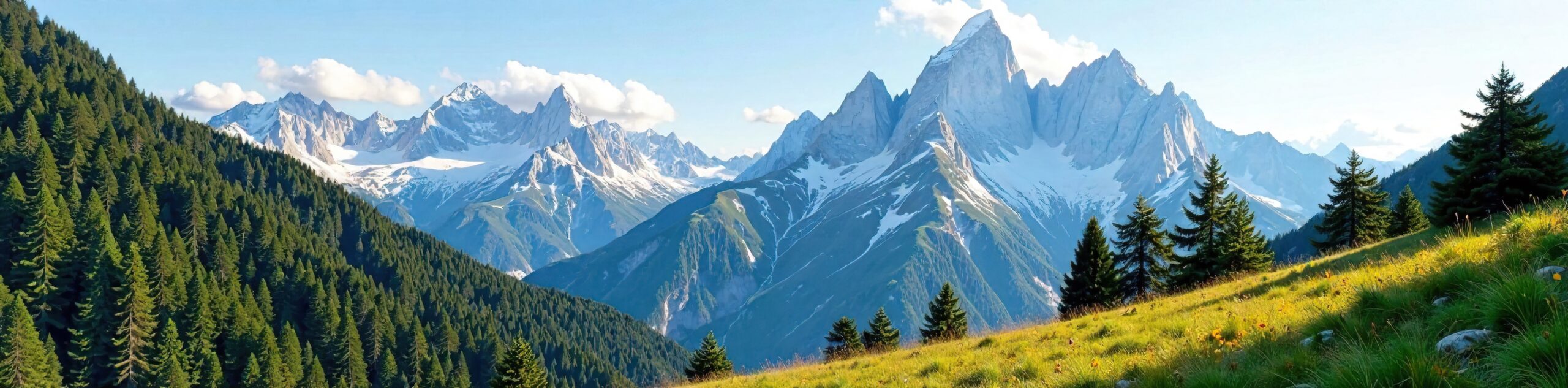
Why Marmolada Deserves More Respect Than Its “Accessible” Reputation
For more than a century, Marmolada occupied a comfortable position in Alpine guidebooks: the “easy” north glacier crossing to Punta Penia was marketed as accessible to fit hikers with basic crampon technique, a Grade-B via ferrata finish, and a guide. Tens of thousands of climbers ascended the Normal Route each season. Charity expeditions, family groups, and first-time alpinists treated Marmolada as a moderate stepping stone toward more demanding Alpine objectives. That reputation collapsed — literally — on July 3, 2022. Eleven mountaineers were killed in seconds by a glacier that had been considered routine. The post-2022 reality is that Marmolada is no longer the mountain it was in guidebook descriptions written before climate change accelerated the glacier’s destabilization, and climbers planning ascents in 2026 must adjust their assumptions accordingly.
The Glacier Is Dying — and Dangerous in New Ways
The Marmolada Glacier has lost approximately 80% of its surface area since 1888 according to the Italian Glaciological Committee. Acceleration is striking: the average retreat rate increased from 3.94 meters per year between 1880 and 2000 to 31.95 meters per year between 2001 and 2021 — an order-of-magnitude jump. Long-term measurements indicate the ice cap has retreated 1,200 meters since scientific monitoring began in 1888, and Italy’s Carovana dei Ghiacciai monitoring campaign now describes the glacier as in an “irreversible coma.” Multiple peer-reviewed projections suggest complete disappearance of the Marmolada Glacier by 2040 under current warming trajectories. The dying-glacier reality matters for climbers because the failure modes change as glaciers retreat: subglacial meltwater pockets, overpressurized englacial drainage networks, isolated cirque glaciers no longer connected to the main ice body, and unstable bergschrunds all become more probable as the ice thins and fragments. The 2022 collapse was not a fluke — it was the new normal arriving in a single afternoon.
Summit-Temperature Anomalies Are the Warning Sign
The day before the 2022 collapse, Marmolada’s summit recorded 10°C — a temperature that should be impossible at 3,343m under normal climate patterns. Modern Marmolada climbers must monitor summit-temperature forecasts as a primary safety variable, not a comfort variable. Italian alpine guides increasingly cancel or reroute climbs when summit temperatures are projected above 5-7°C during the climbing season. Climbers booking single-day attempts months in advance should accept the possibility that warm conditions on their booked date may force the guide to cancel, reroute to the West Ridge, or reschedule. The conservative pattern that emerged in 2023-2025 — guides leaning toward the West Ridge during warm periods and reserving the Normal Route for cold, stable conditions — should be considered standard 2026 practice.
The South Face Is World-Class — and World-Dangerous
While the north glacier dominates the safety conversation, Marmolada’s south face has its own story. The 700-1,000 meter vertical limestone wall on the south side hosts some of the most respected multi-pitch routes in the Alps — the Via Tomasson (1901), Via Soldà (1936), Via Micheluzzi, Don Quixote, Fish Route (Roland Mittersteiner and Igor Koller’s 1981 line that became a benchmark of modern Dolomite trad climbing), and dozens of established multi-pitch lines. These are routes for elite alpine rock climbers with substantial trad-climbing experience and the ability to manage extended exposure, runout sections, and weather windows on a serious limestone face. Marmolada south face climbs are not appropriate for via ferrata climbers stepping up — they require a completely different skill set and judgment framework.
The honest 2026 picture. Marmolada in 2026 occupies an awkward position in Alpine climbing. The traditional Normal Route is still technically passable but has become objectively riskier than its historical reputation suggests, and serious alpine guides increasingly steer clients toward the West Ridge during warm conditions. The West Ridge via ferrata avoids the glacier entirely and provides a substantially safer ascent of Punta Penia — but it is a real via ferrata at high altitude, not a hike. The south face routes remain spectacular but are reserved for experienced alpine rock climbers. Climbers planning Marmolada in 2026 should: book IFMGA-certified guides familiar with current glacier conditions; default to West Ridge during warm summer weeks (mid-July through mid-August); consider late August through September for Normal Route attempts in stable cold; carry comprehensive Alpine rescue insurance; and accept the possibility that a guide may cancel or reroute based on real-time glacier monitoring. The mountain that was “the moderate Alps starter” in 2015 is a different mountain in 2026.
Who Can Realistically Climb Marmolada?
Marmolada is no longer the universal “anyone with reasonable fitness” peak it was once marketed as. Different routes on the mountain now require different skill profiles, and the choice between routes is the most important decision a Marmolada climber makes.
Marmolada Is Appropriate For:
Fit hikers with prior via ferrata experience attempting the West Ridge. The West Ridge via ferrata is a moderate Grade-B equipped climb that demands cardiovascular fitness sufficient for 1,300-1,400 meters of elevation gain in a single day, prior experience with via ferrata sets and cable-clipping technique, comfort with sustained exposure at 3,000+ meters, and basic scrambling ability. Climbers who have completed easier Dolomite via ferratas (Masare, Sentiero degli Alpini, Cesare Piazzetta) and want to step up have a natural progression to the West Ridge.
Experienced alpine climbers attempting the Normal Route in cold conditions. The north glacier route remains a legitimate objective for climbers with prior glacier travel experience, comfortable crampon and ice-axe technique, crevasse rescue familiarity, and the judgment to read glacier stability conditions. This is no longer a “moderate first glacier climb” — modern Normal Route attempts should be approached as a serious alpine objective with informed risk acceptance and an IFMGA guide who has been on the glacier within the past week.
Elite alpine rock climbers attempting the South Face. Multi-pitch routes on Marmolada’s south face — Via Tomasson, Via Soldà, Via Micheluzzi, Don Quixote, Fish Route, and others — are reserved for experienced Alpine trad climbers with strong limestone technique, rack management for long multi-pitch routes, weather-window judgment, and the ability to retreat from height on a serious face if conditions deteriorate.
Ski tourers and ski mountaineers. Marmolada hosts the Dolomites’ longest ski descent (approximately 1,500m vertical) and remains a substantial ski mountaineering objective from March through early May. Glacier travel skills and avalanche awareness are essential.
Marmolada Is Not Appropriate For:
First-time alpine climbers with no via ferrata or glacier experience. Both the West Ridge and Normal Route assume baseline competence in their respective skill domains. Climbers entirely new to high-altitude mountain travel should build experience on easier Dolomite via ferratas (Masare, Sentiero degli Alpini) and easier glaciated peaks (Breithorn, Allalinhorn) before attempting Marmolada.
Climbers unwilling to accept guide cancellations or reroutes. Marmolada’s modern climbing pattern includes substantial weather and glacier-stability variability. Climbers booking single-date trips from abroad must accept that the guide may cancel the Normal Route on the morning of the climb, reroute to West Ridge, or postpone entirely. Fixed-date itineraries that cannot accommodate flexibility are not appropriate for current Marmolada conditions.
Climbers attempting the south face without serious multi-pitch trad experience. The south face is a 700-1,000m limestone wall with sustained difficulty and serious commitment. Climbers without prior 8-pitch+ trad lead experience and the judgment to retreat from height should not be on it.
Climbers who decline to engage a guide. Marmolada is climbable unguided by experienced alpinists familiar with the specific route conditions, but post-2022 the consensus among IFMGA professionals is that engaging a local guide provides essential real-time glacier-stability information that even experienced foreign climbers cannot easily obtain. Unguided ascents during warm conditions are particularly inadvisable.
Marmolada’s Role in the Dolomites and the Italian Alps
Marmolada occupies a unique position in Alpine geography. It is the highest peak in the Dolomite range, but the Dolomites are themselves a subrange of the Italian Alps — a fact that places Marmolada both at the apex of one geological system and as a contributor to the broader Alpine narrative. Understanding Marmolada’s role in this hierarchy helps climbers contextualize the mountain within their broader Alpine ambitions.
Highest Peak of the Dolomites
The Dolomites comprise 18 peaks exceeding 3,000 meters across an area of 141,903 hectares straddling the regions of Trentino-Alto Adige, Veneto, and Friuli Venezia Giulia. UNESCO inscribed the Dolomites as a World Heritage Site in 2009 for their geomorphological significance — vertical limestone walls, sheer cliffs, narrow valleys, and the dramatic “pale mountains” character that defines the range. Marmolada is the highest of these 18 peaks and the only one carrying a substantial glacier — a geological outlier within an already distinctive range. The five-summit Marmolada ridge (Penia 3,343m, Rocca 3,309m, Ombretta 3,230m, Serauta 3,069m, Pizzo Serauta 3,035m) represents the highest single ridge system in the Dolomites.
Distinct from the Surrounding Dolomites
The Dolomites are named for dolomite rock — a carbonate mineral identified and described by 18th-century French mineralogist Déodat Gratet de Dolomieu. Most Dolomite peaks are composed of dolomite proper, producing the famous pale white-pink “Pale Mountains” appearance. Marmolada is the exception: its rock is grey limestone, geologically distinct from the dolomitic peaks surrounding it. This compositional difference is visible from a distance and contributes to Marmolada’s distinct visual identity within the range.
Where Marmolada Fits in Alpine Climbing Progression
Marmolada is not a Seven Summits peak — at 3,343m it sits well below the threshold of high-altitude mountaineering — but it has historically served as a stepping stone in European alpine progression. Many climbers approach Marmolada as a more demanding sequel to easier Dolomite via ferratas and as preparation for higher Alpine objectives.
| Approximate position | Peak | Elevation | Why this position |
|---|---|---|---|
| Entry | Easy Dolomite via ferratas (Masare, Sentiero degli Alpini) | 2,500-2,800m | Cable technique, exposure tolerance, scrambling |
| Intermediate | Marmolada West Ridge (via ferrata) | 3,343m | First 3,000+m via ferrata; sustained exposure |
| Intermediate-Plus | Marmolada Normal Route (glacier) | 3,343m | First glacier travel; crampons + ice axe |
| Step Up | Gran Paradiso (Italian Alps glacier) | 4,061m | First 4,000m glaciated peak; longer glacier crossings |
| Step Up | Breithorn or Allalinhorn (Swiss Alps) | 4,164-4,206m | Beginner-friendly 4,000m glaciated peaks |
| Advanced | Mont Blanc (4,809m) or Matterhorn (4,478m) | 4,478-4,809m | Western Alps classics; multi-day Alpine commitment |
| Elite Rock | Marmolada South Face routes | 3,343m | Multi-pitch limestone trad; entirely different skill domain |
The “intermediate-plus” position of the Normal Route in this progression has shifted substantially since 2022 — modern climbers should treat the Normal Route as substantially more committing than its pre-2022 reputation suggested.
Marmolada History: From Paul Grohmann to the 2022 Collapse
Marmolada’s documented climbing history spans 162 years from the first recorded summit by Paul Grohmann in 1864 to the contemporary post-collapse era. The mountain’s history is deeply intertwined with three converging narratives: the 19th-century Alpine exploration that established its routes, the brutal World War I mountain warfare that scarred its ice and rock, and the 21st-century climate-change tragedy that transformed its safety profile in a single afternoon.
Viennese alpinist Paul Grohmann reached the summit of Punta Penia on September 28, 1864, accompanied by Pellegrino Pellegrini and the Cortina d’Ampezzo mountain guides Angelo and Fulgenzio Dimai. The ascent followed what became known as the north route across the Marmolada Glacier — the route that would later become the Normal Route. Grohmann was one of the founding figures of Dolomite mountaineering, with first ascents on multiple major Dolomite peaks during the 1860s, and his Marmolada climb established the mountain as a major Alpine objective.
The second documented ascent of Punta Penia took place on June 2, 1865, by François Devouassoud, G. H. Fox, Douglas William Freshfield, Peter Michel, and Francis Fox Tuckett — confirming the feasibility of the Grohmann route and contributing to Marmolada’s emerging reputation as a destination for serious Alpine climbers from across Europe.
Christian Lauener, Santo Siorpaes, and Francis Fox Tuckett traversed the West Ridge of Marmolada on June 17, 1872 — the first known passage of the ridge that would later, in 1902-1903, be equipped as one of the oldest via ferratas in the Dolomites. The 1872 crossing established the western approach that has become particularly relevant in the post-2022 era as the safer alternative to the glacier route.
In 1874, the idea emerged to construct a cave refuge for alpinists climbing Marmolada via the Normal Route. Two years later, in 1876, the refuge was completed — the first Alpine refuge in the Dolomites. The original cave shelter contained beds and blankets for climbers on the multi-day approach. The retreat of the glacier in subsequent decades made the original refuge increasingly difficult to access, illustrating even in the 19th century that Marmolada’s glacier was already changing.
In the summer of 1901, English climber Beatrice Tomasson with guides Michele Bettega and Bortolo Zagonel made the first ascent of Marmolada’s south face — a 700-1,000 meter vertical limestone wall that had been considered unclimbable. The Tomasson route, graded IV+ in modern systems, was a landmark achievement in early-20th-century Alpine climbing and one of the most significant female-led first ascents in the sport’s history. The Via Tomasson is still climbed today as a classic Dolomite multi-pitch trad route, and Tomasson’s pioneering ascent established Marmolada’s south face as a serious technical objective.
Between 1902 and 1903, the West Ridge route was equipped with cables, brackets, and metal steps — becoming one of the oldest via ferratas in the Dolomites. The route originally served as a military and practical access route, but evolved into a recreational climbing line. Modern via ferrata equipment on the West Ridge retains the historical character of the early-20th-century installation. In the post-2022 era, the West Ridge has become the de facto standard Marmolada route, making this 1902-1903 infrastructure newly relevant.
From 1915 to 1918, Marmolada formed part of the front line between Austria-Hungary and Italy. The border ran directly over the summit ridge. Austro-Hungarian soldiers built approximately 8 kilometers of ice tunnels and chambers inside the Marmolada Glacier — the so-called “City of Ice” (Eisstadt) — which sheltered troops, ammunition stores, and supplies. Italian forces occupied the rocky precipices of the south face. The Mines on the Italian Front campaign saw both sides detonate huge explosives to destabilize the other’s positions. On December 13, 1916, a massive avalanche on Marmolada killed hundreds of Austro-Hungarian soldiers — one of the deadliest single-day events of mountain warfare. Today, WWI tunnels, fortifications, and artifacts remain visible across the mountain, and several routes on Marmolada pass directly through war-era infrastructure.
Demeter Christomannos, Luigi Micheluzzi, and Roberto Peratoner climbed the South Pillar of Punta Penia in 1929 — establishing the Via Micheluzzi that remains one of the most-respected multi-pitch lines on the south face. The route added a new dimension to Marmolada’s technical climbing reputation and demonstrated that elite climbers could open major new lines on the wall.
Italian climber Gino Soldà established the Via Soldà on Marmolada’s south face in 1936 — a sustained multi-pitch route that became one of the iconic limestone climbs of the Dolomites. The Via Soldà remains a benchmark route today and is climbed by elite alpine rock climbers attempting to retrace classic 20th-century Dolomite first ascents.
In 1979, Heinz Mariacher and Reinhard Schiestl established Don Quixote on the south face of Marmolada di Ombretta — opening the modern bold-trad era on Marmolada. In 1981, Roland Mittersteiner and Igor Koller opened the Fish Route — a route that became internationally famous as a test piece of contemporary Dolomite trad climbing with serious runouts and committing pitches. Modern climbers continue to test themselves on these routes, which represent the transition from heritage Alpine climbing to modern free-trad standards.
In August 2009, UNESCO inscribed the Dolomites as a World Heritage Site, covering 141,903 hectares across nine component areas. Marmolada is part of the inscribed area, recognized for its geomorphological and landscape significance. The UNESCO designation reinforced conservation efforts and increased international visibility of the Dolomites as a tourist and climbing destination.
The Pian dei Fiacconi refuge at 2,626 meters — the traditional staging point for the Normal Route ascent — was destroyed by a snow avalanche in 2020. The destruction of the refuge eliminated the multi-day approach option that climbers had used for over a century, forcing the Normal Route to become a single-day push from Passo Fedaia. This logistical change increased time pressure on the glacier and arguably contributed to the conditions that made the 2022 disaster possible.
On Sunday July 3, 2022, at approximately 13:43 local time, a section of the Marmolada Glacier collapsed on the north side below Punta Rocca at an elevation of approximately 3,213 meters. The detached ice mass had an estimated volume of 70,400 cubic meters (some sources estimate 65,000 ± 10,000 m³) and slid down the slope at speeds reaching 300 km/h, traveling approximately 2.3 km along the northern slope. The collapse hit the route normally used by climbers to reach the summit and swept away multiple roped parties. Eleven mountaineers were killed and eight were injured — among the deadliest ice avalanches historically recorded in the Alps. The seismic energy released was comparable to a magnitude 0.6 earthquake. Search and rescue operations were complicated by ongoing collapse risk; all 11 victims were identified by July 11, 2022. The mountain was closed for safety reasons during the recovery phase.
Subsequent scientific analysis published in Nat. Hazards Earth Syst. Sci. (NHESS) in 2025 and in other peer-reviewed journals confirmed that the collapse was caused by unusually high air temperatures in late spring and early summer 2022, producing excess meltwater that overpressurized the englacial discharge network. The discharge network had been partly blocked by frozen conditions at the glacier base. Subglacial permafrost degradation and heat exchange from meltwater were identified as primary controlling factors. Reinhold Messner publicly attributed the disaster to climate change, and glaciologist Christoph Mayer’s analysis of meltwater accumulation under the glacier was confirmed in subsequent publications. The collapse became internationally cited as a marker event of climate-driven glacier instability in the Alps.
In the years following the 2022 disaster, the climbing pattern on Marmolada shifted substantially. Local IFMGA guides increasingly recommend the West Ridge via ferrata over the Normal Route during warm conditions, and many operators have made the West Ridge their default offering. Daily glacier-stability assessment became standard practice for guided ascents. The Carovana dei Ghiacciai monitoring campaign described the Marmolada Glacier as in an “irreversible coma” by 2024, with projections suggesting complete glacier disappearance by 2040. Climbers planning Marmolada in 2025-2026 must navigate a substantially different safety landscape than pre-2022 guidebooks describe — the glacier is dying, the routes are changing, and the safest historical infrastructure (the West Ridge built 1902-1903) has become newly central to the climbing experience.
The Routes of Marmolada
Marmolada offers a spectrum of routes spanning four distinct skill domains: equipped via ferrata, glacier travel, technical multi-pitch rock, and ski mountaineering. The most important decision a Marmolada climber makes is choosing the right route for current conditions and personal experience. The 2022 collapse has substantially shifted the recommended route hierarchy.
| Route | Difficulty | Duration | Skill Required | Current Status |
|---|---|---|---|---|
| West Ridge Via Ferrata | Grade B (Cicerone 4C) | 9-10 hrs round trip | Via ferrata + scrambling | Most-recommended; current de facto standard |
| Normal Route (North Glacier) | PD / Grade I glacier | 8-9 hrs round trip | Glacier travel + crampons + ice axe | Open but high objective risk in warm conditions |
| East Ridge (Eterna) | Grade 5C | Multi-day | Advanced via ferrata + WWI route | Climbable; lower traffic; historical interest |
| Via Tomasson (South Face) | IV+ multi-pitch | 2 days | Multi-pitch trad climbing | Classic; elite climbers only |
| Via Soldà (South Face) | VI+ multi-pitch | 2 days | Advanced multi-pitch trad | Iconic; experienced trad climbers |
| Via Micheluzzi (South Pillar) | V+ multi-pitch | 2 days | Multi-pitch trad | Historic; respected route |
| Fish Route (South Face) | VII / Modern trad | 2-3 days | Bold modern trad; runouts | Test piece; elite climbers |
| Ski Mountaineering (Marmolada Glacier) | Advanced ski touring | Full day | Glacier ski + avalanche skills | Active March-May seasons |
Route 1: The West Ridge Via Ferrata — Now the Standard Route
The West Ridge via ferrata has become the de facto standard route on Marmolada in the post-2022 era. Built between 1902 and 1903, it is one of the oldest via ferratas in the Dolomites — predating most of the network by decades. The route avoids the unstable north glacier entirely, providing access to Punta Penia (3,343m) via a historic equipped climb on the western shoulder of the mountain. The route starts at Passo Fedaia (2,057m), gains approximately 1,300-1,400 vertical meters across the full day, and is graded as moderately difficult via ferrata appropriate for fit climbers with prior cable-clipping experience.
The West Ridge itinerary:
- Start: Passo Fedaia (2,057m), parking near the lake and former cable-car station. Most climbers depart between 06:00 and 07:00 for sufficient daylight on the full traverse.
- Approach (1.5-2 hrs): Trail #606 climbs from Fedaia to Pian dei Fiacconi area (2,626m), where the former refuge stood before its 2020 avalanche destruction.
- Glacier crossing (variable): A short crossing of the Vernel glacier section in approach to Forcella Marmolada. Crampons and ice axe required for this section in most conditions.
- West Ridge via ferrata (~3 hours): The historic equipped route ascends 450 vertical meters across cables, brackets, steps fixed in the rock, and exposed limestone slabs. Sustained Grade-B difficulty with continuous exposure. Some pitches require attention in cold conditions when cables can be ice-covered.
- Summit ridge: Reach the summit cross of Punta Penia at 3,343 meters. Capanna Punta Penia (the small summit refuge) provides shelter and refreshments when operating.
- Descent: Either return via the West Ridge (the increasingly preferred modern option, avoiding the glacier entirely) or descend via the Normal Route across the glacier (the classic traverse, requiring substantially more glacier travel equipment and experience).
Route 2: The Normal Route — Across the North Glacier
The Normal Route across the Marmolada Glacier from the north was the standard route from Paul Grohmann’s 1864 first ascent until the 2022 collapse. The route follows the glacier from approximately Pian dei Fiacconi (2,626m) up through crevassed terrain to the Forcella Marmolada (col), then a short ferrata section, then the upper glacier and summit ridge to Punta Penia (3,343m). Total elevation gain is approximately 1,300 meters. The route is graded PD (peu difficile) in French Alpine grading and Grade I in glacier-travel difficulty — historically considered moderate.
What changed in 2022: The July 3, 2022 collapse occurred at approximately 3,213 meters on the very route described above. The collapse was not a freak event — it was the manifestation of accumulating glacial instability caused by climate-driven thinning, meltwater accumulation, and overpressurized englacial drainage. Similar conditions remain plausible in any warm summer, and modern guides increasingly avoid the Normal Route during warm conditions. Climbers attempting the Normal Route in 2026 should: book with an IFMGA-certified guide who has been on the route within the past week; depart pre-dawn for maximum cold-temperature stability; carry full glacier travel gear (rope, crampons, ice axe, harness, crevasse rescue kit); accept that the guide may abort during the climb if conditions deteriorate.
The honest framing: The Normal Route remains a legitimate option for experienced alpine climbers willing to accept the elevated risk and time the climb correctly. It is no longer appropriate as a beginner-friendly “first glacier climb” — the safety calculus has changed substantially.
Route 3: The East Ridge Via Ferrata (Eterna Brigata Cadore)
The Eterna Brigata Cadore via ferrata traverses the eastern portion of the Marmolada ridge, including Monte Serauta (3,069m) and Pizzo Serauta (3,035m). The route is one of the longest via ferratas in the entire Alps and follows extensive WWI infrastructure — tunnels, gun emplacements, and connecting passages built by Austro-Hungarian and Italian forces during the 1915-1918 White War on Marmolada. The route is rated Grade 5C in the Cicerone system — substantially more demanding than the West Ridge — and is more often climbed as a heritage and historical interest route than as a summit attempt on Punta Penia. Climbers seeking WWI mountain history alongside via ferrata difficulty find the Eterna a compelling objective.
Route 4: South Face — Classic Multi-Pitch Routes
Marmolada’s south face is one of the most respected limestone walls in the Alps — a 700-1,000 meter vertical face hosting over twenty established multi-pitch routes spanning from early-20th-century classics to modern bold trad lines. The face faces south, providing good rock conditions but substantial sun exposure that demands early starts and weather-window judgment. The principal classic routes include:
- Via Tomasson (1901): Beatrice Tomasson’s pioneering first south face ascent, graded IV+ in modern systems. A classic route still climbed today as a historic line.
- Via Soldà (1936): Gino Soldà’s iconic line, rated VI+ in modern grading. Sustained difficulty across multiple long pitches.
- Via Micheluzzi (1929): The South Pillar of Punta Penia, rated V+. Combines historic character with serious commitment.
- Don Quixote (1979): Heinz Mariacher and Reinhard Schiestl’s bold modern line on the south face of Marmolada di Ombretta. Established the modern bold-trad era on the wall.
- Fish Route (1981): Roland Mittersteiner and Igor Koller’s internationally famous test piece, with serious runouts and committing free climbing. A benchmark of modern Dolomite trad.
- AlexAnna, Larcher Vigiani, and others: Additional established lines spanning the full difficulty spectrum.
South face routes are appropriate only for experienced multi-pitch trad climbers with strong limestone technique, rack management ability, and the judgment to retreat from height when conditions deteriorate. These are not via ferrata progressions — they require a completely different climbing skill set.
Route 5: Ski Mountaineering on the Marmolada Glacier
Marmolada hosts the longest ski descent in the Dolomites — approximately 1,500 vertical meters of glaciated terrain from Punta Rocca (3,309m, accessible by aerial tramway) down toward Malga Ciapela. The ski season runs from approximately December through early May depending on snow conditions, with optimal ski touring conditions in March through early May. Skiers ascend via the cable car or by skinning, then descend the glacier on the only Dolomite peak with substantial year-round skiing infrastructure. Glacier travel skills, avalanche assessment ability, and crevasse-rescue capability are essential — the same glacier that produced the 2022 ice avalanche is the ski descent. Skiers should book with certified ski mountaineering guides familiar with current crevasse conditions.
The Marmolada Summit Day: West Ridge Hour-by-Hour
The Marmolada summit day on the West Ridge via ferrata — now the standard route — typically takes 9-10 hours from Passo Fedaia round trip. Below is the standard hour-by-hour pattern for a fit climber with an IFMGA guide on a stable summer day. Conditions and timing vary substantially based on weather, group fitness, and crowd density on the ferrata cables.
Standard Marmolada West Ridge Summit Day — Passo Fedaia (2,057m) to Punta Penia (3,343m)
The Normal Route descent decision. Many climbers historically completed the West Ridge ascent and descended via the Normal Route across the north glacier — a classic “traverse” that produced one of the most-celebrated round trips in the Dolomites. Post-2022, this descent option requires careful consideration. The glacier descent crosses precisely the terrain where the 2022 collapse occurred, and in warm summer conditions the descent is exposed to objective hazards from above. Conservative modern practice descends via the West Ridge (same as ascent) — sacrificing the classic traverse aesthetic for substantially reduced glacier exposure. Climbers wanting the full traverse experience should plan for early-morning timing, cold-stable conditions, and an IFMGA guide who explicitly approves the descent based on current glacier monitoring data.
Marmolada Costs in 2026: Guides, Logistics, and Total Trip Budget
Marmolada is a substantially less expensive objective than the Seven Summits or major Himalayan peaks — there are no permit fees, no national park charges, and no expensive expedition logistics. The primary cost components are guide fees, accommodation in Val di Fassa or Val Pettorina, equipment rental or purchase, and transportation. Most climbers complete a full Marmolada trip for €500-€1,500 depending on duration and route choice.
2026 Guide Fees
| Route / Group Size | 2026 Price (per person) | Notes |
|---|---|---|
| Normal Route / 2 climbers | €330/person | Single IFMGA guide; ice axe and crampons required |
| Normal Route / 3-4 climbers | €230/person | Cost reduction with shared guide |
| Normal Route / private (1 climber) | €370 | 1:1 guide ratio; full personalization |
| West Ridge / private (1 climber) | €380 | Slightly higher than Normal Route due to ferrata equipment |
| West Ridge / 2-4 climbers | €250-€330/person | Standard recommended option in 2026 |
| South Face multi-day climb | €600-€1,200 | 2-3 day technical commitment; rope teams of 2 |
| Marmolada sunrise/sunset overnight | €450-€650/person | 2-day program with Capanna Punta Penia stay |
| Ski mountaineering (Mar-May) | €280-€400/person | Glacier ski with avalanche-aware guide |
Guide pricing context. Marmolada guide pricing reflects 2025 published rates from Rifugio Castiglioni Marmolada and other reputable Val di Fassa operators. Prices typically include guide fee but not equipment rental, refuge accommodation, food, or transportation. Climbers should clarify what is included before booking. IFMGA-certified guides (the international standard) are essential — the IFMGA mark distinguishes professional mountain guides with multi-year training from local guides without international certification.
2026 Total Trip Budget
| Cost Component | 2026 Amount (EUR) | Notes |
|---|---|---|
| Guide fee (one-day West Ridge, group of 2-3) | €250-€330 | Standard recommended option |
| Accommodation (2-3 nights in Canazei or Rocca Pietore) | €160-€600 | Mid-range hotel; substantial range by season |
| Equipment rental (via ferrata set, harness, helmet) | €30-€60/day | If not owned; Canazei has multiple rental shops |
| Crampons and ice axe rental | €20-€40/day | Required for any glacier crossing |
| Meals and refuge food | €80-€200 | Trip total; Italian Alpine refuge dinners typically €25-€40 |
| Transportation (car rental + fuel from Venice/Innsbruck) | €150-€350 | For 3-day trip |
| International flights to VCE or INN | €100-€600 | Substantial range by origin and season |
| Alpine rescue insurance | €20-€80 | Essential — helicopter evacuation in Italian Alps is expensive without insurance |
| Total realistic 2026 trip budget (excluding international flights) | €700-€1,500 | 3-night trip including one summit attempt |
| Total with European international flights | €800-€2,100 | Substantially affordable Alpine objective |
Marmolada Gear Checklist
Marmolada gear requirements depend substantially on the chosen route — via ferrata requires equipped-climbing equipment while glacier travel requires alpine glacier gear, and the two skill domains are not interchangeable. Climbers attempting the classic traverse (West Ridge up, Normal Route down) need both sets of equipment.
Via Ferrata Equipment (West Ridge)
- Climbing helmet — UIAA-certified; protects against rockfall and impact in falls
- Climbing harness — alpine harness with adjustable leg loops
- Via ferrata set — two energy-absorbing lanyards with via ferrata carabiners (Y-shaped configuration with shock absorber)
- Approach shoes or light mountaineering boots — sufficient ankle support for scrambling, compatible with light crampons if glacier descent planned
- Gloves — partial-finger climbing gloves for cable contact and warmth
Glacier Travel Equipment (Normal Route or Vernel Crossing)
- Mountaineering boots — crampon-compatible (semi-automatic or automatic crampons)
- Crampons — 10 or 12-point steel; appropriately fitted to boots
- Ice axe — general mountaineering axe, 50-65cm depending on climber height
- Rope and crevasse rescue gear — guide-supplied for guided climbs; required for unguided glacier travel (rope, prusiks, pulleys, ice screws)
- Snow gaiters — for early-season conditions with snow on the approach
Clothing System
- Base layer — merino wool or synthetic; long sleeve top and bottoms
- Mid-layer — fleece or light synthetic insulation
- Hard shell jacket — Gore-Tex or equivalent waterproof/windproof
- Insulated jacket (lightweight) — down or synthetic puffy for summit and rest stops
- Trekking pants — durable mountain pants; convertible/zip-off useful for warm valley sections
- Warm hat — covers ears for summit-zone temperatures
- Sun hat — UV protection on glacier (snow blindness is real)
- Glove system — lightweight gloves for ferrata + warmer gloves for summit/wind
Hydration, Nutrition, and Personal Items
- Water (3L minimum) — Italian Alpine water sources unreliable above 2,500m; carry sufficient
- Energy bars, gels, sandwiches — bring enough for 10+ hour effort
- Sunscreen SPF 50+ — substantial UV exposure on glacier and at altitude
- Sunglasses — glacier-rated (Category 4 if descending glacier); essential to prevent snow blindness
- Headlamp — for any pre-dawn start or unexpected late finish
- Personal first aid — blister care, ibuprofen, electrolyte tablets
- Identification and rescue insurance documentation — Italian Alpine Rescue (Soccorso Alpino) operates throughout the Dolomites
- Mobile phone — emergency contact; coverage is generally available on Marmolada
When to Climb Marmolada: Season-by-Season Analysis
Marmolada’s climbing season is substantially shorter than its post-2022 reputation suggests — both due to weather windows and due to glacier-stability considerations. Choosing the right time of year is now as important as choosing the right route.
Late June to Early July: Early Season
Climbing typically becomes viable from late June as snow conditions on the West Ridge cables clear. The Vernel glacier crossing remains substantially more stable in cold early-season conditions. Trade-offs: leftover spring snow can affect ferrata cables; weather windows are less predictable; refuges are just opening. The 2022 collapse occurred on July 3 during an early heat wave — climbers should monitor summit-temperature forecasts and avoid warm conditions even in early season.
Mid-July to Mid-August: Peak Season — Highest Crowds and Highest Risk
Mid-July through mid-August is the traditional peak season for Marmolada climbing. Weather is most predictable, refuges fully operational, and access is reliable. However, this is also the period of highest objective glacier risk — warm temperatures destabilize the glacier system that produced the 2022 collapse. Modern guides increasingly default to the West Ridge during this window rather than the Normal Route, and climbers should specifically request glacier-stability assessment before booking warm-season Normal Route attempts.
Late August to September: The Modern Recommended Window
Late August through September has emerged as the most-recommended Marmolada window in the post-2022 era. Cooling temperatures stabilize the glacier system, rock conditions on the via ferrata are reliable, refuges remain open, and crowds taper from peak August levels. Climbers prioritizing safety should target this window — particularly for any climb involving glacier crossing.
October: Late Season
Early October can offer excellent conditions but weather becomes increasingly unpredictable. By mid-October, snow and ice begin returning to the via ferrata cables, refuges close progressively, and most guides wind down Marmolada operations until winter ski mountaineering season begins.
November to February: Off-Season
Climbing the via ferrata or Normal Route is not practical during this period — winter conditions, ice on cables, and refuge closures eliminate the standard climbing options. The mountain is accessible only for experienced ski mountaineers willing to make full winter alpine commitments.
March to Early May: Ski Mountaineering Season
Marmolada’s ski mountaineering season runs from approximately December through early May, with March through early May providing optimal touring conditions. The 1,500m vertical descent from Punta Rocca is one of the longest in the Dolomites. Glacier travel skills and avalanche awareness are essential — the same glacier that produced the 2022 collapse is the ski descent.
Marmolada 2025 Season Retrospective
The 2025 Marmolada season continued the post-2022 pattern of cautious adaptation. Below are the substantial patterns from the most recent climbing year.
Pattern 1: Continued Shift Toward West Ridge
The 2025 season saw the West Ridge via ferrata further consolidate its position as the default Marmolada route. Major IFMGA guide services in Val di Fassa increasingly listed the West Ridge as their primary offering, with the Normal Route presented as a conditional option requiring cold stable weather and active glacier assessment. Climbers booking Marmolada through international guide services in 2025 typically received West Ridge programs by default unless they specifically requested glacier travel.
Pattern 2: NHESS Publication of Collapse Analysis
In September 2025, Nat. Hazards Earth Syst. Sci. published the formal data-based back analysis of the 2022 collapse mechanism. The peer-reviewed analysis confirmed the climate-attribution hypothesis: meltwater overpressurization of the englacial discharge network, partly blocked by frozen base conditions, was the primary collapse driver. The NHESS publication provided scientific validation for the conservative route practices that had been adopted informally in 2023-2024, and helped establish the mountain’s revised safety framework as evidence-based rather than reactive.
Pattern 3: Glacier Continued to Retreat
2025 monitoring data from the Carovana dei Ghiacciai and the Italian Glaciological Committee showed continued retreat of the Marmolada Glacier consistent with the long-term trajectory. The “irreversible coma” framing established in 2024 reports continued to characterize the scientific consensus. Climbers attempting the Normal Route in 2025 encountered substantially altered glacier topology compared to pre-2022 descriptions — more isolated ice bodies, larger bergschrunds, and more exposed rock sections previously covered by ice.
Pattern 4: Capanna Punta Penia Operational Variability
The Capanna Punta Penia summit refuge continued operating during 2025 summer season, providing meals, drinks, and overnight accommodation for climbers wanting to extend their experience. However, refuge operations remained subject to weather and access conditions, and climbers were advised to confirm operational status before relying on the refuge for accommodation or supplies.
Pattern 5: South Face Climbing Continued at Stable Volume
The technical south face climbing community maintained stable activity through 2025, with established routes (Tomasson, Soldà, Micheluzzi, Don Quixote, Fish Route) continuing to attract elite Alpine climbers. Unlike the Normal Route, south face climbing operates in a different risk domain (rock climbing rather than glacier travel) and was substantially less affected by the post-2022 reassessment.
The substantial 2025 lesson. Marmolada in 2025 demonstrated that the post-2022 climbing pattern has stabilized into a substantially different mountain than the pre-2022 reputation suggested. The West Ridge via ferrata is now the standard route. The Normal Route is a conditional option requiring active stability assessment. The south face remains the elite climbing objective it has always been. And the glacier continues its accelerating retreat — making 2026 climbers the latest cohort to ascend a mountain that is visibly changing year over year. This is not a return to historical normal; this is the new normal, and climbers should plan accordingly.
Frequently Asked Questions About Climbing Marmolada
How much does it cost to climb Marmolada in 2026?
Marmolada guided ascents in 2026 cost approximately €230-€370+ per climber for a single-day West Ridge or Normal Route ascent from Passo Fedaia, depending on group size and route choice. Rifugio Castiglioni Marmolada published 2025 rates of €330/person for two climbers on the Normal Route and €230/person for three to four climbers, with a private guide costing €370 for Normal Route or €380 for West Ridge for a single climber. Additional costs include hotel accommodation in Canazei, Alba, or Rocca Pietore (€80-€200/night), equipment rental (€30-€60/day for ice axe, crampons, harness, and via ferrata set if not owned), transport to Passo Fedaia, and meals. A typical 2-3 night trip including one summit attempt with a guide totals approximately €500-€900 per climber. Multi-day expeditions covering the South Face technical routes cost substantially more — typically €600-€1,200 over 2-3 days.
Is Marmolada still safe to climb after the 2022 glacier collapse?
Marmolada remains climbable in 2026 but the safety calculus has changed substantially since the July 3, 2022 serac collapse killed 11 mountaineers near Punta Rocca. The traditional Normal Route across the north glacier is still technically open but is now widely advised against by IFMGA guides during warm conditions and is monitored daily for glacier instability. The West Ridge via ferrata has become the de facto standard route to Punta Penia, avoiding the unstable glacier entirely while providing a historic equipped climbing experience. Engaging an IFMGA-certified mountain guide is strongly recommended regardless of route choice. The Marmolada Glacier is in what scientists call an “irreversible coma” with projections suggesting it could disappear by 2040.
What happened during the 2022 Marmolada glacier collapse?
On Sunday July 3, 2022, at approximately 13:43 local time, a large mass of ice, snow and rock broke off from the Marmolada Glacier on the north side, below Punta Rocca at an elevation of approximately 3,213 meters. The detached ice mass had an estimated volume of 70,400 cubic meters and slid down the slope at speeds reaching 300 km/h, traveling approximately 2.3 km along the northern slope. Eleven mountaineers were killed and eight were injured, making it among the deadliest ice avalanches historically recorded in the Alps. The collapse occurred during an unprecedented heat wave with summit temperatures reaching 10°C — abnormally high for the elevation. Subsequent scientific analysis confirmed that meltwater accumulation, overpressurized englacial discharge networks, and an exceptionally dry preceding winter were the primary causes. All 11 victims were identified by July 11, 2022.
What is the best route to climb Marmolada in 2026?
The West Ridge via ferrata is now the recommended route for most climbers attempting Punta Penia (3,343m). Originally built in 1902-1903 and one of the oldest via ferratas in the Dolomites, the West Ridge avoids the unstable north glacier that caused the 2022 disaster and provides a substantially safer climbing experience. The route starts at Passo Fedaia (2,057m) with approximately 1,300-1,400 meters of total elevation gain, takes 9-10 hours round trip, and is graded as moderately difficult via ferrata (Grade B). Climbers need a via ferrata kit (harness, helmet, lanyard with energy absorber), comfortable scrambling fitness, and good head for heights. Crampons and ice axe are required only if descending via the glacier — most modern guided ascents now ascend and descend the West Ridge as an out-and-back.
When is the best time of year to climb Marmolada?
The climbing season runs from late June through September. Late August through September is now the most-recommended window for safety-conscious climbers, providing cooling temperatures that stabilize the glacier system, reliable rock conditions on the via ferrata, and reduced collapse risk. Mid-July through mid-August produces the warmest temperatures and the highest objective glacier risk — the 2022 collapse occurred on July 3 during an early heat wave. For ski touring, March through early May provides optimal conditions. Climbers should monitor summit-temperature forecasts and the Marmolada glacier status daily.
Do I need to be roped on the Marmolada West Ridge?
The West Ridge via ferrata uses self-belay equipment (via ferrata set with energy-absorbing lanyards and via ferrata carabiners) rather than traditional rope-team belaying. Climbers clip their lanyards to the fixed cables and advance section by section, with the cable system providing fall protection. However, on the Vernel glacier crossing section, traditional rope-team practice with crampons and ice axe is essential if substantial crevasses are present. Most guides carry rope and prusiks for crevasse rescue capability even on routes that don’t traditionally require rope-team movement. For descent via the Normal Route across the main glacier, full rope-team practice is required.
How fit do I need to be to climb Marmolada?
Marmolada West Ridge requires substantial single-day endurance fitness — the climb covers approximately 1,300-1,400 meters of elevation gain across 9-10 hours of sustained effort. Climbers should be comfortable with: hiking 6-8 hours with 8-12kg pack on varied terrain; sustained scrambling and via ferrata movement at elevation; multi-hour cable climbing at 3,000+ meters. Practical preparation: 8-12 weeks of progressive hiking and scrambling, including weighted ascents and ferrata practice on easier Dolomite routes. Climbers without prior multi-hour Alpine experience should build to Marmolada through preliminary climbs (Cima Tosa, easier Dolomite via ferratas) before attempting the full route. Fitness alone is insufficient — exposure tolerance, ferrata technique, and altitude judgment matter as much as cardiovascular capacity.
Can beginners climb Marmolada?
Marmolada is not appropriate for absolute beginners with no prior Alpine experience. The West Ridge requires baseline via ferrata competence (cable clipping, exposure tolerance, scrambling); the Normal Route requires baseline glacier travel skills (crampon technique, rope-team movement); the South Face requires elite multi-pitch trad climbing. Climbers new to Alpine objectives should build experience progressively — easier Dolomite via ferratas (Masare, Sentiero degli Alpini, Cesare Piazzetta) before West Ridge; introductory glaciated peaks (Breithorn, Allalinhorn) before Normal Route. Most reputable IFMGA guides will decline to take complete beginners on Marmolada and will recommend appropriate progression climbs instead. The “easy Marmolada” reputation that survived from earlier decades is no longer accurate.
What’s the difference between the Dolomites and the Alps?
The Dolomites are a subrange of the Italian Alps — geologically and visually distinct from the broader Alpine system but part of it. The Dolomites are characterized by pale limestone-dolomite peaks with vertical walls and narrow valleys, located in northeastern Italy across Trentino-Alto Adige, Veneto, and Friuli Venezia Giulia. The broader Italian Alps include the Western Italian Alps (Gran Paradiso, Monte Viso area), the Dolomite Alps (where Marmolada sits), and parts of the Southern Limestone Alps. Marmolada is technically both “the highest peak of the Dolomites” and part of the Italian Alps as a whole. Climbers often use “Dolomites” specifically for the limestone peaks in the northeast and “Alps” more broadly for the Western European Alpine system spanning France, Switzerland, Italy, Austria, Germany, and Slovenia.
Can I climb Marmolada without a guide?
Marmolada is climbable unguided by experienced alpinists with appropriate skill sets, but post-2022 the consensus among IFMGA professionals is that engaging a local guide provides essential real-time glacier-stability information that even experienced foreign climbers cannot easily obtain. The West Ridge via ferrata can be climbed independently by climbers with established via ferrata experience, sufficient fitness, current weather and route assessment, and complete personal gear. The Normal Route across the glacier is substantially more risky unguided — current glacier conditions change daily, and climbers without local knowledge are at substantial disadvantage. The South Face technical routes are climbed by independent rope teams with the appropriate trad climbing experience. For most climbers traveling from outside Italy, hiring an IFMGA guide based in Val di Fassa or Val Pettorina substantially improves safety, route experience, and access to current condition information — and the cost is not substantially higher than DIY rental and accommodation expenses.
Marmolada Detailed Planning Guides
Sources & Further Reading
- Francese, R. G., Valentino, R., Haeberli, W., et al. (2025). “Failure of Marmolada Glacier (Dolomites, Italy) in 2022: data-based back analysis of possible collapse mechanisms.” Nat. Hazards Earth Syst. Sci., 25, 3027-3053. nhess.copernicus.org/articles/25/3027/2025
- Bondesan, A., et al. (2023). “The climate-driven disaster of the Marmolada Glacier (Italy).” Geomorphology, ScienceDirect
- Wikipedia — 2022 Marmolada serac collapse: comprehensive event documentation and casualty information
- Planetmountain — first-line reporting and updates on 2022 collapse and aftermath
- UNESCO World Heritage Centre — Dolomites inscription documentation (2009)
- Italian Glaciological Committee (Comitato Glaciologico Italiano) — Marmolada Glacier monitoring data
- Carovana dei Ghiacciai (Legambiente / CIPRA) — glacier-status monitoring reports 2022-2025
- Rifugio Castiglioni Marmolada — published 2025 guide pricing and excursion programs
- Visit Marmolada — official tourism information for West Ridge via ferrata and access logistics
- SummitPost — Marmolada-Punta Penia historical climbing records and route documentation
- Soccorso Alpino e Speleologico (CNSAS) — Italian Alpine Rescue official communications on 2022 collapse
- News coverage of July 3, 2022 collapse — Reuters, AFP, BBC, Al Jazeera, UPI, Italian press
- Cicerone Press — via ferrata grading systems and Dolomite route descriptions
Last updated: May 23, 2026. Next scheduled review: July 2026 (mid-season conditions check).
Twenty Twenty-Five
email@example.com
+1 555 349 1806
Was this helpful?
🏔Related peaks nearby
🧭Explore & compare
Global Summit Guide is an independent mountaineering resource founded in 2026. The team combines first-hand trekking and climbing experience with in-depth research and professional health and nutrition review to help climbers choose objectives, prepare properly, and stay safe.
Health, altitude, and nutrition content is reviewed by Taylor Ludlow (Registered Nurse) and Brigg Hoopes (Nutritionist).
What We Don't Know Yet
Mountain information changes quickly. This box explains the limits of what this page can responsibly promise.
- Route conditions, trailhead access, crevasse exposure, stream crossings, and rescue access may vary from published planning guidance.
- Route conditions, snowpack, closures, and weather can change quickly after this page is updated.
- Permit rules, fees, quotas, and reservation windows may change between review cycles.
- Operator availability, pricing, guide ratios, and cancellation terms can change by season.
- Your fitness, altitude response, risk tolerance, and experience level may change what is safe or realistic.
Verify current conditions with official land managers, guide services, local forecasts, and current route reports before booking or climbing.
Mountaineering, rock and ice climbing, glacier travel, and high-altitude activity are inherently dangerous and can result in serious injury or death. The information on Global Summit Guide is provided for general informational and educational purposes only and is not a substitute for professional instruction, qualified guiding, proper equipment, or your own judgment and experience.
Route conditions, weather, snowpack, permits, regulations, and hazards change constantly and may differ from what is described here. Details may be incomplete, out of date, or contain errors. Always verify current information with local authorities, certified guides, and official sources before making any decision in the mountains.
Nothing on this site is medical, legal, or financial advice. Our fitness, acclimatization, altitude, and nutrition content is general in nature; consult a qualified physician before beginning any strenuous exercise program or exposing yourself to high altitude.
You are solely responsible for your own safety and decisions. To the fullest extent permitted by law, Global Summit Guide and its team accept no liability for any loss, injury, damage, or expense arising from use of, or reliance on, this information. By using this site you acknowledge these risks and accept these terms.
Some links on this site may be affiliate links. If you buy through them we may earn a small commission at no extra cost to you; this never affects our recommendations.
Global Summit Guide recommendation path
Next Best Mountain to Research
Use these recommendations to continue the right planning path instead of stopping on one page.
Use current permit, weather, route, and operator information before booking or climbing.
Search Flights, Hotels & Rental Cars
Have the mountain or destination picked? Use Expedia to compare the flights, lodging and rental cars that fit your actual trip dates. For mountain travel, consider arriving early enough for delays and adding a buffer night after the climb before a fixed flight home.
Compare current flight, hotel and car options.
Affiliate disclosure: Global Summit Guide may earn a commission if you book through this link, at no additional cost to you.