
Last updated October 17, 2026
Climbing the Matterhorn: The Complete Guide.
The Matterhorn is a 4,478-metre icon with one central question: can you climb exposed Alpine rock quickly and confidently—and descend it just as well? Compare the Hörnli Ridge, Italian Lion Ridge, guide and hut costs, best season, equipment and the readiness test that should come before booking.

Is the Matterhorn right for you?
Only if you already climb technical Alpine terrain. The standard Hörnli Ridge is graded AD+ (Assez Difficile Plus) by the Swiss Alpine Club. From the Hörnlihütte you face about 1,200 vertical metres of exposed rock and mixed terrain, with roughly four to five hours of ascent and a comparable technical descent under good conditions.
For most prospective climbers, the first question is not whether to hire a guide, but whether your current scrambling, mountaineering and descent skills meet the route’s demands. A guide adds local knowledge and management—it does not make this a beginner climb.
Best first route: Hörnli Ridge from Zermatt. Best general planning season: mid-July to mid-September when route conditions permit. Best next step if unsure: check the Matterhorn progression guide.
The Matterhorn at a glance
A quick view is useful only when technical difficulty, weather exposure, commercial guiding and route commitment remain separate.
| Planning question | Useful reference | What it means for your climb |
|---|---|---|
| Where is it? | Switzerland–Italy border, Pennine Alps | Zermatt for Hörnli; Breuil-Cervinia for Lion Ridge. |
| How high? | 4,478 m / 14,692 ft | Acclimatization matters even though technical movement, not altitude alone, defines difficulty. |
| Normal Swiss route | Hörnli Ridge, northeast ridge, AD+ (SAC) | Sustained exposed climbing, route-finding and technical descent; not a hiking summit. |
| Hörnli height gain | About 1,200 m from Hörnlihütte | A real alpine summit day above the long hut approach. |
| Hörnli time | About 4–5 h up and 4–5 h down (SAC); ~4 + 4 h ZERMATTERS benchmark | These are strong-team reference times, not guarantees or turnaround rules. |
| Guiding model | ZERMATTERS: 1 climber per guide | Expect a private alpine guiding fee; independent climbing is not categorically banned. |
| Usual guided season | Mid-July–mid-September, condition-dependent | An open hut or clear valley sky alone does not establish route condition. |
| Hut | Hörnlihütte, 3,260 m, about 2 h from Schwarzsee | Book well in advance and coordinate with guide arrangements. |
| Best first route | Hörnli; Lion is alternative, not an easier casual shortcut | Use the specialized route comparison to choose Swiss vs Italian logistics. |
| Major hazards | Falls, loose rock, ice/verglas, storms, fatigue, congestion | Efficiency and cautious go/no-go decisions reduce exposure but cannot eliminate it. |
Hörnli, Lion, Zmutt or Furggen?
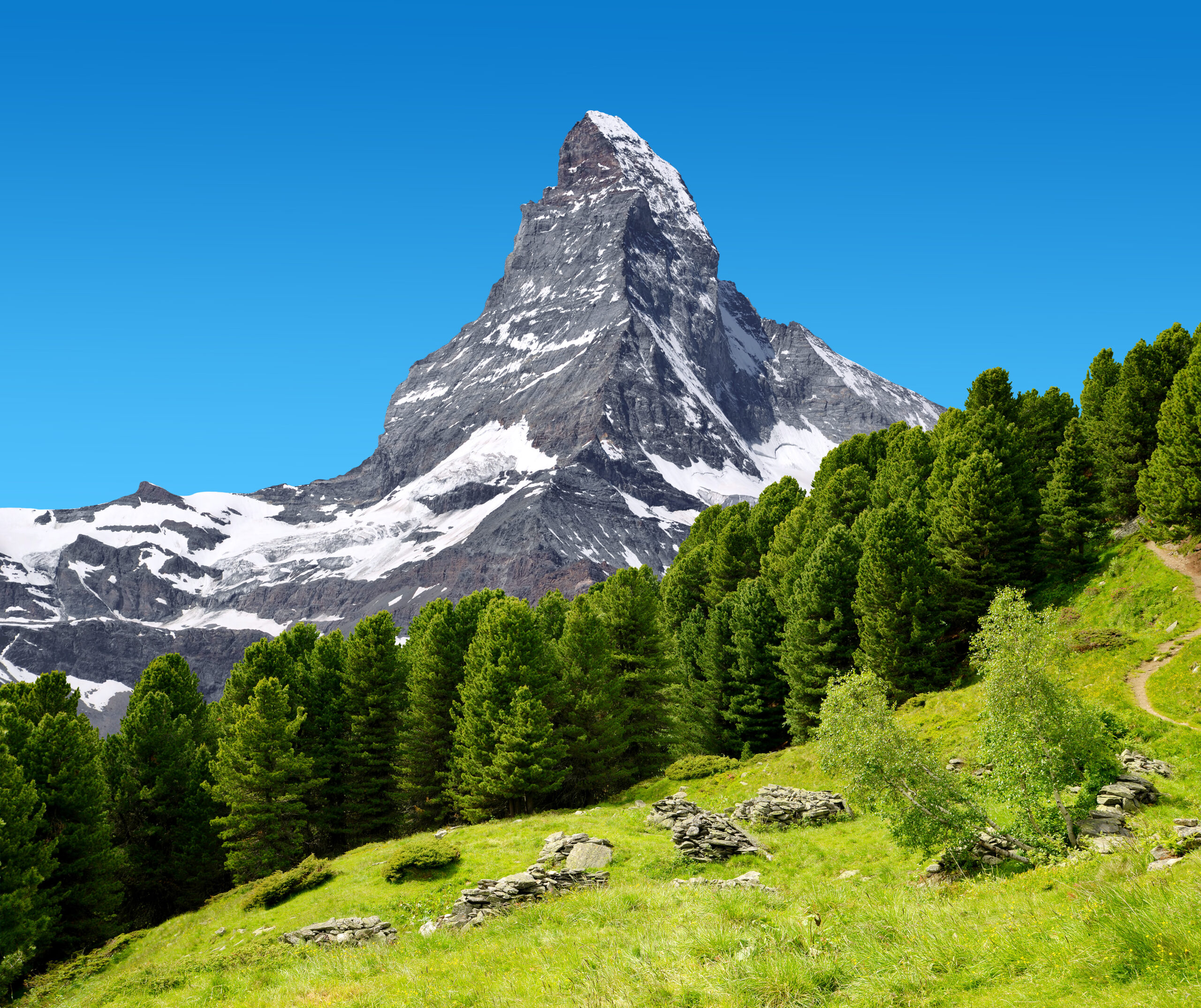
The Matterhorn has four classic ridges, but they are not four equal choices. The Hörnli Ridge is the standard Swiss normal route. The Lion Ridge is the established Italian normal route. Zmutt and Furggen require significantly more specialized experience.
The normal routes are graded AD+ in the current Swiss Alpine Club portal. SAC lists Zmutt at D, a major step in technical seriousness and commitment. Route difficulty depends on specific conditions; the grade does not capture a year’s rockfall, snow or availability of fixed equipment.
Choose the ridge first. Then match the valley base, approach, hut, guide and contingency plan to that route. Our four-ridge route guide explains the terrain; our Hörnli vs Lion comparison helps make the selection.
| Ridge | SAC reference | Base & approach | Main character | Suitable for |
|---|---|---|---|---|
| Hörnli · NE | AD+; 4–5 h up; ~1,200 m | Zermatt · Hörnlihütte 3,260 m | Popular normal route, sustained exposed rock and mixed terrain, intricate return. | Experienced alpinists on a first Matterhorn summit. |
| Lion · SW | AD+; 5–6 h from Carrel (SAC) | Breuil-Cervinia · Carrel Hut ~3,830 m | Equipped sections, route-finding and very long descent commitment; different regulations. | Experienced alpinists with a dedicated Italian-side plan. |
| Zmutt · NW | D | Advanced Swiss alpine approach | More involved climbing and decision-making; not a quieter version of Hörnli. | Strong, independent technical mountaineers. |
| Furggen · SE | Historic specialized lines; consult SAC archive | Advanced route-specific logistics | Highly committing mixed and rock terrain with significant route variability. | Specialists; not a normal first-Matterhorn alternative. |

Inside a Hörnli Ridge summit day
The summit day begins at the Hörnlihütte, 3,260 m. Teams leave before dawn, climb past the Solvay emergency bivouac near 4,003 m, move through fixed-rope and mixed sections, and reach the 4,478 m summit before returning by much of the same exposed line.
On a ZERMATTERS program, the climber hikes independently from Schwarzsee to the hut on day one, meets the guide at the hut, and begins around 04:00 the next morning. The guide lists roughly four hours up and four hours down, with the ability to cancel when fitness or conditions are inadequate.
The hidden difficulty is the descent. Rock, crampon transitions, route-finding, rope handling and fatigue all return when a team has already spent hours above 4,000 m. Being fast is about technical efficiency and safety margins, not racing other parties.
Read the full Hörnli difficulty breakdown or check the latest route-condition framework before using any itinerary as a plan.
Schwarzsee to Hörnlihütte
Take the lift from Zermatt if operating, then hike roughly two hours to the hut on a steep equipped trail. This approach is a demanding alpine hike, not the technical summit ridge.
Hörnli ascent
Start early with headlamps and move through rock and mixed terrain. Conditions determine crampon use and how much time each section consumes. Pace is set against turnaround and descent margins.
Reverse the terrain
Return carefully to the hut, then descend to Schwarzsee. The mountain is not finished when you take a summit photo: the descent requires equal attention and energy.
Are you ready to climb the Matterhorn?
The honest readiness test is a skill test, not a fitness calculator. ZERMATTERS expects climbers who have already ascended several 4,000-metre peaks, are acclimatized, use ice axe and crampons competently, and handle rock ridges up to grade III.
1. Exposed rock confidence
You can move smoothly and securely across long stretches of low-grade but exposed alpine rock in boots. You know how your performance changes when rock is damp, crowded or partly icy.
2. Mixed-terrain transitions
Steep snow, rock, crampons and rope handling are familiar. Equipment adjustments do not take twenty minutes every time the terrain changes.
3. Alpine endurance
You can finish a full technical day with precise movement left for the descent. Standard-route timing is only meaningful when the team’s actual pace matches the window.
4. Alpine navigation
You follow technical terrain deliberately in early darkness or cloud; you do not count on the team ahead to make every route decision.
5. Altitude preparation
You arrive acclimatized from previous days and peaks, rather than stepping straight off long-haul travel into a 4,478 m summit attempt.
6. Turnaround discipline
You will stop when the guide or team identifies unsafe conditions, inadequate pace, poor visibility or a worsening forecast—even after extensive travel costs.
The Matterhorn is not an introductory Alpine 4,000er.
Its signature pyramid makes the climb appear direct. Reality is different: hundreds of technical decisions, changing rock-and-ice conditions, a narrow weather window and an exposed descent. The right experience before the climb can be more valuable than a second month of general fitness training.
Build your Matterhorn progression →
When is the best time to climb the Matterhorn?
Late July through early September is a useful planning center for the classic Hörnli Ridge, within ZERMATTERS’ normal mid-July–mid-September guiding window. But an open hut is not a safe route: fresh snow, glazed holds, rockfall, freezing level, wind and thunderstorms can close the usable window even in August.
| Window | Typical planning character | Main uncertainty | Best response |
|---|---|---|---|
| Late June / early July | Hut operations may begin while summit ridges retain substantial seasonal snow. | Mixed, icy or snow-covered rock; first seasonal guide reports. | Do not equate an open hut with a climbable normal route. |
| Mid–late July | Normal guided operations begin, depending on conditions. | Recent storms, remaining snow and early summer crowding. | Use local professional route interpretation. |
| August | Core climbing season with established operations. | Thunderstorms, warming-related rockfall, crowds and new snow. | Build multiple flexible climbing days; watch overnight freeze. |
| Early September | Often fewer climbers, potentially excellent stable weather. | Fresh snow and verglas; shorter daylight as season winds down. | Act only on current ridge observations and forecast. |
| Late September onward | Guide services and hut staffing may be closed. | Unstaffed logistics, snow, ice and greater route commitment. | Not a normal recreational climbing window. |
Five weather checks that matter
- Freezing level and refreeze: will holds and couloirs glaze overnight?
- Recent snow: has dry summer rock become slow mixed climbing?
- Summit wind: gusts can change exposure and movement on the ridge.
- Thunderstorm timing: a late return into electrical activity is unacceptable.
- Local route reports: recent rockfall, fixed-rope status and actual climbing activity matter more than a valley forecast icon.
Use the separate Matterhorn best-season guide for climatology and Hörnli Ridge conditions tracker for the dated operational context. Verify again with your guide or rope team immediately before departure.

What does it cost to climb the Matterhorn?
There is no single honest all-in price. The guide, preparation climbs, hut, accommodation, lifts, travel, equipment and weather buffer are separate budget lines. The guide fee is generally the largest mountain-day-specific expense, while the cost of being fully prepared can be greater.
| Cost element | Published/reference figure | What’s easy to miss |
|---|---|---|
| Hörnli mountain guide | CHF 1,550 · GSG’s recorded 2026 ZERMATTERS summit-tour benchmark; reconfirm for 2027. | One climber per guide; preparation assessment and extra days can add cost. Hut, lift and rental may be excluded. |
| Hörnlihütte dorm | CHF 150 per person · official currently advertised public dormitory. | Dinner and breakfast included; sleeping-bag liner required. Ask who pays for the guide’s accommodation. |
| Hut liner | CHF 43 if purchased at the hut rather than brought. | Compulsory liner for dormitory stays, not for some private-room configurations. |
| Lift / Schwarzsee access | Variable by day, ticket and season. | Check return operating hours against your descent schedule. |
| Zermatt lodging and food | Variable; add multiple acclimatization and contingency nights. | Weather postponements, early meals and additional transport can materially change trip cost. |
| Preparation tour | Guide-program dependent. | Some bookings require a preparatory climb or skills assessment. |
| Gear and protection | Dependent on owned kit, rentals and provider arrangements. | Technical-climbing-compatible medical/rescue protection must be confirmed in writing. |
Do you need a Matterhorn climbing permit?
On the normal Swiss Hörnli ascent, official local systems reviewed do not list a separate government summit-permit fee of the type charged for Everest. The practical constraints are technical competence, a suitable route, accommodation and (if guided) guide availability.
Guiding is strongly recommended, not a universal legal condition of independent ascent on the Swiss route. The standard professional guided model is 1:1. The Italian Lion Ridge has different hut and guide logistics and must be checked separately.
Read the full Matterhorn permits, hut booking and logistics guide rather than transferring one Swiss-side rule to every ridge.
From Zermatt to the Hörnlihütte—and back
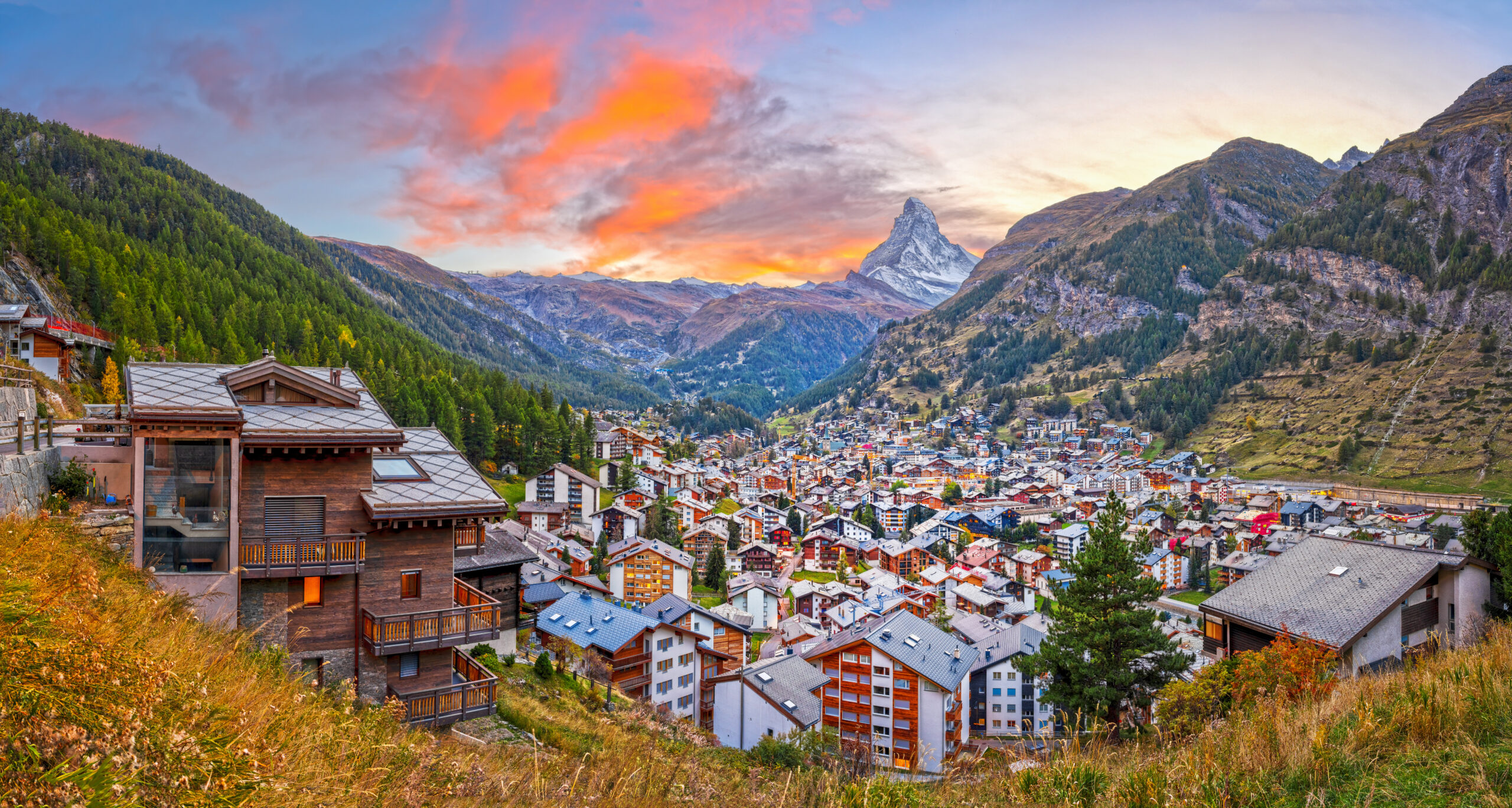
The typical first Matterhorn attempt is a two-day hut-based climb inside a longer Alpine trip. Guide selection and acclimatization come first; hut, lifts, lodging and travel should follow the climbing plan, not force it.
Zermatt and acclimatize
Travel via Täsch if arriving by private car, settle into Zermatt, and spend enough days acclimatizing and demonstrating your mountain movement on preparation climbs.
Schwarzsee → Hörnlihütte
Take the lift to Schwarzsee when operating, then walk about two hours to 3,260 m. The trail is steep and equipped in places; that approach is not the climbing route.
Hörnli Ridge → summit → hut
After a pre-dawn start, climb and descend the same technical mountain. Confirm the realistic descent and latest lift/hut arrangements; allow extra time to return safely.
The six reservations that must work together
- Mountain guide: confirm your experience meets the program standard and clarify preparation days.
- Hörnlihütte: confirm who makes the booking and who pays for the guide’s overnight stay.
- Zermatt lodging: plan additional nights for acclimatization and a weather buffer.
- Lift access: verify timetable, ticket and return plans rather than assuming a late gondola.
- Transport: connect your Täsch/Zermatt arrival with the approach day.
- Rescue/medical cover: confirm technical climbing is within the specific terms and exclusions.
The detailed booking and logistics page holds the evolving prices and procedures. This parent guide should not become a stale price board.
Matterhorn gear: light enough to move, complete enough to climb
You need technical equipment suited to conditions and your guide or rope-team plan. A longer shopping list does not compensate for insufficient mixed-terrain skill. Confirm every item with the guide before travel; rented equipment is common in Zermatt.
Alpine boots and crampons
Mountaineering boots appropriate for steep alpine rock and firm snow/ice, compatible crampons, practiced footwork, reliable traction transitions.
Helmet, harness and rope
Rockfall-rated helmet, suitable harness and rope/anchors/rappel kit as specified by the guide or independent team; practice systems beforehand.
Warmth without bulk
Protective shells, insulation, dexterous gloves, spare warmth and careful hydration/fueling, packed for quick access.
Headlamp and backup
Headlamp with spare power, mapping/navigation and a conservative time plan. Pre-dawn starts demand efficient organization.
Ice axe and safety kit
Ice axe, crevasse/rescue or belay gear as route and team require, first-aid items and emergency communication as appropriate.
Check the guide’s equipment list
Providers may supply or require specific rope systems, crampon types and gloves. Avoid buying incompatible equipment based on a generic article.
Research technical alpine clothing and climbing equipment
Relevant gear only after the route and skill assessment. Purchases through this disclosed affiliate link may support Global Summit Guide at no extra cost. Always follow your guide’s technical kit requirements.
For the complete decision-ready list and pack-weight considerations, continue to the Matterhorn gear and packing guide.
Why the Matterhorn is dangerous—even on its normal route
Technical grades summarize the required climbing standard. They do not measure every real-world hazard. Fatal mistakes can occur during descent or when parties drift off-route, lose efficiency, encounter rockfall or continue after a weather change.
Route-finding and congestion
Small navigational mistakes can put a team on looser or harder terrain. Overtaking and queues consume time and can complicate rope management. Familiarize yourself with the planned line and follow local start procedures.
Rockfall and warming
Loose rock is inherent to the mountain. Warmth and freeze–thaw cycles can change sections during the day. A helmet is necessary but cannot make objectively exposed terrain risk-free.
Fresh snow, ice and verglas
Snow or a thin invisible glaze can turn familiar rock moves into mixed climbing. A good valley forecast does not establish the ridge’s surface condition.
Storms and wind
Exposure, altitude, cold and bad visibility intensify any lost time. Use summit-specific mountain forecasts and be prepared to abandon the attempt.
Exhaustion on descent
Reversing technical climbing after hours at altitude is demanding. Rappels and down-climbs require concentration when climbers are most tired.
Limited rescue margin
Helicopter response or outside assistance is not guaranteed in weather, terrain or high-altitude conditions. The Solvay emergency bivouac is not an excuse for optimistic decision-making.
What about the Matterhorn death rate?
The Matterhorn has a serious mountaineering accident history, including the tragic 1865 first-ascent descent. Published historical fatality totals vary by reporting date and classification; dividing them by an invented modern participation number would give a meaningless personal “death rate.”
Separate the cumulative historic toll from annual accidents, modern attempted climbs and today’s route-condition decisions. Read the researched Matterhorn fatality statistics and 1865 first-ascent disaster for that context.
No article can certify live safety. Use current local conditions, qualified guides, official forecasts and your own limitations.
A practical Matterhorn plan in six steps
A sound Matterhorn itinerary flows from technique to logistics—not the other way around. Use this checklist as the parent-page planning spine; the detailed child pages answer the specialist questions.
Prove the skills
Document exposed climbing, crampon movement, multiple Alpine objectives, long descending days and decision-making under fatigue. Progression guide →
Choose Swiss or Italian
Decide between the classic Hörnli and the Lion approach with a guide, not purely from marketing photos. Routes compared →
Build flexible dates
Base your booking on the summer season but keep alternatives in case fresh snow, heat or storms affect the ridge. Weather guide →
Confirm what’s included
Discuss prerequisites, summit-day pace, preparation days, guide hut accommodation, cancellation and travel arrangements. Operator guide →
Fit the systems
Review the guide’s kit list, rent what is appropriate and verify technical alpine rescue cover. Gear checklist →
Verify conditions locally
Weather, route surface and your readiness dictate the final decision regardless of non-refundable bookings. Conditions guide →
Your next question has a dedicated guide.
The parent page orients the entire climb. These guides go deeper without repeating every detail in a single enormous article. Choose the next step that matches your stage of planning.
Matterhorn climbing FAQ
Can a beginner climb the Matterhorn?
No. The normal Hörnli Ridge is an AD+ technical alpine route. A strong hiker without exposed rock, crampon and mountain-descent experience should pursue a supervised progression first.
What is the easiest Matterhorn route?
The Hörnli Ridge from Zermatt is the usual Swiss normal route. The Lion Ridge is the Italian normal route. Both are graded AD+ by the Swiss Alpine Club; neither is easy.
How long does it take to climb the Matterhorn?
ZERMATTERS gives around four hours up from the Hörnlihütte and four hours back; SAC uses 4–5 hours each way. The approach to the hut is an additional day for many climbers. Conditions and team pace can lengthen any schedule.
What is the Matterhorn elevation?
The main summit reaches 4,478 metres (14,692 feet) on the Switzerland–Italy border.
Do you need a guide to climb the Matterhorn?
A local guide is strongly recommended, and ZERMATTERS guides one participant per professional mountain guide. Experienced independent Alpine rope teams are recognized in the Swiss system; guiding is not presented as a blanket legal mandate.
How much does the Matterhorn cost to climb?
A recorded 2026 ZERMATTERS guided-summit benchmark is CHF 1,550, while the Hörnlihütte lists public dormitory accommodation at CHF 150 per person. Add guide and climber hut costs, preparation climbs, lifts, Zermatt lodging, insurance and travel. Reconfirm prices before 2027 booking.
When should I book the Hörnlihütte for 2027?
The official Hörnlihütte site currently says reservations become available April 1, 2027. It advertises a June 25–September 20 staffed season, although most standard guided summits are planned in a narrower conditions-dependent summer window.
Do I need a climbing permit for the Matterhorn?
Swiss-side public sources reviewed do not identify a separate government Hörnli Ridge summit permit/royalty. Most climbers instead organize hut accommodation, guide arrangements if needed, access, equipment and insurance. Italian-side requirements may differ.
What month is best for the Matterhorn?
Late July through early September is a useful general planning window, but the route must be checked for fresh snow, wind, rockfall, verglas, thunderstorms and current guide activity. No month guarantees suitable conditions.
What should I climb before the Matterhorn?
Several Alpine 4,000-metre climbs, protected and exposed scrambling, reliable rock-and-mixed footwork and technical descents form a good preparation foundation. There is no single compulsory precursor peak; a qualified guide can help assess the actual gaps.
Is the Matterhorn harder than Mont Blanc?
The standard Matterhorn Hörnli Ridge typically requires more sustained exposed rock and mixed technical movement than the usual Mont Blanc normal route, while Mont Blanc adds serious glacier, altitude and objective hazard. Compare their specific routes rather than assigning one overall difficulty score.
Is the Matterhorn safe in summer?
The Matterhorn can be climbed by prepared teams during suitable summer windows, but risk never disappears. Summer still brings rockfall, slips, fresh snow, storms and complex descents; a staffed hut or booked guide does not create a safety guarantee.
Where does a Matterhorn climb start?
The classic Swiss Hörnli itinerary begins in Zermatt, uses Schwarzsee lift access when operating, hikes about two hours to the Hörnlihütte at 3,260 m, and climbs the ridge before dawn the following day.
What happened on the first Matterhorn ascent?
Edward Whymper and a seven-person party reached the summit on July 14, 1865. Four members died in a fall during descent. Zermatt’s tourism authority records the event and the later first female ascent by Lucy Walker.
Sources, method and update boundaries
This parent guide uses official climbing-route, hut, guide-service and destination sources. It is a research-based overview, not a first-person account of climbing the Matterhorn or a current route-condition bulletin.
Direct primary references
- Swiss Alpine Club: Matterhorn route grades and times — Hörnli and Lion AD+; Zmutt D.
- ZERMATTERS Matterhorn summit program — technical expectations, guide ratio, season and program timings.
- Hörnlihütte official website — 2027 booking/opening and approach context.
- Hörnlihütte dorm booking — CHF 150 public dormitory listing and liner rules.
- Zermatt official tourism — route heritage, guide guidance and history.
What must be rechecked for 2027
- Guide tour rates, program inclusions and preparation requirements.
- Hut inventory, staff dates, lift schedule and hotel availability.
- Weather, route surface, fixed equipment and current rockfall reports.
- Insurance eligibility for technical ridge climbing and rescue expenses.
- Italian-side procedures if taking the Lion Ridge.
We intentionally leave daily conditions, full equipment specifications and ranked operators to the linked child pages. The site may include disclosed affiliate recommendations, but they are separate from editorial judgments and safety advice.
Build the skill. Secure the window. Then climb.
Make the next step fit your actual readiness: learn the ridge’s technical demands, plan an honest progression, or compare operators if your experience is already established. No summit day is worth forcing when conditions or movement skills are not there.
Was this helpful?
🏔Related peaks nearby
🧭Explore & compare
Global Summit Guide is an independent mountaineering resource founded in 2026. The team combines first-hand trekking and climbing experience with in-depth research and professional health and nutrition review to help climbers choose objectives, prepare properly, and stay safe.
Health, altitude, and nutrition content is reviewed by Taylor Ludlow (Registered Nurse) and Brigg Hoopes (Nutritionist).
What We Don't Know Yet
Mountain information changes quickly. This box explains the limits of what this page can responsibly promise.
- Total trip cost can change with flights, lodging, guide pricing, permits, gear rentals, transportation, and exchange rates.
- Visa, passport, vaccination, border, insurance, and local transportation rules may change before your trip.
- Route conditions, snowpack, closures, and weather can change quickly after this page is updated.
- Permit rules, fees, quotas, and reservation windows may change between review cycles.
- Operator availability, pricing, guide ratios, and cancellation terms can change by season.
Verify current conditions with official land managers, guide services, local forecasts, and current route reports before booking or climbing.
Mountaineering, rock and ice climbing, glacier travel, and high-altitude activity are inherently dangerous and can result in serious injury or death. The information on Global Summit Guide is provided for general informational and educational purposes only and is not a substitute for professional instruction, qualified guiding, proper equipment, or your own judgment and experience.
Route conditions, weather, snowpack, permits, regulations, and hazards change constantly and may differ from what is described here. Details may be incomplete, out of date, or contain errors. Always verify current information with local authorities, certified guides, and official sources before making any decision in the mountains.
Nothing on this site is medical, legal, or financial advice. Our fitness, acclimatization, altitude, and nutrition content is general in nature; consult a qualified physician before beginning any strenuous exercise program or exposing yourself to high altitude.
You are solely responsible for your own safety and decisions. To the fullest extent permitted by law, Global Summit Guide and its team accept no liability for any loss, injury, damage, or expense arising from use of, or reliance on, this information. By using this site you acknowledge these risks and accept these terms.
Some links on this site may be affiliate links. If you buy through them we may earn a small commission at no extra cost to you; this never affects our recommendations.
Global Summit Guide recommendation path
Next Best Mountain to Research
Use these recommendations to continue the right planning path instead of stopping on one page.
Use current permit, weather, route, and operator information before booking or climbing.
Explore Travel Options for Your Destination
Once your mountain, dates and route are taking shape, compare flights, hotels and other travel options that fit the trip.
Affiliate link. We may earn a commission at no additional cost to you.