
Last updated October 3, 2026


Tour du Mont Blanc vs Alta Via 1: Which Alps Trek Should You Choose?
Tour du Mont Blanc and Alta Via 1 are two of Europe’s defining hut-to-hut hikes. TMB is the longer, bigger endurance circuit: roughly 170 km through three countries with almost 10,000 metres of climbing. Alta Via 1 is shorter at about 125 km, but trades some distance for rocky Dolomite terrain, dramatic limestone scenery and an unusually immersive rifugio culture.
Choose TMB for the Bigger Journey. Choose Alta Via 1 for Dolomite Immersion.
Tour du Mont Blanc is the larger physical project: approximately 170 kilometres, almost 10,000 metres of cumulative ascent and repeated passes through France, Italy and Switzerland.
Alta Via 1 runs roughly 125 kilometres north-to-south through the Dolomites from Lago di Braies toward Belluno. Its classic 12-stage structure climbs approximately 7,300 metres and spends much of the journey directly beneath enormous limestone towers.
TMB is stronger if you want an international circuit, highly developed logistics and a bigger endurance challenge. Alta Via 1 is stronger if your priority is dramatic rock scenery, Italian rifugio culture and a somewhat shorter trip that still feels deeply mountainous.
Tour du Mont Blanc vs Alta Via 1 at a Glance
Both are classic hut treks. Their strongest differences are distance, landscape, booking style and trail character.
| Factor | Tour du Mont Blanc | Alta Via 1 |
|---|---|---|
| Route type | Circuit | Point-to-point traverse |
| Region | Mont Blanc massif | Italian Dolomites |
| Countries | France · Italy · Switzerland | Italy |
| Distance | ≈170 km / 105 mi | ≈125 km / 78 mi |
| Total ascent | ≈10,000 m / 33,000 ft | ≈7,300 m / 24,000 ft |
| Typical time | 7–11 days | 8–12 days |
| Classic structure | 10–11 stages | 12 official stages |
| High point | Grand Col Ferret · 2,537 m | Lagazuoi · 2,752 m |
| Trail character | Established Alpine paths, repeated passes and long valley descents | Rockier limestone paths, scree and rugged Dolomite terrain |
| Technical climbing | No on classic summer route | No on a planned hiking itinerary; historic southern line may use protected terrain |
| Accommodation | Refuges · gîtes · hotels · villages | Rifugi dominate the experience |
| Booking | Many nights available through official TMB system | Rifugi booked individually |
| Luggage transfer | Widely available | More limited where road access does not reach rifugi |
| Best planning window | Roughly late June–early September | Roughly late June–mid September depending on snow and hut openings |
| Overall feel | International Alpine journey | High-mountain Italian rifugio traverse |

TMB Mixes Mountain Refuges With Full-Service Alpine Valleys.
A night at Bonatti may be followed by La Fouly, Champex-Lac or another serviced village. That mixture creates more flexibility than a route built almost entirely around high rifugi.
TMB Is an Alpine Circuit. Alta Via 1 Is a Mountain Corridor.
The geography creates a different feeling even when both trips use huts and require similar daily routines.
Keep Mont Blanc at the Center
- Loop around one giant massif.
- Cross three national borders.
- Change languages and food cultures.
- Pass through major mountain towns.
- Repeatedly see glaciers descending from Mont Blanc.
- Finish near where the journey started.
- Many options for rest, luggage and itinerary adjustment.
Walk South Through Changing Dolomite Groups
- Begin beside Lago di Braies.
- Cross Fanes limestone plateaus.
- Move beneath Lagazuoi and the Tofane.
- Pass Cinque Torri and Nuvolau.
- Walk beneath Pelmo.
- Continue below the enormous Civetta walls.
- Finish through quieter Belluno Dolomites.

Alta Via 1 Leaves One of the Dolomites’ Busiest Lakes and Quickly Gets High.
Lago di Braies is one of Italy’s best-known mountain destinations, but the hiking experience changes quickly after the trail climbs toward Croda del Becco and the first rifugi.
TMB Is the Bigger Endurance Test. Alta Via 1 Can Feel Rougher Underfoot.
The difficulty changes depending on whether your weakness is accumulated vertical, rocky footing or technical exposure.
Tour du Mont Blanc
Roughly 45 kilometres more walking on the standard planning figures.
Tour du Mont Blanc
Almost 10,000 metres of climbing creates a large cumulative workload.
Alta Via 1
Limestone, scree and rough descents can matter more than raw mileage.
Alta Via 1
Lagazuoi reaches approximately 2,752 metres versus 2,537 metres on classic TMB.
Tour du Mont Blanc
More towns and transport can make itinerary repair easier.
Alta Via 1
The southern route choice can materially change technical difficulty.
Fanes to Lagazuoi Is One of the Route’s Defining Climbing Days.
The official stage gains roughly 1,070 metres in about 11 kilometres before finishing at one of the highest and most spectacular overnight positions on Alta Via 1.
TMB Flows Through Valleys and Passes. Alta Via 1 Lives Under Rock Walls.
Neither route should be chosen on mileage alone.
Repeated Alpine Climbing
- Long dirt and stone mountain paths.
- Grass and high pasture.
- Forest approaches.
- Major cols.
- Long valley descents.
- Optional harder variants.
- Generally excellent route infrastructure.
Limestone + Scree + Passes
- Rocky Dolomite paths.
- Loose gravel and scree.
- Steep descents.
- High limestone plateaus.
- Mountain passes beneath huge cliffs.
- Some exposed hiking terrain.
- Optional protected and via-ferrata variants.
Both Routes Are Built Around a Bed and Dinner at the End of the Day.
The differences are atmosphere and booking structure, not whether hut-to-hut travel is possible.
| Accommodation Factor | Tour du Mont Blanc | Alta Via 1 |
|---|---|---|
| Mountain lodging | Refuges + gîtes | Rifugi |
| Village hotels | Frequent | Less central once the high route begins |
| Half board | Common | Common |
| Central reservation platform | Yes for many TMB members | No single system for the whole route |
| Booking method | Official platform + direct booking for non-member properties | Online portals, email, forms or direct contact hut by hut |
| Defining overnight | Bonatti / Elisabetta / high-pass refuges | Lagazuoi / Nuvolau / Coldai / Tissi / Moiry-style high rifugio culture |
| Planning bottleneck | Highly popular refuge dates | Remote rifugi with few substitute nights |
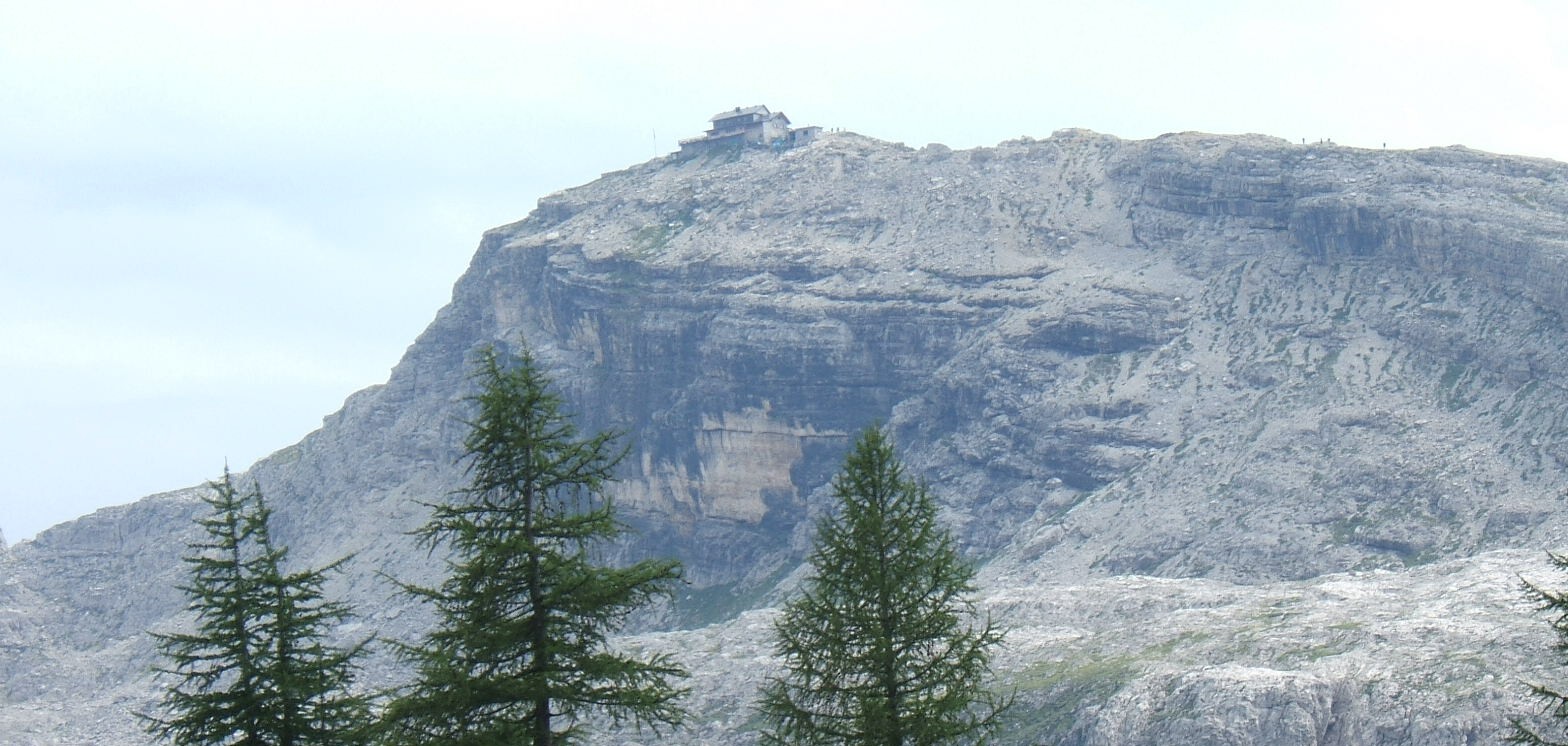
On Alta Via 1, the Rifugio Is Part of the Scenery.
Nuvolau turns sunset, dinner, sleep and sunrise into part of the route itself. This is one reason Alta Via 1 can feel more continuously “high mountain” despite being shorter than TMB.
Pack Light Enough to Climb Again Tomorrow.
Neither classic hiking itinerary requires carrying a tent, stove and full food system. That should keep pack weight much lower than a wilderness thru-hike.
Comfort Through Repeated Vertical
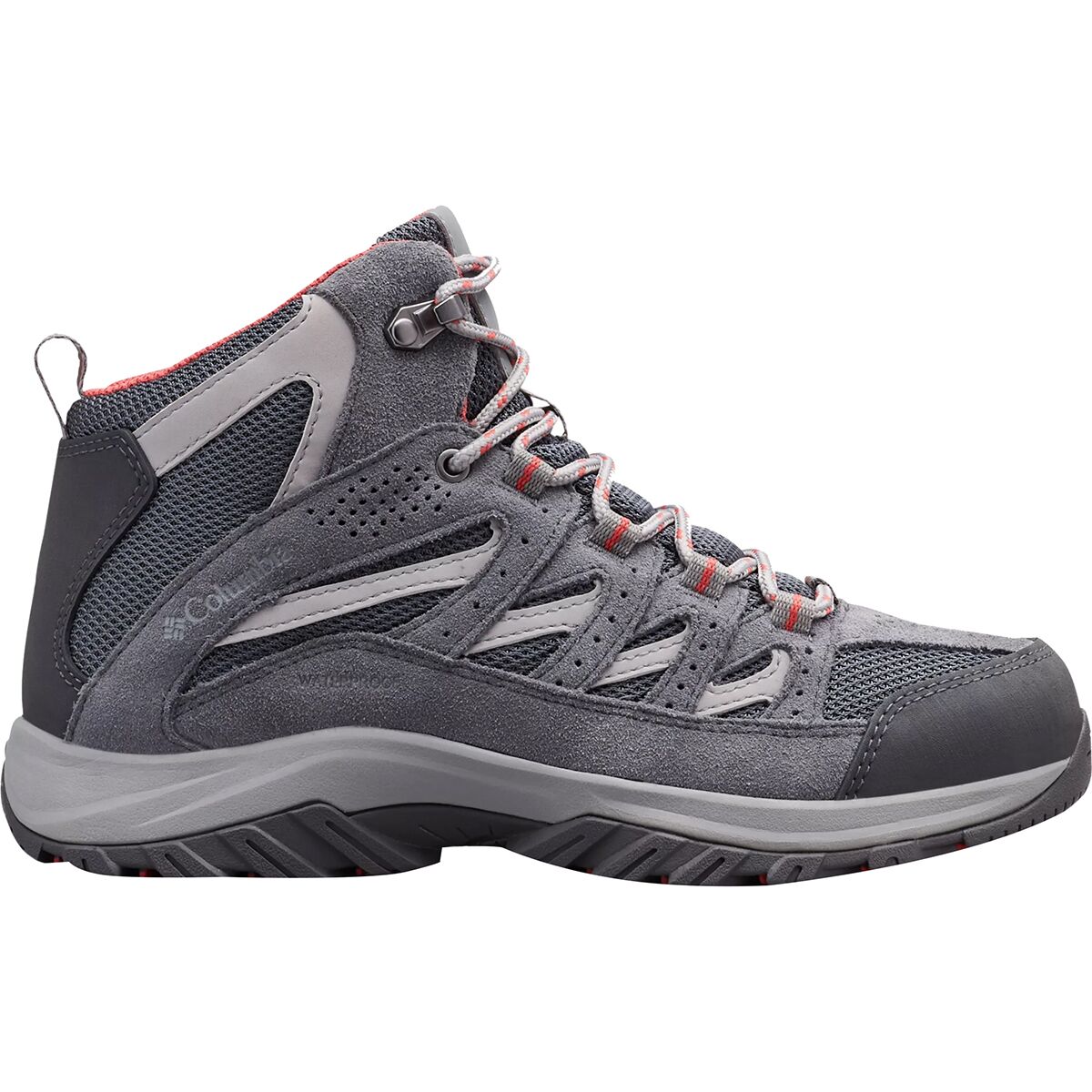
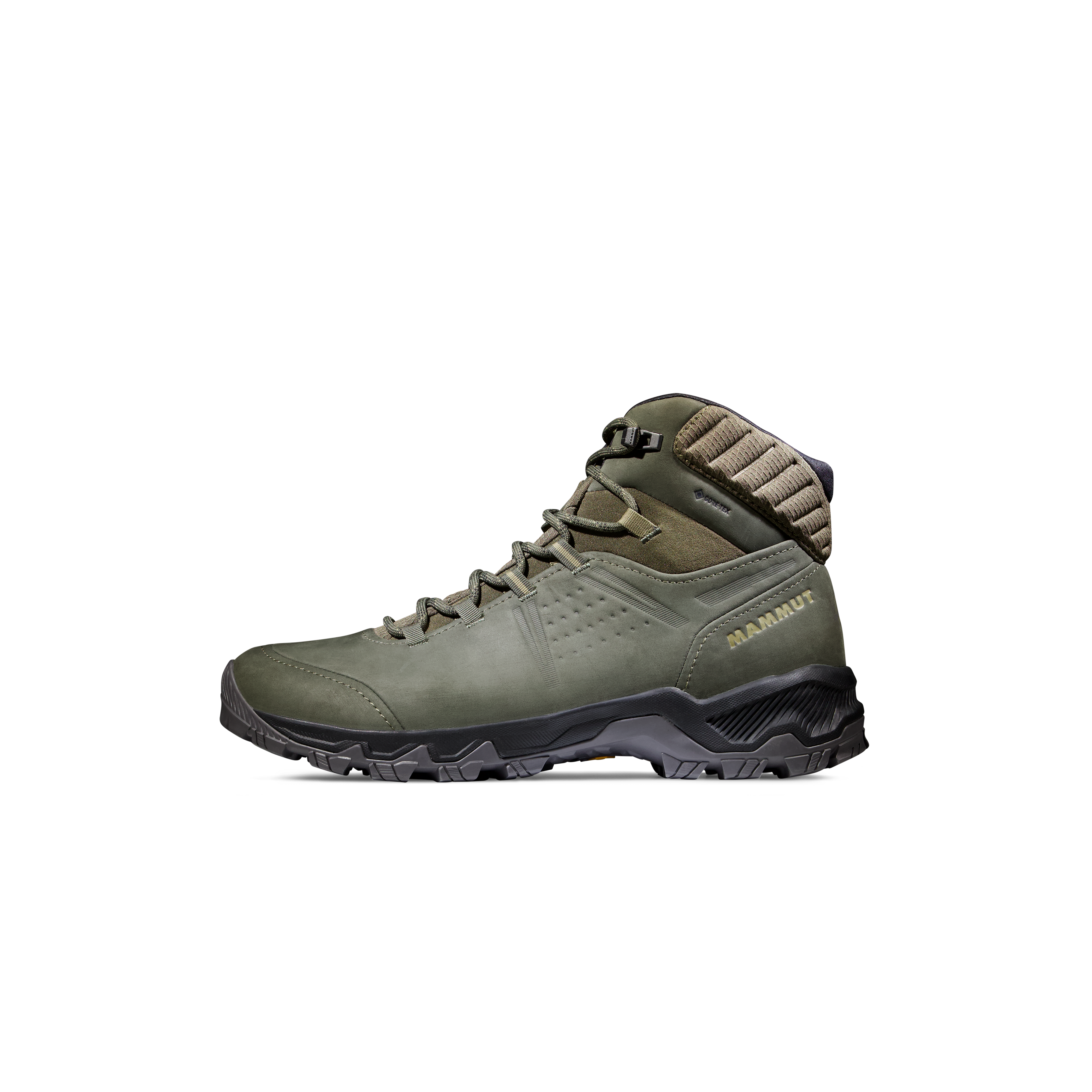
- Proven hiking footwear.
- Trekking poles for long descents.
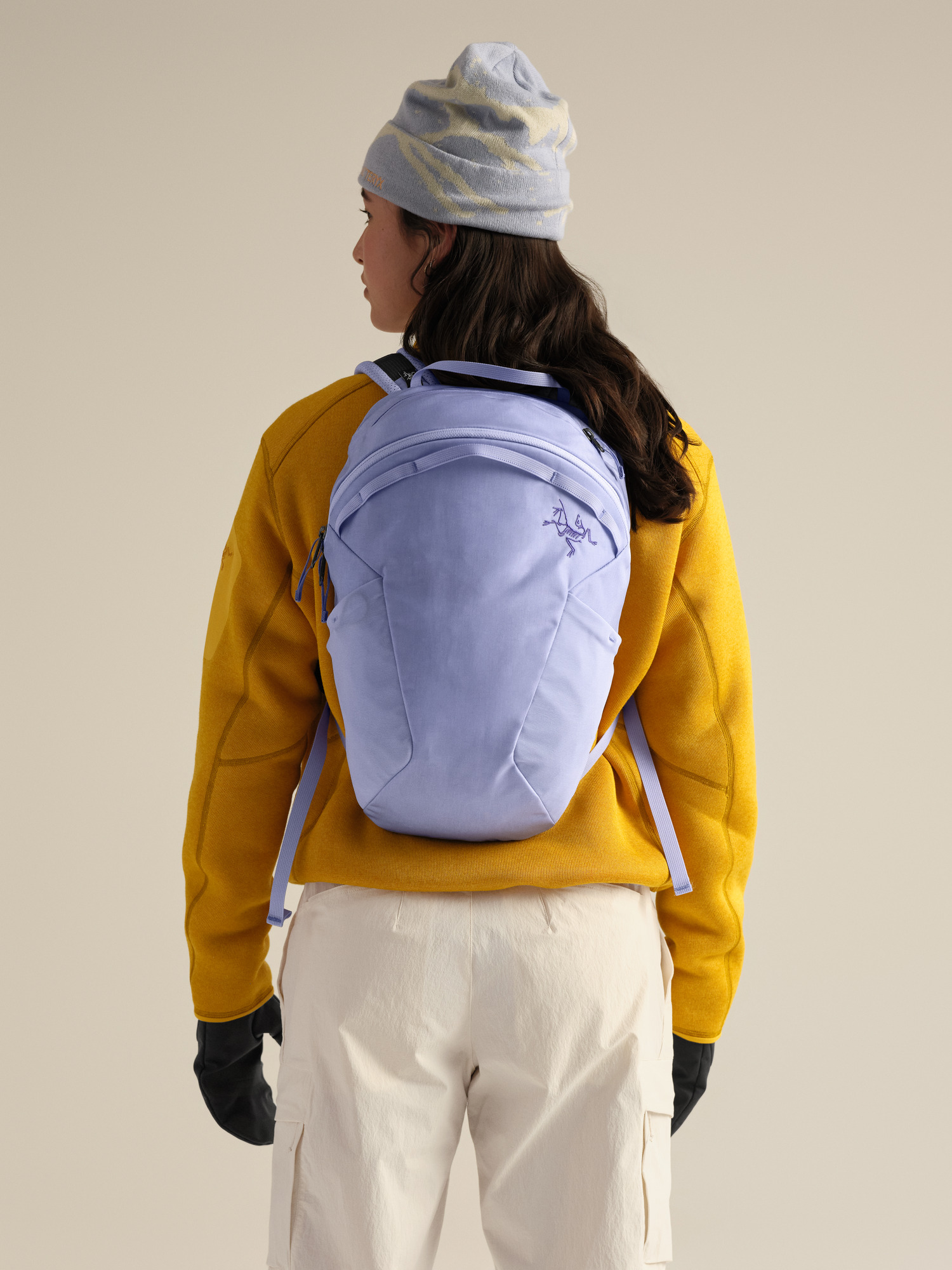
- Light daypack / trekking pack.
- Waterproof shell.
- Warm midlayer.
- Headlamp.
- Sleeping bag liner.
- Offline navigation.
Footing + Weather Protection
- Footwear confident on rock and scree.
- Trekking poles for loose descents.
- Small trekking pack.
- Reliable waterproof shell.
- Warm layer for exposed rifugi.
- Headlamp.
- Sleeping liner.
- Current route map / offline navigation.
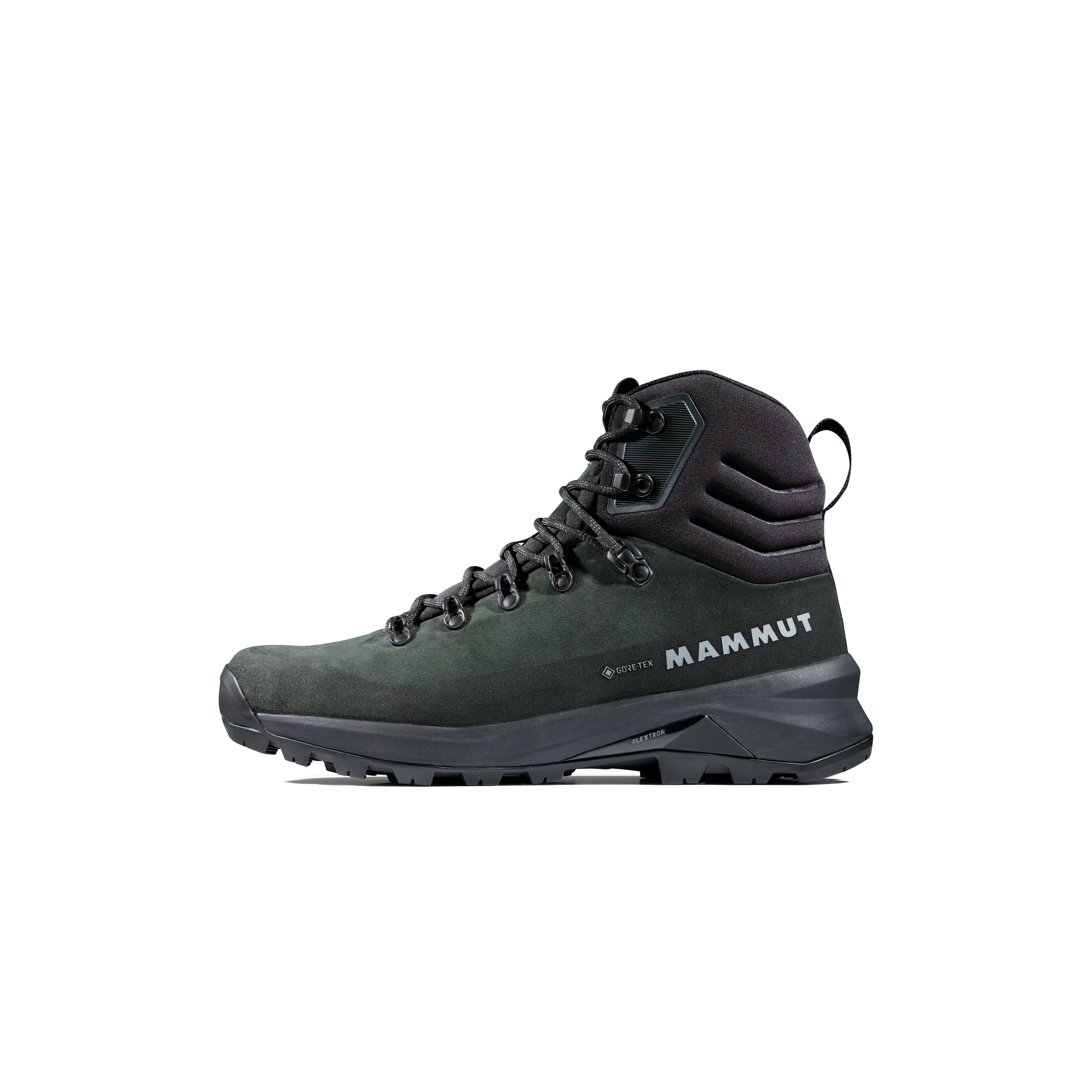
Alpine Hut-Trekking Gear
Compare current hiking boots, trekking poles, daypacks and headlamps after deciding how much weight you will carry and whether luggage transfer forms part of the trip.
Alpine Hut-Trekking Gear
Alta Via 1 Can Be Non-Technical—but Choose the Southern Line Carefully.
This is one of the most important differences to understand before copying somebody else’s GPS track.
No Via-Ferrata Equipment Required
Alta Via 1 can be completed as a normal mountain-hiking trek by choosing the hiking alternatives where the historic line enters protected terrain.
That is the correct structure for hikers who want the Dolomite high-route experience without adding technical cable-climbing equipment.
Some Variants Change the Sport
The southern Schiara section near Forcella del Marmol can involve protected or via-ferrata terrain. Other optional Dolomite variants can do the same.
If you choose one of those lines, the equipment, skill requirement and weather consequences change.
Decide whether you want the hiking-only itinerary or a protected/via-ferrata variation before booking the southern huts.

TMB Builds Its Difficulty Through Repetition.
Grand Col Ferret itself is not technically difficult in normal summer conditions. The challenge is reaching passes like this after several consecutive days of climbing—and then doing it again tomorrow.
Both Routes Live Inside a Short Alpine Season.
Snowpack and hut opening dates matter more than a calendar promise.
| Period | Tour du Mont Blanc | Alta Via 1 |
|---|---|---|
| June | Early-season snow can remain on major passes; refuge openings vary | Snow can remain on high Dolomite passes; rifugi may still be opening |
| Late June | Main season often begins | Main trekking season begins in many years |
| July | Prime season · busy | Prime season · busy rifugi |
| August | Prime weather window with high demand | Prime season with significant booking demand |
| Early September | Often excellent with cooler temperatures | Often excellent if rifugi remain open |
| Late September | Closures, colder storms and early snow increasingly matter | Rifugio closures and early snow increasingly constrain the route |
TMB Centralizes More of the Booking. Alta Via 1 Makes You Build the Chain Yourself.
On both routes, the hardest-to-book bed can determine the stages around it.
More Centralized
- Official TMB booking platform covers many member refuges.
- Some accommodations still require direct booking.
- Popular dates can disappear quickly.
- Build around the hardest nights first.
- Half-board is common.
- Village hotels provide additional flexibility.
Hut by Hut
- No single booking secures the complete route.
- Some rifugi use online systems.
- Others use email or booking forms.
- Some require direct contact.
- Remote huts should be checked before flexible nights.
- Keep written confirmation for every reservation.
The Next Season Starts With Accommodation and Access.
Neither route should be planned from a five-year-old blog itinerary without reconfirming beds, access and variants.
The official TMB system opens 2027 refuge bookings on October 15, 2026. Travelers with fixed dates should secure high-demand accommodations first.
From July 1 through September 15, 2026, daytime access into the Braies valley was regulated. The seasonal regulation is expected to return in 2027, with exact details published closer to the summer season. Check transport and parking rules before fixing the first stage.

Alta Via 1 Keeps Replacing One Landmark With Another.
Fanes and Lagazuoi give way to Nuvolau, then Pelmo, Civetta and finally the quieter Belluno Dolomites. The route feels like a progression through distinct mountain groups, not a loop around one central summit.
TMB Loops. Alta Via 1 Keeps Moving South.
The route shape explains much of the emotional difference between the two hikes.
Classic circuit gateway below Mont Blanc.
Major resupply, hotel and restaurant stop.
Classic northern trailhead.
Southern finish of the historic complete route.
Choose the Experience Before You Choose the Famous Name.
Both can be excellent first major hut treks for a fit, mountain-experienced hiker.
You Want the Complete International Alps Experience.
- You want to walk through three countries.
- You have 7–11 hiking days.
- You enjoy bigger cumulative mileage.
- You value easy village access and exit options.
- You want luggage-transfer flexibility.
- You like the social atmosphere of a famous route.
- You want Mont Blanc scenery throughout the journey.
You Want the Dolomites to Be the Entire Point.
- You want 8–12 days in one mountain region.
- You prefer dramatic limestone walls to glacier panoramas.
- You enjoy traditional rifugio culture.
- You are confident on rocky and loose mountain trail.
- You do not mind booking huts individually.
- You prefer a north-to-south journey over a loop.
- You want a shorter total route without making it a soft trip.
TMB Is the Bigger Trek. Alta Via 1 Is the More Concentrated Dolomite Experience.
Do not choose Alta Via 1 simply because the mileage is lower, and do not choose TMB simply because it is more famous. Decide whether you want a three-country circuit around one great massif or a point-to-point journey through a succession of limestone mountain groups.
Frequently Asked Questions
Which is harder, Tour du Mont Blanc or Alta Via 1?
How long is Tour du Mont Blanc compared with Alta Via 1?
Which route has more climbing?
Does Alta Via 1 require via ferrata?
Which has better huts?
Which has easier booking?
Can I use luggage transfer on both routes?
Which should I hike first?
Which has better scenery?
Do I need to camp on either trek?
When is the best time to hike TMB or Alta Via 1?
When do 2027 TMB refuge bookings open?

TMB Gives You More Journey. Alta Via 1 Gives You More Dolomites.
Choose Tour du Mont Blanc for the larger circuit: more distance, more cumulative ascent, three countries, deep logistics and a constantly changing view of the Mont Blanc massif. Choose Alta Via 1 for a tighter high-mountain experience: dramatic limestone, unforgettable rifugi and a north-to-south journey through the heart of the Dolomites. Neither choice is the lesser trek—they simply solve different trips.
Was this helpful?
🏔Related peaks nearby
🧭Explore & compare
Global Summit Guide is an independent mountaineering resource founded in 2026. The team combines first-hand trekking and climbing experience with in-depth research and professional health and nutrition review to help climbers choose objectives, prepare properly, and stay safe.
Health, altitude, and nutrition content is reviewed by Taylor Ludlow (Registered Nurse) and Brigg Hoopes (Nutritionist).
What We Don't Know Yet
Mountain information changes quickly. This box explains the limits of what this page can responsibly promise.
- Comparisons simplify complex decisions; the better mountain depends on current conditions, skills, timing, budget, and risk tolerance.
- Visa, passport, vaccination, border, insurance, and local transportation rules may change before your trip.
- Route conditions, snowpack, closures, and weather can change quickly after this page is updated.
- Permit rules, fees, quotas, and reservation windows may change between review cycles.
- Operator availability, pricing, guide ratios, and cancellation terms can change by season.
Verify current conditions with official land managers, guide services, local forecasts, and current route reports before booking or climbing.
Mountaineering, rock and ice climbing, glacier travel, and high-altitude activity are inherently dangerous and can result in serious injury or death. The information on Global Summit Guide is provided for general informational and educational purposes only and is not a substitute for professional instruction, qualified guiding, proper equipment, or your own judgment and experience.
Route conditions, weather, snowpack, permits, regulations, and hazards change constantly and may differ from what is described here. Details may be incomplete, out of date, or contain errors. Always verify current information with local authorities, certified guides, and official sources before making any decision in the mountains.
Nothing on this site is medical, legal, or financial advice. Our fitness, acclimatization, altitude, and nutrition content is general in nature; consult a qualified physician before beginning any strenuous exercise program or exposing yourself to high altitude.
You are solely responsible for your own safety and decisions. To the fullest extent permitted by law, Global Summit Guide and its team accept no liability for any loss, injury, damage, or expense arising from use of, or reliance on, this information. By using this site you acknowledge these risks and accept these terms.
Some links on this site may be affiliate links. If you buy through them we may earn a small commission at no extra cost to you; this never affects our recommendations.
Global Summit Guide recommendation path
Next Best Mountain to Research
Use these recommendations to continue the right planning path instead of stopping on one page.
Use current permit, weather, route, and operator information before booking or climbing.
Leave a Reply