
Last updated October 3, 2026


Tour du Mont Blanc vs Walker’s Haute Route: Which Alps Trek Should You Hike?
These are two of the Alps’ defining hut-to-hut journeys, but they suit different hikers. The Tour du Mont Blanc is the more accessible classic: shorter, easier to organize and built around a polished three-country refuge network. Walker’s Haute Route is the step up: longer, higher, rougher and more committing as it crosses from Mont Blanc country to the Matterhorn.
Hike the TMB First. Choose Walker’s Haute Route When You Want the Step Up.
The Tour du Mont Blanc is roughly 170 kilometres around the Mont Blanc massif, crossing France, Italy and Switzerland. Most hikers spend 7–11 days on the circuit and accumulate close to 10,000 metres of climbing.
The Walker’s Haute Route is a point-to-point journey from Chamonix to Zermatt. Global Summit Guide’s current 14-stage planning line is approximately 215 kilometres with about 13,800 metres of ascent and 11 major high passes.
For a first major Alpine hut trek, TMB is usually the cleaner starting point. Walker’s Haute Route becomes compelling when repeated 1,000-metre climbing days, rougher paths, higher passes, more independent navigation and a two-week journey sound like improvements rather than obstacles.
Tour du Mont Blanc vs Walker’s Haute Route at a Glance
Both are non-glacial summer treks in normal conditions. Walker’s Haute Route asks more of the hiker almost everywhere else.
| Factor | Tour du Mont Blanc | Walker’s Haute Route |
|---|---|---|
| Route type | Circuit | Point-to-point traverse |
| Start / finish | Les Houches / Chamonix area | Chamonix → Zermatt |
| Countries | France · Italy · Switzerland | France · Switzerland |
| Planning distance | ≈170 km / 105 mi | ≈215 km / 134 mi |
| Total ascent | ≈10,000 m / 33,000 ft | ≈13,800 m / 45,300 ft |
| Typical duration | 7–11 days | 12–14 days |
| High point | Grand Col Ferret · 2,537 m | Col de Prafleuri · 2,987 m |
| High passes | Several major Alpine cols | 11 major passes on current planning line |
| Technical equipment | Normally hiking equipment in summer | Normally hiking equipment in snow-free summer conditions |
| Terrain | Good Alpine paths, passes, forest and valley sections | More rough trail, scree, exposed traverses and high passes |
| Navigation | Generally straightforward but still requires mapping | More important; no single continuous Haute Route blaze |
| Accommodation | Refuges, gîtes, hotels and villages | Mountain huts + village hotels |
| Booking structure | Official TMB booking platform covers many key accommodations | Individual hut and hotel reservations |
| Luggage transfer | Widely practical on many itineraries | Partial; remote huts may require carrying everything |
| Strong summer window | Late June–early September broadly | Mid-July–mid-September |
| Best progression role | First major Alpine hut-to-hut trek | Experienced hiker’s next high-route progression |

TMB Turns the Hut Network Into Part of the Experience.
Rifugio Bonatti represents the classic TMB model: finish the day’s climbing already high above the valley, eat dinner in the mountains, sleep in a refuge and begin the next stage without returning to town.
The Shape of the Journey Changes the Experience.
TMB keeps Mont Blanc at the center. Walker’s Haute Route keeps moving east until the Matterhorn appears at the finish.
One Massif · Three Countries · Full Circuit
- Begin around Les Houches / Chamonix.
- Cross French Val Montjoie.
- Enter Italy over Col de la Seigne.
- Pass Courmayeur and Italian Val Ferret.
- Cross Grand Col Ferret into Switzerland.
- Walk through La Fouly and Champex-Lac.
- Return to France around Col de Balme.
- Finish back in the Chamonix Valley.
Mont Blanc → Matterhorn
- Begin in Chamonix.
- Cross toward Trient and Champex-Lac.
- Move through Verbier and high Valais.
- Cross the Prafleuri high-pass sequence.
- Descend toward Arolla.
- Continue through Moiry, Zinal and Gruben.
- Cross Augstbordpass into the Mattertal.
- Finish beneath the Matterhorn in Zermatt.
The Haute Route Has Nights That Feel Farther Into the Mountains.
Cabane de Moiry sits beside the glacier at roughly 2,825 metres. Reaching nights like this usually requires larger climbing days, and luggage-transfer convenience disappears when the hut itself is only accessible on foot.
Walker’s Haute Route Is the Bigger Endurance and Mountain-Terrain Test.
Neither requires mountaineering equipment on the normal route in ordinary snow-free summer conditions. That does not make their hiking demands equal.
Walker’s Haute Route
Roughly 45 km longer on the current GSG planning baseline.
Walker’s Haute Route
About 13,800 metres compared with approximately 10,000 metres on TMB.
Walker’s Haute Route
Col de Prafleuri reaches roughly 2,987 metres.
Tour du Mont Blanc
More developed logistics and a shorter total journey make recovery problems easier to manage.
Walker’s Haute Route
The route combines established French and Swiss paths rather than following one dedicated trail symbol.
Tour du Mont Blanc
Frequent valleys, towns and transport generally create more straightforward itinerary adjustments.

TMB Is Non-Technical—but Its Passes Still Belong to the High Alps.
Wind, cold rain, cloud, thunderstorms and lingering early-season snow can completely change a day on Grand Col Ferret. “Hiking trail” does not mean casual-weather terrain.
Walker’s Haute Route Feels More Like a High Route.
The difference appears in the quality of the trail, exposure, pass height and the frequency of rough mountain terrain.
Polished Alpine Trekking
- Well-established mountain paths.
- Repeated grassy and rocky passes.
- Long but generally straightforward descents.
- Forest and valley sections between high crossings.
- More route traffic.
- Optional harder variants for experienced hikers.
- Excellent waymarking on much of the classic circuit.
Rougher Mountain Travel
- Loose rock and scree.
- Narrow mountain paths.
- Steeper and longer pass approaches.
- Meaningful exposure on selected sections.
- Multiple crossings near 3,000 metres.
- Snow can materially change the difficulty.
- More route-choice responsibility.

Prafleuri to Arolla Is Where the Route Earns Its Name.
The central stages leave the polished resort valleys behind. High passes, glacial scenery and long approaches around Lac des Dix create a more sustained mountain journey than many hikers experience on their first TMB.
TMB Has the Easier Booking Ecosystem. Walker’s Has the More Varied One.
Both can be completed without carrying a tent, but the reservation process is not the same.
| Accommodation Factor | Tour du Mont Blanc | Walker’s Haute Route |
|---|---|---|
| Overnight style | Refuges · gîtes · hotels · villages | Mountain huts · hotels · inns · villages |
| Central booking | Official TMB platform covers many key nights | No single central reservation system |
| Hardest nights | Popular classic refuges can fill rapidly | Remote huts with few alternatives can control the itinerary |
| Half-board | Very common | Common at mountain huts |
| Town upgrades | Courmayeur and Chamonix create easy hotel options | Arolla, Zinal and Zermatt provide village / hotel options |
| Luggage transfer | More consistently practical | Cannot reach every remote hut |
The official Tour du Mont Blanc system is scheduled to open 2027 refuge bookings on October 15, 2026. If your travel dates are fixed, build the itinerary around the hardest-to-secure nights first.
Walker’s Haute Route Rewards a Slightly More Conservative Mountain Kit.
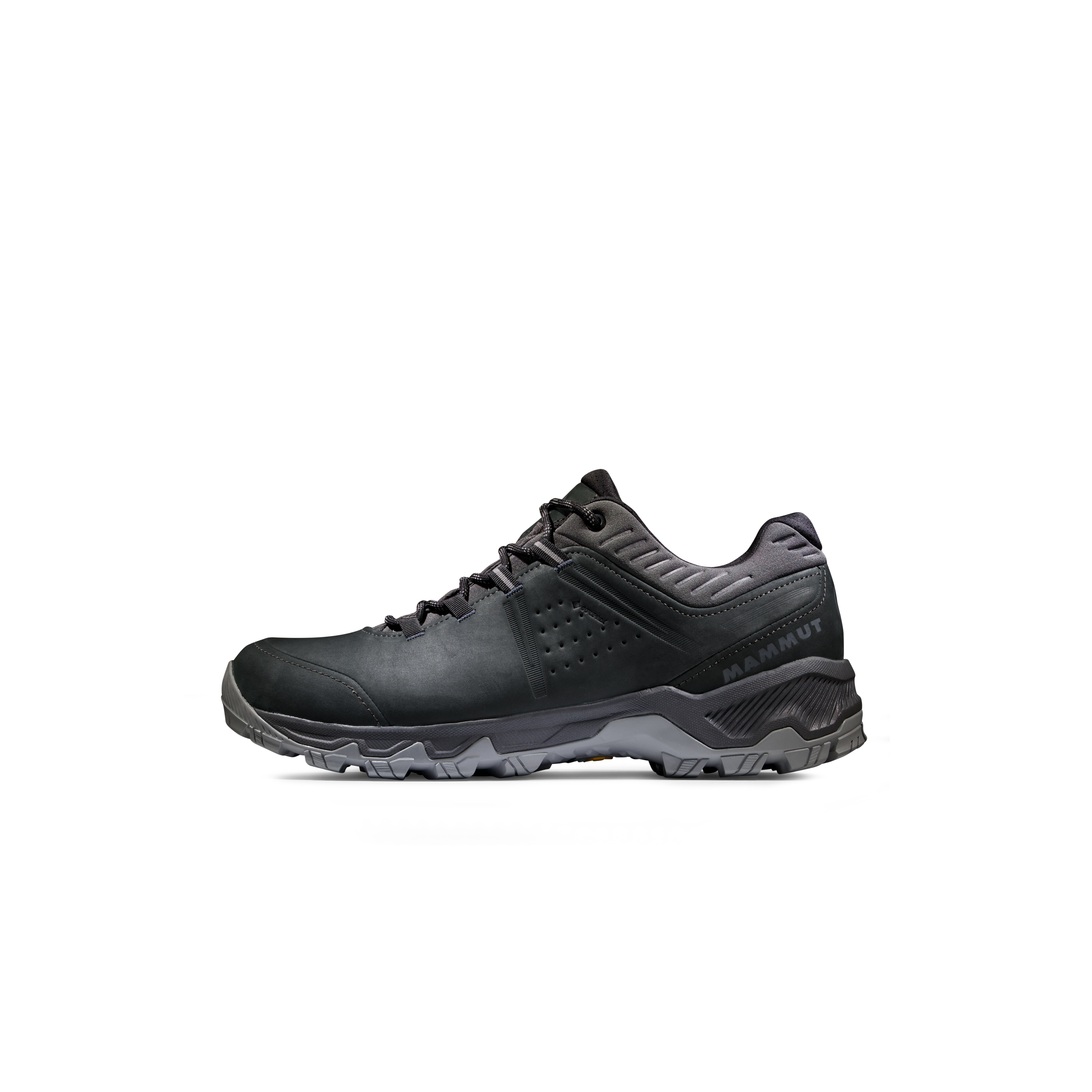
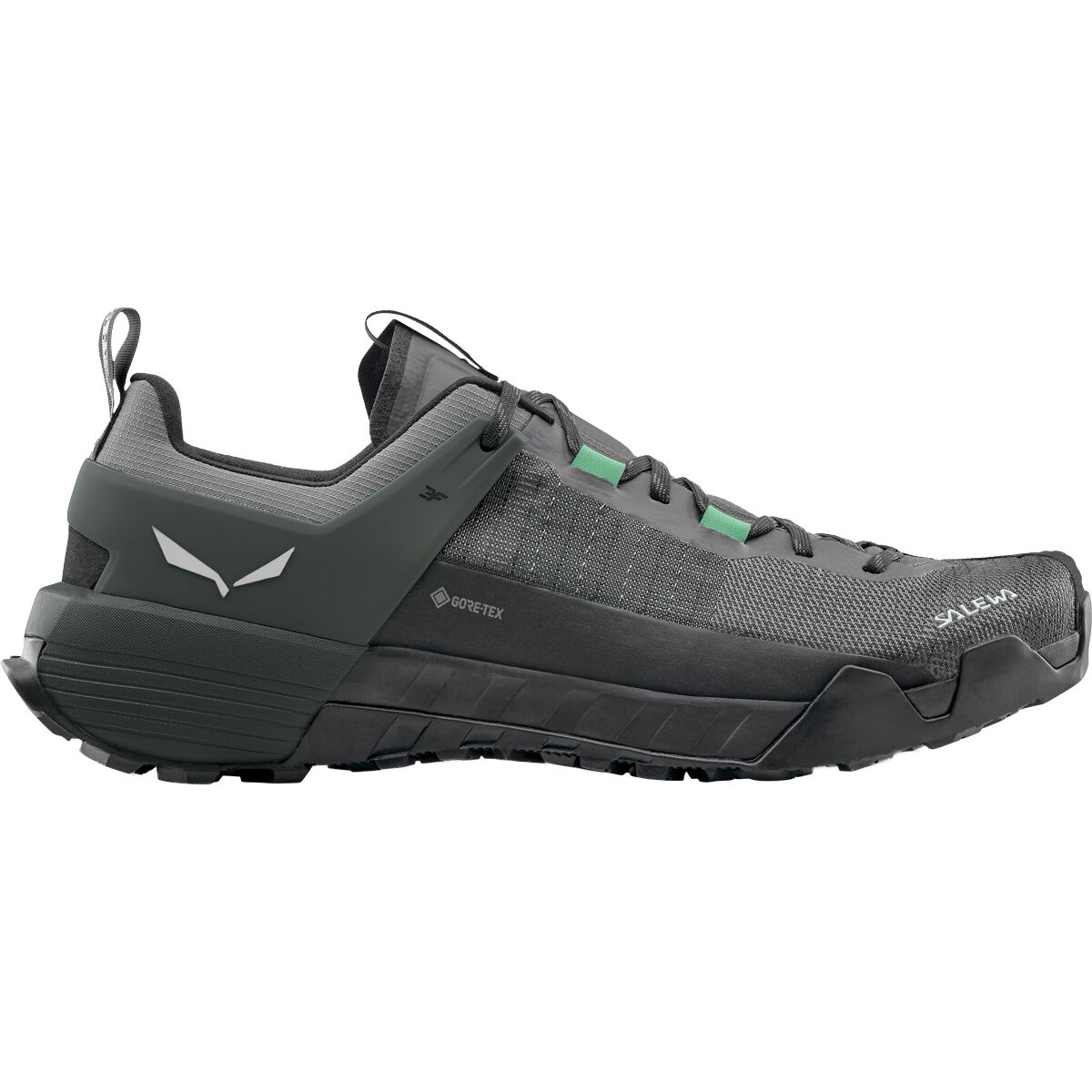
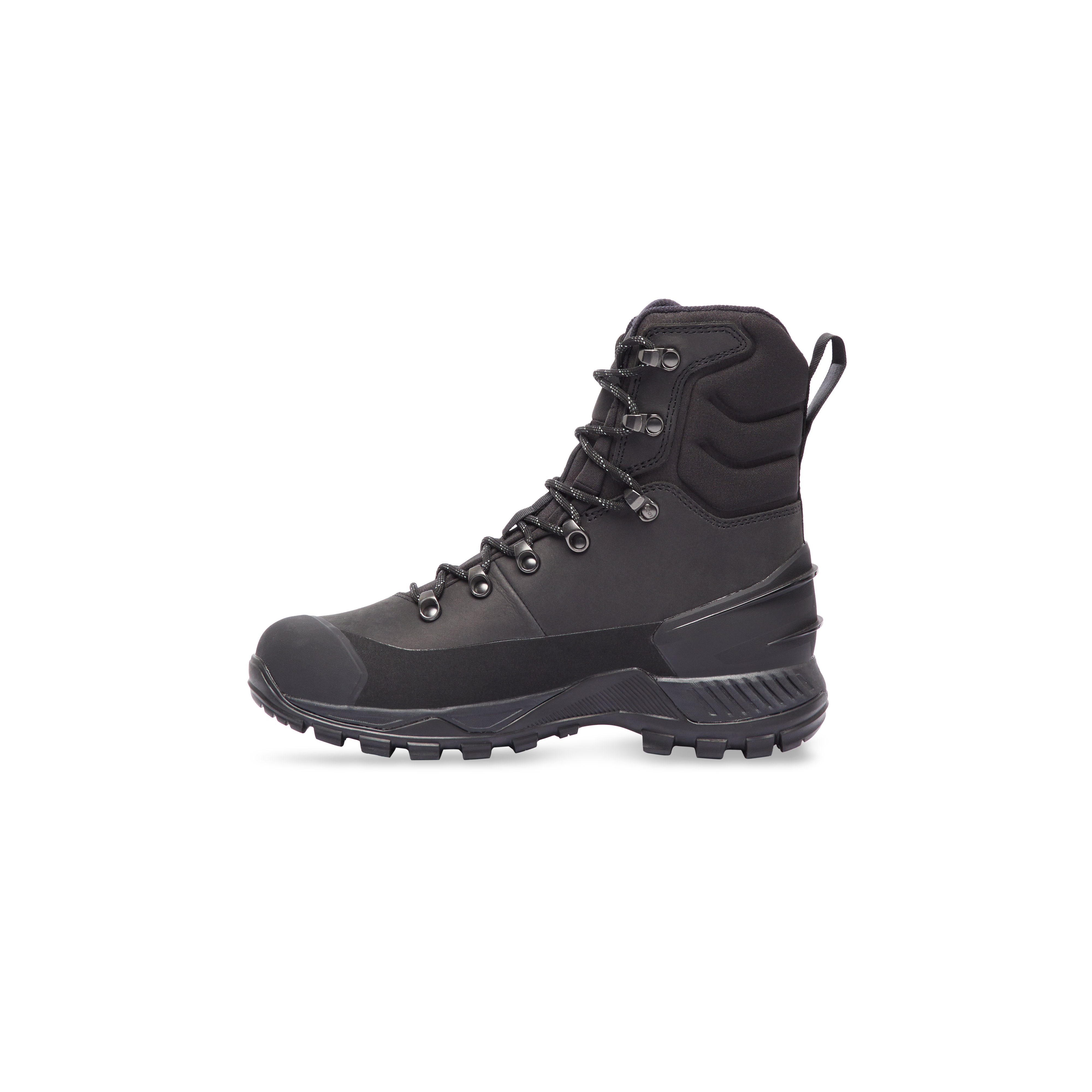
Neither route requires an expedition pack. Both reward tested footwear, poles, waterproof layers, navigation and a pack light enough to carry for consecutive climbing days.
Light, Comfortable Hut Trekking
- Broken-in hiking boots or suitable trail footwear.
- Trekking poles for repeated long descents.
- Waterproof shell.
- Warm layer for passes and mornings.
- Small-to-medium trekking pack.
- Sleeping bag liner for refuges.
- Offline mapping.
- Headlamp.
The Same Core Kit With More Mountain Margin
- Footwear proven on rough trail and scree.
- Trekking poles for high-volume ascent and descent.
- Reliable waterproof shell.
- Warm layer for near-3,000-metre passes.
- Pack capable of unsupported hut stages.
- Sleeping liner.
- Offline map plus navigation backup.
- Headlamp and emergency essentials.
Alpine Trekking Gear
Compare current hiking footwear, trekking poles, daypacks, headlamps and gaiters after deciding which route and pack strategy you will use.
Alpine Trekking Gear


TMB Gives You More Time Looking Across at the Massif.
The circuit keeps Mont Blanc as the visual center of the trip. Long traverses above Courmayeur and Val Ferret are part of why the route works so well even without extreme altitude.
Walker’s Haute Route Has the Narrower Reliable Summer Window.
Higher passes make lingering snow a larger planning issue.
| Period | Tour du Mont Blanc | Walker’s Haute Route |
|---|---|---|
| June | Possible, but high passes can retain snow and some refuges may not yet be operating | Often too early for ordinary hiking conditions on highest passes |
| Early July | Strong season begins in many years | Improving, but snowfields can still materially affect difficulty |
| Mid–late July | Prime season | Core season |
| August | Prime conditions with very high demand | Prime conditions with high demand |
| Early September | Often excellent and cooler | Often excellent |
| Late September | Hut closures and early snow increasingly matter | Higher risk of hut closure, cold and fresh snow |
A reasonable planning shorthand is: TMB from roughly late June into early September; Walker’s Haute Route from roughly mid-July into mid-September. Actual snowpack, storms and hut operation always override the calendar.
TMB Is Easier to Organize. Walker’s Haute Route Rewards Better Planning.
The logistical gap can matter nearly as much as the physical one, especially for a first self-guided Alps trip.
Both Start Well From Geneva
Chamonix is the natural western gateway to both journeys.
TMB Is Simpler
A circuit returns you to the same valley rather than requiring transport back from Zermatt.
Both Are Excellent
Alpine rail and bus systems mean neither route requires a rental car.
TMB Is More Centralized
Many TMB beds feed into an official reservation platform.
Walker’s Requires More Work
Hut and hotel inventory is controlled by individual accommodations.
TMB Is Easier
Walker’s remote huts mean the transfer bag cannot follow you every night.
Walker’s Haute Route Has a Live Europaweg Detour.
This is exactly why a comparison page should link into the current route parent rather than become a static itinerary.
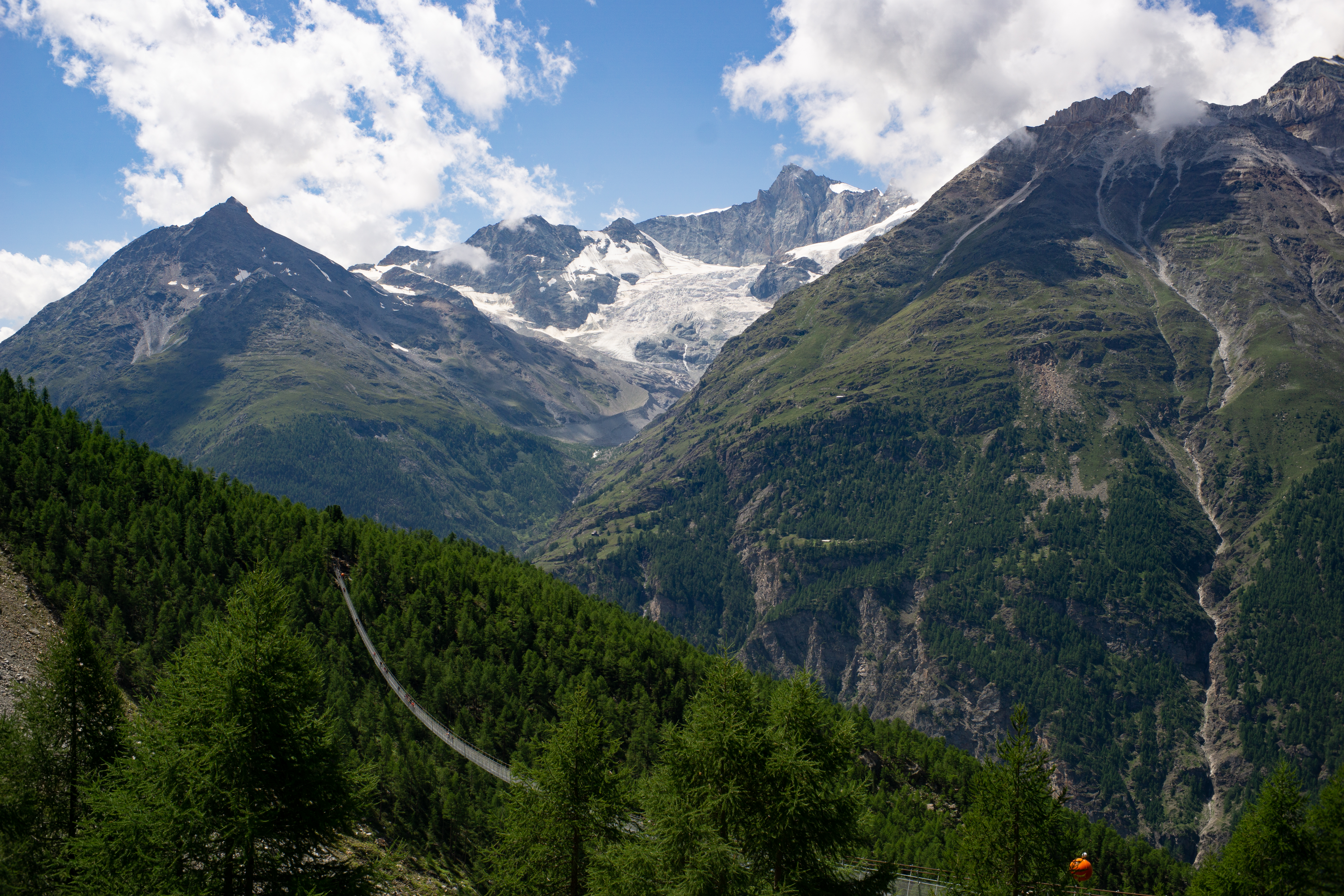
The Europaweg section between Springelboden above Randa and Eggenstadel toward Täsch is currently closed. The official detour descends via Attermenzen and continues through Täsch before hikers reconnect toward Täschalp. The Charles Kuonen suspension bridge remains open. Check the Walker’s Haute Route parent immediately before your final stages.
The official TMB refuge system is scheduled to open 2027 reservations on October 15, 2026. Bed availability can determine the itinerary more than your preferred direction of travel.
Do Not Follow an Old GPX File Through a Closed Trail.
The famous final approach toward Zermatt is part of Walker’s Haute Route’s appeal, but trail status changes. Physical closure signs and current local information always override a downloaded route track.
TMB Circles Mont Blanc. Walker’s Keeps Going to the Matterhorn.
That geographic difference may be the cleanest way to understand the personality of each trek.
Start beneath Mont Blanc.
Complete circuit around the Mont Blanc massif.
High-valley traverse east across Valais.
Walker’s Haute Route finishes beneath the Matterhorn.
Treat These Treks as a Natural Alpine Progression.
The TMB is not merely the “easy version.” It teaches many of the systems the Walker’s Haute Route later demands for longer.
You Want Your First Major Hut-to-Hut Alps Trek.
- You want 7–11 days rather than two full weeks.
- You value simpler refuge logistics.
- You want three countries on one circuit.
- You prefer frequent villages and exit options.
- You want luggage transfer to be easier.
- You are still learning how your body recovers from repeated pass days.
- You want Mont Blanc scenery almost every day.
You Want a Harder High-Pass Journey.
- You already know you enjoy consecutive mountain days.
- 1,000–1,600 m climbing days do not intimidate you.
- You are confident on rough and exposed Alpine paths.
- You can navigate without one continuous trail marker.
- You want more remote hut nights.
- You are comfortable carrying your full trekking kit when transfers cannot reach you.
- The Mont Blanc-to-Matterhorn journey matters more than returning to the start.
TMB → Walker’s Haute Route Is One of the Cleanest Progressions in Alpine Trekking.
TMB teaches refuge rhythm, consecutive climbing days, Alpine weather and pack management inside a highly developed trail system. Walker’s then adds distance, vertical, rougher terrain, navigation and more isolated high-pass days without forcing the hiker into glacier mountaineering.

The Haute Route Keeps Changing Character.
French-speaking Valais eventually gives way to the remote Turtmanntal and then the Mattertal. That changing landscape is part of why the point-to-point route feels more like a journey across the Alps than a circuit.
Frequently Asked Questions
Is Walker’s Haute Route harder than the Tour du Mont Blanc?
How long is the Tour du Mont Blanc compared with Walker’s Haute Route?
Which has more climbing?
Which trek should I hike first?
Does Walker’s Haute Route require glacier travel?
Which route has better accommodation?
Can I use luggage transfer on both?
Which trek is better for self-guided hiking?
When is the best time for each route?
Which route has better scenery?
Is the Walker’s Haute Route currently affected by a closure?
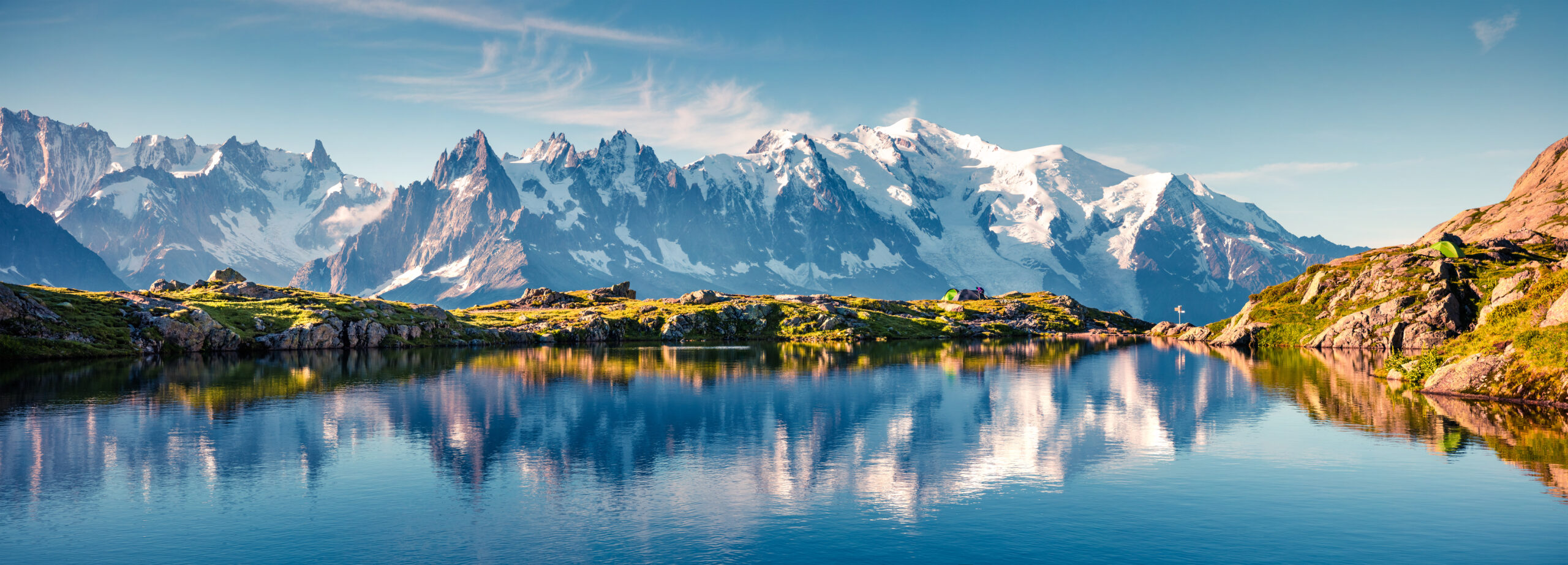
TMB Introduces the Alpine Hut System. Walker’s Haute Route Takes It Further.
Choose the Tour du Mont Blanc when you want the classic first major Alps trek: three countries, excellent refuges, frequent services and Mont Blanc at the center of the journey. Move to Walker’s Haute Route when you want longer stages, more vertical, higher passes, greater navigation responsibility and the satisfaction of walking from Mont Blanc all the way to the Matterhorn.
Was this helpful?
🏔Related peaks nearby
🧭Explore & compare
Global Summit Guide is an independent mountaineering resource founded in 2026. The team combines first-hand trekking and climbing experience with in-depth research and professional health and nutrition review to help climbers choose objectives, prepare properly, and stay safe.
Health, altitude, and nutrition content is reviewed by Taylor Ludlow (Registered Nurse) and Brigg Hoopes (Nutritionist).
What We Don't Know Yet
Mountain information changes quickly. This box explains the limits of what this page can responsibly promise.
- Route conditions, trailhead access, crevasse exposure, stream crossings, and rescue access may vary from published planning guidance.
- Comparisons simplify complex decisions; the better mountain depends on current conditions, skills, timing, budget, and risk tolerance.
- Visa, passport, vaccination, border, insurance, and local transportation rules may change before your trip.
Verify current conditions with official land managers, guide services, local forecasts, and current route reports before booking or climbing.
Mountaineering, rock and ice climbing, glacier travel, and high-altitude activity are inherently dangerous and can result in serious injury or death. The information on Global Summit Guide is provided for general informational and educational purposes only and is not a substitute for professional instruction, qualified guiding, proper equipment, or your own judgment and experience.
Route conditions, weather, snowpack, permits, regulations, and hazards change constantly and may differ from what is described here. Details may be incomplete, out of date, or contain errors. Always verify current information with local authorities, certified guides, and official sources before making any decision in the mountains.
Nothing on this site is medical, legal, or financial advice. Our fitness, acclimatization, altitude, and nutrition content is general in nature; consult a qualified physician before beginning any strenuous exercise program or exposing yourself to high altitude.
You are solely responsible for your own safety and decisions. To the fullest extent permitted by law, Global Summit Guide and its team accept no liability for any loss, injury, damage, or expense arising from use of, or reliance on, this information. By using this site you acknowledge these risks and accept these terms.
Some links on this site may be affiliate links. If you buy through them we may earn a small commission at no extra cost to you; this never affects our recommendations.
Global Summit Guide recommendation path
Next Best Mountain to Research
Use these recommendations to continue the right planning path instead of stopping on one page.
Use current permit, weather, route, and operator information before booking or climbing.