
Last updated September 6, 2026
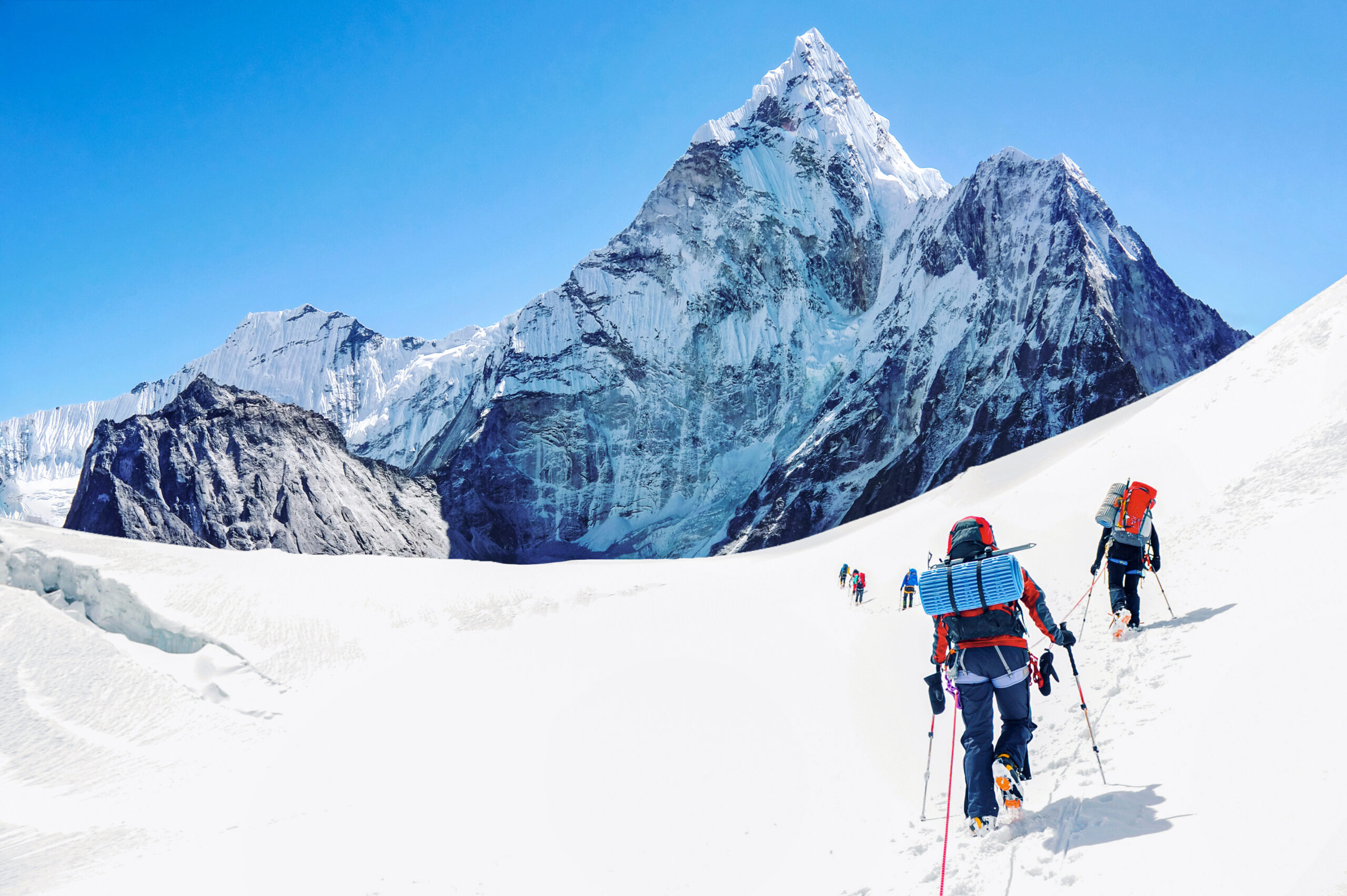
Mount Everest expedition update
Where Everest stands this season, plus routes, weather windows, the new permit rules, and what the 2026 spring season told us. A single-mountain page in our Expedition Updates directory. Elevations in metres (feet).
Off-season now. The spring 2026 season has closed.
July is the monsoon in the Nepal Himalaya, so Everest is off-season and quiet. The main climbing window is spring (April to May); a smaller autumn window runs September to November. The next real opportunity is a minor autumn 2026 season, then the main spring 2027 season.
Spring 2026 was, by the reckoning of season chroniclers, a fairly normal year despite early delays and erratic winds. The detail is below, and live weather sits further down the page.
Summit (29,032 ft)
The highest point on earth, in the death zone above 8,000 m.
Main season
Spring pre-monsoon, when the jet stream lifts off the summit.
Standard route
The Nepal side line; the Tibet North Ridge was closed to foreigners in 2026.
Everest sits on the border of Nepal and Tibet at the head of the Khumbu, and it is the most watched mountain on earth each spring. This page is the update view: where the mountain is in its calendar right now, what the last season showed, and the practical rules that changed. For the full background guide to routes, history, and preparation, see our Everest guide, and for the wider picture across ranges, the Expedition Updates dashboard.
Current status and next window
Where the mountain is today, and when the next real climbing window opens.
Right now Everest is out of season. The summer monsoon brings heavy snow and unstable conditions to the Nepal Himalaya, and no commercial expeditions run on the standard route in July. The mountain reopens in stages: a modest autumn window (September to November), which sees far fewer climbers than spring, and then the main event, the spring pre-monsoon season (April to May), when the great majority of ascents happen. If you are planning, spring 2027 is the season to build toward, with autumn 2026 an option for those who want a quieter mountain and can accept a lower success rate.
The 2026 spring season
The most recent completed season, and what it tells planners.
The 2026 spring season closed as what independent chroniclers called a fairly normal year, even though the headlines were dramatic. It opened with a problem in the Khumbu Icefall, where a large, unstable serac blocked the route below Camp I and held up operations for weeks while the icefall doctors reworked the line. Winds were awkward through much of May, with an erratic jet stream that kept the summit forecast shifting. Once a window opened, the crowds moved fast: around 1,000 summits were recorded for the season, with roughly 80 percent of them falling between May 17 and 26, and one day alone seeing well over 250 people top out. Those totals are preliminary, and the Himalayan Database publishes the definitive figures later in the year.
Two access stories shaped the season. Nepal’s higher permit fee, in force since September 2025, took effect for a full season for the first time, and permit numbers held steady while revenue set a record. On the other side of the mountain, China closed the Tibet approach to foreign climbers, which pushed nearly all foreign expeditions onto the Nepal South Col route. A rapid-ascent method using xenon gas to speed acclimatization also drew scrutiny after a small team completed the climb in a matter of days.
Routes and conditions
The two standard lines, and where each stood this year.
South Col, Southeast Ridge (Nepal)
The standard commercial route and the line of the 1953 first ascent. It climbs through the Khumbu Icefall, the Western Cwm, and the Lhotse Face to the South Col at about 7,900 m (25,900 ft), then up past the Balcony and the Hillary Step to the summit. In 2026 this carried nearly all foreign traffic. The Icefall serac early in the season was the main conditions story.
North Ridge, Northeast Ridge (Tibet)
The other standard line, from the Tibetan side via the North Col and the ridge above. It avoids the Khumbu Icefall but is colder and more exposed to wind. For the 2026 season China closed this side to foreign climbers, so plan around the Nepal route and confirm the Tibet position before counting on it.
Weather and summit windows
How the window works, plus a live forecast for the summit area.
Everest’s season is dictated by the jet stream. Through winter, jet-stream winds scour the summit at speeds no climber can survive. In spring, as the monsoon approaches from the south, that wind lifts away for short spells, opening the summit windows teams wait for at high camp. Those windows are brief and often bunched, which is why the 2026 summits clustered so tightly in the second half of May. The live map below shows current wind and conditions for the summit area; treat it as a starting point and rely on a dedicated expedition forecast for any real decision.
For a fuller explanation of jet-stream timing, pressure, and reading a mountain forecast, see mountain weather for climbers.
Permits and access
The rules changed in 2025. Here is what a foreign climber pays and needs now.
Nepal raised its Everest royalty on September 1, 2025, the first increase since 2015. For a foreign climber on the standard south route, the spring fee rose from $11,000 to $15,000 per person, with the other seasons increased in step. The royalty is the government fee only; it is separate from operator, Sherpa, oxygen, and logistics costs, which bring a full expedition to roughly $45,000 at the budget end and well over $200,000 for a luxury service.
| Season | Royalty |
|---|---|
| Spring (Mar to May) – main season | $15,000 |
| Autumn (Sep to Nov) | $7,500 |
| Winter (Dec to Feb) | $3,750 |
| Monsoon (Jun to Aug) | $3,750 |
What else changed
- Permit validity cut to 55 days – down from 75, so plan a tighter schedule.
- Guide mandate above 8,000 m – a licensed guide is required, at a ratio of one per two climbers.
- Waste rules – climbers must carry out their own waste, with biodegradable bags checked at base camp.
- Tibet side – closed to foreign climbers for the 2026 season; confirm the current position before planning that route.
Safety and rescue
What the 2026 season showed about where the risk really sits.
Season chroniclers recorded around five fatalities on Everest in spring 2026, with a sixth unconfirmed as the season closed, within a normal range for a busy year. Reported causes included a fall on the Lhotse Face below Camp 3 and illness striking a climber during the descent after a successful summit. That pattern is the enduring lesson of the mountain: the descent, when climbers are exhausted, low on oxygen, and past their summit goal, is the highest-risk phase, and most trouble happens on the way down rather than up.
Everything above 8,000 m sits in the death zone, where the body cannot acclimatize and every hour without supplemental oxygen erodes judgment and strength. Turn-around times, oxygen planning, and a guide who will enforce both matter more than summit fever. This page is not medical advice; build your altitude plan with our acclimatization guide and a physician.
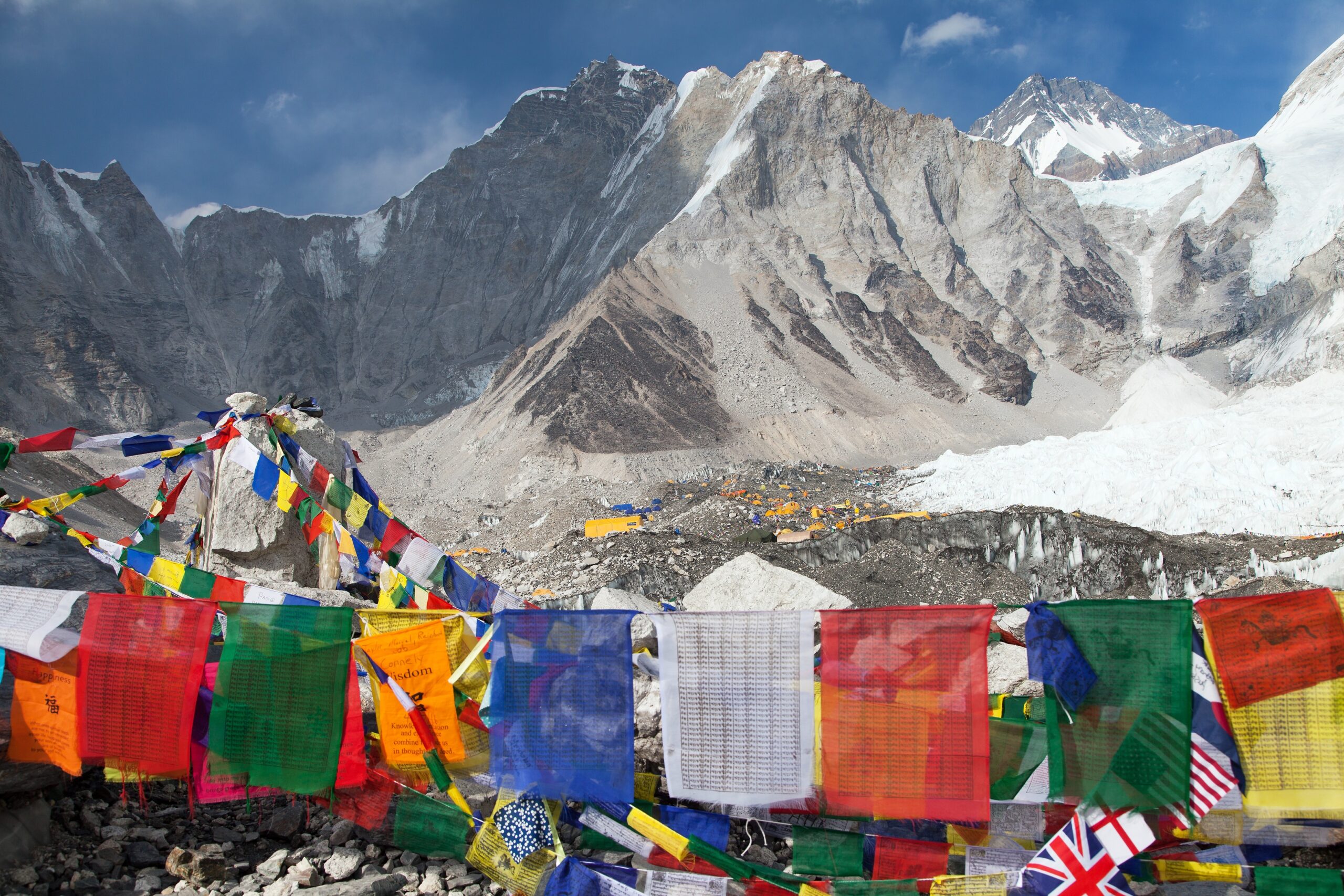
Everest by the numbers
The context behind a single season, from grounded records.
First ascent
Tenzing Norgay and Edmund Hillary, May 29, via the South Col.
Ascents from Nepal
Total summits from the Nepal side since 1953, per the Department of Tourism.
Summits in 2026
Preliminary spring total; the Himalayan Database confirms figures later.
For how Everest fits a longer climbing progression, and what to build toward before attempting it, our guide to the mountains to climb before the Seven Summits maps a sensible path, and the first-summit training plan is where most climbers start. The Nepal trekking peaks are the usual proving ground for Himalayan altitude before a big objective.
Himalaya expedition updates
Everest’s neighbours in the range, each with its own update page. Back to the full Expedition Updates dashboard.
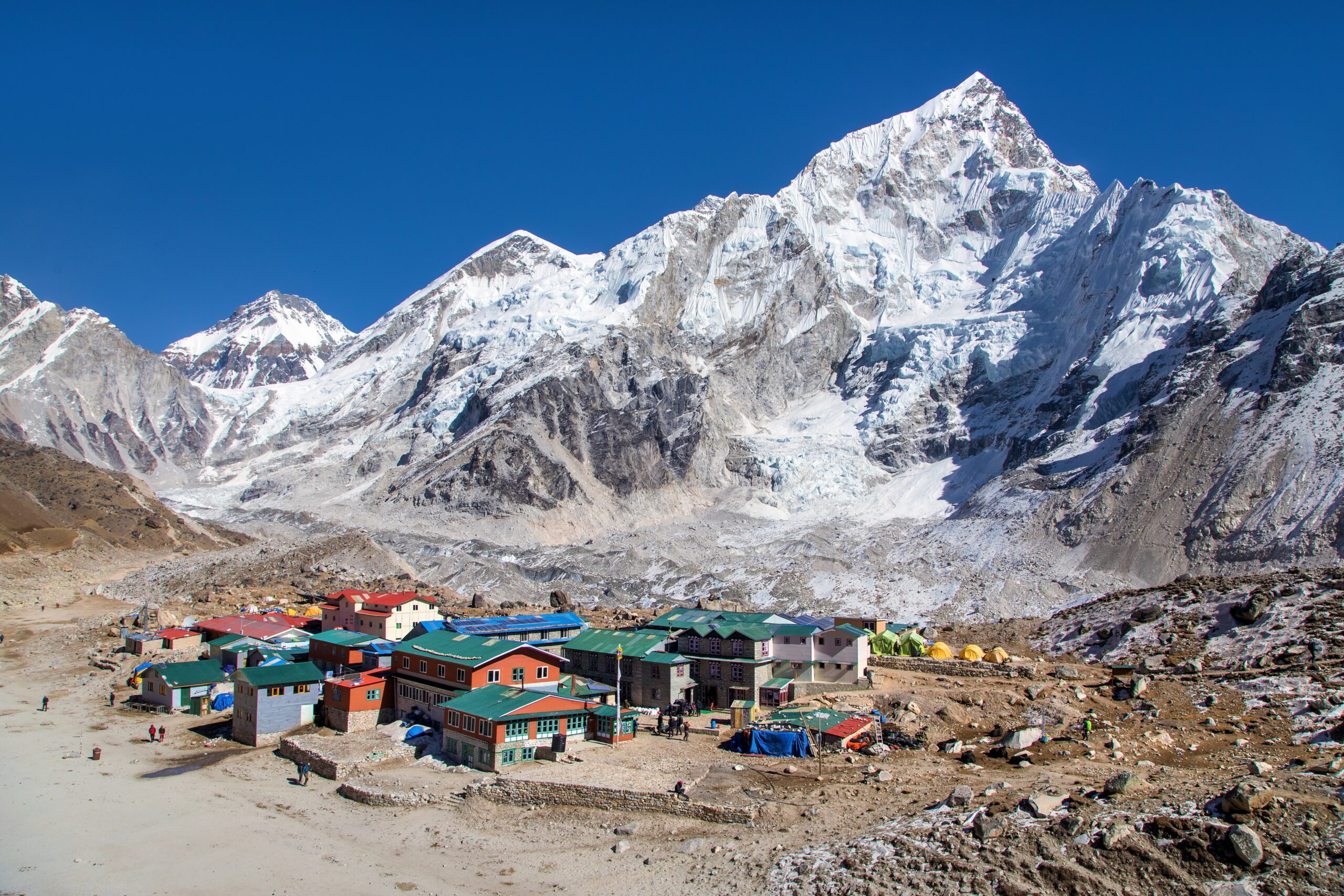
Everest update FAQ
The questions planners ask most about timing, cost, and conditions.
When is the best time to climb Everest?
Spring pre-monsoon (April to May) is the main season, when the jet stream lifts to open summit windows. Roughly 80 percent of the 2026 summits fell between May 17 and 26, a normal pattern. A smaller autumn window (September to November) exists. July is the monsoon, so the mountain is off-season.
How much does an Everest permit cost now?
Since September 1, 2025, Nepal’s royalty for a foreign climber on the standard south route is $15,000 in spring, up from $11,000. Autumn is $7,500 and winter or monsoon is $3,750. Permits are valid for 55 days. With logistics, a full expedition runs from about $45,000 to over $200,000.
Can you climb Everest from the Tibet side in 2026?
For the 2026 season China closed its side of Everest to foreign climbers, so nearly all foreign expeditions used the Nepal South Col route. Access on the Tibet side changes year to year, so confirm the current position with your operator and the authorities before planning around it.
How high is Everest and where is it?
Everest is 8,849 m (29,032 ft), on the Nepal to Tibet border at the head of the Khumbu. The summit and the upper camps sit in the death zone above 8,000 m, where the body cannot acclimatize and time without oxygen is limited.
How dangerous was the 2026 spring season?
Season chroniclers recorded around five fatalities in spring 2026, with a sixth unconfirmed as the season closed, within a normal range for the mountain. Reported causes included a fall on the Lhotse Face and illness during descent. As on most 8000ers, the descent after the summit is the highest-risk phase.
What is the current status of Everest?
As of July the mountain is off-season under the monsoon, and the spring 2026 season has closed. The next window is a minor autumn season, then the main spring 2027 season. Check this page and the linked sources for the latest before planning.
📋 How this update is built
This page is compiled by Travis Ludlow, Founder and Head of Research at Global Summit Guide, from Nepal Department of Tourism figures, the Himalayan Database, and independent season reporting, with sources named below. It was reviewed for safety by Dawson Ludlow, our Climbing & Mountaineering Lead (Wilderness First Aid), whose highest first-hand summit is Kilimanjaro. Where our team has no first-hand experience of Everest, we report the cited records rather than personal anecdote, and we mark preliminary figures as preliminary.
Sources and further reading
- Nepal Department of Tourism, Mountaineering Section – climbing permits, royalty rates, and regulations.
- The Himalayan Database – the definitive record of Everest ascents and fatalities, published after each season.
- Kathmandu Post – reporting on the 2025 royalty revision and 2026 permit figures.
- Alan Arnette – independent Everest season coverage and by-the-numbers analysis for 2026.
- Sagarmatha Pollution Control Committee – Khumbu waste management and season operations.
- We report published figures and named sources rather than posting unverified live conditions.
Planning an Everest expedition?
Choosing the right team is the biggest decision you will make. Read how to choose an expedition operator and compare teams in our operator directory. For flights and lodging around Kathmandu and Lukla, browse travel on Expedia.
Disclosure: the Expedia link above is a sponsored affiliate link. We may earn a commission at no extra cost to you.
Everest Update: Track the Rest of the Season Too
Everest is one live objective among many. See the wider dashboard, and the other current expedition updates below.
Was this helpful?
🏔Related peaks nearby
🧭Explore & compare
Global Summit Guide is an independent mountaineering resource founded in 2026. The team combines first-hand trekking and climbing experience with in-depth research and professional health and nutrition review to help climbers choose objectives, prepare properly, and stay safe.
Health, altitude, and nutrition content is reviewed by Taylor Ludlow (Registered Nurse) and Brigg Hoopes (Nutritionist).
What We Don't Know Yet
Mountain information changes quickly. This box explains the limits of what this page can responsibly promise.
- Permit availability, reservation windows, quotas, and official fee rules may change after this page is updated.
- Weather, snowpack, avalanche risk, road access, and route conditions can change quickly and may be different on your climbing dates.
- Route conditions, trailhead access, crevasse exposure, stream crossings, and rescue access may vary from published planning guidance.
Verify current conditions with official land managers, guide services, local forecasts, and current route reports before booking or climbing.
Mountaineering, rock and ice climbing, glacier travel, and high-altitude activity are inherently dangerous and can result in serious injury or death. The information on Global Summit Guide is provided for general informational and educational purposes only and is not a substitute for professional instruction, qualified guiding, proper equipment, or your own judgment and experience.
Route conditions, weather, snowpack, permits, regulations, and hazards change constantly and may differ from what is described here. Details may be incomplete, out of date, or contain errors. Always verify current information with local authorities, certified guides, and official sources before making any decision in the mountains.
Nothing on this site is medical, legal, or financial advice. Our fitness, acclimatization, altitude, and nutrition content is general in nature; consult a qualified physician before beginning any strenuous exercise program or exposing yourself to high altitude.
You are solely responsible for your own safety and decisions. To the fullest extent permitted by law, Global Summit Guide and its team accept no liability for any loss, injury, damage, or expense arising from use of, or reliance on, this information. By using this site you acknowledge these risks and accept these terms.
Some links on this site may be affiliate links. If you buy through them we may earn a small commission at no extra cost to you; this never affects our recommendations.
Global Summit Guide recommendation path
Next Best Mountain to Research
Use these recommendations to continue the right planning path instead of stopping on one page.
Use current permit, weather, route, and operator information before booking or climbing.