
Last updated September 16, 2026
Fixed Lines, Jumars & Rope Teams: Expert Mountaineering Guide
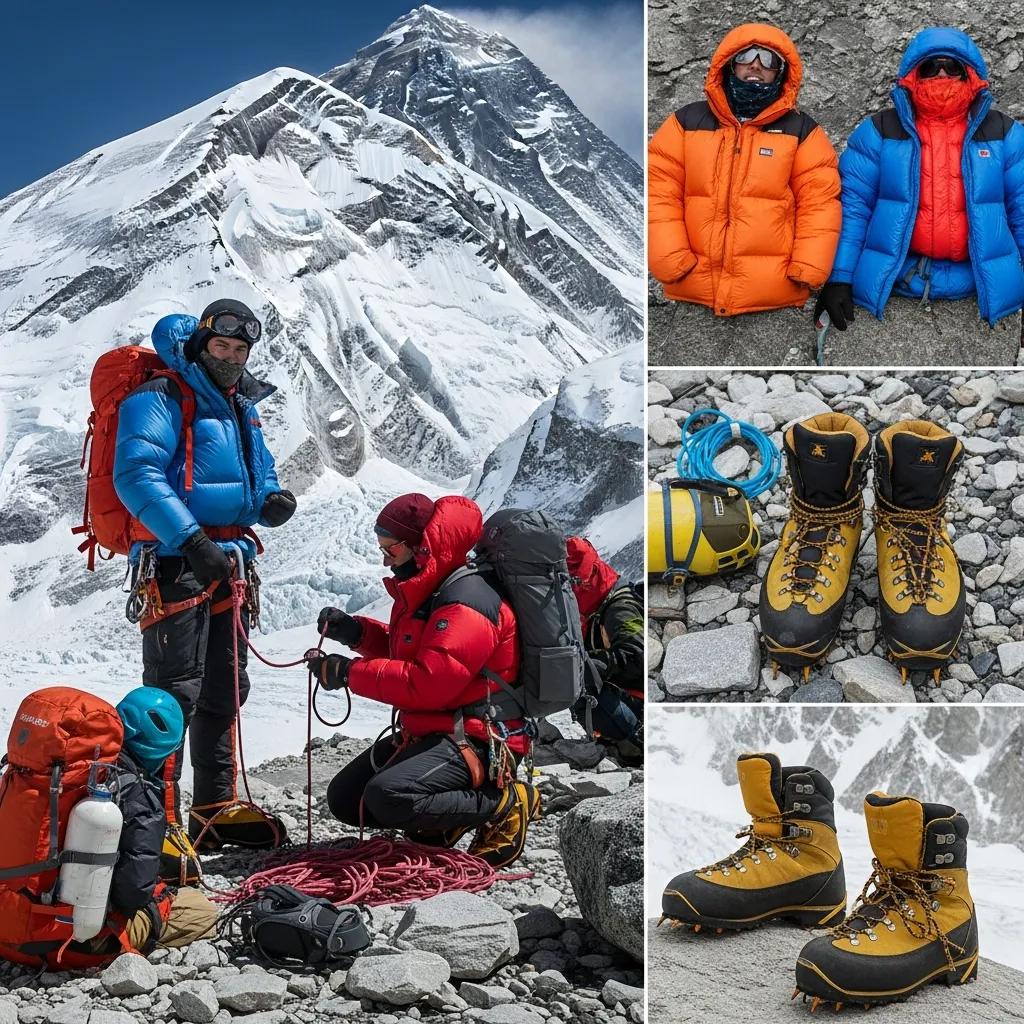
Fixed lines and rope-team travel solve different mountain problems. Fixed lines create a protected corridor on repeated steep or exposed terrain; a mechanical ascender helps a climber move upward on that installed rope; rope teams manage un-fixed glacier, snow and alpine terrain. Expert movement is the ability to recognize which system is active, where it can fail, and when the team must change systems.
How Do Fixed Lines, Jumars and Rope Teams Work Together?
Use a fixed-line system when the route has an installed protected rope; use rope-team travel when the team is moving through un-fixed glacier or alpine terrain; use pitched climbing when terrain becomes too consequential for moving together.
A jumar—or mechanical ascender—is simply the upward-progress device within the fixed-line system. It does not replace the harness, tether, rope, anchors, descent system, crampons, judgment or partner procedures that make the whole system work.
If you only need the plain-language explanation of what fixed lines and jumars are, read Fixed Lines & Jumars Explained. This page owns the advanced system-level intent.
Fixed Lines vs Rope Teams vs Pitched Climbing
Expert movement starts by correctly identifying the active protection system.
| System | What it is | Best for | Primary risk if misunderstood |
|---|---|---|---|
| Fixed line | Rope anchored to the mountain | Repeated passage on steep, exposed or congested terrain | Assuming the rope or anchors are automatically trustworthy |
| Mechanical ascender | One-way rope clamp used on a compatible fixed rope | Upward progress on fixed lines | Treating one device as the whole attachment system |
| Rope team | Climbers connected by a rope while moving together | Glacier travel and selected lower-angle alpine terrain | Using moving-together technique where a fall cannot be arrested |
| Pitched climbing | One climber moves while another belays | Terrain where continuous protection is needed | Moving together when the terrain requires a belay |
What Fixed Lines Do—and Do Not Do
Repeated Passage
Fixed ropes allow many climbers to move through the same steep or exposed section without rebuilding the protection system every time.
Route Continuity
On major expeditions, the installed line can also help define the established route through complex terrain.
Objective Hazard
Seracs, avalanche, rockfall, storms, altitude and collapsing snow bridges remain mountain problems even when a rope is present.
System-Specific Risk
Damaged rope, poor anchors, crowding, frozen equipment and attachment mistakes become new failure modes.
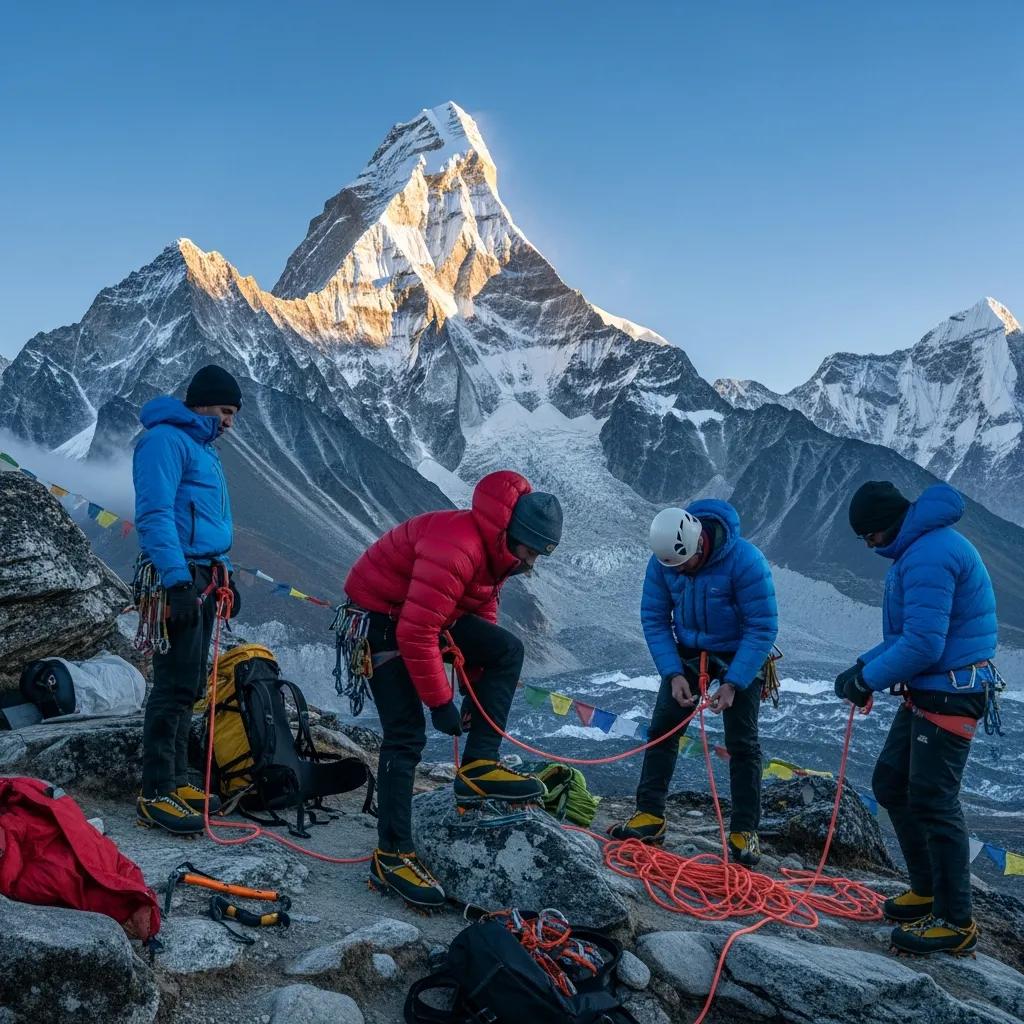
A Fixed Rope Is Only as Useful as the System Around It.
Route installation, rope condition, anchor integrity, compatible equipment, congestion management and climber discipline all matter.
What Does a Jumar Do?
It moves upward on a compatible rope and grips when loaded. That is useful—but narrower than many first-time expedition climbers assume.
| Ascender question | Expert answer |
|---|---|
| Is “Jumar” a device type? | It is widely used as a generic term for a mechanical ascender, though Jümar began as a brand name. |
| What standard applies? | Many modern sport ascenders are certified to EN 567 and UIAA requirements. |
| What rope works? | Model-specific. For example, the current Petzl ASCENSION lists 8–13 mm rope compatibility. |
| Does one ascender equal a safe system? | No. The manufacturer instructions and the complete route attachment system control. |
| Can the ascender be used as a descender? | Do not improvise. Use the descent system specified by training, route procedure and manufacturer guidance. |
| What about frozen/dirty rope? | Performance can change with contamination and rope condition; inspect and use only as specified. |
When the Team Leaves the Fixed Line
Rope-team movement becomes a judgment problem rather than a hardware problem.
Connected Movement
Teams use rope spacing, rescue readiness and terrain interpretation to manage crevasse risk. This requires glacier-specific training.
Moving Together
Efficient only where a partner can realistically manage a slip or the team’s protection strategy makes sense for the terrain.
Short-Roping / Advanced Systems
Guide-specific techniques require professional instruction and should not be learned from a written article.
Pitch It
When a fall cannot be acceptably controlled while moving together, the team needs a belayed system rather than wishful efficiency.
Transitions Matter More Than Steady Movement
Most of the cognitive load appears when something changes.
One Rope Section to Another
Slow down and follow the exact trained attachment protocol. Never invent a shortcut because another climber is waiting.
Ascent to Descent
An ascender solves upward movement. Descent requires a different system and different failure modes.
Fixed to Un-Fixed
The presence or absence of a fixed rope changes the protection model. Teams must recognize the change before moving.
Passing Climbers
Congestion can create pressure to rush transitions. Expert teams preserve attachment discipline even when the route is crowded.
Where the System Actually Fails
| Failure point | What it looks like | Expert response |
|---|---|---|
| Rope damage | Cut sheath, glazing, abrasion, ice contamination | Do not assume continuity; stop and assess through the expedition’s established procedure |
| Anchor uncertainty | Movement, corrosion, buried hardware, unknown history | Do not load blindly; escalate to trained team leadership |
| Device mismatch | Ascender outside rope specification | Use only manufacturer-approved rope diameter and configuration |
| Crowding | Multiple climbers stacked at a transition | Protect system integrity before speed |
| Gloves / cold | Reduced dexterity and visual confirmation | Practice the exact system in expedition gloves before departure |
| Fatigue / hypoxia | Skipped checks, rushed changes | Use deliberate verbal/visual confirmation routines taught by the team |
| Wrong movement mode | Moving together where terrain requires a belay | Change system instead of forcing efficiency |
Are You Ready to Depend on Fixed Lines?
| Readiness gate | You should be able to say… |
|---|---|
| Equipment | I know the exact ascender, tether, connectors, harness and descent system my team uses. |
| Compatibility | I have verified rope/device compatibility from the manufacturer’s technical notice. |
| Transitions | I have practiced the team’s transition sequence repeatedly under supervision. |
| Gloves | I can operate and inspect the system in the gloves I will actually wear. |
| Descent | I have practiced the descent system separately; I am not relying on ascent knowledge. |
| Rope team | I understand when our team moves together, pitches terrain or changes protection mode. |
| Failure response | I know who makes the call when a rope, anchor or device is questionable. |
Where This Fits in Expert Mountaineering
Fixed Lines & Jumars Explained
Start here if you still need the plain-language definitions.
Read the concept guide →Expert curriculumExpert Mountaineering Guide
See where fixed-line systems fit among expedition planning, glacier rescue, hazard management and altitude.
Open the expert guide →Un-fixed terrainGlacier Travel
Fixed-line competence does not replace rope-team glacier skills.
Learn glacier systems →RescueCrevasse Rescue Basics
Understand the rescue system that sits behind roped glacier movement.
Review rescue basics →Gear Safety
Inspection and retirement decisions matter more as equipment becomes life-safety critical.
Review gear safety →EnvironmentMountain Weather
Fixed lines do not neutralize storms, wind, ice loading or avalanche conditions.
Read forecasts →JudgmentMountaineering Truth Project
Separate real system competence from expedition confidence theater.
Read the project →Equipment systemExpert Technical Gear
Connect ascenders, harnesses, crampons and other expedition hardware.
Build the technical system →Evidence and standards
- Petzl ASCENSION manufacturer technical documentation
- EN 567 mechanical ascender certification
- UIAA-certified ascender requirements
- Hands-on guide and expedition-skills practice
- GSG expert mountaineering progression architecture
What this page intentionally does not teach
- Anchor-transition choreography
- Rappel setup sequences
- Short-roping technique
- Crevasse rescue rigging
- Fixed-line installation
- Improvised bypass of failed anchors or ropes
Fixed Lines, Jumars & Rope Teams FAQ
What is the difference between a fixed line and a rope team?
A fixed line is anchored to the mountain so many climbers can move along the same protected route. A rope team is a group connected by a rope who move together or pitch terrain depending on hazard and slope.
What does a jumar do?
A jumar is a mechanical ascender that slides upward on a compatible rope and grips when loaded. It is one component in a larger attachment and movement system.
Where are fixed lines commonly used?
They are common on heavily traveled expedition routes and repeated steep or exposed sections where installed protection improves efficiency.
Do fixed lines make a route safe?
No. They reduce some fall and route-finding risks but add other risks involving anchors, rope condition, congestion and attachment errors.
Do I need hands-on training before using a jumar?
Yes. Ascender use, transitions, descending systems and rope-team movement are life-safety skills that require real practice.
Is a jumar the same as an ascender?
Jumar is commonly used as a generic term for a handled mechanical ascender, although Jümar began as a brand name.
What standards apply to mechanical ascenders?
Many current sport ascenders are certified to EN 567 and UIAA requirements. Always follow the technical notice for the exact model.
What is the biggest fixed-line mistake?
The highest-risk moments are often transitions, congestion and changes between systems. Slow down when the system changes.
Know Which System You Are In—and When It Must Change.
Expert fixed-line competence is not fast jumar technique. It is disciplined system recognition, equipment compatibility, practiced transitions, rope-team judgment and the willingness to slow down when the mountain changes the problem.
Where Fixed Lines and Rope Teams Actually Show Up
The most useful way to deepen fixed-line knowledge is not to memorize more hardware. It is to recognize which protection system the mountain demands. A glacier rope team, an expedition fixed line and a technical alpine section can appear on the same trip—but they solve different hazards and require different movement habits.
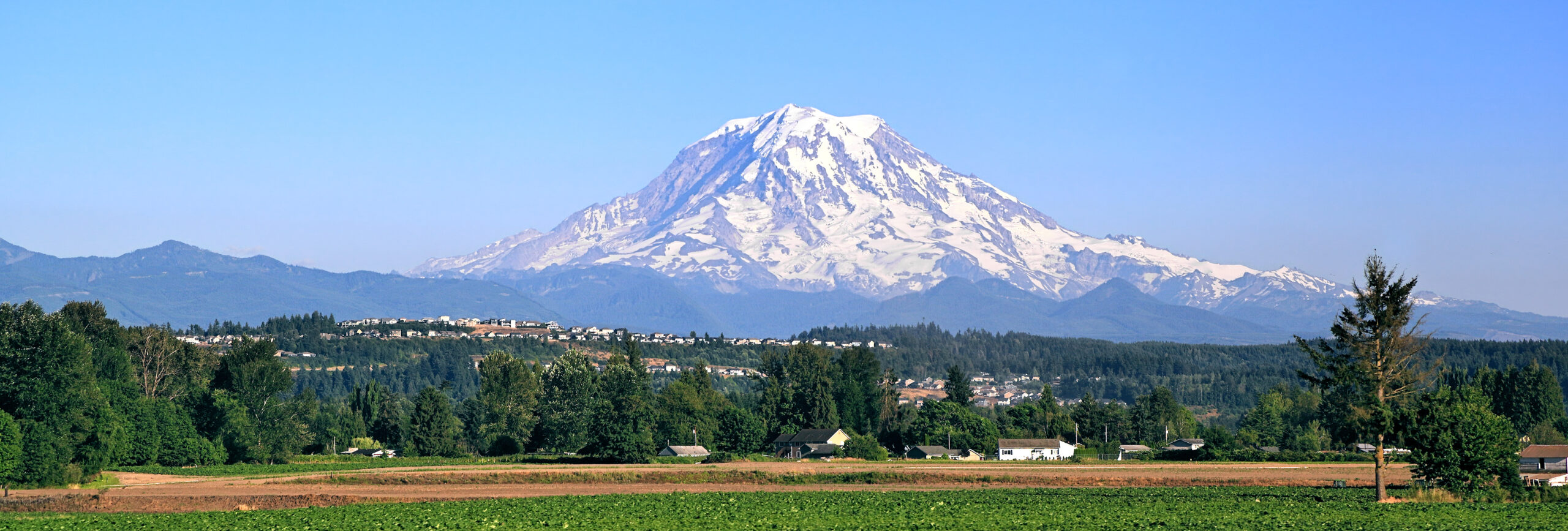
A Glacier Rope Team Is Not a Fixed-Line Team.
Rainier is the cleanest example of why the distinction matters. Much of the normal-route movement is across glaciated terrain where climbers travel connected as a team and manage crevasse risk. The rope is moving with the climbers; it is not an installed corridor fixed to the mountain.
Roped Travel Can Be Simple Without Being Casual.
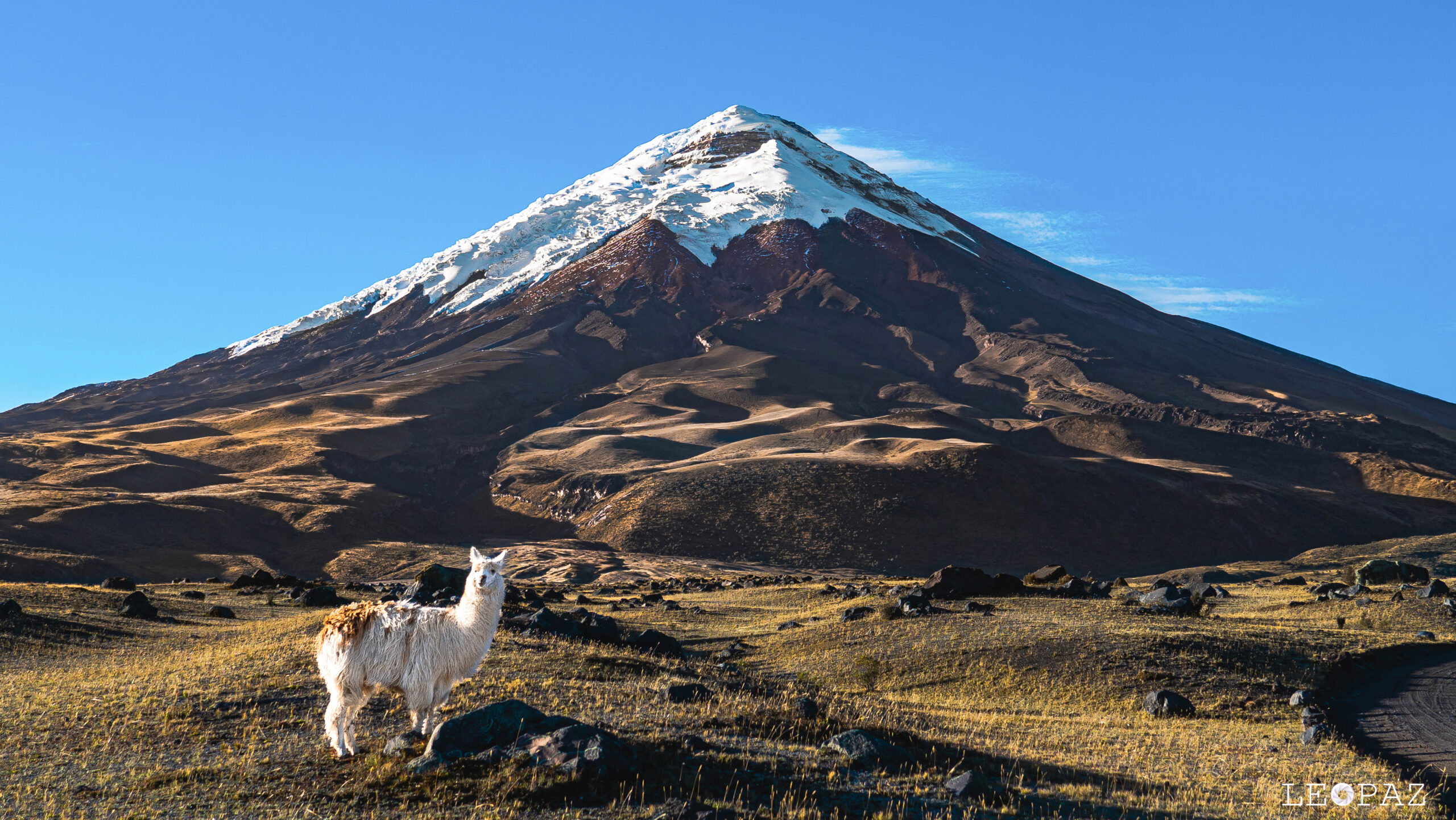
Cotopaxi is a useful progression mountain because the technical problem is often less about steep climbing and more about moving efficiently on glaciated terrain while altitude and summit-night fatigue reduce attention. This is exactly where clear rope-team habits matter.
Compatibility Matters Before Technique Does.
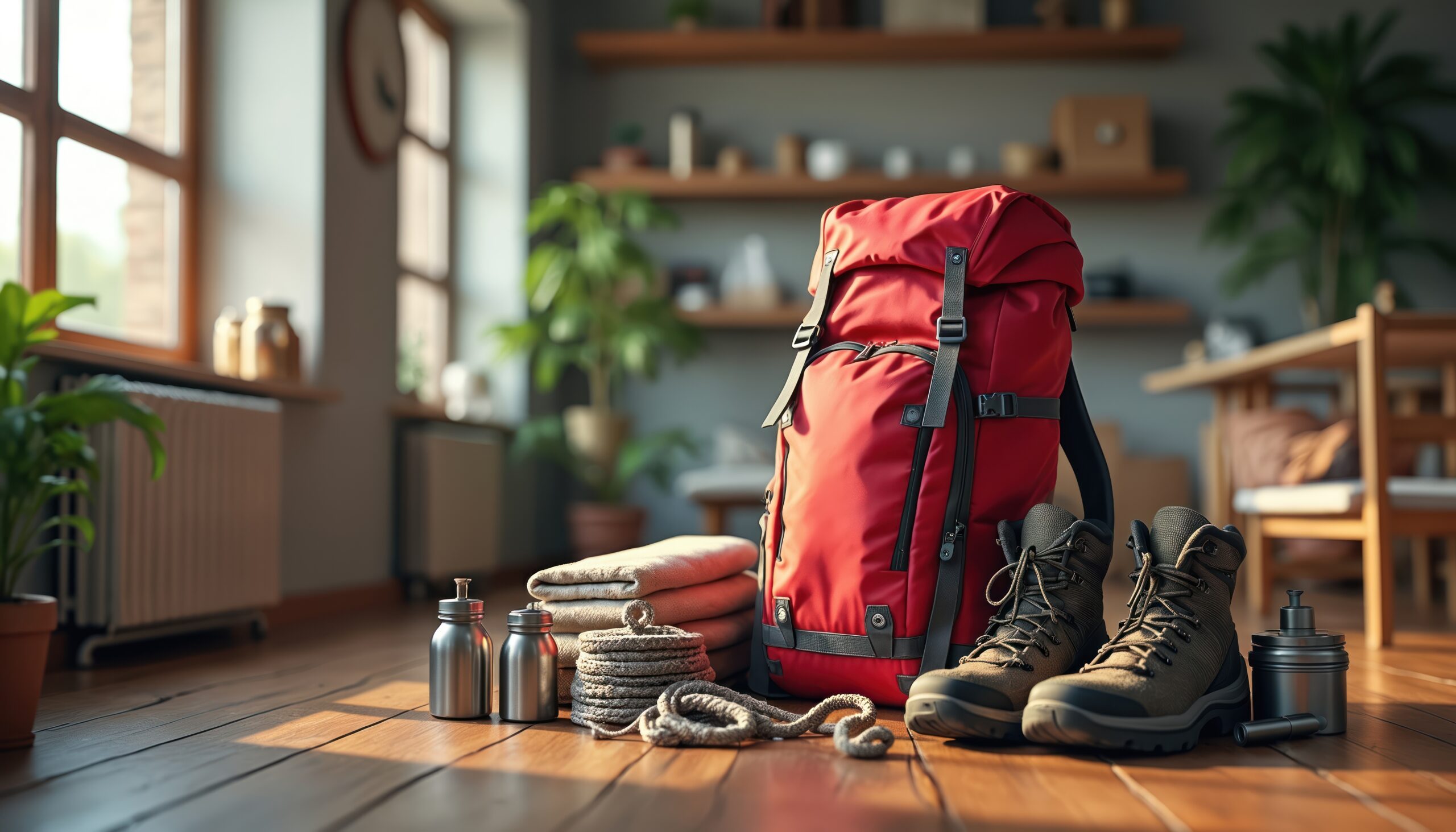
A handled ascender, harness, tether, carabiners and descent device only form a useful system when every component is compatible with the rope, route procedure and training you actually use. This is why the exact manufacturer technical notice matters more than a generic internet setup diagram.
Altitude Changes How Well You Execute Familiar Systems.
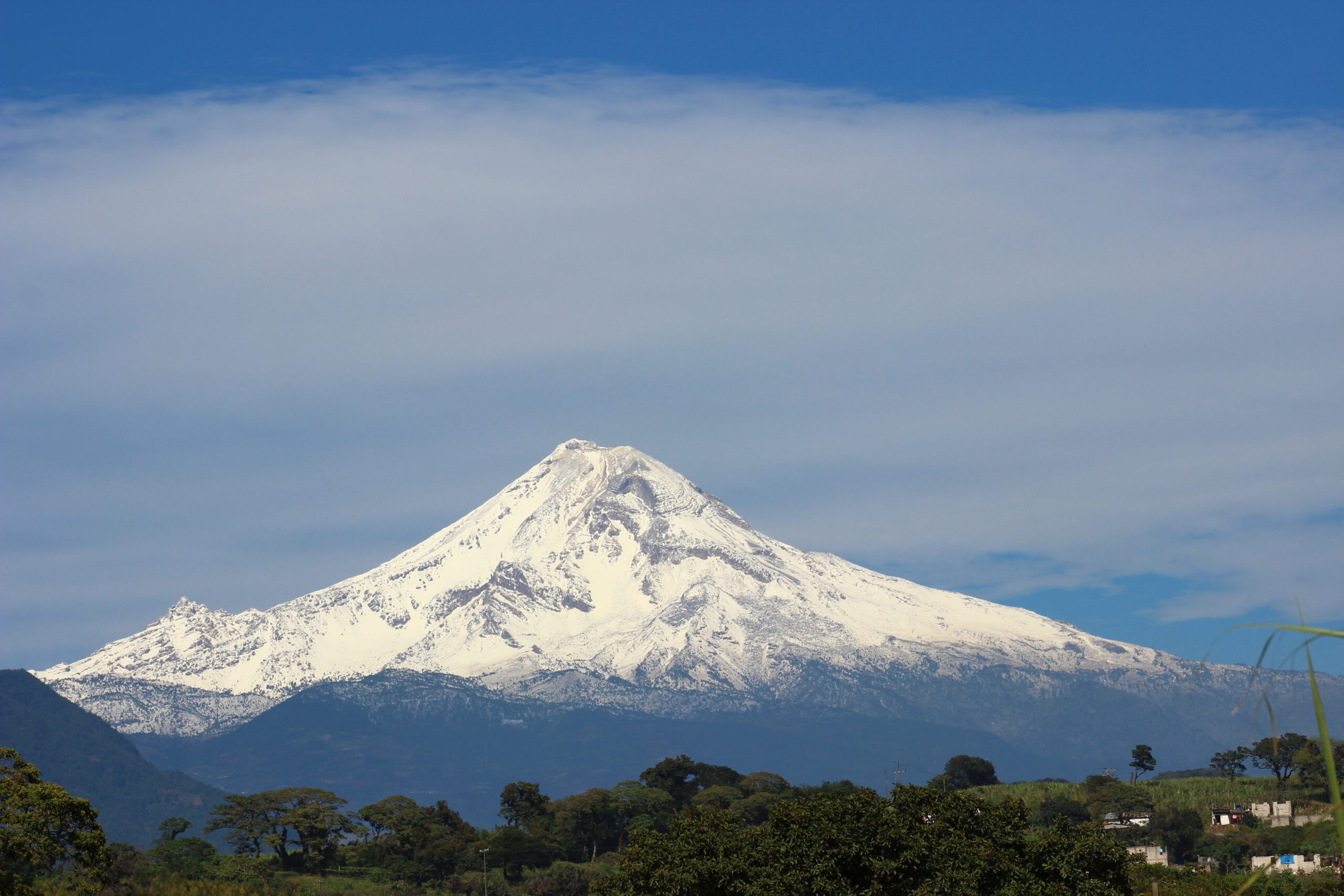
Orizaba illustrates the next layer of progression: the rope-team and crampon systems are not automatically more complex than lower glacier climbs, but altitude, cold, darkness and fatigue make ordinary checks easier to skip. Expert competence includes preserving the routine when conditions make routine harder.
Fixed Lines Become an Expedition Traffic System.
On an 8,000-meter commercial route such as Manaslu, the installed rope is not simply protection on one crux. It becomes part of the route infrastructure across repeated sections. That introduces rope condition, anchor history, congestion, glove dexterity, oxygen equipment and fatigue into the same movement problem.

Read the Right Companion Guide for the Hazard
Fixed-line competence should connect to glacier travel, crevasse rescue, equipment compatibility, weather judgment and hands-on training—not sit as an isolated “jumar technique” skill.
The Mountain Chooses the Protection System.
A strong climber does not ask, “Do I know how to jumar?” The better question is: “What hazard am I solving right now, which protection system fits that hazard, and have I trained the transition when the system changes?”
Was this helpful?
🏔Related training
🧭Explore & compare
Global Summit Guide is an independent mountaineering resource founded in 2026. The team combines first-hand trekking and climbing experience with in-depth research and professional health and nutrition review to help climbers choose objectives, prepare properly, and stay safe.
Health, altitude, and nutrition content is reviewed by Taylor Ludlow (Registered Nurse) and Brigg Hoopes (Nutritionist).
What We Don't Know Yet
Mountain information changes quickly. This box explains the limits of what this page can responsibly promise.
- Route conditions, trailhead access, crevasse exposure, stream crossings, and rescue access may vary from published planning guidance.
- Fitness and altitude response vary by person; no guide, itinerary, or training plan can guarantee acclimatization or summit success.
- Visa, passport, vaccination, border, insurance, and local transportation rules may change before your trip.
Verify current conditions with official land managers, guide services, local forecasts, and current route reports before booking or climbing.
Mountaineering, rock and ice climbing, glacier travel, and high-altitude activity are inherently dangerous and can result in serious injury or death. The information on Global Summit Guide is provided for general informational and educational purposes only and is not a substitute for professional instruction, qualified guiding, proper equipment, or your own judgment and experience.
Route conditions, weather, snowpack, permits, regulations, and hazards change constantly and may differ from what is described here. Details may be incomplete, out of date, or contain errors. Always verify current information with local authorities, certified guides, and official sources before making any decision in the mountains.
Nothing on this site is medical, legal, or financial advice. Our fitness, acclimatization, altitude, and nutrition content is general in nature; consult a qualified physician before beginning any strenuous exercise program or exposing yourself to high altitude.
You are solely responsible for your own safety and decisions. To the fullest extent permitted by law, Global Summit Guide and its team accept no liability for any loss, injury, damage, or expense arising from use of, or reliance on, this information. By using this site you acknowledge these risks and accept these terms.
Some links on this site may be affiliate links. If you buy through them we may earn a small commission at no extra cost to you; this never affects our recommendations.
Global Summit Guide recommendation path
Next Best Mountain to Research
Use these recommendations to continue the right planning path instead of stopping on one page.
Use current permit, weather, route, and operator information before booking or climbing.