2026–27 season · ALE price checked September 3 · upcoming departures
Mount Vinson Expedition Update 2026
The 2026–27 Vinson season has not started yet. Antarctic Logistics & Expeditions currently lists its guided Mount Vinson climb at $57,900 for 12 days, with departures beginning November 26, 2026 and running through January 10, 2027. The standard Branscomb Shoulder Route remains the normal line, but the most unusual part of Vinson is still access: every commercial trip depends on the Antarctic interior logistics system staged through Punta Arenas and Union Glacier.
ALE, Antarctic Treaty and national travel guidance checked September 3, 2026
Current answer
What Is the Mount Vinson Status for the 2026–27 Season?
The upcoming commercial season is scheduled and bookable. ALE currently shows five departures for the 2026–27 austral summer: November 26, December 7, December 18 and December 30, 2026, plus January 10, 2027.
ALE’s current direct guided product is $57,900 and 12 days. The trip starts with the flight from Punta Arenas to Union Glacier, then moves to Vinson Base Camp before the climb through Low Camp and High Camp.
The published standard route remains the Branscomb Shoulder Route: glacier travel, snow-covered slopes up to about 45 degrees, an exposed high plateau and the summit ridge.
Because the season has not begun as of September 3, this is a planning-status update, not a report of current snow surface, fixed-line condition or summit-day weather. Those operational details will only become meaningful once the season is underway.
Season statusUpcoming
Current price$57,900
Published duration12 days
Access gatewayPunta Arenas
Antarctic hubUnion Glacier
Standard routeBranscomb Shoulder
Price correction: the previous version used a broad $45,000–$58,000 guided-fee range. ALE’s own current guided Vinson product is now listed at $57,900. This page uses the current ALE number and leaves multi-operator pricing to the dedicated Vinson cost guide.
Current ALE schedule
Mount Vinson 2026–27 Departure Dates
These are the dates ALE currently publishes for its guided Mount Vinson trip. Availability can change after this page is checked.
Nov 26, 2026Available when checked
Dec 7, 2026Available when checked
Dec 18, 2026Available when checked
Dec 30, 2026Available when checked
Jan 10, 2027Available when checked
Why the page says 2026–27: Antarctica’s climbing season crosses the calendar year. The January 10, 2027 departure belongs to the same austral-summer operating season as the November and December 2026 trips.
The access chain
How ALE Logistics Actually Work
ALE currently describes itself as the only operator with access to Mount Vinson. That is the defensible version of the logistics story.
01 · Chile
Punta Arenas
The commercial staging city. ALE’s current trip includes airport transfers in Punta Arenas and the round-trip Antarctica flight, but not commercial flights to Chile or Punta Arenas hotels/meals.
02 · Antarctica
Union Glacier
The interior logistics hub and first Antarctic stop on ALE’s 12-day itinerary.
03 · Mountain
Vinson Base Camp
The itinerary moves from Union Glacier to Vinson Base Camp, where climbers acclimate to Antarctic conditions and review skills.
04 · Climb
Low Camp → High Camp
The climbing itinerary then moves via the Branscomb Glacier to Low Camp, High Camp and the summit before returning to Base Camp and Union Glacier.
Wording correction: the prior version called ALE the only logistics provider on the entire continent. ALE itself currently makes the narrower claim that it is the only operator with access to Mount Vinson. That is the wording used here.
Current published price
Mount Vinson Cost: Start With $57,900, Then Add the Exclusions
This page does not try to maintain a second multi-operator cost database. It uses ALE’s current direct product as the live reference point.
ALE direct guided product
$57,900
Current published price for ALE’s 12-day guided Mount Vinson climb.
That number already includes the expensive Antarctica flight and on-continent expedition services listed by ALE. Your true trip budget will still be higher because several important costs sit outside the product price.
For guide-company comparisons and a full budget model, use the dedicated Vinson Massif Cost Guide.
List price$57,900
Duration12 days
Antarctica flightIncluded
Chile hotelExcluded
Personal gearExcluded
InsuranceExcluded
Read the product before comparing operators
What the Current ALE Price Includes—and What It Does Not
Item
Status
Current ALE wording / planning implication
Punta Arenas airport transfers
Included
Included within Punta Arenas for the ALE program.
Round-trip flight to Antarctica
Included
The high-cost air access from Punta Arenas is part of the guided trip price.
Antarctic meals + tented accommodation
Included
Applies to the Antarctica portion of the trip.
Antarctic guides + lecturers
Included
Included in ALE’s current direct guided product.
Checked luggage
Included
Up to 55 lb / 25 kg plus skis under current published terms.
Plan staging accommodation and food before/after Antarctica.
Personal equipment + clothing
Excluded
Polar mountaineering gear can materially increase the total trip budget.
Expenses caused by delays
Excluded
Keep a cash and schedule reserve for weather-related disruption.
Insurance
Excluded
Medical, evacuation and other insurance are not included in ALE’s list price.
Satellite-phone charges
Excluded
Communication usage is separate.
Budgeting rule: do not call $57,900 your “all-in Vinson cost.” It is the current ALE guided-product price. Add international travel, Chile staging, equipment, insurance and your own delay reserve before deciding whether the trip fits your budget.
Route snapshot, not a second route guide
The 12-Day Branscomb Shoulder Itinerary
ALE currently describes the standard route as gentle glacier travel, snow slopes up to about 45 degrees, an exposed high plateau and a summit ridge.
1
Day 1Fly to Union Glacier and settle into the Antarctic base.
2
Days 2–3Move to Vinson Base Camp, meet the team, acclimate and review skills.
3
Days 4–5Base Camp to Low Camp via the Branscomb Glacier.
4
Day 6Low Camp to High Camp.
5
Days 7–8High Camp to the Mount Vinson summit.
6
Days 9–12Descend, return to Union Glacier and fly back to Chile.
Cold and Weather Still Matter More Than the Elevation Number Suggests
Vinson is lower than several other Seven Summits, but its polar environment changes the consequences of ordinary expedition problems.
Cold
Prepare for -40°F / -40°C
ALE’s Vinson Base Camp information tells climbers to prepare for temperatures down to approximately -40°F (-40°C) and possible severe storms higher on the mountain.
That does not mean every summit day reaches -40. It means the clothing, hand, foot, sleep and emergency systems need to tolerate a true polar worst-case environment.
Weather
The Schedule Is a Framework, Not a Guaranteed Clock
ALE publishes a 12-day itinerary, but Antarctic aviation and mountain movement remain weather-sensitive. Its published exclusions specifically include expenses incurred because of delays.
Build financial and calendar margin beyond the printed itinerary rather than booking a fragile connection immediately after the expected return.
The old version oversimplified the U.S. process. Antarctic regulation works through treaty obligations implemented by individual countries.
The broad rule
No Single Antarctic-Wide Vinson Permit
There is no one Antarctic park office selling an individual Mount Vinson climbing permit. Tourism and non-governmental expeditions operate under the Antarctic Treaty system, the Environmental Protocol and national implementing laws.
Organizers may need environmental review, advance notification, contingency planning and other authorization depending on the country responsible for the expedition.
Organized commercial climber
Your Operator Usually Handles the Expedition Authorization
For most passengers on organized Antarctic trips, the practical question is whether the expedition organizer has completed the required authorization and advance-notification process—not whether you personally buy a summit permit.
Nationality-specific rules can still apply, so confirm with the operator and the competent authority for your citizenship.
U.S. traveler
Private Trips vs Organized Trips
The U.S. State Department says U.S. tourists planning a private Antarctic trip must notify the Department of State at least three months in advance. For a reputable organized trip, tourists can usually expect the expedition organizer to handle advance notification, but State recommends confirming that it has done so.
U.S.-based nongovernmental operators also have Antarctic environmental-assessment obligations administered through EPA regulations.
UK example
Operator Authorization Can Cover the Passenger
UK guidance says a passenger on an organized Antarctic visit is unlikely to need an individual permit because the tour operator would usually arrange it. An expedition authorized in writing by another Antarctic Treaty contracting party may also fall outside a separate UK permit requirement.
Use this as an example of why the answer depends on expedition organization and nationality.
Correction from the prior version: U.S. citizens do not simply “notify NSF.” For tourist/private-expedition advance-notification questions, current U.S. travel guidance points to the Department of State, while EPA regulates environmental assessment for U.S.-linked nongovernmental operators.
Before paying a deposit
Mount Vinson 2026–27 Booking Checklist
Question
Why it matters
Where to verify
Is my preferred departure still available?
ALE availability can change after this page is checked.
ALE current Mount Vinson page.
What exactly is my operator price?
An outside guide company may package ALE access differently.
Written operator quote + Vinson cost guide.
What is excluded from the price?
Chile staging, gear, insurance and delays can materially raise the total.
Operator inclusions/exclusions.
What insurance is required?
ALE currently excludes insurance; your operator may specify minimum evacuation/medical coverage.
ALE + operator written requirements.
What is my luggage allowance?
ALE currently publishes 25 kg checked luggage plus skis in the guided-product inclusions.
ALE current trip terms.
What technical skills must I arrive with?
Vinson is a glacier expedition, not a beginner trekking route.
Guide/operator prerequisites + main Vinson guide.
Who is handling Antarctic authorization?
National rules and expedition organization determine the process.
Operator + citizenship authority.
How much schedule reserve do I have?
Weather can affect Antarctic flights and climbing days.
Your flight plan and work/family commitments.
Current source hierarchy
Where to Check Mount Vinson Before You Book
Current price + departures
Antarctic Logistics & Expeditions
The primary source for the $57,900 guided product, 12-day itinerary, current departure dates, route summary and current inclusions/exclusions.
U.S. travelers should check State Department/EPA guidance; UK travelers should check current FCDO Antarctic permit guidance. Other nationalities should use their own Antarctic authority.
ALE currently lists its guided Mount Vinson trip at $57,900 for 12 days. That is not an all-in personal trip cost because commercial travel to Punta Arenas, Chile accommodation and meals, personal equipment, insurance, delay expenses and other listed items are excluded.
When are the 2026 Mount Vinson departures?
ALE currently lists November 26, December 7, December 18 and December 30, 2026, plus January 10, 2027. All five were shown available when checked September 3, 2026.
How long is the ALE Mount Vinson expedition?
ALE currently publishes a 12-day itinerary from the flight to Union Glacier through the Vinson climb and return to Chile.
What route does ALE use?
The Branscomb Shoulder Route. ALE describes gentle glacier terrain, snow-covered slopes up to about 45 degrees, an exposed high plateau and the summit ridge.
Is ALE the only way to access Mount Vinson?
ALE currently describes itself as the only operator with access to Mount Vinson. Other guide companies can sell and guide Vinson expeditions, but their Antarctic interior access relies on the ALE logistics system.
What does the $57,900 include?
ALE currently includes Punta Arenas airport transfers, round-trip flight to Antarctica, Antarctic meals and tented accommodation, Antarctic guides and lecturers, a celebration/certificate and checked luggage up to 25 kg plus skis.
What is not included?
Commercial flights to and from Punta Arenas, transfers outside Punta Arenas, meals and accommodation in Punta Arenas, personal equipment and clothing, delay expenses, excess luggage, satellite-phone charges and insurance are among ALE’s current exclusions.
Do I need a permit to climb Mount Vinson?
There is no single Antarctic-wide park-style Vinson climbing permit purchased by every climber. Expeditions operate under Antarctic Treaty environmental rules and national implementing law. On organized commercial trips, the operator usually handles expedition authorization and notification, but travelers should confirm nationality-specific requirements.
How cold is Mount Vinson?
ALE says climbers should prepare for temperatures down to approximately -40°F (-40°C) and possible severe storms higher on the mountain.
Where does the expedition start?
The commercial staging point is Punta Arenas, Chile. ALE’s itinerary then flies to Union Glacier before moving to Vinson Base Camp.
September 2026 planning status
The Next Vinson Season Starts November 26.
The current reference point is clear: ALE lists a $57,900 guided climb, a 12-day itinerary and five departures across the 2026–27 austral summer. Before paying, verify live availability, the exact inclusions in your operator contract, insurance, Antarctic authorization and enough financial and calendar margin for weather disruption.
Carstensz Pyramid 2026 Expedition Update:
Current Access & Status
Commercial Carstensz Pyramid expeditions are operating and multiple helicopter-supported departures are scheduled from late September through November 2026. That does not make access stable. Every trip remains dependent on Indonesian permits, local security approval, helicopter operations, weather and an operating partner capable of moving the team through Central Papua.
4,884 m / 16,024 ftcommercial access activehelicopter-supportedCentral Papua Level 4 U.S. advisorytechnical rock climbing
September 21 status
Is Carstensz Pyramid Open in 2026?
Commercial expeditions are currently being scheduled and sold for late September, October and early November 2026. Several Indonesian and international operators publish active helicopter-supported departures from Timika.
But “open” is not a permanent gate status on Carstensz. Foreign climbers depend on an Indonesian operating structure, government and local permissions, current security approval, aircraft availability and suitable flying weather. Those conditions can change after money has been committed.
ACTIVE — BUT ACCESS-GATED
Late-2026 expeditions are operating and scheduled. Access remains conditional rather than guaranteed.
Checked September 21, 2026
Sep–NovActive late-2026 departure window
TimikaCommon commercial staging city
HelicopterDominant current access model
Level 4U.S. advisory for Central Papua
Late-2026 operating evidence
Current Published Carstensz Departures.
These listings show that commercial access is active. They do not guarantee that every departure will operate exactly as scheduled.
Operator / program
Published date
Status
Access
Planning signal
Summit Carstensz
Sept. 28, 2026
Open seats listed
Helicopter from Timika
Local operator publishing immediate late-September access.
SummitClimb
Sept. 30–Oct. 11
Bookable
Helicopter in/out
International full-service program with permit lead-time warning.
Summit Expeditions
Oct. 3–12
Spaces listed
Yellow Valley / helicopter
Published October commercial expedition.
Alpine Ascents International
Oct. 9–19
Sold out
Helicopter
$26,000 program demonstrates active Western demand.
Adventure Consultants
Oct. 14–24
Filling
Timika helicopter
$26,900 published program.
Adventure Peaks
Oct. 17–30
Guaranteed departure listed
Commercial expedition logistics
Another active late-October international program.
Local Indonesian programs
October–early November
Multiple dates advertised
Primarily helicopter-supported
Access remains fragmented across operators rather than one public permit calendar.
What this proves: Carstensz is not generally “closed” in late 2026. What it does not prove is that a specific team already has every final approval required for a future departure.
Carstensz Does Not Have a Normal Alpine Opening Day.
On many mountains, climbers wait for snow conditions or a park permit window. Here, the calendar is shaped just as strongly by political security, administrative approvals and whether helicopter operations can proceed.
Current travel-advisory context
Central Papua Remains Under the Highest U.S. Travel-Advisory Level.
The U.S. Department of State’s July 7, 2026 Indonesia advisory is Level 2 for Indonesia overall, but specifically designates Central Papua and Highland Papua as Level 4: Do Not Travel because of civil unrest.
The advisory describes persistent localized conflict, previous kidnapping of foreign nationals and limited U.S. government ability to provide emergency services. It specifically identifies Puncak Jaya and tells climbers to maintain realistic primary and backup descent plans.
Indonesia overallU.S. Level 2 · Exercise Increased Caution.
Central PapuaU.S. Level 4 · Do Not Travel.
SecurityLocalized armed conflict and civil-unrest risk remain.
Consular supportU.S. government says emergency assistance is limited.
UK guidanceWarns of armed clashes and rapidly changing security in the Papua region.
InsuranceConfirm whether high-risk-area travel invalidates or limits coverage.
EvacuationHelicopter availability cannot be treated as guaranteed rescue capacity.
BookingCommercial availability is not the same thing as a government safety endorsement.
Remote means consequences
A Legal Departure Can Still Be a High-Risk Expedition.
Permits answer whether the team has permission to proceed. They do not remove regional conflict, weather delays, aviation exposure or the limitations of medical evacuation from the highlands.
Permit reality
There Is No Simple Public “Carstensz Permit” Checkout Page.
Legal access is assembled through an Indonesian operator and local partners rather than through a single public foreign-climber reservation system.
Operator
Indonesian Partner
Foreign commercial programs depend on Indonesian partners capable of handling access, documentation and local coordination.
Documents
Multiple Approvals
Operator descriptions reference government, police, military and local permit processes rather than one single summit permit.
Lead time
Do Not Book Late
Some current operators request passport details several months before departure because of Papua’s administrative process.
Volatility
Approval Can Change
Western operators explicitly warn that permit situations can change and can cause postponement or cancellation.
Timika Is Close on a Map and Far Away Operationally.
The distance from the lowlands to the high mountain is relatively short, but dense terrain, restricted access, rapidly changing cloud and limited infrastructure make the final movement to base camp the most fragile part of the trip.
Current commercial access model
Why Most 2026 Teams Use Helicopters.
Helicopter access compresses the approach but introduces altitude, aviation and schedule risks that do not exist on a normal road-access mountain.
1Reach IndonesiaInternational travel normally connects through Jakarta or Bali.
2Fly to TimikaCommercial staging, permit checks and final expedition preparation.
3Wait for ClearanceSecurity, documentation, helicopter and weather all need to line up.
4Helicopter to Base CampVisual-flight weather can delay movement for days.
5Acclimatize & ClimbArrival near 4,200–4,300 m creates abrupt altitude exposure.
Helicopter access is not a guaranteed timetable. Current operator programs build contingency days specifically because cloud, rain, visibility, permits or security can delay the flight in either direction.
Seven Summits—but real rock climbing
Carstensz Is Lower Than the Other Big Seven Summits. It Is Not Easier.
The altitude is modest compared with Everest or Aconcagua, but the summit requires genuine limestone climbing, exposed fixed-line movement, cable or Tyrolean-style crossings and repeated rappels.
Current commercial route
The Normal / Harrer Route Remains the Main Objective.
This status page keeps route detail short. The dedicated routes page owns the full technical breakdown.
Base camp
~4,200–4,300 m
Teams acclimatize, inspect equipment and rehearse fixed-line systems before summit day.
North Face
Fixed-Rope Limestone
Rough, exposed limestone with sustained scrambling and short technical climbing sections.
Summit ridge
Exposure & Gaps
Ridge travel includes dramatic gaps and the well-known cable or Tyrolean-style crossing.
Descent
Repeated Rappels
Rope efficiency matters even more when rock is wet and the team is tired after the summit.
Includes substantial Timika and base-camp delay allowance.
Alpine Ascents
US$26,000
Western-guided helicopter program
Oct. 9 trip sold out; operator explicitly warns permit conditions can change.
Adventure Consultants
US$26,900
Western-guided helicopter program
Oct. 14 departure currently listed as filling.
Headline price is not maximum financial exposure. Check whether extra Timika hotels, helicopter delays, rebooking, evacuation, force majeure, international flights and permit failure are refundable or separately payable.
The Historic Ice Landscape Has Changed Dramatically.
Puncak Jaya’s remaining equatorial ice is only a fraction of the glacier system documented in twentieth-century photographs. Modern commercial summit climbing is fundamentally a limestone-rock objective, not the glacier expedition older images can imply.
Before sending a deposit
Eight Questions That Matter More Than the Departure Date.
Carstensz’s biggest booking risks sit outside the climbing grade.
1
Who Holds the Permit?
Ask for the name of the Indonesian operating company and who controls the local authorization process.
2
Is Helicopter Confirmed?
Clarify whether aircraft is contracted, shared, conditional or arranged only after the team reaches Timika.
3
What If Access Closes?
Know exactly what is refundable when permits or security prevent the expedition from proceeding.
4
What Does Insurance Cover?
Obtain written confirmation for Central Papua, climbing activity and helicopter evacuation.
5
How Many Contingency Days?
Aviation delays are normal enough that a zero-margin international ticket is poor planning.
6
Who Leads the Climb?
Distinguish the booking company from the guide actually leading the team on the limestone route.
7
What Skills Are Expected?
The route requires competent fixed-rope movement, rappelling and exposure tolerance—not just hiking fitness.
Modern commercial trips commonly stage in Timika before flying north into the Sudirman Range and the high base-camp area.
TimikaPrimary staging city for current helicopter-supported expeditions.
Central PapuaProvince containing the mountain and subject to current elevated security warnings.
Yellow Valley / high base campCommon helicopter-supported camp area near 4,200–4,300 m.
Carstensz Pyramid · 4,884 mHighest summit in Oceania under the Messner Seven Summits definition.
Direct search answers
Carstensz Pyramid 2026 FAQ.
Current answers for a mountain where access can change faster than route information.
Is Carstensz Pyramid open in 2026?
Commercial access is active. Multiple operators publish helicopter-supported departures for late September, October and early November 2026. Access remains conditional on permits, local security approval, aircraft availability and weather.
Are climbers currently going to Carstensz Pyramid?
Yes. Adventure Indonesia reports a successful February 26, 2026 summit team, and multiple operators currently list additional late-2026 departures.
Is Carstensz Pyramid safe to visit in 2026?
The U.S. State Department currently designates Central Papua as Level 4: Do Not Travel because of civil unrest. Commercial expedition availability should not be interpreted as a government endorsement of the area’s safety.
How do climbers reach Carstensz Pyramid in 2026?
Most current commercial programs stage in Timika and use helicopter transport to and from a high base camp. Some trekking approaches are still discussed or offered, but helicopter-supported access dominates current international programs.
Do I need a permit for Carstensz Pyramid?
Yes, but it is not a simple public summit-permit system. Current commercial access requires coordination through an Indonesian operator or partner handling the relevant government, local and security approvals.
How much does Carstensz Pyramid cost in 2026?
Current published examples range from roughly US$16,000 for some regional or partner-based programs to about US$26,000–27,000 for established Western-guided helicopter expeditions, before every possible extra cost.
What is the technical difficulty of Carstensz Pyramid?
The Normal or Harrer Route involves exposed limestone, fixed-line climbing, short technical sections often described around 5.6–5.8, major summit-ridge gaps and multiple rappels.
When is the best time to climb Carstensz Pyramid?
Carstensz does not have a clean dry alpine season. Operators concentrate departures into periods when permits, security and helicopter logistics are functioning. Wet weather remains possible throughout the year.
Can I climb Carstensz independently?
Independent foreign access is not a realistic modern planning model. Permit, security, local transport and aviation arrangements require substantial Indonesian operational support.
What is the biggest risk when booking Carstensz?
The biggest financial and logistical risk is that access, permits, security or helicopter operations change after payment. Read cancellation and force-majeure terms carefully before committing.
Carstensz planning cluster
Use the Update for Status. Use the Child Guides for Decisions.
This URL owns the current operating picture so the evergreen mountain guide does not have to change every time a departure or permit situation changes.
Last researched: September 21, 2026. This page should be refreshed whenever there is a material change in Papua security guidance, permit access, commercial helicopter operations or the next major Carstensz expedition window.
September 21, 2026
Carstensz Is Operating. That Is Not the Same as Stable Access.
Late-2026 expeditions are on the calendar and climbers are moving through the commercial system. But this remains the Seven Summit where permits, security, aviation and refund terms can matter as much as the rock itself. Verify all four before treating a departure date as real.
Carstensz Remains Operational—and October Departures Are Active.
The late-2026 Carstensz season has now moved from published plans into the main October operating window. Multiple Indonesian and international companies continue to advertise or operate helicopter-supported departures from Timika.
That strengthens the evidence that commercial access is functioning. It does not change the fundamental planning warning: Carstensz access remains conditional on local authorization, security, helicopter operations and usable flying weather.
Next local departure
Oct. 5
Summit Carstensz currently lists a helicopter departure from Timika with open seats.
Western program
Oct. 9–19
Alpine Ascents lists its October expedition as sold out.
Mid-month programs
Oct. 14–24
Adventure Consultants and CTSS both publish departures in this window.
Later local date
Oct. 23
Summit Carstensz currently lists another Timika helicopter departure.
Operator
October 2026 departure
Published status
Access model
Summit Carstensz
Oct. 5, Oct. 11, Oct. 23
Open seats published
Helicopter from Timika
Alpine Ascents
Oct. 9–19
Sold out
Helicopter-supported
Adventure Consultants
Oct. 14–24
Filling
Timika → high base camp helicopter
Climbing the Seven Summits
Oct. 14–24
Published expedition
Shared helicopter transfers from Timika
What has not changed: commercial schedules do not override the underlying Papua risk environment. Operator availability is evidence that expeditions are functioning—not evidence that access is guaranteed or that government travel warnings have disappeared. Confirm permit status, security, helicopter arrangements, refund terms and insurance coverage immediately before committing funds or travel.
Aconcagua is 6,961 m (22,838 ft), the highest peak in the Americas, in Argentina’s Mendoza Province. This page tracks its season, with live weather below.
Expedition Updates · Andes
Aconcagua expedition update
Where Aconcagua stands this season, plus the Ruta Normal and its alternatives, the Mendoza permit rules, the Viento Blanco, and what the 30 to 40 percent summit rate really reflects. A single-mountain page in our Expedition Updates directory. Elevations in metres (feet).
By Travis Ludlow, Founder & Head of Research · Safety review: Dawson Ludlow
Updated Jul 21, 2026 · Season status refreshed monthly · ~9 min read
Single-mountain expedition update. Figures are grounded in Parque Provincial Aconcagua data and published operator and season reporting, with sources named below. Reviewed for safety by Dawson Ludlow, Climbing & Mountaineering Lead (Wilderness First Aid). Seasonal status is a planning signal, not a live safety clearance; confirm permits and conditions with the park authority and your operator.
Current statusOff-season6,961 m (22,838 ft)
Off-season now. The next window opens in December.
July is the austral winter in the Andes, so Aconcagua is off-season and no commercial expeditions are running. The climbing season is the austral summer, December to February, with January and February the peak months and some operators running into early March.
That makes this a planning page rather than a live-conditions one. If you are aiming at the 2026-27 season, now is the right time to be building fitness, booking an operator, and reading the permit rules.
6,961 m
Summit (22,838 ft)
The highest peak in the Americas, and the highest outside Asia.
Dec to Feb
Climbing season
Austral summer; off-season now, next window from December.
30 to 40%
Summit rate
Driven by altitude, wind, and preparation rather than technical difficulty.
Aconcagua stands alone on the Andean crest in Mendoza Province, close enough to the road that people underestimate it and high enough that the mountain regularly corrects them. This page is the update view: where the peak sits in its calendar, the routes and camps, and the rules that shape a trip. For the full how-to on operators, gear, and itineraries, see our Aconcagua climb guide, and for the wider picture across ranges, the Expedition Updates dashboard.
Where the mountain is today, and what to do about it.
Right now Aconcagua is out of season. The Southern Hemisphere winter brings deep cold and heavy wind to the high Andes, the park is outside its normal climbing season, and the operators who run the mountain are between years. The season opens as the austral summer arrives: December sees the first expeditions, January and February carry the bulk of the traffic and the best conditions, and a few trips run into early March before the window closes again. Because a full expedition runs 18 to 22 days, planning for the 2026-27 season means committing months ahead, both for operator places and for the training that decides whether you summit.
One non-technical standard line, plus the quieter alternatives.
Ruta Normal (standard)
The classic line, approached through the Horcones valley to the Plaza de Mulas base camp at about 4,300 m (14,100 ft). From there teams work up through high camps in acclimatization rotations to Colera, then climb the long, punishing Canaleta to the summit ridge. No roped technical climbing is required, which is exactly why the peak is underestimated: the difficulty is altitude, wind, and endurance.
Polish Glacier and the 360 Traverse
The Polish Glacier route enters via the Vacas valley to the Plaza Argentina base camp on the eastern side, a longer and quieter approach. The 360 Traverse combines the two valleys, ascending one side and descending the other for a fuller circuit of the mountain. Both carry a different permit rate from the Ruta Normal. For the full breakdown, see the Aconcagua climb guide.
Aconcagua expeditions run 18 to 22 days, most of it spent moving between camps on acclimatization rotations rather than climbing toward the summit.
Weather and the Viento Blanco
The wind is the mountain’s defining hazard. Here is a live read.
Aconcagua sits high and isolated on the Andean crest, exposed to winds that arrive off the Pacific with nothing to slow them. The Viento Blanco, the white wind, is the local name for the violent storm that can strip a summit day out of an otherwise settled forecast, driving snow horizontally and dropping windchill to levels that end attempts within hours. Even in peak season, weather days are part of the itinerary rather than a contingency, and operators that build none into their schedule tend to report lower success. The live map below shows current wind and conditions for the massif; treat it as orientation, and rely on a dedicated expedition forecast in season.
Live wind and weather for the Aconcagua massif. Source: Windy.com. For how to read it, see our mountain-weather guide.Aconcagua, in Mendoza Province, Argentina, near the Chilean border. Map: OpenStreetMap contributors.
Issued by Mendoza Province, priced by season and route.
Every climber needs a permit from the Parque Provincial Aconcagua, issued by Mendoza Province and required to enter the park. It is mandatory, non-refundable, and priced by season, route, and nationality, with the high season commanding the top rate and unassisted climbers paying a surcharge over assisted ones. Rates are revised each year, and published figures vary between sources, so treat any number you read as indicative and confirm the current rate with the park before budgeting.
Aconcagua permit, foreign climber, indicative only. Confirm current rates at aconcagua.mendoza.gov.ar.
Roughly a third to two-fifths of climbers top out. The reason matters.
Aconcagua’s overall summit rate sits around 30 to 40 percent, which surprises people who hear the Ruta Normal described as non-technical. The gap is not about difficulty of movement. It is about altitude and preparation: the summit stands at nearly 7,000 m, the Canaleta is a long grind on a body that has been at altitude for two weeks, and the wind can end a bid regardless of fitness. Compressed itineraries that cut acclimatization time correlate with lower success, so a cheap, short schedule is often a false economy. Climbers who arrive with prior high-altitude experience and a real training base do far better than the headline number suggests.
⚠ Non-technical is not the same as easy
Aconcagua’s hazards are altitude illness, cold injury, and wind, not roped climbing. High-altitude cerebral and pulmonary oedema both occur here, and the descent from the Canaleta catches tired climbers. Build acclimatization time in, watch your team for symptoms, and be ready to go down. This page is not medical advice; check your risk with our AMS risk calculator and discuss altitude with a physician.
The summit stands near 7,000 m, and the last stretch through the Canaleta is where most attempts are decided.
Aconcagua by the numbers
The context behind a season, from grounded records.
1897
First ascent
Matthias Zurbriggen, January 14, on the FitzGerald expedition.
18 to 22
Days on a trip
Trek in, rotations, weather days, summit push, and descent.
Seven Summits
South America
The continental high point, and a standard step before bigger peaks.
Aconcagua is the usual proving ground before Himalayan objectives, and the natural comparison is with the other big introductory peaks. Our Aconcagua vs Denali vs Elbrus guide weighs them side by side, and the best mountains in South America covers the wider range. For a Peruvian objective at similar altitude, see Huascaran.
Andes expedition updates
Aconcagua’s neighbours in the range, each with its own update page. Back to the full Expedition Updates dashboard.
The questions planners ask most about timing, permits, and difficulty.
When is the Aconcagua climbing season?
December to February, the austral summer, with January and February the peak months. Some operators run into early March. July sits in the austral winter, so the mountain is off-season now and no commercial expeditions run. The next window is the 2026-27 season.
How much is an Aconcagua permit?
The permit is issued by the Parque Provincial Aconcagua in Mendoza Province and varies by season, route, and nationality. Our own permits guide puts the 2026 high-season rates at about $1,170 assisted and $1,640 unassisted, with an unassisted surcharge, while some operator sources quote figures nearer $800 to $1,000. Rates change every season, so confirm the current figure at aconcagua.mendoza.gov.ar before budgeting.
What is the standard route on Aconcagua?
The Ruta Normal, which climbs from the Horcones valley to the Plaza de Mulas base camp at about 4,300 m (14,100 ft), then through high camps to Colera and up the Canaleta to the summit. The Polish Glacier route from the Vacas valley via Plaza Argentina and the 360 Traverse are the main alternatives.
How hard is Aconcagua?
The Ruta Normal is non-technical, with no roped climbing required, but it is very high and very windy. The overall summit rate sits around 30 to 40 percent, and that gap reflects preparation and altitude rather than technical difficulty. Long days, thin air above 6,000 m, and the Viento Blanco turn most people back.
How long does an Aconcagua expedition take?
Typically 18 to 22 days, including the trek in, acclimatization rotations between camps, weather days, and the descent. Compressed schedules that cut acclimatization time correlate with lower success rates, so treat a short itinerary as a warning sign rather than a bargain.
What is the current status of Aconcagua?
As of July the mountain is off-season in the austral winter, and the park is outside its normal climbing season. Planning now means targeting the 2026-27 window from December onward. Check this page and the park authority for the latest before you book.
📋 How this update is built
This page is compiled by Travis Ludlow, Founder and Head of Research at Global Summit Guide, from Parque Provincial Aconcagua information, operator reporting, and published records, with sources named below. It was reviewed for safety by Dawson Ludlow, our Climbing & Mountaineering Lead (Wilderness First Aid), whose highest first-hand summit is Kilimanjaro. Our team has no first-hand ascent of Aconcagua, so we report cited records rather than personal anecdote. Where sources disagree, as they do on current permit rates, we show the range and point you to the park authority.
Sources and further reading
Parque Provincial Aconcagua, Mendoza Province – permits, park regulations, and season dates.
Mendoza provincial park portal (aconcagua.mendoza.gov.ar) – official permit rates by season and route.
Authorised Mendoza operators – expedition itineraries, service levels, and 2026 pricing.
Published mountaineering records – the 1897 Zurbriggen first ascent on the FitzGerald expedition.
Our own Aconcagua climb guide, permits guide, and cost breakdown for full detail.
We report published figures and named sources rather than posting unverified live conditions.
Preseason Now. The 2026–27 Permit Tariff Is Still the Key Open Item.
Aconcagua remains outside its normal commercial climbing window in mid-September. Teams targeting the coming austral summer should be finalizing training, operator logistics, insurance and route choice—but should not treat last season’s permit prices as confirmed 2026–27 rates.
Mendoza’s most recent final tariff located for this review is the 2025–26 schedule. Global Summit Guide’s newer permit and parent pages correctly mark the next regular-season tariff as pending official publication. Until Mendoza issues the new decree, use last season only as a budgeting baseline.
Season-date discipline: older Mendoza rules define a broader summer park season beginning in November, while commercial summit programs concentrate later. Until the 2026–27 operating decree/calendar is published, this page should avoid saying the season definitively “opens in December” or inventing an exact opening date.
Use 2025–26 as a Reference—Not as the 2026–27 Price.
Mendoza changes Aconcagua tariffs by season, route, nationality and assistance status. The exact coming-season matrix should be updated here only after the next official tariff is published.
Last final official reference
Horcones / Normal Route
Vacas / 360
2026–27 status
International · with authorized assistance
US$1,170
US$1,450
Not yet confirmed for 2026–27
International · without assistance
US$1,640
US$2,000
Not yet confirmed for 2026–27
Permit validity
Last confirmed guidance: around 20 days for ascent permits
Reconfirm when the new season decree is published
Remove the current “operator-reported $800–$1,000” row. It mixes older/promotional/operator figures with the final regular-season tariff and makes the update less clear. Keep one official historical baseline and one explicit “2026–27 pending” status.
What “Assisted” Means
The cheaper assisted rate historically depends on qualifying services from an authorized Mendoza provider. It does not necessarily mean a fully guided expedition. The exact qualifying-service rules should be reconfirmed for the new season rather than copied forward automatically.
What to Verify Before Paying
Confirm the season decree, your nationality category, entry valley, assistance status, permit validity, required insurance/medical documentation and the official booking/payment system. Use the dedicated Aconcagua permit guide for the live tariff once Mendoza publishes it.
Best update cadence: keep this page in “preseason” until the official 2026–27 tariff and operating calendar are published. Then refresh it monthly before the first expeditions, weekly during the main December–February period, and immediately for major closures or rule changes.
Denali is 20,310 ft (6,190 m), the highest peak in North America. This page tracks its season, with live weather below.
Expedition Updates · Alaska
Denali expedition update
Where Denali stands this season, plus the West Buttress route, arctic weather, the NPS permit rules, and safety. A single-mountain page in our Expedition Updates directory. Elevations in feet (metres).
By Travis Ludlow, Founder & Head of Research · Safety review: Dawson Ludlow
Updated Jul 21, 2026 · Season status refreshed monthly · ~10 min read
Single-mountain expedition update. Figures are grounded in US National Park Service data and published season reporting, with sources named below. Reviewed for safety by Dawson Ludlow, Climbing & Mountaineering Lead (Wilderness First Aid). Seasonal status is a planning signal, not a live safety clearance; confirm conditions with the NPS and your operator.
Current statusWinding down20,310 ft (6,190 m)
Season winding down. The 2026 window is closing.
Denali’s climbing window runs May to early July, with most summits in late May and June. By late July the lower glacier softens, crevasses open, and the last teams come off, so the mountain is now near the end of its year. The next real window is spring 2027.
Denali’s difficulty is arctic, not just high: a 63-degree-north latitude makes the air thinner than the same height near the equator, and the cold and storms are among the worst on any major peak. That is why the summit rate sits near 51 percent.
20,310 ft
Summit (6,190 m)
The highest point in North America, and one of the coldest big peaks.
May to Jul
Climbing season
Most summits fall in late May and June; the window closes by mid-July.
~51%
Summit rate
Driven by weather and cold far more than by altitude alone.
Denali rises from the Alaska Range north of Talkeetna, and it is the classic North American expedition: a two-to-three-week, self-sufficient glacier climb where you haul and sled your own loads between camps. This page is the update view, with where the mountain sits in its calendar, the route, and the rules that matter. For the full how-to on operators, cost, and itinerary, see our Denali climb guide, and for the wider picture across ranges, the Expedition Updates dashboard.
Right now Denali is at the tail of its season. The bulk of teams register for May and June, when the snowpack is firm and the glacier is easier to travel, and by mid-to-late July warming days weaken snow bridges on the Kahiltna and the flow of climbers drops off. There is no autumn or winter commercial season here: the cold and short daylight later in the year put the mountain out of reach for all but a handful of specialists. If you are planning, spring 2027 is the season to build toward, with registration opening well ahead of a May or June start.
The window, the numbers, and what it means for planners.
The 2026 season followed Denali’s usual arc: teams flew from Talkeetna onto the Kahiltna through May, worked up the West Buttress in load-carrying rotations, and waited out storms for the weather windows that make or break a summit. As always, the mountain’s summit rate reflects arctic weather more than altitude, hovering around the long-run figure near 51 percent, well below warmer peaks of similar height. Definitive registration and summit totals come from the National Park Service after the season, and we report those rather than early estimates. For the full statistical picture and how conditions drive it, see our Denali summit success rate analysis.
Denali, in the Alaska Range north of Talkeetna. Map: OpenStreetMap contributors.
Route and conditions
The standard line, and the harder alternatives.
West Buttress (standard)
Used by roughly 85 to 90 percent of climbers and first climbed in 1951. From the Kahiltna Base Camp at about 7,200 ft (2,200 m), teams move through camps near 7,800, 11,200, and the 14,200 ft (4,330 m) basin, then up the headwall and fixed lines to high camp at 17,200 ft (5,240 m) and the summit ridge. It is a glacier and snow expedition, not a technical climb, but the altitude, cold, and load-hauling make it hard work.
West Rib, Cassin Ridge and beyond
The West Rib and the Cassin Ridge are far harder, committing technical lines climbed by a small number of experienced parties each year rather than guided teams. They demand a different level of skill and self-reliance than the West Buttress. For the full route breakdown, see the Denali climb guide.
Weather and cold
The real crux on Denali, plus a live forecast.
Weather, not altitude, is what turns most Denali teams around. The mountain sits far enough north that storms roll in off the Gulf of Alaska with little warning, temperatures at the high camps can fall well below minus 30 degrees, and wind can pin climbers in their tents for days. Because the atmosphere is thinner at this latitude, 20,310 ft feels physiologically higher than the number suggests. The live map below shows current wind and conditions for the massif; treat it as a starting point and rely on a dedicated expedition forecast for any real decision.
Live wind and weather for the Denali massif. Source: Windy.com. For how to read it, see our mountain-weather guide.
Denali is managed by the National Park Service, and the mountaineering rules are strict and enforced. Every climber registers in advance, pays a use fee, attends an orientation, and packs out their own waste. The fee funds the ranger patrols and rescue infrastructure that have cut the fatality rate over the decades.
NPS Denali mountaineering fee, per climber, 2026 (confirm current rates via Pay.gov).
Climber age
Mountaineering fee
25 and over
~$450
24 and under
~$350
What the NPS requires
Register at least 60 days ahead – through Pay.gov, with an experience questionnaire.
Ranger orientation in Talkeetna – a mandatory briefing before you fly to the glacier.
Clean Mountain Cans – all human waste is carried out; the CMC is issued by the park.
Self-sufficiency – carry crevasse-rescue gear, know the skills, and be ready to manage emergencies; rescue is never guaranteed.
Denali’s hazards are cold injury, weather, altitude, and crevasses, in roughly that order. Frostbite and hypothermia are the most common serious problems, driven by the extreme cold and wind. The lower Kahiltna and the route between camps cross crevassed glacier, so roped travel and crevasse-rescue competence are non-negotiable. Altitude illness affects climbers who move up too fast in the thinner northern air. The single most protective habit is patience: acclimatize properly, keep margin for weather, and be willing to turn around.
⚠ Cold and crevasses, not just height
More Denali trips end in frostbite, exhaustion, and weather retreats than in altitude alone, and the glacier below camp is a real crevasse-fall risk. Rope up, carry rescue gear, and know how to use it. This page is not medical or safety advice; build your skills with our crevasse-rescue basics and acclimatization guides and a qualified guide.
Denali is a self-sufficient glacier expedition: teams haul and sled their own loads between camps over two to three weeks.
Denali by the numbers
The context behind a single season, from grounded records.
1913
First ascent
Walter Harper led the first party to the summit on June 7, 1913.
~50%
Climb unguided
About half of Denali climbers organise their own expedition.
6 operators
NPS-permitted guides
A small set of concessionaires run the guided West Buttress trips.
Denali is one of the Seven Summits, and it fits a longer progression toward the world’s high peaks. Our Denali progression plan lays out the five stages to the summit, Denali operators compares the permitted guide services, and the mountains to climb before the Seven Summits guide shows where Denali sits in a sensible build-up.
The questions planners ask most about timing, permits, and conditions.
When is the Denali climbing season?
May to early July, with most summits in late May and June. By late July, warming snow and opening crevasses on the lower glacier make travel harder and the season winds down. Denali is not climbed commercially in winter, when cold and darkness are extreme.
How much is a Denali permit?
The National Park Service mountaineering fee for 2026 is about $450 per climber aged 25 and over, and $350 for those 24 and under, paid through Pay.gov. Every climber must register at least 60 days before the start date. Fees change, so confirm the current figure with the NPS.
What is the standard route on Denali?
The West Buttress, used by roughly 85 to 90 percent of climbers and first climbed in 1951 by a team led by Bradford Washburn. It is a long glacier and snow route rather than a technical climb. The West Rib and Cassin Ridge are far harder and rarely guided.
Why is Denali hard for its height?
Its 20,310 ft (6,190 m) summit sits at 63 degrees north, so the air is thinner than the same height nearer the equator and the effective altitude feels higher. Combined with some of the coldest, stormiest weather of any major peak, that is why the summit rate sits near 51 percent.
Do I need a guide for Denali?
About half of Denali climbers go unguided, but that demands real prior glacier travel, crevasse rescue, and expedition experience. A guided team handles logistics and improves summit odds, and most first-timers benefit from one. Either way, the NPS registration and skills bar is the same.
What is the current status of Denali?
As of late July the 2026 season is winding down and most teams are off the mountain. The next window is spring 2027, from May to early July. Check this page for the season summary and the current picture before you plan.
📋 How this update is built
This page is compiled by Travis Ludlow, Founder and Head of Research at Global Summit Guide, from US National Park Service data and published season reporting, with sources named below. It was reviewed for safety by Dawson Ludlow, our Climbing & Mountaineering Lead (Wilderness First Aid), whose highest first-hand summit is Kilimanjaro. Where our team has no first-hand experience of Denali, we report the cited records rather than personal anecdote, and we confirm fees and rules against the NPS.
Sources and further reading
US National Park Service, Denali National Park – mountaineering permits, fees, and regulations.
NPS annual Denali mountaineering summary – registration and summit statistics.
Denali air-taxi and NPS-permitted guide operators – logistics and season reporting.
Our own Denali climb guide and Denali summit success rate analysis.
We report published figures and named sources rather than posting unverified live conditions.
Current access · Central Papua · Updated September 4, 2026
Puncak Jaya 2026: Permit Realities, Helicopter Access and the Go/No-Go Decision
Carstensz Pyramid is operating commercially in 2026, but it is not an ordinary open-trailhead climb. A viable expedition depends on operator-managed permissions, a legal Indonesia entry status, current Central Papua security acceptance, helicopter movement from Timika, weather and insurance that actually covers the trip.
Carstensz is operating. Access is still conditional.
Successful expeditions in 2026 and multiple September–October departures show that Puncak Jaya is not universally closed. But “an operator is selling a date” and “your expedition is cleared to move” are different facts. The final trip still depends on the exact team, current local permissions, the security environment, aircraft availability and weather.
For most international climbers, the practical route to a legal expedition is to book a reputable operator that controls the local permit and helicopter workflow. The climber still owns personal entry compliance, truthful documents, insurance and the decision to accept or reject the regional risk.
2026 teams have summitedFall departures advertisedNo guarantee from a departure calendar
What “ready” should mean
Your operator identifies the local operating partner and current approach.
Your passport and Indonesian entry permission fit the itinerary.
The operator confirms the team’s expedition permissions are in order.
The helicopter plan and contingency days are written down.
Your insurer confirms technical climbing, altitude, region and evacuation in writing.
You accept the cancellation and security risk after reading the contract.
Important for U.S. travelers: the U.S. State Department currently lists Central Papua and Highland Papua at Level 4 — Do Not Travel. Commercial expeditions operating in the region do not change that government advisory. Other governments also describe serious violence, attacks on aircraft and limited consular or medical support in parts of Central Papua.
The access ladder
“Open” is not one yes-or-no status.
Carstensz access moves through several gates. The farther right your expedition gets, the more useful the evidence becomes.
AdvertisedAn operator publishes a departure date and accepts inquiries or deposits.
Documents filedPassport data, photos and other team information have been submitted.
Permissions acceptedThe operator confirms the current team’s required local and expedition permissions are in place.
OperationalSecurity, aircraft, local access and weather allow movement toward the mountain.
Team movesThe helicopter actually departs Timika or the approved overland approach begins.
The first step is easy to verify online. Steps three through five are often expedition-specific and can change quickly. That is why a climber should ask for a dated operational update close to departure rather than relying on a sales page saved months earlier.
2026 field evidence
What proves that climbing is actually happening?
Successful teams are stronger evidence than marketing language. Current schedules then show whether operators intend to keep running the model into the coming months.
Adventure Indonesia summit
The local operator reported a successful international Carstensz team, evidence that legal commercial movement was taking place early in the year.
International expedition cycle
Madison Mountaineering reported another successful 2026 expedition, adding a second operating window.
Full Madison team summits
Madison reported 100% summit success. Its June 14 dispatch described Timika staging and a weather-dependent helicopter move to Yellow Valley.
Fall departures on sale
Local and international companies list helicopter-based departures from Timika, including dates from late September through late October.
Read these signals correctly: a successful June expedition proves June operations occurred. An October departure calendar proves an operator intends to run in October. Neither one guarantees your specific October flight, permit acceptance or local security condition.
Published fall 2026 operating signals
The market is unusually easy to verify this fall because several unrelated companies are publishing overlapping Carstensz windows. That does not create a government guarantee, but it is strong evidence that the Timika–Yellow Valley commercial system is actively being planned rather than merely discussed.
Operator
Published 2026 window
Current access model
What the listing proves
Summit Carstensz
Sept. 28; Oct. 2, 5, 11, 23
Helicopter from Timika
A local operator is advertising multiple near-term helicopter departures and tells clients to arrive in Timika 1–2 days early.
Alpine Ascents
Oct. 9–19
Heli in / heli out
The date is sold out, showing active client demand. Its page still warns that permitting can change at any time.
CTSS
Oct. 14–24
Shared Timika–Yellow Valley helicopter
The company is selling a current team climb while explicitly acknowledging Central Papua travel warnings.
Adventure Consultants
Oct. 14–24
Timika to base camp helicopter
The 11-day itinerary includes a contingency day and labels dates as subject to factors outside the operator’s control.
Madison Mountaineering
Oct. 15–25
Timika to Yellow Valley helicopter
The company lists a current 2026 departure after operating successful Carstensz teams earlier in the year.
Why this matters: five published schedules clustered in the same season make “Carstensz is operating commercially” a defensible statement. The correct next question is not “Is anyone climbing?” but “Has my team passed the remaining permission, security, aircraft and insurance gates?”
The mountain sits inside a complicated operating landscape
Permissions, security and aviation matter before the first fixed rope.
The technical summit is only one part of a Carstensz expedition. Reaching the climbing route requires moving through a remote Central Papua environment where local permissions, industrial infrastructure, aircraft operations and security can change the itinerary.
Who handles what
There is no useful “just buy the permit” shortcut.
Public sources do not present Carstensz as a simple self-service mountain permit with one fixed universal fee. Current commercial access is built around operators and local partners.
Item
Usually led by
What the climber should verify
Passport / identity
Climber
Validity, blank pages, names matching bookings and clean digital copies.
Indonesia visa / entry permission
Climber, with operator guidance
The visa or visitor status fits nationality, trip duration and actual activity.
Expedition / mountain permissions
Operating company / local partner
Ask for written confirmation that the current team is cleared under the operator’s legal process.
Central Papua local coordination
Local operating partner
Who is responsible for local approvals, movements and contacts if conditions change?
Helicopter movement
Operator / aviation provider
Departure point, baggage allowance, return-to-base terms, weather rules and who pays extra charter costs.
Emergency plan
Operator + climber + insurer
Who initiates rescue, who fronts payment, and what happens during a security event or non-medical extraction?
Good evidence
Full-service legal operation
A current operator states that permits, local logistics and helicopter movement are included, identifies where the expedition meets and explains what documents it needs from you.
Needs proof
“Permit is possible”
A seller says access is available but cannot identify the operating partner, exact staging city, helicopter plan, refund rules or when final clearance is expected.
Red flag
Permit-only offer
Someone offers a standalone document while leaving you to independently solve local security coordination and aviation. Current mainstream Carstensz access is not structured like a normal national-park permit purchase.
Entry is a separate gate
An Indonesia visa is not a Carstensz climbing permit.
Immigration controls entry and stay in Indonesia. The expedition operator controls or coordinates the mountain-access process. Treat them as two separate checklists.
Indonesia entry status
Indonesia currently offers multiple visitor pathways. Its official eVisa system describes a 30-day visitor/eVOA option for eligible travelers and a C1 visitor visa with an initial stay of up to 60 days. Eligibility and the correct category depend on nationality and circumstances.
Confirm the current category on the official immigration portal.
Do not assume a tourism entry product automatically authorizes every activity.
Keep the passport validity and onward/return requirements current.
Carstensz expedition access
Separate permissions and local coordination govern the expedition movement in Central Papua. Current operators commonly request passport copies and photos so the local operating team can process its requirements.
Ask the operator exactly what it files for you.
Ask when the operator considers your paperwork accepted.
Do not interpret an issued Indonesia visa as proof the mountain trip itself is cleared.
Best practice: send the operator the visa category you plan to use and ask for written confirmation that it is compatible with the trip as sold. Then verify that category independently on Indonesia’s official immigration site. If the answers conflict, resolve the conflict before flying.
Current commercial model
Timika to Yellow Valley is the critical logistics link.
Most current international programs meet in Timika and use a helicopter to reach high base camp. That shortens the expedition but concentrates risk into one weather-sensitive aviation movement.
TimikaTeam arrival, hotel, paperwork, gear check and final operational briefing.Helicopter holdAircraft waits for acceptable visibility, weather, local authorization and operational conditions.Yellow ValleyCurrent programs place base camp around 4,200–4,300 m, creating a rapid altitude jump.Summit + returnClimb, descend, then wait for the helicopter to extract the team when conditions permit.
Helicopter question
Why it matters
Get this in writing
Is the round trip included?
Some program prices include shared helicopter transport; extra or private aircraft may not be included.
Timika→base camp and base camp→Timika, plus any repositioning.
What is the baggage limit?
High-altitude aircraft payload is constrained and operator limits vary.
Your personal allowance and overweight charges.
What if weather delays the flight?
Low cloud and rain can leave a healthy team waiting in Timika or at base camp.
Included hotel/meals, maximum included delay days and costs after that point.
What if the helicopter returns to base?
A flight can launch and still be unable to complete the mission.
Return-to-base charges and who bears a second attempt.
What about emergency evacuation?
Scheduled expedition transport is not the same thing as a medically or security-driven evacuation.
Activation procedure, payment guarantee and insurer involvement.
Altitude matters immediately: current helicopter programs move from low-elevation Timika to a base camp around 4,200–4,300 m. The time saved on the approach does not create acclimatization. Current 10–11 day programs therefore build in acclimatization and several contingency days.
Security is not a footnote
An operating expedition can still sit inside a severe government warning.
This is the central Carstensz planning tension in 2026. Operator risk acceptance and government travel advice are different systems.
United States
Central Papua: Level 4
The State Department says Do Not Travel to Central Papua and Highland Papua due to civil unrest and notes limited U.S. ability to provide emergency services there.
Australia
Violence and aviation risk
Smartraveller describes regular violence in Central and Highland Papua, attacks at remote airstrips, attacks on the Grasberg–Timika road and statements that foreigners are targets.
United Kingdom
Unpredictable regional security
FCDO notes regular clashes, attacks on commercial aircraft, foreign casualties and kidnapping, limited hospital capacity and limited consular presence in the region.
These warnings do not automatically answer whether every traveler will proceed. They do change the quality of the decision. They can affect insurance validity, employer rules, evacuation options, consular expectations and the amount of financial loss a traveler should be willing to absorb.
Insurance test
“Adventure travel covered” is not enough.
Carstensz combines technical climbing, a high base camp, remote aviation and a region under serious government warnings. Each one can trigger different exclusions.
1. Is technical rock climbing covered?Ask whether fixed ropes, rappels, jumaring and the summit ridge fit the policy definition.
2. Is rescue above 4,000 m covered?Look for an explicit altitude ceiling for medical evacuation and search/rescue benefits.
3. Is Central Papua covered under the current advisory?Get a written answer that cites the exact destination and current advisory level.
4. What about civil unrest or security evacuation?Medical evacuation and security evacuation are not always the same benefit.
5. Does permit cancellation trigger trip cancellation?Many policies exclude government action, regulatory changes or foreseeable events.
6. Does weather-only helicopter delay count?A healthy climber stuck at base camp may face costs that are not medical.
7. Is the full prepaid expedition value insurable?A $25,000+ non-refundable program may exceed default trip-cost limits.
8. Who must authorize evacuation?Know whether the insurer, assistance provider or expedition leader must approve spending first.
Do not rely on a phone representative saying “yes.” Request written confirmation from the insurer or assistance provider that addresses Carstensz/Puncak Jaya, Central Papua, technical climbing, your maximum altitude, current government advice, medical evacuation and security evacuation.
Financial exposure
Permit risk can become a full-payment risk.
Current Carstensz operators publish unusually strict terms because much of the trip cost is committed to permits, local operations and aviation before the climber reaches Timika.
Current example: Alpine Ascents
Its current Carstensz page lists a $26,000 non-refundable expedition price, a $5,000 non-refundable deposit and the non-refundable balance due 120 days before departure. It also explicitly warns that permit changes can cancel an expedition and climbers may incur a full loss of payment.
Current example: CTSS
CTSS lists a $24,995 October 2026 team climb, requires trip insurance and warns that Central Papua is subject to ongoing travel warnings. A traveler should read the complete cancellation terms before treating insurance as a guaranteed refund mechanism.
Contract clause
Question to answer before paying
Permit denial / change
Refund, credit, reschedule or full loss?
Security deterioration
Who decides the trip cannot operate, and what happens to prepaid money?
Helicopter cancellation
How many flight attempts are included and who pays extra charter?
Force majeure
Does the operator owe services, credit or nothing if conditions are beyond its control?
Early extraction
Who pays if you leave the mountain healthy but early?
Extra delay days
When do hotels, meals, staff and aircraft charges become your responsibility?
Normalize the quote before comparing prices
Two Carstensz proposals can both say “permits and helicopter included” and still leave very different amounts of risk with the climber. A useful quote names the service, the limit and the party responsible when the plan changes.
Quote line
Weak wording
Useful wording to ask for
Permissions
“All permits included.”
Which expedition/local permissions are handled, which are personal, and what happens financially if a required approval is not issued?
Helicopter
“Helicopter included.”
Round trip from Timika, baggage allowance, number of planned movements, return-to-base treatment and extra-charter responsibility.
Timika delays
“Contingency days included.”
How many hotel nights, meals and staff days are included before additional charges begin?
Base-camp delays
“Weather days included.”
How many extra mountain days are supported with food, staff and communications, and what happens if extraction is delayed beyond them?
Evacuation
“Emergency assistance provided.”
Who contacts the aircraft/assistance provider, who guarantees payment, and which expenses remain the client’s responsibility?
Security change
“Itinerary subject to change.”
Who makes the go/no-go decision, whether an alternate date or route is possible and what credit/refund rules apply.
Insurance
“Travel insurance required.”
Minimum medical evacuation, rescue, trip-cost and security coverage, plus any operator-required insurer or assistance contact details.
Alpine Ascents provides a useful example of this level of specificity: its current inclusion list covers the Timika helicopter and climbing/trekking permits, while exclusions separately identify insurance, rescue, extra helicopters, flight-delay costs and expenses caused by delays outside the expedition’s control. That is the level of separation a climber should look for in any proposal.
Verification cadence
Re-check access as the departure gets closer.
Carstensz planning should not be a one-time permit check. The most useful questions change as the trip moves from deposit to departure.
90+ days before
Contract and insurability
Identify the local operating partner.
Read permit, security and force-majeure clauses.
Confirm current government advice.
Get written insurer answers before major non-refundable balances are due.
Verify the Indonesia visa path for your passport.
14 days before
Operational confirmation
Ask whether the team paperwork is accepted.
Confirm Timika hotel and meeting details.
Confirm helicopter provider, baggage limit and planned flight date.
Request the latest security update from the local partner.
Recheck flight and visa requirements.
72 hours before
Final movement check
Recheck State Department/FCDO/Smartraveller advice relevant to you.
Confirm no itinerary or staging-city change.
Confirm aircraft and weather outlook.
Carry insurer emergency contacts and payment instructions offline.
Know the trigger for delaying or cancelling the move.
Interactive readiness check
Carstensz go/no-go verification
This does not declare the trip safe. It checks whether the major access and financial questions have actually been answered.
0 of 8 checks completeVerification is incomplete. Do not treat a booked expedition as operationally ready yet.
Plan for a trip that changes
What if access fails?
The practical question is not only “Can Carstensz operate?” It is “What happens to me if one of the gates closes?”
Permit or local approval fails
The team may not move even if flights and weather are good. Your financial outcome follows the operator contract and any applicable insurance—not the fact that you were ready to climb.
Security deteriorates
The operator may alter timing, access or cancel movement. Government warnings can also affect an insurer or your own willingness to proceed.
Helicopter cannot fly
Teams may wait in Timika or Yellow Valley. The key contract questions are how many days and flight attempts are included and when extra expenses become personal.
Weather holds extraction
A healthy climber may be stranded at base camp without a medical emergency. Confirm whether non-medical delay costs are covered anywhere.
Insurer denies the scenario
A policy may cover injury but not permit cancellation, civil unrest, security evacuation or a weather-only aviation delay. This is why written pre-trip confirmation matters.
You choose not to proceed
Your own risk decision may not trigger a refund. Read the difference between operator cancellation, government prohibition and voluntary withdrawal.
The wider Carstensz plan
Keep access separate from route, cost and operator choice.
Once the access question is credible, use the specialist pages below for the rest of the expedition.
Commercial expeditions have operated successfully in 2026 and multiple companies are advertising fall departures. Access remains conditional on the exact team, permissions, regional security, aircraft and weather. “Operating” is more accurate than “fully open.”
Can I get a Puncak Jaya climbing permit by myself?
Current international access is generally operator-managed. Public government/tourism information does not present one simple self-service Carstensz permit purchase with one universal public fee. Ask the operator to identify what permissions it handles and when your team is considered cleared.
Does an Indonesian visitor visa let me climb Carstensz?
No. Immigration permission governs your entry and stay in Indonesia. It does not replace the expedition permissions and local coordination required for Carstensz. Indonesia currently has 30-day and 60-day visitor pathways, but the correct option depends on your passport and trip circumstances.
Where do current Carstensz expeditions meet?
Timika is the main staging point in current helicopter-based programs. Madison Mountaineering, CTSS, Adventure Consultants and local operators all publish Timika-based expedition models.
How high is Yellow Valley Base Camp?
Current operators place Yellow Valley around 4,200–4,300 m. Madison’s June 2026 dispatch described base camp at about 4,285 m; other current programs use approximately 4,200–4,250 m. The exact camp location can vary slightly.
Can low cloud stop the trip even after permits are approved?
Yes. Helicopter access is weather dependent. A team can have documents and local support ready and still wait for a suitable aviation window. Build enough schedule and financial contingency for holds on both the inbound and outbound flight.
Is Central Papua under a current U.S. warning?
Yes. As of September 4, 2026, the U.S. State Department lists Central Papua and Highland Papua at Level 4, Do Not Travel, because of civil unrest. The advisory also notes limited U.S. ability to provide emergency services in these provinces.
Will trip insurance refund me if the permit changes?
Do not assume it will. Permit changes, government action, civil unrest and known travel warnings can fall under exclusions. Ask the insurer in writing about the exact Carstensz scenario before your operator balance becomes non-refundable.
What should I ask the operator about helicopter costs?
Confirm that the round trip is included, your baggage allowance, the number of included flight attempts, who pays for extra charter or return-to-base costs, how long hotels/meals are covered during delays, and how emergency evacuation is funded.
Does a sold-out October expedition prove access will stay open?
No. It proves demand and an operator’s intention to run. Final movement can still be affected by permissions, security, aviation and weather. Use a dated operational update from the operator near departure.
Can I still approach Carstensz on foot?
Indonesia’s official tourism site lists four walking approaches. Current international commercial programs usually prefer helicopter access because overland approaches add local logistics, security exposure, health and evacuation complexity. Do not assume a historic walking route is currently available to your party without direct operator confirmation.
Current sources
Where to verify the trip before you pay or fly.
Access conditions change faster than route descriptions. Recheck the live sources rather than relying on an old screenshot.
Travis Ludlow develops Global Summit Guide’s peak-by-peak planning resources. For Carstensz, current access information is cross-checked against government travel guidance, Indonesian immigration information, official tourism sources and current expedition schedules. Access can change after publication, so the final decision should use live sources and the operating company’s written confirmation.
Treat Carstensz as a live access decision.
The mountain can be climbable while a permit, helicopter, security or insurance gate remains unresolved. Verify each gate separately before committing non-refundable money or boarding the flight to Timika.
Access, travel advice, visa rules, insurance terms, aviation and security conditions can change without notice. This resource is for trip research and does not replace current government guidance, legal advice, an insurer’s written coverage confirmation or the judgment of a qualified local operating team.
The Seven Summits · Oceania
Carstensz / Puncak Jaya: Permits & Access
Access is the crux of Carstensz. Go deeper on the climb, and see the Oceania Seven-Summit context below.
West Antarctica · 1935 discovery · 1958 first ground survey
Sentinel Range: First Sighted in 1935, Surveyed in 1958
Why did explorers spot an Antarctic mountain range in 1935 but not survey it on the ground until 1958? Follow Lincoln Ellsworth’s historic flight, Charles R. Bentley’s polar traverse, the U.S. Navy photographs that made the first maps possible, and the 1966 first ascent of Mount Vinson.
By Global Summit Guide · Antarctic exploration history · Reviewed October 2026
High ice-covered mountains in the Sentinel Range / Vinson region, Antarctica. GSG image-library photograph; preview the original to confirm the exact view.
The short answer · Snippet-ready history
Who first discovered and explored Antarctica’s Sentinel Range?
Lincoln Ellsworth first sighted and photographed the Sentinel Range on November 23, 1935, during a trans-Antarctic flight. The range was not reached and partially surveyed on the ground until January 1958, during an International Geophysical Year-era traverse led by geophysicist Charles R. Bentley. The U.S. Geological Survey subsequently mapped the range using U.S. Navy aerial photographs taken in 1958–1961.
The highest southern mountains, including Mount Vinson (4,892 m), became fully understood through this later reconnaissance. In December 1966, a ten-member American team led by Nicholas Clinch made Vinson’s first ascent. These are four milestones—not one single moment of discovery. Official Antarctic gazetteer ↗ · Original 1966–67 expedition report ↗.
First sightedNov. 23, 1935
First ground surveyJanuary 1958
Aerial mapping1958–1961
Vinson first ascentDec. 18, 1966
Editorial scope: This page answers a discovery, exploration, and mapping question. It is not a current expedition route guide; those details live in the Mount Vinson climbing guide and Mount Tyree research.
Why the search question matters
How could a mountain range be seen in 1935 and explored decades later?
The difference is between observation, physical exploration and accurate mapping. Ellsworth’s aircraft could identify large ridges above the ice sheet, but a brief overflight did not establish every summit’s height, location, route, geology or relation to neighboring glaciers.
For more than two decades, Antarctica’s remoteness, aviation limitations, uncertain weather and the difficulty of building field camps slowed the investigation. The International Geophysical Year of 1957–58 created a major scientific opportunity: traverse parties, aerial reconnaissance and geophysical surveys brought previously unknown interior terrain into the research record.
By January 1958, the range could be studied at ground level. U.S. Navy flights and USGS photogrammetry then converted isolated observations into a connected map. The ascent of Vinson in 1966 followed a new era in which climbers could identify the highest peaks and reach them with aircraft support.
Remote Antarctic interior—context for the difficult early reconnaissance and scientific traverses. Image: Global Summit Guide media library. Subject and contextual use should be confirmed in the WordPress preview.
November 23, 1935 · First documented aerial sighting
Lincoln Ellsworth gave the range its first modern recorded name.
Lincoln Ellsworth’s trans-Antarctic flight turned a distant mountain silhouette into one of the defining landmarks of West Antarctica. He was attempting a crossing from the Antarctic Peninsula toward the Ross Ice Shelf aboard the aircraft Polar Star, piloted by Herbert Hollick-Kenyon. During the flight he spotted mountainous terrain emerging sharply above the otherwise vast ice surface.
The official Antarctic place-name record dates the first sighting and photography to 23 November 1935. Ellsworth chose the descriptive name Sentinel Range because the mountains stood out like sentinels over comparatively featureless ice. He could recognize the range as an extraordinary feature, but clouds and the speed of the crossing limited how much of it he saw.
Early observers did not yet have a reliable account of the southern mountains that later proved to contain Antarctica’s highest point. A single overflight is not a full survey: measuring position, elevation, geology and drainage patterns would require sustained observation, ground measurements, repeated air photography and the work of cartographers.
Ellsworth’s flight became notable for another reason. His party was unable to make expected radio contact after the journey, triggering concern and a search. The historical achievement was not merely sighting a range; it was attempting an extraordinary route across a continent that still lacked the maps and infrastructure later explorers would take for granted.
The southern Sentinel Range is a world of glaciated ridges and steep, isolated peaks. Image: Global Summit Guide media library. Subject and contextual use should be confirmed in the WordPress preview.
Names can mislead: In 1935 Ellsworth was naming the wider high mountain terrain he saw. As surveyors recognized two distinct portions separated by Minnesota Glacier, Sentinel Range became the name of the higher northern portion; Heritage Range designates the southern portion; and Ellsworth Mountains names the larger system.
January 1958 · Scientific exploration on the ground
The traverse that turned an aerial discovery into a field survey.
The first documented ground visit and partial survey came during the Antarctic field campaigns associated with the International Geophysical Year (IGY). Geophysicist Charles R. Bentley led the relevant Marie Byrd Land / Sentinel Mountains traverse, bringing researchers over the ice to a range previously known principally through aerial observations.
These teams did not “discover” the mountains in the same sense as Ellsworth’s flight. Their accomplishment was different: reaching remote terrain, surveying positions, observing rock outcrops and beginning the ground truthing that high-quality maps require. Records describe their work in January 1958 as the first visit and partial ground survey of the Sentinel Range.
The scientific work was challenging. Crevasses, long supply lines, storms and vast travel distances made even basic field measurements an expedition. The IGY transformed the scale of Antarctic surveying; the Sentinel Range was one consequence of that broader international effort.
Some source accounts distinguish visits to outlying rock exposures from traverses of the entire high range. That distinction matters: first visited, first partially surveyed and fully mapped refer to different milestones.
1958 ground-survey facts
Four questions answered
When? January 1958, during the IGY research period.
Who? Charles R. Bentley and the over-snow traverse team; accounts also document other survey personnel and parties.
What? First ground visit and partial surveying of the Sentinel Range.
Why important? Ground observations helped establish locations and made subsequent cartographic interpretation more reliable.
How U.S. Navy aerial photographs transformed Antarctic mapping.
The terrain became navigable on paper only after multiple different kinds of evidence were combined. Aerial photographs offered overlapping views of inaccessible slopes, ground surveys tied images to surveyed positions, and USGS cartographers compiled that information into topographic sheets.
Step 01
Aerial acquisition
U.S. Navy flights between 1958 and 1961 photographed the Sentinel Range and adjacent glacier country. Images made it possible to connect separate peaks and ridges into a coherent geographic system.
Step 02
Ground control
Traverse observations and known survey positions helped align photos with real geography. Without that control, apparent heights and relationships between mountains could be misleading.
Step 03
Map compilation
USGS used the photographs and surveys to document ridges, glaciers, mountain names and contours. Later mapping refined those early results as measurements improved.
What the early maps got right—and what later surveys changed
Mid-century field maps could identify the high southern Sentinel summits, but elevations were especially difficult to measure across a remote ice-covered region. One famous example is Mount Vinson: early reports placed its summit around 5,140 metres, whereas later GPS work established 4,892 metres.
The historical 5,140 m figure still appears in some archival descriptions. It is valuable as evidence of surveying history, not as the height to use for a modern mountain comparison. A USGS research report documents the evolution of Vinson’s height, the advances in survey precision and the geology of the region.
Specific stories about individual cartographers or purported naming mistakes deserve separate source verification. This article does not turn vague search phrases into invented incidents or dates.
Aerial-style illustration of Antarctic mountain and glacier terrain, relevant to the evolution of mapping. Image: Global Summit Guide media library. Subject and contextual use should be confirmed in the WordPress preview.
Place, maps and high mountains
Where is the Sentinel Range—and which mountains does it contain?
The Sentinel Range lies in West Antarctica, forming the high northern part of the Ellsworth Mountains. Minnesota Glacier separates it from the Heritage Range to the south. The official geographic description gives the Sentinel Range a length of about 185 km (115 miles) and a width of about 24–48 km (15–30 miles).
Geographic hierarchy
Ellsworth Mountains → Sentinel Range
Ellsworth Mountains: the larger West Antarctic system. Sentinel Range: the higher northern part, containing Vinson, Tyree and many peaks over 4,000 m. Heritage Range: the southern part across Minnesota Glacier.
These names are related but not interchangeable. Understanding the difference also helps avoid confusing the mountain range with nearby Antarctica-wide mountain regions.
Highest mountain
Mount Vinson · 4,892 m
Mount Vinson is the high point of the Sentinel Range, the Ellsworth Mountains and Antarctica. It is one of the Seven Summits. Mount Tyree, only around 40 metres lower, is far more rarely climbed and technically more demanding.
Sentinel Range geographic orientation in West Antarctica. Open a larger map ↗. Geographic context only; not expedition navigation.
From the range to its highest summit
When was Mount Vinson identified—and why did its height change?
Lincoln Ellsworth’s 1935 flight established the presence of major mountains, but it did not provide a complete survey of the high southern Sentinel Range. The International Geophysical Year reconnaissance and subsequent photogrammetric surveys identified the Vinson Massif as the dominant high mountain block in that part of Antarctica.
The massif was named for Carl G. Vinson, the U.S. congressman whose support for Antarctic research helped sustain American scientific work. Later usage distinguished the Vinson Massif (the larger geographic feature) from Mount Vinson (the highest summit within it). Search results sometimes mix these names and elevations across decades.
The survey story is instructive: early height estimates around 5,140 m were revised downward as surveying improved. Modern GPS surveys give the summit elevation as 4,892 m / 16,050 ft (the exact feet conversion is commonly rounded by sources). If a historical map displays the older number, the map is not necessarily “wrong” for its publication era; it records the state of geographic knowledge at the time.
To understand the present expedition objective, use the Mount Vinson parent guide. This history article does not replace its routes, permits, readiness or operator information.
Snow and glacier terrain in the Mount Vinson region; the summit is the high point of the Sentinel Range. Image: Global Summit Guide media library. Subject and contextual use should be confirmed in the WordPress preview.
December 1966 · Antarctic mountaineering history
Ten climbers reached Vinson—and opened the way to other Sentinel summits.
The American Antarctic Mountaineering Expedition, led by Nicholas B. Clinch, reached the Sentinel Range with aircraft-supported logistics and a ten-person team. The first four climbers summited Mount Vinson on December 18, 1966; the others followed on December 19 and 20, making this a first ascent shared by the entire party over successive summit days.
Pete Schoening, John Evans, Barry Corbet and Bill Long made the first summit party. The undertaking depended not only on mountaineering competence but on institutional cooperation and Antarctica’s emerging transport capabilities. The original expedition account, written by participant Brian Marts for the American Alpine Journal, records the human and logistical dimensions of the ascent.
The party did not stop after Vinson. Expedition members went on to climb several other major summits for the first time. Mount Shinn was reached on December 21–24, and Mount Gardner during successive efforts around New Year. On January 6, 1967, Barry Corbet and John Evans made the first ascent of Mount Tyree, a mountain that would remain far less frequently climbed than Vinson.
Climbers also recorded first ascents of Long Gables and Mount Ostenso on January 12, 1967. These achievements changed the image of the range from “a blank on the map” to a collection of very different climbing challenges.
Roped mountaineers on Antarctic ice—illustrative of the skills and terrain of high-latitude expeditions. Image: Global Summit Guide media library. Subject and contextual use should be confirmed in the WordPress preview.
Important historical distinction: The first summit team on December 18 was four people, but the entire ten-member expedition completed the ascent over December 18–20. Saying only that “four climbers first climbed Vinson” leaves out a major part of the documented achievement.
Chronology · What was known when?
Sentinel Range exploration: a timeline from 1935 to the present.
Lincoln Ellsworth photographs the range from the air
The first recorded aerial sighting during a trans-Antarctic flight. The name “Sentinel Range” reflects its appearance as a landmark over the ice.
First visit and partial ground survey
Charles R. Bentley’s IGY-era over-snow traverse reaches the mountain region and starts establishing field observations.
U.S. Navy aerial photography
The USGS uses photographs and survey control to map the Sentinel Range with far greater detail.
Geographic naming and mapping mature
Sentinel Range becomes the high northern portion of the Ellsworth Mountains; the Heritage Range is mapped separately to the south.
Mount Vinson receives its first ascent
All ten climbers of Nicholas Clinch’s American expedition reach the summit over three days.
Mount Tyree’s first ascent
Barry Corbet and John Evans climb Antarctica’s second-highest mountain, illustrating the technical range of the new climbing era.
New elevations and modern naming
GPS-based surveys document Vinson at 4,892 m; official naming distinguishes Mount Vinson from Vinson Massif.
From polar discovery to expedition mountaineering.
Mount Vinson is now an established but extraordinarily remote Seven Summits objective. The rest of the range still includes rarely climbed summits whose technical complexity, rescue margin and environmental commitment far exceed what their elevation alone suggests.
Climbers planning Vinson should consult current operator logistics, weather and route information—not historical descriptions as if the 1958 survey routes were modern approach lines. Separately, historical readers can explore the fascinating evolution of naming, remote sensing, geology and early scientific survey methods.
This separation is deliberate: a page ranking for “Sentinel Range first sighted and later explored” should answer that question immediately. The regional climbing guides can then give readers practical next steps without distracting the historical search intent.
Antarctic expedition preparation involves equipment, remote access and extreme cold, long after the early discovery era. Image: Global Summit Guide media library. Subject and contextual use should be confirmed in the WordPress preview.
20 names · one mountain range
Explore the named peaks of the Sentinel Range.
The discovery and mapping story is also visible in the names: Bentley, Clinch, Schoening, Corbet, Fukushima and Marts commemorate the polar scientists and climbers who helped define the range. Search these 20 selected peaks by name, or filter the high summits. Elevations vary between mapping sources; this is a reference list rather than a survey authority.
20 peaks shown
01 · Mount Vinson4,892 m ▾
The continent’s highest peak and principal Seven Summits objective.
First ascent recorded: 18 December 1966
02 · Mount Tyree4,852 m ▾
Antarctica’s second-highest mountain; far more technical and much less climbed than Vinson.
First ascent recorded: 6 January 1967
03 · Clinch Peak4,841 m ▾
Named in recognition of Nicholas Clinch, leader of the 1966–67 expedition.
04 · Corbet Peak4,822 m ▾
Named for Barry Corbet of the Vinson and Tyree first-ascent teams.
05 · Schoening Peak4,743 m ▾
Honors pioneering alpinist Pete Schoening of the first Vinson team.
06 · Hollister Peak4,729 m ▾
A Vinson Massif summit commemorating geologist Charles Hollister.
07 · Príncipe de Asturias Peak4,680 m ▾
Named high point in the Vinson Massif summit complex.
08 · Mount Shinn4,660 m ▾
First reached by members of the American Antarctic Mountaineering Expedition.
First ascent recorded: December 1966
09 · Fukushima Peak4,634 m ▾
Commemorates Eiichi Fukushima, a member of the 1966–67 expedition.
10 · Mount Gardner4,587 m ▾
A significant early first ascent recorded during the original Sentinel Range climbing campaign.
First ascent recorded: 1966–67 expedition
11 · Marts Peak4,551 m ▾
Named for climber and expedition chronicler Brian Marts.
12 · Branscomb Peak4,520 m ▾
A high shoulder near the modern Vinson climbing route, named within the massif.
13 · Opalchenie Peak4,503 m ▾
A named summit among the high central Sentinel peaks.
14 · Mount Rutford4,477 m ▾
A high mountain of the Craddock area; the name honors glaciologist Robert Rutford.
15 · Mount Craddock4,368 m ▾
A recognized summit in the Craddock Massif at the southern end of the Sentinel Range.
16 · Mount Epperly4,359 m ▾
The reported first ascent was a solo climb by Swiss alpinist Erhard Loretan. Published height estimates differ.
First ascent recorded: 1 December 1994
17 · Mount Anderson4,254 m ▾
Named peak in the central Sentinel Range.
18 · Mount Bentley4,245 m ▾
Named for geophysicist Charles R. Bentley, leader of the historic ground traverse.
19 · Mount Ostenso4,180 m ▾
Climbed during the 1966–67 American expedition by Evans, Wahlstrom, Hollister and Silverstein.
First ascent recorded: 12 January 1967
20 · Mount Giovinetto4,090 m ▾
Named for glaciologist Mario Giovinetto and connected to IGY-era discoveries.
The named-summit list reflects the existing Global Summit Guide peak inventory. For authoritative names or current elevations, consult the Antarctic Gazetteer. The 1958 survey, not the modern summit lists, is the central subject of this article.
Frequently asked questions
Sentinel Range discovery and exploration FAQ
When was the Sentinel Range first sighted?
Lincoln Ellsworth first sighted and photographed the Sentinel Range from the air on November 23, 1935, during his trans-Antarctic flight.
Who discovered the Sentinel Range?
Lincoln Ellsworth is credited with the first modern documented sighting of the range in 1935. The range was only partially explored and surveyed on the ground more than two decades later.
Why wasn’t the Sentinel Range explored until 1958?
Its extreme remoteness, limited air and surface logistics, weather and lack of reliable maps made sustained field research very difficult. The 1957–58 International Geophysical Year supported over-snow scientific traverses and reconnaissance.
When did explorers first visit the Sentinel Range on the ground?
The official Antarctic gazetteer records a first visit and partial survey in January 1958 during the IGY-era traverse led by Charles R. Bentley.
How was the Sentinel Range mapped?
The U.S. Geological Survey used field survey information and aerial photographs taken by the U.S. Navy in 1958–1961 to compile maps of the range.
Who took the aerial photographs used for mapping?
U.S. Navy aerial-photography operations provided images used in the USGS mapping program. Original mission records are required to credit any specific photograph to a particular flight crew.
Where is the Sentinel Range in Antarctica?
It lies in West Antarctica and forms the higher northern portion of the Ellsworth Mountains, north of Minnesota Glacier.
Is the Sentinel Range the same as the Ellsworth Mountains?
No. The Sentinel Range is the northern and higher part of the Ellsworth Mountains; the Heritage Range lies to the south of Minnesota Glacier.
What is the highest mountain in the Sentinel Range?
Mount Vinson is the highest summit, at 4,892 metres (about 16,050 feet), according to modern measurements.
Why did early sources give Mount Vinson a height over 5,100 m?
Initial reconnaissance and surveying produced a higher figure; improved GPS measurements revised Mount Vinson’s elevation to 4,892 m. Some historic place-name and map records preserve the older figure.
Who first climbed Mount Vinson?
Pete Schoening, John Evans, Barry Corbet and Bill Long summited on December 18, 1966; the other six members of Nicholas Clinch’s expedition followed on December 19–20.
When was Mount Tyree first climbed?
On January 6, 1967, Barry Corbet and John Evans made the first ascent of Mount Tyree during the same American expedition.
Can you climb the Sentinel Range today?
Yes, but the mountain matters: Vinson has specialized commercial expedition operations, whereas Tyree and many other peaks require a much more advanced technical background and specialized logistics.
Evidence, sources and historical limits
How this Sentinel Range chronology was verified.
The key dates and geographic relationships below come from source documents rather than trying to reconstruct early polar exploration from incomplete search snippets.
Images appearing on the article are from the existing Global Summit Guide media library. Their exact subjects and load status must be checked in WordPress preview. This historical article does not claim personal firsthand attendance at the described expeditions.
Continue through Antarctic history and mountains
From the Sentinel Range story to the highest mountains on Earth’s coldest continent.
The 1935 sighting, 1958 ground traverse, 1960s mapping and 1966 Vinson ascent explain why the Sentinel Range became central to Antarctic mountaineering. Move to the individual summit guides when your question turns from history to a possible expedition.
Antarctica’s highest mountains, all in one range. Tap any peak for its elevation, first ascent and story — from Mount Vinson, roof of the continent, to the technical giant Mount Tyree.
4,892 mHighest point (Vinson)
20Named peaks mapped
185 kmRange length
1966First ascent of Vinson
1Mount VinsonHighest in Antarctica4,892 m16,050 ft▼
Elevation
4,892 m (16,050 ft)
First ascent
18 December 1966
By
Barry Corbet, John Evans, Bill Long, Pete Schoening (Nicholas Clinch expedition)
The roof of Antarctica and one of the Seven Summits. The high point of the Vinson Massif, first climbed by the American Antarctic Mountaineering Expedition in December 1966. The modern normal route is a non-technical but brutally cold snow climb.
2Mount Tyree2nd highest4,852 m15,919 ft▼
Elevation
4,852 m (15,919 ft)
First ascent
6 January 1967
By
Barry Corbet & John Evans
Second-highest peak in Antarctica and far harder than Vinson — steep, exposed and seldom climbed. A true mountaineer’s objective rather than a guided walk-up.
3Clinch PeakVinson Massif4,841 m15,883 ft▼
Elevation
4,841 m (15,883 ft)
A high summit on the Vinson Massif, named for expedition leader Nicholas Clinch.
4Corbet PeakVinson Massif4,822 m15,820 ft▼
Elevation
4,822 m (15,820 ft)
Named for Barry Corbet, one of the four first ascensionists of Vinson.
5Schoening PeakVinson Massif4,743 m15,561 ft▼
Elevation
4,743 m (15,561 ft)
Named for Pete Schoening, legendary for ‘The Belay’ on K2 in 1953 and a member of the first Vinson team.
6Hollister PeakVinson Massif4,729 m15,515 ft▼
Elevation
4,729 m (15,515 ft)
A named summit on the Vinson Massif, honouring expedition geologist Charles Hollister.
7Príncipe de Asturias PeakVinson Massif4,680 m15,354 ft▼
Elevation
4,680 m (15,354 ft)
A summit on the Vinson Massif, named for the Spanish royal title.
The third major summit climbed by the 1966 team, over several days in late December. Named for Rear Admiral Conrad Shinn, who made the first aircraft landing at the South Pole.
9Fukushima Peak4,634 m15,203 ft▼
Elevation
4,634 m (15,203 ft)
Named for Eiichi Fukushima, a member of the 1966–67 expedition.
10Mount Gardner4,587 m15,049 ft▼
Elevation
4,587 m (15,049 ft)
Discovered by the Marie Byrd Land Traverse party of 1957–58 and named for US Navy pilot Lt. Harvey E. Gardner, lost in a 1959 crash at Marble Point.
11Marts Peak4,551 m14,931 ft▼
Elevation
4,551 m (14,931 ft)
Named for Brian Marts of the 1966–67 expedition.
12Branscomb PeakVinson route4,520 m14,829 ft▼
Elevation
4,520 m (14,829 ft)
A shoulder of the Vinson Massif. The modern normal route to Vinson climbs the Branscomb Glacier and passes over this ground.
13Opalchenie Peak4,503 m14,774 ft▼
Elevation
4,503 m (14,774 ft)
A surveyed summit in the high Sentinel Range.
14Mount Rutford4,477 m14,688 ft▼
Elevation
4,477 m (14,688 ft)
Named for glaciologist Robert Rutford; the Rutford Ice Stream nearby also bears his name.
15Mount Craddock4,368 m14,331 ft▼
Elevation
4,368 m (14,331 ft)
A major Sentinel summit; its west face was a notable later objective recorded by the American Alpine Club.
16Mount Epperly4,359 m14,301 ft▼
Elevation
4,359 m (14,301 ft)
First ascent
1 December 1994
By
Erhard Loretan (solo, south face)
First climbed solo by Swiss alpinist Erhard Loretan via the 2,100 m south face. GPS surveys in 2007 suggest the true height may be as much as 4,512 m.
17Mount Anderson4,254 m13,957 ft▼
Elevation
4,254 m (13,957 ft)
A named peak of the central Sentinel Range.
18Mount Bentley4,245 m13,927 ft▼
Elevation
4,245 m (13,927 ft)
Named for geophysicist Charles R. Bentley, who led the 1957–58 traverse that mapped much of the range.
19Mount Ostenso4,180 m13,714 ft▼
Elevation
4,180 m (13,714 ft)
First ascent
12 January 1967
By
John Evans, Richard Wahlstrom, Charles Hollister, Samuel Silverstein
Climbed by a party of the 1966–67 expedition on the same day as Long Gables.
20Mount Giovinetto4,090 m13,419 ft▼
Elevation
4,090 m (13,419 ft)
Discovered 1957–58 and named for Byrd Station glaciologist Mario Giovinetto.
Elevations are the best published survey figures and can vary a few metres between surveys. Sources: Wikipedia (Sentinel Range), the American Alpine Club, and ExplorersWeb. Verified October 2026.
Antarctica · The Sentinel Range
History of the Sentinel Range & Antarctic Climbing
The Sentinel Range holds Antarctica's highest peaks. Explore the modern objectives and the polar collection below.
Kilimanjaro Routes Current Conditions 2026: Best Time to Climb, Route Comparison & What to Expect This Season
Everything you need to know about climbing Mount Kilimanjaro in the 2026 season. Current conditions across all seven routes (Lemosho, Machame, Marangu, Rongai, Northern Circuit, Umbwe, Shira). The June-October dry season opens now. TANAPA fees, summit success rates, recent climber reports, and the new 2026 Leave No Trace regulations.
5,895m
Uhuru Peak Summit
Jun-Oct
Long Dry Season 2026
85-95%
Dry Season Success Rate
7 routes
Climbing Paths to Summit
2026 Long Dry Season Opens · Lemosho 8-Day Best Conditions · TANAPA Park Fees $1,000-$1,400 · Leave No Trace Mandate Active · Full Kilimanjaro Guide →
Last updated May 24, 2026 — verified for the 2026 long dry season (June-October) climbing window
If you’re planning to climb Kilimanjaro this season, several specific things have changed for 2026. TANAPA has implemented strict Leave No Trace regulations, including a ban on plastic packaging and digital waste tracking. Park fees now total $1,000-$1,400 USD per climber depending on route length. The long dry season opens in June, with peak conditions running through October. Routes vary significantly in their current state — some handle the upcoming shoulder season better than others. This page covers all seven climbing routes, current 2026 conditions on each, recent climber reports, and what to expect for the rest of the season.
Kilimanjaro climbing in 2026 happens primarily in two dry windows. The long dry season runs late June through October — July and August represent peak conditions with the most reliable weather, the firmest trails, and the clearest summit views. The short dry season runs January through early March, with February typically the driest month. The April-May long rains and the November short rains are the wet seasons; first-time climbers should avoid both. Success rates during the dry seasons average 85-95% on 7-9 day routes, dropping to 60-70% during the wet seasons.
The Tanzania National Parks Authority (TANAPA) maintains seven climbing routes to the summit. Lemosho, Machame, Marangu, Rongai, and Northern Circuit are the standard options. Umbwe and Shira see less traffic and serve specific climber profiles. Mweka is descent-only — no operator offers ascents on Mweka. Each route has its own current condition profile that climbers should understand before booking the 2026 season.
Kilimanjaro Live Conditions Snapshot
Here’s the current status of Kilimanjaro climbing conditions as of May 24, 2026, verified against TANAPA, recent operator advisories, and the Kilimanjaro Porters Assistance Project (KPAP).
2026 Season Status — Updated May 24, 2026
Long Dry Season
Opens late June, runs through October. July-August peak conditions. Booked operators report 90%+ summit success during this window.
Illegal. All climbers must book through licensed operator. Standard crew: guide, assistant guide, cook, 2-3 porters per climber.
Prohibited
2026 booking timing matters. Lemosho and Machame routes during the prime July-August window typically book out 6-8 months in advance. Climbers planning peak-season 2026 trips should already have operator reservations confirmed. Last-minute bookings (1-3 months out) are possible for September-October dates and for less popular routes (Rongai, Northern Circuit). Avoid booking through any operator that cannot demonstrate KPAP partnership — porter welfare violations have triggered TANAPA enforcement actions in recent seasons.
Kilimanjaro Location & Live Weather
Mount Kilimanjaro sits in northeastern Tanzania near the Kenyan border, about 300 km south of the equator. Uhuru Peak coordinates: 3.0674°S, 37.3556°E. The climbing routes start from various gates around the base: Londorossi (Lemosho), Machame Gate (Machame), Marangu Gate (Marangu and Mweka exit), Rongai (northern side), and Lemosho Gate for Shira. Climbers fly into Kilimanjaro International Airport (JRO) near Moshi or Arusha, then drive 1-2 hours to the trailhead.
Moshi (Base) Temp
Loading…
Wind
—
Conditions
—
Tomorrow
—
Live weather data from Open-Meteo at Moshi, Tanzania (910m). Summit-night temperatures at Uhuru Peak (5,895m) typically run -15°F to -20°F (-26 to -29°C) with significant wind chill, regardless of base camp conditions. Always check your operator’s pre-climb weather briefing.
Kilimanjaro At a Glance
Summit elevation
5,895 m (19,341 ft) — Uhuru Peak; Africa’s highest peak; one of the Seven Summits
Location
Northeastern Tanzania, near Kenyan border
Coordinates
3.0674°S, 37.3556°E
Park authority
Tanzania National Parks Authority (TANAPA) / Kilimanjaro National Park (KINAPA)
$2,200-$6,000+ USD per climber (group budget to private premium)
Summit success rate
85-95% on 7-9 day routes during dry season; 50-70% on 5-6 day routes or wet season
Solo climbing
Illegal — all climbers must book through licensed operator with registered guide team
Required crew per climber
1 guide + 1 assistant guide + 1 cook + 2-3 porters (4-5 team members standard)
2026 regulations
Leave No Trace mandate; plastic packaging banned; KPAP partner verification
Summit night temperatures
-15°F to -20°F (-26 to -29°C) with wind chill regardless of season
First ascent
October 6, 1889 — Hans Meyer, Ludwig Purtscheller, and Chagga guide Yohani Lauwo
Airport
Kilimanjaro International (JRO), 1-2 hours from trailheads via Moshi or Arusha
Crew tipping
$250-350 USD per climber, split among guides, cook, and porters
Mount Kilimanjaro and Uhuru Peak (5,895 m) — Africa’s highest summit and one of the Seven Summits. The 2026 climbing season uses seven established routes ranging from the 5-day Marangu (lowest success rate) to the 9-day Northern Circuit (highest success rate). The long dry season opens late June and runs through October.
The 7 Kilimanjaro Routes: Current 2026 Conditions on Each
Each Kilimanjaro route offers a different climbing experience, different success rate, and different current conditions for the 2026 season. Here’s the breakdown of all seven routes with what climbers should expect right now.
7-8 days · Western approach · 85-90% summit success · $2,700-$4,500 · Best balance of scenery and acclimatization
The Lemosho route starts on Kilimanjaro’s western side at the Londorossi Gate (2,250 m), traversing through pristine montane rainforest before reaching the Shira Plateau. The first two days are notably quieter than the more popular Machame route, with climbers often having stretches of trail to themselves. After crossing the Shira Plateau, Lemosho merges with the Machame route at Lava Tower, then continues to the dramatic Barranco Wall and the summit approach via Barafu Camp.
Current 2026 conditions: Excellent. Lemosho handles rain well thanks to good drainage, making it the most reliable route across seasons. The 8-day variant adds an extra acclimatization day that pushes summit success rates to 85-90%. The 7-day variant remains popular but cuts acclimatization tight for some climbers. Lemosho campsites have transitioned to 70%+ solar-powered lighting under the 2026 TANAPA mandate.
Days
7-8
Success rate
85-90%
Cost
$2,700-$4,500
2026 status
Best overall
Machame Route — Most Popular (“The Whiskey Route”)
The Machame route handles approximately 35% of all Kilimanjaro climbers and offers the most varied scenery of any route. The trail passes through five distinct ecological zones from rainforest at the base to alpine desert near the summit. The famous Barranco Wall, Lava Tower, and Karanga Valley are all on this route. Camping only — no hut accommodation. Standard 7-day version follows the “climb high, sleep low” pattern that aids acclimatization.
Current 2026 conditions: Good but crowded. Machame is the most heavily used route on the mountain, and July-August traffic reaches 100+ climbers starting per day. The route becomes very muddy during the wet season transitions (early April, early November), making it less pleasant in shoulder periods. The 7-day Machame is the standard recommendation for budget-conscious climbers seeking strong success rates. The 6-day Machame compresses acclimatization to a margin many climbers can’t sustain.
The Northern Circuit is Kilimanjaro’s longest route and offers the highest summit success rate of any climbing path. Starting from the Londorossi Gate, the route traverses to the Shira Plateau, then continues around the northern slopes of the mountain — passing through terrain that 95% of Kilimanjaro climbers never see. The summit approach uses Pofu, Third Cave, and School Hut camps before joining the Barafu summit route.
Current 2026 conditions: Excellent. The Northern Circuit’s 9-day length provides exceptional acclimatization, which is why success rates exceed 95% during the dry season. Crowds are minimal compared to Machame and Marangu. The northern side stays drier in shoulder seasons. Cost is higher due to additional park fees (9 days × $70 + 8 nights × $50 = significant), but the success rate justifies the premium for climbers committed to summiting.
Days
9
Success rate
95%+
Cost
$3,800-$6,000
2026 status
Best success
Marangu Route — “The Coca-Cola Route”
5-6 days · Southeast approach · 50-70% summit success · $2,200-$3,500 · Only route with hut accommodation
The Marangu route is the only path on Kilimanjaro with hut accommodation instead of tents. Mandara Hut, Horombo Hut, and Kibo Hut provide weather-protected sleeping with shared dormitories for 4-8 climbers. The route uses the same trail for ascent and descent (the “Coca-Cola” nickname comes from this directness and the soft-drink stand at Marangu Gate). The 5-day version is the cheapest and shortest Kilimanjaro option, which explains its persistent popularity despite the low success rates.
Current 2026 conditions: Open year-round due to hut protection, but with caveats. The 5-day Marangu has a 50-60% summit success rate due to compressed acclimatization — many climbers attempt it and fail. The 6-day Marangu adds an acclimatization day at Horombo and improves success to 65-70%. The huts can be very crowded in peak season. Hut fees are $60/night (vs $50 camping on other routes). Marangu is best for climbers with weather concerns who need hut shelter or for those genuinely on a tight schedule. Most experienced trekkers recommend choosing Lemosho or Machame instead.
The Rongai route is the only path that approaches Kilimanjaro from the northern side, near the Kenyan border. The northern slope receives less rainfall than the southern side, making Rongai the most reliable route during shoulder seasons (March-April transition, late October-November) when other routes turn muddy. The route is quieter than Machame or Marangu and offers wilderness terrain reminiscent of the African plains rather than the cloud forest of southern routes.
Current 2026 conditions: Reliable. Rongai handles shoulder seasons better than any other Kilimanjaro route. The 7-day variant offers 75-80% success rates with good acclimatization. The 6-day version compresses acclimatization but is still competitive with the standard Machame timing. The route’s lower-altitude approach is gentler than Machame’s early rainforest climb, which some climbers prefer for their first day. Crowds are moderate but never reach Machame levels.
Days
6-7
Success rate
75-80%
Cost
$2,500-$4,000
2026 status
Shoulder season pick
Umbwe Route — Steepest & Most Technical
5-6 days · Southwestern approach · 50-65% summit success · $2,400-$3,800 · Experienced climbers only
The Umbwe route is the steepest and most direct path to Kilimanjaro’s summit. The first two days involve a relentless climb up a narrow, forested ridge with significant elevation gain. Some sections require hands-on scrambling, and the early acclimatization is aggressive compared to other routes. Umbwe joins the Machame route at Barranco Camp before continuing to the summit via the standard southern approach.
Current 2026 conditions: Dry season only. Umbwe is not recommended during wet season due to safety concerns on the steep early sections. The route attracts experienced trekkers seeking solitude — daily climber counts are a small fraction of Machame or Marangu numbers. Success rates are lower because the route compresses acclimatization. Only climbers with previous high-altitude trekking experience should consider Umbwe.
Days
5-6
Success rate
50-65%
Cost
$2,400-$3,800
2026 status
Dry season only
Shira Route — Plateau Start (Less Common)
7-8 days · Western plateau approach · 80-85% summit success · $2,700-$4,200 · Drives to high start
The Shira route is similar to Lemosho but starts higher — climbers drive directly to the Shira Plateau (3,500 m) rather than hiking up from Londorossi Gate. This high start saves a day of trekking but compresses acclimatization significantly during the early route. Shira eventually merges with Lemosho at Shira Camp 2 and continues identically to the summit. Most operators have phased out Shira in favor of Lemosho due to the acclimatization concerns.
Current 2026 conditions: Decreasing operator support. Some operators still offer Shira as a budget alternative for climbers without time for the full Lemosho ascent. The high-altitude vehicle start can trigger altitude symptoms earlier than other routes. Success rates depend heavily on the climber’s pre-trip acclimatization plan. If your operator offers Lemosho at similar price, choose Lemosho instead.
Days
7-8
Success rate
80-85%
Cost
$2,700-$4,200
2026 status
Less common
Month-by-Month 2026 Kilimanjaro Conditions
Month
Season
Conditions
Crowds
Best For
January
Short dry
Mild days (20-25°C), clear mornings, freezing summit nights
Moderate
First-timers, photographers, balanced trip
February
Short dry
Warm, dry, clear weather; typically driest month
Moderate
Photography, clear summit views, prime conditions
Early March
End short dry
Stable early; transitions to rain late month
Moderate
Early-month climbers; avoid late March
April
Long rains
Heavy rainfall; muddy trails; only Lemosho/Machame remain open
Climbers wanting quieter routes before peak crowds
July
Long dry peak
Most reliable weather; firm trails; clearest views
Maximum
First-time climbers seeking highest success
August
Long dry peak
Continued stable conditions; warmest dry season month
Maximum
Peak conditions; book 6-8 months ahead
September
Long dry
Stable; thinning crowds; excellent visibility
Building down
Climbers wanting prime conditions with fewer crowds
October
End long dry
Conditions remain stable through mid-month
Reducing
Last reliable month before short rains
November
Short rains
Lighter rains than April-May but still risky; trails muddy
Minimal
Solitude seekers; success rates drop to 60-70%
December
End short rains
Stabilizing late month; holiday-season climbing begins
Building
Late-December climbers riding the dry-season opening
July-August 2026: Peak Season
July and August are statistically the most reliable months for Kilimanjaro summits. Weather windows are consistent, trails are firm, and summit-day temperatures remain manageable. The trade-off is maximum crowding — Machame route can see 100+ climbers starting per day. Operator packages for these months frequently sell out by January 2026. Climbers planning peak-season trips should already have reservations confirmed.
September-October 2026: Quieter Prime Window
September and early October offer dry-season conditions with significantly reduced crowds. The Northern Circuit and Rongai routes particularly benefit from this window — fewer climbers at remote camps and clearer trail conditions. Operator pricing during September-October is often 10-15% lower than July-August peak. Late October transitions toward the short rains; book early to mid-October dates for the best balance of conditions and crowds.
January-March 2026: Short Dry Season
The short dry season in early 2026 produced stable conditions for climbers with several operators reporting 85%+ summit success during the prime February window. Crowds are moderate, weather is reliable, and temperatures are warmer than during the long dry season. The trade-off is summit nights are colder than July-August in absolute terms despite warmer daytime temperatures. Equipment selection matters more in January-February than in July-August.
Recent Kilimanjaro Trip Reports (2025 Season Synthesis)
The 2025 Kilimanjaro season followed standard dry-season patterns with several notable trends that carry forward to 2026 planning.
2025 Operator Recap
Major operators (Ultimate Kilimanjaro, Altezza Travel, Tanzania Trail, African Scenic Safaris, Climbing Kilimanjaro) reported strong booking volumes throughout the 2025 dry seasons. KPAP partner verification became a stronger selection factor for climbers, with non-KPAP operators losing bookings to certified competitors. Operator packages with crew-tip transparency saw increased market share. The trend continues into 2026.
2025 Trail Condition Patterns
The 2025 dry seasons saw exceptionally firm trail conditions, particularly on Lemosho and Northern Circuit. Mid-July through mid-September provided continuous good weather windows with few rain interruptions. The April-May long rains were heavier than the 5-year average, with some operators reporting Machame and Marangu route closures for 2-3 days during the peak rainy periods.
2025 Summit Success Patterns
Successful climber reports from 2025 emphasized several common patterns: 7-9 day routes performed much better than 5-6 day routes regardless of operator, “climb high, sleep low” acclimatization profiles worked even on shorter trips, and Diamox (acetazolamide) prescribed before the climb (rather than in response to altitude symptoms) improved success rates among first-time high-altitude trekkers.
Independent Climber Notes from 2025
Summit night timing: Most operators depart Barafu Camp (4,673m) at midnight for the 6-7 hour push to Uhuru Peak. Some operators have shifted to 23:00 departures during peak season to manage trail congestion.
Kosovo Camp option: Some climbers stay at Kosovo Camp (4,870m) instead of Barafu, shortening summit day by roughly 30 minutes but at the cost of less rest at lower altitude.
Cell signal: Inconsistent above 4,000m. Most camps have spotty coverage. Garmin InReach is the reliable communication method.
Helicopter rescue: Kilimanjaro Search and Rescue Trust (KILISAR) operates helicopter evacuations. Travel insurance with high-altitude rescue coverage is essential.
WAG bags not yet required: Unlike the Matterhorn in 2026, Kilimanjaro does not require WAG bags. Operators handle waste management through TANAPA-approved methods, but a personal waste-bag protocol may be added in future seasons.
Drone restrictions: Drone use requires TCAA + TANAPA permits, applied 4-6 weeks before climb dates. Casual drone use is prohibited.
The Machame Route — most popular path on Kilimanjaro — handles about 35% of all climbers. The route passes through five ecological zones and crosses the famous Barranco Wall. The 2026 dry season (June-October) offers peak conditions on this route with 80-85% summit success rates on the 7-day variant.
Required Gear for the 2026 Kilimanjaro Climb
Kilimanjaro is a non-technical trek but the altitude and summit-night cold demand quality gear. Most operators provide tents, sleeping pads, cooking equipment, and dining gear, so the personal kit you bring focuses on clothing, footwear, and altitude essentials. Here’s the standard 2026 equipment list.
Footwear
Item
Spec
Notes
Waterproof hiking boots
B0 or B1 rated; ankle support
Broken in; no technical boots needed
Camp shoes
Lightweight sneakers or sandals
For evenings at camp
Hiking socks
Merino wool
4-5 pairs for trek
Liner socks
Thin synthetic
Blister prevention
Gaiters
Light to mid-weight
Keep dust and snow out
Clothing System
Layer
Item
Notes
Base
Top and bottom (merino or synthetic)
2-3 sets
Mid
Fleece
Chilly camp evenings
Light insulation
Synthetic or down sweater
Active climbing layer
Heavy insulation
Down parka
-10°C rated minimum for summit night
Hardshell jacket
Gore-Tex or equivalent
Wind + rain protection
Hardshell pants
Full side-zip or rain pants
Rain + summit night
Soft shell pants
2 pairs for the trek
Active hiking days
Hiking shorts
Quick-dry
Warm rainforest days
Hat + buff
Warm hat + buff + neck gaiter
Frostbite protection
Sun hat or cap
Light + breathable
UV severe at altitude
Gloves (2 pairs)
Light + insulated/mittens
Active vs summit night
Sleeping Gear
Item
Spec
Notes
Sleeping bag
-10°C rated or colder
Operator rental usually available
Sleeping bag liner
Silk or synthetic
Adds warmth + protects bag
Inflatable pillow
Compressible camp pillow
Optional but improves sleep
Backpacks & Bags
Item
Spec
Notes
Daypack
30-35L
Water, layers, rain gear, snacks
Duffel bag
75-90L
Porters carry; gear + sleeping bag
Dry bags / stuff sacks
Waterproof
Organize gear inside duffel
Rain cover
For daypack
Rainforest section + storms
Hydration & Food
Item
Spec
Notes
Water capacity
3L total
Split bladder + bottle
Insulated bottles
Nalgenes with insulating sleeves
Bladder hoses freeze summit night
Water purification
Tablets or filter
Backup; operators provide treated water
Snacks + energy bars
Reusable containers only
2026 plastic ban enforced
Electrolyte tablets / mix
Nuun, Liquid IV, or similar
Hydration + altitude support
Personal Items & Safety
Item
Spec
Notes
Headlamp + spare batteries
Lithium for cold
Essential for midnight summit start
Sunscreen + lip balm
SPF 50+ with SPF lip balm
UV severe at altitude
Sunglasses
Cat 3 minimum, Cat 4 ideal
UV + glare protection
First aid kit
Blister care, ibuprofen, electrolytes, AMS meds
Customize to team needs
Diamox / acetazolamide
250mg twice daily typical
Discuss with doctor; common preventive
Hand + toe warmers
Chemical warmers
5-10 pairs for summit night
Trekking poles
Adjustable, 3-section
Essential for steep Mweka descent
Passport + Tanzania visa
Visa on arrival available
Required at JRO entry
Travel insurance
Mountain rescue coverage
Required for high-altitude evac
Yellow fever certificate
If arriving from yellow fever zone
Most US/EU direct flights exempt
Cash (USD)
$400-600
Tips, drinks, emergencies
2026 TANAPA Regulations & New Requirements
The Tanzania National Parks Authority implemented several new regulations for the 2026 climbing season, primarily focused on environmental protection and porter welfare.
Leave No Trace Mandate
The 2026 season operates under strict Leave No Trace rules enforced at every gate and campsite:
Plastic packaging ban: All plastic packaging is prohibited on the mountain. Snacks must be packed in reusable containers. Disposable water bottles are confiscated at gates. Operators provide reusable food containers as part of standard service.
Digital waste tracking: Operators log all waste brought on and off the mountain using TANAPA digital tracking systems. Verification at gates ensures waste accounting matches climber count.
Solar power transition: Over 70% of campsites have transitioned to solar-powered lighting and lithium-rechargeable systems. Diesel generators are being phased out, reducing campsite carbon emissions by approximately 40%.
Porter Welfare Standards (KPAP)
The Kilimanjaro Porters Assistance Project (KPAP) sets ethical standards that TANAPA increasingly enforces. Key 2026 requirements:
Maximum porter load: 20 kg per porter, verified digitally at the gate
Minimum daily wage: Operators must pay the KPAP-recommended minimum
Required equipment: Porters must have boots, sleeping bag, and adequate clothing — climbers should verify this with their operator
Climber-to-porter ratio: Reasonable ratios enforced; over-loading is penalized
Climbers should verify their operator is a KPAP partner before booking. The Ultimate Kilimanjaro KPAP partner designation has become a key trust signal for 2026 bookings.
Drone Restrictions
Drone use on Kilimanjaro requires both Tanzania Civil Aviation Authority (TCAA) and TANAPA permits, applied 4-6 weeks before climb dates. Casual drone use is prohibited and aggressively enforced. Drones brought to the gate without permits are confiscated. Most operators advise leaving drones at home unless you have a specific commercial need with permits processed in advance.
Solo Climbing Prohibition
Solo climbing remains illegal on Kilimanjaro. Every climber must book through a licensed operator with a registered guide team. Standard crew sizes run 4-5 local team members per climber, including one guide, one assistant guide, one cook, and 2-3 porters. The 2026 enforcement is stricter than previous years, with TANAPA verifying licensed operator registration at every gate.
2026 Booking Strategy
Kilimanjaro permits are arranged through licensed operators — climbers cannot pay TANAPA directly. Here’s the practical booking timeline for the 2026 season.
For Remaining 2026 Dates (June-December)
If you haven’t booked yet for 2026, your options depend on your target month:
June 2026: Wide operator availability. Some shoulder-season pricing remaining.
July-August 2026: Largely fully booked. Limited availability with premium operators. Check 1-2 weeks out for cancellations.
September 2026: Moderate availability. Strong conditions with fewer crowds.
October 2026: Wide availability through mid-month. Late October becomes risky due to short rains transition.
December 2026: Holiday-season climbers face premium pricing. Avoid Christmas-New Year peak unless willing to pay 30-50% premium.
For 2027 Booking
Climbers planning 2027 trips should start research in October-November 2026, with operator deposits typically locked in 6-9 months ahead of climb dates. Peak 2027 season (July-August 2027) will sell out by January-February 2027.
Guide Service Selection
The Kilimanjaro guide service market is large and quality varies significantly. Standard 2026 selection criteria:
KPAP partnership: Verify on the official KPAP partner list
License verification: TANAPA-licensed operators only
Crew transparency: Operator should disclose crew size and tip recommendations
Insurance coverage: Operator should provide expedition insurance documentation
Track record: Operator should publish summit success rates by route and year
Reviews: Recent verified reviews on TripAdvisor, Trustpilot, and climbing-specific forums
Frequently Asked Questions About Kilimanjaro Routes Current Conditions
The two dry seasons offer the best Kilimanjaro climbing conditions in 2026. The long dry season runs late June through October, with July and August representing peak conditions. The short dry season runs January through early March, with February typically the driest month. June-October generally has the most reliable weather, the firmest trails, and the clearest summit views. April-May (long rains) and November (short rains) are the wet seasons and are not recommended for first-time climbers. Success rates during the dry season average 85-95% on 7-9 day routes, dropping to 60-70% during the wet seasons.
Which Kilimanjaro route has the best conditions right now?
For the 2026 dry season, Lemosho 8-day offers the best overall conditions: 85-90% summit success rate, excellent scenery, good acclimatization, and lower crowds than Machame for the first two days. Northern Circuit 9-day has the highest summit success rate (95%+) at premium cost. Machame 7-day remains the most popular route with 80-85% success at moderate cost. Rongai is the best option for shoulder seasons because the northern side stays drier when other routes are wet. Avoid Marangu 5-day — the lower success rate (50-60%) is not worth the price advantage. Umbwe is recommended only for experienced climbers seeking solitude.
How much do Kilimanjaro park fees cost in 2026?
TANAPA park fees for the 2026 Kilimanjaro climbing season run approximately $1,000 to $1,400 USD per person depending on route length. Daily breakdown: conservation fee $70 per person per day, camping fee $50 per night (or $60 hut fee on Marangu), one-time rescue fee $20 per climber, plus 18% VAT on all fees. A 7-day Machame or Lemosho climb generates roughly $1,210 in park fees alone. The 9-day Northern Circuit exceeds $1,400 in fees. Park fees represent 30-50% of your total trip cost and are non-negotiable.
Can I climb Kilimanjaro independently in 2026?
No. Solo climbing is illegal on Kilimanjaro. The Tanzania National Parks Authority requires every climber to book through a licensed operator with a registered guide team. The 2026 regulations are strictly enforced at the park gates. Your operator handles permit applications, fee payments, equipment, food, porters, and guides. Standard crew sizes run 4-5 local team members per climber. Tipping the crew is customary and adds $250-350 per climber to your total trip cost.
What 2026 regulations changed on Kilimanjaro?
TANAPA implemented strict Leave No Trace regulations for the 2026 season. Three key changes affect every climber. First, a waste-free mandate bans all plastic packaging on the mountain. Climbers must pack snacks in reusable containers. Second, 70% of campsites have transitioned to solar-powered lighting and lithium-rechargeable systems, reducing carbon emissions by 40%. Third, porter welfare standards are tighter, with KPAP-partner operators carrying digital crew weight checks. Climbers should verify their operator is a KPAP partner before booking.
How much does climbing Kilimanjaro cost in 2026?
Climbing Kilimanjaro in 2026 typically costs $2,200-$6,000 USD per climber for the trek itself. Budget group climbs (large operators, basic service) run $2,200-$3,000. Mid-range operators with KPAP certification and good crew ratios run $3,000-$4,500. Private premium expeditions with experienced guides run $4,500-$6,000+. Park fees ($1,000-$1,400) and crew tips ($250-350) are typically included in operator package pricing. International flights to Kilimanjaro International Airport (JRO) add $800-$2,000. Total trip budget including flights, gear, vaccinations, and tips typically runs $4,000-$8,000 per climber.
How many days do I need to climb Kilimanjaro?
Climbing Kilimanjaro takes 5-9 days on the mountain plus 2-3 days for travel, briefing, and recovery. Most operators recommend 7-9 day routes for the highest success rates. The 5-day Marangu has a 50-60% summit success rate due to compressed acclimatization. The 7-day Lemosho or Machame route delivers 80-90% success. The 9-day Northern Circuit produces 95%+ success rates. Climbers should plan their total Tanzania trip for 9-13 days including arrival, climbing, and recovery before flights home.
Do I need to be in great shape to climb Kilimanjaro?
You need to be reasonably fit, but Kilimanjaro is a non-technical trek rather than a technical climb. The standard fitness benchmark: hike 6-8 hours per day with a daypack for multiple consecutive days. Cardio fitness equivalent to running 5K in 30-35 minutes provides solid base. Most climbers train with hill walking, stair climbing, and weighted backpack hikes for 8-12 weeks before the climb. The challenge is altitude rather than physical difficulty — even fit climbers can fail to summit if their body doesn’t acclimatize. Diamox prescription before the climb helps many climbers succeed.
What is summit night like on Kilimanjaro?
Summit night is the hardest part of the Kilimanjaro climb. Most groups depart Barafu Camp (4,673 m) at midnight for the 6-7 hour push to Uhuru Peak. Temperatures drop to -15°F to -20°F (-26 to -29°C) with significant wind chill. Your water bottle freezes. The trail switchbacks endlessly up loose scree to Stella Point (5,756 m) on the crater rim, then traverses 45-60 minutes to Uhuru Peak. Most climbers reach the summit between 06:00 and 08:00 for sunrise. Descent to Barafu takes 3-4 hours. Total summit day is typically 14-16 hours.
What vaccinations do I need for Kilimanjaro in 2026?
Standard Tanzania vaccinations apply for Kilimanjaro climbers. Yellow fever vaccination certificate is required only if you’re arriving from a yellow fever zone (most travelers from the US and Europe do not need it for direct flights). Routine vaccinations (MMR, DTaP, polio) should be current. Recommended for Tanzania travel: typhoid, hepatitis A, hepatitis B, and rabies. Malaria prophylaxis is recommended for the trip — Kilimanjaro itself is above the malaria zone, but base towns Moshi and Arusha are not. Consult a travel medicine specialist 6-8 weeks before your trip for personalized recommendations.
Summit night on Kilimanjaro — the hardest part of the climb. Most groups depart Barafu Camp (4,673 m) at midnight for the 6-7 hour push to Uhuru Peak. Summit-night temperatures drop to -15°F to -20°F (-26 to -29°C) with wind chill. The 2026 climbing season operates under TANAPA Leave No Trace rules with mandatory KPAP porter welfare standards.
Sources & Further Reading
Tanzania National Parks Authority (TANAPA) — official 2026 park fees, regulations, and route information
Kilimanjaro National Park (KINAPA) — current conditions and entry requirements
Kilimanjaro Porters Assistance Project (KPAP) — partner operator list and porter welfare standards
Ultimate Kilimanjaro — 2026 trip pricing and route success rate data
Altezza Travel — 2026 itinerary recommendations and TANAPA fee breakdowns
Tanzania Trail — 2026-2027 climbing season cost analysis
Aconcagua vs Denali vs Rainier:
Which Mountain Should Come Next?
These three mountains should not be treated as a fixed checklist. Rainier tests glacier and rope-team foundations. Aconcagua tests prolonged high-altitude performance. Denali combines glacier systems, expedition cold, heavy loads and weeks of self-supported mountain living. The right next peak is the one that exposes the capability you still need to prove.
Rainier · 4,392 mDenali · 6,190 mAconcagua · 6,962.8 mcapability-based progression2026 fees verified where available
The direct answer
Which Should You Climb First: Rainier, Aconcagua or Denali?
If you have not yet built real glacier and rope-team competence, Rainier or an equivalent glaciated training mountain belongs early. It compresses glacier travel, crampon movement, rope-team systems, crevasse awareness and a serious summit day into a short objective.
After that, the choice between Aconcagua and Denali should be driven by the capability you need next. Choose Aconcagua when prolonged extreme altitude is the missing test. Choose Denali when glacier self-sufficiency, heavy loads, snow camping and severe cold are the missing systems.
There is no mandatory three-mountain order. Rainier → Aconcagua → Denali is logical for many climbers, but Rainier → Denali → Aconcagua can also make sense, and experienced climbers may arrive with equivalent skills from entirely different peaks.
RainierGlacier foundation
AconcaguaExtreme-altitude test
DenaliExpedition-system test
No fixed orderReadiness gaps determine sequence
The comparison that matters
Rainier vs Aconcagua vs Denali.
Elevation alone gives the wrong order. Each mountain tests a different mix of skills and expedition systems.
$450 mountaineering fee + $15 park entrance unless covered
Best role
Glacier foundation
Altitude expedition
Full expedition-systems test
Do not compare summit-success percentages casually. Rainier, Denali and Aconcagua reporting uses different populations, years and definitions. Use the dedicated success-rate pages rather than putting three incompatible headline percentages in one table.
Foundation mountain
Rainier Is Valuable Because It Makes Glacier Skills Real.
Rainier is not merely a smaller version of Denali. Its value in a progression is that it exposes climbers to roped glacier travel, crevasse terrain, crampon movement, loaded ascent and a consequential descent without requiring a three-week Alaska expedition.
Choose by missing capability
Which Mountain Should You Climb Next?
Start with what your résumé does not yet prove.
You need glacier competence
Choose Rainier
Best when your background is strong hiking and altitude but weak in crampons, rope-team travel, crevasse awareness and glaciated summit movement.
Learn real rope-team movement.
Test crampon efficiency under fatigue.
Experience a pre-dawn glacier summit day.
Use the result to identify whether Baker or another glacier climb is still needed.
You need an altitude test
Choose Aconcagua
Best when your technical systems are adequate but you still lack proof that you can acclimatize, recover and keep functioning near 7,000 meters.
Long acclimatization cycle.
Multiple high camps.
Wind and cold without major technical climbing.
Strong preparation for higher nontechnical expedition peaks.
You need expedition systems
Choose Denali
Best when glacier skills and altitude experience are already strong, but you have not yet proved heavy-load hauling, snow-camp systems, self-sufficiency and decision-making through a multi-week cold expedition.
Pack + sled hauling.
Cache strategy.
Glacier travel every day.
Storm-resistant camp management.
Mount Rainier · 4,392 m
Rainier: Prove the Glacier Foundation.
Rainier belongs early when glacier systems are the gap, but the mountain name itself is not mandatory.
What it teaches
Glacier Movement
Rope-team discipline, crevasse awareness, crampons, ice-axe use and sustained travel on active glacier terrain.
What it tests
Mountain Endurance
More than 9,000 vertical feet from Paradise to the summit, plus a descent that must be completed while tired.
What it does not prove
Multi-Week Expedition Living
Rainier cannot by itself demonstrate that a climber can function for three weeks while hauling heavy loads in severe cold.
Equivalent experience counts. A climber who already has strong glacier experience on Baker, the Canadian Rockies, the Alps or similar terrain does not need Rainier simply to collect the mountain name.
Aconcagua Separates High-Altitude Ability From Glacier Technique.
On the Normal Route, the central question is not whether you can climb difficult ice or rock. It is whether you can acclimatize, carry, recover, eat, sleep and make good decisions while approaching 7,000 meters.
Aconcagua · 6,962.8 m
Aconcagua: Prove Extreme-Altitude Endurance.
Aconcagua is not “just altitude,” but altitude is the defining progression value of its Normal Route.
What it teaches
Long Acclimatization
Multiple weeks of gradual ascent, carries, rest, recovery and repeated performance at high elevation.
What it tests
Nearly 7,000 m
Aconcagua exposes weaknesses in appetite, sleep, pace, recovery and altitude tolerance that lower peaks may never reveal.
What it does not replace
Glacier & Rescue Skills
A successful Normal Route expedition does not prove Denali-level rope-team travel, crevasse rescue or snow-camp competence.
Do not use last season’s permit price as the next season’s price. The 2025–26 advance-sale international ascent rates were published separately by route. Recheck Mendoza’s official 2026–27 schedule before booking.
Denali Is Where All the Capabilities Start Stacking Together.
Glacier travel is only the beginning. Climbers must also haul weeks of food and fuel, manage caches, maintain snow camps, tolerate severe cold, climb fixed lines while loaded and preserve enough energy for the descent.
Denali · 6,190 m
Denali: Prove the Entire Expedition System.
A climber should not arrive on the Kahiltna expecting Denali to teach glacier rescue, snow camping or heavy-load expedition systems from scratch.
Glacier
Roped From the Beginning
The West Buttress begins on the Kahiltna Glacier and remains a glacier expedition rather than a trekking approach.
Load
Pack + Sled
Climbers repeatedly move food, fuel and group equipment, making load management one of the defining progression differences.
Cold
Weeks, Not Hours
The challenge is not one cold summit morning. It is keeping boots, hands, sleep systems, fuel and judgment working through sustained Alaska Range conditions.
2026 NPS reference: the adult mountaineering fee is $450 plus the $15 park entrance fee unless covered by an eligible pass. Normal registration must begin at least 60 days before the requested start date.
Five Gates Matter More Than Which Mountain Name Comes First.
A useful progression closes capability gaps. Before moving toward Denali—or toward higher expedition climbing— make sure each gate has been demonstrated rather than merely discussed.
1 · EnduranceRepeated long mountain days with meaningful pack weight.
5 · Expedition judgmentConservative decisions after days or weeks of accumulated fatigue.
Not a gateOwning the gear without practicing the systems.
Not a gateOne guided summit where the guide performed every technical task.
Not a gateA fixed list of mountain names completed in a prescribed order.
Three valid progressions
There Is More Than One Good Sequence.
The right path depends on what you already know and what your next objective demands.
Sequence A
Rainier → Aconcagua → Denali
Strong for a climber who first needs glacier foundations, then wants to prove extreme altitude before adding the full cold-and-load complexity of Alaska.
Sequence B
Rainier → Denali → Aconcagua
Logical for a climber whose glacier systems are strong, who wants Alaska expedition competence early, and who will later use Aconcagua as the higher-altitude test.
Sequence C
Equivalent Skills → Aconcagua or Denali
An experienced alpinist may already have Rainier-equivalent glacier competence from Baker, the Alps, Canadian Rockies, Alaska or another appropriate training history.
The weakest sequence is the one chosen for prestige instead of readiness. A harder mountain is not automatically the correct next mountain.
Before Denali
The Best Denali Preparation Is a Capability Stack, Not One Famous Summit.
Glacier skill from Rainier or Baker, altitude experience from Aconcagua or another high peak, winter-camp systems and serious load training can come from different mountains. Denali only cares whether they work.
Current permit comparison
Do Not Build the Decision Around Old Fee Tables.
Fees change. Use current official sources close to booking.
Mountain
Current verified reference
Registration note
Planning implication
Mount Rainier
$82 per climber per climb in 2026
Pay before registration; camp/wilderness reservation process is separate.
Low administrative cost relative to the other two.
Government permit varies by route, season and traveler category.
Do not carry forward the prior season’s number as though it were current.
Season strategy
The Calendar Can Help Separate the Progression.
The three mountains do not compete for exactly the same season, which makes it possible to space them intelligently.
Rainier
Late Spring–Summer
The standard climbing season runs through the warmer Cascades months, with route conditions changing substantially as summer progresses.
Denali
Late April–Mid July
The West Buttress season is compressed by Alaska weather, glacier travel conditions and the NPS expedition calendar.
Aconcagua
Austral Summer
December through February forms the core expedition window, allowing Aconcagua to fit between Northern Hemisphere mountain seasons.
Different mountains, different lessons
Aconcagua Does Not Replace Rainier—and Rainier Does Not Replace Aconcagua.
One builds technical glacier familiarity at moderate altitude. The other reveals what happens to your body and expedition rhythm when the summit approaches 7,000 meters. A useful progression needs both capabilities, wherever you acquire them.
Geographic orientation
Three Mountains Across Two Hemispheres.
Their locations explain much of the progression: maritime Cascade weather, high-latitude Alaska expedition conditions, and the dry high Andes each create a different mountain system.
Mount Rainier · WashingtonCascade glacier mountain south of Seattle and Tacoma.
Denali · AlaskaRemote Alaska Range expedition accessed through Talkeetna and the Kahiltna Glacier.
Aconcagua · ArgentinaHigh Andes expedition west of Mendoza near the Chilean border.
Direct search answers
Aconcagua vs Denali vs Rainier FAQ.
Progression should answer readiness questions rather than create arbitrary prerequisites.
Should I climb Rainier before Denali?
Climbers who do not already possess equivalent glacier experience should build Rainier-level competence before Denali. Rainier is one strong way to learn and demonstrate rope-team movement, crampons, glacier travel and crevasse systems, but equivalent experience on other suitable mountains can fulfill the same role.
Should I climb Aconcagua or Denali first?
Choose Aconcagua first when extreme altitude is the main capability you still need to test. Choose Denali first only when your glacier systems, cold-weather camping, load hauling and prior altitude experience are already strong.
Is Denali harder than Aconcagua?
Denali generally demands a broader expedition skill set because it combines glacier travel, heavy pack-and-sled hauling, snow camps, cold, altitude and more self-sufficient logistics. Aconcagua is higher and can be the more difficult physiological test for climbers who struggle with extreme altitude.
Is Aconcagua more technical than Rainier?
Not on Aconcagua’s standard Normal Route. Rainier requires substantially more glacier and rope-team competence, while Aconcagua’s Normal Route places much greater emphasis on altitude, endurance, wind and multi-week expedition performance.
Can I go directly from Rainier to Denali?
Some climbers can, but a Rainier summit alone is not proof of Denali readiness. You should also be competent in crevasse rescue, glacier rope systems, cold-weather camping, heavy-load movement and multi-day expedition living.
Can I go directly from Rainier to Aconcagua?
Yes, that can be a logical progression when the climber already has strong endurance and wants to add a major altitude expedition next. Additional experience above 5,000 meters can improve the preparation picture.
Which mountain is highest?
Aconcagua is highest at about 6,962.8 meters, followed by Denali at 6,190 meters and Mount Rainier at 4,392 meters.
Which mountain is best preparation for the Himalaya?
The strongest preparation uses the capabilities from all three categories: Rainier-style glacier competence, Aconcagua-style altitude exposure and Denali-style expedition systems. None of the three alone constitutes complete preparation for an 8,000-meter expedition.
What is a sensible progression through all three?
Rainier or equivalent glacier experience can come first, followed by Aconcagua and Denali in either order depending on whether altitude or expedition systems are the larger remaining gap.
Progression library
Move From the Comparison Into the Exact Readiness Plan.
This page owns the three-way decision. The dedicated progression pages own the preparation details for each peak.
Last researched: September 21, 2026. Rainier and Denali 2026 NPS fees are verified. Recheck Aconcagua’s official 2026–27 summer tariff before publishing a next-season permit number.
The progression decision
Do Not Ask Which Mountain Is Next. Ask Which Capability Is Missing.
Use Rainier or equivalent terrain to prove glacier competence. Use Aconcagua to prove prolonged high-altitude function. Use Denali when glacier systems, cold-weather camps, heavy loads and expedition self-sufficiency are already skills—not things you hope to learn after landing on the Kahiltna.

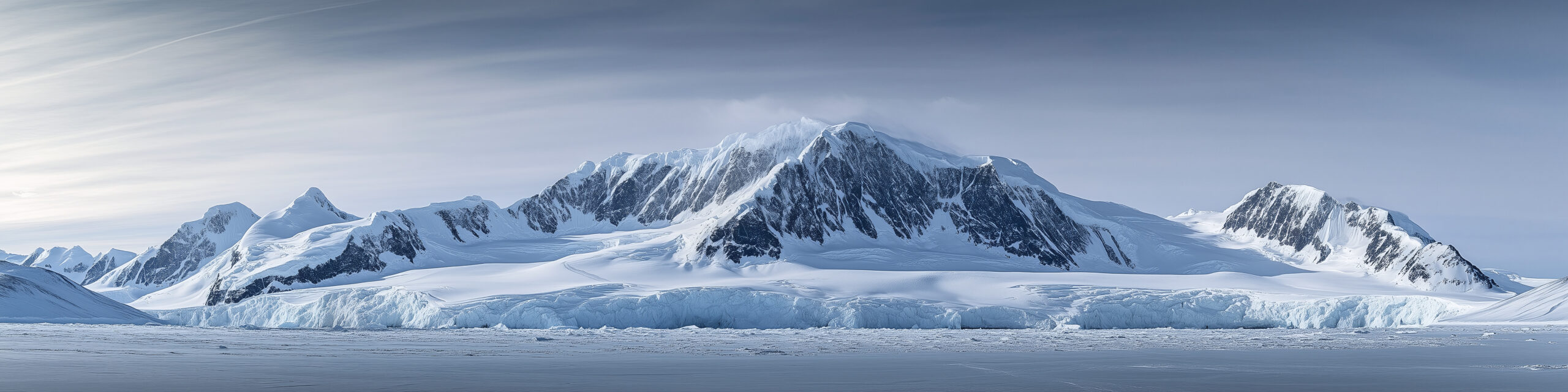


.jpg)