
Last updated September 7, 2026
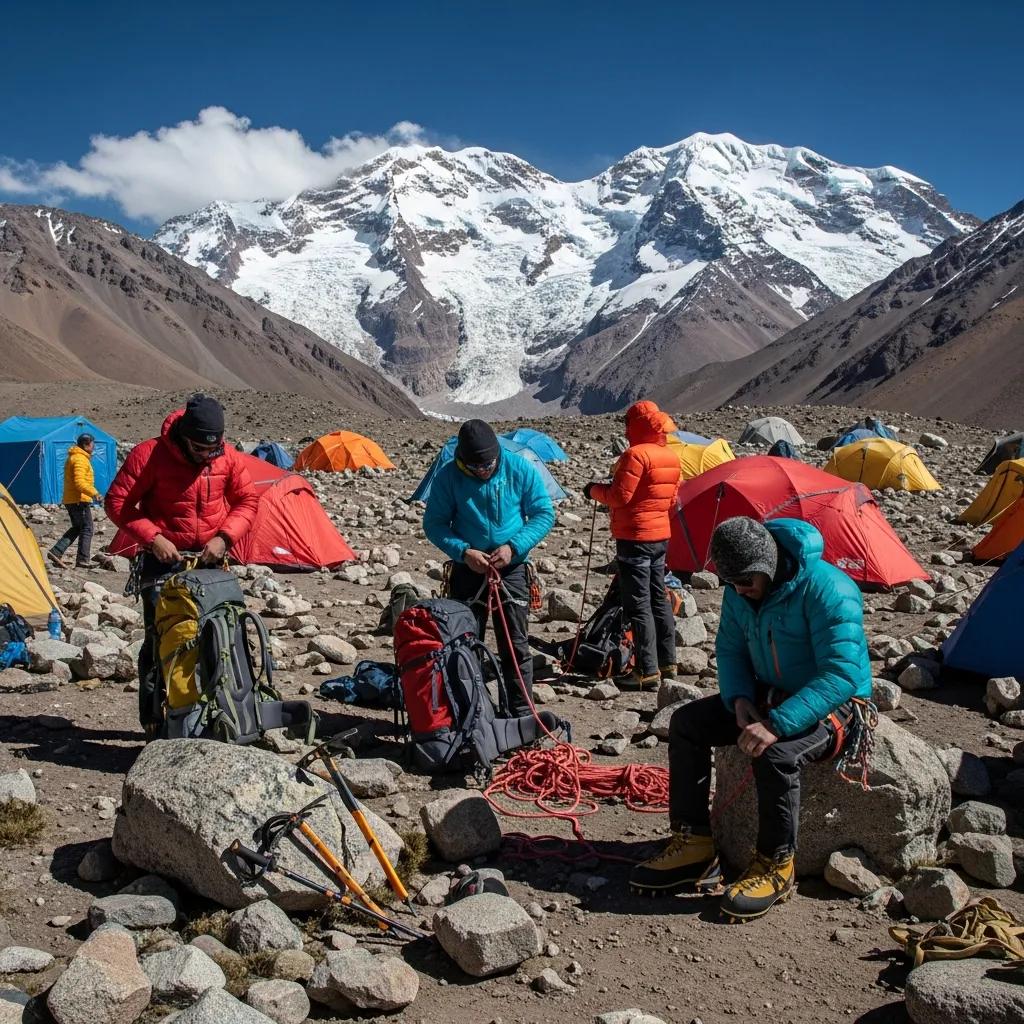
Best Time to Climb Aconcagua: Comprehensive Season-by-Season Weather and Climbing Guide
Climbing Aconcagua, the highest peak in South America, is a thrilling adventure that requires careful planning and understanding of seasonal weather patterns. This guide will provide you with essential insights into the best times to climb Aconcagua, focusing on the weather conditions throughout the year. Many climbers face challenges related to altitude, weather variability, and acclimatization, which can significantly impact their climbing success. By understanding the seasonal weather variations and preparing accordingly, you can enhance your chances of a successful summit. This article will cover the optimal climbing seasons, detailed weather conditions from December to February, the impact of shoulder seasons, and essential acclimatization strategies.
When is the Optimal Climbing Season for Aconcagua?
The optimal climbing season for Aconcagua typically spans from December to February, coinciding with the Southern Hemisphere’s summer months. During this period, climbers can expect relatively stable weather conditions, making it the most favorable time for ascents. The weather patterns during these months are characterized by warmer temperatures and lower precipitation levels, which are crucial for a successful climb. Climbers should also consider factors such as the influx of other climbers and the availability of support services during peak season. Understanding these dynamics can help climbers make informed decisions about their climbing plans.
For more detailed information on planning your ascent, consider these trip planning resources.
What Are the Weather Conditions from December to February?
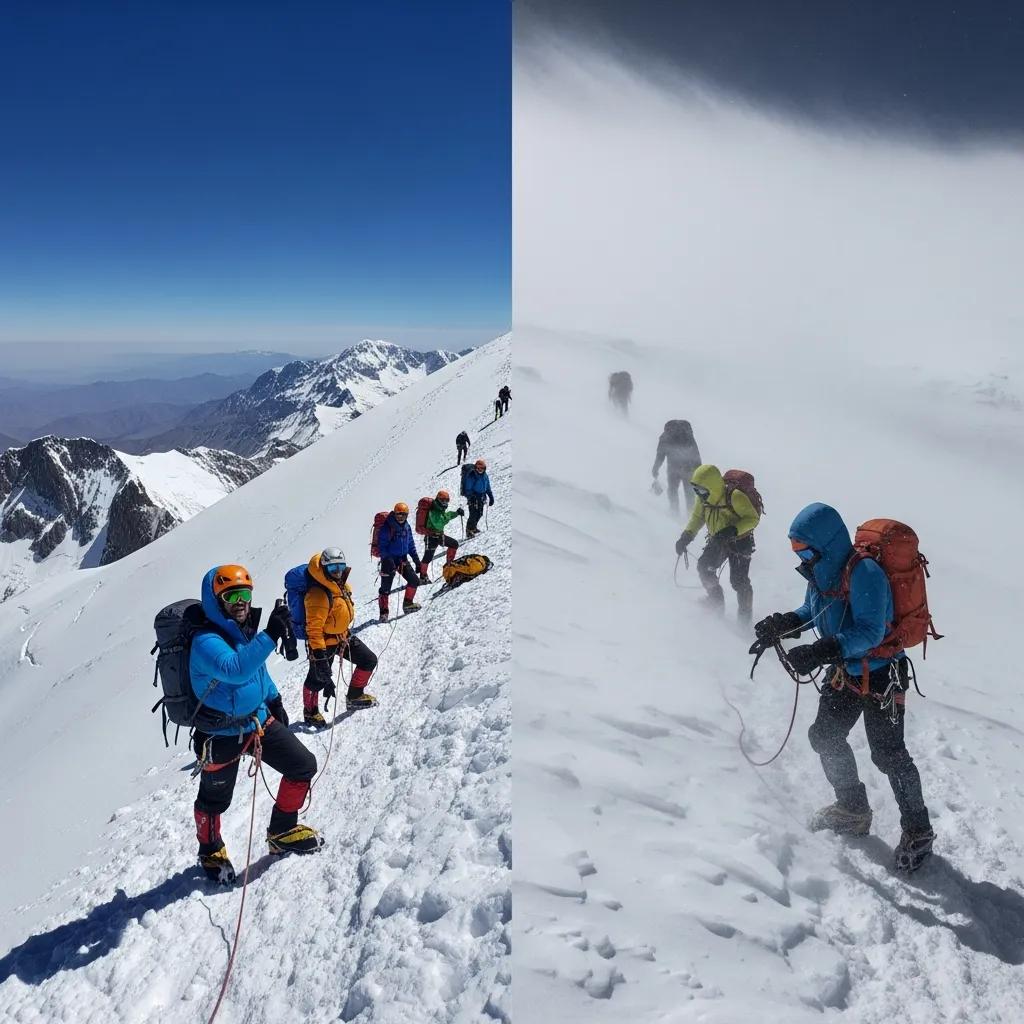
From December to February, climbers can expect a range of weather conditions on Aconcagua. The average temperatures during this period can vary significantly based on elevation, with lower temperatures at higher altitudes. Generally, daytime temperatures at base camp can reach up to 20°C (68°F), while nighttime temperatures can drop to around -5°C (23°F). Precipitation is relatively low, with occasional storms that can bring snow or rain, particularly at higher elevations. Wind conditions can also be a factor, with gusts reaching up to 70 km/h (43 mph) at the summit. Understanding these weather patterns is essential for climbers to prepare adequately for their ascent.
How Do Shoulder Seasons Affect Climbing Conditions?
Shoulder seasons, which occur in late spring (November) and early autumn (March), present unique challenges for climbers on Aconcagua. During these times, weather conditions can be highly variable, with sudden changes that can impact climbing safety. Climbers may encounter snow, rain, and strong winds, making the ascent more difficult. Additionally, the availability of support services may be limited during these off-peak months, which can affect logistics and safety. It is crucial for climbers to be aware of these factors and to prepare for the unpredictability of shoulder season weather.
How Does Weather Impact Climbing Success on Aconcagua?
Weather plays a critical role in determining the success of a climb on Aconcagua. Climbers must contend with various weather-related challenges, including temperature fluctuations, precipitation, and high winds. These factors can affect not only the climbing experience but also the likelihood of reaching the summit. Research indicates that climbers who are well-prepared for adverse weather conditions have higher success rates. Therefore, understanding the weather patterns and preparing for potential challenges is essential for anyone planning to climb Aconcagua.
What Are Typical Temperature and Wind Speeds at Different Elevations?
Temperature and wind conditions vary significantly at different elevations on Aconcagua. At base camp (approximately 4,200 meters or 13,780 feet), temperatures can range from 20°C (68°F) during the day to -5°C (23°F) at night. As climbers ascend, temperatures drop, and wind speeds increase. At the summit (6,961 meters or 22,838 feet), temperatures can plummet to -35°C (-31°F) or lower, with wind speeds often exceeding 80 km/h (50 mph). This elevation-specific data is crucial for climbers to understand the risks associated with altitude and weather conditions.
How Do Seasonal Weather Variations Affect Summit Success Rates?
Seasonal weather variations have a significant impact on summit success rates for climbers on Aconcagua. Studies show that climbers who attempt the summit during the peak season (December to February) have a higher success rate compared to those who climb during the shoulder seasons. The more stable weather conditions during peak season allow for better planning and execution of climbing strategies. Conversely, climbers who attempt to summit during the shoulder seasons face increased risks due to unpredictable weather patterns, which can lead to higher failure rates.
What Are the Recommended Acclimatization Schedules for Aconcagua Climbers?
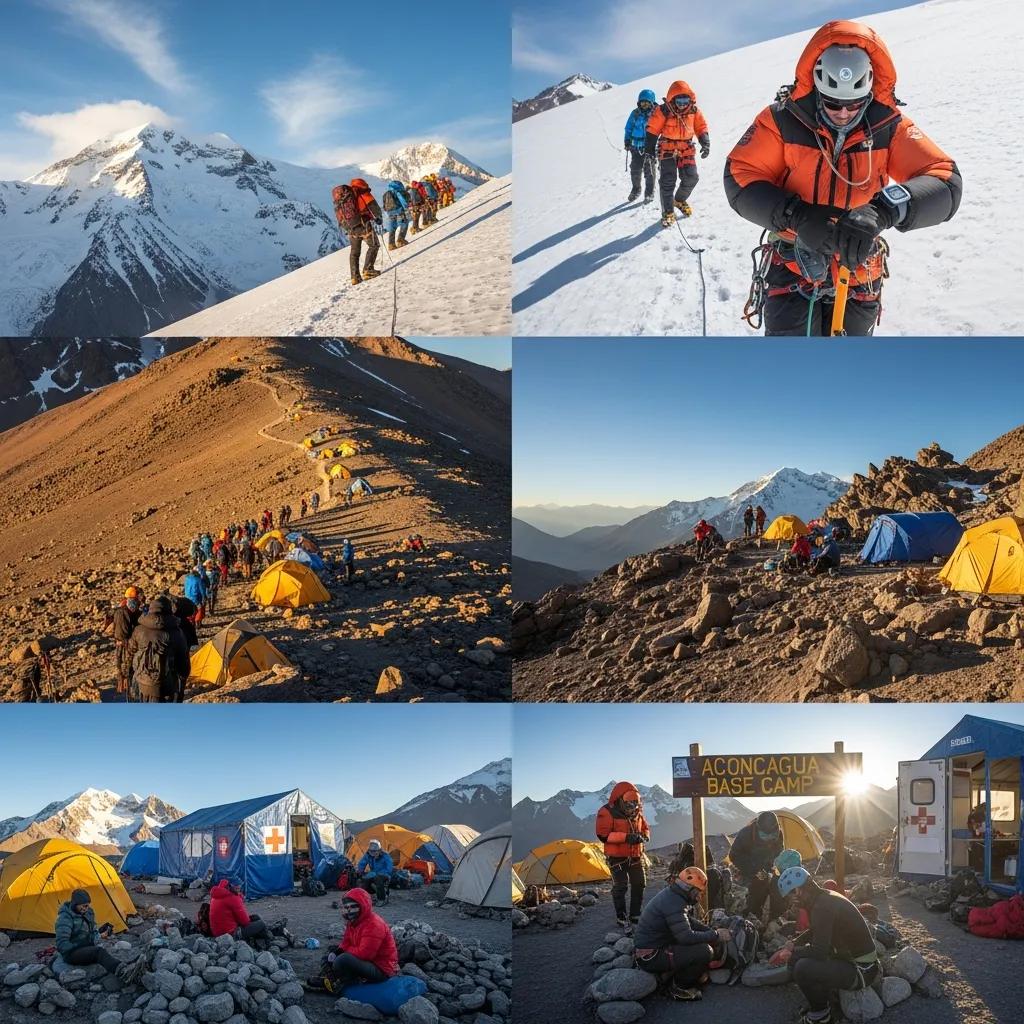
Acclimatization is a critical aspect of climbing Aconcagua, as it helps climbers adjust to the high altitude and reduces the risk of altitude sickness. A recommended acclimatization schedule typically includes several days at base camp, followed by gradual ascents to higher camps. For example, climbers may spend 2-3 days at base camp before ascending to Camp 1 (approximately 5,000 meters or 16,404 feet) for another 2-3 days. This gradual approach allows the body to adapt to decreasing oxygen levels, enhancing the chances of a successful summit.
For more information on essential gear, consider consulting resources that provide detailed recommendations for high-altitude climbs.
How to Plan a Safe Acclimatization Timeline?
Planning a safe acclimatization timeline involves careful consideration of individual fitness levels and previous high-altitude experience. Climbers should allow for flexibility in their schedules to accommodate unexpected weather changes or personal acclimatization rates. It is advisable to include rest days in the timeline, especially after reaching higher elevations. Monitoring symptoms of altitude sickness is crucial during this process, and climbers should be prepared to descend if severe symptoms occur.
What Are Common Symptoms and How to Manage Altitude Sickness?
Altitude sickness can manifest in various symptoms, including headaches, nausea, dizziness, and fatigue. It is essential for climbers to recognize these symptoms early and take appropriate action. Management strategies include staying hydrated, ascending slowly, and using medications such as acetazolamide to alleviate symptoms. If symptoms worsen, descending to a lower altitude is the most effective way to manage altitude sickness. Understanding these common symptoms and their management is vital for ensuring a safe climbing experience.
What Are the Permit Requirements and Regulations for Climbing Aconcagua?
Climbing Aconcagua requires obtaining a permit from the provincial government of Mendoza, Argentina. The permit process involves submitting an application, paying a fee, and providing proof of medical fitness. Climbers should be aware of the regulations governing climbing on Aconcagua, including group size limits and designated routes. Adhering to these regulations is essential for ensuring safety and preserving the natural environment.
How to Obtain Aconcagua Climbing Permits?
To obtain climbing permits for Aconcagua, climbers must complete an application process that includes providing personal information, medical certificates, and payment of the permit fee. The fees vary depending on the climbing season and the duration of the climb. It is advisable to apply for permits well in advance, as they can be limited during peak climbing seasons. Understanding the application process and requirements is crucial for a successful climb.
What Are the Permit Restrictions and Seasonal Limitations?
Permit restrictions for climbing Aconcagua include limitations on group sizes and specific routes that must be followed. During peak season, the number of permits issued may be capped to manage the flow of climbers and minimize environmental impact. Additionally, certain routes may be closed during adverse weather conditions, requiring climbers to be flexible in their plans. Being aware of these restrictions and limitations is essential for climbers to ensure compliance and safety.
Which Gear and Safety Equipment Are Essential for Each Climbing Season?
Selecting the right gear and safety equipment is crucial for a successful climb on Aconcagua. Climbers should consider the specific conditions they will face during their ascent, including temperature, wind, and precipitation. Essential gear includes high-quality mountaineering boots, insulated clothing, and safety equipment such as harnesses and helmets. Additionally, climbers should carry adequate food, water, and first aid supplies to ensure their safety and well-being during the climb.
What Equipment Is Recommended for Summer Climbs?
For summer climbs, climbers should prioritize lightweight and breathable gear to accommodate warmer temperatures at lower elevations. Recommended equipment includes moisture-wicking base layers, insulated jackets for colder nights, and durable trekking poles for stability. Additionally, climbers should invest in high-quality sleeping bags rated for low temperatures, as nights can be quite cold even in summer. Proper equipment selection is vital for comfort and safety during the climb.
How Does Gear Change for Shoulder and Off-Season Climbs?
Gear requirements for shoulder and off-season climbs differ significantly from those needed during peak summer months. Climbers should prepare for colder temperatures and increased precipitation, necessitating heavier and more insulated gear. This includes waterproof jackets, thermal layers, and additional safety equipment to handle the unpredictable weather conditions. Understanding these gear adaptations is essential for climbers to ensure their safety and comfort during less favorable climbing seasons.
What Are the Main Climbing Routes on Aconcagua and Their Seasonal Suitability?
Aconcagua offers several main climbing routes, each with its own seasonal suitability. The Normal Route is the most popular and is typically climbed during the peak season due to its relative ease and accessibility. The Polish Glacier Route, while more challenging, is also favored during the summer months when conditions are more stable. Climbers should consider their experience level and the specific challenges of each route when planning their ascent.
Which Routes Are Most Popular During Peak Season?
During the peak climbing season, the Normal Route is the most popular choice among climbers due to its straightforward approach and established infrastructure. The route offers a well-defined path and access to support services, making it ideal for less experienced climbers. The Polish Glacier Route, while more technical, attracts experienced climbers seeking a greater challenge. Understanding the popularity of these routes can help climbers make informed decisions about their climbing plans.
How Do Weather and Season Affect Route Selection?
Weather and seasonal conditions play a significant role in route selection for Aconcagua climbers. Climbers must consider factors such as snowpack, ice conditions, and potential weather-related hazards when choosing a route. During peak season, routes are generally more stable, while shoulder seasons may present increased risks due to variable weather. Being aware of these factors is essential for climbers to select the most suitable route for their ascent.
What Are the Base Camp Conditions Throughout the Year?
Base camp conditions on Aconcagua vary throughout the year, influenced by seasonal weather patterns. During the summer months, base camp typically offers more stable conditions, with access to essential services such as food and shelter. However, during the shoulder seasons, climbers may encounter harsher weather and limited facilities. Understanding these conditions is crucial for climbers to prepare adequately for their time at base camp.
How Do Weather and Season Influence Base Camp Facilities?
Weather and seasonal changes significantly influence the availability and quality of base camp facilities. During peak season, climbers can expect more robust support services, including food supplies and medical assistance. In contrast, shoulder seasons may see reduced services, requiring climbers to be more self-sufficient. Being aware of these influences is essential for climbers to plan their logistics effectively.
What Preparations Are Needed for Base Camp Stays?
Preparing for a stay at base camp involves careful planning and packing. Climbers should ensure they have adequate food supplies, cooking equipment, and shelter materials. Additionally, it is essential to pack for varying weather conditions, including warm clothing and rain gear. Proper preparation for base camp is vital for ensuring a comfortable and safe experience during the climb.
What Are the Frequently Asked Questions About Climbing Aconcagua?
Climbing Aconcagua raises many questions for potential climbers. Common inquiries include the best time to climb, necessary permits, and acclimatization strategies. Addressing these questions can help climbers feel more prepared and confident in their plans. Understanding the nuances of climbing Aconcagua is essential for a successful and enjoyable experience.
What Is the Best Month to Climb Aconcagua?
The best month to climb Aconcagua is typically January, as it offers the most stable weather conditions and the highest likelihood of a successful summit. Climbers should consider factors such as temperature, precipitation, and wind when planning their ascent. January provides a balance of favorable conditions, making it the ideal choice for many climbers.
How Cold Does It Get on Aconcagua?
Temperatures on Aconcagua can drop significantly, especially at higher elevations. At the summit, temperatures can reach as low as -35°C (-31°F) or lower, with wind chill making it feel even colder. Climbers must be prepared for these extreme conditions and ensure they have appropriate gear to stay warm and safe during their ascent.
For more information, explore other mountain guides to help you prepare for your next adventure.
Conclusion
Climbing Aconcagua offers a unique adventure that combines breathtaking landscapes with the challenge of high-altitude conditions. By understanding seasonal weather patterns and preparing adequately, climbers can significantly enhance their chances of a successful summit. Equip yourself with the right knowledge and gear to navigate this majestic peak safely. Start planning your ascent today and explore our comprehensive resources for climbers.
Aconcagua: Best Time & the Full Guide
Timing is one piece of an Aconcagua expedition. See the full guide, the routes and the training below.
Was this helpful?
🏔Related conditions
🧭Explore & compare
Global Summit Guide is an independent mountaineering resource founded in 2026. The team combines first-hand trekking and climbing experience with in-depth research and professional health and nutrition review to help climbers choose objectives, prepare properly, and stay safe.
Health, altitude, and nutrition content is reviewed by Taylor Ludlow (Registered Nurse) and Brigg Hoopes (Nutritionist).
What We Don't Know Yet
Mountain information changes quickly. This box explains the limits of what this page can responsibly promise.
- Weather, snowpack, avalanche risk, road access, and route conditions can change quickly and may be different on your climbing dates.
- Fitness and altitude response vary by person; no guide, itinerary, or training plan can guarantee acclimatization or summit success.
- Comparisons simplify complex decisions; the better mountain depends on current conditions, skills, timing, budget, and risk tolerance.
Verify current conditions with official land managers, guide services, local forecasts, and current route reports before booking or climbing.
Mountaineering, rock and ice climbing, glacier travel, and high-altitude activity are inherently dangerous and can result in serious injury or death. The information on Global Summit Guide is provided for general informational and educational purposes only and is not a substitute for professional instruction, qualified guiding, proper equipment, or your own judgment and experience.
Route conditions, weather, snowpack, permits, regulations, and hazards change constantly and may differ from what is described here. Details may be incomplete, out of date, or contain errors. Always verify current information with local authorities, certified guides, and official sources before making any decision in the mountains.
Nothing on this site is medical, legal, or financial advice. Our fitness, acclimatization, altitude, and nutrition content is general in nature; consult a qualified physician before beginning any strenuous exercise program or exposing yourself to high altitude.
You are solely responsible for your own safety and decisions. To the fullest extent permitted by law, Global Summit Guide and its team accept no liability for any loss, injury, damage, or expense arising from use of, or reliance on, this information. By using this site you acknowledge these risks and accept these terms.
Some links on this site may be affiliate links. If you buy through them we may earn a small commission at no extra cost to you; this never affects our recommendations.
Global Summit Guide recommendation path
Next Best Mountain to Research
Use these recommendations to continue the right planning path instead of stopping on one page.
Use current permit, weather, route, and operator information before booking or climbing.
Search Flights, Hotels & Rental Cars
Have the mountain or destination picked? Use Expedia to compare the flights, lodging and rental cars that fit your actual trip dates. For mountain travel, consider arriving early enough for delays and adding a buffer night after the climb before a fixed flight home.
Compare current flight, hotel and car options.
Affiliate disclosure: Global Summit Guide may earn a commission if you book through this link, at no additional cost to you.