
Last updated September 4, 2026

Kilimanjaro Packing List: What to Pack from Rainforest to Summit Night
Pack Kilimanjaro as a three-bag system, not one giant expedition bag. Your porter-carried duffel holds camp gear and spare clothing, your 30–35 L daypack carries everything you may need before the next camp, and a third travel bag stays at the hotel. The goal is enough range for rainforest rain, alpine-desert sun and a subfreezing summit night—without burying the porter team under duplicates.
Build My ChecklistBuild Summit LayersWhat Do You Actually Need to Pack for Kilimanjaro?
For a standard guided Kilimanjaro trek, you need hiking—not technical climbing—equipment: broken-in waterproof boots, a fitted daypack, flexible non-cotton layers, serious summit insulation, waterproof shells, a warm sleep system, trekking poles, headlamp, bottles, sun protection, medication and a porter-friendly duffel.
The packing mistake is usually not forgetting a specialized mountaineering tool. It is failing to protect the basics: wet gloves, poor boot fit, one cold sleeping bag chosen by a misleading “extreme” rating, a rain shell buried in the duffel, a hydration hose that freezes, or a 17 kg duffel that forces repacking at the hotel.
Many operators use 15 kg / 33 lb as the climber’s personal duffel limit. That is not the same as Tanzania’s porter rule: TANAPA’s current park rules state a porter maximum of 20 kg. Your operator may set a lower personal limit so the overall porter load stays within the legal and welfare system.
Three Bags, Three Jobs
Porters generally move ahead after you leave camp. If an item is in the duffel, assume you will not see it again until the next camp.
70–90 L Soft Duffel
Sleeping bag, camp clothing, spare hiking clothes, toiletries, batteries and items not needed before the next camp.
- Soft-sided; no rigid frame
- Water-resistant exterior plus internal dry bags
- Common client target: 15 kg / 33 lb
- Assume the bag itself counts unless told otherwise
30–35 L Daypack
Water, rain shell, insulation, gloves, sun protection, snacks, medication and everything needed between camps.
- Fit matters more than litres
- Realistic loaded target around 5–7 kg
- Train with actual water volume
- Keep the same item in the same pocket every day
Travel / Hotel Bag
Safari clothes, city shoes, extra electronics, hard luggage and clean post-climb clothing stay with the hotel or operator.
- Do not pay porter weight for airport clothing
- Pack one complete clean return outfit
- Separate safari extras from mountain gear
- Follow the operator’s advice for valuables
15 kg Client Duffel vs 20 kg Porter Maximum
These numbers describe different layers of the carrying system.
Many companies cap the climber’s porter-carried personal belongings at 15 kg. Ultimate Kilimanjaro explicitly uses this limit and counts the sleeping bag against it. Your operator may use a different number.
Example current operator rule →TANAPA’s current public rules say a porter may carry a maximum of 20 kg during mountain climbing. KRTO/KPAP also uses a 20 kg company-load ceiling, excluding the porter’s personal kit, for its responsible-travel partners.
See TANAPA rules →Build Your Kilimanjaro Packing Checklist and Weight Budget
Weights are editable planning estimates, not manufacturer specifications. The calculator totals selected items assigned to the porter duffel.
Start checking your duffel items.
Replace the planning estimates with the measured weight of your actual gear.
- Weigh the actual finished duffel.
- Sleeping bag may count against the limit.
- Daypack water is separate but still your body load.
- Do not solve excess weight by pressuring the porter team.
Pack for Kilimanjaro’s Climate Transitions
The mountain’s gear problem is range: warm and wet low, sunny and dusty higher, then cold and windy near the summit.
Warm + Wet
Technical shirt, hiking pants, breathable rain shell, pack rain protection and dry-bag organization. Keep insulation accessible without overheating.
Sun + Wind
Long sleeves, sun hat, sunscreen, sunglasses and a light fleece become more useful as tree cover disappears.
Big Temperature Swing
Cold mornings and camps, intense sun, dust and wind. Layering beats one heavy jacket worn all day.
Cold + Dark + Wind
Dry base layers, insulation, shells, layered gloves, warm socks, hard bottles and a headlamp with warm batteries.
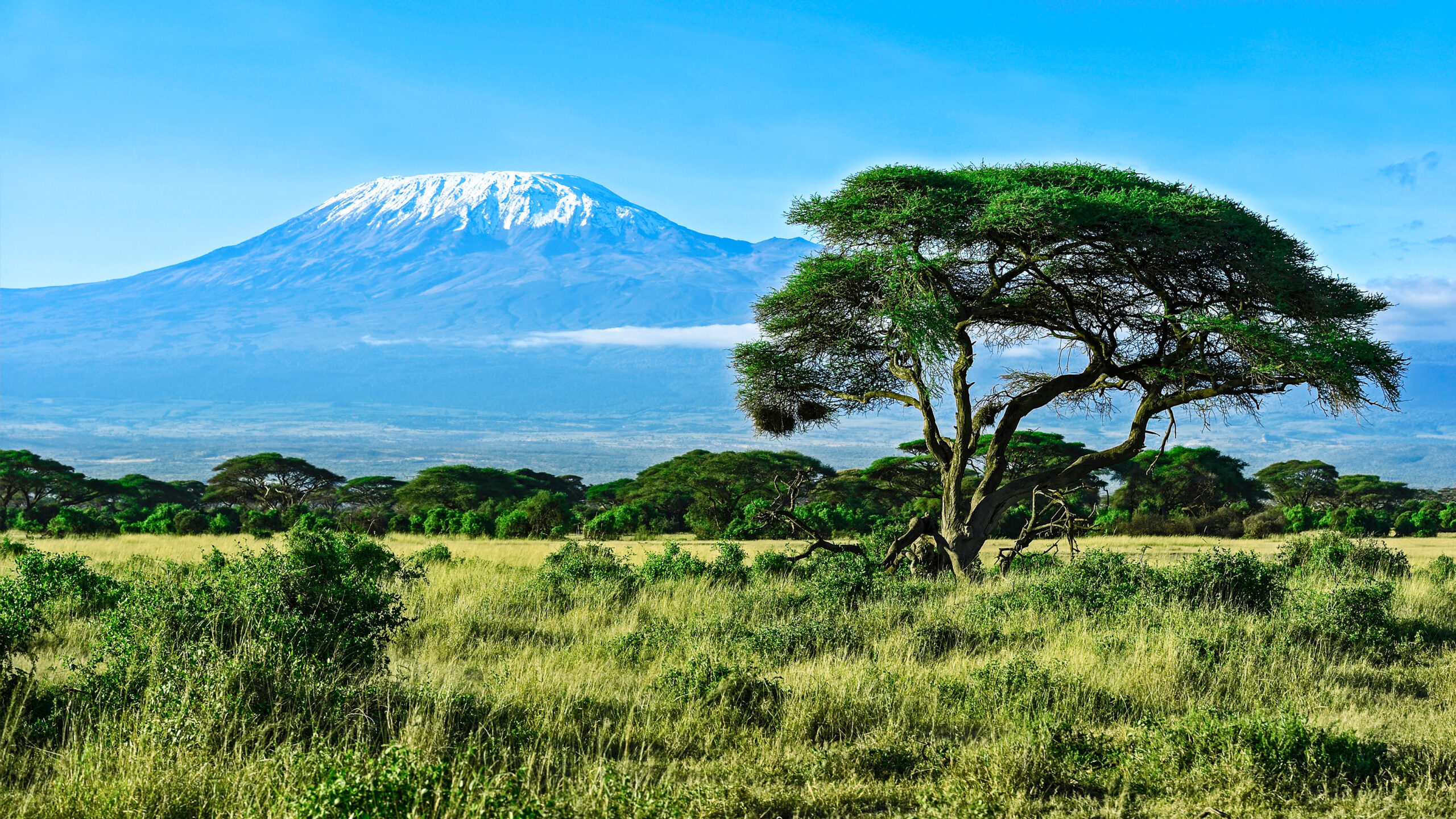
Kilimanjaro Is a Trekking Mountain With Expedition-Style Clothing Changes.
Standard routes do not normally need a rope, ice axe or crampons. They do demand a clothing system that can stay dry and functional through several ecological zones before a very cold summit push.
Build the Outfit Before You Reach High Camp
Choose the scenario closest to your needs. The operator’s written requirement and current forecast still control the final system.
Layer for movement first, then for static cold.
Start slightly cool and add insulation before becoming chilled. Avoid sweating into the heaviest layers early in the climb.
Boots: Warm Enough, Broken In, Not Overbuilt
Protect Toes on the Descent
Your heel should stay controlled while toes have room when descending. A summit sock that turns a good boot into a tight boot is a bad warmth strategy. Test the full sock system on long downhill training days.
Waterproof Trekking / Light Mountain Boot
Most standard Kilimanjaro treks do not require rigid technical boots. Choose support, waterproofing, warmth and fit rather than buying a high-altitude technical boot solely because the summit is high.
Do Not Let Checked Baggage Own Your Climb
Wear or carry the boots whenever airline rules and comfort allow. Last-minute replacement footwear can create blisters, nail damage and a poor summit fit.
Fix Hot Spots Early
Carry a small blister system in the daypack and treat friction when it starts. Keep one dry summit sock pair protected until the upper mountain.
Boot selection guide →Choose the Sleep System by Comfort Rating and Operator Requirement
Do not buy a bag because a large negative number appears on the hangtag. Rating labels can mean comfort, lower limit or extreme.
Start With the Required Comfort Range
Kilimanjaro operators commonly specify a warm four-season bag. Ask for the actual comfort rating, not simply the marketing temperature. Cold sleepers may need additional margin.
Ground Insulation Matters Too
Your sleeping bag insulates poorly underneath where loft is compressed. Confirm whether the operator supplies a foam pad, inflatable pad, both, or expects you to bring one.
Verify Weight, Rating and Cleanliness
A heavy rental bag can consume a surprising share of a 15 kg allowance. Ask its packed weight and rating before deciding that renting saves luggage hassle.
Protect the Bag Inside the Duffel
A water-resistant duffel is not enough by itself. Use a durable internal liner or dry bag so rainforest rain cannot compromise several nights of recovery.
Sleeping bag guide →Water and Food: Pack the System, Not a New Nutrition Experiment
Use Bottles as the Summit-Night Backup
A bladder is convenient during warmer hiking days, but hoses can freeze. Carry wide-mouth hard bottles and follow the guide’s nightly water instructions. Bottle insulation helps when temperatures drop.
Choose Food You Still Eat When Tired
High altitude can change appetite. Test sweet, salty and easy-to-chew options during long training hikes. Cold can turn dense bars into bricks and packaging becomes harder to open in gloves.
Familiar Products Only
Use products you already tolerate. Summit week is not the time to discover that a new drink mix or gel causes stomach distress.
Water Changes the Daypack by Kilograms
Do not train with an empty 35 L pack and assume the fit is tested. Load the actual water quantity, shells, insulation, snacks and camera/phone you plan to carry.
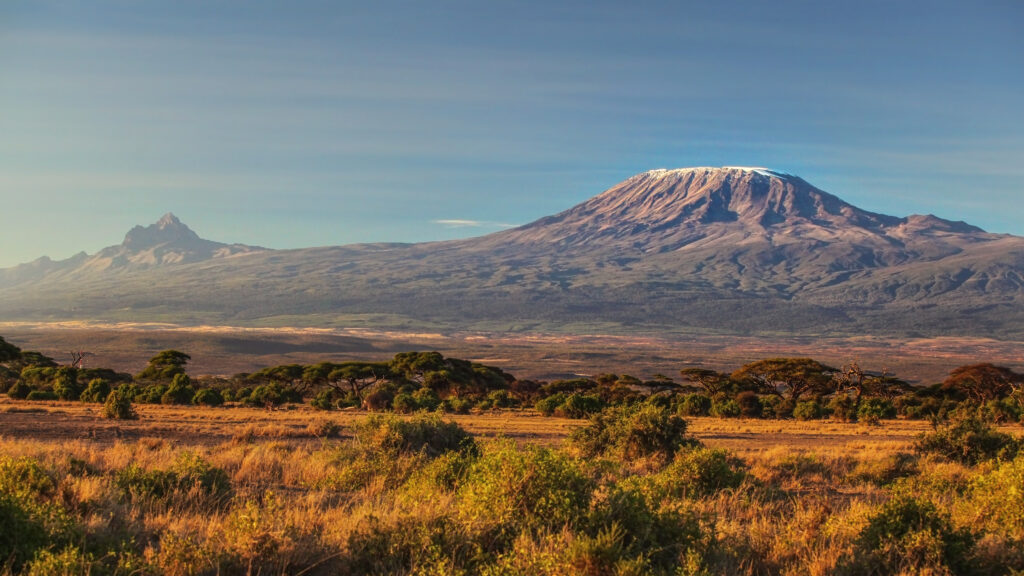
Dry Gear Is Warmer Gear.
A premium jacket is not useful if it spent three days absorbing moisture in a poorly protected duffel. Waterproof organization is part of the insulation system, not a packing accessory.
What to Buy, Rent or Leave at Home
| Item | Best default | Why | Rental check |
|---|---|---|---|
| Boots | Buy | Fit and break-in are too consequential. | Rent only with enough time to fit and test before the climb. |
| Daypack | Buy | You wear it every hiking day. | Torso length, hip belt and loaded comfort matter more than brand. |
| Socks / base layers | Buy | Personal fit, hygiene and repeat use. | Not worth renting. |
| Insulated jacket | Buy or rent | Good long-term value but bulky for one trip. | Verify warmth, size, zipper and hood. |
| Sleeping bag | Buy or rent | Expensive and bulky. | Verify comfort rating, packed weight and cleanliness. |
| Trekking poles | Buy or rent | Easy to rent if locking mechanisms work. | Confirm length and test locks before the gate. |
| Duffel | Buy / operator may supply | Useful for future expedition travel. | Confirm capacity and closure system. |
| Crampons / ice axe | Normally leave home | Not standard gear on normal trekking routes. | Only source them if current operator instructions require them. |
How the Packing List Changes by Kilimanjaro Route
Lemosho, Machame, Rongai and Northern Circuit
Your personal clothing system changes little by route. Longer routes need a little more consumable capacity, but not a fresh outfit for every day. Confirm tent, pad and sleeping-bag provisions.
Build the Daypack Around Water, Weather and One Camp-to-Camp Day
The daypack should not be a miniature copy of the duffel. It carries only what you may reasonably need before the crew reaches the next camp.
The Daily Core
- Water in the quantity the guide specifies
- Waterproof shell jacket
- Sun hat, sunglasses, sunscreen and lip balm
- Personal medication and blister kit
- Toilet paper / sanitizer
- Snacks
- Phone/camera and one navigation/emergency backup if used
The Variable Layer
- Fleece or active-insulation piece
- Insulated jacket higher on the mountain
- Warm hat and gloves
- Shell pants when rain or summit wind is plausible
- Extra bottle insulation near Kibo
Camp and Replacement Gear
- Sleeping bag and sleep clothes
- Spare shirts and pants
- Camp shoes
- Large toiletries
- Most charging equipment
- Tomorrow’s dry clothing
Medical and Hygiene Packing: Separate Daily Access From Camp Storage
This section organizes personal supplies. Medication decisions themselves belong with your clinician and the Kilimanjaro medical guide.
Items You May Need Before Camp
- Prescription medication due during hiking hours
- Allergy/emergency medication prescribed to you
- Small blister and hot-spot kit
- Hand sanitizer
- Toilet paper in waterproof storage
- Sunscreen and SPF lip balm
- Any personal inhaler or medical device prescribed for use
Resupply and Camp Care
- Remaining medication in protected packaging
- Toothbrush and small toothpaste
- Quick-dry towel / minimal wipes
- Moisturizer for dry upper camps
- Menstrual products when applicable
- Spare dressings / foot-care supplies
- Copies of insurance and prescription information
What Most Climbers Do Not Need
No Default Ice Axe, Crampons or Rope
Standard Kilimanjaro routes are trekking routes. Do not pack alpine hardware because the summit is 5,895 m. Carry it only when the operator’s current written instructions call for unusual snow/ice equipment.
No New Outfit for Every Camp
One clean post-climb outfit belongs at the hotel. On the mountain, repeat technical clothing and protect one dry sleep/summit system.
No Charging Station in Your Duffel
A phone, modest power bank and compact camera can be reasonable. Multiple battery bricks, laptops and duplicate cameras quickly consume the weight saved everywhere else.
No Bathroom Cabinet
Decant what you genuinely need into travel sizes. A week on Kilimanjaro does not require full-size shampoo, lotion, soap and multiple cosmetic bags.
No Wheeled Suitcase on the Mountain
Use it for international travel if you like, then leave it at the hotel. The porter-carried bag should be soft and compatible with the operator’s system.
No Summit-Night Experiments
Heated insoles, unfamiliar gloves, new supplements and complicated gadgets can all fail at exactly the wrong time. Test anything important during training first.
A Better Packing Protocol Than Checking Boxes Once
Full Summit Dress Rehearsal
Put on base layers, pants, insulation, shell, hat, gloves, socks and boots. Walk stairs, bend over, operate zippers and use trekking poles. If the system binds at home, it will not improve at 5,000 m.
Load the Real Daypack
Add the actual water volume plus shells, insulation, snacks, medication and electronics. Walk with it. Adjust straps and learn exactly where rain gear, gloves and food live.
Finish the Duffel
Include the bag, dry liners, sleeping bag, toiletries, batteries and snacks. Do not weigh first and then add “just a few small things.” Aim for useful margin below the operator maximum.
Create a Visual Inventory
Lay out the core gear and photograph it before closing the bags. A visual record makes airline-baggage recovery, hotel repacking and rental reconciliation much easier.
Protect the Carry-On Essentials
Move boots, medication, documents, one technical outfit and the hardest-to-replace small gear into legal cabin baggage. Keep prohibited tools in checked baggage as required.
Match the Operator List
Compare your final list with the operator’s current instructions. Highlight anything they provide, anything they require that you omitted, and any weight or rental assumption that differs from this page.
If the Airline Loses One Bag, What Could Still Save the Climb?
Cabin-baggage rules vary by airline and airport. Protect the hardest-to-replace legal essentials rather than trying to carry prohibited items through security.
Fit-Critical Gear
- Hiking boots
- Primary hiking socks
- Prescription eyewear
- Daypack when practical
First 24–48 Hours
- One hiking outfit
- Base layer
- Warm hat + gloves
- Rain shell
- Headlamp
Medication + Documents
- Prescription medication
- Passport / visa documents
- Insurance details
- Operator contacts
- Critical electronics
Do Not Build the System Around Disposable Plastic Carrier Bags
Mainland Tanzania has prohibited plastic carrier bags since 2019.
Reusable Dry Bags and Stuff Sacks
Use durable internal liners, roll-top dry bags and reusable fabric stuff sacks for clothing, sleep gear and electronics. They protect equipment better and avoid relying on disposable carrier bags.
Toiletry Ziploc-Type Bags
Tanzania’s official traveler notice says Ziploc-type bags specifically used for toiletries are permitted when visitors keep them in their possession and do not dispose of them in the country.
Tanzania government notice →Nine Kilimanjaro Packing Errors to Fix at Home
Fresh Clothes for Every Day
Rewearing technical layers is normal. Duplicate shirts and pants are one of the fastest ways to lose the duffel-weight battle.
Brand-New Boots
Premium does not mean proven. Long downhill mileage exposes fit problems that a short try-on will not.
One Pair of Warm Gloves
A wet glove system can end summit comfort quickly. Protect a backup dry pair.
Rain Gear in the Duffel
If weather changes before camp, porter-carried gear may be hours away. Shells belong in the daypack.
Hydration Bladder Only
A frozen hose can turn a convenient system into dead weight on summit night. Carry hard bottles.
Sleeping Bag Chosen by “Extreme” Rating
Extreme ratings are not comfort targets. Shop or rent by the operator-required comfort range.
Unrequested Technical Gear
Crampons, ice axe and other climbing hardware add cost and porter weight when the standard route does not call for them.
No Summit Dress Rehearsal
Put on the complete system at home. Check range of motion, glove dexterity, boot fit and whether shell pants fit over lower layers.
Weighing Before the Boring Stuff
Toiletries, snacks, batteries, dry bags and the duffel itself are not weightless. Weigh the exact final bag.
Porter Welfare Starts Before the Gate Weigh-In
Responsible packing is part of responsible operator selection.
20 kg Company-Load Maximum
KRTO/KPAP expects participating companies to keep company loads carried by porters at 20 kg or less, excluding a porter’s personal kit, and to use enough porters to make that possible. The organization also monitors food, shelter, wages and transparent tipping.
Porter treatment standards →Respect the Personal Limit
- Do not conceal excess gear.
- Do not ask staff to “just take one more bag.”
- Ask whether bags are weighed before the gate.
- Compare responsible-travel participation before booking.
- Follow the company’s transparent tipping procedure.
Use the Packing List With the Pages That Change the Gear Decision
Mount Kilimanjaro Climb Guide
Route, season, altitude and trip structure determine what actually gets used.
Open main guide →Operator decisionKilimanjaro Operators
Compare route length, responsible-travel participation, support model and current published pricing.
Compare operators →Medical preparationKilimanjaro Medical Guide
Medication, altitude warning signs, vaccines and health logistics belong outside a generic packing checklist.
Open medical guide →Fit-critical gearMountaineering Boots Guide
Use the fit system without overbuying technical stiffness Kilimanjaro does not require.
Choose boots →Sleep systemSleeping Bags for Altitude
Understand comfort, limit and extreme ratings before buying or renting.
Choose a sleeping bag →ProgressionThe Seven Summits
See which Kilimanjaro gear transfers to Aconcagua, Elbrus, Denali and the rest of the progression.
Compare Seven Summits →Rules and Operator Details That Can Change
Park Rules
Current public rules include the 20 kg porter maximum.
Open TANAPA →KRTO / KPAPPorter Treatment Standards
Load, food, wages, shelter and transparent tipping standards.
Open porter guidance →Current operator exampleGear List + 15 kg Client Limit
Useful current evidence for common duffel/daypack sizing and personal-luggage limits.
Open current list →Tanzania government noticePlastic Carrier Bag Rule
Official visitor guidance including the toiletries Ziploc exception.
Open notice →Kilimanjaro Packing List FAQ
What size duffel should I bring?
A soft-sided 70–90 L duffel works for most climbers. Many operators use a 15 kg / 33 lb personal-luggage limit. Confirm your exact limit and whether the sleeping bag and duffel itself count.
Is the porter limit 15 kg or 20 kg?
They are different numbers. TANAPA’s current public rules state a 20 kg porter maximum. Many operators cap the client’s personal porter-carried belongings at 15 kg so the full carrying system remains manageable and compliant.
What size daypack should I use?
A 30–35 L pack is a strong default for water, rain layers, insulation, snacks, medication, sun protection and small personal items.
How heavy should the daypack be?
Around 5–7 kg loaded is a useful planning range, though water is usually the biggest variable. Train with the real pack and realistic water volume.
What should I wear on summit night?
Use a dry layered system: base top and bottom, fleece or active insulation, warm insulated jacket, waterproof/windproof shells, hiking or soft-shell pants, warm socks, hat, face covering and layered gloves or mittens.
Do I need crampons or an ice axe?
Not on standard trekking routes under normal conditions. If unusual snow or ice changes the operator’s requirement, follow the current written trip instructions.
What sleeping bag rating do I need?
Use the comfort rating your operator specifies. Do not select a bag by an “extreme” or survival number. Confirm the sleeping pad because bag and pad work as one system.
What gear should I carry onto the plane?
When airline rules allow, protect boots, medication, documents, one hiking outfit, base layer, gloves, rain shell, headlamp and critical electronics. Do not carry prohibited tools or poles through security.
Can I use plastic bags to organize my gear?
Use reusable dry bags and stuff sacks as the default. Tanzania bans plastic carrier bags. Government guidance permits Ziploc-type bags specifically for toiletries when visitors retain them and do not dispose of them in the country.
Should I buy or rent gear?
Buy fit-critical items such as boots, socks and daypack. Renting can make sense for a sleeping bag, insulated jacket, trekking poles or duffel when warmth, condition, fit and packed weight can be verified.
Pack Fewer Duplicates. Protect the Warm Gear. Test the Exact System.
A strong Kilimanjaro kit is not the longest checklist. It is a three-bag system that fits your body, stays below the operator’s limit, survives rain, and lets you put on the full summit outfit in the dark without wondering where the dry gloves went.
Build the ChecklistReview Summit LayersWas this helpful?
🏔Related gear guides
🧭Explore & compare
Global Summit Guide is an independent mountaineering resource founded in 2026. The team combines first-hand trekking and climbing experience with in-depth research and professional health and nutrition review to help climbers choose objectives, prepare properly, and stay safe.
Health, altitude, and nutrition content is reviewed by Taylor Ludlow (Registered Nurse) and Brigg Hoopes (Nutritionist).
What We Don't Know Yet
Mountain information changes quickly. This box explains the limits of what this page can responsibly promise.
- Gear requirements can change by season, route variation, weather window, personal cold tolerance, and guide-service requirements.
- Visa, passport, vaccination, border, insurance, and local transportation rules may change before your trip.
- Route conditions, snowpack, closures, and weather can change quickly after this page is updated.
- Permit rules, fees, quotas, and reservation windows may change between review cycles.
- Operator availability, pricing, guide ratios, and cancellation terms can change by season.
Verify current conditions with official land managers, guide services, local forecasts, and current route reports before booking or climbing.
Mountaineering, rock and ice climbing, glacier travel, and high-altitude activity are inherently dangerous and can result in serious injury or death. The information on Global Summit Guide is provided for general informational and educational purposes only and is not a substitute for professional instruction, qualified guiding, proper equipment, or your own judgment and experience.
Route conditions, weather, snowpack, permits, regulations, and hazards change constantly and may differ from what is described here. Details may be incomplete, out of date, or contain errors. Always verify current information with local authorities, certified guides, and official sources before making any decision in the mountains.
Nothing on this site is medical, legal, or financial advice. Our fitness, acclimatization, altitude, and nutrition content is general in nature; consult a qualified physician before beginning any strenuous exercise program or exposing yourself to high altitude.
You are solely responsible for your own safety and decisions. To the fullest extent permitted by law, Global Summit Guide and its team accept no liability for any loss, injury, damage, or expense arising from use of, or reliance on, this information. By using this site you acknowledge these risks and accept these terms.
Some links on this site may be affiliate links. If you buy through them we may earn a small commission at no extra cost to you; this never affects our recommendations.
Global Summit Guide recommendation path
Next Best Mountain to Research
Use these recommendations to continue the right planning path instead of stopping on one page.
Use current permit, weather, route, and operator information before booking or climbing.