
Last updated September 7, 2026
Mount Elbrus Gear List: Complete Packing Guide for Climbers
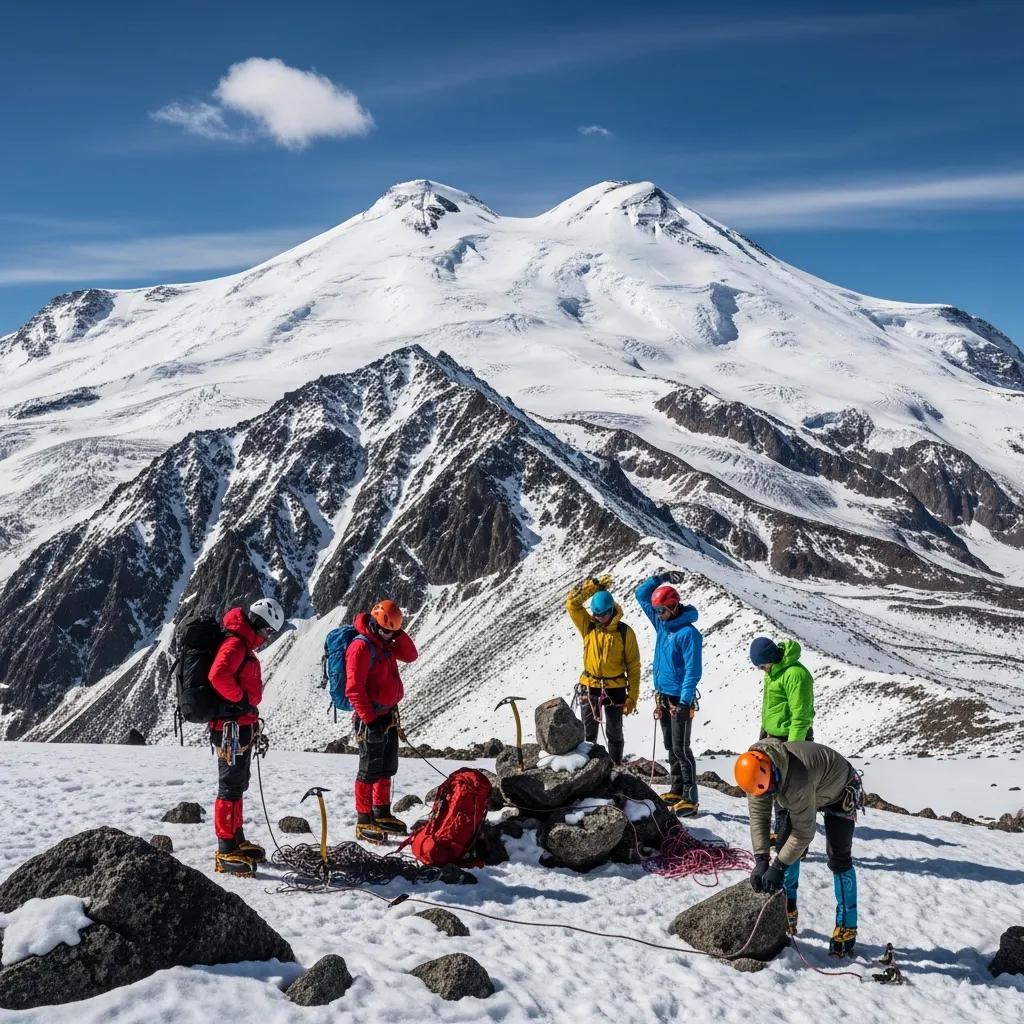
Climbing Mount Elbrus, the highest peak in Europe, requires careful preparation and the right gear to ensure a safe and successful ascent. This comprehensive packing guide will help climbers understand the essential equipment needed for the journey, from clothing layers to technical gear. Many climbers face challenges in selecting the appropriate gear that balances warmth, breathability, and safety. This guide addresses these concerns by providing detailed insights into the necessary equipment and best practices for packing. We will explore essential clothing layers, technical equipment, safety gear, and packing strategies to prepare for the unique conditions of Mount Elbrus.
What Are the Essential Clothing Layers for Mount Elbrus Climbers?
When preparing for a climb on Mount Elbrus, understanding the essential clothing layers is crucial for maintaining comfort and safety. Climbers should focus on three primary layers: base, insulation, and shell. The base layer is designed to wick moisture away from the skin, keeping climbers dry and comfortable. The insulation layer provides warmth, while the shell layer protects against wind and rain. Each layer plays a vital role in regulating body temperature and ensuring climbers can adapt to changing weather conditions.
For optimal performance, climbers should select materials that offer both warmth and breathability. Merino wool and synthetic fabrics are popular choices for base layers, while down or synthetic insulation works well for the mid-layer. The outer shell should be waterproof and windproof to shield against harsh elements.
After discussing essential clothing layers, it’s important to consider how to choose base, insulation, and shell layers for high altitude conditions.
How to Choose Base, Insulation, and Shell Layers for High Altitude Conditions
Selecting the right clothing layers for high altitude conditions involves understanding the specific needs of climbers. Here are key considerations for each layer:
- Base Layer: Choose moisture-wicking materials that keep sweat away from the skin. Look for options that provide a snug fit without restricting movement.
- Insulation Layer: Adapt insulation based on activity level. For high-intensity climbs, lighter insulation may be sufficient, while more insulation is needed during breaks or slower ascents.
- Shell Layer: Ensure the shell layer is breathable yet waterproof. This balance is essential for preventing overheating while protecting against rain and wind.
By carefully selecting each layer, climbers can enhance their comfort and performance on Mount Elbrus.
Which Materials and Brands Offer Optimal Warmth and Breathability?
When it comes to climbing gear, the choice of materials and brands can significantly impact performance. Top brands known for their high-quality climbing apparel include Patagonia, The North Face, and Arc’teryx. These brands utilize advanced materials that provide excellent warmth and breathability.
For base layers, merino wool is favored for its natural moisture-wicking properties and thermal regulation. Synthetic options like polyester and nylon are also effective, offering quick-drying capabilities. Insulation layers often feature down or synthetic fill, with brands like Mountain Hardwear and Marmot providing reliable options.
Understanding the materials and brands that excel in warmth and breathability can help climbers make informed decisions when selecting their gear.
Which Technical Equipment Is Required for a Safe Mount Elbrus Climb?
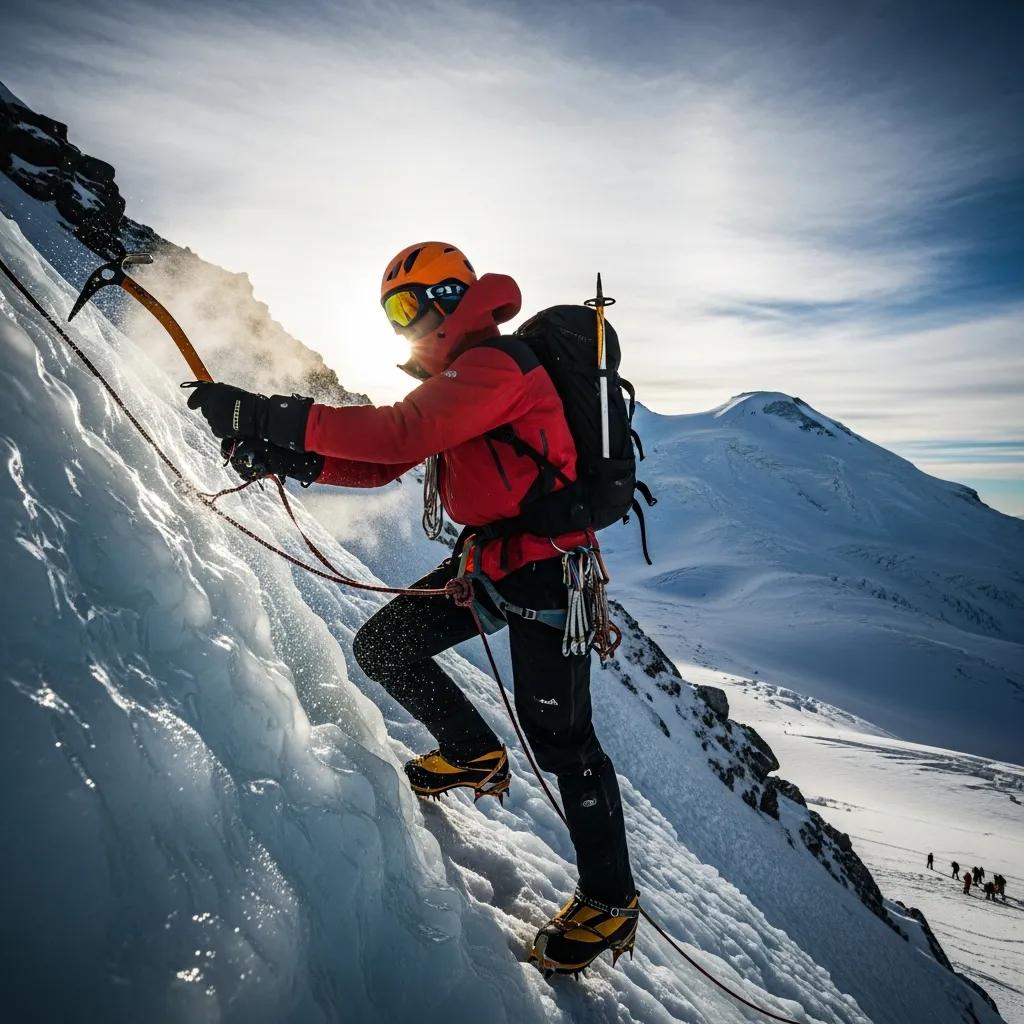
Technical equipment is essential for ensuring safety during a Mount Elbrus climb. Key items include:
- Crampons: Essential for traversing icy terrain, crampons provide traction and stability.
- Ice Axes: Used for self-arrest and climbing steep sections, ice axes are critical for safety.
- Harnesses: A well-fitted harness is necessary for securing climbers during ascents and descents.
These items are crucial for navigating the challenging conditions of Mount Elbrus, where ice and snow are prevalent.
What Are the Specifications for Insulated Climbing Boots and Crampons?
Insulated climbing boots and crampons are vital for maintaining warmth and safety on the mountain. When selecting insulated boots, climbers should consider the following specifications:
- Insulation Ratings: Look for boots with adequate insulation to keep feet warm in extreme cold. A rating of at least -20°F is generally recommended for Mount Elbrus.
- Traction Features: Ensure the boots have a rugged sole with good grip for icy conditions. Vibram soles are a popular choice for their durability and traction.
Crampons should be compatible with the chosen boots and designed for the specific terrain of Mount Elbrus. A 12-point crampon is typically recommended for optimal stability and grip.
How to Select Harnesses, Ice Axes, and Other Climbing Tools
Selecting the right climbing tools is essential for safety and efficiency. Here are some guidelines for choosing harnesses, ice axes, and other equipment:
- Harnesses: Choose a harness that fits snugly but allows for movement. Look for features like gear loops and adjustable leg straps for added convenience.
- Ice Axes: Select an ice axe based on the terrain. A shorter axe is suitable for steep climbs, while a longer axe provides better reach on flatter sections.
- Other Tools: Consider additional tools such as belay devices and carabiners. Ensure they are lightweight and durable for ease of use.
By carefully selecting these tools, climbers can enhance their safety and performance on Mount Elbrus.
What Safety Gear Is Mandatory for Mount Elbrus Expeditions?
Safety gear is a non-negotiable aspect of any Mount Elbrus expedition. Mandatory items include:
- Navigation Tools: A GPS device or map and compass are essential for navigation in unpredictable weather.
- Communication Devices: A satellite phone or two-way radio ensures climbers can communicate in emergencies.
- Emergency Kits: Carry a well-stocked emergency kit that includes first aid supplies, a whistle, and a multi-tool.
These items are crucial for ensuring climbers are prepared for any situation that may arise during their expedition.
How Do Helmets, Oxygen Systems, and Avalanche Equipment Enhance Climber Safety?
Helmets, oxygen systems, and avalanche equipment play a significant role in enhancing climber safety on Mount Elbrus.
- Helmets: Protect against falling rocks and ice, making them essential for any climbing expedition.
- Oxygen Systems: At high altitudes, oxygen levels decrease, making supplemental oxygen necessary for some climbers to prevent altitude sickness.
- Avalanche Equipment: Items such as avalanche beacons, probes, and shovels are critical for safety in avalanche-prone areas.
Understanding the importance of these safety measures can help climbers prepare adequately for their ascent.
What Are the Latest Safety Standards and Protocols for 2026 Climbs?
As climbing technology and safety protocols evolve, staying informed about the latest standards is crucial. For 2026 climbs, climbers should be aware of:
- Updated Equipment Standards: Ensure all gear meets current safety certifications and standards.
- Training Requirements: Many expeditions now require climbers to complete specific training courses in mountaineering and safety protocols.
- Emergency Procedures: Familiarize yourself with the latest emergency response procedures and evacuation plans.
Adhering to these updated standards can significantly enhance safety during climbs.
How to Efficiently Pack and Organize Your Mount Elbrus Summit Gear?
Efficient packing and organization of gear are essential for a successful summit attempt. Here are some strategies:
- Build Kit by Function: Group items by their function, such as clothing, technical gear, and safety equipment.
- Think in Layers: Pack clothing in layers to facilitate easy access and quick changes.
- Manage Weight Effectively: Use lightweight gear and avoid unnecessary items to keep pack weight manageable.
By following these strategies, climbers can ensure they have everything they need without being weighed down.
What Are the Best Practices for Packing Lightweight and Functional Gear?
Packing lightweight and functional gear is crucial for maintaining energy during the climb. Here are some best practices:
- Focus on Essentials: Only pack items that serve a specific purpose. Avoid redundancy in gear.
- Use Compression Sacks: These can help reduce the volume of clothing and sleeping bags, making packing more efficient.
- Checklists: Utilize packing checklists to ensure nothing is forgotten and to streamline the packing process.
Implementing these practices can help climbers optimize their gear for the ascent.
How to Use Interactive Checklists and Packing Diagrams for Preparation?
Interactive checklists and packing diagrams can enhance preparation for a Mount Elbrus climb. Here’s how to effectively use them:
- Step-by-Step Planning: Create a detailed itinerary that outlines each day of the climb, including gear needed for specific activities.
- Visual Packing Diagrams: Use diagrams to visualize how gear should be packed in the backpack for optimal weight distribution.
- Prioritize Safety: Ensure that safety gear is easily accessible in case of emergencies.
These tools can streamline the preparation process and ensure climbers are well-equipped for their journey.
What Weather and Environmental Factors Affect Gear Selection for Mount Elbrus?
Weather and environmental factors significantly influence gear selection for Mount Elbrus. Climbers should consider:
- Weather Variability: Conditions can change rapidly, so gear must be adaptable to both warm and cold temperatures.
- Altitude Effects: Higher altitudes can lead to colder temperatures and increased wind, necessitating additional insulation and windproof layers.
- Cold Camp Preparations: Be prepared for cold nights by packing appropriate sleeping gear and thermal layers.
Understanding these factors can help climbers make informed decisions about their gear.
How Do Seasonal Weather Patterns Influence Clothing and Equipment Choices?
Seasonal weather patterns play a crucial role in determining the appropriate clothing and equipment for Mount Elbrus. Climbers should consider:
- Clothing Layer Adjustments: In summer, lighter layers may suffice, while winter climbs require heavier insulation.
- Footwear Considerations: Choose boots that are suitable for the season, ensuring they provide adequate warmth and traction.
- Weather Protection Strategies: Be prepared for rain or snow by packing waterproof gear and additional insulation.
By adapting gear choices to seasonal patterns, climbers can enhance their comfort and safety.
What Are the Risks of Altitude Sickness and How Does Gear Mitigate Them?
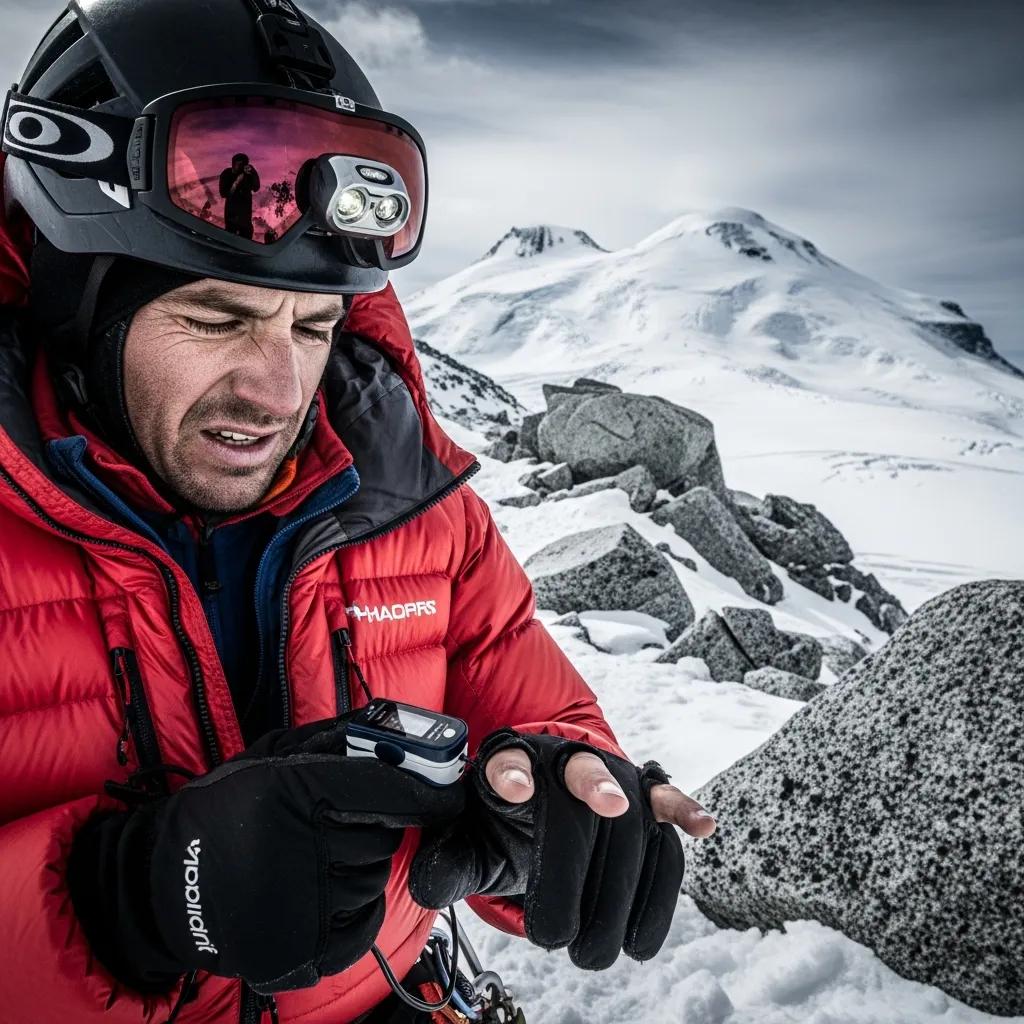
Altitude sickness poses a significant risk for climbers on Mount Elbrus. Understanding its symptoms and how gear can help mitigate these risks is essential:
- Symptoms of Altitude Sickness: Common symptoms include headaches, nausea, and dizziness, which can occur at elevations above 8,000 feet.
- Hydration and Pacing Strategies: Staying hydrated and ascending gradually can help prevent altitude sickness.
- Gear for Monitoring Health: Consider using pulse oximeters to monitor oxygen levels and detect early signs of altitude sickness.
By being aware of these risks and utilizing appropriate gear, climbers can better prepare for their ascent.
How to Plan Your Mount Elbrus Expedition with Gear and Acclimatization in Mind?
Planning a Mount Elbrus expedition requires careful consideration of gear and acclimatization strategies. Key steps include:
- Gear Selection Strategies: Choose gear that is suitable for the expected conditions and personal comfort.
- Acclimatization Techniques: Incorporate rest days into the itinerary to allow the body to adjust to higher altitudes.
- Detailed Itinerary Planning: Create a day-by-day plan that includes gear checks and acclimatization activities.
Effective planning can enhance the likelihood of a successful summit.
What Are the Recommended Acclimatization Schedules and Gear Adjustments?
Acclimatization is critical for a successful climb on Mount Elbrus. Recommended schedules and gear adjustments include:
- Importance of Rest Days: Schedule at least one rest day for every 1,000 feet gained in elevation.
- Monitoring Symptoms: Be vigilant for signs of altitude sickness and adjust plans accordingly.
- Gear Adjustments for Altitude: As altitude increases, ensure that clothing layers are adjusted to maintain warmth without overheating.
Following these recommendations can help climbers acclimatize effectively.
How to Integrate Permits, Guides, and Safety Gear into Your Trip Plan?
Integrating permits, guides, and safety gear into the trip plan is essential for a successful Mount Elbrus expedition. Key considerations include:
- Confirm Permit Requirements: Ensure all necessary permits are obtained well in advance of the climb.
- Consider Hiring a Guide: Experienced guides can enhance safety and provide valuable insights into the climb.
- Logistics and Itinerary Planning: Coordinate logistics for gear transport and accommodation to streamline the expedition.
By addressing these elements, climbers can ensure a well-organized and safe trip.
Which Brands and Products Are Recommended for Mount Elbrus Climbing Gear?
Selecting the right brands and products can significantly impact the climbing experience. Recommended brands for Mount Elbrus climbing gear include:
- Clothing: Patagonia and The North Face offer high-quality, durable options for all layers.
- Footwear: Scarpa and La Sportiva are known for their reliable insulated boots.
- Technical Gear: Black Diamond and Petzl provide top-notch climbing tools and safety equipment.
Choosing reputable brands ensures that climbers have reliable gear for their ascent.
What Are the Top-Rated Insulated Boots, Clothing, and Technical Equipment?
When preparing for a climb, it’s essential to choose top-rated gear. Here are some highly recommended options:
- Insulated Boots: The La Sportiva Spantik and Scarpa Phantom 8000 are both excellent choices for extreme conditions.
- Clothing: The Patagonia Frozen Range Jacket and Arc’teryx Atom LT Hoody are praised for their warmth and breathability.
- Technical Equipment: Black Diamond’s Raven Pro Ice Axe and Petzl’s Corax Harness are highly rated for their performance and safety features.
Selecting these top-rated products can enhance climbers’ safety and comfort on Mount Elbrus.
How to Evaluate Gear Based on Safety Ratings and User Reviews?
Evaluating gear based on safety ratings and user reviews is crucial for making informed decisions. Here are some tips:
- Understand Safety Ratings: Familiarize yourself with industry safety standards and certifications for climbing gear.
- Importance of User Reviews: Read reviews from other climbers to gauge the performance and reliability of gear.
- Compare Gear Features: Look for features that enhance safety, such as reinforced stitching and durable materials.
By taking these factors into account, climbers can select gear that meets their safety needs.
Historical evaluations of mountaineering equipment further underscore the importance of rigorous testing in extreme conditions.
High-Altitude Mountaineering Gear Evaluation
Pursuant to a request from US Army Natick Laboratories, the Arctic Institute of North America carried out testing and evaluation of certain commercially available mountaineering equipment, considered by the project investigator to be the best available on the commercial market today. This equipment was tested under varying climatic conditions and extremes in the St. Elias Mountains of the southwestern Yukon Territory, Canada. Tests were carried out in the low altitude forested region near Kluane Lake, in the medium altitude alpine environment of the central St. Elias Mountains, and in the severe high altitude polar environment of Canadas highest mountain, Mt. Logan.
Mountaineering Equipment Evaluation, 1972
How to Maintain and Update Your Mount Elbrus Gear for Future Expeditions?
Proper maintenance and updates to climbing gear are essential for longevity and safety. Key practices include:
- Regular Gear Checks: Inspect gear for wear and tear before each expedition to ensure it is in good condition.
- Update Based on Conditions: Replace gear that no longer meets safety standards or is outdated.
- Store Gear Properly: Keep gear clean and stored in a dry, cool place to prevent damage.
By following these maintenance practices, climbers can ensure their gear remains reliable for future expeditions.
What Are the Best Practices for Cleaning and Storing Climbing Equipment?
Cleaning and storing climbing equipment properly can extend its lifespan. Here are some best practices:
- Cleaning Techniques: Use mild soap and water to clean gear, avoiding harsh chemicals that can damage materials.
- Proper Storage Methods: Store gear in a dry, ventilated area to prevent mold and mildew.
- Maintenance Tips: Regularly check for damage and perform necessary repairs to keep gear in optimal condition.
Implementing these practices can help climbers maintain their equipment effectively.
How to Stay Informed About New Gear Technologies and Safety Protocols?
Staying informed about new gear technologies and safety protocols is vital for climbers. Here are some strategies:
- Subscribe to Newsletters: Follow outdoor gear companies and climbing organizations for updates on new products and safety standards.
- Follow Social Media: Engage with climbing communities on social media platforms to share experiences and learn about new gear.
- Engage with Outdoor Communities: Participate in forums and local climbing groups to exchange knowledge and stay updated on best practices.
By actively seeking information, climbers can enhance their knowledge and preparedness for future climbs.
To ensure a safe and successful climb, it’s essential to plan your expedition with the right gear and safety measures in mind. This includes understanding the mountain’s challenges and being prepared for any situation that may arise.
Mount Elbrus Guide Hub
Continue planning your Mount Elbrus climb with our complete guide system covering routes, permits and fees, gear, and training.
Elbrus: Gear & the Full Guide
Gear is one piece of an Elbrus climb. See the full guide, the routes and the progression below.
Was this helpful?
🏔Related gear guides
🧭Explore & compare
Global Summit Guide is an independent mountaineering resource founded in 2026. The team combines first-hand trekking and climbing experience with in-depth research and professional health and nutrition review to help climbers choose objectives, prepare properly, and stay safe.
Health, altitude, and nutrition content is reviewed by Taylor Ludlow (Registered Nurse) and Brigg Hoopes (Nutritionist).
What We Don't Know Yet
Mountain information changes quickly. This box explains the limits of what this page can responsibly promise.
- Weather, snowpack, avalanche risk, road access, and route conditions can change quickly and may be different on your climbing dates.
- Gear requirements can change by season, route variation, weather window, personal cold tolerance, and guide-service requirements.
- Fitness and altitude response vary by person; no guide, itinerary, or training plan can guarantee acclimatization or summit success.
Verify current conditions with official land managers, guide services, local forecasts, and current route reports before booking or climbing.
Mountaineering, rock and ice climbing, glacier travel, and high-altitude activity are inherently dangerous and can result in serious injury or death. The information on Global Summit Guide is provided for general informational and educational purposes only and is not a substitute for professional instruction, qualified guiding, proper equipment, or your own judgment and experience.
Route conditions, weather, snowpack, permits, regulations, and hazards change constantly and may differ from what is described here. Details may be incomplete, out of date, or contain errors. Always verify current information with local authorities, certified guides, and official sources before making any decision in the mountains.
Nothing on this site is medical, legal, or financial advice. Our fitness, acclimatization, altitude, and nutrition content is general in nature; consult a qualified physician before beginning any strenuous exercise program or exposing yourself to high altitude.
You are solely responsible for your own safety and decisions. To the fullest extent permitted by law, Global Summit Guide and its team accept no liability for any loss, injury, damage, or expense arising from use of, or reliance on, this information. By using this site you acknowledge these risks and accept these terms.
Some links on this site may be affiliate links. If you buy through them we may earn a small commission at no extra cost to you; this never affects our recommendations.
Global Summit Guide recommendation path
Next Best Mountain to Research
Use these recommendations to continue the right planning path instead of stopping on one page.
Use current permit, weather, route, and operator information before booking or climbing.