
Last updated June 27, 2026
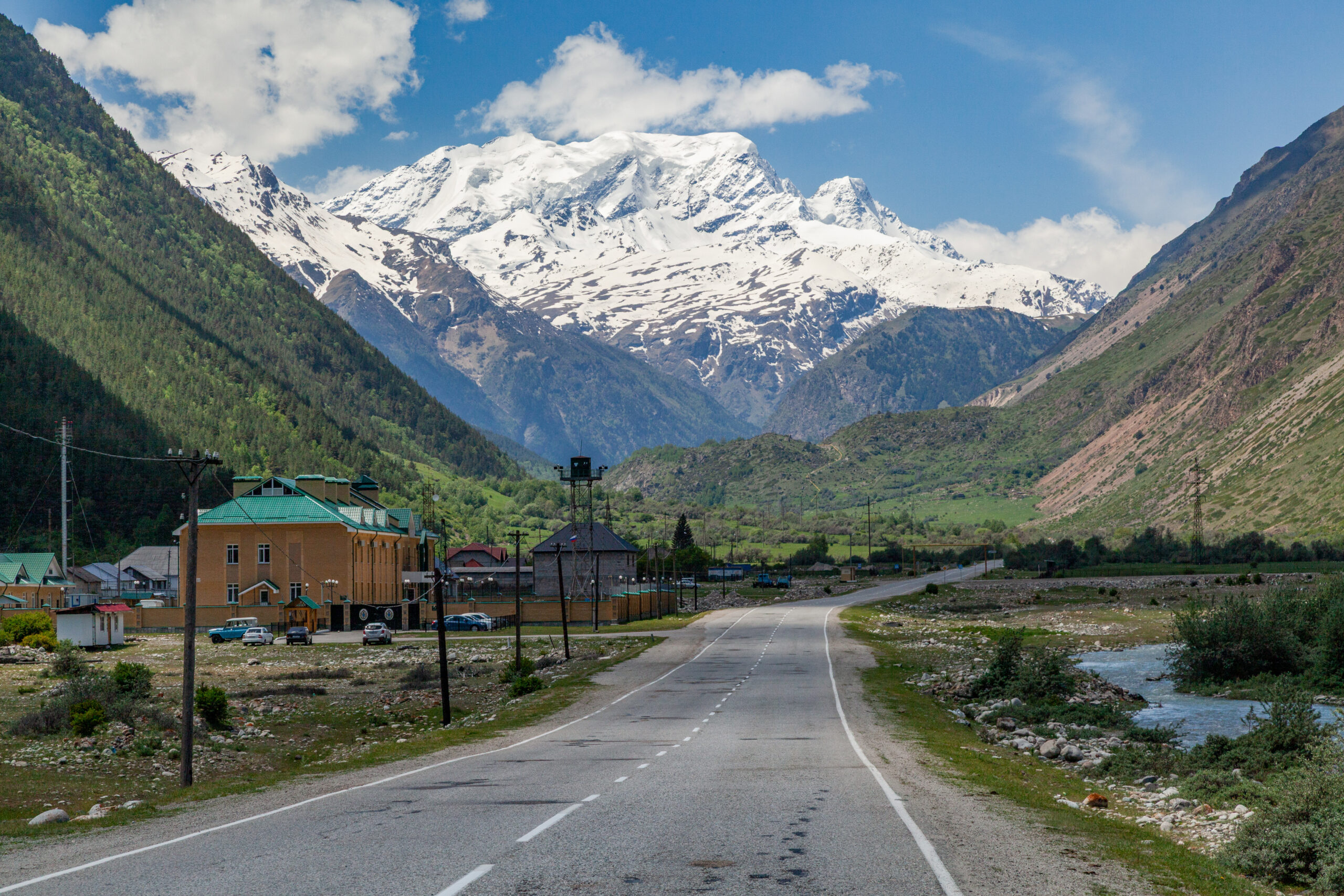
Best Mount Elbrus Operators 2026: 10 Companies Compared
Mount Elbrus (5,642 m) is Europe’s highest peak and one of the Seven Summits — the most commercially-trafficked Seven Summit by climber numbers, with cable-car access, a refuge system, and moderate technical demands. But the 2026 operator landscape is structurally complicated by the ongoing Ukraine war and Russia sanctions, which affect Western access, payment routing, flights, and insurance. The climb hasn’t changed; the access has.
Russia access for Western climbers in 2026 remains structurally complicated by the ongoing Ukraine war. Several practical factors affect feasibility: Russian visa availability and processing times for Western citizens; sanctions impacts on payment processing for Russian-based operators; markedly reduced flight access to Mineralnye Vody (the Caucasus gateway, now typically via Istanbul or Dubai); travel-insurance Russia exclusions; and consular-protection limitations.

Many Western Seven Summits operators (Adventure Consultants, Alpine Ascents, RMI, Mountain Madness) paused Elbrus after 2022, and some have resumed selectively. Verify current access status, visa availability, payment routing, and insurance coverage — and review your government’s travel advisory — before committing to any 2026 booking.
All ten operators were evaluated against our eight-criteria framework: guide certification, operating model, safety record, peak portfolio, pricing transparency, cancellation terms, client fit, and verifiable program details. Pricing is 2026-estimated and verified against operator materials. Because access status and operator availability change frequently in the current geopolitical context, this page treats 2026 access as the decisive variable and flags every Western operator as “verify directly.” Independent editorial; operator links are informational, not paid. Next review: September 2026.
Which Elbrus Operator Should You Choose?
The climb is the easy part; the 2026 access logistics are the real crux. The field splits in two. Russian and Caucasus-based operators (Pilgrim Tours, Top Caucasus Travel, Elbrus Tours, ~$1,200-$2,500) are still operating at much lower pricing — you book direct and navigate visa, payment-routing, and insurance yourself. Western Seven Summits operators (Adventure Consultants, Alpine Ascents, IMG, CTSS, ~$3,500-$5,500) add Western coordination and consumer protection but several paused after 2022 and offer Elbrus only selectively — verify availability directly. Elbrus is still the most accessible Seven Summit technically (~70-85% success, mortality ~1:170), but it’s no longer the cheap one: realistic all-in budgets now run ~$3,500-$8,500.
📑 Contents
Why Elbrus? Europe’s Highest and a Seven Summits Anchor
Elbrus is recognised as Europe’s highest peak and one of the Seven Summits on both the Bass list (Kosciuszko for Australia) and the Messner list (Carstensz for Australasia). For Seven Summits climbers, it is essentially mandatory — the structural anchor for European Seven Summits credentialing — which is why climbers keep solving the 2026 access puzzle to reach it.
- The most accessible Seven Summit technically. The south-side standard route uses a cable car to Garabashi (3,800 m) and refuges (LeapRus, Bochki, Diesel Hut) — moderate snow with crampons and ice axe, no significant technical sections.
- The most commercially-trafficked Seven Summit by numbers — roughly 15,000 climbers a year in normal conditions.
- Lower structural mortality (~1:170) than Aconcagua (~1:90) or Denali (~1:70); risks are dominated by altitude illness and weather windows, not technical hazard.
- The classic first or second Seven Summit (alongside Kilimanjaro) — it adds basic snow travel to hiking-pace altitude before Aconcagua and Denali.
- No longer the budget Seven Summit — pre-2022 it was an $800-$1,500 mountain; post-2022 logistics push all-in budgets to ~$3,500-$8,500.
Elbrus Operators Comparison Matrix
All ten 2026 commercial operators. Pricing is 2026-estimated — verify directly. Western-operator availability is subject to current access conditions; Russian and Caucasus-direct operators are still operating but require you to navigate visa, payment, and insurance logistics yourself.
| Operator | Base | Type | Price | 2026 Status |
|---|---|---|---|---|
| Adventure Consultants | New Zealand | Western Seven Summits | $4,500-5,500 | Verify directly |
| Alpine Ascents Intl. | Seattle, US | Western Seven Summits | $4,200-5,200 | Verify directly |
| Mountain Madness | Seattle, US | Western Seven Summits | $3,800-4,800 | Verify directly |
| Pilgrim Tours | Moscow, RU | Russian specialist | $1,500-2,500 | Operating |
| Top Caucasus Travel | Caucasus, RU | Caucasus-direct local | $1,200-2,200 | Operating |
| IMG | USA | Western Seven Summits | $4,200-5,200 | Verify directly |
| Climbing Seven Summits | USA | Western Seven Summits | $3,800-4,800 | Verify directly |
| Elbrus Tours | Caucasus, RU | Caucasus-direct local | $1,200-2,000 | Operating |
| RMI Expeditions | USA | Western Seven Summits | $3,500-4,800 | Verify directly |
| Jagged Globe | UK | UK Seven Summits | £3,000-4,200 | Verify directly |
Pilgrim Tours, Top Caucasus Travel, and Elbrus Tours are Russian/Caucasus-direct operators booked directly (no Global Summit Guide profile) — verify visa, sanctions-impacted payment routing, and insurance before committing.
- The climb hasn’t changed; the access has. Elbrus is still the most accessible Seven Summit (cable-car access, ~70-85% success, mortality ~1:170) — 2026 Russia logistics are the real crux.
- The field is split in two. Russian/Caucasus operators ($1,200-$2,500) still operate; Western operators ($3,500-$5,500) offer it selectively, many paused since 2022.
- Access reality matters more than operator choice — visa availability, sanctions-impacted payment routing, reduced flights, insurance exclusions, and consular limits all need checking.
- South side is standard (cable car to Garabashi 3,800 m, refuges); the north side is remote, longer, and far less trafficked.
- No longer the cheap Seven Summit — pre-2022 it was $800-$1,500; post-2022 all-in budgets run ~$3,500-$8,500.
The 7 Award Operators in Depth
Seven award positions across the two halves of the field — Western Seven Summits operators (verify 2026 availability) and Russian/Caucasus-direct specialists (operating, booked directly). Three further operators appear in the matrix above.
Western Seven Summits operators — verify 2026 Elbrus availability directly
Adventure Consultants
Wanaka, New Zealand · International Seven Summits · Resumed selectively
- Comprehensive Seven Summits portfolio for operator continuity
- Strong English-language engagement and pre-trip support
- Familiar New Zealand-based commercial structure
- Resumed Elbrus selectively when access permits
- Paused Elbrus after the 2022 Ukraine war — confirm current availability
- Western premium over Caucasus-direct operators
- Still routes through the same complicated Russia logistics
Best fit: Climbers building Seven Summits progression with Western operator continuity.
Read the full Adventure Consultants profile →Alpine Ascents International
Seattle, USA · American Seven Summits · Historically comprehensive Elbrus
- Deep institutional Seven Summits history
- Continuity from Elbrus through Aconcagua, Denali and Vinson
- US-hour customer service and American booking infrastructure
- Strong pre-trip preparation for progression climbers
- Confirm current 2026 Elbrus status directly
- Western premium pricing
- Same underlying Russia access logistics apply
Best fit: Climbers building the Seven Summits with one American operator.
Read the full Alpine Ascents International profile →Mountain Madness
Seattle, USA · Heritage Seven Summits · Resumed selectively
- Comprehensive Seven Summits portfolio and historical Elbrus operations
- Established infrastructure and strong English-language engagement
- Heritage American brand with deep guiding history
- Paused Elbrus after 2022 sanctions developments — verify availability
- Western premium over local operators
- Russia logistics unchanged by operator choice
Best fit: Climbers seeking American Seven Summits continuity through a heritage brand.
Read the full Mountain Madness profile →International Mountain Guides (IMG)
Ashford, WA, USA · Seven Summits + 8,000m · Resumed selectively
- One of the longest-tenured American expedition operators
- Integrated Seven Summits + 8,000m progression
- Refined infrastructure across expeditions
- Resumed Elbrus selectively after 2022
- Verify current 2026 availability directly
- Western premium pricing
- Same Russia access complications
Best fit: Climbers prioritizing institutional history and integrated Seven Summits + 8,000m progression.
Read the full International Mountain Guides (IMG) profile →Climbing the Seven Summits (CTSS)
USA · Worldwide Seven Summits focus · Availability subject to access
- Worldwide portfolio centred on the Seven Summits peaks
- Strong operator continuity across Elbrus, Kili, Aconcagua, Denali
- Built for multi-year Seven Summits progression
- 2026 Elbrus availability subject to access conditions — verify
- Western premium pricing
- Russia logistics apply as for all Western operators
Best fit: Climbers building a multi-year Seven Summits progression with operator continuity.
Read the full Climbing the Seven Summits (CTSS) profile →
Russian & Caucasus-direct operators — operating; booked directly
Pilgrim Tours
Moscow, Russia · Russian specialist · Operating
- Established Russian operator with deep Caucasus operational expertise
- Caucasus-direct operations at far lower pricing than Western alternatives
- Currently operating Elbrus programs
- You navigate visa and payment logistics yourself
- Sanctions affect payment routing and refundability
- No Western consumer-protection framework
Best fit: Climbers comfortable booking directly through a Russian operator and navigating the logistics.
Books direct (no Global Summit Guide profile) — verify sanctions impact on payment routing during booking.
Top Caucasus Travel
Caucasus region, Russia · Caucasus-direct local · Operating
- Directly operated Russian and Caucasus guide networks
- Local relationships and maximum value
- Established Elbrus operations through direct local infrastructure
- Sanctions and visa logistics require careful pre-booking verification
- No Western consumer protection or coordination
- Direct-booking language and process less standardized
Best fit: Climbers prioritizing local relationships and maximum value, comfortable with the logistics.
Books direct (no Global Summit Guide profile) — sanctions and visa logistics require careful pre-booking verification.
Three further operators appear in the matrix above: Elbrus Tours (Caucasus-direct local, operating, $1,200-$2,000, booked directly), RMI Expeditions (American Seven Summits, verify availability), and Jagged Globe (UK Seven Summits, verify availability).
2026 Access Reality: Western Climbers & Russia
The 2026 Elbrus access landscape is structurally different from the pre-2022 commercial environment. Understand the practical implications before committing — on this peak, access is the decisive variable.
Visa availability and processing
Russian visa availability for citizens of Western countries (US, UK, EU, Canada, Australia) has been markedly complicated since 2022 — longer processing times, changed requirements, and elevated scrutiny for some nationalities. Begin applications well in advance, beyond the standard 30-60 day timelines that prevailed pre-2022.
Sanctions and payment processing
Sanctions on Russian banking affect payment processing for Russian-based operators. Wire transfers may be blocked or delayed, and Western-card processing through Russian infrastructure is largely unavailable. Verify payment routing — some operators have established third-country routing, others have not — which also affects refundability if an expedition is cancelled.
Flight access and travel logistics
Direct connections from Western Europe to Russia have been sharply reduced since 2022. Flights to Mineralnye Vody (the Caucasus gateway airport) typically require connections through Istanbul, Dubai, or other hubs, so travel time has increased meaningfully — what was a single-connection journey is now often two or three.
Travel insurance coverage
Most Western travel-insurance policies have added Russia exclusions or limitations since 2022 — some exclude Russia entirely, others exclude war- or terrorism-related claims or evacuation from sanctioned regions. Review policy terms carefully; standard expedition climbing insurance may not provide coverage in Russia in 2026, and specialty providers may offer Russia-specific coverage at higher premiums. See our mountaineering insurance guide for context.
Consular protection limitations
Some Western governments have issued advisories cautioning against travel to Russia, and reduced diplomatic relations mean consular-protection capabilities are limited compared to pre-2022. Review your government’s current Russia travel advisory before committing.
Western operator availability
Many Western Seven Summits operators paused Elbrus in 2022 and have resumed selectively or remained paused — the pattern is operator-specific:
- Some have resumed with enhanced pre-trip risk briefings and revised cancellation terms.
- Some offer Elbrus only as private bookings (not scheduled departures) due to reduced demand.
- Some remain paused, citing client-safety concerns or business viability under sanctions.
Verify current 2026 program availability directly with any Western operator before assuming pre-2022 service.
Elbrus South Side vs North Side
The standard route: south side via cable car
The south-side standard route is the most commercially-trafficked Seven Summits route by climber numbers. Cable-car access to Garabashi at 3,800 m eliminates the long approach hike, and refuges (LeapRus, Bochki, Diesel Hut) provide established infrastructure with food service and dormitory sleeping. The summit route involves moderate snow climbing with crampons and ice axe — no significant technical sections — but the 5,642 m altitude requires demonstrated tolerance.
The remote alternative: north side
The north side is dramatically less trafficked — a longer 2-3 day approach with tent camping, no cable-car infrastructure, a more technically demanding climb, and a far more remote feel. For climbers seeking a wilderness Elbrus experience rather than the cable-car-and-refuge structure, it offers distinct character; operators typically run smaller groups at modestly higher pricing reflecting the harder logistics.
Most Seven Summits aspirants and first-time mountaineers select the south side — its accessibility matches the typical progression. Climbers seeking a more demanding or remote experience should consider the north side but expect harder logistics and lower commercial availability.
2026 Elbrus Cost Breakdown
Russian & Caucasus-based operators ($1,200-$2,500 program)
Local operator programs cover guiding, refuge accommodations, all meals during the expedition, in-region transfers, and pre/post-climb hotels. Add international flights to Mineralnye Vody (~$1,500-$2,500 from Western departure points via connections), Russian visa fees ($200-$400 plus processing), travel insurance with Russia coverage (~$300-$800), personal gear, and staff gratuities. Total all-in: ~$3,500-$6,500, factoring in increased post-2022 logistics.
Western Seven Summits operator programs ($3,500-$5,500 program)
Western programs add Western guide leadership, integrated Western-departure travel coordination, and Western consumer-protection frameworks to the same on-mountain infrastructure. Total all-in: ~$5,500-$8,500, reflecting the Western premium plus increased logistics.
Pre-2022, Elbrus was widely the cheapest Seven Summit — Russian-direct programs ran $800-$1,500. Post-2022 access complications have raised total budgets through visa fees, increased logistics, specialty insurance premiums, and operator overhead reflecting reduced volume. Elbrus remains less expensive than Aconcagua, Denali, or Vinson, but the pre-2022 “budget Seven Summit” framing is no longer accurate. See what the Seven Summits actually cost.
Who Should Climb Elbrus in 2026?
- Seven Summits aspirants comfortable with Russia logistics — Elbrus remains the most accessible Seven Summit by technical demand and pricing, with progression value toward Aconcagua, Denali and Vinson.
- Climbers prioritizing accessible 5,000 m+ altitude exposure — the cable car and refuges let you focus on altitude adaptation rather than approach logistics.
- Climbers with limited international-travel-logistics tolerance — 2026 Russia logistics require considerable preparation and tolerance for disruption; Aconcagua, Denali, or Kilimanjaro may be structurally more accessible this year.
- Climbers without 4,000 m+ altitude experience — the 5,642 m summit requires demonstrated tolerance; consider Kilimanjaro or progressive 4,000 m peaks first. Some Western operators require altitude documentation.
How to Choose Your Operator
- Step 1 — confirm access is feasible for you: visa availability for your nationality, payment routing that works, insurance that actually covers Russia in 2026, and your government’s travel advisory.
- Best Western continuity (verify availability): Adventure Consultants, Alpine Ascents, IMG, or CTSS.
- Best Caucasus-direct value (operating): Pilgrim Tours, Top Caucasus Travel, or Elbrus Tours — booked directly, with you managing the logistics.
- UK booking base: Jagged Globe; American infrastructure: RMI (both verify availability).
- Read how to choose an operator, the Elbrus progression plan, and how acclimatization works before booking.
Methodology + Editorial Standards
How This Comparison Was Built
Sources
Operators’ published 2026 programs and pricing, the guide-certification context, and current geopolitical, sanctions, visa, flight, and travel-advisory reporting. Because access is the decisive 2026 variable, we weighted access status and operator availability alongside the standard eight criteria.
Independence
Independent editorial. Global Summit Guide has not climbed Elbrus and is not sponsored by any operator listed; operator links are informational, not paid. The Expedia link covers travel logistics only and does not book Russia-based climb operators.
Honesty on a Moving Target
2026 pricing is estimated and varies by season and configuration. Access status, sanctions, visa rules, flight routings, and operator availability change frequently — every figure and availability note should be verified directly before booking. Reviewed quarterly; next review September 2026.
Frequently Asked Questions
Can Western climbers still climb Elbrus in 2026?
Yes, but it’s complicated by the Ukraine war and sanctions: Russian visa availability and processing, sanctions impacts on payment routing, reduced flights to Mineralnye Vody (via Istanbul or Dubai), travel-insurance Russia exclusions, and consular limits. Many Western operators paused after 2022 and some resumed selectively. Verify access, payment routing, and insurance, and review your government’s travel advisory, before booking.
How much does it cost to climb Elbrus in 2026?
Russian/Caucasus operators charge ~$1,200-$2,500 for the program (all-in ~$3,500-$6,500); Western operators charge ~$3,500-$5,500 (all-in ~$5,500-$8,500). Pre-2022 it was the cheapest Seven Summit at $800-$1,500, but post-2022 visa fees, logistics, specialty insurance, and reduced volume have raised total budgets.
How hard and how dangerous is Mount Elbrus?
It’s the most accessible Seven Summit by technical demand – the south-side route uses a cable car to 3,800 m, then moderate snow climbing with crampons and ice axe and no significant technical sections. Success rates run ~70-85% in stable summer conditions and structural mortality is ~1:170, lower than Aconcagua or Denali. The main risks are altitude illness and weather windows.
Which is the best Elbrus operator in 2026?
It depends on your access tolerance. For Western continuity: Adventure Consultants, Alpine Ascents, IMG, or CTSS (verify availability). For Caucasus-direct value: Pilgrim Tours, Top Caucasus Travel, or Elbrus Tours (operating, booked directly, with you handling the logistics).
Should I climb the south side or north side?
The south side is standard – cable-car access, refuges, most trafficked. The north side is remote: a 2-3 day approach, tent camping, no cable car, a harder climb, and lower commercial availability. Most first-time and Seven Summits climbers choose the south side.
Do you need experience to climb Elbrus?
You need demonstrated altitude tolerance for the 5,642 m summit – ideally prior 4,000 m+ experience, and some Western operators require altitude documentation. The south-side route is technically moderate, so altitude adaptation and fitness are the main prerequisites. Without 4,000 m+ experience, consider Kilimanjaro or progressive 4,000 m peaks first.
When is the Elbrus climbing season?
May through September, with summer offering the most stable weather. Commercial success rates of 70-85% reflect those stable windows; weather-window pressure is one of the main drivers of turnarounds.
Should I book a Russian operator directly or use a Western operator?
Russian/Caucasus-direct operators are much cheaper, but you handle visa, payment routing, and insurance yourself, and sanctions can affect payments and refundability. Western operators add coordination and consumer protection on the same on-mountain infrastructure, at higher prices – when they’re running Elbrus at all. Either way, verify payment routing and that your insurance covers Russia in 2026.
About the Author
Continue Your Elbrus & Seven Summits Research
Ready to Solve the Elbrus Access Puzzle?
Elbrus is the same mountain it always was — a long, cold snow slope that rewards fitness and weather judgment. What changed after 2022 isn’t the climbing; it’s everything around it. Decide whether the 2026 access logistics are feasible for you first, then choose Western continuity or Caucasus-direct value — and verify visa, payment routing, insurance, and your travel advisory before you book.
The Elbrus Progression Plan →Compare Your First Big Mountain →Was this helpful?
🧭Explore & compare
Global Summit Guide is an independent mountaineering resource founded in 2026. The team combines first-hand trekking and climbing experience with in-depth research and professional health and nutrition review to help climbers choose objectives, prepare properly, and stay safe.
Health, altitude, and nutrition content is reviewed by Taylor Ludlow (Registered Nurse) and Brigg Hoopes (Nutritionist).
What We Don't Know Yet
Mountain information changes quickly. This box explains the limits of what this page can responsibly promise.
- Permit availability, reservation windows, quotas, and official fee rules may change after this page is updated.
- Guide-company prices, departure dates, guide ratios, included services, and cancellation rules can change without notice.
- Weather, snowpack, avalanche risk, road access, and route conditions can change quickly and may be different on your climbing dates.
- Fitness and altitude response vary by person; no guide, itinerary, or training plan can guarantee acclimatization or summit success.
- Comparisons simplify complex decisions; the better mountain depends on current conditions, skills, timing, budget, and risk tolerance.
Verify current conditions with official land managers, guide services, local forecasts, and current route reports before booking or climbing.
Mountaineering, rock and ice climbing, glacier travel, and high-altitude activity are inherently dangerous and can result in serious injury or death. The information on Global Summit Guide is provided for general informational and educational purposes only and is not a substitute for professional instruction, qualified guiding, proper equipment, or your own judgment and experience.
Route conditions, weather, snowpack, permits, regulations, and hazards change constantly and may differ from what is described here. Details may be incomplete, out of date, or contain errors. Always verify current information with local authorities, certified guides, and official sources before making any decision in the mountains.
Nothing on this site is medical, legal, or financial advice. Our fitness, acclimatization, altitude, and nutrition content is general in nature; consult a qualified physician before beginning any strenuous exercise program or exposing yourself to high altitude.
You are solely responsible for your own safety and decisions. To the fullest extent permitted by law, Global Summit Guide and its team accept no liability for any loss, injury, damage, or expense arising from use of, or reliance on, this information. By using this site you acknowledge these risks and accept these terms.
Some links on this site may be affiliate links. If you buy through them we may earn a small commission at no extra cost to you; this never affects our recommendations.
Global Summit Guide recommendation path
Next Best Mountain to Research
Use these recommendations to continue the right planning path instead of stopping on one page.
Use current permit, weather, route, and operator information before booking or climbing.
Search Flights, Hotels & Rental Cars
Have the mountain or destination picked? Use Expedia to compare the flights, lodging and rental cars that fit your actual trip dates. For mountain travel, consider arriving early enough for delays and adding a buffer night after the climb before a fixed flight home.
Compare current flight, hotel and car options.
Affiliate disclosure: Global Summit Guide may earn a commission if you book through this link, at no additional cost to you.