
Last updated September 26, 2026
Denali Climbing Guide: West Buttress, Cost, Difficulty & Preparation
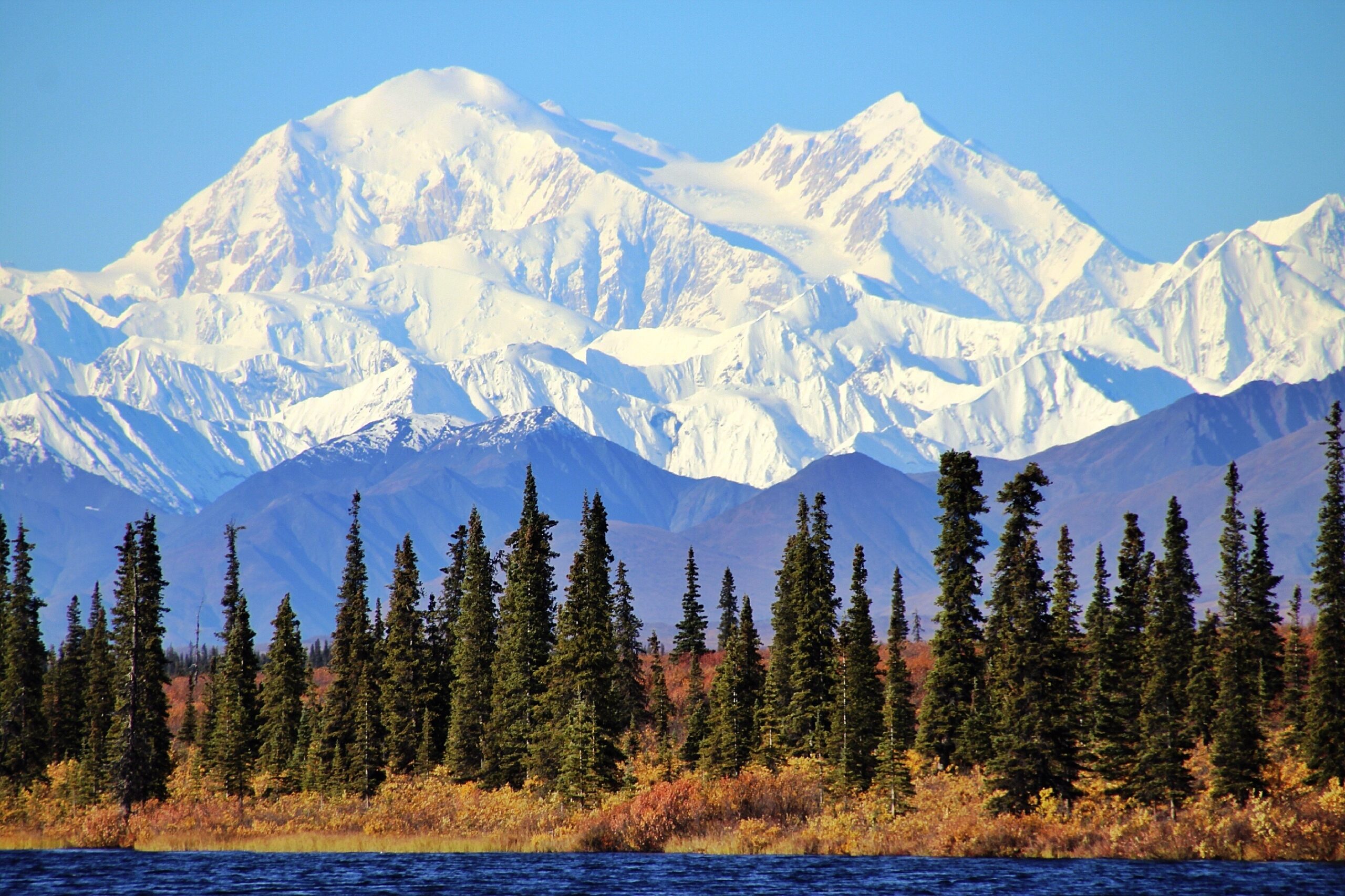
Denali is a multi-week, self-supported glacier expedition—not a long hike with crampons. The West Buttress is the least technical commonly climbed route, but it still combines crevasses, fixed lines, severe cold, 20,310-foot altitude, heavy pack-and-sled hauling and long weather delays. Most climbers should choose the West Buttress, then build enough glacier, winter-camp and expedition experience to use its established infrastructure without depending on it.
The West Buttress Is the Right Denali Route for Most Climbers.
It is the route with the clearest expedition structure: ski-plane access to the Kahiltna Glacier, a well-established camp progression, seasonal fixed lines above 14,200 feet, ranger presence around 14 Camp and a large body of current route information.
That support does not make the route easy. A West Buttress team must still move roped through crevassed glacier terrain, haul weeks of food and fuel, build and maintain storm-resistant camps, ascend fixed lines while loaded, climb exposed terrain above 16,000 feet and make conservative decisions when weather or acclimatization consumes the schedule.
A climber who needs Denali to teach glacier rescue, winter camping or heavy-load expedition systems is arriving too early. Those skills should already be working before the team flies onto the Kahiltna.
Denali or Mount McKinley?
The federal mountain name and the national park name are currently different, so climbers will encounter both names in planning material.
Mount McKinley
Current National Park Service mountaineering pages use Mount McKinley for the 20,310-foot mountain. Permit and registration instructions therefore use that name.
Denali Remains Everywhere
The surrounding park remains Denali National Park and Preserve. Denali is also widely used in Alaska, among Indigenous communities, by climbers and by many guide services. This guide uses Denali naturally and follows official wording when describing NPS paperwork.
Most Climbers Should Choose the West Buttress.
Denali has major technical lines, but they are not equal alternatives for someone simply deciding how to reach North America’s highest summit.
| Route | Character | Infrastructure | Who should consider it | Current planning note |
|---|---|---|---|---|
| West Buttress | Least technical commonly climbed route; glacier, fixed lines, exposed snow/ice, altitude and weather | Highest route traffic, seasonal fixed lines, established camps, ranger presence | Prepared first-time Denali climbers; guided or experienced independent teams | Best for most |
| West Rib | Substantially steeper and more technical snow/ice climbing | Far less route infrastructure and traffic | Experienced Alaska/alpine climbers who specifically want a harder line | Not a small step above West Buttress |
| Cassin Ridge | Sustained, committing alpine climbing | Minimal route infrastructure; self-reliance central | Elite technical partnerships with proven speed and judgment | The route itself is the objective |
| Muldrow Glacier | Historic north-side approach | Remote, low traffic, complex access | Specialist teams doing current route research | NPS says the 2021 surge left a large lower section appearing impassable |
Compare West Buttress, West Rib and Cassin Ridge in detail →
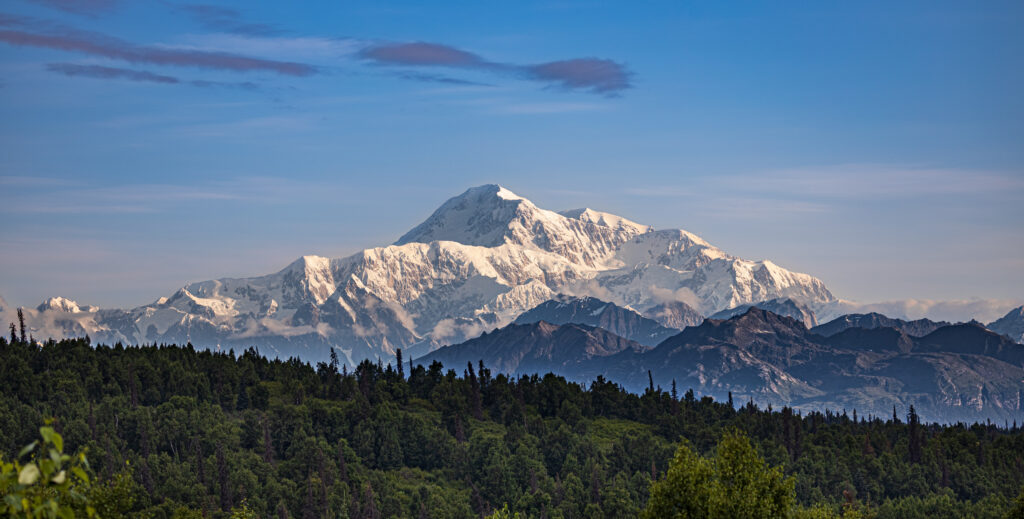
“Least Technical” Still Means a Three-Week Alaska Expedition.
The West Buttress removes sustained rock and mixed climbing from the standard Denali problem. It does not remove crevasses, 100-plus-pound combined loads, fixed-line movement, high-altitude exposure, severe cold, wind or the need to survive weather without a hut or porter network.
The West Buttress Camp System
Exact camp locations vary with glacier conditions and team strategy. The elevations below follow the NPS route overview and standard West Buttress progression.

Carry, Cache, Recover, Repeat.
The lower route is built around moving a large expedition load in stages rather than carrying everything directly uphill. Teams commonly move a load forward, cache supplies, return or sleep lower, then retrieve the cache after moving camp.
That rhythm slows vertical progress but serves two purposes: it distributes food and equipment and creates a more gradual acclimatization profile. By 14 Camp, the expedition shifts from lower-glacier hauling toward acclimatization, fixed-line work and the move to High Camp.
The mountain is not finished at the summit. Every cache, the fixed-line section, exposed upper terrain and the crevassed Kahiltna still lie between the summit and the ski-plane.
| Stage | Approx. elevation | What changes here | Main planning issue |
|---|---|---|---|
| Kahiltna Base Camp | 7,200 ft | Ski-plane arrival, rope/sled setup | Weather can delay both arrival and departure flights. |
| Camp I | 7,800 ft | Lower Kahiltna hauling begins | Crevasse travel and efficient sled systems. |
| Camp II | 9,600 ft | Upper lower-glacier movement | Heat management can matter even on a cold mountain when the glacier is sunny. |
| Camp III / 11 Camp | 11,200 ft | Steeper terrain ahead | Motorcycle Hill, Squirrel Hill and Windy Corner move closer. |
| Camp IV / 14 Camp | 14,200 ft | Main acclimatization platform; ranger camp | Rest, medical judgment, weather patience and preparation for fixed lines. |
| Headwall / ridge | ~15,500–17,200 ft | Fixed lines then exposed ridge | Ascender efficiency, gloves, load management and spacing. |
| High Camp | 17,200 ft | Summit waiting and recovery | Cold, altitude, appetite, fuel and a shrinking weather window. |
| Denali Pass | 18,200 ft | Upper summit route | NPS installs running-protection pickets; falls here have caused serious incidents. |
| South Summit | 20,310 ft | Highest point in North America | Turn around with enough time, warmth and strength for the full descent. |
Why Denali Is Hard Even on the West Buttress
No single crux explains the route. Difficulty accumulates from repeated physical work, cold, altitude, technical systems and decisions made over weeks.
Pack + Sled Hauling
Food, fuel and group equipment move with the team. A guide can organize the system, but clients still carry and drag real expedition loads.
Crevasse Exposure
The lower Kahiltna requires disciplined rope travel. Snow bridges change through the season, and a tired team must still manage spacing and rescue systems correctly.
Headwall Efficiency
NPS and guides maintain fixed lines in season, but every climber must know how to ascend and descend them and how to build anchors if lines are unavailable.
Camp Is Part of the Climb
Boot drying, stove reliability, snow walls, fuel discipline and hand protection can determine whether a healthy team still functions after several storm days.
High Camp Starts at 17,200 ft
Recovery becomes slow precisely when the route asks for its longest summit day. Appetite, sleep and judgment can deteriorate before the team leaves camp.
The Schedule Is Not Yours
Wind and snowfall can stop progress for days. Teams that carry too little food/fuel or build flights around a hard deadline create pressure the mountain does not recognize.

Denali Pass Is Not a Place to Learn Running Protection.
NPS installs fixed pickets roughly every 90 feet on the traverse from 17,200-foot High Camp toward 18,200-foot Denali Pass. Teams must already understand rope spacing, clipping and passing protection, and they must be prepared to place their own anchors if fixed protection is buried or missing.
How Long Does Denali Take?
NPS says the average expedition is roughly 17–21 days round trip. Reasonable-weather teams can summit in about 15–18 days, while a 21–28-day plan gives more room for storms and acclimatization.
Ranger check-in, required orientation, gear/food sort, air-taxi weighing and weather wait.
Fly to Base Camp, rope up, haul and cache through the lower glacier.
Establish the middle camp and move toward Windy Corner with loads.
Recover, acclimatize, watch weather and prepare for the Headwall.
Climb fixed lines, cache above the Headwall and return lower if appropriate.
Move across the 17K ridge, build camp and protect recovery.
Wait for acceptable wind, temperature and team condition rather than forcing a date.
Denali Pass, upper basin, Pig Hill and the final ridge to 20,310 feet.
Reverse upper terrain, retrieve caches and stay disciplined through the lower glacier.
Return to Kahiltna Base Camp and accept that weather can delay the ski-plane.
Denali Permits & Fees: What the NPS Requires
Payment alone does not complete the climb registration. Independent climbers complete the NPS two-step process and attend an in-person orientation in Talkeetna.
| Requirement | Current 2026 rule | What to do |
|---|---|---|
| Mountaineering special-use fee | $450 per climber | Pay through Pay.gov before submitting the permit application. |
| Age 24 or younger | $350 | Eligibility is based on age at the start of the climb. |
| Park entrance | $15 unless an accepted pass covers it | Bring the physical pass or proof/receipt required by NPS. |
| Application | Signed Special Use Permit application | Email the application to the Walter Harper Talkeetna Ranger Station after fee payment. |
| Advance registration | Normally at least 60 days | Count backward from the requested expedition start, not the summit day. |
| Prior-climber exception | Seven-day request may be available | Limited to mountaineers who physically climbed Mount McKinley or Foraker since 1995; verify eligibility. |
| One added team member | At least 30 days before start | Available only when the original expedition met the normal 60-day requirement. |
| Orientation | Required in person | All expedition members check in together with government photo ID. |
When Is the Best Time to Climb Denali?
NPS planning guidance places the normal climbing season from late April through mid-July. The busiest period is generally mid-May through mid-June.
Very low temperatures and stronger winds can dominate. Lower-glacier snow bridges are generally earlier in their seasonal cycle.
Route infrastructure and traffic build quickly. The final week of May can become crowded during good weather.
Established camps and long daylight, but storms and congestion can still stall movement. This is not a guaranteed “best” period.
Upper-mountain conditions can still be good while lower-glacier bridges deteriorate and ski-plane landing conditions become more sensitive.
For a deeper month-by-month comparison, use Best Time to Climb Denali. During the active season, pair it with West Buttress Conditions and the current NWS climbing forecast.
What the 2026 Season Actually Showed
The 2026 season is useful context, but NPS explicitly warned climbers not to choose their 2027 timing based on one unusually poor May.
976 Climbers
NPS listed 976 registered Mount McKinley climbers in its July 20 preliminary season wrap.
582 · 60%
The preliminary mountain-wide summit rate was 60%. It should not be turned into a personal success probability.
28 Helicopter SARs
The season included a concentrated run of illnesses, injuries and evacuations during late May and early June.
5 West Buttress Deaths
NPS reported five climbers lost on the West Buttress, including a mountaineering ranger.
Very Poor May
Only a handful of summits occurred through May. On June 3 alone, 83 climbers reached the summit when conditions finally aligned.
July 9
The West Buttress was officially clear of climbers on July 9, ending the active 2026 route season.
Guided vs Independent on Denali
A guide is not legally required for a competent independent team. Commercial guiding, however, is restricted to NPS-authorized services.
| Decision | Guided West Buttress | Independent West Buttress |
|---|---|---|
| Best fit | Experienced climber who wants established leadership, logistics and team systems for a first Denali expedition | Team with practiced leadership, glacier rescue, winter camping, load planning and Alaska-style decision-making |
| Registration | Coordinate with the authorized guide service for current payment/application instructions | Each climber completes NPS fee payment and permit steps directly |
| Food / group gear | Usually organized within the program | Team plans food, fuel, stoves, tents, ropes, caches and redundancy |
| Workload | Clients still haul, dig, build camps and manage personal systems | All expedition work remains with the team |
| Decision burden | Lead guides manage pacing, weather and route decisions | Team leadership owns every turnaround, medical and weather call |
What Does a Denali Climb Cost?
There is no honest single all-in figure without knowing whether the team is guided, what gear is already owned, flight arrangements, delay nights and travel origin.
$12,250 · Alpine Ascents 2027
Alpine Ascents currently publishes a $12,250 Denali program for 2027 with a $1,500 deposit. Its listed inclusions include the round-trip Kahiltna Glacier flight, group camp/climbing gear, mountain meals and guide fees.
Use this as one current package example—not as a market average or a prediction of every operator’s price.
The All-In Number Is Higher
- NPS mountaineering and entrance fees
- Personal expedition clothing and technical gear
- Travel to Alaska and Talkeetna
- Pre/post expedition lodging and meals
- Insurance that actually covers the intended activity
- Gratuities where applicable
- Extra nights created by weather or early return
- Training courses and shakedown climbs
Denali Gear: Warmth, Technical Systems & Load Management
The most useful gear question is not “what is on the list?” It is whether every layer, boot, crampon, stove, harness and hauling component has been tested together before the glacier.
Boots + Hand System
Use expedition-appropriate insulated footwear, a true deep-cold parka/pant system, multiple glove levels and face protection. Test warmth while stationary, not just while hiking uphill.
Storm Camp Reliability
Expedition tent, deep-cold sleeping bag, insulated pads, robust stove setup, repair materials and fuel planning all matter during multi-day holds.
Glacier + Fixed-Line Kit
Harness, crampons, axe, ascender, carabiners, prusik/rescue components, helmet and team rope/anchor equipment must match the systems actually practiced.
Pack + Sled
The hauling harness, sled trace, pack fit and cache bags deserve training miles. A system that chafes or twists after two hours can become a major problem after two weeks.
Stoves Are Life Support
Teams melt snow for nearly all expedition water. Fuel math, stove maintenance and safe ventilation are fundamental camp skills, not convenience details.
Clean Mountain Cans
NPS issues CMCs and bags. Below 14,200 feet on the West Buttress, solid waste must be carried off the mountain; at and above 14 Camp, current rules allow removal or use of the single designated marked crevasse.
Reconcile your operator’s current equipment list with the mountaineering gear checklist, then do full-system shakedowns before departure.
What Should You Climb and Train Before Denali?
Denali combines four gaps that need separate attention: glacier competence, altitude experience, winter-camp skill and the durability to haul expedition loads for weeks.
| Capability | What “ready” should look like | How to build it |
|---|---|---|
| Glacier travel | Rope spacing, arrest, crevasse recognition and rescue can be performed without improvising the system | Multiple real glacier days plus formal instruction and repeated rescue practice |
| Winter camping | Boots, gloves, stoves, tent walls, condensation and water systems work through bad weather | Multi-night cold trips where camp operation—not summit mileage—is part of the objective |
| Altitude | You have useful personal data on appetite, sleep, pacing and recovery well above normal trekking elevations | Progressive high-altitude objectives rather than making Denali the first serious altitude experiment |
| Heavy-load endurance | You can repeat long loaded days without gait breakdown, foot problems or multi-day recovery collapse | Progressive pack carries, vertical work, back-to-back days and sled-specific practice where possible |
| Team judgment | You have turned around, waited, changed plans and managed fatigue without deadline pressure | Climb with the actual team before Denali and deliberately test communication under stress |
Train the Skill Before the Expedition
If glacier systems are still the weak link, start with How to Train for Your First Glacier Climb. Use it to organize the fitness and practice around a real hands-on course—not as a substitute for one.
Put Denali on a Real Calendar
The Expedition Training Planner can turn a target departure into Base, Build, Specificity and Taper phases, then keep the long preparation block from turning into random hard workouts.
For mountain progression, use What to Climb Before Denali and the Denali Progression Plan. For workload and fueling, use the Denali Training & Nutrition Guide.
Weather, Rescue & the Decision to Wait
Denali has unusually capable ranger support for a remote high mountain, but NPS makes clear that rescue is discretionary and cannot be treated as part of a normal expedition plan.
Use the Mountain Forecast
The National Weather Service publishes a dedicated Mount McKinley climbing forecast during the season. Pair it with Denali Dispatches and your team’s local observations; do not substitute an Anchorage or Talkeetna city forecast for upper-mountain wind and temperature.
Open NWS climbing forecast →Stabilize First, Call Second
Weather, altitude and aircraft limits can delay or prevent evacuation. Teams need the equipment and knowledge to perform immediate crevasse rescue, shelter an injured partner, manage cold exposure and descend when self-evacuation is possible.
Read NPS planning guidance →Verify These Before You Fly to Talkeetna
Permanent route facts change slowly. Fees, registration details, guide authorization, waste rules, forecasts and glacier conditions can change between seasons.
NPS Mountaineering
Registration, current fee, application steps, exceptions and orientation.
Open NPS mountaineering →NPS Expedition Planning
Route selection, West Buttress fixed lines/pickets, team planning and seasonal tradeoffs.
Open planning guidance →NPS Mountaineering FAQ
Trip length, permit details, 60-day rule, exceptions, check-in/check-out and current registration questions.
Open FAQ →NPS Guide Services
The current seven companies authorized to commercially guide the mountain.
Open guide list →NPS Clean Climbing
Current trash, fuel, CMC and solid-waste requirements for the West Buttress.
Open clean-climbing rules →2026 Season Wrap
Preliminary climber, summit, rescue and fatality totals plus NPS’s weather context for 2027 planners.
Open 2026 wrap →NWS Climbing Forecast
The current National Weather Service recreational climbing forecast URL for the mountain.
Open NWS forecast →Published Guide Price Example
Alpine Ascents’ current 2027 $12,250 Denali price and listed package inclusions.
Open price page →The Denali Guides Worth Opening Next
Use the parent guide for the overall expedition decision, then move to the page that answers the next specific question.
Denali Routes Compared
West Buttress vs West Rib vs Cassin Ridge, including current NPS route context.
Compare routes → GuidesDenali Operators
Compare the current seven authorized services, team structures and published terms.
Compare guide services → Current conditionsWest Buttress Conditions
Use during the active season for ranger updates, camps, permits and weather context.
Check conditions → DataDenali Summit Success Rate
Annual NPS results and the context behind mountain-wide success percentages.
Open success data → ProgressionWhat to Climb Before Denali
Close glacier, altitude, winter and load-hauling gaps before committing to Alaska.
Build progression → SeasonBest Time to Climb Denali
Compare early, peak and late-season tradeoffs without pretending one date guarantees better weather.
Choose a window →Denali Climbing FAQ
What is the standard route on Denali?
The West Buttress. NPS describes it as the least technical commonly climbed route, and more than 90% of climbers have used it in recent decades. It still requires glacier rescue competence, fixed-line skills, severe-cold systems, heavy load hauling and high-altitude judgment.
How long does it take to climb Denali?
NPS says the average round-trip expedition is roughly 17–21 days. A reasonable-weather team may summit in about 15–18 days, but planning 21–28 days gives more room for acclimatization and Alaska Range storm delays.
How much is the Denali climbing fee in 2026?
The 2026 mountaineering special-use fee is $450 per climber, or $350 for climbers age 24 or younger at the start of the climb. A separate $15 park entrance fee applies unless an accepted pass covers it.
What will the Denali fee be in 2027?
As of September 5, 2026, the NPS registration page still publishes the 2026 fee. NPS says the mountaineering fee can change annually with CPI adjustments, so 2027 climbers should verify the new amount before payment.
Do you need a guide?
No. Experienced independent teams can register directly with the NPS. If you hire a commercial guide, use one of the seven services currently authorized by NPS to guide Mount McKinley.
When is the best time to climb?
There is no guaranteed best week. NPS places the usual season from late April through mid-July and says the busiest period is mid-May through mid-June. Early trips are colder; later trips can see more snowfall and weakening snow bridges on the lower glacier.
What happened in the 2026 season?
The preliminary NPS wrap reported 976 registered climbers, 582 summits for a 60% mountain-wide summit rate, 28 helicopter SAR missions and five deaths on the West Buttress. The route was clear of climbers on July 9.
Is the Muldrow Glacier a normal alternative right now?
No. NPS says the 2021 Muldrow surge left a large section of the traditional lower route appearing impassable. Specialist teams should do current route research and speak with Talkeetna rangers before treating it as viable.
What skills should I have before Denali?
Roped glacier travel, crevasse rescue, crampon and ice-axe use, fixed-line movement, winter camping, stove/water management, pack-and-sled hauling, altitude pacing and conservative team decision-making should all be familiar before the expedition.
Is the mountain called Denali or Mount McKinley?
The current federal name is Mount McKinley, while the surrounding park remains Denali National Park and Preserve. Denali remains widely used in Alaska, among Indigenous communities and throughout climbing, so both names appear in current planning material.
Choose the West Buttress—Then Earn the Margin to Wait.
Denali does not need a harder route to become serious. The standard climb already asks for glacier competence, cold systems, high-altitude recovery, heavy-load durability and the patience to spend days doing nothing when the weather says no. Build those capabilities before Talkeetna, register early, carry enough time and fuel, and treat the summit as one point in a much longer round trip.
Was this helpful?
🏔Related guides
🧭Explore & compare
Global Summit Guide is an independent mountaineering resource founded in 2026. The team combines first-hand trekking and climbing experience with in-depth research and professional health and nutrition review to help climbers choose objectives, prepare properly, and stay safe.
Health, altitude, and nutrition content is reviewed by Taylor Ludlow (Registered Nurse) and Brigg Hoopes (Nutritionist).
What We Don't Know Yet
Mountain information changes quickly. This box explains the limits of what this page can responsibly promise.
- Total trip cost can change with flights, lodging, guide pricing, permits, gear rentals, transportation, and exchange rates.
- Visa, passport, vaccination, border, insurance, and local transportation rules may change before your trip.
- Route conditions, snowpack, closures, and weather can change quickly after this page is updated.
- Permit rules, fees, quotas, and reservation windows may change between review cycles.
- Operator availability, pricing, guide ratios, and cancellation terms can change by season.
Verify current conditions with official land managers, guide services, local forecasts, and current route reports before booking or climbing.
Mountaineering, rock and ice climbing, glacier travel, and high-altitude activity are inherently dangerous and can result in serious injury or death. The information on Global Summit Guide is provided for general informational and educational purposes only and is not a substitute for professional instruction, qualified guiding, proper equipment, or your own judgment and experience.
Route conditions, weather, snowpack, permits, regulations, and hazards change constantly and may differ from what is described here. Details may be incomplete, out of date, or contain errors. Always verify current information with local authorities, certified guides, and official sources before making any decision in the mountains.
Nothing on this site is medical, legal, or financial advice. Our fitness, acclimatization, altitude, and nutrition content is general in nature; consult a qualified physician before beginning any strenuous exercise program or exposing yourself to high altitude.
You are solely responsible for your own safety and decisions. To the fullest extent permitted by law, Global Summit Guide and its team accept no liability for any loss, injury, damage, or expense arising from use of, or reliance on, this information. By using this site you acknowledge these risks and accept these terms.
Some links on this site may be affiliate links. If you buy through them we may earn a small commission at no extra cost to you; this never affects our recommendations.
Global Summit Guide recommendation path
Next Best Mountain to Research
Use these recommendations to continue the right planning path instead of stopping on one page.
Use current permit, weather, route, and operator information before booking or climbing.
Search Flights, Hotels & Rental Cars
Have the mountain or destination picked? Use Expedia to compare the flights, lodging and rental cars that fit your actual trip dates. For mountain travel, consider arriving early enough for delays and adding a buffer night after the climb before a fixed flight home.
Compare current flight, hotel and car options.
Affiliate disclosure: Global Summit Guide may earn a commission if you book through this link, at no additional cost to you.