
Last updated October 4, 2026
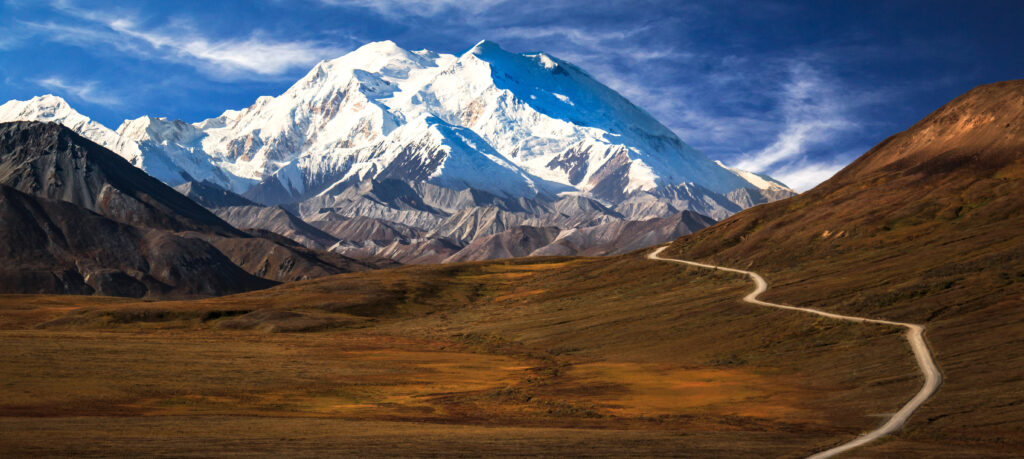
Denali Summit Success Rate: 2026 Results, Annual Trends and What Improves Your Odds
The preliminary 2026 Denali result was 582 summits from 976 registered climbers. Those counts equal 59.6%; the National Park Service reports the season as 60% after rounding. The final 2025 rate was only 36%, while the weighted NPS baseline from 2000–2024 is 53.2%. Denali does not have one permanent summit-success percentage—the annual weather window can move the result dramatically.
Denali’s Preliminary 2026 Summit Rate Was About 60%
The National Park Service’s July 20 season wrap-up reported 976 registered Denali climbers and 582 summits. Dividing those counts gives 59.6%. NPS rounded the result to 60%.
The NPS explicitly labeled those figures preliminary and said they could change in the full annual report. As of September 3, the final 2026 annual summary has not appeared in the public annual-summary material we could verify.
One year earlier, the final 2025 summit rate was only 36% from 960 registered climbers. Across the official NPS workbook from 2000–2024, Denali recorded 15,057 summits from 28,320 attempts, a weighted rate of 53.2%.
The 2025-to-2026 swing is the useful lesson: Denali’s long-run baseline is roughly one summit for every two attempts, but a particular season can land far above or below that average.
A Bad May, Then a Major June Summit Surge
The final percentage looked strong. The route to that percentage was not smooth.
Slow Start
NPS described May weather as unusually poor. Only a handful of climbers summited early, and weather delayed installation of some ranger communications and medical infrastructure until the end of the month.
83 Summits in One Day
On June 3, 83 climbers reached the summit. That single day illustrates how Denali’s cumulative annual rate can change quickly when a broad weather window opens.
582 Summits / 976 Climbers
The raw-count result is 59.6%; NPS reported it as 60%. Participation was close to the 960 registered climbers in 2025, but the outcome was radically different.
Bring Time, Not a Magic Arrival Date
NPS cautioned against treating the unusual 2026 timing as a formula for 2027. Its practical advice was to allow at least three weeks so the team can acclimatize and wait for weather.
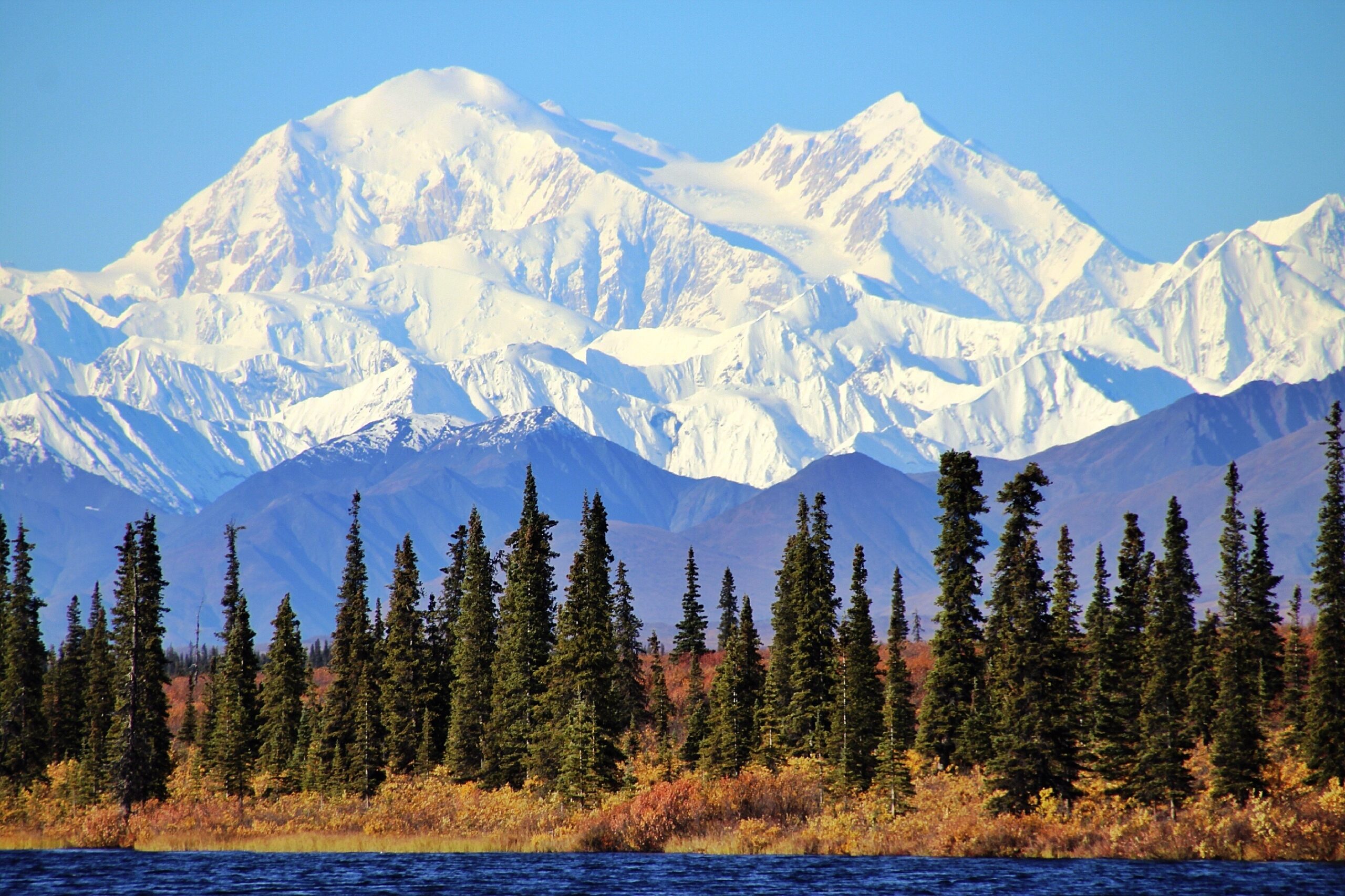
Denali Can Swing 20–30 Percentage Points Without Changing Its Route.
The West Buttress remains the same broad expedition line. What changes is how much usable weather the season gives teams, how long they can wait, and how much health, food, fuel and strength remain when the window arrives.
Denali Summit Success Rate by Year
2000–2024 uses the NPS compiled workbook. 2025 uses the final annual summary. 2026 remains preliminary.
| Year | Attempts / registered | Summits | Rate | Status |
|---|---|---|---|---|
| 2000 | 1,209 | 633 | 52.4% | Final workbook |
| 2001 | 1,305 | 772 | 59.2% | Final workbook |
| 2002 | 1,232 | 645 | 52.4% | Final workbook |
| 2003 | 1,179 | 688 | 58.4% | Final workbook |
| 2004 | 1,275 | 656 | 51.5% | Final workbook |
| 2005 | 1,340 | 775 | 57.8% | Final workbook |
| 2006 | 1,152 | 582 | 50.5% | Final workbook |
| 2007 | 1,218 | 573 | 47.0% | Final workbook |
| 2008 | 1,272 | 755 | 59.4% | Final workbook |
| 2009 | 1,161 | 682 | 58.7% | Final workbook |
| 2010 | 1,222 | 670 | 54.8% | Final workbook |
| 2011 | 1,232 | 687 | 55.8% | Final workbook |
| 2012 | 1,223 | 498 | 40.7% | Final workbook |
| 2013 | 1,151 | 783 | 68.0% | Final workbook |
| 2014 | 1,204 | 429 | 35.6% | Final workbook |
| 2015 | 1,090 | 628 | 57.6% | Final workbook |
| 2016 | 1,126 | 675 | 59.9% | Final workbook |
| 2017 | 1,189 | 498 | 41.9% | Final workbook |
| 2018 | 1,114 | 496 | 44.5% | Final workbook |
| 2019 | 1,226 | 791 | 64.5% | Final workbook |
| 2020 | — | — | Closed | No Denali / Foraker permits issued |
| 2021 | 1,007 | 530 | 52.6% | Final workbook |
| 2022 | 1,127 | 780 | 69.2% | Final workbook |
| 2023 | 1,017 | 308 | 30.3% | Final workbook |
| 2024 | 1,049 | 523 | 49.9% | Final workbook |
| 2025 | 960 | Not separately stated in summary text | 36.0% | Final summary |
| 2026 | 976 | 582 | 59.6% calculated / 60% NPS rounded | Preliminary |
2025 vs 2026: Why One Permanent Denali Rate Does Not Work
36% Summit Rate
NPS reported 960 registered climbers, including 922 on the West Buttress. Poor weather at the beginning and end of the season most likely contributed to the below-normal result.
59.6% From the Counts · NPS Says 60%
Participation rose by only 16 climbers, but 582 summits pushed the season well above the 53.2% modern baseline. Difficult May conditions were followed by a much more productive June.
The Modern Denali Baseline Is 53.2%
A weighted result lets the years with more climbers contribute proportionally rather than pretending every annual percentage came from the same-sized sample.
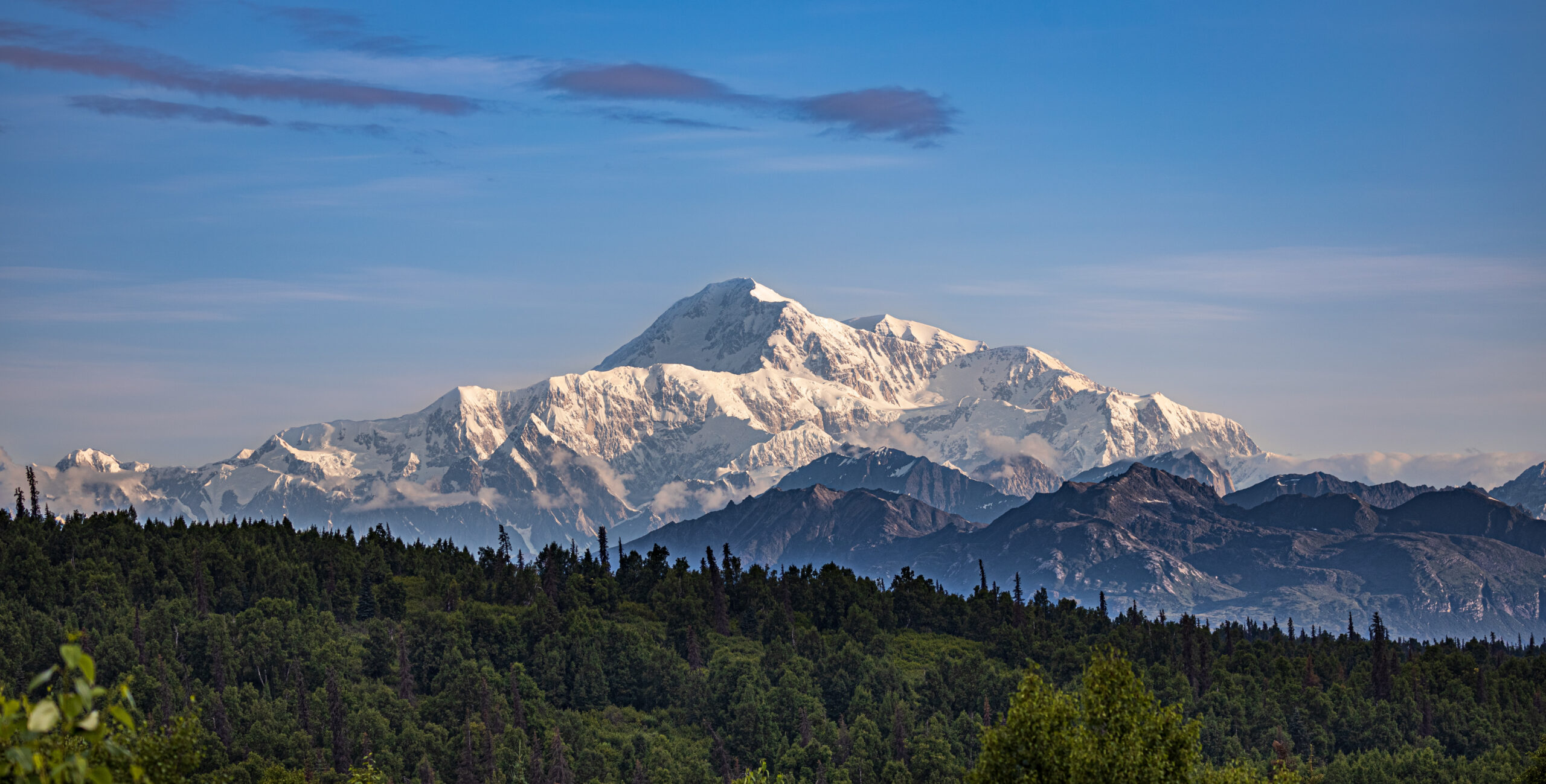
Denali Success Is Built Before High Camp.
Pack-and-sled fatigue, glacier efficiency, altitude recovery, weather waiting, food and fuel management all determine whether a team still has enough margin when a summit window finally arrives.
Six Variables That Move the Denali Summit Rate
The NPS record supports these practical drivers without assigning made-up percentages to each failure reason.
Summit-Window Availability
High wind, cloud and snowfall can hold teams below High Camp or consume the schedule before a suitable summit day appears.
Expedition Length
More days create room for acclimatization, rest and weather waiting. NPS specifically recommended allowing at least three weeks after the unusual 2026 season.
Team Condition
Altitude illness, frostbite, trauma, respiratory problems and exhaustion can remove one climber or compromise an entire rope team.
Upper-Mountain Conditions
Snow, ice, wind and travel above 14,200 feet affect movement speed, safety and turnaround decisions.
Pack + Sled Management
Heavy carries create fatigue long before summit day. Efficient caches and pacing preserve strength for the upper mountain.
Decision Quality
Teams need enough food, fuel and schedule flexibility to wait—and enough discipline to turn around when health or weather makes the summit inappropriate.
Denali Success by Route: Show the Sample
The mountain-wide annual rate is dominated by West Buttress climbers because the technical routes have much smaller annual samples.
| 2025 registration | Climbers | What the sample tells you |
|---|---|---|
| West Buttress | 922 | 96% of the 960 registered Denali climbers; the mountain-wide annual rate is primarily a West Buttress result. |
| Cassin Ridge | 20 | A small sample where one or two outcomes can move an annual percentage materially. |
| West Rib | 12 | Too small to treat one year’s percentage as a durable route success rate. |
| Messner Couloir | 3 | Tiny annual sample. |
| South Face | 2 | Tiny annual sample. |
| Orient Express | 1 | A percentage from a one-climber sample would be meaningless as a planning baseline. |
Guided vs Independent Denali Success
The public NPS series used here does not support one universal mountain-wide guided-versus-independent percentage across the modern period.
| Claim type | Minimum evidence needed | How to use it |
|---|---|---|
| Mountain-wide annual rate | Registered climbers/attempts + all summits for the same year | Best for comparing seasons. |
| Operator client rate | Number of clients, client summits, date range and exclusions | Useful for comparing that operator only. |
| Team expedition rate | Number of expeditions + definition of a successful expedition | Do not compare directly with client success. |
| Guided vs independent rate | Reproducible counts for both populations using one definition | Publish only when both denominators are available. |
2026 Was Successful—and Tragic
A high summit rate did not mean an easy or low-impact season.
| Preliminary 2026 metric | NPS count | How to interpret it |
|---|---|---|
| Helicopter search-and-rescue operations | 28 | Operational SAR workload, not a percentage of climbers rescued. |
| West Buttress deaths | 5 | NPS described the season as particularly tragic. |
| Trauma cases | 9 | Part of the preliminary illness/injury profile. |
| High-altitude illness | 7 | HAPE and HACE remained important upper-mountain hazards. |
| Medical cases | 5 | Medical problems beyond the altitude-illness category. |
| Severe frostbite | 5 | Cold protection and conservative weather decisions remain central. |
How to Improve Your Denali Summit Chances
No preparation plan guarantees a summit. It can preserve options when the weather and mountain do not cooperate.
How the Denali Success Numbers Are Calculated
The page keeps reported NPS percentages separate from percentages calculated directly from published counts.
NPS Compiled Annual Workbook
Annual summit counts are divided by annual attempt counts. The combined weighted baseline uses all 15,057 summits and 28,320 attempts.
NPS Final Annual Summary
The public summary states 960 registered climbers and a 36% summit rate. We retain the official rounded percentage rather than manufacture an exact summit count.
NPS Preliminary Wrap-Up
NPS reports 976 climbers, 582 summits and a rounded 60% result. The raw counts calculate to 59.6%. Both are shown so the arithmetic and the NPS wording are clear.
Closed, Not 0%
No Denali or Foraker permits were issued during the COVID-19 closure. Labeling 2020 as a 0% summit year would imply failed climbing attempts that did not occur.
Denali Planning Guides
Denali Climbing Guide
West Buttress, camps, permits, difficulty, cost and expedition planning.
Open Denali →CurrentWest Buttress Conditions
Keep current route and weather status separate from historical annual data.
Check conditions →OperatorsDenali Guide Services
Compare NPS-authorized operators and how each describes its results.
Compare guides →ProgressionWhat to Climb Before Denali
Build glacier, cold, load-hauling and altitude experience before Alaska.
Build progression →PreparationDenali Progression Plan
Turn readiness gaps into a staged climbing plan.
Open progression →ComparisonAconcagua vs Denali
Compare altitude, cold, workload and expedition style.
Compare mountains →Deep recovery 1Glacier Travel Basics
Rope-team systems are fundamental on the lower West Buttress.
Review glacier travel →Deep recovery 2Crevasse Rescue Basics
Build self-rescue competence before the Kahiltna.
Review rescue →Deep recovery 3Mountain Weather
Understand why waiting for a window matters more than chasing a calendar date.
Read weather guide →Denali Summit Success FAQ
What was Denali’s success rate in 2026?
The preliminary NPS wrap-up reported 582 summits from 976 registered climbers. Those counts equal 59.6%; NPS reported the result as 60% after rounding. The final annual summary may revise the numbers slightly.
What was Denali’s success rate in 2025?
The final NPS annual summary reported a 36% mountain-wide summit rate from 960 registered climbers. Poor weather at the beginning and end of the season most likely contributed.
What is Denali’s long-term summit success rate?
The weighted NPS result for 2000–2024 is 53.2%, calculated from 15,057 summits and 28,320 attempts.
What was Denali’s best year since 2000?
Within the 2000–2024 workbook, 2022 had the highest annual rate at approximately 69.2%, followed by 2013 at 68.0%.
What was Denali’s worst year since 2000?
Within the 2000–2024 workbook, 2023 was the lowest at approximately 30.3%. The final 2025 rate was also unusually low at 36%.
Why isn’t 2020 listed as 0%?
No Denali or Foraker permits were issued during the COVID-19 closure. A 0% rate would incorrectly imply that climbers attempted the mountain and all failed.
Do guided Denali climbers have a higher success rate?
Some guide services publish their own records, but the public NPS series used here does not give one simple guided-versus-independent mountain-wide rate for the entire modern period. Compare operator claims only when the underlying denominators and definitions are disclosed.
Is late May the best time to start Denali?
Late May is a core part of the main climbing season, but no fixed start date guarantees a summit. After the unusual 2026 pattern, NPS emphasized allowing at least three weeks rather than trying to predict one perfect calendar window.
How can I improve my chances of summiting?
Build adequate time into the expedition, arrive competent in glacier travel and crevasse rescue, train for repeated pack-and-sled carries, protect acclimatization, carry enough food and fuel to wait, test cold systems and define conservative turnaround thresholds before summit day.
Is the 2026 result final?
Not yet in the source material checked on September 3, 2026. The NPS July 20 wrap-up explicitly called the 976 climbers, 582 summits and 60% result preliminary and said the figures could change in the final annual summary.
Denali Is a Roughly Half-Success Mountain With Highly Variable Years.
The modern NPS baseline is 53.2%, but 2023 finished at 30.3% and the preliminary 2026 counts produce 59.6%. Use the long record to understand the mountain. Use current conditions, adequate expedition time, tested skills and conservative decisions to manage the climb in front of you.
Denali Jumped From 36% in 2025 to About 60% in 2026
The contrast between the last two climbing seasons shows why Denali should never be described with one permanent summit-success percentage.
The final 2025 National Park Service summary reported a 36% summit rate from 960 registered climbers. For 2026, the NPS season wrap-up reported 582 summits from 976 registered climbers. The raw calculation is 59.6%; NPS reports the season as 60% after rounding.
That is a swing of roughly 24 percentage points in a single season even though the number of registered climbers was very similar.
What Does a 24-Point Swing Actually Tell You?
Mostly that Denali outcomes are highly sensitive to expedition timing, weather windows and enough schedule flexibility to use them.
Bad Windows Can Crush the Rate
NPS attributed the below-normal 2025 result largely to poor weather at the beginning and end of the season. Strong teams can still fail when summit opportunities disappear.
A Better Window Changed the Outcome
Despite poor weather during parts of May, June produced productive summit periods. The preliminary mountain-wide result climbed back to approximately 60%.
Do Not Try to Pick One Magic Arrival Date
NPS specifically cautioned climbers against using one season to decide exactly when to arrive the next year. The stronger strategy is enough expedition time to wait for a workable window.
A 60% Mountain-Wide Rate Does Not Mean You Personally Have a 60% Chance
Annual summit percentage is an outcome statistic—not an individualized forecast.
| Variable | Why it can change your outcome | What the annual rate cannot tell you |
|---|---|---|
| Expedition length | More schedule flexibility can create more opportunities to use a safe summit window. | Whether your itinerary gives you enough reserve days. |
| Fitness | Denali combines heavy carries, sled hauling, repeated elevation gain and a long upper-mountain summit push. | Whether you personally have the required work capacity. |
| Acclimatization | Teams must arrive at upper camps healthy enough to wait and still perform when a window appears. | Your individual response to altitude. |
| Weather timing | A strong team can encounter a bad sequence while another equally strong team arrives during a favorable window. | What weather your expedition will receive. |
| Team health | Illness, frostbite, injury and altitude problems can end an expedition before summit day. | Whether everyone on your rope team will remain healthy. |
| Decision quality | Turning around at the correct time can reduce summit statistics while representing excellent mountaineering judgment. | Whether a non-summit should actually be considered a failure. |
The 2026 Result Is Still Preliminary
This distinction should remain visible until NPS publishes the full annual mountaineering summary.
| Dataset | Status | How Global Summit Guide uses it |
|---|---|---|
| 2000–2024 annual data | Compiled historical NPS dataset | Used for the 15,057 summits / 28,320 attempts weighted baseline of 53.2%. |
| 2025 | Final NPS annual summary | Reported as 36% from 960 registered climbers. |
| 2026 | Preliminary NPS season wrap-up | Reported as 582 summits from 976 climbers: 59.6% by calculation, 60% in NPS’s rounded reporting. |
| Final 2026 annual summary | Not yet posted as of October 4, 2026 | Do not silently treat the July preliminary figures as final. |
A Summit Rate Is Context. Preparation Determines the Expedition.
This page should own the Denali summit-success statistic. Use the dedicated guides for route choice, operators, permits, season planning and the separate fatality-risk question.
Was this helpful?
🏔Related safety data
🧭Explore & compare
Global Summit Guide is an independent mountaineering resource founded in 2026. The team combines first-hand trekking and climbing experience with in-depth research and professional health and nutrition review to help climbers choose objectives, prepare properly, and stay safe.
Health, altitude, and nutrition content is reviewed by Taylor Ludlow (Registered Nurse) and Brigg Hoopes (Nutritionist).
What We Don't Know Yet
Mountain information changes quickly. This box explains the limits of what this page can responsibly promise.
- Permit availability, reservation windows, quotas, and official fee rules may change after this page is updated.
- Weather, snowpack, avalanche risk, road access, and route conditions can change quickly and may be different on your climbing dates.
- Fitness and altitude response vary by person; no guide, itinerary, or training plan can guarantee acclimatization or summit success.
- Comparisons simplify complex decisions; the better mountain depends on current conditions, skills, timing, budget, and risk tolerance.
Verify current conditions with official land managers, guide services, local forecasts, and current route reports before booking or climbing.
Mountaineering, rock and ice climbing, glacier travel, and high-altitude activity are inherently dangerous and can result in serious injury or death. The information on Global Summit Guide is provided for general informational and educational purposes only and is not a substitute for professional instruction, qualified guiding, proper equipment, or your own judgment and experience.
Route conditions, weather, snowpack, permits, regulations, and hazards change constantly and may differ from what is described here. Details may be incomplete, out of date, or contain errors. Always verify current information with local authorities, certified guides, and official sources before making any decision in the mountains.
Nothing on this site is medical, legal, or financial advice. Our fitness, acclimatization, altitude, and nutrition content is general in nature; consult a qualified physician before beginning any strenuous exercise program or exposing yourself to high altitude.
You are solely responsible for your own safety and decisions. To the fullest extent permitted by law, Global Summit Guide and its team accept no liability for any loss, injury, damage, or expense arising from use of, or reliance on, this information. By using this site you acknowledge these risks and accept these terms.
Some links on this site may be affiliate links. If you buy through them we may earn a small commission at no extra cost to you; this never affects our recommendations.
Global Summit Guide recommendation path
Next Best Mountain to Research
Use these recommendations to continue the right planning path instead of stopping on one page.
Use current permit, weather, route, and operator information before booking or climbing.