
Last updated September 21, 2026
Denali Medical Guide: Altitude Sickness, Frostbite & Safety
Denali combines high altitude, northern latitude, severe cold, long storm holds and delayed evacuation. This guide focuses on the medical problems West Buttress climbers need to recognize early—and the decisions that matter before those problems become emergencies.
Medical notice: This is educational information, not personal medical advice. Medication choice, dosing, contraindications and pre-expedition treatment plans belong with a physician or wilderness-medicine clinician who knows your history.
What Are the Main Medical Risks on Denali?
For most West Buttress teams, the medical problems that deserve the greatest attention are altitude illness, frostbite and hypothermia, traumatic injury, gastrointestinal illness, dehydration and carbon-monoxide exposure around stoves.
Denali is unusual because these hazards compound each other. A climber who becomes dehydrated, exhausted or mildly hypothermic may make worse decisions at altitude. A storm can delay descent. Severe cold can turn a small equipment problem into a frostbite problem. Rescue capability is substantial by big-mountain standards, but weather and altitude can delay evacuation.

Preliminary season figures: U.S. National Park Service 2026 Denali season wrap. Final annual totals can differ from preliminary reporting.
Altitude, Latitude and the Acclimatization Problem
Denali’s northern latitude matters because atmospheric pressure at a given geometric altitude is not identical everywhere on Earth. Denali rangers have specifically warned that the upper mountain can feel physiologically higher than the same elevation at lower latitudes.
The practical lesson is more important than assigning Denali a single “equivalent altitude.” Do not use a previous trip to a lower-latitude mountain as permission to accelerate your Denali schedule.
A fast climber can still acclimatize poorly. Fitness does not protect someone from AMS, HACE or HAPE, and prior success at altitude does not guarantee the same response on the next expedition.
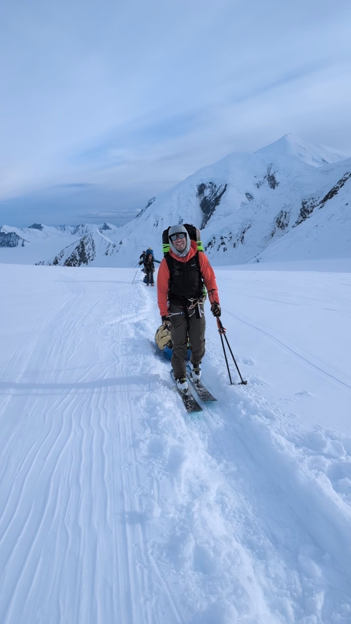
Kahiltna Base Camp
Rapid arrival by ski plane means your first night begins above many visitors’ normal sleeping elevation. Glacier travel and cold exposure begin immediately.
14 Camp
A major acclimatization checkpoint with seasonal ranger and medical presence. Persistent symptoms here deserve patience rather than an automatic move higher.
Upper Mountain
Cold, fatigue and reduced recovery margin become more important while rapid self-descent becomes harder.
AMS, HACE and HAPE: Know the Difference
Mild altitude symptoms are common on big mountains; HACE and HAPE are medical emergencies. The key is recognizing when a climber has crossed from “uncomfortable” into “unsafe to continue upward.”
| Problem | Typical warning signs | What it means for the climb | Priority response |
|---|---|---|---|
| AMS | Headache plus symptoms such as nausea, fatigue, poor appetite or sleep disturbance after ascent. | Do not ascend while symptoms are worsening or unresolved. | Rest at the same elevation, reassess, and descend if symptoms worsen or fail to improve. |
| HACE | Loss of coordination, altered mental status, confusion, unusual behavior, severe neurological deterioration. | Emergency. | Immediate descent when possible, supplemental oxygen if available, emergency communication and clinician-directed rescue medication if already prescribed. |
| HAPE | Breathlessness at rest, marked loss of exercise tolerance, persistent cough and progressive respiratory distress. | Emergency. | Immediate descent when possible, supplemental oxygen if available, emergency communication and prescribed rescue treatment. |
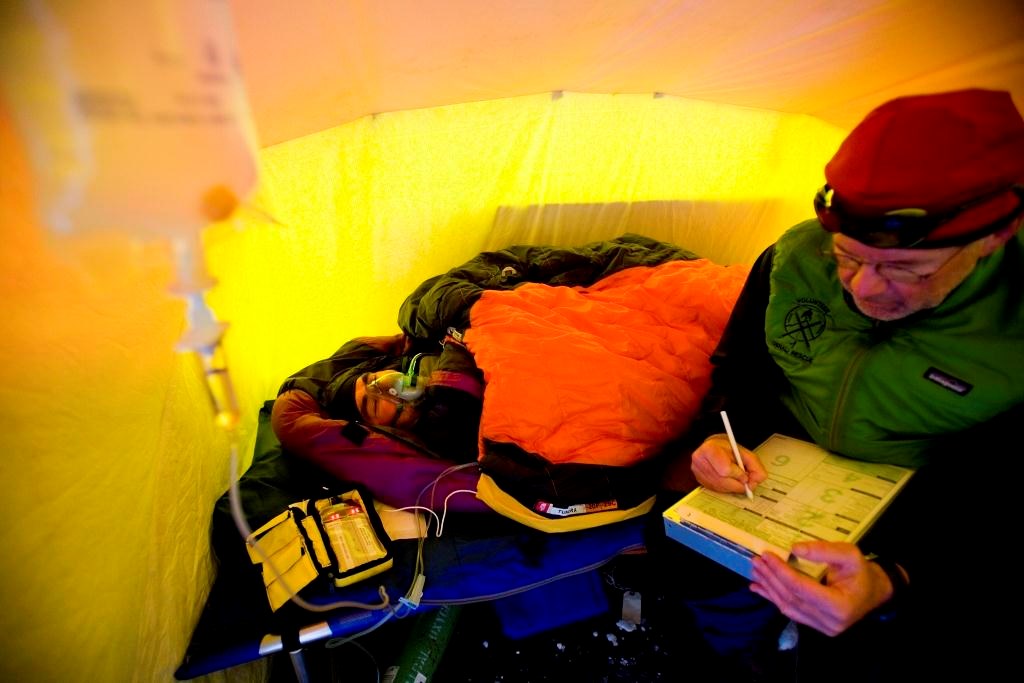
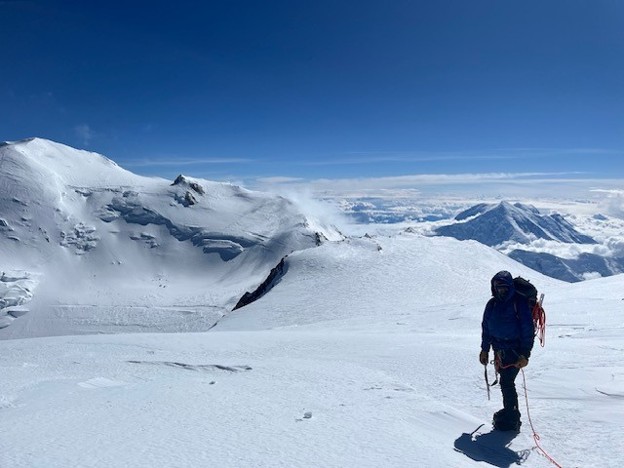
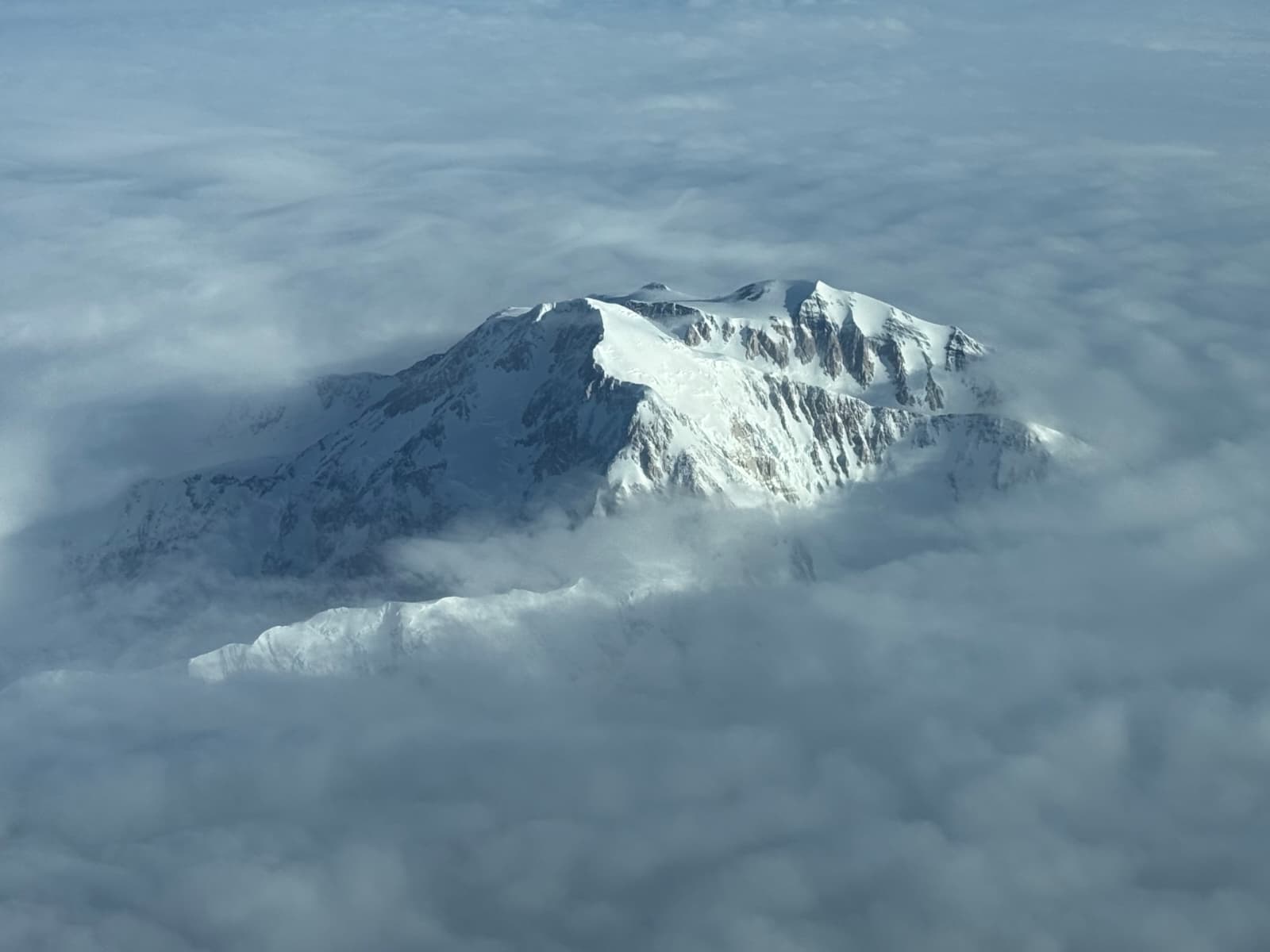
Frostbite and Hypothermia Can End a Healthy Expedition Quickly
Frostbite remains one of Denali’s recurring serious injuries. NPS reported nine frostbite cases in its 2024 medical summary, including severe injuries that resulted in multiple-digit amputations, and the preliminary 2026 season wrap again listed severe frostbite among major injury patterns.
The practical prevention rule is simple: do not normalize numbness. A cold hand, foot, cheek or nose that is no longer warming normally is information that something must change—layers, movement, wind exposure, pace or the decision to continue.
Protect circulation
Keep the core warm, avoid constrictive boots or gloves, manage sweat and moisture, and respond early when fingers or toes become numb.
Watch the whole team
Facial frostbite can develop where the climber cannot see it. Buddy checks matter when wind and fatigue reduce awareness.
Cold can be a turnaround signal
Summit timing should never force a climber to accept deteriorating warmth, dexterity or judgment as “normal Denali suffering.”
Carbon Monoxide: The Altitude Mimic
Stove-related carbon monoxide exposure is particularly dangerous because headache, nausea, fatigue and confusion can resemble altitude illness. Storm-bound teams spending long periods cooking around tents must think about ventilation as a medical safety issue.
Several people become sick together
Multiple tent occupants developing similar symptoms at the same time should make CO exposure part of the differential.
Move into fresh air
Stop the combustion source, ventilate the shelter and move affected people into fresh air while activating medical help for severe or persistent symptoms.
Ventilation comes first
Never treat a sealed tent as an acceptable cooking environment. A portable CO alarm can add another warning layer but does not replace ventilation and stove discipline.
Other Medical Problems Denali Climbers Should Plan For
Crevasse & fall injuries
Head, spine, shoulder, rib and lower-extremity injuries can occur during glacier falls or upper-mountain slips. Crevasse rescue competence belongs in the team’s skill set before Alaska.
Snow blindness
High UV exposure reflected from snow makes full glacier-eye protection and a backup pair of sunglasses or goggles basic expedition redundancy.
Gastrointestinal illness
Hand hygiene and clean food/water systems matter because diarrhea and vomiting can quickly undermine hydration, strength and acclimatization.
Cold masks fluid loss
Cold suppresses thirst while dry air and heavy work still increase fluid needs. Drink consistently without treating hydration as a cure for altitude illness.
Load-hauling injuries
Weeks of combined pack and sled hauling can expose foot, knee, hip and back problems that seemed minor during training.
Delayed evacuation
Weather can close the aircraft window precisely when a patient needs definitive care. Teams need enough shelter, food, fuel and medical capacity to wait.
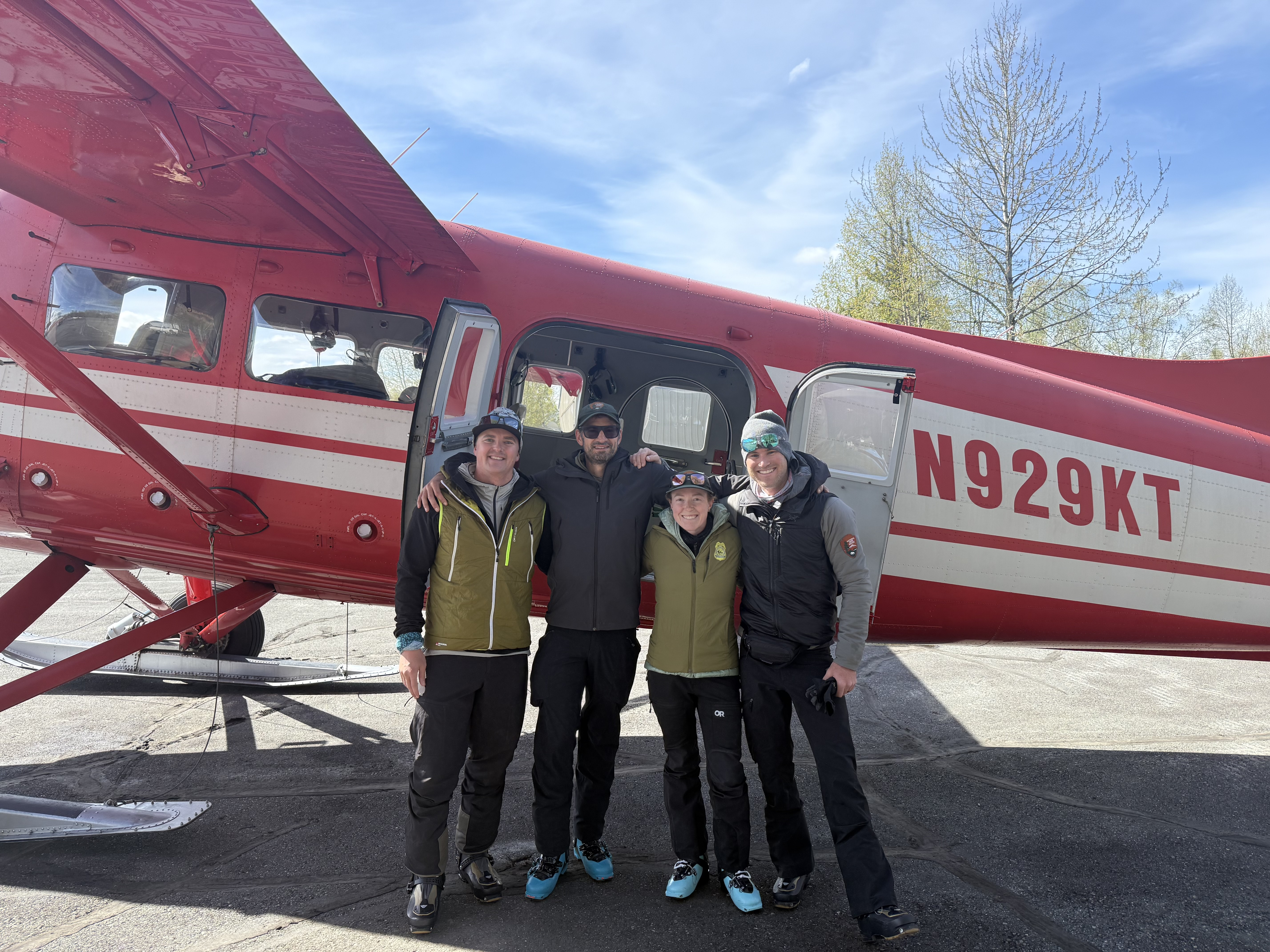
Build the Medical Kit Around Your Team, Not a Generic Drug List
A Denali medical kit should reflect team size, trip length, medical training, known conditions and the treatment plan established with your clinician. Prescription medication should never be added simply because another expedition carried it.
Altitude plan
- Written symptom and descent thresholds
- Clinician-approved prevention plan if appropriate
- Team-specific rescue medication plan
- Clear medication labeling and contraindication notes
Cold & exposure
- Dry dressings and blister supplies
- Reliable hand and foot warming systems
- Backup eye protection
- Insulated emergency wrapping
Trauma
- Bleeding-control supplies
- Splinting materials
- Wound cleaning and closure supplies appropriate to training
- Analgesia plan discussed before the trip
Assessment & communication
- Satellite communicator
- Emergency contact information stored offline
- Thermometer and basic assessment tools appropriate to team training
- Written patient information for each team member
Where Medical Support Fits Into a Denali Expedition
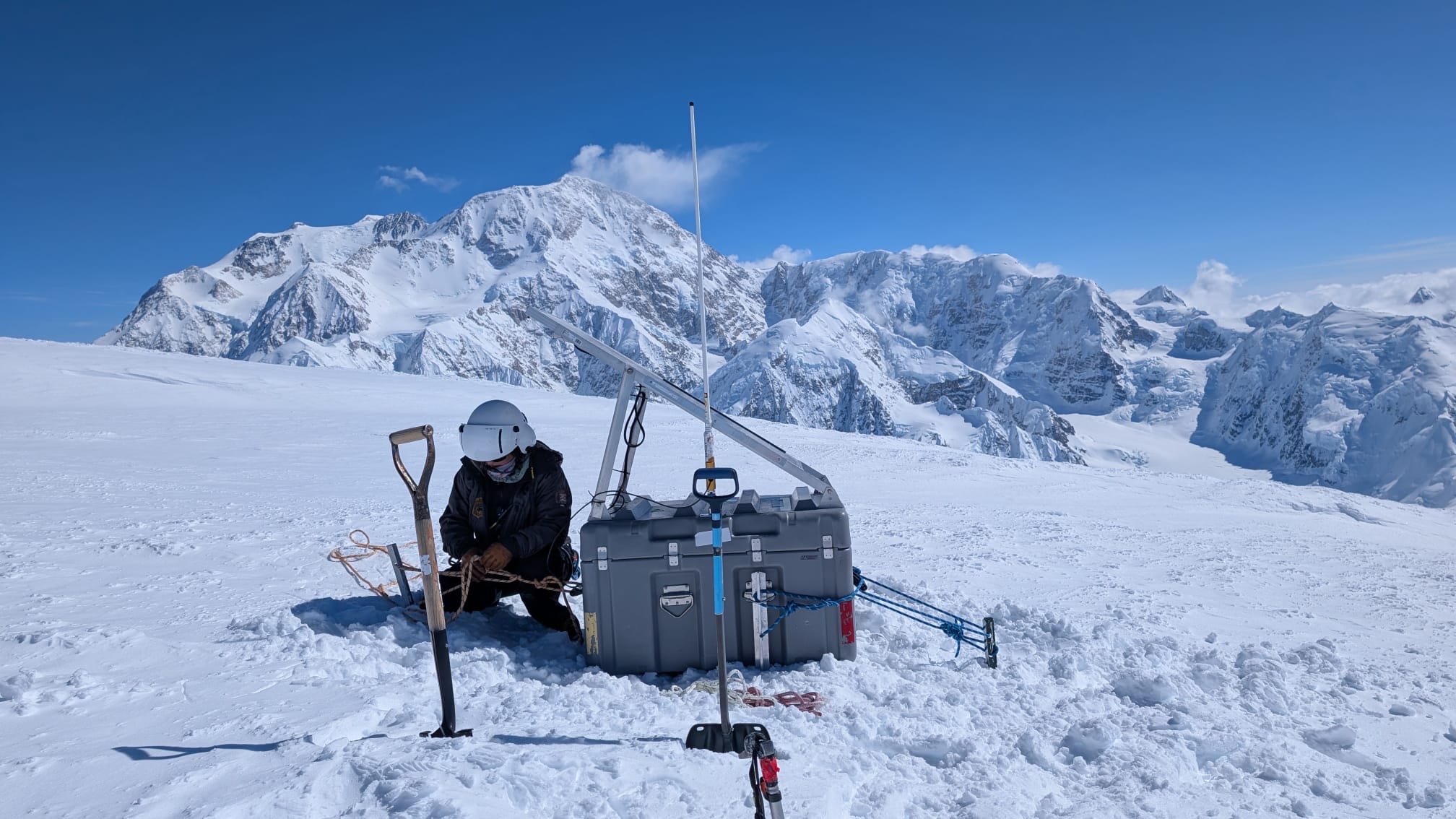
NPS Capability Is Significant—but Rescue Is Never Guaranteed
Denali has highly experienced mountaineering rangers and high-altitude helicopter capability, yet NPS explicitly tells climbers not to build rescue into their expedition plan. Visibility, wind, aircraft performance, terrain and competing incidents can all delay evacuation.
NPS search-and-rescue operations generally are not billed to the patient, but once a patient transfers to outside air or ground ambulance and hospital care, those transportation and medical costs become the climber’s responsibility.
Denali Emergency Contacts
A Denali Lesson Worth Reading Before Summit Day
In May 2026, NPS published the account of an experienced West Buttress climber who sustained severe frostbite during his 2025 climb and later lost three toes. The lesson was not lack of experience—it was how easy it can be to normalize cold extremities while the rest of the body still feels functional.
NPS emphasized that Denali frostbite affects everyone from first-time high-altitude climbers to highly experienced mountaineers. Severe injuries are most likely when cold, wind, fatigue and summit motivation combine and the climber stops treating numbness as a warning.
Denali Medical Readiness Checklist
- Pre-expedition medical review completed
- Altitude history discussed with clinician
- Prescription and rescue-medication plan written down
- Team understands AMS, HACE and HAPE warning signs
- Everyone knows the team’s no-ascent and descent thresholds
- Cold-injury prevention system tested in real winter conditions
- Backup eye protection packed
- Glacier rescue practiced hands-on
- Trauma kit matches team medical training
- Satellite communicator tested before departure
- Emergency numbers stored offline
- Insurance exclusions for high-altitude climbing checked
- Food and fuel margin accounts for storm delays
- Turnaround rules agreed before High Camp
Denali Medical FAQ
Is altitude sickness common on Denali?
Altitude symptoms occur on Denali and serious HACE/HAPE cases are documented every season. Risk depends heavily on ascent rate and individual susceptibility. Fitness alone does not prevent altitude illness.
Why can Denali feel higher than 20,310 feet?
Denali’s high northern latitude contributes to lower barometric pressure than a comparable elevation nearer the equator. The practical implication is to acclimatize conservatively rather than treating a previous lower-latitude climb as proof that faster ascent will be safe.
Should climbers take Diamox on Denali?
Acetazolamide can be appropriate for some climbers and ascent profiles, but the decision should be made before the expedition with a clinician who understands altitude medicine and your medical history. It should not be started solely because an online guide recommends it.
What are the most important signs of HACE or HAPE?
Loss of coordination or altered mental status suggests HACE; breathlessness at rest, major loss of exercise capacity and progressive respiratory symptoms suggest HAPE. Both require urgent action and descent when possible.
How serious is frostbite on Denali?
Very serious. NPS treats frostbite every season, and severe cases can lead to permanent tissue loss and amputation. Numb extremities should be treated as an early warning rather than accepted as normal summit-day discomfort.
Can NPS rescue a sick climber from High Camp?
Sometimes, but never on demand. Helicopter and ground rescue depend on weather, visibility, terrain, aircraft limits and ranger availability. NPS specifically advises climbers not to rely on rescue when making expedition decisions.
Does NPS charge for Denali rescue?
NPS states that in most circumstances it does not charge for its search-and-rescue effort. Outside ambulance, air-medical transport and hospital care can generate costs for the patient.
Build the Medical Plan Into the Full Expedition Plan
How This Guide Was Checked
Denali-specific medical and rescue guidance was checked against current National Park Service mountaineering material and the Wilderness Medical Society’s current altitude-illness guidance.
NPS — Mountaineering Medical Issues
NPS — Expedition Planning & Search and Rescue
NPS — Denali Mountaineering FAQ
NPS — 2026 Denali Season Wrap-Up
NPS — Lessons on Frostbite From a West Buttress Climber
Wilderness Medical Society — Acute Altitude Illness Clinical Practice Guidelines, 2024 Update
Last source review: September 21, 2026. Medical guidance changes over time; climbers should verify current NPS instructions and discuss personal medication plans with a qualified clinician before departure.
Was this helpful?
🏔Related peaks nearby
🧭Explore & compare
Global Summit Guide is an independent mountaineering resource founded in 2026. The team combines first-hand trekking and climbing experience with in-depth research and professional health and nutrition review to help climbers choose objectives, prepare properly, and stay safe.
Health, altitude, and nutrition content is reviewed by Taylor Ludlow (Registered Nurse) and Brigg Hoopes (Nutritionist).
What We Don't Know Yet
Mountain information changes quickly. This box explains the limits of what this page can responsibly promise.
- Fitness and altitude response vary by person; no guide, itinerary, or training plan can guarantee acclimatization or summit success.
- Visa, passport, vaccination, border, insurance, and local transportation rules may change before your trip.
- Route conditions, snowpack, closures, and weather can change quickly after this page is updated.
- Permit rules, fees, quotas, and reservation windows may change between review cycles.
- Operator availability, pricing, guide ratios, and cancellation terms can change by season.
Verify current conditions with official land managers, guide services, local forecasts, and current route reports before booking or climbing.
Mountaineering, rock and ice climbing, glacier travel, and high-altitude activity are inherently dangerous and can result in serious injury or death. The information on Global Summit Guide is provided for general informational and educational purposes only and is not a substitute for professional instruction, qualified guiding, proper equipment, or your own judgment and experience.
Route conditions, weather, snowpack, permits, regulations, and hazards change constantly and may differ from what is described here. Details may be incomplete, out of date, or contain errors. Always verify current information with local authorities, certified guides, and official sources before making any decision in the mountains.
Nothing on this site is medical, legal, or financial advice. Our fitness, acclimatization, altitude, and nutrition content is general in nature; consult a qualified physician before beginning any strenuous exercise program or exposing yourself to high altitude.
You are solely responsible for your own safety and decisions. To the fullest extent permitted by law, Global Summit Guide and its team accept no liability for any loss, injury, damage, or expense arising from use of, or reliance on, this information. By using this site you acknowledge these risks and accept these terms.
Some links on this site may be affiliate links. If you buy through them we may earn a small commission at no extra cost to you; this never affects our recommendations.
Global Summit Guide recommendation path
Next Best Mountain to Research
Use these recommendations to continue the right planning path instead of stopping on one page.
Use current permit, weather, route, and operator information before booking or climbing.