<
Mount Fuji Climbing Guide: How to Climb Japan’s Sacred Peak (2026) | Global Summit Guide
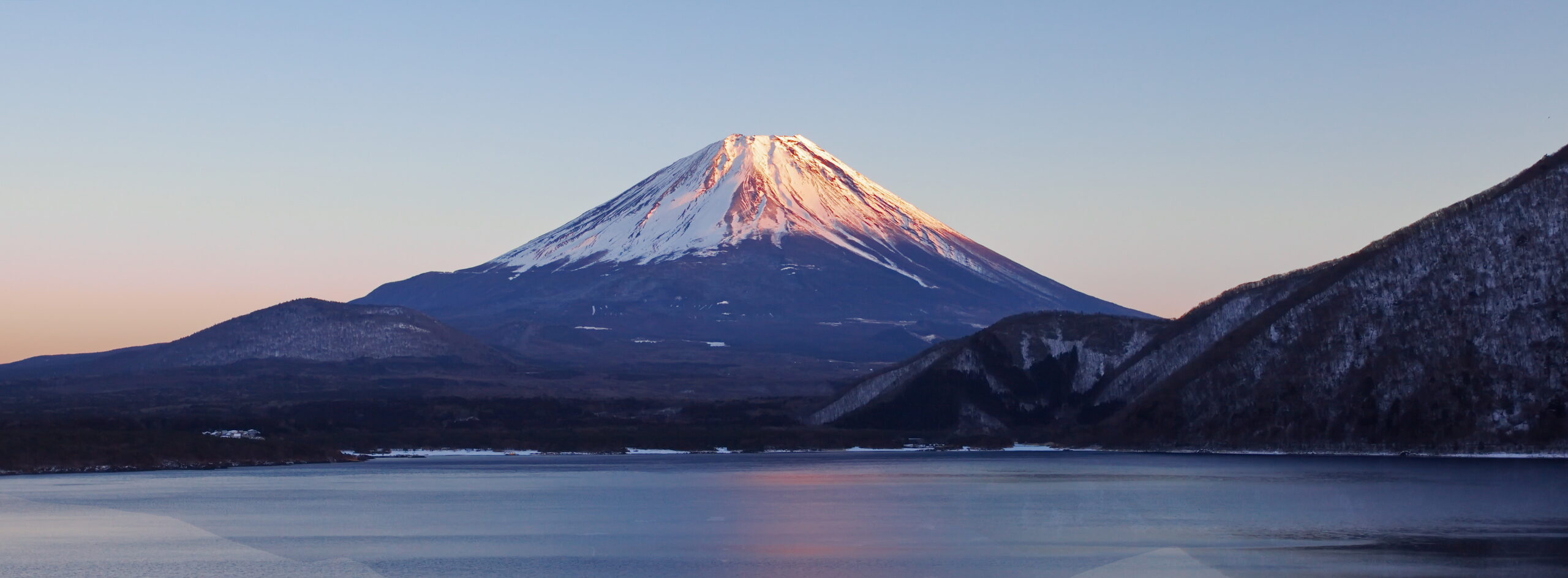
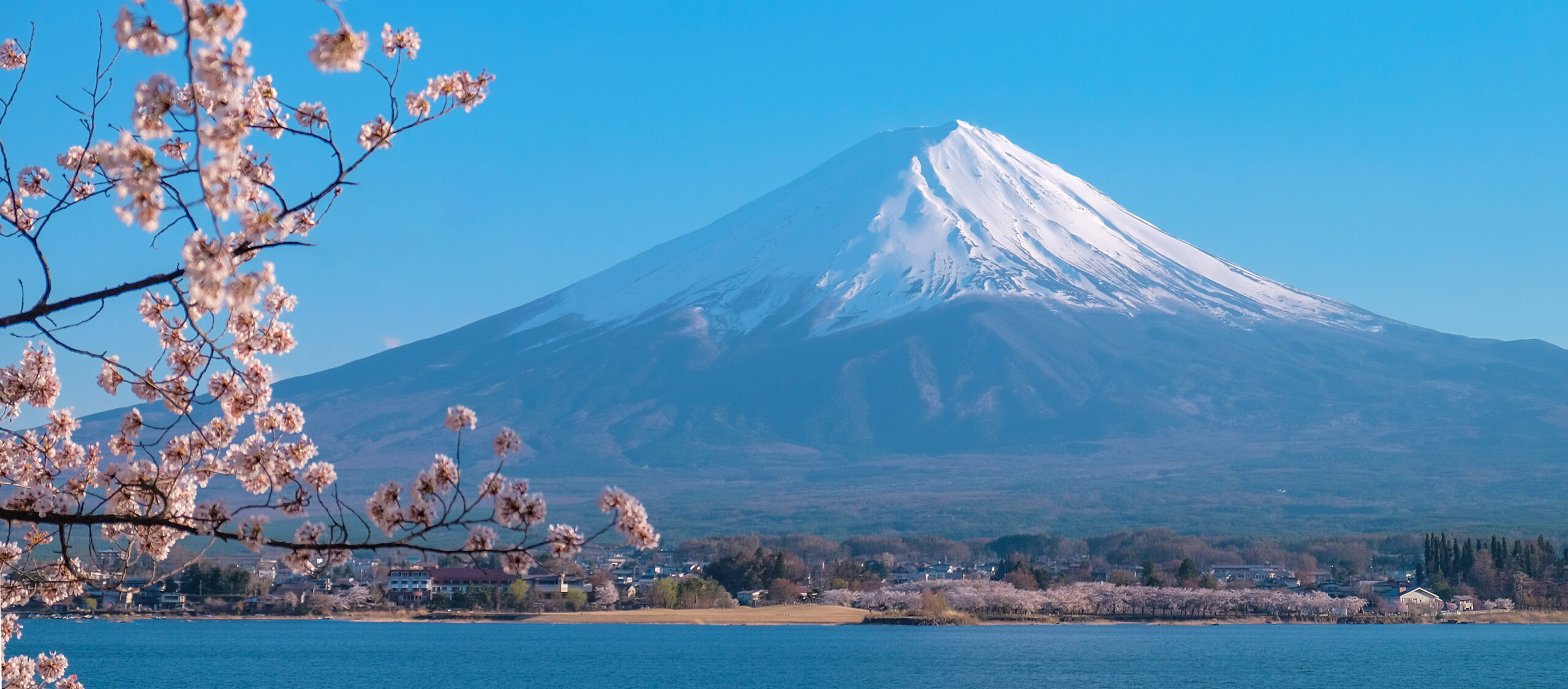
Mount Fuji at sunrise framed by cherry blossoms, showing the iconic symmetrical snow-capped volcanic cone reflected in Lake Kawaguchi
Mountain Guide · Updated 2026

Climbing Mount Fuji: Japan’s Sacred Peak & the World’s Most Popular Summit

At 3,776 meters (12,388 ft), Mount Fuji is Japan’s highest mountain, a UNESCO World Heritage Cultural Site, and — with 300,000+ annual climbers — the most-climbed 3,000m+ peak on Earth. What makes Fuji extraordinary isn’t difficulty (it’s beginner-friendly) but the unique combination of sacred history spanning 2,000 years, accessibility (2.5 hours from Tokyo), and the legendary Goraiko sunrise from the volcanic summit. This complete guide covers all four climbing trails, 2026 permit requirements, essential gear, the classic 2-day sunrise itinerary, and the cultural context that makes Fuji unlike any other mountain in the world.

3,776m
Summit elevation
(12,388 ft)
300K+
Annual climbers
(2024 season)
4
Climbing trails
to summit
¥4,000
2026 climbing
fee per person
Mount Fuji · Adobe Stock

Mount Fuji occupies a place in world mountaineering that no other peak matches. It is simultaneously the most sacred mountain in Japan, one of the most recognizable silhouettes on Earth, and the world’s most-climbed peak above 3,000 meters. Approximately 300,000 people summit Fuji every summer — more than all the climbers who attempt Kilimanjaro, Aconcagua, Rainier, and Mont Blanc combined. What makes this possible is a unique combination of factors: Fuji is genuinely beginner-friendly with no technical climbing required, it’s 100 kilometers from Tokyo with direct bus access from Shinjuku, the summer climbing infrastructure includes dozens of mountain huts, and the 2,000-year spiritual history gives the climb cultural weight that recreational peaks cannot match. This guide covers everything a first-time Fuji climber needs: the four official trails, 2026 permit requirements (new since 2024), essential gear, the classic Goraiko sunrise itinerary, and the cultural etiquette that honors the mountain’s status as a UNESCO World Heritage Site.

Mount Fuji at a Glance

Before diving into trail details and logistics, here are the essential facts every Fuji climber should know about the mountain itself.

Elevation
3,776 m
12,388 ft — Japan’s highest peak
Volcano type
Stratovolcano
Active, last erupted 1707
Location
Honshu, Japan
Yamanashi/Shizuoka border
Distance from Tokyo
100 km
2.5 hours by bus to 5th Station
Climbing trails
4 official routes
Yoshida, Fujinomiya, Subashiri, Gotemba
Season
Jul 1 – Sep 10
2026 official climbing window
Annual climbers
~300,000
Most-climbed 3,000m+ peak on Earth
Technical difficulty
Non-technical
No ropes, crampons, or scrambling
UNESCO status
WHS since 2013
Cultural site, 25 sacred locations


Who Can Climb Mount Fuji?

Mount Fuji is one of the most inclusive major peaks in the world — genuinely achievable by a wide range of people, not just experienced mountaineers. Understanding who can and cannot safely attempt Fuji helps set realistic expectations.

Fuji Is Accessible To:

Reasonably fit adults with any prior hiking experience. If you can walk continuously uphill for 5-7 hours at sea level without serious distress, you can realistically attempt Fuji. The key metric isn’t mountaineering experience — it’s sustained cardiovascular endurance. Regular gym-goers, cyclists, runners, and recreational hikers all qualify. Preparatory training should include at least 2-3 hikes of 4+ hours with significant elevation gain (500m+) in the 8-12 weeks before your Fuji attempt.

Teenagers and children 10 and older with parent supervision. Japanese families regularly climb Fuji with children as young as 8-10. The mountain huts welcome families, and the graded trails are safe for accompanied minors. Children under 8 can reach the 5th or 6th stations but shouldn’t attempt the summit due to altitude effects that can be unpredictable in young climbers.

Older adults in good health. Fuji is successfully summited by climbers in their 60s, 70s, and occasionally 80s every year. Age alone doesn’t disqualify you — what matters is cardiovascular fitness, joint health for descent (often harder on older knees than ascent), and realistic pacing. Many older climbers use the 2-day itinerary with hut overnights to split the effort.

International visitors with minimal Japanese language skills. Fuji’s tourism infrastructure accommodates English-speaking climbers well. Trail signage, mountain hut staff, and the official registration system all support English. Guided tours from Tokyo provide full-service support in English for visitors who prefer structured trips.

Fuji Is Not Appropriate For:

People with cardiovascular conditions, severe asthma, or altitude-sensitive medical conditions without doctor clearance. The 3,776m summit reduces atmospheric oxygen pressure to approximately 65% of sea level — enough to trigger problems in vulnerable individuals.

Complete sedentary people without any fitness preparation. “Beginner-friendly” doesn’t mean “anyone off the street can summit.” The 1,400m+ of elevation gain from 5th Stations to summit requires genuine cardiovascular work. People who never exercise and can’t complete a 2-hour walk at sea level will struggle significantly, and their chances of summit success drop below 50%.

Climbers expecting off-season ascents without mountaineering experience. Outside the July 1 – September 10 window, Fuji becomes a genuine winter mountaineering objective requiring crampons, ice axe, mountaineering experience, and avalanche awareness. Multiple climbers die on Fuji each winter attempting it casually after summer-style preparation. Off-season Fuji is not the same mountain as summer Fuji.

Summit success rates

Despite being beginner-friendly, Fuji’s summit success rate is approximately 60-70% across all climbers, with reasons for failure including altitude sickness (30-40% experience symptoms, 10-15% must turn back), extreme weather, exhaustion, and underprepared gear. Organized guided tours typically achieve 75-85% success. Independent climbers with proper preparation achieve 70-80%. The failure modes are almost always preventable — undertraining, poor gear, or ignoring weather windows — which is why this guide emphasizes preparation so heavily.


Sacred History: Why Fuji Is More Than a Mountain

To understand what makes climbing Fuji meaningful — beyond the physical achievement — requires understanding 2,000+ years of Japanese spiritual and cultural engagement with the mountain. This context isn’t optional tourist information; it’s central to why UNESCO designated Fuji a cultural rather than natural heritage site.

Ancient Worship (Pre-Heian Period)

The earliest Japanese relationship with Fuji was one of fear and worship from afar. Fuji’s frequent eruptions — including major events in 781 CE, 800 CE, and 864 CE — made the mountain terrifying and sacred simultaneously. Ancient Japanese regarded Fuji as the dwelling place of kami (divine spirits) and erected the Asama shrines at the mountain’s base to propitiate these spirits and prevent volcanic catastrophe. The Fujisan Hongū Sengen Taisha, the most important of these shrines, traces its founding to 806 CE though traditions date earlier.

Shugendō Pilgrimage Era (12th–17th Century)

When volcanic activity subsided after the Heian period (794–1185), Fuji transitioned from a mountain worshipped at distance to a pilgrimage destination. Shugendō — a syncretic tradition blending Buddhist, Shinto, and Daoist elements — adopted Fuji as central to ascetic practice. Shugendō practitioners emphasized rigorous mountain training: fasting, prayer, and endurance of natural extremes as paths to spiritual insight. In the 12th century, the monk Matsudai Shōnin founded Dainichi Temple near the summit. The first documented Fuji ascent is attributed to En no Gyōja (the legendary founder of Shugendō) in 663 CE, though the historical accuracy of this date is debated.

Fuji-kō Mass Pilgrimage (17th–19th Century)

The Tokugawa peace (1603–1867) made long-distance travel safe for ordinary Japanese, and Fuji-kō — collective pilgrimage associations — democratized Fuji climbing. Farmers, townspeople, and artisans organized group ascents, performing preparatory rituals at base shrines like Fujisan Hongū Sengen Taisha, then climbing in white pilgrimage garb while chanting invocations. This period created the infrastructure still visible today: Oshi lodging houses at the base (many preserved as UNESCO heritage sites), the 10-station trail system, and the tradition of timing ascents for sunrise (Goraiko) arrival at the summit. Pilgrims believed the ascent would bring rebirth and spiritual purification.

Women’s Exclusion and Opening (Pre-1872)

For most of its religious history, women were prohibited from climbing Fuji due to Shinto concepts of ritual impurity (kegare). The first documented female summit was Tatsu Takayama in 1832, and the Meiji government officially lifted the prohibition in 1872. Today women make up approximately half of all Fuji climbers. Lady Fanny Parkes became the first non-Japanese woman to reach the summit in 1867.

UNESCO World Heritage Status (2013)

Mount Fuji was inscribed on the UNESCO World Heritage List as a Cultural Property on June 22, 2013 — not as a natural site despite its geological significance. UNESCO recognized 25 specific locations at and around Fuji that represent “the object of pilgrimage and inspired artists and poets” over centuries. These include the summit itself, eight major Asama shrines, traditional Oshi lodging houses, lava tree molds, the sacred Shiraito Falls, and multiple climbing routes. The cultural designation was an unusual choice: UNESCO specifically cited Fuji’s role in shaping Japanese artistic and religious traditions rather than its volcanic geology.

Climbing Fuji as modern pilgrimage

Modern climbers — Japanese and international alike — often frame their Fuji ascent in pilgrimage terms, even without explicit religious intent. The traditional wooden walking stick (¥1,000-1,500) sold at 5th Stations, branded with unique marks at each mountain hut passed (¥200-300 per brand), is a direct descendant of Fuji-kō pilgrim practice. The stick functions as both a hiking aid and a material record of the journey — climbers often frame completed sticks as lifetime mementos. Similarly, goshuin stamps (red ink shrine certifications) collected at the summit Sengen Shrine continue a 400-year-old pilgrimage tradition.


The Four Mount Fuji Climbing Trails

Mount Fuji has four official climbing trails, each beginning at a different 5th Station and approaching the summit from a different compass direction. Choosing between them is the single most important decision in planning a Fuji climb — the trails differ significantly in difficulty, crowds, infrastructure, access from Tokyo, and character. The Yoshida Trail serves approximately 60% of all climbers; the other three together handle the remaining 40%.

Trail5th Station elevTotal ascent timeMountain hutsDifficultyBest for
Yoshida Trail2,300 m~6 hours up, 4 down17+ hutsBeginner-friendlyFirst-time climbers
Fujinomiya Trail2,400 m~5.5 hours up, 4 down7 hutsModerate (steep)Shortest route seekers
Subashiri Trail1,970 m~6 hours up, 3 down7 hutsModerateForest ambiance, fewer crowds
Gotemba Trail1,440 m~7-10 hours up, 3-5 down4 hutsChallengingExperienced solo hikers
02
Shortest to summit · Highest 5th Station

Fujinomiya Trail (富士宮ルート)

Shizuoka Prefecture · Fujinomiya 5th Station Access: Bus from Shin-Fuji Station (90-120 min)
2,400 m
Starting point

The Fujinomiya Trail starts at the highest of the four 5th Stations at 2,400 meters — offering the shortest route to the summit and the smallest total elevation gain (approximately 1,376 meters). The ascent takes about 5.5 hours and descent 4 hours. For climbers wanting to minimize hiking time and maximize summit time, Fujinomiya is the obvious choice. The trail approaches Fuji from the south, giving climbers views of the Pacific Ocean and Suruga Bay on clear days.

The trail’s shortness comes with a significant trade-off: steepness. Fujinomiya’s sustained grade exceeds Yoshida’s, making the climb more physically demanding per kilometer. Descent is particularly knee-straining — many climbers report more discomfort descending Fujinomiya than any other trail. The trail also has only 7 mountain huts (less than half Yoshida’s count) and no separate ascent/descent routes, meaning both directions share the same path with resulting congestion during busy periods.

Fujinomiya is the primary trail for climbers arriving via Shinkansen (bullet train) at Shin-Fuji Station, with bus connections to the 5th Station taking 90-120 minutes. Like all three Shizuoka-side trails (Fujinomiya, Subashiri, Gotemba), Fujinomiya requires mandatory online pre-registration with completion of a 20-30 minute safety education module. There’s no daily climber limit.

Trail Stats
Ascent distance~5 km
Ascent time5.5 hours
Descent time4 hours
Elevation gain1,376 m
Mountain huts7
Pre-registrationRequired
Season 2026Jul 10 – Sep 10
03
Forest ambiance · Hidden gem · Sand descent

Subashiri Trail (須走ルート)

Shizuoka Prefecture · Subashiri 5th Station Access: Bus from Gotemba Station (60 min)
1,970 m
Starting point

The Subashiri Trail is the quietest popular route and offers the most distinctive landscape experience of any Fuji trail. Starting at the lower Subashiri 5th Station at 1,970 meters on the mountain’s east side, the trail begins with a beautiful tree-lined forest section — dense green forest that provides shade during the hot lower sections and a genuinely different ambiance from the exposed volcanic terrain of the upper mountain. The forest extends up to approximately the 6th station (2,600m) before giving way to the typical Fuji alpine desert.

The ascent takes about 6 hours, eventually merging with the Yoshida Trail above the 8th station for the final summit push. The descent is Subashiri’s signature experience — the trail descends through the “Osunabashiri” (big sand slide), a section of loose volcanic ash and sand where climbers can effectively run, slide, or moonwalk down the mountain. Many climbers describe this descent as the most fun section of any Fuji route. Warning: volcanic sand gets into boots, clothes, and every piece of gear. Gaiters are essential.

Subashiri’s disadvantages are logistical rather than physical. Access from Tokyo is more complex than Yoshida — buses run from Gotemba Station on the Tomei Expressway line. The trail has only 7 mountain huts, concentrated in the upper sections. The forest cover that makes the lower sections pleasant also obscures the trail in places, requiring more attention to trail markers. For climbers wanting a quieter Fuji experience with unique descent, Subashiri delivers. As a Shizuoka Prefecture trail, it requires online pre-registration.

Trail Stats
Ascent distance~7 km
Ascent time6 hours
Descent time3 hours
Elevation gain1,806 m
Mountain huts7
SignatureForest + sand descent
Season 2026Jul 10 – Sep 10
04
Longest & toughest · For experienced hikers

Gotemba Trail (御殿場ルート)

Shizuoka Prefecture · Gotemba New 5th Station Access: Bus from Gotemba Station (30 min)
1,440 m
Starting point

The Gotemba Trail is Fuji’s longest and most physically demanding route — not for beginners. Starting at the Gotemba New 5th Station at only 1,440 meters (the lowest of the four 5th Stations), the trail requires 2,336 meters of vertical ascent to reach the summit — nearly 1,000 meters more than Fujinomiya and 860 meters more than Yoshida. Ascent time runs 7-10 hours; total round trip often extends to 11+ hours. For comparison, this exceeds the elevation gain of many 14,000-foot peaks in the American West.

The trail’s saving grace is solitude. With only 4 mountain huts concentrated near the 7th-8th stations, Gotemba sees dramatically fewer climbers than the other three trails — often just a few dozen per day versus thousands on Yoshida. The climb passes through “Osunabashiri” (big sand slide) sand fields similar to Subashiri, making both ascent and descent physically punishing on volcanic ash. Water is limited — plan to carry your full day’s supply.

Gotemba suits experienced hikers seeking challenge and solitude — climbers who’ve completed longer mountains (14ers, Kilimanjaro) and want the “full mountain” experience rather than the popular route. The trail’s character is more expedition-like: longer approach, fewer comforts, more demanding pace management. For first-time Fuji climbers, Gotemba is strongly not recommended. For seasoned mountain hikers, it’s the route that feels most like genuine mountain terrain rather than a guided tourist path.

Trail Stats
Ascent distance~11 km
Ascent time7–10 hours
Descent time3–5 hours
Elevation gain2,336 m
Mountain huts4 (limited)
Experience levelAdvanced only
Season 2026Jul 10 – Sep 10

The Classic 2-Day Sunrise (Goraiko) Itinerary

The most popular way to climb Mount Fuji — and the experience most climbers come for — is the 2-day, 1-night itinerary that times summit arrival for the Goraiko (御来光, “arrival of light”) sunrise. This itinerary splits the physical effort across two days, allows partial acclimatization at altitude, and delivers the legendary pre-dawn summit experience. Below is the standard timeline based on the Yoshida Trail starting from Tokyo. Fujinomiya, Subashiri, and Gotemba variants follow similar patterns with adjusted times.

7:00Day 1 AM

Depart Tokyo Shinjuku Station

Board the highway bus from Shinjuku Expressway Bus Terminal to Fuji Subaru Line 5th Station. Direct buses run 2-3 times per hour during peak season; book 1-2 weeks ahead for weekend climbs. Travel time: 2.5 hours. Alternative: Shinkansen to Mishima Station, then bus transfers (similar total time).

10:30Day 1 AM

Arrive 5th Station (2,300m) · Acclimatization Fuji Subaru Line 5th Station

Arrive at the 5th Station around 10:30-11 AM. Spend 60-90 minutes acclimatizing to altitude before beginning the ascent — this is not optional, especially for climbers arriving directly from sea-level Tokyo. Use the time to eat lunch, purchase your traditional walking stick (¥1,000-1,500), fill water bottles, pay the ¥4,000 climbing fee, and verify your online reservation. The Yoshida checkpoint verifies three mandatory items: headlamp, proper footwear, rain/warm clothing.

12:00Day 1 PM

Begin Ascent · 5th → 6th Station Yoshida Trail

Start hiking at a deliberately slow pace. The first 30-45 minutes from the 5th Station to the 6th Station (2,390m) is gentle terrain through alpine meadows, designed as an acclimatization warm-up. Resist the urge to rush — slow pacing at this stage dramatically reduces altitude sickness risk later. Many new climbers make the mistake of hiking too fast early and paying for it above 3,000m.

14:00Day 1 PM

6th → 7th Station (2,700m) Trail steepens

The real climbing begins above the 6th Station. The trail switchbacks up volcanic scree with noticeable steepness. Plan for 2-3 hours to reach the 7th Station. Stop at mountain huts for rest and water (¥500 per 500ml bottle — expensive but necessary). Watch for early altitude symptoms: headache, nausea, mild breathlessness beyond exertion-appropriate levels.

17:00Day 1 PM

Arrive 8th Station Mountain Hut (3,250-3,400m) Overnight stay

Reach your reserved mountain hut at the 8th Station by early evening. 8th Station huts are positioned for optimal pre-dawn summit timing — reservations book up months in advance for peak season. Eat the hut-provided dinner (typically curry rice or traditional Japanese meal, ¥1,500-2,500), organize your summit gear, and try to sleep by 8 PM. Sleep quality at altitude is typically poor — expect 3-5 hours of broken rest at best.

1:30Day 2 AM

Wake and Prepare for Summit Push 8th Station

Wake at 1:30 AM. Dress in full warm layers — summit temperatures run 0-5°C (32-41°F) even in August, with wind chill making conditions significantly colder. Drink water, eat quick breakfast (most huts serve simple meals at this hour), fit your headlamp, and confirm you have gloves, hat, windproof outer shell. Many climbers don’t realize how cold the pre-dawn summit is — underestimate this at your peril.

2:30Day 2 AM

Begin Final Summit Push 8th Station → Summit (3,776m)

Start the 2-3 hour final ascent. The trail becomes steeper and rockier above 3,400m, with chain-assisted sections in places. Bottlenecks are common during peak season — hundreds of headlamps can form a moving line visible from below. Walk slowly, breathe deeply, take frequent micro-breaks. Altitude effects peak in this section for many climbers.

4:30Day 2 AM

Reach Summit for Goraiko Sunrise 3,776m summit crater rim

Arrive at the crater rim by 4:30 AM. Japanese summer sunrise times range from 4:30-4:45 AM in July to 5:00-5:15 AM by early September. The Goraiko moment — sun rising over the Pacific and the Japanese archipelago spread below — is the climb’s defining experience. Take photos, soak it in, but keep moving to stay warm. Visit the summit shrine (Kusushi Jinja) and collect your goshuin stamp (¥500) if desired.

5:30Day 2 AM

Ohachi-meguri Crater Walk (optional) Summit loop

The Ohachi-meguri (お鉢巡り, “around the bowl”) is a 1-hour loop around Fuji’s summit crater, visiting all 8 summit peaks. The true highest point is Ken-ga-mine at 3,776m, slightly higher than the trail-end point. This optional addition is recommended for climbers feeling well — skip it if altitude symptoms are present. The crater is 500m across and 250m deep, a dramatic volcanic landscape rarely seen up close.

6:30Day 2 AM

Begin Descent Summit → 5th Station

Start descending by 6:30-7 AM to avoid afternoon weather changes and trail congestion. The Yoshida descent route is separate from the ascent path — a zigzagging trail through volcanic gravel that takes 3-4 hours. Descent is harder on knees than most climbers expect; trekking poles help significantly. Many climbers underestimate descent effort and arrive at the 5th Station exhausted.

10:30Day 2 AM

Arrive Back at 5th Station · Celebration Fuji Subaru Line 5th Station

Reach the 5th Station by late morning. Celebrate with a hot meal at one of the 5th Station restaurants, purchase your summit certificate (¥500-1,000) and any final souvenirs, and board the return bus to Tokyo. Most climbers arrive back in Shinjuku by mid-afternoon, completing the 30-hour Fuji adventure.

Alternative: Day climbing (1-day attempt)

Single-day Fuji attempts are technically possible but strongly discouraged for first-time climbers. As of 2024 regulations, the 2 PM-3 AM gate closure on all four trails effectively prevents nighttime “bullet climbing” without hut reservations. Day climbing requires: start at 5-6 AM from the 5th Station, summit by noon, descend to 5th Station by late afternoon. Total effort is 8-12 hours of continuous hiking with minimal acclimatization. Altitude sickness rates are significantly higher. Only attempt day climbing if you have prior high-altitude experience and excellent fitness.


2026 Permits, Fees & Regulations

Mount Fuji climbing regulations have changed significantly since 2024, and many older guides online contain outdated information. The following covers the current rules in effect for the 2026 climbing season. Read this carefully — climbers who arrive unprepared for these requirements may be turned back at trailhead checkpoints.

Mandatory ¥4,000 Climbing Fee (All Trails)

Since May 9, 2025, a mandatory ¥4,000 (~$27 USD) climbing fee applies to all four trails. The fee was initially introduced on the Yoshida Trail in 2024 and expanded to all trails in 2025. Fees fund trail maintenance, safety services, rescue operations, and environmental protection on this UNESCO World Heritage Site. The fee is separate from mountain hut costs, transportation, and food. Payment is made online during pre-registration or in cash at the trailhead checkpoint.

Yoshida Trail: 4,000 Daily Climber Limit

The Yoshida Trail — the most popular route — now enforces a daily limit of 4,000 climbers. When capacity is reached (though this threshold was not exceeded on any day in 2024 or 2025), only climbers with existing mountain hut reservations can proceed beyond the 5th Station. Online reservations via the official Mount Fuji climbing website (fujisan-climb.jp) are strongly recommended well before peak season weekends.

Shizuoka Trails: Mandatory Online Pre-Registration

The three Shizuoka Prefecture trails — Fujinomiya, Subashiri, and Gotemba — require mandatory online pre-registration before climbing. The system opened in May 2025. Registration includes:

  • Personal information (name, nationality, passport number)
  • Climbing date and specific trail selection
  • Emergency contact details
  • Mountain hut reservation confirmation (if climbing after 2 PM)
  • Completion of a 20-30 minute online safety education module available in English, Chinese, Korean, Vietnamese, and Thai

Complete registration at least 24 hours before your planned climb. Upon registration you receive a QR code that must be shown at trailhead gates for verification. Last-minute registration attempts at the trailhead are strongly discouraged and may delay or prevent your climb.

2 PM – 3 AM Gate Closure (All Trails)

All four trail gates close daily from 2 PM to 3 AM except for climbers holding confirmed mountain hut reservations for overnight stays. This regulation specifically targets the dangerous practice of “bullet climbing” — attempting Fuji as a nighttime continuous hike without hut rest. Bullet climbing was blamed for increased trail incidents, exhaustion-related injuries, and environmental damage. Under current rules, climbers without hut reservations must complete their ascent and begin descent by 2 PM, effectively eliminating sunrise-from-summit approaches without an overnight stay.

Three Mandatory Gear Items (Trailhead Check)

All Yoshida Trail climbers (and increasingly all trails) face mandatory gear checks at trailhead checkpoints. Climbers who don’t bring the following three items will be turned back:

  • Headlamp with fresh batteries (required for pre-dawn summit approach and any emergency nighttime descent)
  • Proper hiking footwear — sneakers and sandals are not acceptable. Hiking boots or trail shoes with aggressive tread required.
  • Rain and warm clothing — waterproof jacket, warm insulating layer (fleece/down), and protection against wind. Summit conditions can drop below freezing even in August.
Why these regulations exist

The post-2024 regulations respond to genuine overtourism problems. Pre-regulation peak days saw 10,000+ climbers on Yoshida alone, creating trail-blocking bottlenecks, rescue emergencies from underprepared climbers, environmental damage, and disrespectful treatment of the UNESCO Cultural Heritage Site. The ¥4,000 fee has deterred casual “bucket list” attempts from climbers without proper preparation, while the online registration with safety education has significantly improved first-time climber preparedness. For serious climbers, these rules represent a welcome improvement — the trail experience post-regulation is safer, less crowded, and more respectful of the mountain’s sacred status.


Complete Mount Fuji Gear Checklist

The right gear is the difference between a successful Fuji climb and a miserable or dangerous one. Many first-time climbers underestimate both the cold at the summit and the physical demands of the descent. The following checklist covers everything needed for the standard 2-day summit itinerary. Items marked Essential in the Mandatory Items category will be checked at trailhead gates — don’t leave without them.

Mandatory Items (Trailhead Check)

  • Headlamp with fresh batteries (required for pre-dawn summit approach)
  • Proper hiking boots or trail shoes with aggressive tread
  • Waterproof rain jacket and rain pants
  • Warm insulating layer (fleece or down jacket)
  • Hat and gloves for near-freezing summit temperatures

Clothing Layers

  • Moisture-wicking base layer (long-sleeve shirt)
  • Convertible or hiking pants (avoid cotton)
  • Insulating mid-layer (fleece jacket or down vest)
  • Waterproof/windproof shell jacket and pants
  • Warm hat (beanie) and lightweight sun hat
  • Gloves (lightweight + warm pair for summit)
  • 3-4 pairs moisture-wicking hiking socks
  • Buff or neck gaiter (multi-purpose)

Footwear & Traction

  • Hiking boots (broken in, not brand new)
  • Gaiters (essential — prevents volcanic sand in boots)
  • Trekking poles (highly recommended for descent)
  • Blister prevention (moleskin, Leukotape)

Navigation & Safety

  • Headlamp + backup batteries (essential)
  • Small first aid kit
  • Portable oxygen canister (¥1,000-1,500 at 5th Stations)
  • Trail map (paper backup to phone)
  • Whistle (standard safety gear)
  • Sunglasses (UV protection critical at altitude)
  • Sunscreen SPF 50+ and lip balm with SPF

Food & Water

  • 2-3 liters water (or 1L + refills at huts at ¥500/500ml)
  • High-energy snacks (trail mix, energy bars, onigiri)
  • Simple meal for Day 2 breakfast (if not eating at hut)
  • Electrolyte tablets or drink mix
  • Small thermos for hot drink (optional but wonderful at summit)

Cash & Documents

  • Cash: ¥15,000-20,000 minimum (credit cards not accepted on the mountain)
  • ¥4,000 climbing fee (may be paid online in advance)
  • Coins for ¥200 biotoilets (5-10 uses needed)
  • Passport (for international climbers)
  • Printed QR code confirmation for Shizuoka trails
  • Hut reservation confirmation

Daypack & Organization

  • 30-40 liter backpack with rain cover
  • Dry bags or large zip-lock bags for electronics
  • Trash bags (pack out all rubbish — Leave No Trace)
  • Stuff sack for dirty clothes after sand descent

Cultural & Optional

  • Traditional wooden walking stick (¥1,000-1,500 at 5th Station)
  • Cash for hut branding stamps (¥200-300 each)
  • Small notebook for goshuin shrine stamps (¥500 at summit shrine)
  • Camera with extra batteries (cold drains batteries quickly)
  • Portable phone battery bank
The volcanic sand problem

Every experienced Fuji climber has a story about volcanic sand. The descent routes — especially Yoshida’s zigzag descent and Subashiri’s famous “Osunabashiri” sand slide — involve hours of walking through fine volcanic ash that gets into everything: boots, socks, underwear, camera equipment, phone charging ports, and food. Gaiters are not optional if you want your boots to be wearable afterward. Pack a separate stuff sack for post-descent clothing, plan to shower thoroughly at a nearby onsen, and expect to find volcanic sand in your gear weeks after the climb.


Safety & Altitude Considerations

Despite being beginner-friendly, Mount Fuji is not risk-free. The combination of 3,776m altitude, rapid elevation gain, unpredictable weather, and volcanic terrain creates genuine hazards that cost lives every year. Understanding the risks — and how to mitigate them — is essential before attempting any Fuji climb.

Altitude Sickness

Approximately 30-40% of Mount Fuji climbers experience some form of altitude sickness symptoms, and 10-15% must turn back without summiting due to severity. The summit’s 3,776m elevation reduces atmospheric oxygen to roughly 65% of sea level — enough to trigger altitude mountain sickness (AMS) in people who ascend too quickly from Tokyo’s sea-level elevation.

Common symptoms include headache, nausea, dizziness, loss of appetite, and shortness of breath beyond exertion-appropriate levels. Mild symptoms often resolve with slower pacing, hydration, and rest. More severe symptoms — persistent vomiting, confusion, balance problems, or difficulty breathing at rest — require immediate descent. Descending is the only reliable treatment for altitude sickness. No medication, oxygen, or rest at altitude substitutes for losing elevation.

Prevention strategies: ascend slowly (the 2-day itinerary is specifically designed for this), hydrate aggressively (3+ liters over the climb), avoid alcohol 24 hours before and during the climb, consider a portable oxygen canister for symptom relief (available at 5th Stations and huts for ¥1,000-1,500), and start descending at the first signs of serious altitude symptoms. Summit fever — pushing on despite symptoms — is responsible for most Fuji altitude emergencies.

Weather Risks

Fuji’s weather can shift dramatically within hours. Summer storms occasionally bring heavy rain, high winds, and near-freezing temperatures even during peak July-August climbing. Lightning at altitude is life-threatening. The general safety rule: if weather deteriorates significantly, descend immediately. Summit views are not worth lightning exposure or hypothermia.

Typhoon season overlaps with Fuji climbing season — typically late July through September. Typhoons bring extreme winds and rainfall that can close trails for days. Check the Japan Meteorological Agency forecast (jma.go.jp) before traveling to the mountain. Mountain huts will refund or reschedule reservations during official weather closures.

Physical Exhaustion

Underestimating Fuji’s physical demands is the most common cause of summit failure. The cumulative effort of 10-12 hours of hiking split across two days with limited sleep is genuinely demanding. First-time climbers regularly report the descent being harder than the ascent — the combined weight of 1,400m+ of downhill impact on tired knees is punishing. Training in the 8-12 weeks before your Fuji attempt — specifically hikes with 500m+ of elevation gain over 4+ hours — dramatically improves summit success rates.


When to Climb Mount Fuji

Mount Fuji has a short, rigid climbing calendar. Understanding the timing — both within the season and within each climbing day — is essential for planning.

Official 2026 Climbing Season

The Yoshida Trail opens July 1, 2026 and closes September 10. The Fujinomiya, Subashiri, and Gotemba trails open July 10, 2026 and close September 10. Outside these dates, trails are closed, mountain huts are shuttered, bus services don’t run, and climbing becomes a serious winter mountaineering undertaking that has killed multiple climbers.

Peak vs. Off-Peak Within Season

Peak crowds: Late July through late August, coinciding with Japanese school holidays and the Obon holiday week (typically mid-August). Expect trail congestion, fully-booked mountain huts (reserve 3+ months in advance), and busy transportation. Yoshida Trail’s 4,000-daily-climber limit occasionally activates on peak weekends.

Quieter windows: Early July (July 1-15) and early September (Sep 1-10). Mountain huts, safety services, and transportation all remain fully operational while crowds drop significantly. Early September often delivers the best overall climbing experience — stable weather, minimal crowds, all facilities available. The trade-off: slightly cooler summit temperatures (dress for 0-5°C) and marginally shorter daylight hours.

Time of Day Considerations

The 2 PM-3 AM trail gate closure (except for hut-reserved climbers) effectively mandates two climbing patterns: 2-day with overnight hut stay (the standard approach timed for Goraiko sunrise) or single-day climb with pre-2 PM completion (less recommended). Nighttime bullet climbing without hut reservations is no longer permitted. The restriction has dramatically reduced trail accidents but requires more planning than older guides suggest.


Cultural Etiquette on Mount Fuji

As a UNESCO Cultural World Heritage Site and a sacred mountain with 2,000 years of religious history, Mount Fuji deserves climbing etiquette beyond standard Leave No Trace principles. Japanese climbers observe these norms; international climbers should too.

Pack out all trash, including organic waste. Fuji has no garbage bins anywhere on the mountain. Orange peels, banana peels, and food scraps must be packed out alongside wrappers and containers. The “mountain huts don’t have garbage service” rule surprises many first-time climbers.

Respect the shrines and summit Torii gates. The summit hosts Kusushi Jinja (the Sengen Shrine’s inner sanctuary) and multiple Torii gates. These are active religious sites, not photo props. Bow slightly before passing through Torii gates (traditional respect), don’t climb on shrine structures, and approach summit religious artifacts with the same respect you’d give a church or temple.

Keep noise levels low in mountain huts. Huts sleep 50-100+ climbers dormitory-style. Quiet hours (typically 8 PM – 4 AM) are strictly observed. Use your headlamp sparingly in sleeping areas, whisper, and avoid packing or unpacking bags during rest hours. Climbers who’ve paid ¥12,000+ for a few hours of sleep are not understanding of noise disturbance.

Pay the ¥200 biotoilet fee honestly. The volcanic summit environment has no natural waste breakdown. Biotoilets are trucked off the mountain via tractor routes. The ¥200 self-pay fee funds this expensive system. Pay even if no one is watching — the honor system is how Japanese mountain culture works.

Don’t hurry past slower climbers. Japanese mountain etiquette emphasizes patience and shared mountain experience over summit-timing efficiency. If a slower group occupies the trail in front of you, wait for a reasonable passing opportunity rather than forcing your way through. “I have a schedule” is not considered a valid reason to push others aside.

Support the traditional walking stick ritual. Purchasing a wooden walking stick at the 5th Station (¥1,000-1,500) and paying for branding stamps at each mountain hut (¥200-300) supports the local climbing economy and continues the 400-year-old Fuji-kō pilgrim tradition. The completed stick with multiple stamps is the classic Fuji souvenir.


Frequently Asked Questions About Climbing Mount Fuji

How hard is it to climb Mount Fuji?

Mount Fuji is a moderate, non-technical hike that’s achievable for most reasonably fit beginners — not a technical mountaineering objective. The standard Yoshida Trail covers approximately 14 km (8.7 miles) round trip with 1,476 meters (4,842 ft) of elevation gain from the 5th Station at 2,300m to the summit at 3,776m. Most climbers complete the full ascent and descent in 10-12 hours across 2 days, staying at a mountain hut for partial sleep before a pre-dawn summit push. No technical skills are required — no ropes, crampons, or scrambling. The main challenges are altitude (30-40% of climbers experience some altitude sickness symptoms), steepness on upper sections, cold summit temperatures, and the sheer distance. Anyone who can hike 5-6 hours continuously at sea level can realistically attempt Mount Fuji with proper preparation.

Can beginners climb Mount Fuji?

Yes — Mount Fuji is one of the most beginner-friendly 3,000m+ peaks in the world and is climbed by approximately 300,000 people every summer, a significant percentage of whom are first-time climbers. The mountain is accessible to beginners because: trails are well-marked and graded with no technical scrambling; mountain huts every 300-500 meters of elevation provide rest stops, food, and overnight accommodation; the summit is achievable as a guided 2-day trip with minimal prior mountaineering experience; and the summer climbing season (July-September) offers generally mild weather with no snow on standard routes. However, ‘beginner-friendly’ doesn’t mean easy — approximately 40% of climbers fail to summit due to altitude, fatigue, or weather. Proper preparation, appropriate gear, and realistic pacing remain essential.

How much does it cost to climb Mount Fuji?

A guided 2-day Mount Fuji climb typically costs ¥30,000-¥50,000 ($200-$340 USD) per person for independent climbers, including the ¥4,000 mandatory climbing fee (new for 2025+), mountain hut overnight accommodation (¥12,000-¥15,000), bus transportation from Tokyo (¥3,000-¥5,000 round trip), food and water on the mountain (¥5,000-¥8,000), and basic gear. Organized guided tours from Tokyo typically run ¥20,000-¥40,000 ($135-$270) and include bus transport, hut accommodation, meals, and guide services. Budget-conscious climbers can complete Fuji for ¥15,000-¥25,000 by bringing their own food and climbing efficiently. Premium 2-3 day guided experiences with smaller groups, private guides, and luxury ryokan accommodations before/after climb run ¥80,000-¥150,000.

When can you climb Mount Fuji?

Mount Fuji’s official climbing season runs July 1 through September 10, 2026. The Yoshida Trail opens July 1; the Fujinomiya, Subashiri, and Gotemba trails open July 10. All four trails close by September 10 when mountain huts shut down and weather conditions deteriorate. Outside these dates, climbing is strongly discouraged and often dangerous — winter snow, ice, and extreme cold make off-season attempts a serious mountaineering undertaking that has claimed multiple lives. Peak crowds occur during late July to late August, coinciding with Japanese school holidays and the Obon festival week (mid-August). Early July and early September offer the quietest trail experience with full facilities still operational. The climbing calendar was formalized to protect both climbers and the fragile alpine ecosystem of this UNESCO World Heritage Site.

Do you need a permit to climb Mount Fuji in 2026?

Yes — as of 2024 (Yoshida Trail) and 2025 (all trails), all Mount Fuji climbers must pay a ¥4,000 (~$27 USD) climbing fee and register online before their climb. The Yoshida Trail (Yamanashi Prefecture) has a daily limit of 4,000 climbers and requires online reservation. The Fujinomiya, Subashiri, and Gotemba trails (Shizuoka Prefecture) have no daily limits but require mandatory online pre-registration including completion of a 20-30 minute safety education module. All four trails enforce a 2 PM to 3 AM gate closure preventing overnight ‘bullet climbing’ without mountain hut reservations — climbers must either be staying at a hut or start their ascent before 2 PM. Climbers must also carry three mandatory items (headlamp, proper footwear, adequate clothing/rain gear) or they will be turned back at trailhead checkpoints.

What should I pack to climb Mount Fuji?

Essential Mount Fuji gear includes: proper hiking boots (broken in), warm insulating layers including fleece and down jacket for near-freezing summit temperatures, waterproof rain jacket and pants, hat and gloves, headlamp with extra batteries, 2-3 liters of water, high-energy snacks, sunglasses and sunscreen SPF 50+, cash (¥15,000-¥20,000 minimum — credit cards are not accepted on the mountain), mobile phone with battery pack, first aid kit, and any personal medications. Recommended additions: trekking poles, gaiters (to prevent volcanic sand in boots), portable oxygen canister (¥1,000-¥1,500), traditional wooden walking stick with station-stamping service (¥1,000-¥1,500, sold at 5th stations), and a small daypack for summit push. Three items are mandatory and checked at trailheads: headlamp, proper footwear, and rain-capable outerwear.

How long does it take to climb Mount Fuji?

The standard Mount Fuji climb takes 10-12 hours of total hiking time across a 2-day, 1-night itinerary. Day 1: arrive at 5th Station around 11 AM-2 PM, begin ascent at 2 PM, reach mountain hut at 7th or 8th station (3,000-3,400m) by evening for dinner and partial sleep (4-6 hours rest). Day 2: wake at 1-2 AM, final summit push to arrive at the crater rim by 4:30-5 AM for Goraiko (sunrise). Descend in 3-5 hours reaching 5th Station by late morning/early afternoon. Single-day ‘bullet climbing’ (no overnight rest) is technically possible but strongly discouraged — it’s exhausting, dangerous, prevents acclimatization, and as of 2024 requires special permit compliance (no entry between 2 PM and 3 AM without hut reservation). Trail-specific timing varies: Yoshida 10 hours total, Fujinomiya 9 hours (shortest), Subashiri 9 hours, Gotemba 10-15 hours (longest).

Which Mount Fuji trail is best for beginners?

The Yoshida Trail is the best Mount Fuji route for beginners. It’s the most popular trail (approximately 60% of all Fuji climbers use Yoshida) for several excellent reasons: separate ascent and descent routes prevent trail congestion; the highest concentration of mountain huts provides frequent rest stops, food, water refills, and overnight accommodation; the starting 5th Station (2,300m) is easily accessible via direct bus from Tokyo’s Shinjuku station; the trail is well-marked and graded throughout; and emergency services are most robust on this route due to its popularity. The trail also passes historically significant sites including traditional Oshi lodging houses and offers the most views of Lake Kawaguchi and the surrounding Five Lakes region during the ascent. Yoshida’s only downside is crowds during peak season (late July-August).

What is the best way to see sunrise on Mount Fuji?

The Goraiko (sunrise from Mount Fuji’s summit) is the quintessential Mount Fuji experience and requires specific planning. The classic approach: book a mountain hut at the 8th station (around 3,250-3,400m) for Day 1, arrive by evening, eat dinner, and try to sleep 4-6 hours. Wake at 1-2 AM, dress in full warm layers and headlamp, begin final summit push at 2-3 AM. Time your arrival at the crater rim for 4:30-5 AM (sunrise time in July is approximately 4:30-4:45 AM, shifting to 5:00-5:15 AM by early September). Plan 1-2 hours at the summit for sunrise photography, crater walk (Ohachi-meguri is the 1-hour trail around the summit crater visiting all 8 summit peaks), and purchasing the summit shrine’s goshuin stamp. Then begin the 3-5 hour descent. Temperature at summit during sunrise is often 0-5°C (32-41°F) even in August.

Why is Mount Fuji so popular?

Mount Fuji’s popularity stems from a unique combination of factors no other mountain on Earth matches. Cultural significance: Fuji is Japan’s most sacred mountain with 2,000+ years of religious history, a UNESCO World Heritage Cultural Site (designated 2013), and the subject of countless artistic masterpieces including Hokusai’s 36 Views of Mount Fuji. Visual iconicity: the near-perfect symmetrical volcanic cone rising in isolation from the surrounding landscape is instantly recognizable. Accessibility: 100km from Tokyo, reachable by direct bus from Shinjuku in 2.5 hours; summit climbable in 2 days by non-mountaineers; extensive mountain hut infrastructure makes a 3,776m peak approachable for beginners. Experiential: the Goraiko (sunrise) experience from 3,776m ranks among the world’s most dramatic mountain summit moments. Combined, these factors make Fuji the most-climbed 3,000m+ peak on Earth, with 300,000+ annual summits.


Plan Your Fuji Climb

Your Fuji Adventure Starts with Preparation

Mount Fuji rewards climbers who prepare thoroughly. Train with progressive day hikes in the 8-12 weeks before your climb, book mountain huts 2-3 months ahead for peak season, complete online pre-registration 48+ hours before your climb date, and arrive at the 5th Station with all mandatory gear checked off. With proper preparation, summit success rates exceed 75%.

Beginner climbing guide →