
Last updated September 16, 2026
Mountain Climbing Costs 2026: What It Costs From Rainier to Everest
Mountain climbing can cost a few hundred dollars for local objectives, about $3,000–$12,000 for many guided first-expedition peaks, and $40,000–$80,000 for most Everest climbs before ultra-premium options. The useful number is not a single “average mountaineering cost.” It is the operator price plus permits, personal gear, travel, insurance, tips, preparation and contingency. Current 2026 published examples include $3,475 for a three-day Mount Rainier climb, $7,100 for Aconcagua, $12,250 for Denali, €2,580 for a Mont Blanc 1:2 package and a typical $40,000–$80,000 Everest spend.
Reviewed August 19, 2026 · Alpine Ascents + RMI + Compagnie des Guides de Chamonix + Alan Arnette 2026 Everest analysis

How much does mountain climbing cost?
There is no useful single average. A guided Mount Rainier climb can cost about $3,475, a current Aconcagua program about $7,100–$9,800 depending on operator, Denali about $12,250 with a major U.S. guide service, and most Everest climbers pay roughly $40,000–$80,000 before the ultra-premium end of the market.
The climb invoice is only one line. A complete mountain budget also includes permits, gear, flights, ground transport, insurance, training or prerequisite peaks, tips and a contingency reserve. On a first technical expedition, those outside costs can be large enough to move the trip into a different budget tier.
The most reliable way to compare mountains is therefore: first compare published operator prices, then compare what those prices include, and only then build the all-in trip budget.
- Local / day objective: hundreds to low thousands.
- First guided glacier peak: roughly $3K–$6K package.
- Expedition peak: roughly $7K–$13K package.
- Remote logistics peak: tens of thousands.
- Everest: most pay ~$40K–$80K.
- Ultra-premium Everest: can exceed $200K by a wide margin.
Five Mountain-Climbing Cost Levels
The purpose of the tiers is to show how logistics and technical systems grow—not to force every mountain into one fixed price.
These are planning tiers, not market quotations. A peak can cross tiers depending on operator, route, guide ratio, private support, oxygen allocation and whether flights or gear are included.
2026 Mountain-Climbing Prices by Peak
These are representative published operator prices—not market-wide averages and not all-in travel budgets.
| Peak | Published 2026 example | Operator / model | What the number represents |
|---|---|---|---|
| Mount Rainier | $3,475 | Alpine Ascents · 3-day Muir | Guided climb including guide fees, park/climbing fees, Seattle transport and group equipment; excludes personal gear, Seattle hotel, lunches, insurance and tips. |
| Kilimanjaro | $5,900 | Alpine Ascents · Machame climb-only | Premium U.S.-operator example. Local operators can price substantially differently. |
| Mont Blanc | €2,580 pp | Chamonix Guides · 5-day Duo 1:2 | Guide, two half-board hut nights and lifts; excludes valley lodging, lunches, personal gear and travel. |
| Aconcagua | $7,100 | Alpine Ascents · Normal / Vacas | Guided expedition package; separate personal porter costs may apply. |
| Aconcagua | $9,800 | RMI · 23-day expedition | Different operator/inclusion structure; climbing permit is not included. |
| Denali | $12,250 | Alpine Ascents | Published guided expedition price before personal gear and travel. |
| Vinson | $55,500 | Alpine Ascents · 2025–26 program | Antarctic expedition product where aviation and polar logistics dominate. |
| Everest | $40K–$80K typical | 2026 market analysis | Alan Arnette’s broad typical spend; Nepalese median ~$45,250 and international-guide median ~$76,000. |
| Everest | $399,000 | CTSS Formula | Published ultra-premium Everest example with extensive private support and pre-acclimatization. |
The table is intentionally selective. Detailed pricing belongs on each mountain’s cost page, where permits, operators, route differences and currency can be updated without turning this hub into a duplicate of every peak-specific guide.
The real climbing budget is a stack.
Guide fee + permits + gear + travel + insurance + preparation + tips + contingency = the trip you actually have to fund.
Operator price + permits + gear + travel + insurance + preparation + tips + contingency
The formula matters because two $10,000 expeditions can produce very different finished budgets. One may include permits, hotels and group equipment; another may exclude the permit, airport transfers, personal porters and several thousand dollars of specialized gear.
Where the Money Goes
The ranges below are planning categories, not claims that every climb reaches the maximum.
| Category | What it covers | Why it grows |
|---|---|---|
| Operator / guide | Guide time, logistics, camps, group equipment, staff | Trip length, guide ratio, remoteness and support level |
| Permits / park fees | National-park, climbing, route or expedition fees | Regulation and mountain-specific access systems |
| Personal gear | Boots, layers, sleeping systems, technical equipment | Cold, altitude and technical complexity |
| Travel | Flights, transfers, hotels, baggage | Remoteness and origin country |
| Insurance | Medical, rescue, evacuation, cancellation | Altitude and destination risk |
| Preparation | Courses, training, prerequisite peaks | Objective complexity and operator prerequisites |
| Tips / bonuses | Gratuities and published staff-bonus expectations | Team size, expedition length and local practice |
| Contingency | Weather, rebooking, extra nights, missed travel | Uncertainty and length of the trip |
How Gear Changes the Budget
A climber upgrading an existing kit spends far less than someone building from zero.
| Level | New systems commonly added | Planning implication |
|---|---|---|
| Hiking / scrambling | Boots, layers, pack, rain protection | Much of the kit is reusable across years. |
| Glacier climb | Mountaineering boots, crampons, axe, helmet, harness | Renting can make sense for the first technical trip. |
| Expedition peak | Warmer boots, expedition sleeping bag, larger pack, heavier insulation | Cold-weather systems become one of the largest personal costs. |
| 8,000 m | High-altitude boots, down suit, extreme mitts, expedition sleeping systems | Specialized equipment can add several thousand dollars even for experienced climbers. |
What Should a First Guided Glacier Climb Cost?
Rainier gives a useful 2026 benchmark because the guide market and published inclusions are unusually transparent.
Published climb
$3,475Alpine Ascents’ three-day Muir program includes guide fees, NPS climbing/entrance fees, Seattle transport and group equipment.
Common additions
Gear + hotel + foodPersonal equipment, Seattle lodging, lunches, insurance and guide gratuities are excluded.
Training version
$4,595An eight-day Rainier mountaineering course costs more because it buys instruction and progression, not only a summit attempt.
Aconcagua & Denali Budget Benchmarks
These mountains show why “expedition cost” is different from a short guided climb.
RMI’s current Aconcagua price explicitly excludes the climbing permit, and personal porters cost extra. That is exactly why operator invoices cannot be compared without reading the inclusion list. Denali adds another cost layer through expedition duration, cold-weather equipment and the expectation of significant self-sufficiency.
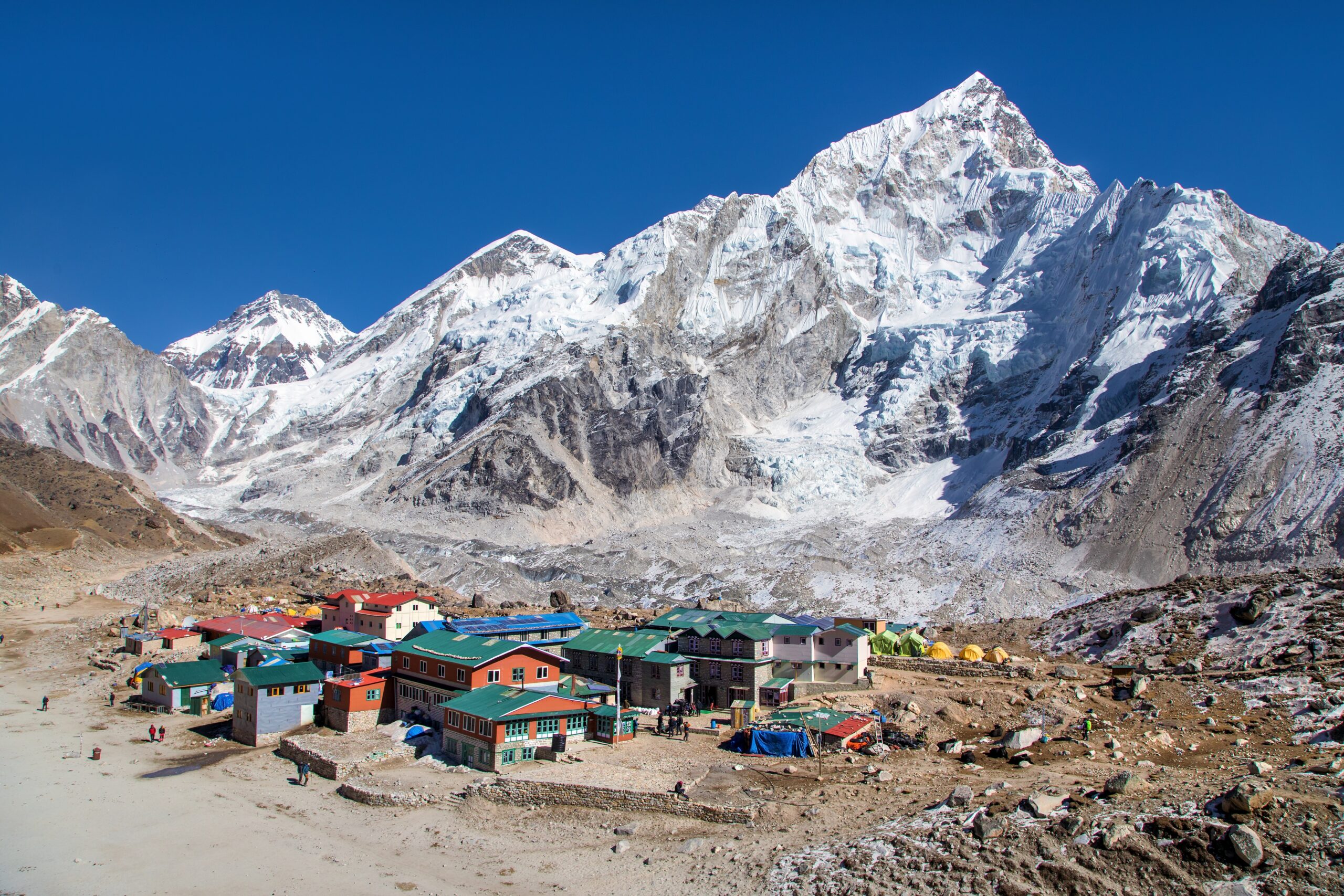
Everest is not one price.
Most people pay roughly $40,000–$80,000, but the same mountain now supports ultra-premium products approaching $400,000.
Why Everest Has the Widest Price Spread
Permit, oxygen and expedition infrastructure create a high floor; guide model and private support create the enormous ceiling.
| 2026 Everest price signal | Amount | Meaning |
|---|---|---|
| Most climbers | $40K–$80K | Alan Arnette’s 2026 broad spending range. |
| Nepalese guide-service median | $45,250 | 2026 median in Arnette’s operator analysis. |
| International guide-service median | $76,000 | 2026 Nepal-side median with international guide service. |
| Ultra-premium example | $399,000 | CTSS Formula published example with extensive private support. |
Everest is therefore a poor mountain for a single “average cost” headline. A $45,000 Nepalese-guided product and a $399,000 private product are not simply expensive and more expensive versions of the same package; they are different service models.
How to Compare Two Mountain-Climbing Prices
The cheaper package is not automatically cheaper after the exclusions are added.
Same route? Same trip length? Same guide ratio? Same number of acclimatization days?
Permit, hotels, local flights, meals, porters, oxygen, lifts, group gear and rescue systems.
Flights, insurance, equipment, tips, single rooms, baggage and contingency.
Deposits and weather/fitness Plan B rules can change the economic risk substantially.
Guide credentials, support ratios and high-altitude staffing can explain major price differences.
Only after all of the above should you decide which trip is actually less expensive.
Price can correlate with support, but price alone is not a safety score. Alan Arnette found that 23 of 26 Everest member deaths in 2023–2024 were with operators charging below the median price, while also noting that larger operators have more members and therefore require careful per-capita interpretation. Use price as one due-diligence signal, not a substitute for evaluating the operator.
Mountain Cost & Budget Library
Use this hub for cross-mountain budget comparison, then open the individual cost guide for the detailed price breakdown of a specific objective.
Expedition Budget Calculator
Build your own total from guide, travel, gear, insurance and contingency.
Calculate budget → AlpsMont Blanc Cost
2026 guide packages, huts, lifts and full-trip budgets.
Open Mont Blanc → AfricaKilimanjaro Cost
Operator packages, park fees, tips, gear and hidden spending.
Open Kilimanjaro → HimalayaEverest Cost
Permit, oxygen, support models, operators and full expedition pricing.
Open Everest → Multi-year projectSeven Summits Real Cost
Model the entire project rather than one summit at a time.
Open Seven Summits → ComparisonCheapest Seven Summits Ranked
See which continental summits dominate the project budget.
Compare Seven Summits → InsuranceMountaineering Insurance
Understand the policy line that becomes more important as altitude rises.
Open insurance → Buying decisionChoose an Expedition Operator
Compare price, staffing, support, cancellation and transparency.
Choose operator →Turn Price Research Into a Real Budget
The most useful follow-up is to calculate your own trip and then test the operator quote.
Expedition Budget Calculator
Enter the operator price, then add flights, hotels, gear, insurance, tips and contingency separately.
Open Calculator →How to Choose an Expedition Operator
Use the inclusion list, staffing model and cancellation terms to understand what a lower or higher quote actually buys.
Open Operator Guide →Mountain Climbing Cost FAQ
These answers use current published examples rather than one universal average.
How much does mountain climbing cost?
It ranges from hundreds of dollars for local objectives to thousands for guided glacier climbs and tens of thousands for major expeditions. Current 2026 examples include $3,475 for an Alpine Ascents Mount Rainier climb, $7,100 for its Aconcagua program, $12,250 for Denali and roughly $40,000–$80,000 for most Everest climbers.
How much does a first guided mountain climb cost?
A current three-day Mount Rainier Muir climb with Alpine Ascents is $3,475. Personal gear, Seattle lodging, some meals, insurance and gratuities are additional.
How much does Aconcagua cost?
Current major U.S.-operator examples include $7,100 with Alpine Ascents and $9,800 with RMI. The packages differ, and RMI’s published price does not include the climbing permit.
How much does Denali cost?
Alpine Ascents currently lists its Denali expedition at $12,250 before personal equipment and travel. Other guide services may price differently.
How much does Everest cost in 2026?
Alan Arnette’s 2026 market analysis says most climbers pay roughly $40,000–$80,000. His median is about $45,250 for Nepalese guide service and $76,000 for international guide service on the Nepal side. Ultra-premium products can cost several hundred thousand dollars.
What are the biggest hidden climbing costs?
Prerequisite climbs, personal gear, insurance, extra hotel nights, baggage, personal porters, tips, cancellation losses and the cost of returning for another attempt are the most important expenses outside the advertised operator fee.
Is a cheaper guide company less safe?
Price alone is not a safety score. Lower prices can reflect fewer inclusions, lower guide ratios, different staffing or simply lower overhead. Evaluate qualifications, support, oxygen policy where relevant, rescue planning, insurance and cancellation terms alongside price.
How should I compare climbing prices?
First compare the same route, duration and guide ratio. Then normalize permits, accommodation, local transport, group gear, meals, porters, oxygen and rescue support. Finally add your own flights, gear, insurance, tips and contingency.
How This Cost Comparison Is Built
The hub uses representative published prices to anchor each tier and sends mountain-specific detail to dedicated cost pages.
Current price sources
- Alpine Ascents · Mount Rainier — $3,475 Muir climb.
- Alpine Ascents · Kilimanjaro — $5,900 Machame climb-only example.
- Compagnie des Guides de Chamonix · Mont Blanc — €2,580 five-day Duo package.
- Alpine Ascents · Aconcagua — $7,100 Normal/Vacas program.
- RMI · Aconcagua — $9,800 23-day expedition example.
- Alpine Ascents · Denali — $12,250 expedition price.
- Alpine Ascents · Vinson — $55,500 2025–26 program.
- Alan Arnette · Everest 2026 — market medians, typical spend and premium-end examples.
Comparison rules
- Published operator prices are labeled as examples, not market averages.
- Package price is kept separate from all-in travel cost.
- Tips are not described as staff wages.
- Per-peak price detail stays on dedicated mountain cost pages.
- Price is not used as a stand-alone safety rating.
- All current prices should be reconfirmed before booking.
The cost rule to remember
Compare the finished trip, not the sticker price. A $7,000 expedition with a permit, hotels and local transport included can be cheaper than a $6,000 expedition that excludes them.
Start With the Published Guide Price. Finish With the Trip You Actually Have to Fund.
Rainier, Aconcagua, Denali and Everest live in different cost worlds because the logistics grow with altitude, duration and remoteness. Use the operator quote as the first line—not the whole budget.
Was this helpful?
🏔Related cost guides
🧭Explore & compare
Global Summit Guide is an independent mountaineering resource founded in 2026. The team combines first-hand trekking and climbing experience with in-depth research and professional health and nutrition review to help climbers choose objectives, prepare properly, and stay safe.
Health, altitude, and nutrition content is reviewed by Taylor Ludlow (Registered Nurse) and Brigg Hoopes (Nutritionist).
What We Don't Know Yet
Mountain information changes quickly. This box explains the limits of what this page can responsibly promise.
- Total trip cost can change with flights, lodging, guide pricing, permits, gear rentals, transportation, and exchange rates.
- Visa, passport, vaccination, border, insurance, and local transportation rules may change before your trip.
- Route conditions, snowpack, closures, and weather can change quickly after this page is updated.
- Permit rules, fees, quotas, and reservation windows may change between review cycles.
- Operator availability, pricing, guide ratios, and cancellation terms can change by season.
Verify current conditions with official land managers, guide services, local forecasts, and current route reports before booking or climbing.
Mountaineering, rock and ice climbing, glacier travel, and high-altitude activity are inherently dangerous and can result in serious injury or death. The information on Global Summit Guide is provided for general informational and educational purposes only and is not a substitute for professional instruction, qualified guiding, proper equipment, or your own judgment and experience.
Route conditions, weather, snowpack, permits, regulations, and hazards change constantly and may differ from what is described here. Details may be incomplete, out of date, or contain errors. Always verify current information with local authorities, certified guides, and official sources before making any decision in the mountains.
Nothing on this site is medical, legal, or financial advice. Our fitness, acclimatization, altitude, and nutrition content is general in nature; consult a qualified physician before beginning any strenuous exercise program or exposing yourself to high altitude.
You are solely responsible for your own safety and decisions. To the fullest extent permitted by law, Global Summit Guide and its team accept no liability for any loss, injury, damage, or expense arising from use of, or reliance on, this information. By using this site you acknowledge these risks and accept these terms.
Some links on this site may be affiliate links. If you buy through them we may earn a small commission at no extra cost to you; this never affects our recommendations.
Global Summit Guide recommendation path
Next Best Mountain to Research
Use these recommendations to continue the right planning path instead of stopping on one page.
Use current permit, weather, route, and operator information before booking or climbing.
Search Flights, Hotels & Rental Cars
Have the mountain or destination picked? Use Expedia to compare the flights, lodging and rental cars that fit your actual trip dates. For mountain travel, consider arriving early enough for delays and adding a buffer night after the climb before a fixed flight home.
Compare current flight, hotel and car options.
Affiliate disclosure: Global Summit Guide may earn a commission if you book through this link, at no additional cost to you.