
Last updated June 28, 2026

Kilimanjaro Routes Compared: All 7 Trails (2026)
Seven established routes lead to Uhuru Peak, and choosing the right one matters more than almost any other decision — it sets your acclimatization, your summit odds, your crowds, and your cost. This guide compares all seven on the numbers that decide success, then matches each to the right kind of climber.
Best overall: 8-day Lemosho — scenery, acclimatization, and ~90% success.
Highest success / quietest: 9-day Northern Circuit (~90-95%).
Best value & most popular: 7-day Machame.
Quietest shoulder-season: Rongai (from the north).
Cheapest (huts): Marangu — but lowest success on its 5-day standard.
Experts only: Umbwe — steepest and hardest.
📑 Contents
How to Choose Your Route
Five factors separate the routes. Weigh them in roughly this order:
- Days / acclimatization — the biggest driver of success. More days = higher odds. This alone should steer most decisions.
- Acclimatization profile — routes with natural climb-high/sleep-low terrain (Lemosho, Machame) help more than the raw day count suggests.
- Scenery — the western and northern approaches (Lemosho, Northern Circuit) are the most varied and beautiful.
- Crowds — Marangu and Machame are busy; Rongai, Northern Circuit, and Umbwe are quiet.
- Cost — more days cost more, but cutting days to save money usually costs you the summit instead.
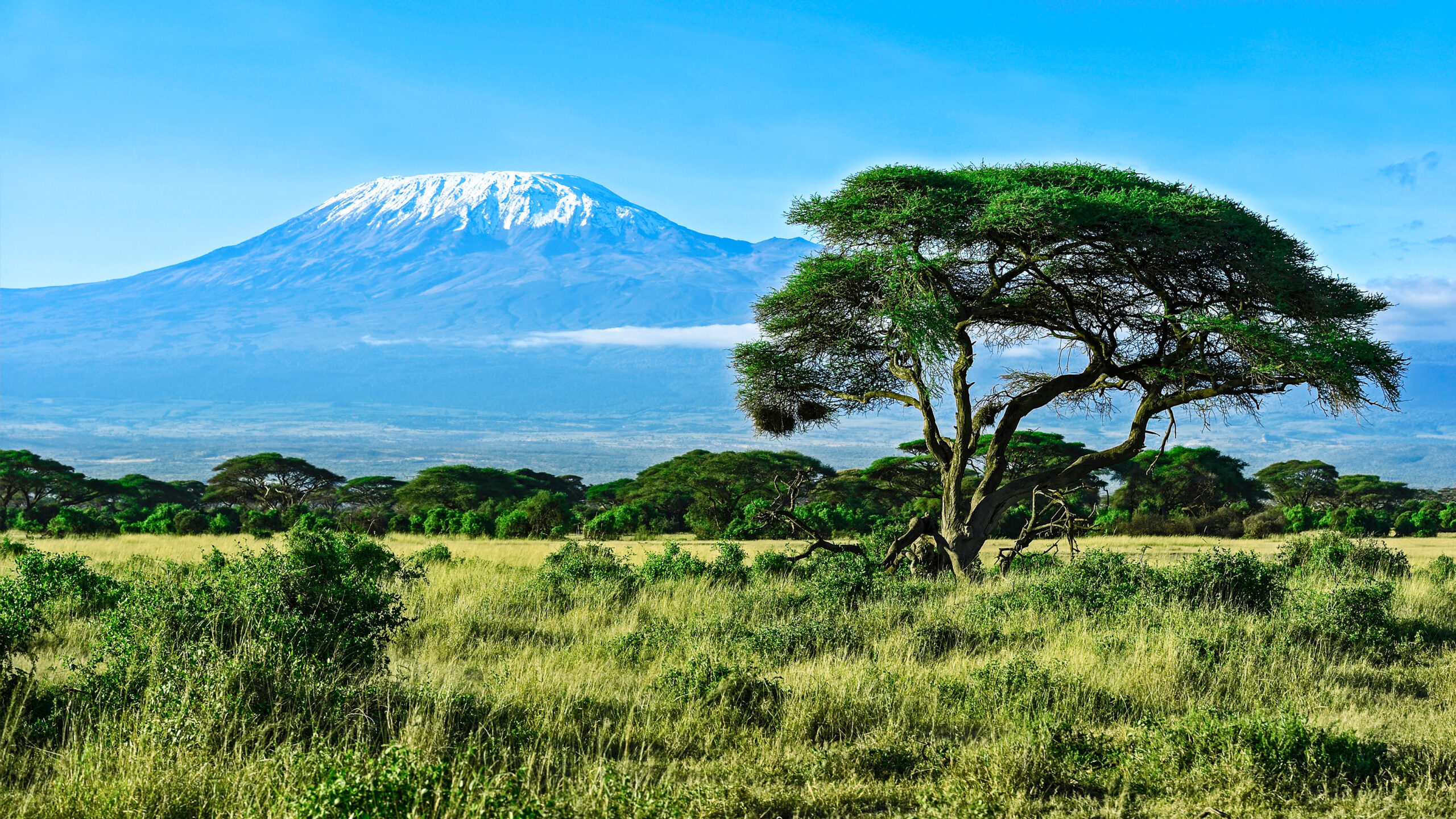
All 7 Routes in Detail
Ordered by what we’d recommend for most climbers, strongest first.
Lemosho
The best all-round route and the one our reviewer summited. It starts in the western rainforest, crosses the scenic Shira Plateau, then joins the southern circuit for a climb-high/sleep-low approach to Barafu. Excellent acclimatization, superb scenery, and only moderate crowds.
Northern Circuit
The longest route on the mountain and a full circumnavigation of Kibo. The extra days deliver the best acclimatization and the highest summit success of any route, plus near-solitude on the quiet northern slopes. The top pick if you have the time and budget.
Machame (“Whiskey”)
The most popular route, famous for dramatic scenery and the Barranco Wall scramble. Its natural climb-high/sleep-low profile aids acclimatization, and as a 7-day itinerary it offers strong value. The trade-offs are crowds and more up-and-down than Lemosho.
Rongai
The only route approaching from the north, near the Kenyan border. Drier and far quieter than the southern routes, it’s a strong shoulder-season choice and good for avoiding crowds, though its scenery is gentler and acclimatization slightly less ideal than Lemosho.
Marangu (“Coca-Cola”)
The only hut-based route – dormitory bunks instead of tents – and often the cheapest. But it ascends and descends the same trail, is the busiest path on the mountain, and its standard 5-day itinerary gives too little time to acclimatize, producing one of the lowest success rates.
Shira
A variant of Lemosho where a vehicle delivers you high onto the Shira Plateau (~3,500 m), skipping the gentle forest acclimatization. Scenic and quiet, but the high start makes early altitude illness more likely – better for climbers already acclimatized.
Umbwe
The steepest, most direct, and most demanding route – a fast, hard ascent with little built-in acclimatization. Beautiful and solitary, but with low success and real altitude risk. Recommended only for experienced, confident-at-altitude trekkers.
Side-by-Side Comparison
| Route | Days | Distance | Success | Traffic | Best for |
|---|---|---|---|---|---|
| Lemosho | 7-8 days | ~56 km | ~90% | Medium | All-round best; first-timers |
| Northern Circuit | 8-9 days | ~98 km | ~90-95% | Low | Highest success; solitude |
| Machame | 6-7 days | ~62 km | ~70-85% (7d) | High | Value; popular scenery |
| Rongai | 6-7 days | ~73 km | Moderate-Good | Low | Shoulder season; quiet |
| Marangu | 5-6 days | ~72 km | ~50-65% | High | Budget; hut sleepers |
| Shira | 7-8 days | ~56 km | Moderate | Low-Med | Already acclimatized |
| Umbwe | 6 days | ~53 km | Low | Very low | Experienced trekkers |
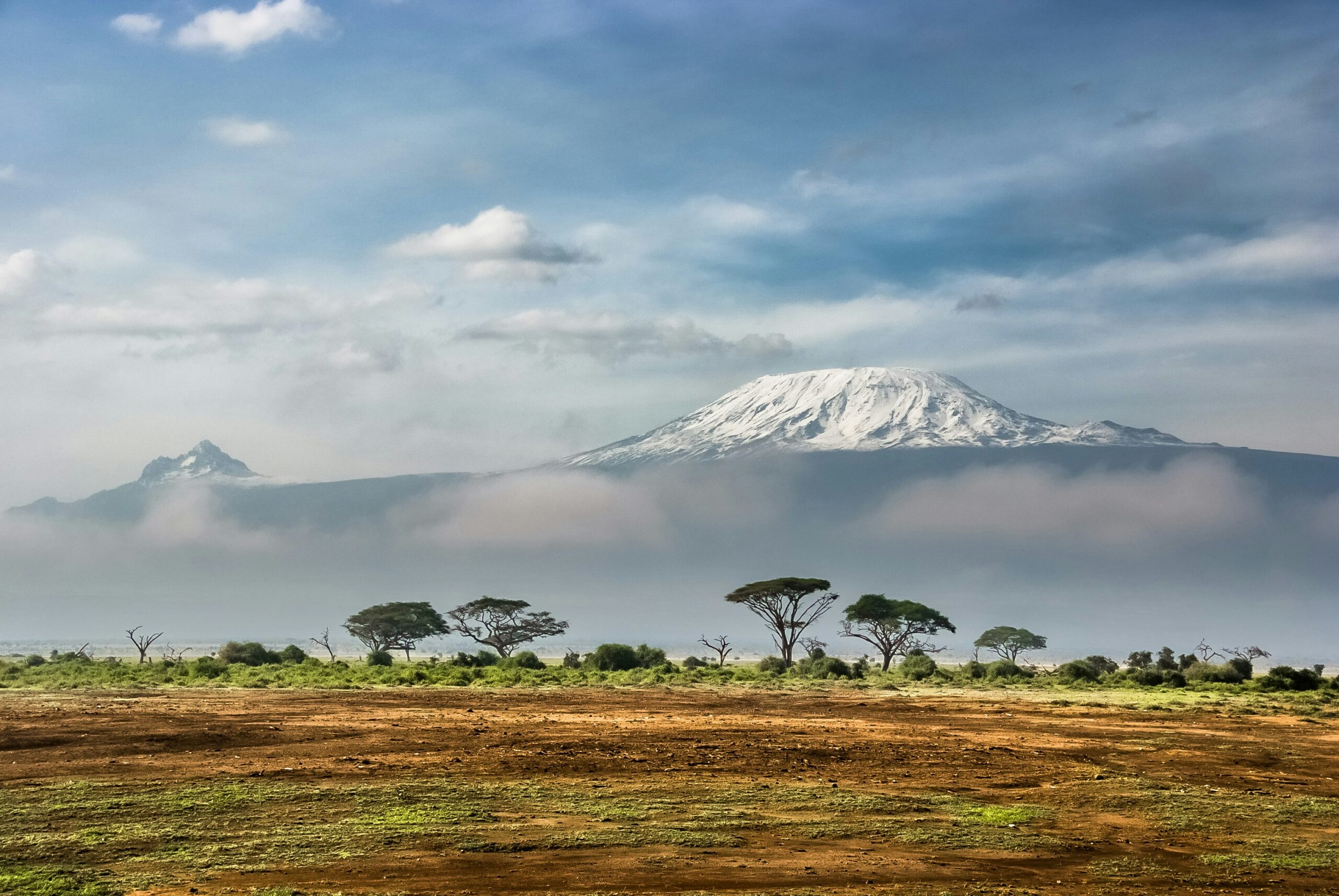
Best Route by Climber Type
8-day Lemosho. The best balance of acclimatization, scenery, and success for someone climbing Kilimanjaro for the first time.
9-day Northern Circuit. The highest summit rate on the mountain and the quietest trail — the premium choice.
7-day Machame. Popular for good reason — scenic, well-supported, and cheaper than Lemosho, with the iconic Barranco Wall.
Marangu (huts, cheapest) — but pay for the 6-day version, not the 5-day, or your summit odds drop sharply.
Umbwe — steep, direct, and quiet. Only with prior high-altitude experience.
The Route We Climbed
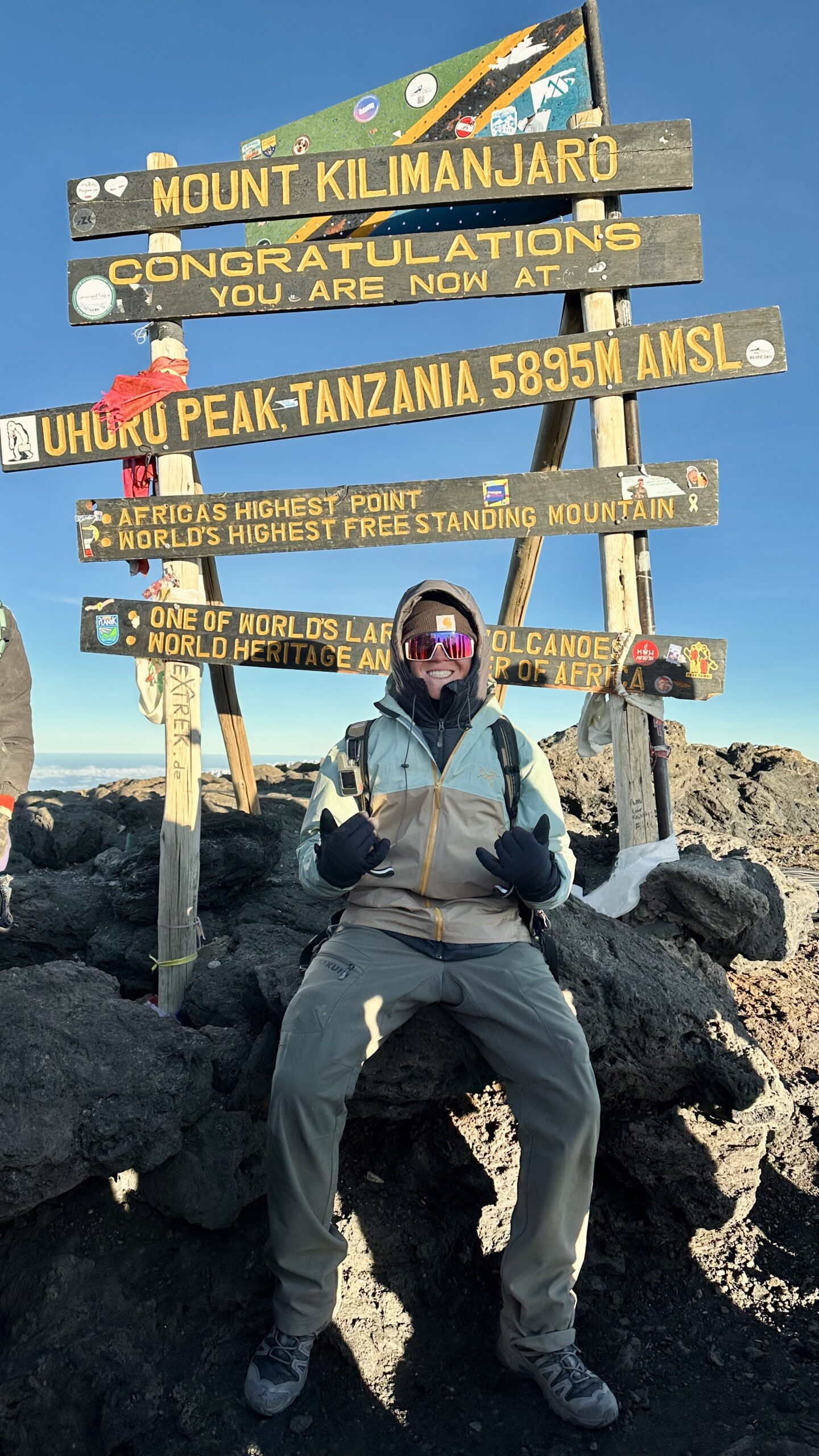
Our safety reviewer, Dawson, summited Uhuru Peak via the 7-day Lemosho route in 2024 — which is why it tops our recommendations. The Shira Plateau crossing, the climb-high/sleep-low rhythm through Barranco and Karanga, and the midnight push from Barafu all delivered exactly the acclimatization the route is known for.
How We Researched This
Our method.
- First-hand: Dawson Ludlow summited via the Lemosho route in 2024 — the basis for the route experience and pacing notes.
- Route data: durations, distances, and approaches cross-referenced against TANAPA / KINAPA information and multiple established operators.
- Success rates: drawn from operator-reported figures and acclimatization research; ranges reflect real variation by itinerary length.
- Last verified June 28, 2026. Confirm current itineraries and fees with your operator before booking.
Kilimanjaro Routes FAQ
Which Kilimanjaro route is best?
For most climbers the 8-day Lemosho or 9-day Northern Circuit — strongest acclimatization, highest success (~90-95%), and great scenery. Machame is the popular value pick; Marangu the cheapest but lowest success; Umbwe the hardest.
Which route has the highest success rate?
The 9-day Northern Circuit (~90-95%), because it spends the most days on the mountain. Lemosho is close behind. Longer itineraries consistently summit more.
What is the easiest route up Kilimanjaro?
None is technical. Lemosho and the Northern Circuit are ‘easiest’ in that their longer profiles make summiting most likely. Marangu feels easiest (huts, gentle grade) but its short 5-day standard makes the summit harder via poor acclimatization.
What’s the difference between Machame and Lemosho?
Both are scenic southern-circuit routes. Lemosho starts further west, adds the Shira Plateau, is slightly longer and quieter — generally the better experience. Machame is shorter, cheaper, busier, and includes the Barranco Wall.
How many days do you need?
5 to 9. Five-to-six-day climbs have much lower success (30-65%); seven days reaches 70-85%; eight-to-nine days hit 85-95%. Eight days is the sweet spot for most first-timers.
Which route is least crowded?
The Northern Circuit and Rongai are quietest among established routes, with Umbwe seeing very little traffic. Marangu and Machame are busiest.
Pick the Route That Fits You
When in doubt, choose more days. On Kilimanjaro, the longer route is almost always the one that gets you to Uhuru Peak.
Back to the full guide → See route costs →Was this helpful?
🏔Related guides
🧭Explore & compare
Global Summit Guide is an independent mountaineering resource founded in 2026. The team combines first-hand trekking and climbing experience with in-depth research and professional health and nutrition review to help climbers choose objectives, prepare properly, and stay safe.
Health, altitude, and nutrition content is reviewed by Taylor Ludlow (Registered Nurse) and Brigg Hoopes (Nutritionist).
What We Don't Know Yet
Mountain information changes quickly. This box explains the limits of what this page can responsibly promise.
- Route conditions, trailhead access, crevasse exposure, stream crossings, and rescue access may vary from published planning guidance.
- Fitness and altitude response vary by person; no guide, itinerary, or training plan can guarantee acclimatization or summit success.
- Comparisons simplify complex decisions; the better mountain depends on current conditions, skills, timing, budget, and risk tolerance.
Verify current conditions with official land managers, guide services, local forecasts, and current route reports before booking or climbing.
Mountaineering, rock and ice climbing, glacier travel, and high-altitude activity are inherently dangerous and can result in serious injury or death. The information on Global Summit Guide is provided for general informational and educational purposes only and is not a substitute for professional instruction, qualified guiding, proper equipment, or your own judgment and experience.
Route conditions, weather, snowpack, permits, regulations, and hazards change constantly and may differ from what is described here. Details may be incomplete, out of date, or contain errors. Always verify current information with local authorities, certified guides, and official sources before making any decision in the mountains.
Nothing on this site is medical, legal, or financial advice. Our fitness, acclimatization, altitude, and nutrition content is general in nature; consult a qualified physician before beginning any strenuous exercise program or exposing yourself to high altitude.
You are solely responsible for your own safety and decisions. To the fullest extent permitted by law, Global Summit Guide and its team accept no liability for any loss, injury, damage, or expense arising from use of, or reliance on, this information. By using this site you acknowledge these risks and accept these terms.
Some links on this site may be affiliate links. If you buy through them we may earn a small commission at no extra cost to you; this never affects our recommendations.
Global Summit Guide recommendation path
Next Best Mountain to Research
Use these recommendations to continue the right planning path instead of stopping on one page.
Use current permit, weather, route, and operator information before booking or climbing.
Explore Travel Options for Your Destination
Once your mountain, dates and route are taking shape, compare flights, hotels and other travel options that fit the trip.
Affiliate link. We may earn a commission at no additional cost to you.