
Last updated June 28, 2026
Kilimanjaro Permits & Fees: Complete Guide to TANAPA Park Fees for 2024-2026 Climbers
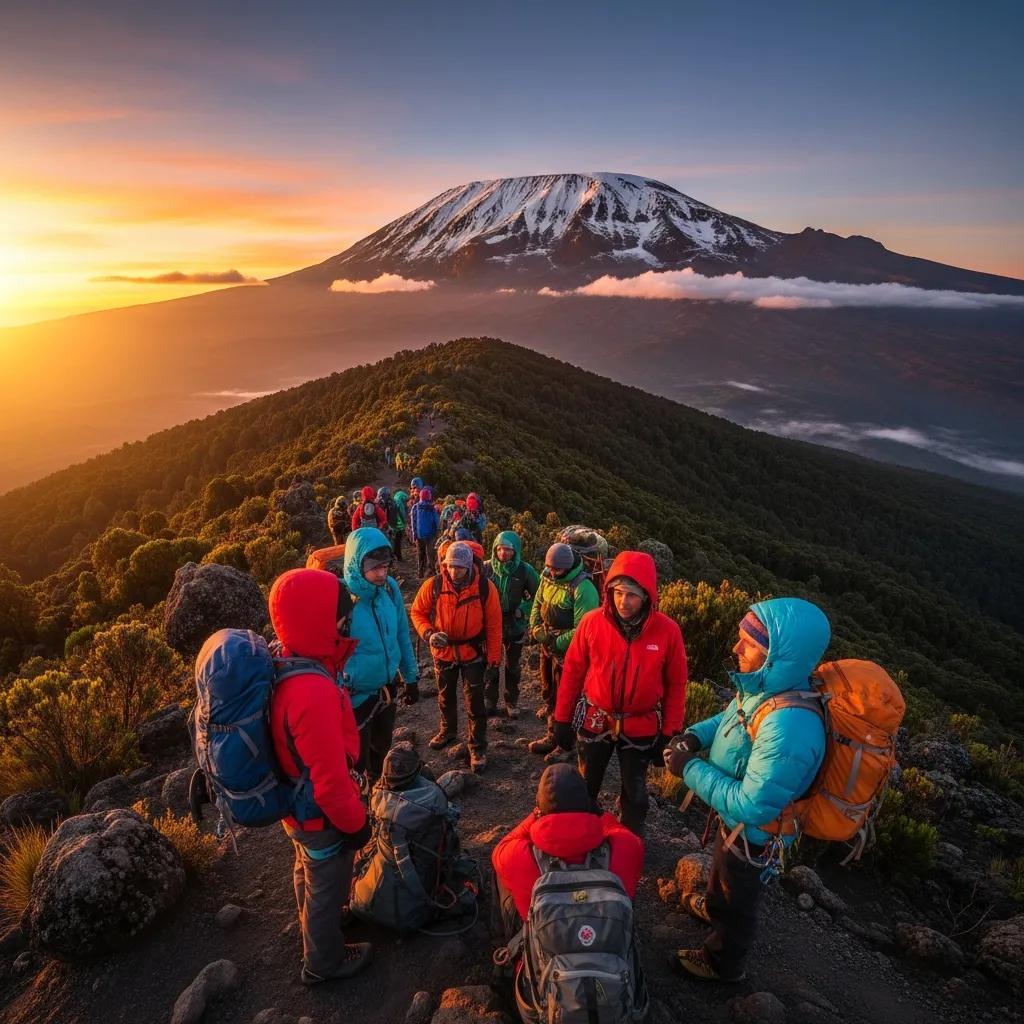
Climbing Mount Kilimanjaro is a thrilling adventure that requires careful planning, especially regarding permits and fees. This comprehensive guide will provide you with essential information about Kilimanjaro climbing permits, the fees associated with them, and the role of the Tanzania National Parks Authority (TANAPA) in managing these permits. Understanding the costs and processes involved is crucial for climbers to ensure a smooth and enjoyable experience. In this article, we will explore the types of permits required, the costs for 2024-2026, the application process, refund policies, and much more. By the end, you will be well-equipped to navigate the complexities of Kilimanjaro permits and fees.
What Are Kilimanjaro Climbing Permits and Why Are They Required?
Kilimanjaro climbing permits are essential documents that allow climbers to access the mountain and its surrounding national park. These permits are required to ensure the safety of climbers and the preservation of the natural environment. The Tanzania National Parks Authority (TANAPA) regulates these permits to manage the flow of climbers and protect the park’s ecosystem. Without the necessary permits, climbers risk facing fines or being turned away at the park entrance.
Definition and Types of Kilimanjaro Permits Explained
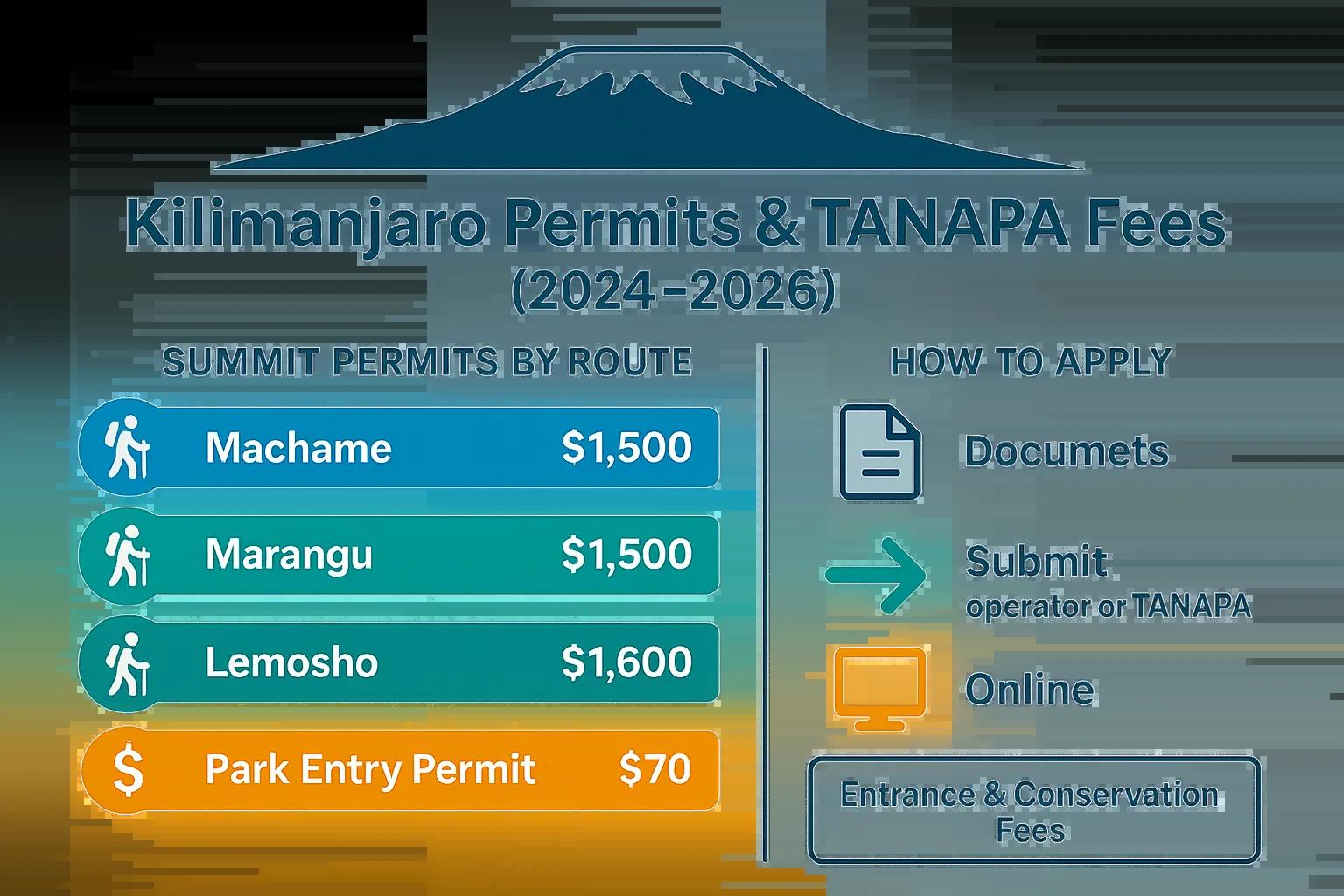
There are several types of Kilimanjaro climbing permits, each designed for different climbing routes and durations. The primary permits include the Summit Permit, which allows climbers to reach the peak, and the Park Entry Permit, which grants access to the national park. Additionally, there are specific permits for different routes, such as Machame, Marangu, and Lemosho, each with its own regulations and fees. Understanding these permit types is crucial for climbers to ensure compliance with TANAPA regulations.
Role of TANAPA in Managing Kilimanjaro Permits and Park Fees
TANAPA plays a vital role in managing Kilimanjaro permits and park fees. The authority is responsible for setting the fees, regulating the number of climbers, and ensuring that the park’s natural resources are protected. TANAPA also provides information and support to climbers, helping them navigate the permit application process and understand the associated costs. By managing these aspects, TANAPA aims to balance the needs of climbers with the conservation of Mount Kilimanjaro’s unique ecosystem.
Studies have also examined how these user fees contribute to TANAPA’s funding and how visitors perceive the value and quality of services provided by Kilimanjaro National Park.
Kilimanjaro National Park User Fees & Visitor Perception
of TANAPA’s funding to be user fees, fee structure on demand of visitors to the park and reveal visitors’ perception on the quality of the services provided by Kilimanjaro National Park so
Economic Valuation of Recreation Use Value of Kilimanjaro National Park, Tanzania, 2016
How Much Do Kilimanjaro Permits and TANAPA Park Fees Cost in 2024-2026?
Understanding the costs associated with Kilimanjaro permits and TANAPA park fees is essential for climbers planning their adventure. The fees vary depending on the climbing route, the type of permit, and the duration of the stay.
Detailed Breakdown of Permit Prices by Climbing Route and Permit Type
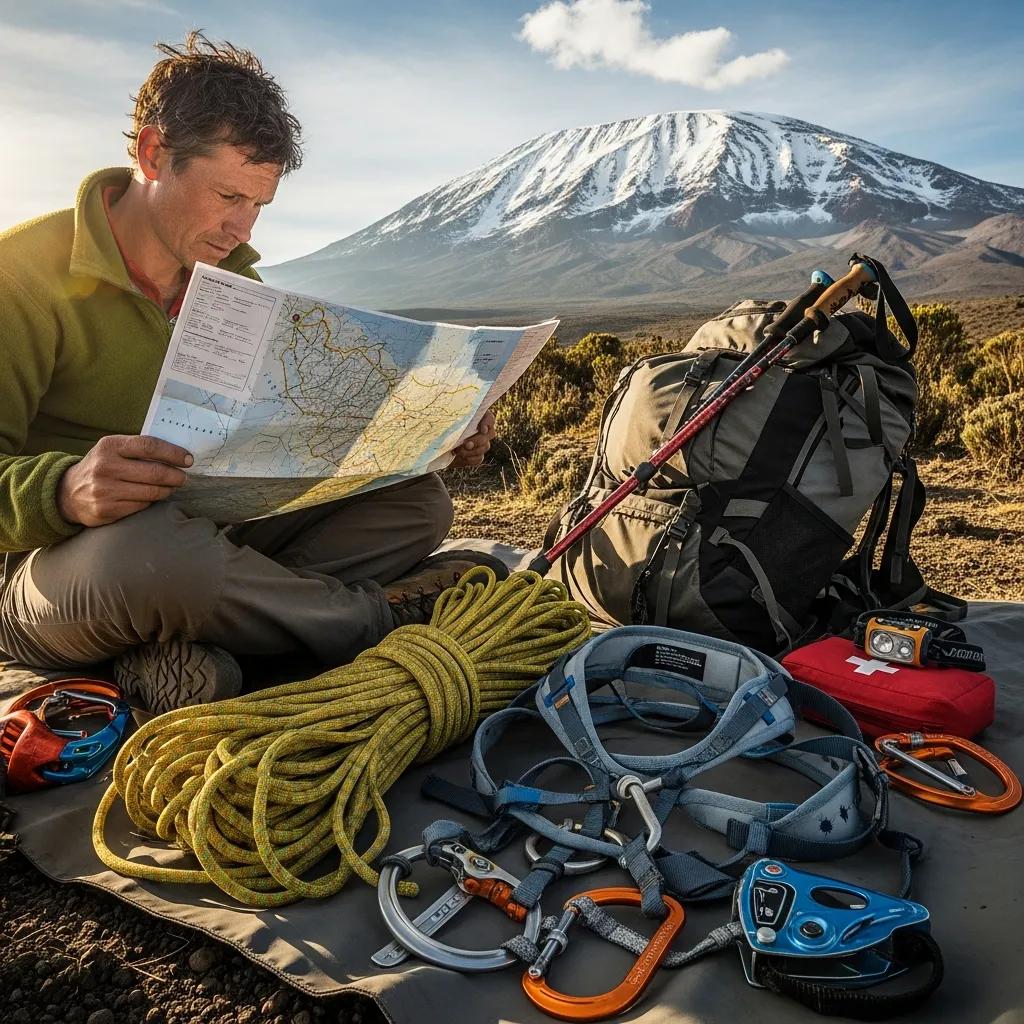
The following table outlines the costs associated with different Kilimanjaro climbing mountains permits based on the route and permit type for the years 2024-2026:
This breakdown highlights the varying costs associated with each climbing route, allowing climbers to budget accordingly.
Overview of TANAPA Park Entrance and Conservation Fees
In addition to climbing permits, climbers must also pay park entrance and conservation fees. The park entrance fee is typically $70 per person, which contributes to the maintenance and conservation of the park. These fees are crucial for preserving the natural beauty of Mount Kilimanjaro and ensuring that future generations can enjoy its splendor. Understanding these fees is essential for climbers to plan their budget effectively.
Research further elaborates on the historical context and ongoing evaluation of TANAPA’s fee structures for protected areas like Kilimanjaro.
TANAPA Kilimanjaro Entrance Fee Structure
fees were not, for example, recommended at Kilimanjaro. review potential changes in the fee structure of the PAs. Notably, the same entrance fee charged by TANAPA for the
Protected area entrance fees in Tanzania: The search for competitiveness and value for money, 2017
What Is the Step-by-Step Process to Apply for Kilimanjaro Permits?
Applying for Kilimanjaro permits involves a straightforward process that requires specific documentation and adherence to TANAPA regulations.
Required Documents and Eligibility Criteria for Permit Application
To apply for a Kilimanjaro permit, climbers must provide several documents, including a valid passport, proof of payment for the permit fees, and a completed application form. Additionally, climbers should ensure they meet the eligibility criteria set by TANAPA, which may include age restrictions and health requirements. Having these documents ready will streamline the application process.
Where and How to Submit Your Kilimanjaro Permit Application
Climbers can submit their permit applications through authorized tour operators or directly at TANAPA offices. It is advisable to apply well in advance of the intended climbing date to secure the necessary permits. Online applications may also be available, providing a convenient option for climbers to manage their permits from anywhere in the world.
What Are the Refund and Cancellation Policies for Kilimanjaro Permits and Fees?
Understanding the refund and cancellation policies for Kilimanjaro permits is crucial for climbers who may need to change their plans.
Conditions Under Which Permit Fees Are Refundable
TANAPA has specific conditions under which permit fees may be refundable. Generally, fees are refundable if the cancellation is made at least 30 days before the scheduled climb. However, administrative fees may apply, and climbers should check the latest policies to understand their options.
How to Request a Cancellation or Refund from TANAPA
To request a cancellation or refund, climbers must contact TANAPA directly, providing their permit details and the reason for the cancellation. It is essential to follow the outlined procedures to ensure a smooth refund process. Keeping records of all communications with TANAPA will also help facilitate the request.
How Do Kilimanjaro Permit Costs Compare Across Different Climbing Routes?
The costs of Kilimanjaro permits can vary significantly depending on the chosen climbing route.
Cost Variations Between Machame, Marangu, and Other Routes
The Machame route is known for its scenic views and challenging terrain, which is reflected in its higher permit costs compared to the Marangu route, which is more accessible. The Lemosho route, while slightly more expensive, offers a less crowded experience and stunning landscapes. Understanding these cost variations can help climbers choose the route that best fits their budget and experience level.
Factors Influencing Permit Pricing by Route and Season
Several factors influence the pricing of Kilimanjaro permits, including the popularity of the route, the time of year, and the overall demand for climbing permits. During peak climbing seasons, such as January and August, prices may increase due to higher demand. Climbers should consider these factors when planning their trip to ensure they secure the best rates.
What Are the Conservation and Environmental Fees Included in TANAPA Park Charges?
Conservation and environmental fees are integral to maintaining the ecological balance of Mount Kilimanjaro.
Purpose and Allocation of Conservation Fees
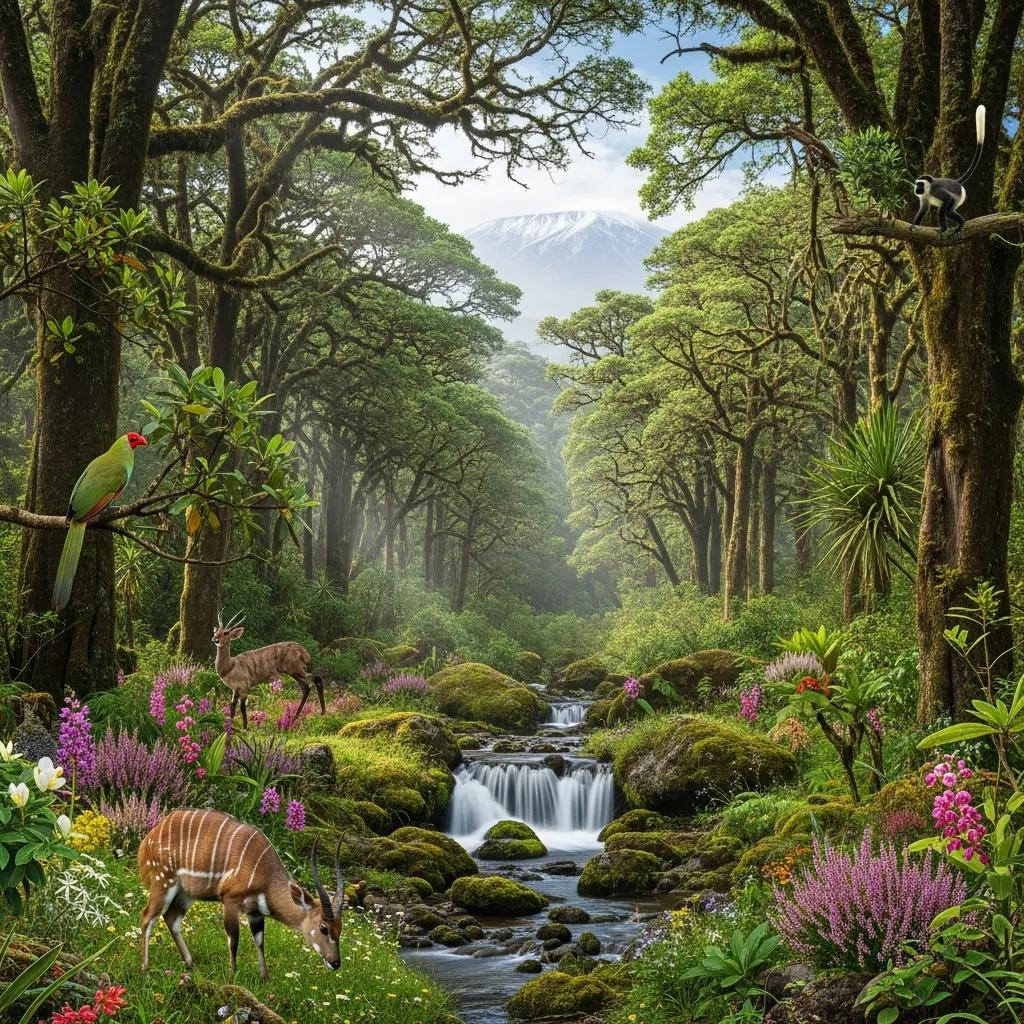
Conservation fees collected by TANAPA are used to fund various environmental protection initiatives within the park. These initiatives include habitat restoration, wildlife protection, and community engagement programs aimed at promoting sustainable tourism. Understanding the purpose of these fees helps climbers appreciate their contribution to the preservation of the park.
Impact of Park Fees on Mount Kilimanjaro Preservation Efforts
The park fees play a crucial role in supporting the ongoing preservation efforts of Mount Kilimanjaro. By funding conservation projects, TANAPA ensures that the park remains a vibrant ecosystem for both climbers and wildlife. This impact highlights the importance of responsible tourism and the role that climbers play in supporting conservation efforts.
Indeed, the significant park entrance fees and tourism revenues generated by Kilimanjaro National Park are vital for its sustainability and for supporting community projects through TANAPA’s cost-sharing models.
Kilimanjaro Park Entrance Fees & TANAPA Revenue
KINAPA, generate significant park entrance fees and related tourism revenues. utilize a cost-sharing model where TANAPA contributes 70% of project costs, with
Factors Influencing Sustainability of Support for Community Initiated Projects in Tanzania: A Case of Communities Surrounding Kilimanjaro National Park, 1994
Frequently Asked Questions
What is the best time of year to climb Mount Kilimanjaro?
The best times to climb Mount Kilimanjaro are during the dry seasons, which typically occur from January to March and June to October. These months offer the most favorable weather conditions, with less rainfall and clearer skies, making for a more enjoyable climbing experience. However, climbers should also consider their personal fitness levels and acclimatization needs when planning their ascent, as the mountain can be challenging regardless of the season.
Are there age restrictions for climbing Kilimanjaro?
Yes, there are age restrictions for climbing Mount Kilimanjaro. Climbers must be at least 10 years old to obtain a permit for the trek. However, it is essential to consider the physical fitness and health of younger climbers, as the altitude and strenuous nature of the climb can pose challenges. For those under 18, parental consent is typically required, and it is advisable to consult with a tour operator regarding specific age-related policies.
What should I pack for my Kilimanjaro climb?
Packing for a Kilimanjaro climb requires careful consideration of the mountain’s varying climates. Essential items include layered clothing for temperature changes, a good-quality sleeping bag, trekking poles, and sturdy hiking boots. Additionally, climbers should bring personal items such as sunscreen, a first-aid kit, and hydration systems. It’s also wise to pack snacks and energy bars for quick energy boosts during the trek. Consulting a packing list from a reputable tour operator can help ensure nothing is forgotten.
Can I climb Kilimanjaro without a guide?
Climbing Mount Kilimanjaro without a guide is not permitted. The Tanzania National Parks Authority (TANAPA) requires all climbers to be accompanied by a licensed guide for safety and environmental protection reasons. Guides are knowledgeable about the routes, weather conditions, and emergency procedures, which enhances the overall climbing experience. Hiring a guide also supports local communities and the economy, making it a responsible choice for climbers. mountain collections
What are the health requirements for climbing Kilimanjaro?
Climbers should be in good health and physically fit to tackle the challenges of Mount Kilimanjaro. While there are no specific health certificates required, it is advisable to undergo a medical check-up before the climb, especially for those with pre-existing conditions. Acclimatization is crucial, so climbers should be aware of altitude sickness symptoms and take necessary precautions, such as ascending slowly and staying hydrated throughout the trek.
How can I ensure a successful summit attempt?
To increase the chances of a successful summit attempt on Kilimanjaro, climbers should prioritize proper acclimatization, allowing their bodies to adjust to the altitude. Choosing a longer route can facilitate this process. Additionally, maintaining a steady pace, staying hydrated, and consuming high-energy foods are essential. Mental preparation and a positive attitude also play significant roles in overcoming the physical and psychological challenges of the climb.
Common Queries on Permit Validity, Application, and Costs
Some common questions include the validity period of permits, the application timeline, and the costs associated with different routes. Understanding these aspects can help climbers prepare adequately for their journey and avoid any last-minute surprises.
Answers to Refund, Fee Inclusions, and Permit Types
Climbers frequently inquire about the refund policies, what fees are included in the permit costs, and the types of permits required for different climbing routes. Providing clear answers to these questions can enhance the overall climbing experience and ensure that climbers are well-informed.
How to Stay Updated on Changes to Kilimanjaro Permits and TANAPA Park Fees?
Staying informed about changes to Kilimanjaro permits and fees is essential for climbers planning their trips.
Monitoring Official TANAPA Announcements and Fee Schedules
Climbers should regularly check official TANAPA announcements and fee schedules to stay updated on any changes. This information can typically be found on TANAPA’s official website or through authorized tour operators.
Using Alerts and Resources for 2026 Fee Updates and Regulations
Setting up alerts for updates on Kilimanjaro permits and fees can help climbers stay informed about any changes that may affect their plans. Utilizing resources such as social media channels and climbing forums can also provide valuable insights and updates from fellow climbers and experts in the field.
Conclusion
Understanding Kilimanjaro permits and fees is essential for a successful climbing experience, ensuring compliance with TANAPA regulations while budgeting effectively. By familiarizing yourself with the types of permits, associated costs, and application processes, you can navigate your adventure with confidence. Embrace the opportunity to contribute to the conservation of this iconic mountain while enjoying its breathtaking beauty. Start planning your Kilimanjaro journey today by exploring our resources and expert guidance.
Explore More Kilimanjaro Planning Guides
Continue planning your Kilimanjaro climb with our complete guide hub covering routes, park fees, the best season to climb, gear, and training.
Kilimanjaro Permits
Was this helpful?
🏔Related cost guides
🧭Explore & compare
Global Summit Guide is an independent mountaineering resource founded in 2026. The team combines first-hand trekking and climbing experience with in-depth research and professional health and nutrition review to help climbers choose objectives, prepare properly, and stay safe.
Health, altitude, and nutrition content is reviewed by Taylor Ludlow (Registered Nurse) and Brigg Hoopes (Nutritionist).
What We Don't Know Yet
Mountain information changes quickly. This box explains the limits of what this page can responsibly promise.
- Permit availability, reservation windows, quotas, and official fee rules may change after this page is updated.
- Route conditions, trailhead access, crevasse exposure, stream crossings, and rescue access may vary from published planning guidance.
- Total trip cost can change with flights, lodging, guide pricing, permits, gear rentals, transportation, and exchange rates.
Verify current conditions with official land managers, guide services, local forecasts, and current route reports before booking or climbing.
Mountaineering, rock and ice climbing, glacier travel, and high-altitude activity are inherently dangerous and can result in serious injury or death. The information on Global Summit Guide is provided for general informational and educational purposes only and is not a substitute for professional instruction, qualified guiding, proper equipment, or your own judgment and experience.
Route conditions, weather, snowpack, permits, regulations, and hazards change constantly and may differ from what is described here. Details may be incomplete, out of date, or contain errors. Always verify current information with local authorities, certified guides, and official sources before making any decision in the mountains.
Nothing on this site is medical, legal, or financial advice. Our fitness, acclimatization, altitude, and nutrition content is general in nature; consult a qualified physician before beginning any strenuous exercise program or exposing yourself to high altitude.
You are solely responsible for your own safety and decisions. To the fullest extent permitted by law, Global Summit Guide and its team accept no liability for any loss, injury, damage, or expense arising from use of, or reliance on, this information. By using this site you acknowledge these risks and accept these terms.
Some links on this site may be affiliate links. If you buy through them we may earn a small commission at no extra cost to you; this never affects our recommendations.
Global Summit Guide recommendation path
Next Best Mountain to Research
Use these recommendations to continue the right planning path instead of stopping on one page.
Use current permit, weather, route, and operator information before booking or climbing.
Search Flights, Hotels & Rental Cars
Have the mountain or destination picked? Use Expedia to compare the flights, lodging and rental cars that fit your actual trip dates. For mountain travel, consider arriving early enough for delays and adding a buffer night after the climb before a fixed flight home.
Compare current flight, hotel and car options.
Affiliate disclosure: Global Summit Guide may earn a commission if you book through this link, at no additional cost to you.