
Last updated October 4, 2026
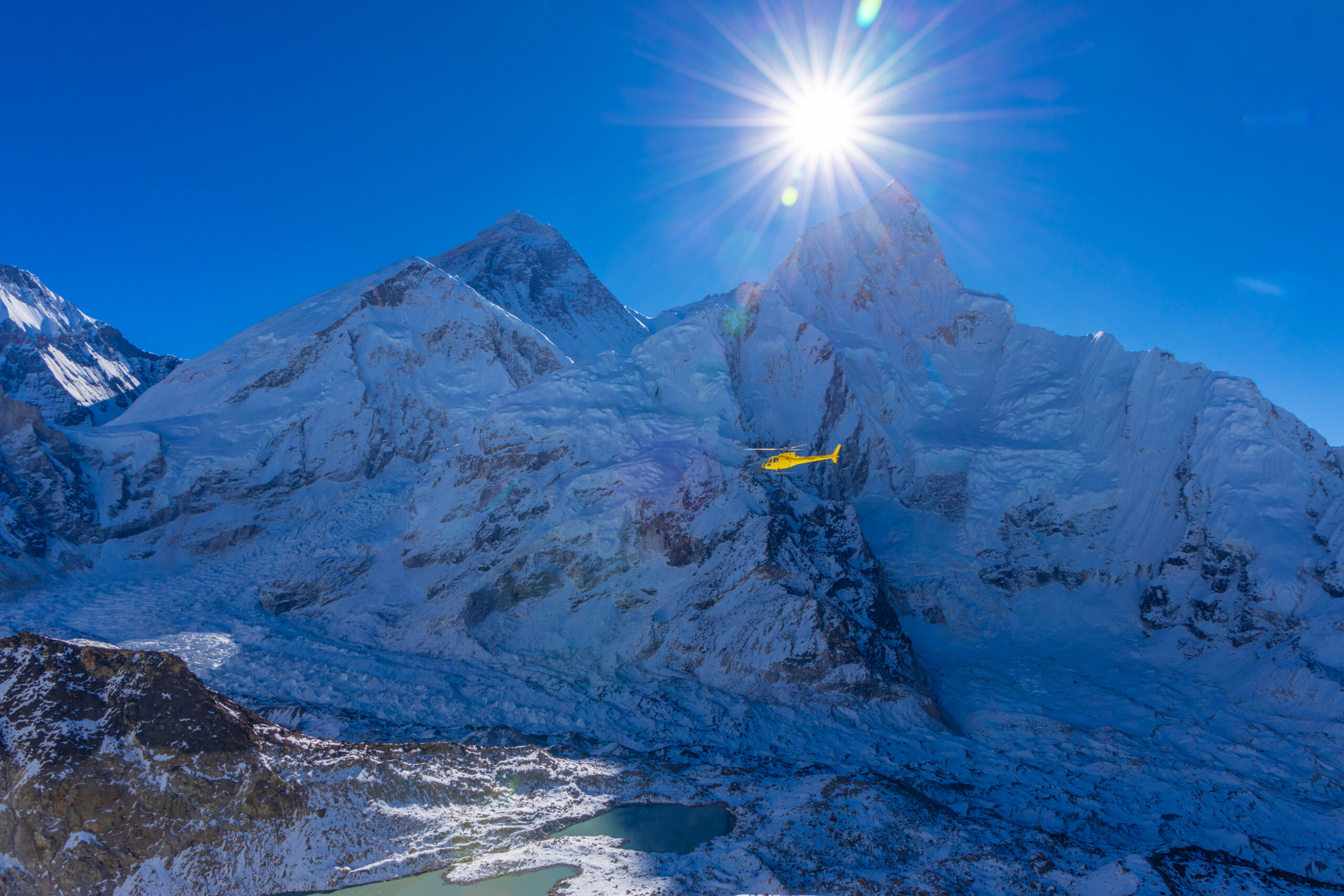
Everest Rules 2026: Current Nepal Regulations vs Proposed New Law
Several widely reported Everest restrictions are still proposals, not current law. Nepal’s $15,000 spring permit, the 1:2 high-altitude-worker/guide rule above 8,000 m, waste requirements and the $4,000 garbage deposit are in force. The proposed 7,000 m prerequisite and broader medical eligibility rules remain inside an unfinished Tourism Bill as of September 3, 2026.
What Everest Rules Are Actually in Force in Nepal in 2026?
Nepal’s current Mountaineering Regulation and Department of Tourism fee schedule create a clear set of rules that can be distinguished from the proposals still moving through Parliament.
For foreign climbers on Everest’s normal Nepal route, the royalty is $15,000 in spring, $7,500 in autumn and $3,750 in winter or summer. The revised tariff took effect September 1, 2025.
On peaks above 8,000 metres, at least one high-altitude worker or mountain guide must accompany every two expedition members. That means an unsupported solo Everest expedition does not satisfy the current staffing rule.
Current rules also include human-waste carry-out requirements above base camp, a $4,000 Everest garbage-management deposit per expedition team, and higher insurance minimums for expedition workers.
The proposed prior-summit requirement, a broader recent medical-certificate rule and several other eligibility controls are different. They remain tied to the Tourism Bill and proposed amendments rather than the authenticated law currently governing an Everest permit.
Current Rule, Pending Bill or Unverified Claim?
Everest regulation stories often collapse proposals, seasonal administrative instructions and enacted law into one list. That creates bad planning information.
| Rule or claim | September 3, 2026 status | What that means |
|---|---|---|
| $15,000 spring normal-route royalty | In force | Published by Nepal’s Department of Tourism; effective September 1, 2025. |
| 1 high-altitude worker / guide per 2 members above 8,000 m | In force | Part of the amended Mountaineering Regulation. |
| Biodegradable human-waste bags above base camp | In force | Current waste-management requirement. |
| $4,000 Everest garbage deposit | In force | Department of Tourism schedule; charged per expedition team. |
| Prior Nepal 7,000 m summit for Everest | Pending | Part of the Tourism Bill / amendment debate; final eligibility wording is not authenticated. |
| Universal recent medical certificate | Pending | Broader health-certificate requirements belong to proposed legislation, not the current universal permit rule. |
| Universal personal GPS tracker for every climber | Not established | The current Sixth Amendment does not establish this as a universal climber rule; separate digital tracking proposals concern expedition items and waste. |
| 55-day Everest permit validity | Not verified here | Some commercial pages publish this figure, but it is not treated here as a verified universal statutory rule without an official current source. |
Everest Permit Fees in 2026
The royalty increase is settled. These are the current foreign-climber government fees for Everest from Nepal.
| Everest route | Spring | Autumn | Winter / summer |
|---|---|---|---|
| Normal route | $15,000 | $7,500 | $3,750 |
| Other Everest route | $10,000 | $5,000 | $2,500 |
The royalty is only the government permit component. For the full expedition budget, use How Much Does It Cost to Climb Everest? →
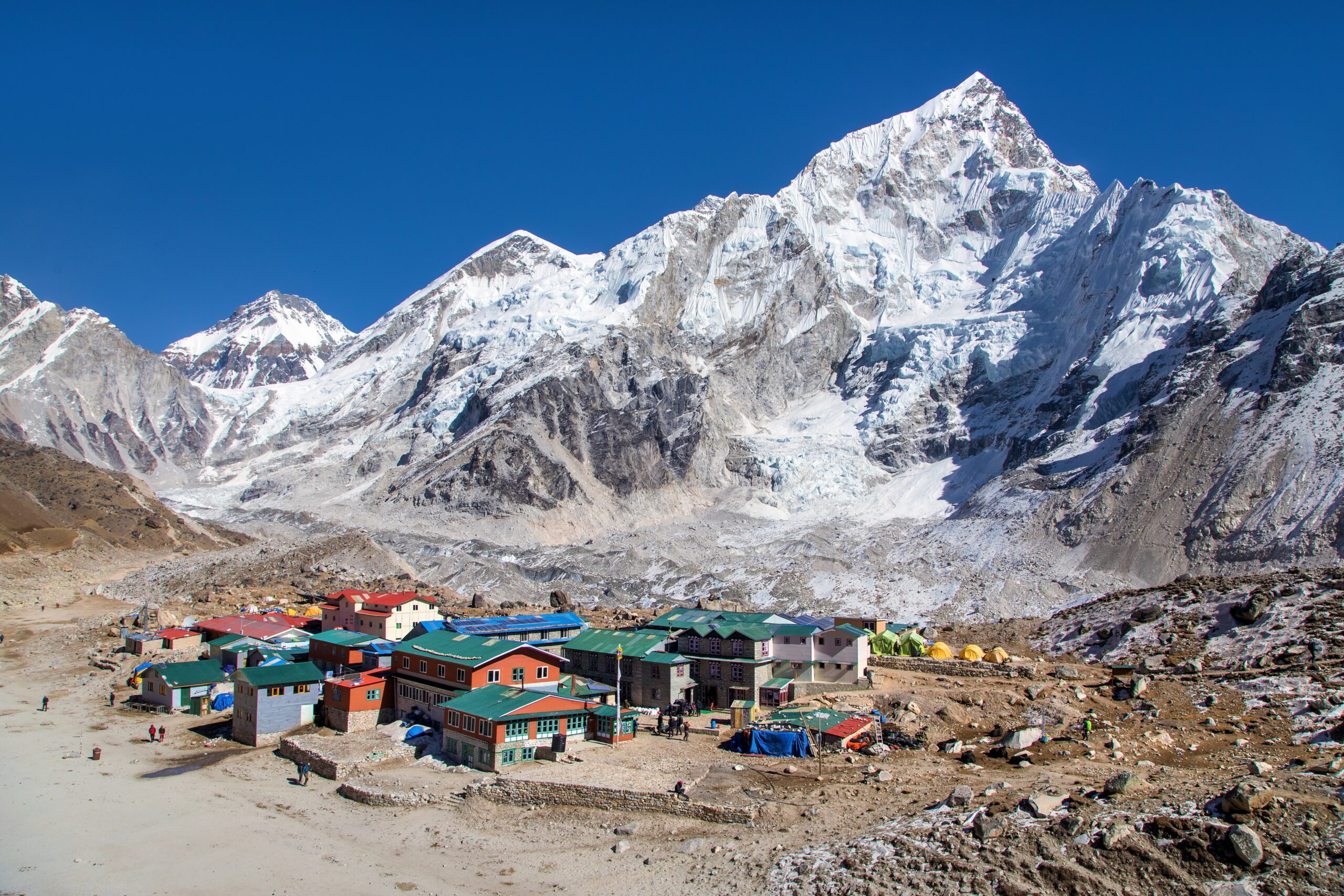
Everest Requires a Minimum High-Altitude Support Ratio.
Nepal’s amended rule requires at least one high-altitude worker or mountain guide for every two expedition members on peaks above 8,000 metres.
What the 1:2 Requirement Means
The legal minimum is easier to understand as a staffing floor than as a vague statement that “solo climbing is banned.”
At Least 1 Worker or Guide
A one-person or two-person Everest expedition still needs qualifying accompaniment under the rule.
At Least 2
The minimum scales with the number of expedition members rather than using one guide for an entire large 8,000-metre team.
At Least 3
This is the regulatory floor. It does not tell you who is personally assigned to a client above Camp III or on summit day.
Waste Bags, Carry-Out Rules & the $4,000 Deposit
The garbage deposit and human-waste rules are already part of the present regulatory system; they are not waiting for the new Tourism Bill.
| Requirement | Current position | Planning note |
|---|---|---|
| Everest garbage-management deposit | $4,000 per expedition team | Published by the Department of Tourism. |
| Human waste above base camp | Biodegradable poop bags required | Waste must be managed and carried back under the applicable system. |
| Expedition equipment and waste records | Current regulations require more detailed above-base-camp inventory and waste handling | Operator procedures matter because the legal duty is carried out through the expedition. |
| Future digital / QR controls | Proposed in parliamentary amendments | Do not confuse these proposals with a current universal GPS device mandate for every climber. |
Current Insurance Minimums Are Clearer for Expedition Staff Than for Foreign Clients
The Sixth Amendment increased minimum protection for the Nepali workers who make an expedition function.
| Covered role | Current accident-insurance minimum |
|---|---|
| Sirdar, mountain guide, high-altitude worker | NPR 2,000,000 each |
| Liaison officer | NPR 1,500,000 |
| Base-camp worker | NPR 1,500,000 |
| Local worker | NPR 500,000 minimum |
Nepal Also Tightened the Permit Process During the 2026 Spring Season
A Department of Tourism nine-point circular added practical documentation and reporting requirements for spring expeditions. These should be described as 2026 administrative procedures, not as a new permanent experience threshold.
Advance Filing & Named Staff
For the spring 2026 season, agencies were directed to submit applications at least two days in advance, include support-staff details and designate a sirdar when filing.
Photos, Vouchers & Insurance Records
The circular tightened the documentation package used for permits and certificates, including current member/staff photos and supporting payment and insurance records.
Prior Approval for Additions
Additional support personnel were to be added only with departmental approval and the required details.
Formal Incident Reporting
Expedition organisers were directed to report rescue operations to the Department of Tourism and Tourist Police.
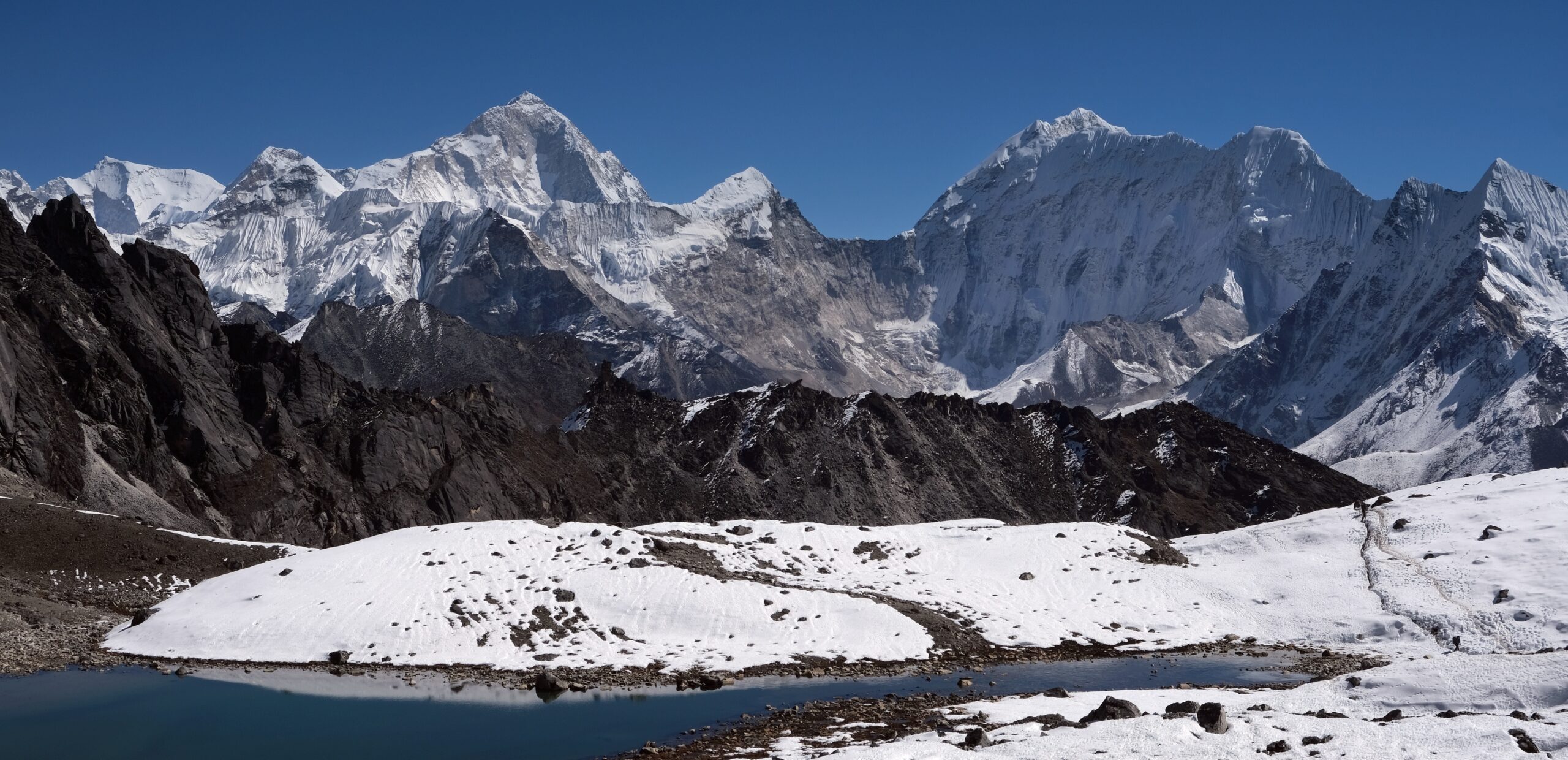
The Tourism Bill Has Not Finished Parliament.
The National Assembly passed it, but the official tracker still shows no House of Representatives passage and no presidential authentication. House committee work was continuing in late August 2026.
What the Pending Tourism Bill Could Change
The bill is consequential because it could make eligibility stricter. It is also still changeable because lawmakers have filed many amendments with competing thresholds and controls.
| Proposed area | Current status | Why the wording matters |
|---|---|---|
| Prior high-altitude experience for Everest | Pending | The bill and amendments include prior-summit concepts, but lawmakers have proposed different 7,000 m and 8,000 m thresholds. |
| Recent health certification | Pending | A broader recent medical-certificate rule has been proposed but is not yet an authenticated universal Everest permit requirement. |
| Permit limits / carrying capacity | Proposed | Amendments have sought mountain-specific capacity controls and other permit-allocation changes. |
| Digital inventory / QR tracking | Proposed | Proposals focus on tracking items and waste; this is not the same as an enacted personal GPS mandate. |
| Operator / guide controls | Under debate | Licensing, nationality and expedition-marketing provisions remain part of the parliamentary process. |
Do You Need a 7,000 m Nepal Summit Before Everest?
Not as an authenticated universal 2026 rule on September 3. The prior-experience idea is real; the final legal threshold is not settled.
No Authenticated 7,000 m Universal Requirement
The official Parliament tracker still shows the Tourism Bill without House passage or presidential authentication.
Competing Experience Thresholds
Parliamentary amendments have proposed different combinations of prior 7,000 m and 8,000 m summits. That makes one simple “new Everest rule” headline unreliable.
Build the Résumé Before the Law Forces It
A strong 7,000 m-plus expedition history is sensible preparation for Everest regardless of the eventual statute.
Open the Everest progression plan →Permit-Year Rules, Not Last Year’s Headlines
Check the Department of Tourism and final authenticated text for the year you intend to climb.
Medical Certificates & GPS Tracking
Both topics appear in reporting about Everest reform. Neither should be flattened into a universal current-law statement without the enacted text.
The Current Regulation and the Pending Bill Are Different
Current mountaineering rules already contain medical-fitness provisions in the permit process. The broader recent-health-certificate requirement discussed for Everest belongs to the pending Tourism Bill. It is not yet the same thing as a final universal “30-day medical certificate” rule for every climber.
QR / Inventory Proposals Are Not a Personal GPS Rule
Lawmakers have proposed stronger digital tracking of expedition equipment and waste. The current Sixth Amendment reviewed for this page does not establish a universal rule that every foreign Everest climber must carry a personal GPS tracker.
The Tibet / North Side Is Not Governed by Nepal’s Everest Rules
International foreign expeditions did not receive North Side access in spring 2026. That was a China/Tibet access decision, not a provision of Nepal’s Mountaineering Regulation.
When comparing routes, keep two questions separate: What does Nepal require to issue a South Side permit? and Will Chinese/Tibetan authorities open the North Side to foreign expeditions for the intended season? A closure in one season should not be rewritten as a permanent legal rule for the mountain.
What an Everest Applicant Should Confirm
A government rule, an operator prerequisite and a proposed law can all affect the same trip—but they come from different places.
| Confirm | Where to confirm it | Why |
|---|---|---|
| Current royalty | Nepal Department of Tourism / licensed expedition operator | The $15,000 spring fee is current, but the exact payment process still runs through the expedition system. |
| Guide / high-altitude-worker staffing | Operator contract | Legal minimum staffing is not the same as your summit-day support ratio. |
| Garbage deposit and waste procedure | Department rules + operator | Know who pays the team deposit and how compliance/refund documentation is handled. |
| Worker insurance compliance | Operator | The current regulation sets minimum protections for expedition staff. |
| Your own insurance | Operator + specialist insurer | High-altitude rescue, medical and repatriation coverage can exceed statutory worker-insurance requirements. |
| Tourism Bill status | Federal Parliament / Department of Tourism | Future experience and health eligibility may change when the bill is finally enacted. |
| Tibet access | China/Tibet authorities through an operator | North Side access is not controlled by Nepal. |
Current Everest Rule Sources
For a page this time-sensitive, the best source is the government record itself.
Royalty & Garbage Deposit
Current foreign-climber royalty schedule and Everest garbage-management deposit.
Open official fee schedule →Nepal Department of TourismMountaineering Rules
Official rules directory containing the Mountaineering Regulation and Sixth Amendment.
Open rules directory →Nepal Law CommissionMountaineering Regulation
Legal text mirror used to cross-check the current regulation.
Open regulation →Federal ParliamentTourism Bill 2081
Official bill tracker showing National Assembly passage and the remaining uncompleted stages.
Open bill tracker →Everest Rules, Cost, Operators & Risk
Mount Everest Climbing Guide
Routes, timeline, preparation, cost, season and the complete planning sequence.
Open Everest →Permits & costEverest Permit & Total Cost
Separate the $15,000 government royalty from the real expedition budget.
Open cost guide →OperatorsEverest Expedition Operators
Compare support models, guide structure, oxygen and operator prerequisites.
Compare operators →RoutesSouth Col vs North Ridge
Keep Nepal permit law separate from Tibet-side access decisions.
Compare routes →ExperienceEverest Progression Plan
Build high-altitude experience that remains useful regardless of the final Tourism Bill threshold.
Build progression →RiskEverest Death Map
See where historical fatalities occurred and how hazard changes by section of the mountain.
Open risk data →Policy & industryMountaineering Truth Project
Broader research on cost, commercialization, risk and expedition systems.
Open research →8,000ersThe 14 Eight-Thousanders
Place Everest inside the complete group of mountains above 8,000 metres.
Explore the fourteen →Everest Rules 2026 FAQ
What Everest rules are in force in Nepal in 2026?
Current rules include the $15,000 spring normal-route royalty for foreign climbers, at least one high-altitude worker or mountain guide for every two expedition members above 8,000 metres, biodegradable human-waste bags above base camp, the $4,000 Everest garbage-management deposit per expedition team and current expedition-worker insurance requirements.
Do you need to climb a 7,000 m peak in Nepal before Everest?
Not under the authenticated law checked September 3, 2026. Prior high-altitude experience requirements are part of the pending Tourism Bill and proposed amendments, but the official parliamentary tracker still shows no House passage and no presidential authentication.
Is a guide mandatory on Everest?
For mountains above 8,000 metres, Nepal’s amended regulation requires at least one high-altitude worker or mountain guide for every two expedition members. That prevents an unsupported solo Everest expedition under the current rule.
How much is the Everest permit in 2026?
For a foreign climber on Everest’s normal Nepal route, the Department of Tourism lists $15,000 in spring, $7,500 in autumn and $3,750 in winter or summer.
How much is the Everest garbage deposit?
Nepal’s Department of Tourism lists a $4,000 garbage-management deposit for a Mount Everest expedition team.
Is a recent medical certificate already mandatory for every Everest climber?
A broader recent-health-certificate requirement is part of the pending Tourism Bill process. It should not be described as an authenticated universal 2026 eligibility rule while the bill remains unfinished in Parliament.
Are GPS trackers mandatory for every Everest climber?
The current Sixth Amendment reviewed for this page does not establish a universal personal GPS-tracker mandate for every Everest climber. Parliamentary proposals involving digital or QR tracking of expedition items are a separate issue.
Has Nepal’s Tourism Bill become law?
No as of September 3, 2026. The official Parliament tracker shows National Assembly passage but no House of Representatives passage and no presidential authentication. House committee discussion was still continuing in late August.
Was the Tibet side open to foreign Everest expeditions in spring 2026?
No. Foreign commercial expeditions did not receive North Side access in spring 2026. That was a China/Tibet access decision, not a rule issued by Nepal.
Use the Rules That Exist. Watch the Bill That Could Change Them.
Nepal’s current Everest system already has a higher permit fee, a stricter guide/high-altitude-worker ratio, waste requirements and stronger expedition-worker protections. The proposed 7,000 m prerequisite and broader health eligibility rules matter for future climbers, but they are not authenticated law yet. Check the final permit-year rules before treating a proposal as a requirement.
The 7,000-Metre Everest Rule Still Has Not Become Law
Nepal’s Tourism Bill has advanced through the National Assembly, but the official parliamentary record still does not show passage by the House of Representatives or presidential authentication.
Nepal’s latest parliamentary session ended on October 2, 2026. That means the proposed prior-summit requirement, broader medical eligibility provisions and other major Tourism Bill changes remain unfinished legislation rather than authenticated Everest permit law.
Climbers planning spring 2027 should therefore distinguish between rules that already apply and requirements that may still change when Parliament next takes up the bill.
Everest Rules: Current Law vs Pending Proposal
This table reflects the legal status checked October 4, 2026. Future Everest applicants should verify it again before applying.
| Rule | Status | What it means |
|---|---|---|
| $15,000 spring Everest royalty | In force | The foreign-climber royalty for Everest’s normal Nepal route is $15,000 in spring. |
| $7,500 autumn royalty | In force | Nepal’s current tariff applies the lower seasonal royalty outside the main spring season. |
| 1 guide / high-altitude worker per 2 members | In force | On peaks above 8,000 metres, the expedition must meet the current minimum high-altitude staffing ratio. |
| Biodegradable human-waste bags | In force | Human waste above base camp must be managed under Nepal’s current carry-out system. |
| $4,000 Everest garbage deposit | In force | The deposit applies per Everest expedition team under the current Department of Tourism schedule. |
| Previous 7,000 m summit required | Pending | Prior high-altitude experience is part of the unfinished Tourism Bill and amendment debate, not authenticated current law. |
| Mandatory prior 8,000 m summit | Proposed | Some parliamentary amendments have proposed stricter experience thresholds. No universal 8,000 m prerequisite is currently enacted. |
| Universal recent medical certificate | Pending | Broader health-certificate requirements remain part of proposed legislation rather than a newly authenticated universal Everest rule. |
| Personal GPS tracker for every climber | Not established | Digital and QR proposals involving equipment or waste should not be rewritten as a current universal personal GPS mandate. |
Build for the Stricter Standard Even Before Parliament Requires It
The legal threshold is unsettled. The preparation standard should not be.
Build a Real High-Altitude Résumé
Even while the statutory 7,000 m requirement remains pending, serious Everest applicants should arrive with meaningful high-altitude expedition experience rather than treating Everest as a first major mountain.
Legal Minimum ≠ Operator Minimum
An expedition company can require more experience, stronger fitness, specific prior summits or a stricter medical review than Nepal’s minimum legal standard.
Recheck Before the Deposit Locks
If Parliament resumes consideration of the Tourism Bill before spring 2027, eligibility rules could change. Recheck official requirements before a major non-refundable payment becomes binding.
Rules Are Only One Part of an Everest Expedition
Use this page for Nepal’s regulatory layer, then move into cost, experience, operator and current-season planning without mixing those search intents.
Was this helpful?
🏔Related guides
🧭Explore & compare
Global Summit Guide is an independent mountaineering resource founded in 2026. The team combines first-hand trekking and climbing experience with in-depth research and professional health and nutrition review to help climbers choose objectives, prepare properly, and stay safe.
Health, altitude, and nutrition content is reviewed by Taylor Ludlow (Registered Nurse) and Brigg Hoopes (Nutritionist).
What We Don't Know Yet
Mountain information changes quickly. This box explains the limits of what this page can responsibly promise.
- Permit availability, reservation windows, quotas, and official fee rules may change after this page is updated.
- Route conditions, trailhead access, crevasse exposure, stream crossings, and rescue access may vary from published planning guidance.
- Fitness and altitude response vary by person; no guide, itinerary, or training plan can guarantee acclimatization or summit success.
- Comparisons simplify complex decisions; the better mountain depends on current conditions, skills, timing, budget, and risk tolerance.
Verify current conditions with official land managers, guide services, local forecasts, and current route reports before booking or climbing.
Mountaineering, rock and ice climbing, glacier travel, and high-altitude activity are inherently dangerous and can result in serious injury or death. The information on Global Summit Guide is provided for general informational and educational purposes only and is not a substitute for professional instruction, qualified guiding, proper equipment, or your own judgment and experience.
Route conditions, weather, snowpack, permits, regulations, and hazards change constantly and may differ from what is described here. Details may be incomplete, out of date, or contain errors. Always verify current information with local authorities, certified guides, and official sources before making any decision in the mountains.
Nothing on this site is medical, legal, or financial advice. Our fitness, acclimatization, altitude, and nutrition content is general in nature; consult a qualified physician before beginning any strenuous exercise program or exposing yourself to high altitude.
You are solely responsible for your own safety and decisions. To the fullest extent permitted by law, Global Summit Guide and its team accept no liability for any loss, injury, damage, or expense arising from use of, or reliance on, this information. By using this site you acknowledge these risks and accept these terms.
Some links on this site may be affiliate links. If you buy through them we may earn a small commission at no extra cost to you; this never affects our recommendations.
Global Summit Guide recommendation path
Next Best Mountain to Research
Use these recommendations to continue the right planning path instead of stopping on one page.
Use current permit, weather, route, and operator information before booking or climbing.
Explore Travel Options for Your Destination
Once your mountain, dates and route are taking shape, compare flights, hotels and other travel options that fit the trip.
Affiliate link. We may earn a commission at no additional cost to you.