Why Melting Glaciers Keep Returning Lost Climbers: The 2026 Discoveries
In August 2026, Swiss authorities confirmed the identities of two Belgian mountaineers who disappeared in the Weissmies region in 1992. Their remains were discovered on the Trift Glacier 34 years later—a striking example of how retreating alpine ice can reveal people and equipment that glaciers held for decades.
Why Do Melting Glaciers Reveal Missing Climbers?
Glaciers move, thin and retreat. A person lost in a crevasse or buried by snow and ice can be carried downslope and preserved for years or decades. As the glacier loses mass, material that was once deep inside the ice can eventually emerge at the surface or near the terminus.
The 2026 Trift Glacier discovery is not evidence that a glacier “returned” the climbers to the exact place they disappeared. It is evidence of a moving ice system exposing remains after decades of transport and melt.
What Happened in the 2026 Trift Glacier Case
The confirmed timeline matters because early reports preceded final DNA identification.
The Climbers Disappeared
Marcel Bastyns and Jos Van Deun, aged 39 and 41, set out from the Weissmies Hut toward the summit and Almageller Hut during severe weather and never arrived.
A Hiker Found Remains
Two bodies were reported on the Trift Glacier above Saas-Grund in Valais, southern Switzerland.
DNA Confirmed the Identities
Valais authorities said direct DNA-profile comparison formally established that the remains were the two climbers missing since 1992.
Retreating Ice Reveals Old Cases
Valais authorities and Swiss reporting note that melting glaciers have exposed other long-missing mountaineers in recent years.
From Disappearance to Identification
| Signal | What happened | Why it matters |
|---|---|---|
| Sept. 3–4, 1992 | The two climbers stayed at Weissmies Hut and continued toward Weissmies/Almageller Hut in poor weather. | Searches later recovered a rucksack but not the men. |
| July 26, 2026 | A hiker discovered two bodies on the Trift Glacier. | The remains were recovered for forensic examination. |
| Aug. 13 | Belgian reporting said identification documents suggested the likely identities while DNA analysis was still underway. | Important distinction between suspected and confirmed identification. |
| Aug. 19 | Valais authorities announced DNA confirmation. | Closed a 34-year missing-person case. |
| 2026 onward | The case joins a growing list of old alpine disappearances exposed as glaciers retreat. | Creates broader public interest in glacier change, history and mountain safety. |
A Glacier Is Not a Frozen Storage Locker
The ice itself is moving, deforming and losing mass.
Glaciers flow under gravity. Snow accumulates high in the basin, compresses into ice and slowly moves downhill. Crevasses open where the ice stretches; debris and, tragically, people can enter those cracks and become buried by additional snowfall or moving ice.
Cold conditions can slow decomposition, but the object inside the glacier is not necessarily stationary. Over decades, ice flow can transport material far from the original accident site. When thinning and retreat expose deeper layers, old equipment or remains can appear unexpectedly.
This is why forensic identification is essential. Location alone may not reliably identify a person or reconstruct exactly where an accident occurred decades earlier.
Why These Discoveries Are Becoming More Visible
More exposed ice and thinner glaciers increase the chance that long-buried material reaches the surface.
The Alps have experienced sustained glacier loss, and recent years have included exceptionally severe melt. As ice thins, the surface lowers and glacier margins retreat, exposing terrain and debris that had been covered for decades.
That does not mean every newly exposed body can be attributed to a single warm summer, nor should individual tragedies be used as spectacle. The responsible framing is broader: long-term glacier retreat changes what becomes visible on the landscape, and old missing-person cases can re-enter the present as a result.
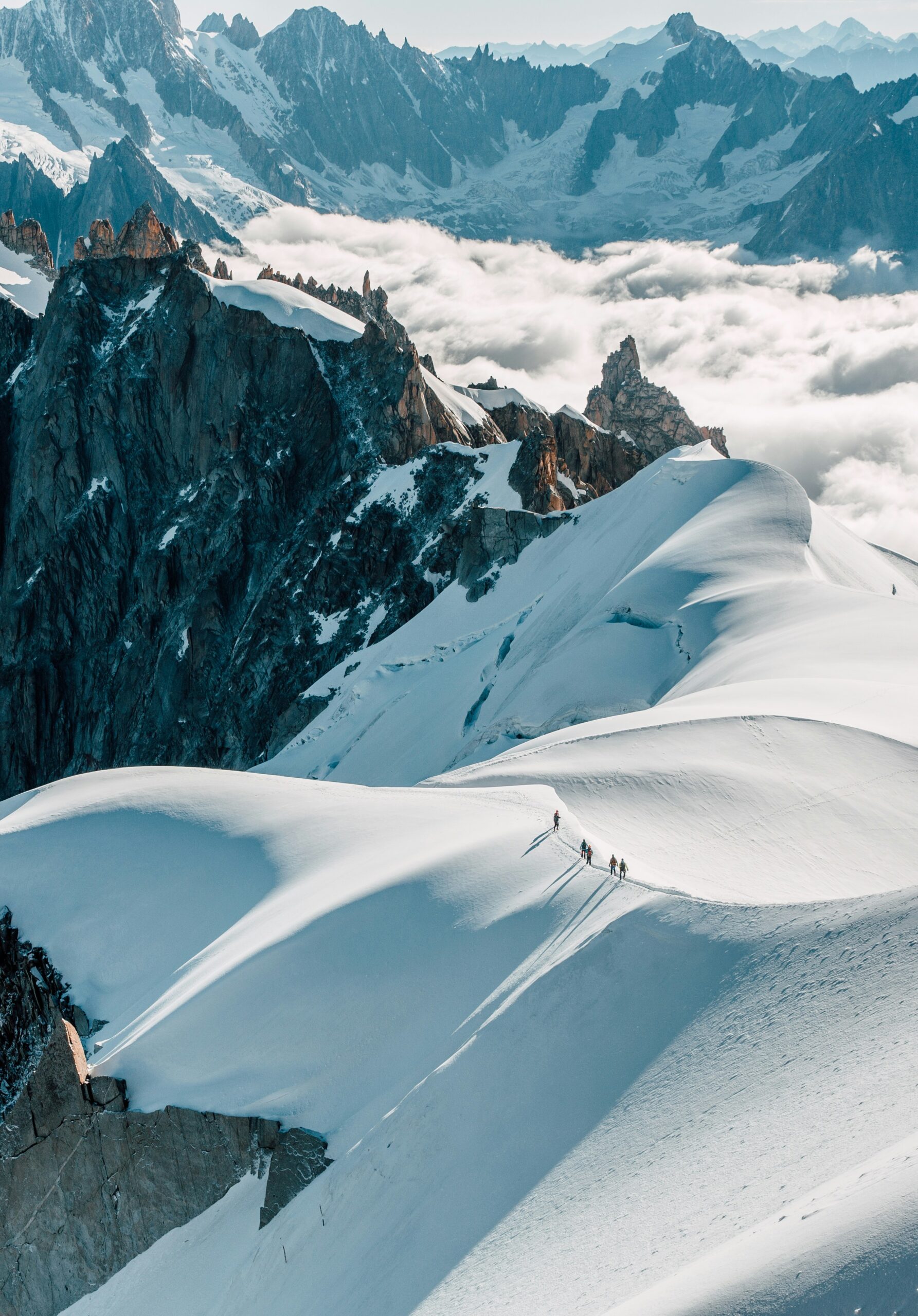
The Ice Can Hold a Story for Decades.
A glacier can bury, transport and eventually expose remains far from the moment and place where an accident occurred.
Primary current sources
Editorial boundary
- This is a dated 2026 news/season explainer.
- Current conditions, permits, access and race status can change after publication.
- GSG links readers into evergreen mountain pages for route and planning depth.
- We distinguish confirmed reporting from interpretation and avoid claiming unverified outcomes.
Melting Glaciers & Lost Climbers FAQ
Who were the Belgian climbers found in Switzerland in 2026?
Swiss authorities identified the remains as Marcel Bastyns and Jos Van Deun, Belgian mountaineers who disappeared in the Weissmies region in September 1992.
Where were the remains found?
A hiker discovered the remains on the Trift Glacier above Saas-Grund in the canton of Valais, Switzerland.
How were the climbers identified?
Authorities used direct DNA-profile comparison after recovering the remains.
Why can glaciers preserve bodies for decades?
Cold ice can slow decomposition, while snowfall and ice movement can bury remains deeply within a glacier.
Do bodies stay in the same place inside a glacier?
Not necessarily. Glaciers flow downhill and can transport debris and remains over time.
Why are old remains appearing now?
Long-term glacier thinning and retreat can expose ice layers and debris that were previously buried.
Did climate change cause the original 1992 accident?
The confirmed reporting says the climbers disappeared in extremely poor weather. The climate connection concerns the later glacier retreat that helped expose the remains, not a claim about what caused the original accident.
Should this story be kept as an evergreen page?
Keep it as a dated 2026 archive and link it to broader evergreen glacier, Alps and mountain-safety content rather than turning the news event itself into an undated explainer.
As Ice Retreats, Old Mountain Stories Reappear.
The Trift Glacier discovery closes one family story after 34 years while illustrating a broader truth: changing glaciers do not only reshape terrain—they can also expose the human history frozen inside it.