
Last updated October 20, 2026
The Seven Summits: Mountains, Costs, Difficulty & Climbing Order
Compare the highest summit on every continent, understand the Bass–Messner distinction, and build a progression that develops altitude tolerance, cold-weather judgment, rope skills and expedition experience.
Independent planning guide · Updated October 2026 · Costs are indicative, not live operator quotes
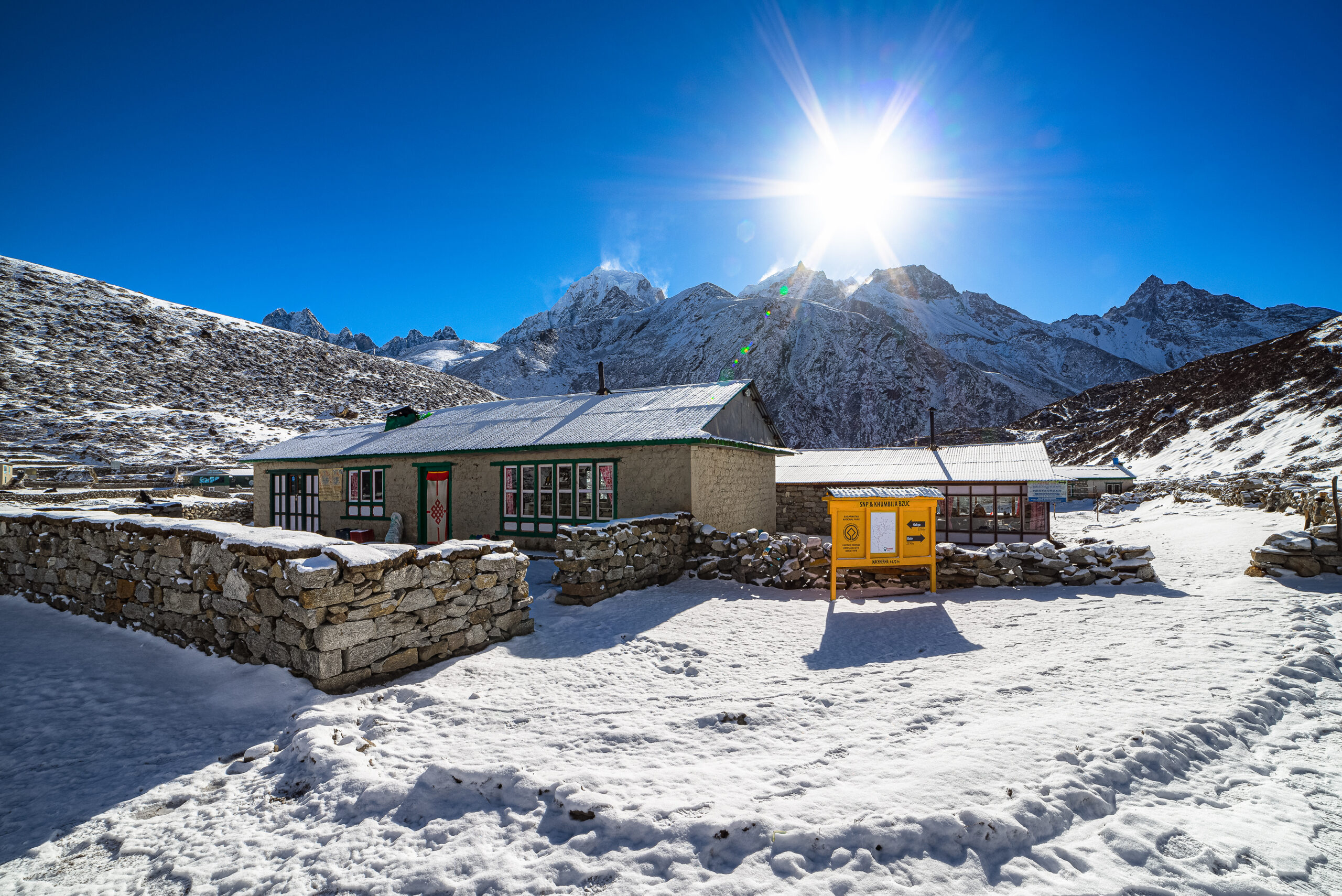
Bass vs. Messner: which Seven Summits list counts?
Bass list — original challenge
Richard Bass completed the original challenge in 1985. It uses Mount Kosciuszko (2,228 m) for mainland Australia. Its normal summer ascent is a hike, so this version is less technical overall.
Messner list — Oceania interpretation
The Messner convention replaces Kosciuszko with Carstensz Pyramid (4,884 m) in Indonesian Papua. The standard expedition involves exposed technical rock and challenging access logistics.
Both established conventions use Elbrus as Europe’s continental high point. The distinction is Australia versus Oceania, not Mont Blanc versus Elbrus. No single universal body makes one list mandatory.
Meet the Seven Summits
These are eight different challenges, not eight repetitions of the same climb. Each mountain tests a different combination of endurance, technique, judgment and logistics.
Everest
Extreme altitude, death-zone exposure, fixed ropes and long expedition duration.
Typical window: April–May
Planning duration: 6–9 weeks
Indicative guided/visit cost: $45,000–$150,000+
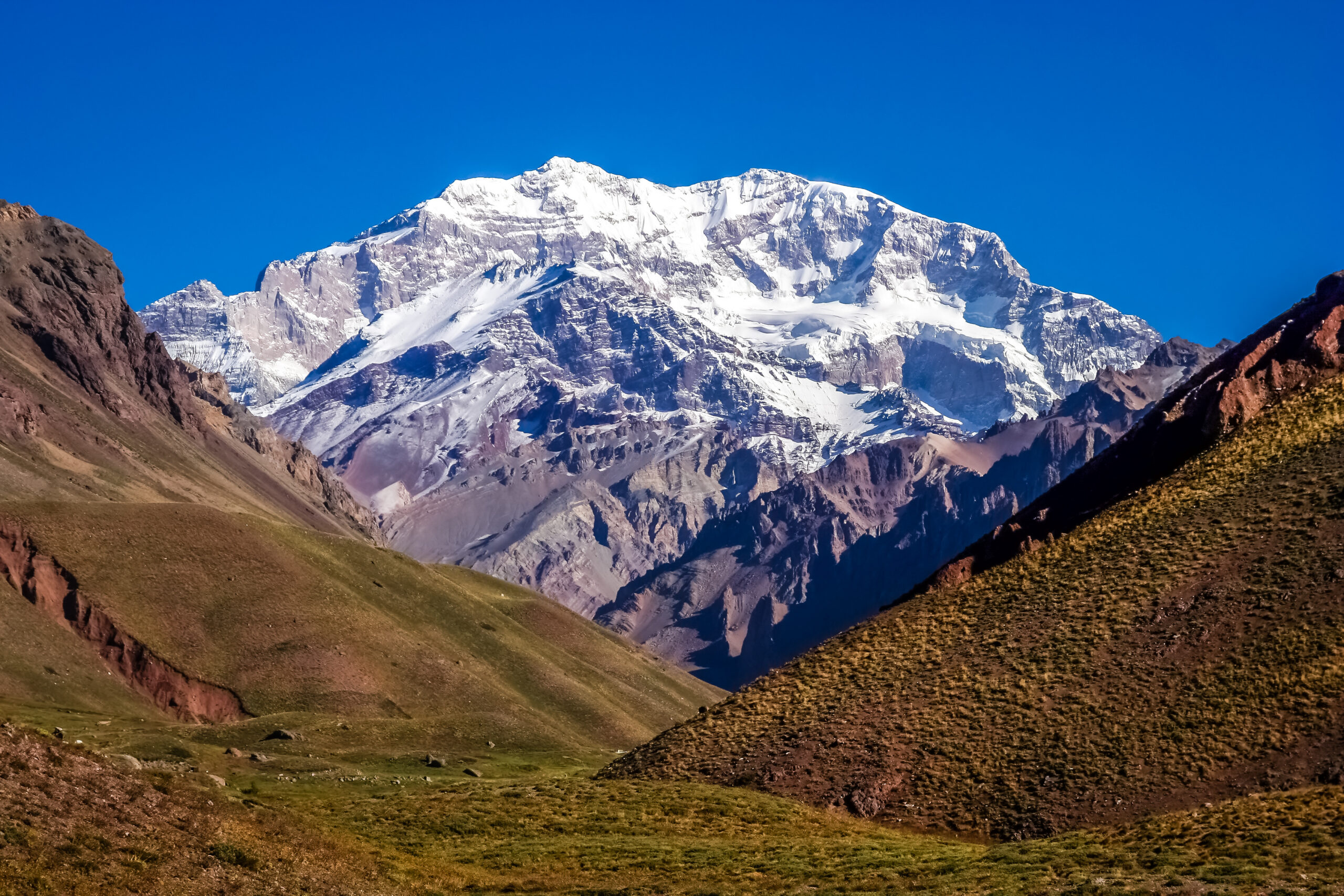
Aconcagua
Extreme altitude, wind and acclimatization; normal route generally non-technical.
Typical window: December–February
Planning duration: 18–21 days
Indicative guided/visit cost: $4,500–$11,000+
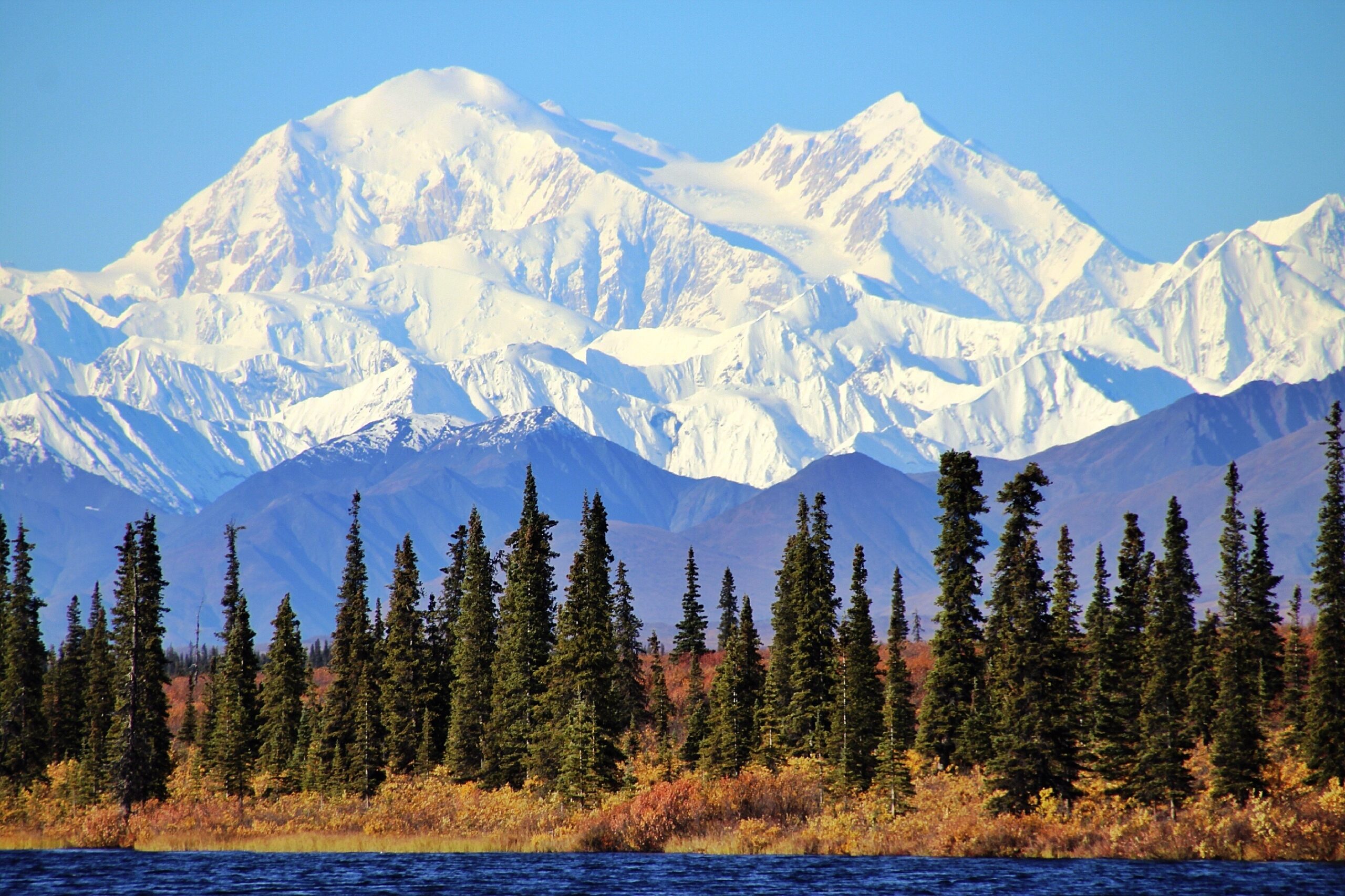
Denali
Severe cold, glacier travel, heavy loads and remote expedition teamwork.
Typical window: May–July
Planning duration: 18–24 days
Indicative guided/visit cost: $8,000–$15,000+
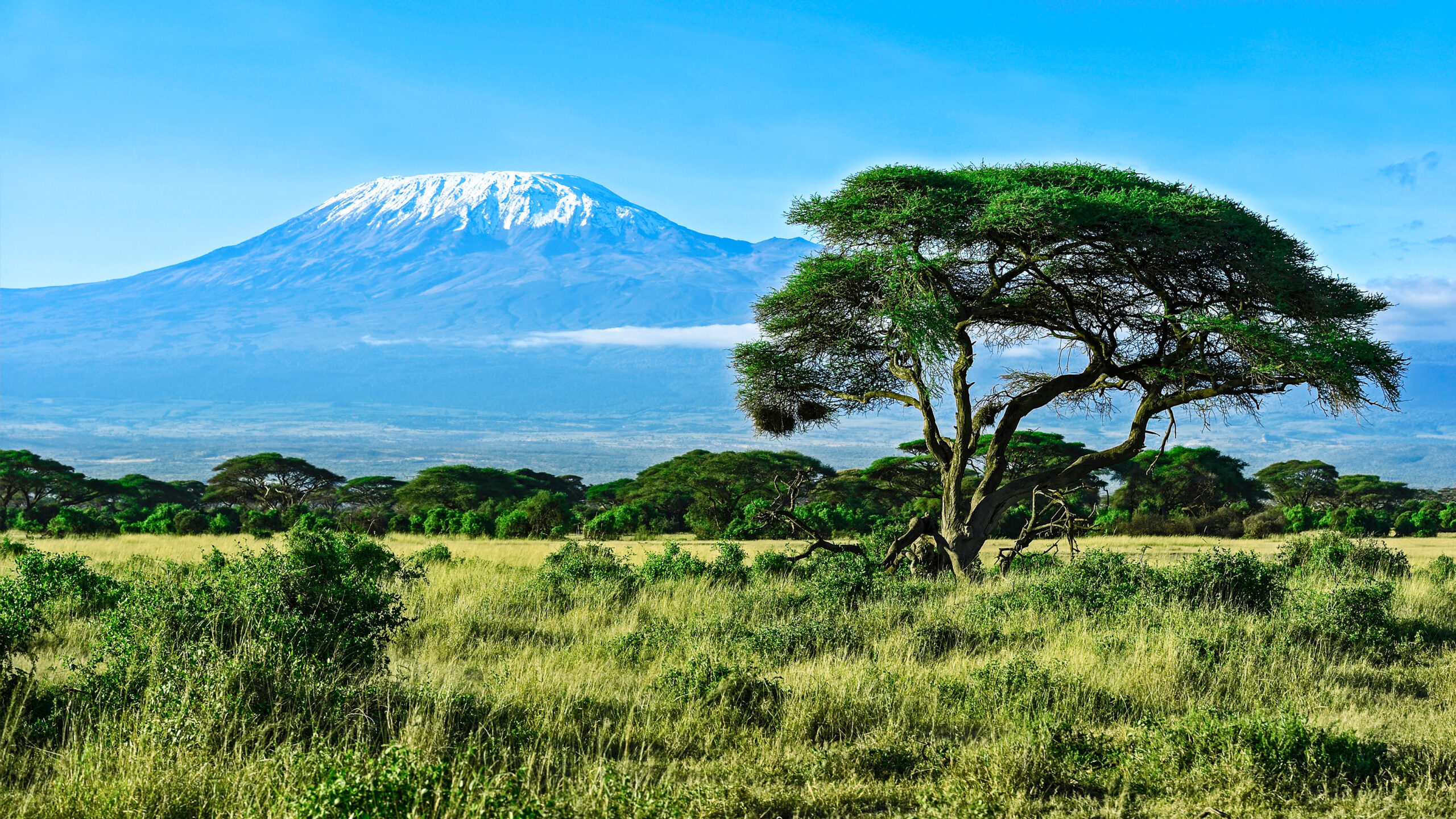
Kilimanjaro
High-altitude trekking and acclimatization without standard-route technical climbing.
Typical window: January–March; June–October
Planning duration: 6–9 days
Indicative guided/visit cost: $2,000–$6,000+
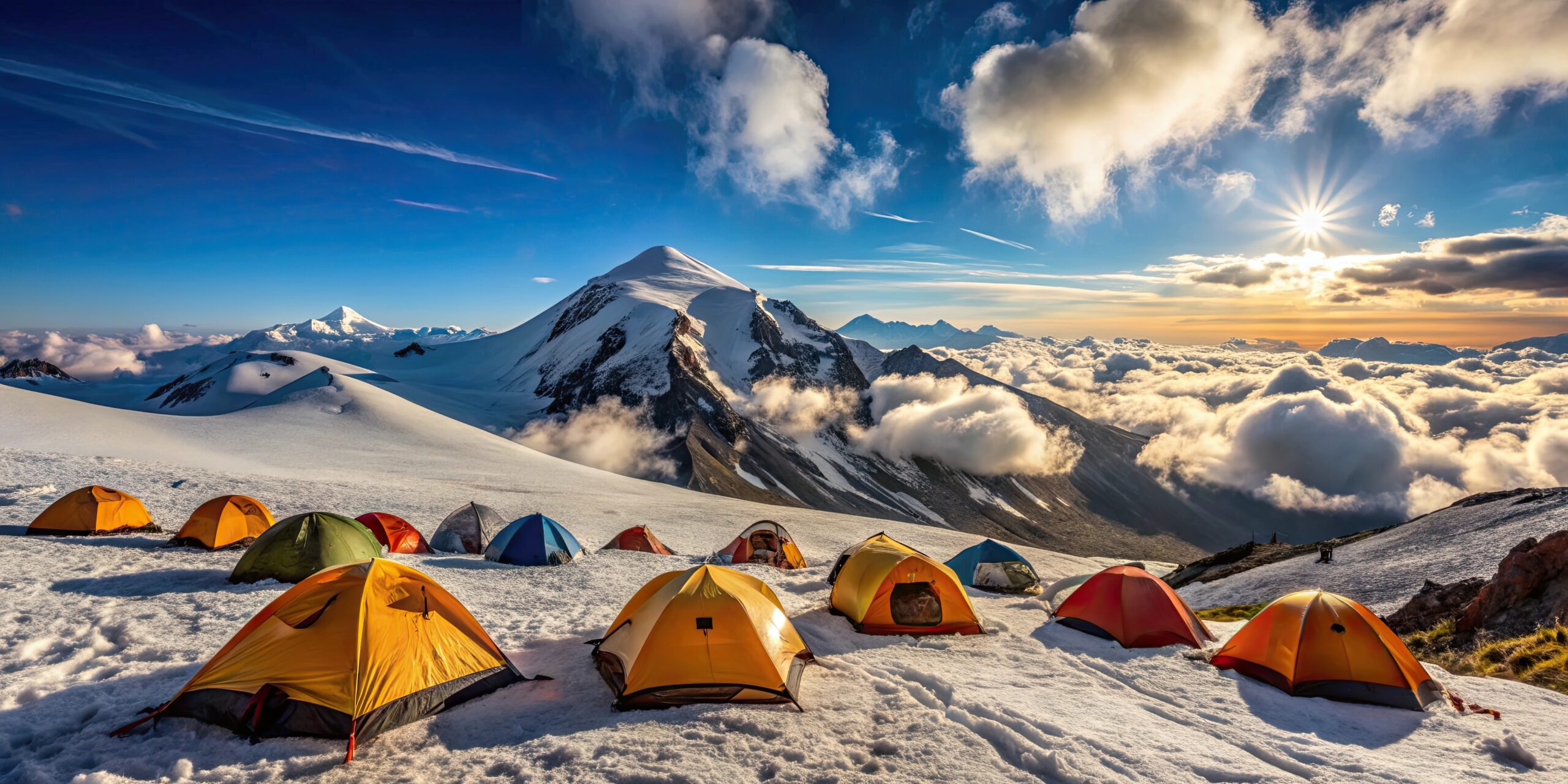
Elbrus
Altitude, glaciated terrain, weather and complex current travel considerations.
Typical window: June–September
Planning duration: 7–12 days
Indicative guided/visit cost: $2,500–$6,000+
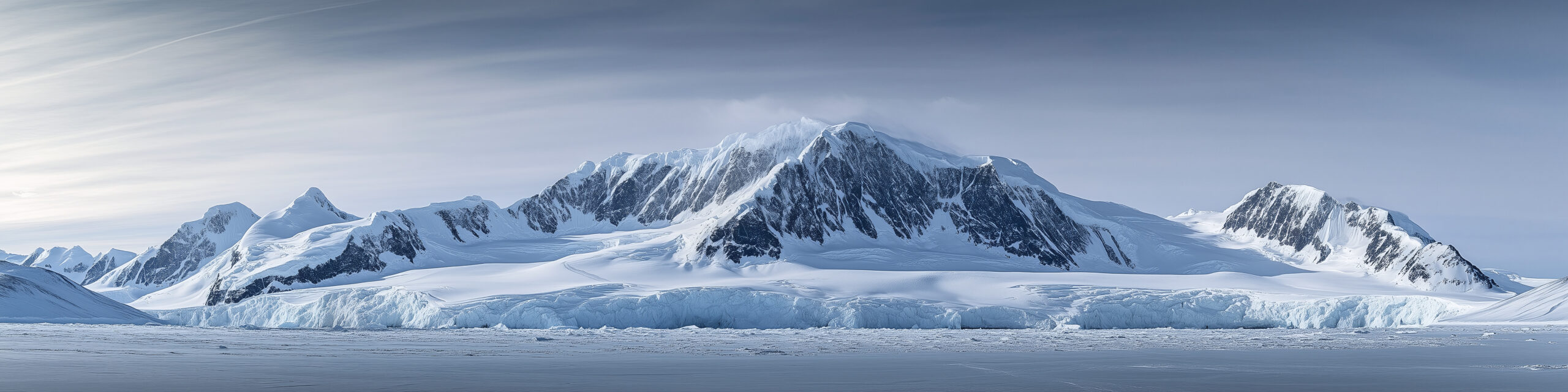
Vinson
Polar cold, remoteness and weather-dependent aircraft logistics.
Typical window: November–January
Planning duration: 12–21+ days
Indicative guided/visit cost: $55,000–$65,000+
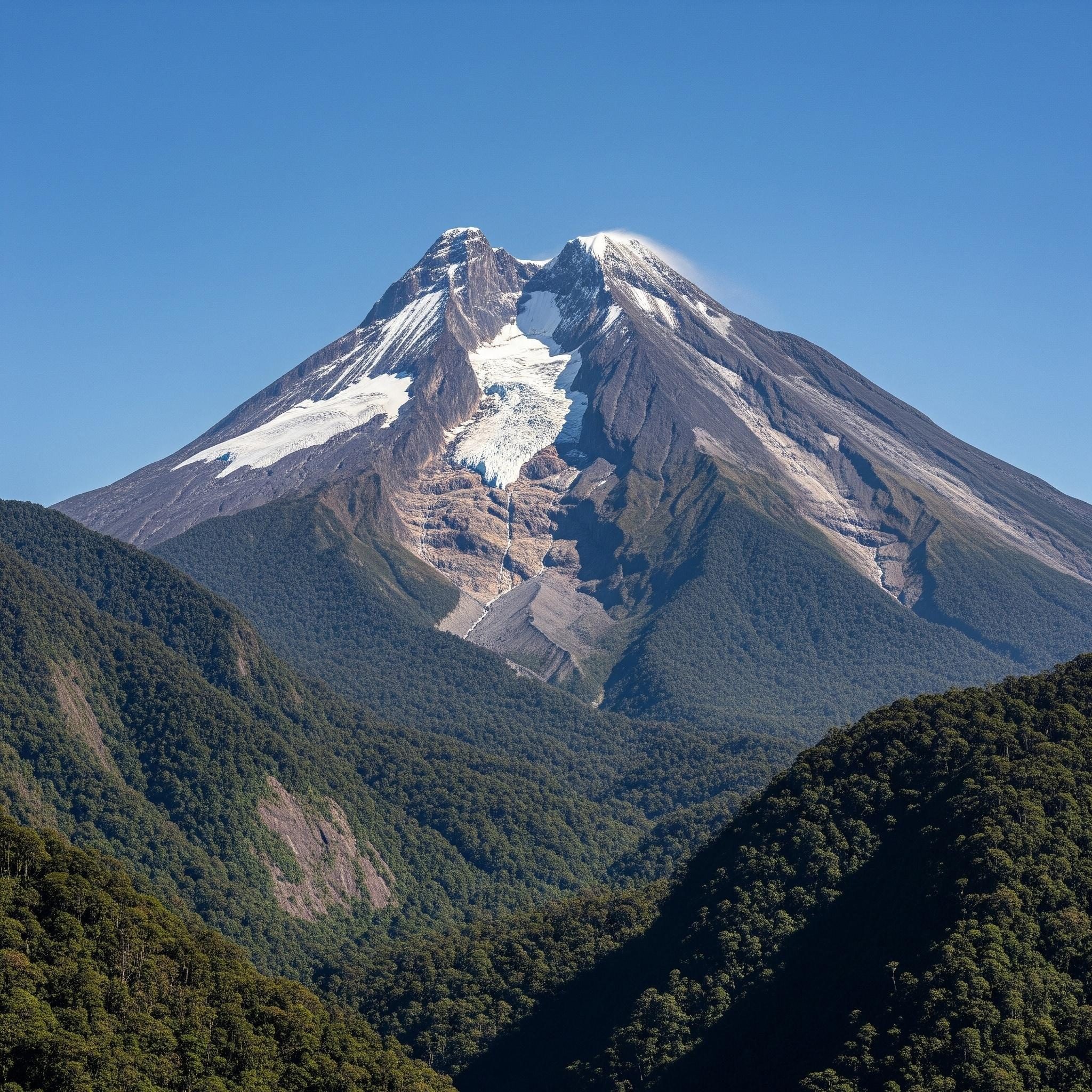
Carstensz Pyramid
Exposed limestone rock, fixed ropes, aviation logistics and uncertain access.
Typical window: Access-dependent
Planning duration: 10–20+ days
Indicative guided/visit cost: $25,000–$35,000+
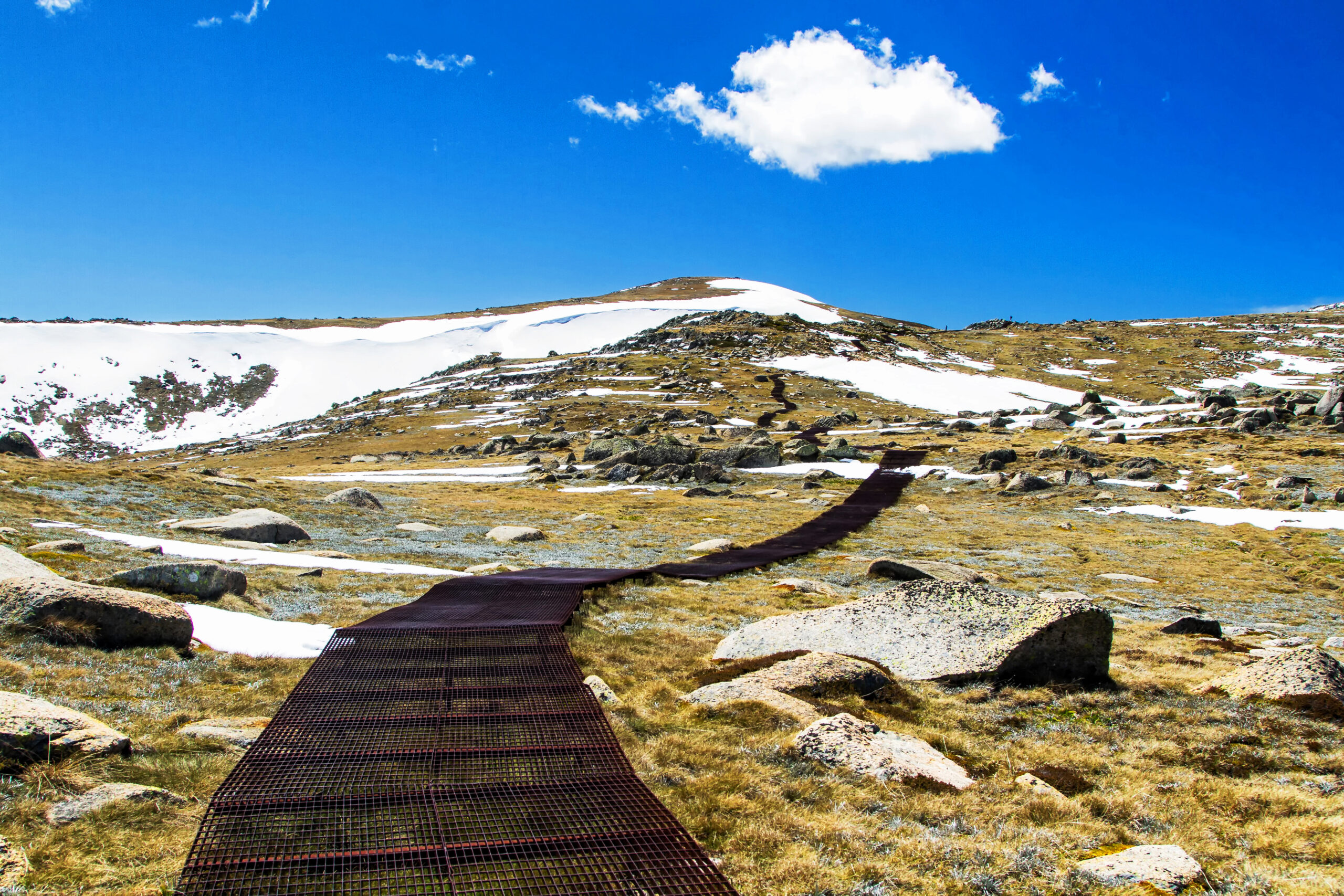
Kosciuszko
Alpine walk in summer; serious navigation and weather risks in winter.
Typical window: November–April
Planning duration: 1–2 days
Indicative guided/visit cost: $200–$1,000+
Seven Summits comparison table
Use the comparison below to see the differences before selecting a climbing sequence. Costs vary sharply with outfitter, trip inclusions and prevailing access conditions.
| Mountain | Elevation | List | Common climbing window | Budget model | Primary challenge |
|---|---|---|---|---|---|
| Everest | 8,848.86 m | Both | April–May | $45,000–$150,000+ | Extreme altitude, death-zone exposure, fixed ropes and long expedition duration |
| Aconcagua | 6,961 m | Both | December–February | $4,500–$11,000+ | Extreme altitude, wind and acclimatization; normal route generally non-technical |
| Denali | 6,190 m | Both | May–July | $8,000–$15,000+ | Severe cold, glacier travel, heavy loads and remote expedition teamwork |
| Kilimanjaro | 5,895 m | Both | January–March; June–October | $2,000–$6,000+ | High-altitude trekking and acclimatization without standard-route technical climbing |
| Elbrus | 5,642 m | Both | June–September | $2,500–$6,000+ | Altitude, glaciated terrain, weather and complex current travel considerations |
| Vinson | 4,892 m | Both | November–January | $55,000–$65,000+ | Polar cold, remoteness and weather-dependent aircraft logistics |
| Carstensz Pyramid | 4,884 m | Messner | Access-dependent | $25,000–$35,000+ | Exposed limestone rock, fixed ropes, aviation logistics and uncertain access |
| Kosciuszko | 2,228 m | Bass | November–April | $200–$1,000+ | Alpine walk in summer; serious navigation and weather risks in winter |
Approximate 2026 planning ranges in USD, not verified live prices. Kosciuszko assumes a local visit rather than international flights. Permits, food, gratuities, personal equipment, travel, insurance, evacuation cover and repeat attempts may be extra. Everest program prices vary especially widely with support and oxygen arrangements.
What order should you climb the Seven Summits?
There is no universal best order. For a newcomer, the sensible plan is to acquire the prerequisites for the next mountain rather than book expeditions solely by increasing elevation.
1 · Build altitude experience
Use hiking fitness, a gradual acclimatization plan and an achievable altitude objective. Kilimanjaro is a common starting point for people new to multi-day high-altitude trips.
2 · Learn glacier and expedition systems
Work on rope travel, crevasse rescue, camp systems and load carriage before high-consequence glaciated objectives such as Denali.
3 · Choose technical and remote objectives
Carstensz requires rock skill; Vinson requires polar logistics and substantial financial planning; Everest demands deep high-altitude expedition experience.
Open the Seven Summits progression planner → · Assess mountaineering readiness →
How much does the Seven Summits project cost?
The expensive part is not just the summit fees. A realistic project budget must include training objectives, international flights, equipment, insurance, contingencies and the possibility of weather-related failure or a return attempt.
Core guided climbing costs
Summing the broad ranges above puts the mountaineering and local-visit components of the seven-peak project well into six figures. The exact total depends especially on Everest, Vinson and whether Carstensz replaces Kosciuszko.
Costs beyond the climb
Allow for flights, accommodation, specialist equipment, tips, medical screening, evacuation arrangements, visa fees, weather buffers and skill-building trips.
Reserve for repeat attempts
Weather, illness, access or sound turn-around decisions can end an expedition without a summit. Build reserves rather than assuming seven successful first attempts.
Access, seasons and safety decisions
Current access can change the list
Elbrus travel involves geopolitical and insurance considerations; Carstensz access depends on Indonesian permissions, logistics and local security conditions; Vinson relies on specialized Antarctic aviation. Do not treat published climb dates as confirmation of a currently viable or advisable itinerary.
Altitude is not a complete difficulty ranking
Everest has unmatched death-zone exposure. Denali can be more self-sufficient and physically punishing day-to-day. Carstensz demands exposed rock movement; Vinson demands cold-weather logistics. Kosciuszko is normally a walk in summer, but winter conditions can be hazardous.
Why season windows matter
Southern Hemisphere seasons for Aconcagua and Vinson overlap; northern objectives such as Denali and Everest demand different spring and summer windows. Plan for training and recovery between trips.
Choose your own turn-around rules
Agree on personal limits before committing: weather, altitude symptoms, technical conditions, team fitness, transport availability and finances. Reaching the summit must never be the only definition of success.
Mountain conditions, border rules, permit structures and rescue capacity can change. Check current official sources and qualified local operators immediately before travel. This collection is planning information, not operational climbing instruction.
Seven Summits FAQ
Are there seven or eight Seven Summits?
Each recognized list contains seven peaks. Across both the Bass and Messner conventions there are eight distinct candidates because one uses Kosciuszko and the other uses Carstensz Pyramid.
Which Seven Summit should I climb first?
Kosciuszko is the easiest in typical summer conditions. Kilimanjaro is a common first high-altitude objective for fit trekkers who want to learn how they respond to altitude, though it still carries serious altitude risks.
Is Everest the hardest of the Seven Summits?
Everest is the greatest altitude commitment and a demanding long expedition. Difficulty depends on what you are measuring: Denali is often the strongest cold and self-sufficiency test, while Carstensz demands the most technical rock movement on its commonly guided route.
Is Mont Blanc one of the Seven Summits?
No. Both established lists use Mount Elbrus as Europe's high point.
How long does completing the Seven Summits take?
Usually multiple years, especially when serious skill development, financial preparation, high-altitude experience and weather-related delays are included. There is no responsible standard timetable for everyone.
Can I combine both lists?
Yes. Some climbers summit both Kosciuszko and Carstensz Pyramid, completing eight distinct mountains and thereby satisfying the Bass and Messner conventions.
Build the climber before you build the list.
Start with the next capability you need, then move into a mountain-specific guide, realistic expedition budget, or qualified operator comparison.
Editorial standards: This comparison is designed to help readers choose research paths. It includes approximate planning costs, not live quotes or guarantees of access, safety or summit outcomes. Affiliate or sponsored relationships, if introduced, must be disclosed at their placements; paid inclusion does not determine rankings. For additional destinations explore our mountain index.
Climb the Seven Summits
The highest peak on every continent — full route, permit, cost, and safety guides for each. Oceania has two accepted answers, so both are here.
Was this helpful?
🏔Progression guides
🧭Explore & compare
Global Summit Guide is an independent mountaineering resource founded in 2026. The team combines first-hand trekking and climbing experience with in-depth research and professional health and nutrition review to help climbers choose objectives, prepare properly, and stay safe.
Health, altitude, and nutrition content is reviewed by Taylor Ludlow (Registered Nurse) and Brigg Hoopes (Nutritionist).
What We Don't Know Yet
Mountain information changes quickly. This box explains the limits of what this page can responsibly promise.
- Guide-company prices, departure dates, guide ratios, included services, and cancellation rules can change without notice.
- Weather, snowpack, avalanche risk, road access, and route conditions can change quickly and may be different on your climbing dates.
- Total trip cost can change with flights, lodging, guide pricing, permits, gear rentals, transportation, and exchange rates.
- Fitness and altitude response vary by person; no guide, itinerary, or training plan can guarantee acclimatization or summit success.
- Comparisons simplify complex decisions; the better mountain depends on current conditions, skills, timing, budget, and risk tolerance.
Verify current conditions with official land managers, guide services, local forecasts, and current route reports before booking or climbing.
Mountaineering, rock and ice climbing, glacier travel, and high-altitude activity are inherently dangerous and can result in serious injury or death. The information on Global Summit Guide is provided for general informational and educational purposes only and is not a substitute for professional instruction, qualified guiding, proper equipment, or your own judgment and experience.
Route conditions, weather, snowpack, permits, regulations, and hazards change constantly and may differ from what is described here. Details may be incomplete, out of date, or contain errors. Always verify current information with local authorities, certified guides, and official sources before making any decision in the mountains.
Nothing on this site is medical, legal, or financial advice. Our fitness, acclimatization, altitude, and nutrition content is general in nature; consult a qualified physician before beginning any strenuous exercise program or exposing yourself to high altitude.
You are solely responsible for your own safety and decisions. To the fullest extent permitted by law, Global Summit Guide and its team accept no liability for any loss, injury, damage, or expense arising from use of, or reliance on, this information. By using this site you acknowledge these risks and accept these terms.
Some links on this site may be affiliate links. If you buy through them we may earn a small commission at no extra cost to you; this never affects our recommendations.
Global Summit Guide recommendation path
Next Best Mountain to Research
Use these recommendations to continue the right planning path instead of stopping on one page.
Use current permit, weather, route, and operator information before booking or climbing.
Start Planning Your Next Mountain Adventure
Found a mountain, hiking region or destination worth exploring? Use Expedia to start comparing the flights, places to stay, rental cars and travel options that can turn the idea into a realistic trip.
Explore current travel options for your next destination.
Affiliate disclosure: Global Summit Guide may earn a commission if you book through this link, at no additional cost to you.