
Last updated October 17, 2026
Home / Mountains / Indonesia / Carstensz Pyramid
Messner Seven Summits · Central Papua · IndonesiaCarstensz Pyramid Climbing Guide: Route, Cost, Permits & Safety
At 4,884 metres, Puncak Jaya is the technical rock climb of the Seven Summits. The famous fixed-rope limestone ridge is only half the planning challenge: Central Papua security, legal access, helicopters, altitude and nonrefundable costs make the expedition unusually complex.
Research refreshed October 17, 2026. Access and prices are subject to change; no expedition departure is guaranteed.
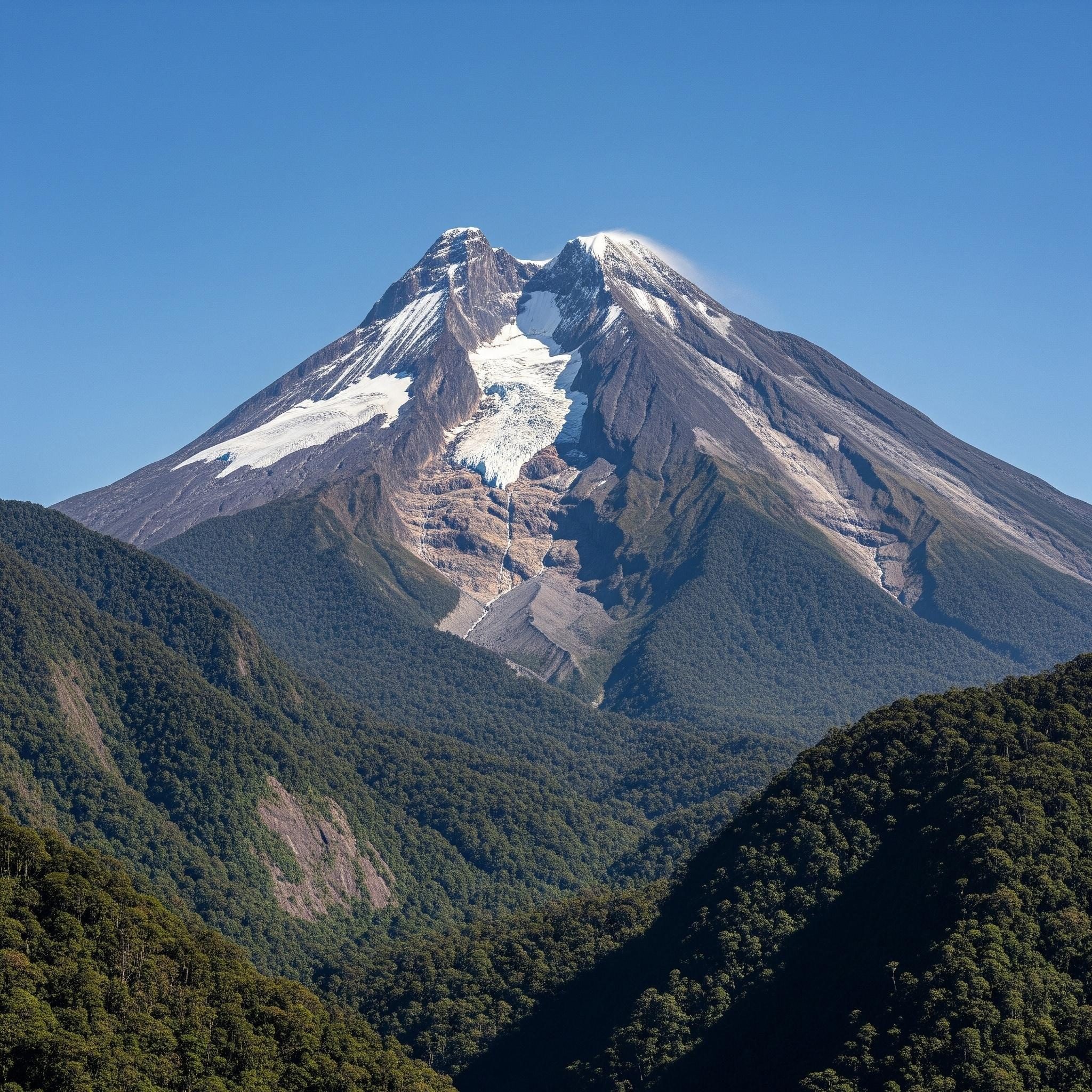
What Should a Climber Know Before Attempting Carstensz?
The short answer: Carstensz Pyramid is difficult because of exposed, technical rock climbing and unreliable access. It is a poor first technical summit even for a very fit trekker. Most major international commercial teams currently approach by helicopter from Timika to a high base camp, climb the Harrer/Normal Route on fixed lines, cross exposed notches on the summit ridge, and make multiple rappels to descend.

Book for rope competence and operational resilience—not just altitude.
Climbers need comfort on real outdoor rock, repeated rope transitions, rappelling and exposed scrambling. They also need a plan for rapid acclimatization, genuine weather reserve, aviation holds, uncertain regional security and money that could be lost if a program cannot proceed.
2026–27 travel warning: Australia says to reconsider your need to travel to Central Papua. The UK reports armed conflict, attacks affecting aviation and rapidly changing regional security. An operator advertisement does not override those warnings.
Before paying any nonrefundable deposit
Request written confirmation of the exact authorized local operating partner, permit pathway for your departure, helicopter legs, security/evacuation plan, cancellation terms and travel-insurance exclusions. Regional instability is not a hypothetical footnote. Australia travel advisory · UK Central Papua warning · Carstensz permits & access guide.
Is Carstensz Pyramid Right for You?
The key qualification is not having summited a higher mountain. It is being able to move precisely through a long succession of technical systems when the limestone is wet and the descent remains ahead.
| Readiness gate | What to demonstrate before traveling | Why it matters |
|---|---|---|
| Outdoor climbing | Comfortable climbing real rock around 5.6–5.8 with protection/guide supervision. | Fixed lines assist progress but do not remove the need for footwork and exposure control. |
| Ascending fixed ropes | Use an ascender, backup tether, carabiners and clipping systems smoothly. | Awkward transitions create avoidable delay and mistakes. |
| Rappelling | Complete repeated correctly rigged rappels in cold or wet conditions. | The technical descent may require more focus than the ascent. |
| Altitude | Know how your body reacts above 4,000 m; allow acclimatization and a conservative response to symptoms. | Helicopters can lift climbers rapidly from near sea level. |
| Endurance | Maintain attention during a 10–15-hour climbing day, including technical descent. | Fatigue reduces safe rope handling and judgment. |
| Decision-making | Accept weather, security and access cancellations without summit pressure. | Carstensz is not an entitlement to a summit because the trip was expensive. |
Fit and prepared
Solid outdoor rock background, confident rope systems, reliable alpine pacing and appropriate financial buffer.
Fit but not ready
Strong hiking experience but no independent rappelling or outdoor fixed-rope work. Take a multi-pitch course first.
Not an appropriate approach
Relying on a quick helicopter summit, vague “fixed ropes make it easy” claims, or a guarantee that permits and aircraft will be available.
The Harrer / Normal Route: North Face to Summit Ridge
The standard Harrer or Normal Route usually climbs the steep northern rock face to the serrated summit ridge. The famous cable or Tyrolean-style traverse is one exposed section of a much longer technical day. Operators install or use fixed ropes, but their condition, exact placement and the chosen line must be checked on arrival.
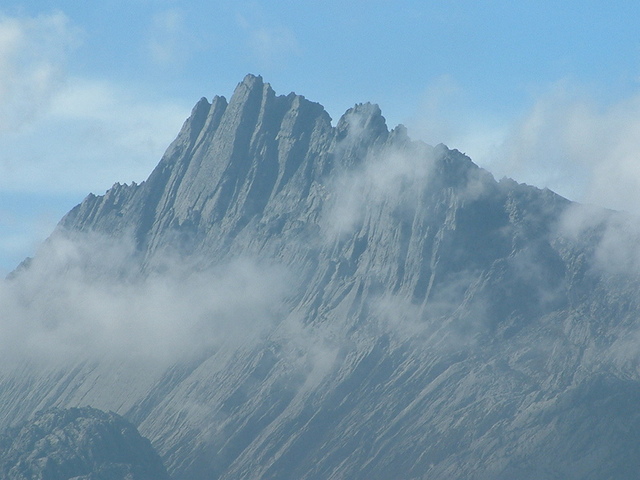
| Segment | Terrain and approximate elevation | Critical skill or decision |
|---|---|---|
| High base camp | Typically in the Yellow Valley / Lake Valley area around 4,200–4,300 m; location varies. | Acclimatization, dry gear, rope checks and disciplined departure timing. |
| Approach to north face | Boulders, broken limestone and lower slabs. | Steady scrambling and protection against wet-rock slips. |
| Main north-face climbing | Several hundred metres of rock, some fixed-rope sections. | Footwork, ascending systems and clear communication. |
| Exposed summit ridge | Narrow pinnacles, steep notches and a cable traverse. | Confidence around exposure, safe tether management and efficient transitions. |
| Summit · 4,884 m | Rock high point, limited space and weather exposure. | Summit time must leave ample daylight and weather margin for descent. |
| Descent | Reverse ridge, downclimb and use multiple rappels. | Rappel safety and maintaining judgment after prolonged effort. |
Why the headline climbing grade is misleading
Descriptions vary from moderate UIAA rock to short 5.6–5.8 (sometimes harder) steps depending on how the line and fixed systems are used. Strong technical climbers may move quickly on dry limestone, but most guided clients will also contend with gloves, heavy rain, altitude, congestion and unfamiliar hardware. The correct question is whether your entire team can complete the descent without compromised technique.
Read the {A(urls[‘routes’],’dedicated Normal Route and summit-ridge guide’)} for section-by-section technical detail, and the {A(urls[‘approach’],’helicopter versus jungle approach comparison’)} for the separate access decision.
The Ridge Is a Climbing Objective, Not a Hiking Trail

How a Carstensz Expedition Actually Works
Timika is a common commercial staging point, but neither meeting place nor aviation route is fixed for every company or date. Recent programs favor helicopter access because traditional jungle approaches can be highly complex, expensive and affected by security restrictions.
| Phase | Typical activity | Important dependency |
|---|---|---|
| 1 · Entry to Indonesia | International travel, passport/visa checks and domestic connection. | Do not buy inflexible flights until the operator confirms staging. |
| 2 · Papua staging | Arrive at Timika or another operator-designated city, equipment inspection and security briefing. | Legal partner, permits and clearance may change. |
| 3 · Helicopter hold | Await authorization, aircraft, load plan and suitable visibility. | Possible multi-day weather or operations delay. |
| 4 · High camp | Fly to approved landing/base-camp location at high altitude. | Abrupt altitude exposure and acclimatization planning. |
| 5 · Training + summit | Practice tethers/ascenders, assess forecast and complete climbing day. | Condition-based go/no-go, not a guaranteed summit. |
| 6 · Return flight | Wait for a legal and weather-safe extraction and travel home. | Helicopter out can be delayed even after a successful ascent. |
The helicopter reduces trekking—while increasing the importance of contingency days
Fast access can conserve hiking energy but provides little gradual ascent for acclimatization. Unpredictable visibility in Papua can delay both entry and extraction; some providers charge separately for additional flights or schedule changes. When comparing trips, ask whether both helicopter legs, baggage, standby nights and rescue contingencies are explicitly included.
The older jungle-route descriptions are important historically and explain why this peak was once a very long expedition. They should not be reused as if the trails, permissions and security arrangements remain straightforward today.
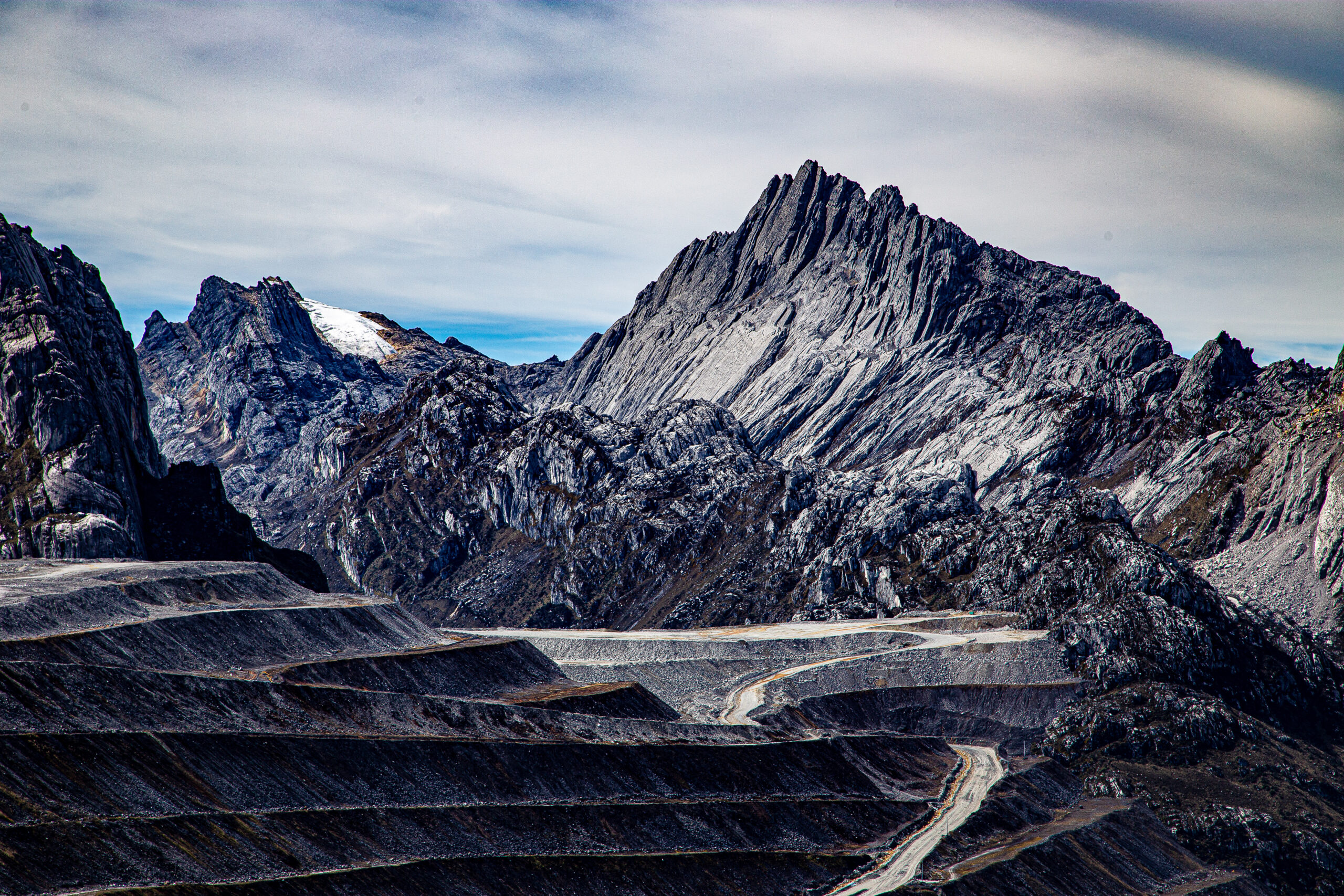
Carstensz Pyramid Cost: What to Budget for 2027
The underlying reason Carstensz is expensive is the aviation, local logistics, access bureaucracy and small-team support—not 4,884 metres of elevation. As checked October 2026, two established international operators publish team prices just under or around US$26,000. Treat each quote as a dated example.
| Published 2026–27 program | Advertised expedition fee | Important terms to check |
|---|---|---|
| Alpine Ascents International | $26,000 per person | Published helicopter-supported itinerary, $5,000 nonrefundable deposit, balance due 120 days before departure; permits may change. |
| Climbing the Seven Summits | $24,995 per person | Team program via Timika; return shared helicopter service; company explicitly flags regional travel warnings. |
Build an all-in budget, not a sticker-price budget
| Budget layer | What may be outside the expedition fee |
|---|---|
| Airfare | International flights, extra domestic connections, changeable returns and oversized baggage. |
| Equipment | Technical gear, boots, helmet, waterproofs and personal climbing kit not supplied by the company. |
| Insurance | Specialist rescue, mountaineering, cancellation and politically affected destination exclusions. |
| Waiting and change costs | Extra hotels, food, rebooked flights, changed helicopter charter and unforeseen delays. |
| Personal expenses | Gratuities, communications, medical costs and other non-included services. |
Refund terms may be the biggest single financial hazard
Alpine Ascents’ current payment terms state that deposits and balances are nonrefundable, and that a changed permit situation may cause cancellation with substantial loss. Before paying, ask exactly what is refundable or creditable if the trip is cancelled because of a security issue, a permit change, or an unavailable helicopter. Your travel-insurance provider must confirm written coverage—not just market an “adventure” plan.
For more complete component-by-component budgeting, open the Puncak Jaya expedition cost guide and compare Carstensz operators by actual inclusions rather than lowest advertised number.
Permits, Central Papua Security and Aviation Risk
Climbing permission and regional safety are two separate questions. Neither a permit nor helicopter ticket establishes that the journey is safe or that the operator can legally run the exact departure. Papua is administered by Indonesia; Carstensz is in Central Papua (Papua Tengah), not in the independent country of Papua New Guinea.
| Verification step | Specific question to put in writing |
|---|---|
| Authorized local entity | Which legally registered local partner applies for climbing and regional travel access? |
| Permit coverage | What documents cover the exact group, dates, route, transport and landing zone? |
| Travel advisories | What is the most recent national government advice for Central and Highland Papua? |
| Aviation | Who is the helicopter operator; what are the delay, baggage and extraction terms? |
| Medical + security response | How would communications, rescue, medical evacuation or an unexpected shutdown work? |
| Insurance | Is technical climbing in the named province covered, including evacuation and government warning exclusions? |
| Payment exposure | Which paid components become nonrefundable at each milestone? |
Current regional security warning · checked October 17, 2026
Australian Smartraveller says to reconsider the need to travel to Central Papua and Highland Papua. The UK Foreign Office reports regular clashes and attacks on aircraft in parts of the region, warning that the situation changes quickly. These are regional—not mountain-specific—advisories, but they directly affect travel and aviation risk.
Do not attempt independent travel based on a historic jungle-trek description. Get destination-specific professional advice before committing.

Keep the changing authorization question on the dedicated Carstensz permits and access tracker. This parent explains what to verify; a current departure requires a new confirmation with official authorities and your licensed local partner.
Best Time to Climb Carstensz: Plan Around Conditions
Puncak Jaya has a wet equatorial mountain climate. “Dry season” is a misleading promise at this altitude and near the equator: rainfall, fog, strong wind and rapid cloud formation can affect both the limestone climb and aircraft.
| Weather problem | Effect on the trip | Planning response |
|---|---|---|
| Rain on limestone | Lower friction, colder hands and slower fixed-line work. | Practice secure wet-rock technique; retain a conservative turnaround time. |
| Low cloud / visibility | Helicopter may be unable to enter or exit even if the summit seems reachable. | Budget standby days on both sides of the summit day. |
| Summit cold + wet clothing | Exposure and reduced dexterity despite equatorial latitude. | True waterproof layers, insulated backup gloves, spare dry clothing. |
| Afternoon deterioration | Extended rappel descent may move into storms. | Use the guide’s weather window to plan for descent, not just arrival at the summit. |
| Fast-changing access | Permits or security can stop a trip regardless of weather. | Verify legal/operational availability before booking around a favored month. |
Best planning strategy: choose a team with recent permitted departures, robust contingency days and a credible weather decision system. Operators offer different months; none can guarantee a dry limestone route or an aircraft window. More detail: best time to climb Puncak Jaya and mountain weather decision-making.
Carstensz Training: Rope Skill Before Summit Fitness
A strong aerobic engine matters, but the limiting factor is often how confidently the climber works with ropes and exposure over a prolonged period. Before the expedition, practice in the same boots, gloves, harness and ascender configuration you will take to Papua.
| Training domain | Practical preparation | Readiness target |
|---|---|---|
| Climbing | Outdoor multipitch sessions, easy sustained rock and coached movement on exposed terrain. | Climb efficiently on real limestone or analogous rock without relying on arm strength. |
| Fixed systems | Supervised rope ascending and transitions with backup attachments. | Smooth, deliberate operations without confusion. |
| Rappelling | Repeated descents with rigging checks, redundancy and tired-hand practice. | Safe routine rather than a summit-day first attempt. |
| Endurance | Long hill days, stairs, strength and light pack carries. | Attention and movement quality remain good through the return. |
| Altitude | Progressive acclimatization, personal response history and a safe descent plan. | Ability to recognize when symptoms mean no summit attempt. |
| Wet-weather system | Rain shell, gloves, footwear and dry storage tested on actual outdoor days. | Remain warm and functional on a wet, windy route. |
Core technical kit
Helmet, harness, ascender, descender, locking carabiners and tethers as specified by the operator. No generic checklist replaces the guide’s compatibility review.
Weather protection
Durable waterproof shell and pants, dry-bag organization, warm insulation, spare gloves and rock-capable footwear.
Emergency readiness
Personal medications, altitude plan, travel documents, satellite communication expectations and insurance details on hand.
Use the Carstensz-specific training plan and complete gear list. For general buying advice, see GSG mountaineering gear.

Affiliate disclosure: Global Summit Guide may earn a commission from qualifying purchases through the equipment link below; this does not change the price you pay. Gear is relevant only after your guide confirms the exact technical specifications.
Explore outdoor layers and mountaineering equipment at Backcountry →
How to Compare Carstensz Operators Without Guesswork
An operator comparison should evaluate who will actually lead the technical day, who controls the lawful Papua logistics and what happens if there is no helicopter flight. A well-known Western brand is not automatically safer; a capable Indonesian specialist may offer valuable local expertise. The decisive evidence is the documented, specific program.
| Question | Strong answer | Warning sign |
|---|---|---|
| Has the operator run recent legal trips? | Specific dates and named current partner. | Only vague claims or historic photos. |
| Who guides the technical sections? | Named experienced climbing leader and clear client:guide ratio. | Only a logistics contact, no technical leader. |
| What is covered in helicopter pricing? | Both legs, luggage, delay and extra-charter terms written. | “Helicopter included” with no detail. |
| How is acclimatization handled? | A plan for arriving rapidly at high camp and monitoring symptoms. | Summit immediately after flight, regardless of health. |
| What happens in a cancellation? | Documented treatment of refunds, credits and excluded costs. | Verbal promises or guaranteed departures. |
| Who manages rescue/security? | Written communications, contacts, evacuation responsibilities. | Reliance on vague “local support.” |
Compare published offers using the Carstensz operator research page; check the operator’s own current terms before any deposit. The climber can responsibly decline a trip that looks technically appealing but cannot be justified given the regional warning or contract risk.
Carstensz Pyramid vs. Kosciuszko: Which Seven Summits List?
Carstensz Pyramid is the Oceania summit in the Messner Seven Summits convention. The Bass Seven Summits list instead uses Mount Kosciuszko as the highest point of mainland Australia. They are different lists, and both have an established history; no single institution defines one universally mandatory set.
| Comparison | Carstensz Pyramid · Messner | Mount Kosciuszko · Bass |
|---|---|---|
| Height | 4,884 m | 2,228 m |
| Mountain character | Exposed technical limestone climbing. | A largely nontechnical walking objective in normal summer conditions. |
| Access | Complex Indonesian permits, aviation and security. | Managed Australian national-park recreation. |
| Budget | Tens of thousands of US dollars for many international guided helicopter trips. | A dramatically lower-cost hike for most visitors. |
| Why climbers choose it | Technical and geographic Oceania highpoint under Messner convention. | Mainland Australia high point under Bass convention. |
Climbers seeking a recognized completion history sometimes summit both. That is a personal decision, not an obligation imposed by one official global authority. Continue into the Seven Summits collection and Mount Kosciuszko, or plan your progression with Your Path to the Seven Summits.

Puncak Jaya: Naming, the First Ascent and Changing Ice
The mountain’s mountaineering history cannot be separated from Papuan communities, colonial naming, changes in Indonesian administration and the highland environment. Local identities and access to land predate international expeditions by generations.
- 1623: Dutch navigator Jan Carstenszoon reported mountains with equatorial snow. The later European name “Carstensz” reflects that era of outside exploration.
- 1936: A Dutch expedition including Anton Colijn, Frits Wissel and Jean-Jacques Dozy explored the massif and climbed adjacent summits. The highest limestone point remained unclimbed.
- February 13, 1962: Heinrich Harrer, Philip Temple, Russell Kippax and Albertus Huizenga completed the first widely documented ascent of Puncak Jaya.
- 1986: Pat Morrow’s completion helped popularize Carstensz’s role in the Messner Seven Summits framework.
- Modern period: Helicopter-assisted access has changed duration and costs, but has not removed the underlying regional security, access and mountain hazards.

The shrinking equatorial glaciers
Carstensz is a limestone summit, not a normal snow route; the remnants of the ice fields nearby tell a separate environmental story. Historic photographs and modern satellite records document severe retreat of New Guinea’s equatorial ice. Do not use old summit photographs to infer today’s glacier extent or rope-route conditions.

Carstensz Pyramid Climbing FAQ
Concise answers to the most common Carstensz planning questions. Time-sensitive claims should be reconfirmed before any expedition deposit.
How difficult is climbing Carstensz Pyramid?
Carstensz is a technical rock climb involving scrambling, fixed ropes, exposed ridge movement and repeated rappels. Operators commonly describe short moves in the 5.6–5.8 range, but the real challenge also includes rain, elevation, route exposure and prolonged technical descent.
What is the standard route on Carstensz Pyramid?
The usual commercial line is the Harrer or Normal Route from the north side, joining a jagged summit ridge and crossing exposed notches with fixed-rope and cable systems.
How high is Carstensz Pyramid?
Puncak Jaya / Carstensz Pyramid is 4,884 metres, or approximately 16,024 feet, above sea level.
Is Carstensz Pyramid open for climbing in 2026–27?
Operators advertise late-2026 and 2027 programs, but this does not establish unrestricted access or a guaranteed departure. Legal permits, Central Papua security, aviation and weather remain variable; obtain up-to-date written confirmation before booking.
Can I climb Carstensz without a guide?
This is not a sensible independent destination for most visiting climbers. Lawful regional access and helicopter logistics are normally coordinated by licensed partners, while the rock climbing requires competent technical leadership and substantial experience.
How much does a Carstensz Pyramid expedition cost?
Major international helicopter-supported team programs checked in October 2026 publish roughly US$24,995–$26,000. Total costs can be higher after flights, gear, insurance, delay days and extras, while local-direct programs vary in scope.
How long does the trip take?
Many advertised helicopter-supported programs run around 10–14 days, but travel holds or aircraft delays can extend that. Summit day commonly takes roughly 10–15 hours depending on conditions and group pace.
Can you reach Carstensz by jungle trekking?
Historic jungle approaches exist, but current commercial schedules commonly use helicopters due to remote logistics, permit issues, access restrictions and security exposure. Do not assume an old trail itinerary remains possible or permitted.
What is the Tyrolean traverse?
It is a supported crossing over an exposed notch in the summit-ridge route using cables and/or rope systems. Climbers should understand the specific system selected by their guide and rehearse it beforehand.
Does a helicopter prevent altitude sickness?
No. It may create a more abrupt altitude increase to around 4,200–4,300 metres. Climbers should have a sensible acclimatization plan and recognize symptoms that require ending or delaying the summit bid.
When is the best season to climb Puncak Jaya?
There is no guaranteed dry climbing season. The best operational choice depends on legitimate current permits, the operator’s departure windows, weather reserve and conditions for helicopter flights and rock climbing.
Do climbers need permits for Carstensz Pyramid?
Yes. Multiple Indonesia/Papua approvals may apply, and arrangements can change. The operator must explain its current legal permit pathway for the exact team and dates; older fee schedules should not be treated as authoritative.
Is Carstensz Pyramid safe to visit?
The mountain has serious technical and environmental risks, and Central Papua carries elevated government travel warnings due to regional security incidents. No commercial operator or permit removes these risks. Individual circumstances, government guidance and independent risk assessment should determine whether to travel.
Is Carstensz or Kosciuszko the Oceania Seven Summit?
Carstensz Pyramid is used on the Messner list (Oceania), while Kosciuszko is used on the Bass list (mainland Australia). Both conventions exist and many climbers complete both.
What should I climb before Carstensz?
There is no mandatory prerequisite peak, but outdoor multipitch climbing, efficient fixed-line ascending and rappelling, altitude experience, exposure judgment and expedition flexibility are key preparation. Get professional instruction before attempting these systems.
Methodology and Source Notes
Reviewed October 17, 2026. This is an editorial mountain planning guide; it does not sell access permits, confirm open helicopter seats, or certify a safe departure. Historical facts and enduring technical route features are distinguished from rapidly changing permit, security, booking and weather information.
Priority rule: current Indonesian law, official government travel guidance and the operator’s specific written contract take priority over any static web article. Prices are attributed to the operators publishing them, not assumed to apply to all trips.
- Smartraveller Indonesia: Central Papua
- UK FCDO Indonesia regional risks
- Alpine Ascents official trip, price and terms
- CTSS official team trip, prices and warnings
- Adventure Indonesia technical route description
- Wikimedia Commons: Puncak Jaya and archive photography
Photographs in this page show real Carstensz Pyramid/Puncak Jaya mountains, historical summits, archive participants or labeled satellite imagery; credits and Creative Commons source links are placed beside their images. The page is designed as a parent overview, not a replacement for current permits, detailed routes, live conditions or guide-company selection pages.
This peak is one of the Seven Summits — the highest peak on every continent
The Seven Summits are mountaineering’s most iconic geographic challenge — climbing the highest peak on each of the seven continents. See the complete collection covering Bass vs Messner lists, all 7 peaks in detail, full Dick Bass to Nims Purja history, and realistic cost breakdown from $150K to $300K+ across 3-7 years.
View All Seven Summits →🏔 Part of the Seven Summits
One of the highest peaks on each continent. See all 7 with Bass vs Messner lists, costs, and history.
View All Seven Summits →Mount Everest belongs to both the Seven Summits and the 14 Eight-Thousanders
As the highest peak on Earth (8,849m), Mount Everest is the headline summit of mountaineering’s two most iconic collections. The Seven Summits requires climbing the highest peak on every continent; the 14 Eight-Thousanders requires climbing every mountain above 8,000 meters.
Seven Summits → 14 Eight-Thousanders →Access, price and security conditions matter as much as the climbing route.
Carstensz remains a technical rock climb at 4,884 metres, but the largest planning variables in 2026 are still outside the climbing itself: legal access, regional security, helicopter reliability, nonrefundable expedition payments and whether your operator has a current working permit pathway for the exact departure.
The practical booking rule is simple: verify the access system before you evaluate the summit plan. A climber can be technically ready for the North Face and still lose an expedition because permits, aircraft, regional conditions or insurance exclusions prevent the trip from operating as expected.
Government travel advice remains elevated.
Australia currently advises travelers to reconsider their need to travel to Central Papua because of serious security incidents and the potential for violence. The UK describes the security situation in Central Papua and Highland Papua as unpredictable and capable of changing quickly, with armed clashes and attacks on aircraft reported in the region.
This does not mean every commercial Carstensz departure is cancelled. It means the legal permit, helicopter contract, local security plan, evacuation pathway and insurance wording should all be verified for the exact trip dates before a large nonrefundable payment is made.
Australia: Indonesia advice UK: Papua regional risksWhere is Carstensz Pyramid?
Puncak Jaya rises in Central Papua in the western half of New Guinea. Modern helicopter-supported expeditions commonly stage through Timika before flying toward the high mountain base-camp area.
What does Carstensz Pyramid cost in late 2026?
Use operator prices as dated examples, not as a universal market price. The larger booking question is what is included when permits or helicopter access change.
| Published program | Current price | Access model | Current schedule example | Important booking detail |
|---|---|---|---|---|
| Alpine Ascents International | $26,000 | Helicopter in / helicopter out | Oct. 9–19, 2026 listed sold out; Feb. 20–Mar. 2, 2027 currently listed | Published price includes helicopter flights, permits and expedition logistics. Deposits and balances are nonrefundable; the operator warns that permit conditions can change at any time. |
| Climbing the Seven Summits | $24,995 | Shared helicopter transfers from Timika | Oct. 14–24, 2026; Mar. 2–12, 2027; Oct. 14–24, 2027 | CTSS explicitly flags ongoing Central/Highland Papua travel warnings and tells clients to assume responsibility for that regional risk. |
Alpine Ascents price & schedule CTSS current Carstensz program
Six things to verify for the exact departure
The goal is not to eliminate every risk. It is to make sure the risks you accept are the ones you actually understood before payment.
Ask who legally owns the permit pathway.
Get the name of the Indonesian entity or local partner responsible for the expedition’s access and permits. “We have always done it this way” is weaker evidence than recent completed departures and a current documented process.
Confirm both helicopter legs in writing.
Inbound and outbound flights, luggage limits, contingency days and the financial consequences of a delayed or cancelled helicopter should be clear before you arrive in Timika.
Read the refund language as carefully as the route description.
Alpine Ascents currently states that Carstensz payments are nonrefundable and warns that changing permit conditions can cancel an expedition. Insurance therefore needs to be evaluated against the operator’s actual contract, not a generic “adventure travel” assumption.
Check whether your insurance recognizes the regional warning.
Some policies exclude or restrict claims connected to government travel advisories, political unrest, remote helicopter operations or high-risk technical climbing. Get written clarification if the wording is ambiguous.
Verify your fixed-rope and rappel systems before Papua.
Carstensz is not a trekking Seven Summit. Current Alpine Ascents guidance expects basic rock-climbing ability and requires equipment for fixed lines, ascending and rappelling. Practice those systems before the expedition rather than learning them on wet limestone.
Plan for abrupt altitude exposure.
Helicopter access solves approach time but can place climbers high very quickly. Ask how your operator manages acclimatization, weather holds and summit timing after arrival at base camp.
What has not changed about the mountain itself
Access conditions can move rapidly, but the core climbing problem remains consistent: exposed technical rock, fixed systems, wet weather and a long summit day.
Rock skill still matters more than altitude pedigree alone.
Being strong on Kilimanjaro, Elbrus or Aconcagua does not automatically prepare a climber for Carstensz. Harness use, fixed-line transitions, rappelling, exposure tolerance and movement on wet rock need to feel routine.
Rain can change the route faster than temperature does.
The mountain sits near the equator, so wet rock, low cloud and persistent moisture can matter more than the kind of deep cold that dominates Denali or Vinson planning.
4,884 metres is enough to matter.
The altitude is lower than the giant expedition peaks, but helicopter-supported programs can compress acclimatization. A climber who arrives technically ready can still struggle if the altitude transition is too abrupt.
Carstensz Pyramid planning questions for 2026–27
These answers are deliberately practical and time-stamped because access conditions can change faster than the climbing route.
Can climbers currently book Carstensz Pyramid?
Yes. Major commercial operators are currently advertising late-2026 and 2027 departures. That does not guarantee every departure will operate: permits, regional security, aircraft availability and weather can still change.
Is helicopter access the normal commercial approach now?
For the major Western programs checked in September 2026, yes. Alpine Ascents and Climbing the Seven Summits both publish helicopter-supported itineraries through Timika. The older jungle approach remains historically important but is not the default model for these programs.
How much should I budget for the guided expedition itself?
Two current Western examples are $26,000 with Alpine Ascents and $24,995 with Climbing the Seven Summits. Compare inclusions, refund terms, helicopter coverage and permit handling rather than treating those prices as identical products.
Does a permit make the regional travel risk disappear?
No. Legal access and regional security are separate issues. Current Australian and UK travel guidance continues to warn about serious security incidents, armed clashes and rapidly changing conditions in Central Papua.
What should I verify immediately before departure?
Recheck government travel advice, permit status, helicopter arrangements, local security conditions, insurance coverage, operator cancellation terms and the latest summit-route condition. Carstensz is a mountain where a plan verified months earlier may no longer be current.
Routes, cost, weather, operators & Seven Summits context
Use the pages below for the decisions this parent guide should not duplicate in full. Each link is separated so you can move directly to the part of the Carstensz plan you are working on.
Was this helpful?
🏔Related guides
🧭Explore & compare
Global Summit Guide is an independent mountaineering resource founded in 2026. The team combines first-hand trekking and climbing experience with in-depth research and professional health and nutrition review to help climbers choose objectives, prepare properly, and stay safe.
Health, altitude, and nutrition content is reviewed by Taylor Ludlow (Registered Nurse) and Brigg Hoopes (Nutritionist).
What We Don't Know Yet
Mountain information changes quickly. This box explains the limits of what this page can responsibly promise.
- Permit availability, reservation windows, quotas, and official fee rules may change after this page is updated.
- Route conditions, trailhead access, crevasse exposure, stream crossings, and rescue access may vary from published planning guidance.
- Total trip cost can change with flights, lodging, guide pricing, permits, gear rentals, transportation, and exchange rates.
- Visa, passport, vaccination, border, insurance, and local transportation rules may change before your trip.
Verify current conditions with official land managers, guide services, local forecasts, and current route reports before booking or climbing.
Mountaineering, rock and ice climbing, glacier travel, and high-altitude activity are inherently dangerous and can result in serious injury or death. The information on Global Summit Guide is provided for general informational and educational purposes only and is not a substitute for professional instruction, qualified guiding, proper equipment, or your own judgment and experience.
Route conditions, weather, snowpack, permits, regulations, and hazards change constantly and may differ from what is described here. Details may be incomplete, out of date, or contain errors. Always verify current information with local authorities, certified guides, and official sources before making any decision in the mountains.
Nothing on this site is medical, legal, or financial advice. Our fitness, acclimatization, altitude, and nutrition content is general in nature; consult a qualified physician before beginning any strenuous exercise program or exposing yourself to high altitude.
You are solely responsible for your own safety and decisions. To the fullest extent permitted by law, Global Summit Guide and its team accept no liability for any loss, injury, damage, or expense arising from use of, or reliance on, this information. By using this site you acknowledge these risks and accept these terms.
Some links on this site may be affiliate links. If you buy through them we may earn a small commission at no extra cost to you; this never affects our recommendations.
Global Summit Guide recommendation path
Next Best Mountain to Research
Use these recommendations to continue the right planning path instead of stopping on one page.
Use current permit, weather, route, and operator information before booking or climbing.
Search Flights, Hotels & Rental Cars
Have the mountain or destination picked? Use Expedia to compare the flights, lodging and rental cars that fit your actual trip dates. For mountain travel, consider arriving early enough for delays and adding a buffer night after the climb before a fixed flight home.
Compare current flight, hotel and car options.
Affiliate disclosure: Global Summit Guide may earn a commission if you book through this link, at no additional cost to you.