
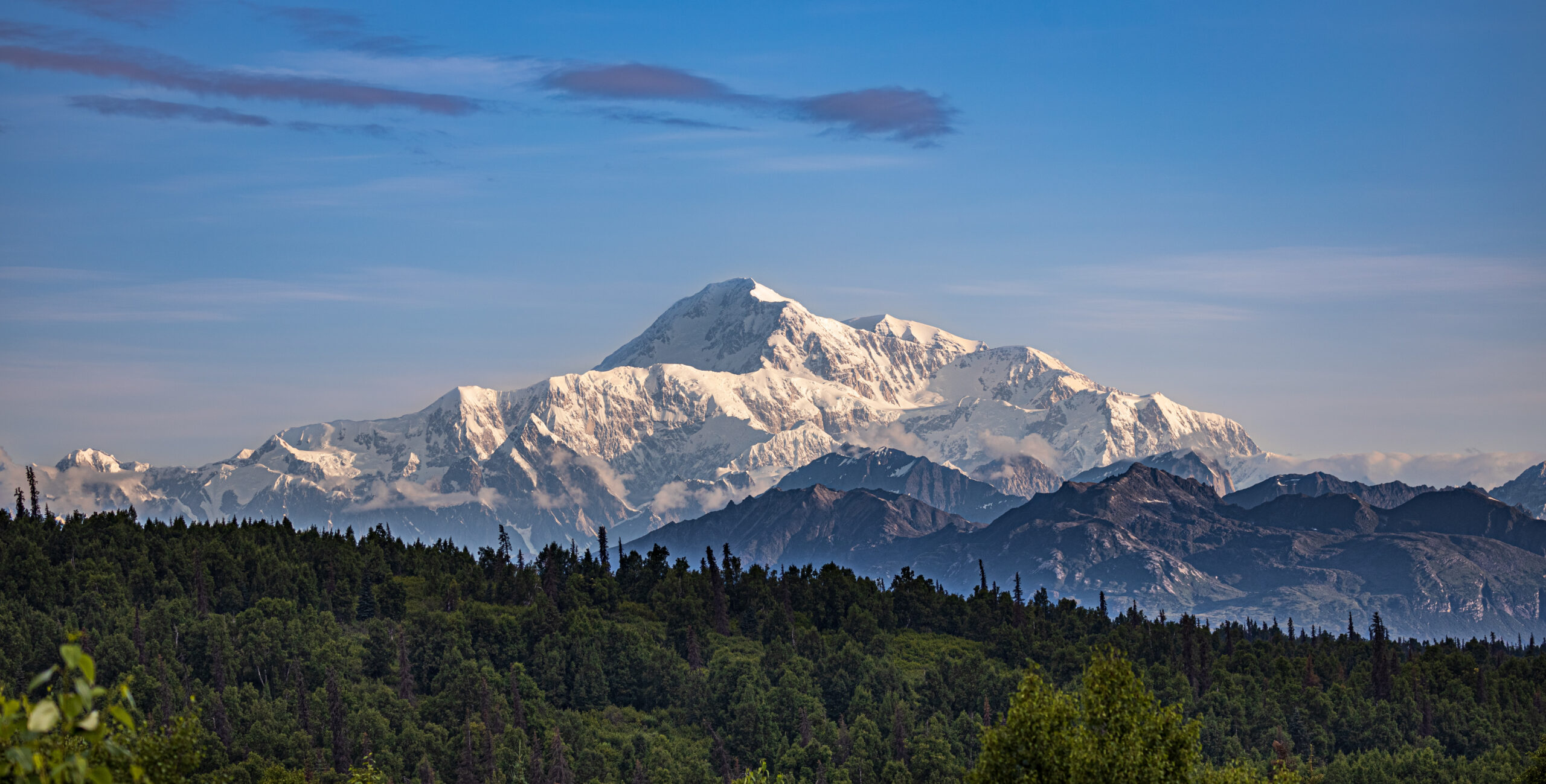
The Complete Guide to Climbing Denali: Routes, Permits, and Preparation
By Travis Ludlow, Global Summit Guide
Climbing Denali, the highest peak in North America, is a formidable challenge that attracts mountaineers from around the globe. This comprehensive guide will equip you with essential knowledge about the various routes, necessary permits, and preparation strategies required for a successful ascent. Many climbers face difficulties in navigating the complexities of Denali’s terrain and the bureaucratic requirements for permits. By understanding the intricacies of climbing Denali, you can enhance your chances of a safe and successful expedition. This article will cover the main climbing routes, the permits needed, preparation strategies, safety considerations, and more to ensure you are well-prepared for your adventure.
Comprehensive Guide to Climbing Denali
This guide serves as a detailed resource for climbers looking to summit Denali. It encompasses vital information about the mountain’s routes, the permits required, and the preparation necessary for a successful climb. Whether you are a seasoned mountaineer or a novice adventurer, this guide aims to provide insights that will help you navigate the challenges of climbing Denali. The information is structured to address the key aspects of your expedition, ensuring you have a clear understanding of what to expect.
Main Climbing Routes

Denali offers several routes, each with its unique challenges and characteristics. Understanding these routes is crucial for selecting the best path for your climbing experience.
West Buttress Route
The West Buttress Route is the most popular and frequently climbed path to the summit of Denali. This route is known for its relatively straightforward ascent, making it accessible for climbers with moderate experience. The climb typically takes around 14 to 21 days, depending on weather conditions and climber acclimatization. However, climbers should be prepared for significant altitude and weather challenges, including crevasses and high winds.
Muldrow Route
The Muldrow Route is less traveled and offers a more remote experience. This route requires advanced mountaineering skills due to its technical sections and navigation challenges. Climbers can expect to spend approximately 10 to 16 days on this route, which features stunning views but also demands a higher level of self-sufficiency and route-finding ability.
Cassin Route
The Cassin Route is one of the most technical and challenging paths on Denali, suitable for experienced climbers. This route features steep ice and rock sections, requiring advanced climbing techniques and equipment. The ascent typically takes around 10 to 14 days, and climbers must be prepared for extreme weather conditions and potential hazards.
Necessary Permits
Climbing Denali requires specific permits to ensure safety and environmental protection. Understanding the permit process is essential for a successful expedition.
- Denali Climbing Permit: Required for all climbers attempting to summit Denali.
- Backcountry Permit: Necessary for camping in backcountry areas.
- Special Use Permit: Required for commercial guiding services or special events.
Obtaining these permits involves an application process that includes fees and deadlines. It is crucial to plan ahead and ensure all necessary permits are secured before your expedition.
Preparation Strategies
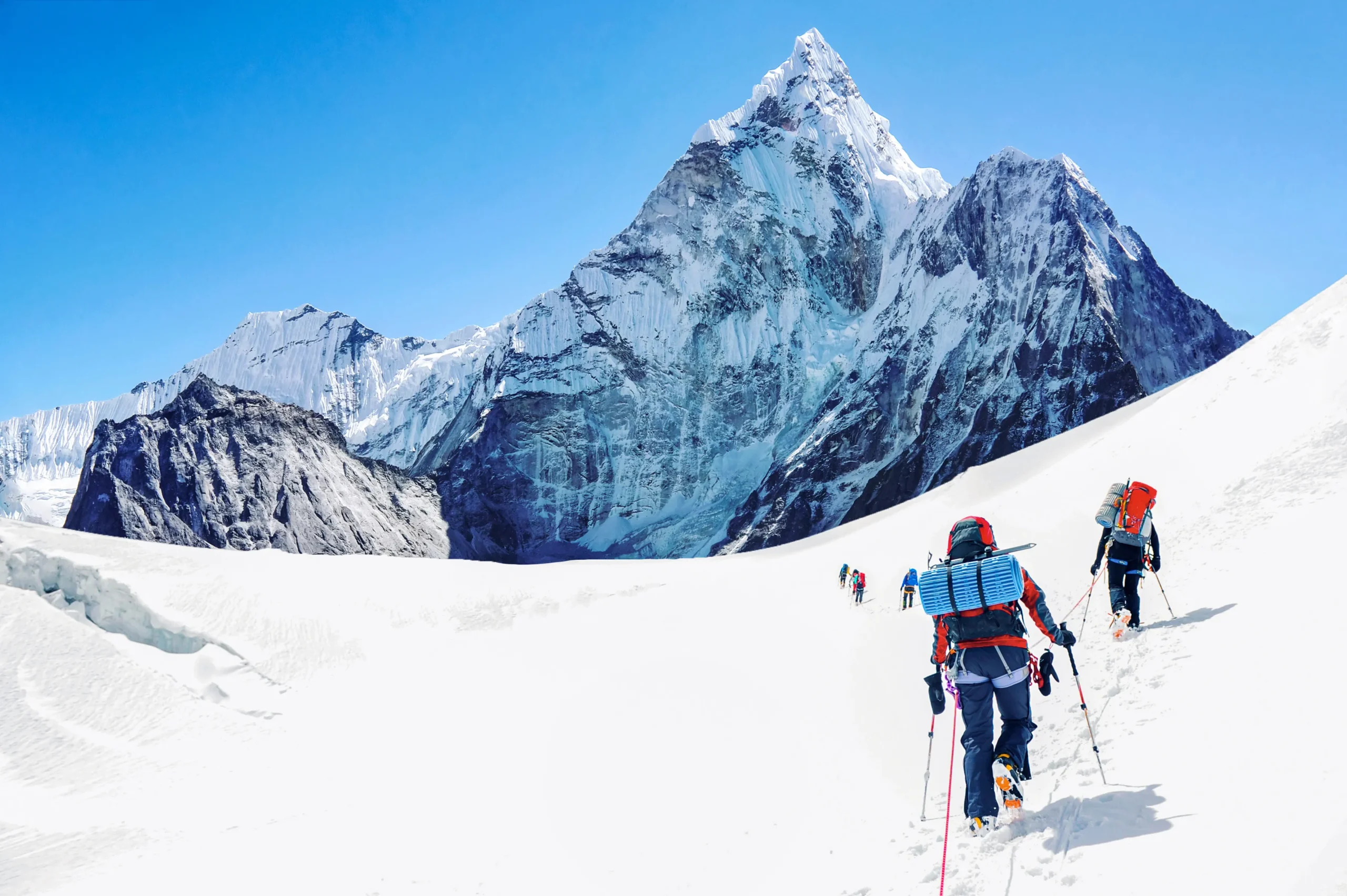
Preparing for a Denali expedition involves both physical training and logistical planning. Here are some key strategies to consider:
- Physical Training: Engage in a rigorous training regimen that includes cardiovascular exercises, strength training, and endurance activities. Focus on building leg strength and aerobic capacity to handle the demands of high-altitude climbing.
- Gear Preparation: Invest in high-quality gear suitable for extreme conditions. Essential items include mountaineering boots, crampons, ice axes, and appropriate clothing layers to protect against cold and wind.
- Emergency Preparedness: Familiarize yourself with emergency protocols and carry essential safety equipment, such as a first aid kit, communication devices, and navigation tools.
Safety Considerations
Safety is paramount when climbing Denali. Climbers must adhere to regulations and implement effective communication strategies within their teams. Key safety measures include:
- Regulations to Follow: Abide by all park regulations and guidelines to minimize environmental impact and ensure safety.
- Team Communication: Establish clear communication protocols among team members to enhance coordination and decision-making during the climb.
- Risk Mitigation Strategies: Be aware of potential hazards, such as avalanches and crevasses, and develop contingency plans to address these risks.
What Are the Main Denali Climbing Routes and Their Challenges?
The main climbing routes on Denali include the West Buttress, Muldrow, and Cassin routes. Each presents unique challenges, from technical climbing on the Cassin Route to the more accessible West Buttress. Understanding these challenges is crucial for selecting the appropriate route based on your skill level and experience.
How Does the West Buttress Route Compare to Other Paths?
The West Buttress Route is favored for its relative ease compared to the Muldrow and Cassin routes. While it still poses significant challenges, such as altitude and weather, it is generally more manageable for climbers with moderate experience. In contrast, the Muldrow Route requires advanced navigation skills, and the Cassin Route demands technical climbing expertise.
What Are the Characteristics of the Muldrow Glacier Route?
The Muldrow Glacier Route is characterized by its remote setting and technical challenges. Climbers must navigate complex terrain and be prepared for self-sufficiency. This route offers stunning views but requires a higher level of skill and experience compared to the West Buttress Route.
How Do You Obtain and Manage Denali Climbing Permits?
Obtaining Denali climbing permits involves a structured application process. Climbers must submit their applications well in advance, paying attention to deadlines and fees. Managing these permits effectively is crucial for ensuring compliance with park regulations and a smooth climbing experience.
What Is the Official Permit Application Process?
The official permit application process includes submitting an application form, paying the required fees, and providing details about your climbing plans. It is essential to follow the guidelines provided by the National Park Service to ensure your application is processed without delays.
What Are the Permit Requirements and Restrictions?
Permit requirements include providing information about your climbing team, planned route, and expected duration of the climb. Restrictions may apply based on the time of year and the number of climbers allowed on specific routes.
How Should You Prepare Physically and Logistically for a Denali Expedition?
Preparing for a Denali expedition requires a comprehensive approach that includes both physical training and logistical planning. Climbers should focus on building endurance and strength while also ensuring they have the necessary gear and supplies for their journey.
What Training Regimens Best Prevent Altitude Sickness?
Training regimens should include acclimatization hikes at high altitudes to help your body adjust to lower oxygen levels. Gradually increasing your elevation during training can significantly reduce the risk of altitude sickness during the climb.
How to Plan Base Camp Logistics and Expedition Duration?
Planning base camp logistics involves determining the best locations for setting up camps along your route. Consider factors such as water sources, shelter from the elements, and proximity to climbing routes when selecting your base camp sites.
What Gear and Safety Protocols Are Essential for Climbing Denali?
Essential gear for climbing Denali includes high-quality mountaineering equipment, clothing layers, and safety gear. Safety protocols should be established to address potential hazards and ensure effective communication among team members. intermediate climbing guide
What Safety Measures Mitigate Risks on Denali?
Safety measures include adhering to park regulations, maintaining clear communication, and being aware of environmental conditions. Regularly assessing risks and adjusting plans accordingly can help mitigate potential dangers during the climb.
How Do Weather and Environmental Conditions Affect Denali Climbing?
Weather and environmental conditions play a significant role in the success of Denali climbs. Climbers must be prepared for rapidly changing weather patterns and understand how these conditions can impact their ascent.
What Are Typical Weather Patterns and Their Impact on Expeditions?
Typical weather patterns on Denali include extreme cold, high winds, and sudden storms. These conditions can significantly affect climbing schedules and safety, making it essential for climbers to monitor forecasts and be prepared for changes.
How Is Climate Change Influencing Climbing Windows and Safety?
Climate change is altering weather patterns and glacial conditions on Denali, potentially impacting climbing windows and safety. Climbers should stay informed about these changes and adjust their plans accordingly to ensure a safe expedition.
Recent research provides specific insights into how Denali’s weather patterns are evolving, offering valuable context for climbers.
Denali Weather & Climate: Climbing Season Trends
An overview of climatological and meteorological conditions and their seasonal variability in the Denali summit region is presented, based on the NCEP–NCAR reanalysis 1 dataset for the 1948–2018 period. The number of very cold days (<−35°C) during the climbing season (April–July) has decreased by approximately a day per decade. The number of very windy days (≥20 m s−1) during the climbing season also shows a decreasing trend for the majority of the time series.
The mountain weather and climate of Denali, Alaska—
An overview, L Hartl, 1948
What Are the Options for Guided Denali Expeditions and Professional Support?
For those seeking additional support, guided Denali expeditions offer a structured approach to climbing the mountain. Professional guides provide expertise and assistance, enhancing the overall experience for climbers.
How to Choose a Certified Denali Expedition Operator?
When selecting a certified Denali expedition operator, consider factors such as experience, safety records, and client reviews. A reputable operator will have a proven track record of successful climbs and a commitment to safety.
What Are the Benefits of Guided Climbs Versus Independent Ascents?
Guided climbs offer several advantages, including expert guidance, logistical support, and enhanced safety measures. Independent ascents provide a sense of adventure and self-sufficiency but require a higher level of preparation and experience.
To ensure a successful climb, consider using trip planning resources to help organize your expedition.
Many climbers find that gear and safety are paramount for a successful and safe ascent. Proper equipment and knowledge can significantly reduce risks.
For those interested in exploring other peaks, mountain guides can provide valuable insights and support.
Climbing Denali requires careful planning and preparation. If you need assistance, consider reaching out through our contact page for expert advice.