
Last updated September 16, 2026
Denali Progression Plan: How to Build the Skills for the West Buttress
The most useful Denali progression is not simply Rainier → Aconcagua → Denali. It is a sequence of capability gates: become competent on glaciers, prove you can function at altitude, learn to live and work in severe cold, train with combined pack-and-sled loads, then rehearse the full expedition system before flying onto the Kahiltna Glacier.
What Is the Best Progression for Denali?
Stage 1: glacier foundation on Rainier, Baker or equivalent. Stage 2: altitude and expedition duration on Aconcagua or equivalent. Stage 3: dedicated winter camping and heavy-load training. Stage 4: a Denali-specific prep course or Alaska Range rehearsal. Stage 5: Denali West Buttress.
The mountain does not demand elite technical climbing on the standard route. It demands that basic systems still work after many days of cold, fatigue, load hauling and altitude.
Denali Progression Plan at a Glance
| Stage | Objective | Capability built | Advance when… |
|---|---|---|---|
| 1 | Rainier, Baker or equivalent glacier climb | Rope teams, crampons, arrest, crevasse systems | You can function safely on a glacier without being carried by the guide team |
| 2 | Aconcagua or equivalent altitude expedition | Altitude tolerance, pacing, multi-day recovery | You know how your body and decision-making behave above 5,000 m |
| 3 | Winter expedition block | Cold camping, stove systems, boot/glove management | You can keep yourself functional through multiple sub-zero nights |
| 4 | Denali-specific prep / Alaska Range course | Sled hauling, cache cycles, fixed lines, expedition workflow | The Denali systems feel familiar rather than new |
| 5 | Denali West Buttress | Full integration | You arrive with no major untested capability |
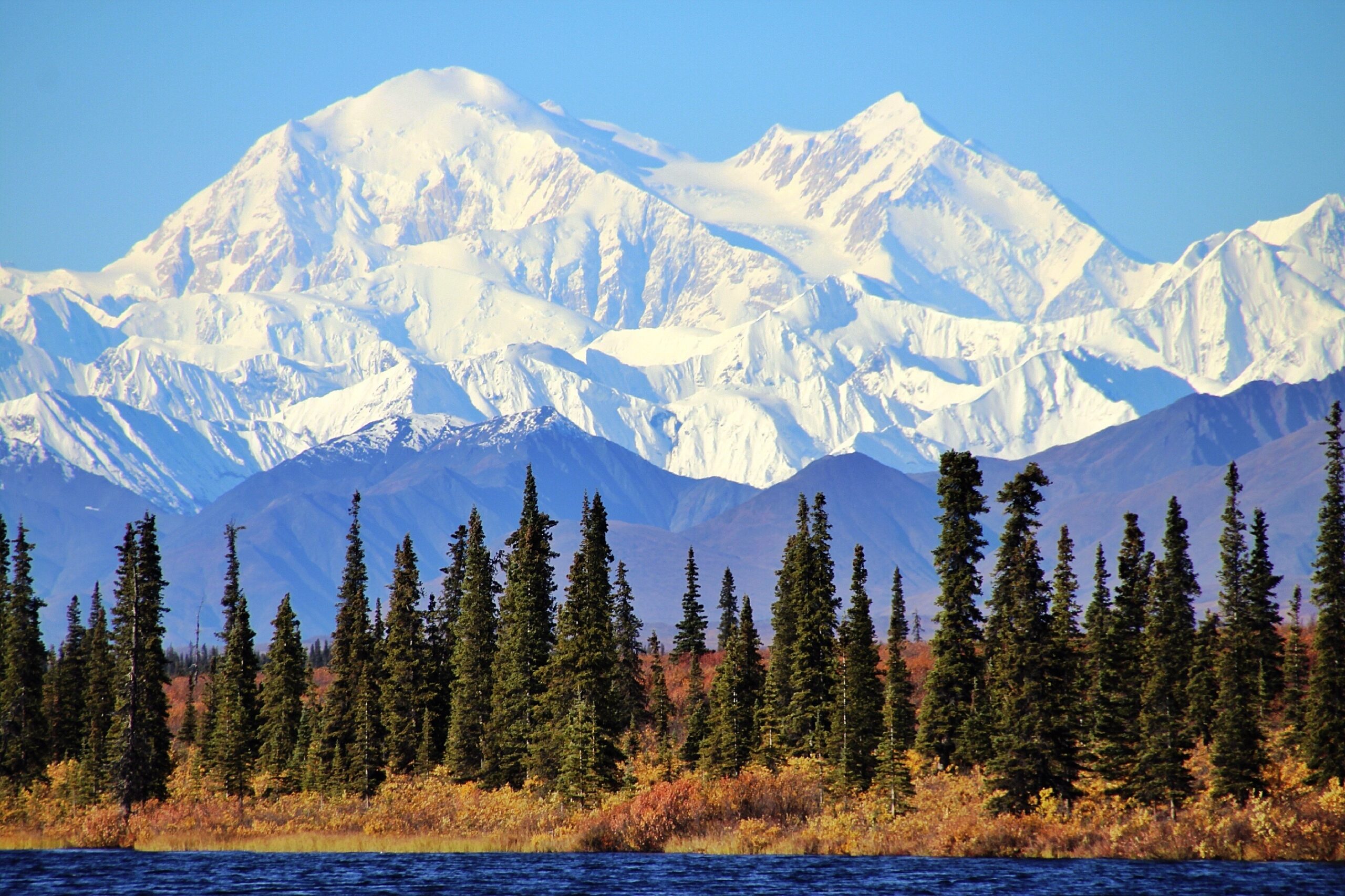
Every Stage Should Make One Part of Denali Boring.
Glacier travel, cold camps, fixed lines and heavy loads should already feel routine before the summit expedition begins.
The Six Denali Readiness Gates
Functional Rope-Team Skills
Roped travel, arrest, spacing, anchors and crevasse rescue should work while tired and carrying weight.
Winter Camp Competence
Manage stoves, moisture, boots, gloves, sleep and camp chores through real cold and storms.
Pack + Sled Endurance
Train the combined movement pattern Denali uses instead of relying only on unloaded cardio fitness.
Ascender Fluency
Transitions must remain clean in gloves, bulky layers and fatigue.
Known High-Altitude Response
You should have evidence of how you eat, sleep, recover and think during a longer altitude trip.
Expedition Judgment
Contribute to camp work, communicate deterioration early and make conservative decisions when tired.
What Physical Readiness Should Look Like
| Phase | Training priority | Evidence you want |
|---|---|---|
| Foundation | Aerobic base + uphill hiking | Long mountain days without multi-day soreness |
| Strength | Legs, posterior chain, trunk, shoulders | Stable movement under increasing pack load |
| Specificity | Heavy carries + sled/tire drags | Back-to-back load days without form breakdown |
| Expedition block | Multiple long days | Eat, sleep and recover well enough to repeat work |
| Taper | Reduce fatigue, keep movement | Arrive rested rather than proving fitness at the last minute |
This page owns the progression framework; detailed weekly volume, nutrition and load programming belong in the dedicated Denali Training & Nutrition guide.
What You Should Be Able to Do Before Denali
| Skill | Responsible baseline | Why Denali exposes weakness |
|---|---|---|
| Glacier travel | Multiple real roped glacier days | Lower Kahiltna travel happens under load and fatigue |
| Crevasse rescue | Hands-on hauling and anchor practice | Emergency systems cannot be theoretical |
| Fixed lines | Ascender transitions in gloves | The Headwall arrives after accumulated fatigue |
| Winter camping | Several nights in severe cold | Storms can pin teams while moisture and fuel become problems |
| Load management | Heavy pack plus drag work | Denali is an expedition-hauling problem as much as a climbing problem |
| Altitude | Prior long exposure above ~5,000 m | Recovery and appetite become expedition variables |

Denali Rewards Climbers Who Can Work for Three Weeks.
Strength matters, but so do camp chores, load carries, recovery, patience and the ability to make good decisions after repeated hard days.
A Practical Denali Build Timeline
| Months | Main objective | Primary outcome |
|---|---|---|
| 1–6 | Glacier course + Rainier/Baker | Foundation mountaineering |
| 7–14 | Training + altitude expedition | Altitude and expedition evidence |
| 15–20 | Winter camping + load block | Cold and hauling systems |
| 21–26 | Denali prep / Alaska Range rehearsal | Route-specific systems integration |
| 27–30+ | Final training + Denali | Arrive rested and fully rehearsed |
Experienced climbers can compress this because they already own some capabilities. Beginners should not compress it merely to hit a calendar date.
What Not to Substitute for Real Preparation
Fitness for Glacier Skill
A strong uphill engine does not replace rope-team competence or rescue practice.
Altitude for Cold
Aconcagua proves altitude tolerance, not Alaska winter camp craft.
Rainier for Expedition Length
A short guided glacier climb does not reproduce three weeks of self-supported work.
Gym Strength for Sled Hauling
Train the actual combined load pattern so hips, feet and pacing adapt before Alaska.
Use My Climb / Prepare to Track the Gates
Build Your Denali Plan
Track objective, timeline, operator, gear, training and remaining readiness gaps.
Open My Climb →PrepareCheck Readiness
Use the assessment as a checkpoint—not as a substitute for field experience.
Assess readiness →PrerequisitesWhat to Climb Before Denali
Choose precursor objectives without duplicating the full progression framework.
Choose precursor peaks →TrainingDenali Training & Nutrition
Move from progression strategy into detailed physical preparation.
Build training plan →Denali Progression FAQ
What should I climb before Denali?
Rainier or Baker for glacier foundation, Aconcagua or an equivalent altitude expedition, dedicated winter experience and a Denali-specific prep block are a strong sequence.
How long should the progression take?
Roughly 24–36 months for climbers starting without strong glacier and expedition experience.
Is Rainier enough?
No. It is an excellent foundation, but it does not reproduce Denali’s cold, altitude, sled hauling or three-week duration.
Do I need Aconcagua?
No specific mountain is mandatory. Aconcagua is useful because it tests altitude, recovery and expedition pacing.
What are the readiness gates?
Glacier systems, winter camps, combined loads, fixed lines, altitude experience and expedition judgment.
How heavy are Denali loads?
Loads vary, but climbers commonly split substantial expedition weight between a backpack and sled. Train specifically for the combined system.
Can Denali be my first expedition peak?
It should not be your first serious mountaineering objective. Prior glacier and cold-weather experience are essential.
When should I book?
When the major skill gaps are already closed or scheduled to close before departure—not simply when your fitness is improving.
Do Not Arrive on the Kahiltna to Learn a Core Skill.
Use smaller objectives to make glacier travel, altitude, cold camps, fixed lines and heavy loads familiar before Denali asks you to combine all of them for three weeks.
Turn the Readiness Gates Into Real Mountain Experience
Denali should combine skills you already know rather than teach them for the first time. Use these guides to build glacier competence, altitude experience, expedition endurance and route-specific preparation before flying onto the Kahiltna Glacier.
Build the mountain ladder itself: glacier experience, technical movement, altitude and longer expedition objectives before Alaska.
Choose your prep mountains → Gate 1 · Glacier Systems Best Mountains for Glacier Travel ExperienceBuild the rope-team, crampon, crevasse-awareness and glacier skills Denali should test rather than introduce.
Build glacier experience → Major Glacier Step Mount Rainier Progression PlanUse Baker or equivalent training to build toward Rainier, then scale those glacier systems before Denali.
Build toward Rainier → Gate 2 · Altitude & Expedition Aconcagua Progression PlanAdd long-expedition pacing, heavy loads and meaningful altitude experience without pretending Aconcagua replaces Denali’s cold skills.
Build altitude experience → Gate 3 · Physical Preparation Denali Training & Nutrition GuideMove from the 24–36 month progression strategy into Denali-specific pack, sled, strength, endurance and recovery training.
Build the training plan → Expedition Structure Compare Denali Guide ServicesCompare the current NPS-authorized operators after the major readiness gaps have already been closed.
Compare Denali operators → Route Reality Denali West Buttress ConditionsConnect the progression plan to the actual camp structure, permits, route environment and current West Buttress planning.
Review West Buttress planning → Progression Hub All Mountain Progression PlansCompare Denali with Rainier, Aconcagua, Kilimanjaro, Mont Blanc and other staged climbing pathways.
Explore all progression plans →Was this helpful?
🏔Progression guides
🧭Explore & compare
Global Summit Guide is an independent mountaineering resource founded in 2026. The team combines first-hand trekking and climbing experience with in-depth research and professional health and nutrition review to help climbers choose objectives, prepare properly, and stay safe.
Health, altitude, and nutrition content is reviewed by Taylor Ludlow (Registered Nurse) and Brigg Hoopes (Nutritionist).
What We Don't Know Yet
Mountain information changes quickly. This box explains the limits of what this page can responsibly promise.
- Fitness and altitude response vary by person; no guide, itinerary, or training plan can guarantee acclimatization or summit success.
- Visa, passport, vaccination, border, insurance, and local transportation rules may change before your trip.
- Route conditions, snowpack, closures, and weather can change quickly after this page is updated.
- Permit rules, fees, quotas, and reservation windows may change between review cycles.
- Operator availability, pricing, guide ratios, and cancellation terms can change by season.
Verify current conditions with official land managers, guide services, local forecasts, and current route reports before booking or climbing.
Mountaineering, rock and ice climbing, glacier travel, and high-altitude activity are inherently dangerous and can result in serious injury or death. The information on Global Summit Guide is provided for general informational and educational purposes only and is not a substitute for professional instruction, qualified guiding, proper equipment, or your own judgment and experience.
Route conditions, weather, snowpack, permits, regulations, and hazards change constantly and may differ from what is described here. Details may be incomplete, out of date, or contain errors. Always verify current information with local authorities, certified guides, and official sources before making any decision in the mountains.
Nothing on this site is medical, legal, or financial advice. Our fitness, acclimatization, altitude, and nutrition content is general in nature; consult a qualified physician before beginning any strenuous exercise program or exposing yourself to high altitude.
You are solely responsible for your own safety and decisions. To the fullest extent permitted by law, Global Summit Guide and its team accept no liability for any loss, injury, damage, or expense arising from use of, or reliance on, this information. By using this site you acknowledge these risks and accept these terms.
Some links on this site may be affiliate links. If you buy through them we may earn a small commission at no extra cost to you; this never affects our recommendations.
Global Summit Guide recommendation path
Next Best Mountain to Research
Use these recommendations to continue the right planning path instead of stopping on one page.
Use current permit, weather, route, and operator information before booking or climbing.