<

Tag: sierra nevada

  • The greatest mountains in the USA: a climber’s ranking of the 10 best American peaks

    The Greatest Mountains in the USA: A Climber’s Ranking of the 10 Best American Peaks | Global Summit Guide
    Mountain Lists / USA

    The greatest mountains in the USA: a climber’s ranking of the 10 best American peaks

    6,190 m
    Denali (highest)
    96
    US 14ers
    10
    States with major peaks
    Year-round
    Climbing seasons
    Part of the USA peaks series This ranking supports our best mountains in the USA master guide and connects all major American climbing destinations. Master guide →

    The United States contains some of the most varied and dramatic mountain terrain in the world — from Alaska’s massive Denali at 6,190 meters to Hawaii’s Mauna Kea (taller than Everest if measured from the seafloor), through the Cascade volcanoes, the Rocky Mountain 14ers, the Sierra Nevada, the Tetons, and the dramatic peaks of the Northeast. Picking the “greatest” American mountains depends on which axis you measure — height, climbing significance, cultural importance, or sheer drama. This ranking covers the 10 mountains that consistently appear on US climbers’ lifetime lists, with honest assessment of why each one matters and how it fits in the broader American mountaineering landscape. For broader context see our best mountains in the USA master guide.

    How these peaks were ranked honest criteria

    “Greatest” is a contested word when applied to American mountains. A peak’s greatness depends on which axis you weight most heavily:

    • Highest: Denali wins by 1,800+ meters over the next-highest US peak.
    • Most-climbed: Mount Whitney (~30K annual summits) and Mount Rainier (~10K) dominate.
    • Most photographed: The Grand Teton and Mount Rainier compete with Half Dome and El Capitan.
    • Most technically demanding: The Cassin Ridge on Denali, the north faces of the Tetons, and high-altitude routes in the Alaska Range.
    • Most historically significant: Mount McKinley/Denali first ascent, Mount Whitney for the lower 48, and the iconic Yosemite walls.
    • Most extreme weather: Mount Washington holds the official US record for the highest non-tornado wind speed at sea level.
    • Most culturally important: Mount Rushmore (literally carved with presidents), the Grand Canyon, and the Tetons in popular imagination.

    The ranking below uses a composite — peaks that consistently appear on serious US climbers’ lifetime lists, with explanations of what makes each one matter. The order is approximately by overall climbing significance rather than strict elevation. For climbers focused specifically on peak-bagging, the Colorado 14ers and Utah peaks provide structured project lists that complement this ranking.

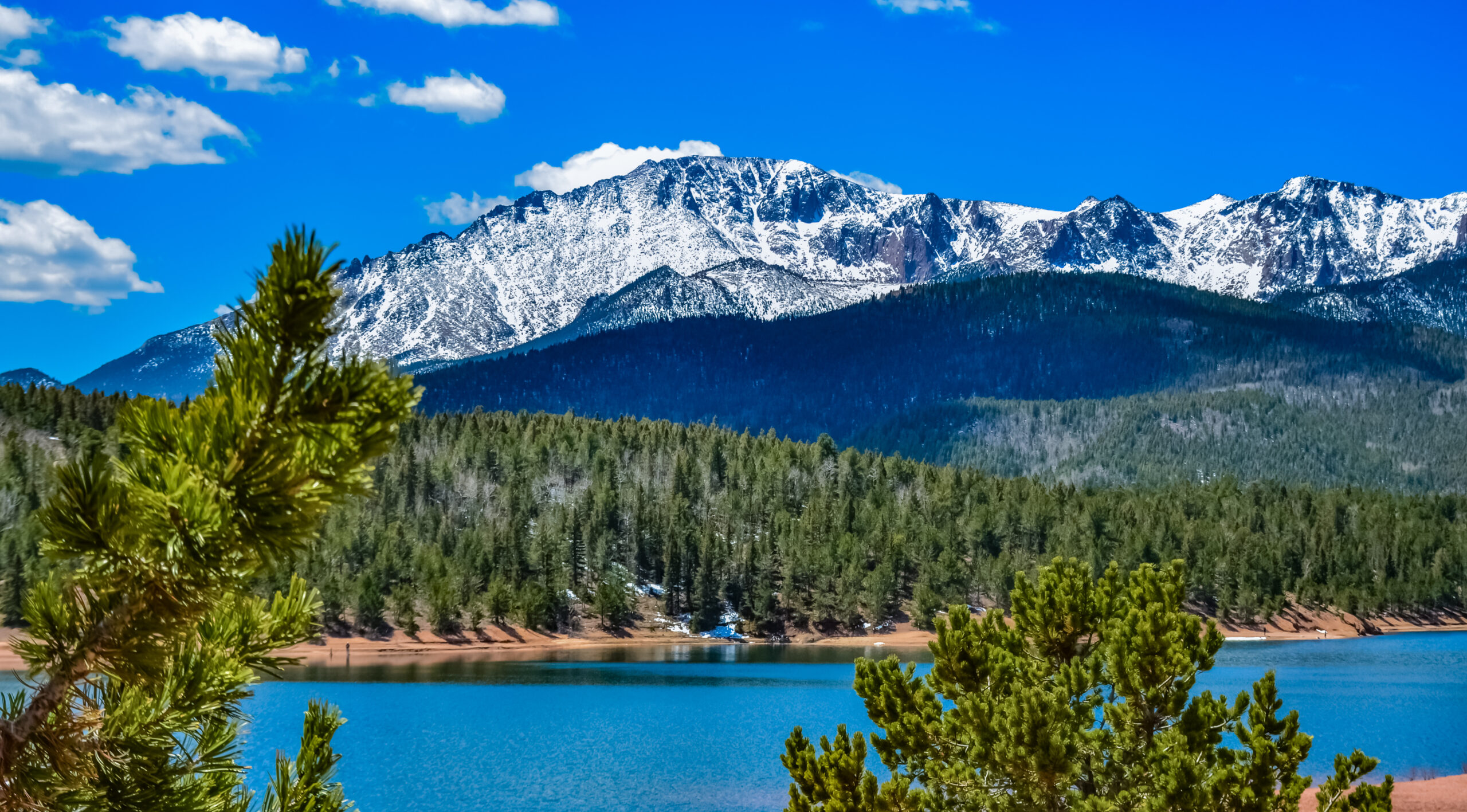
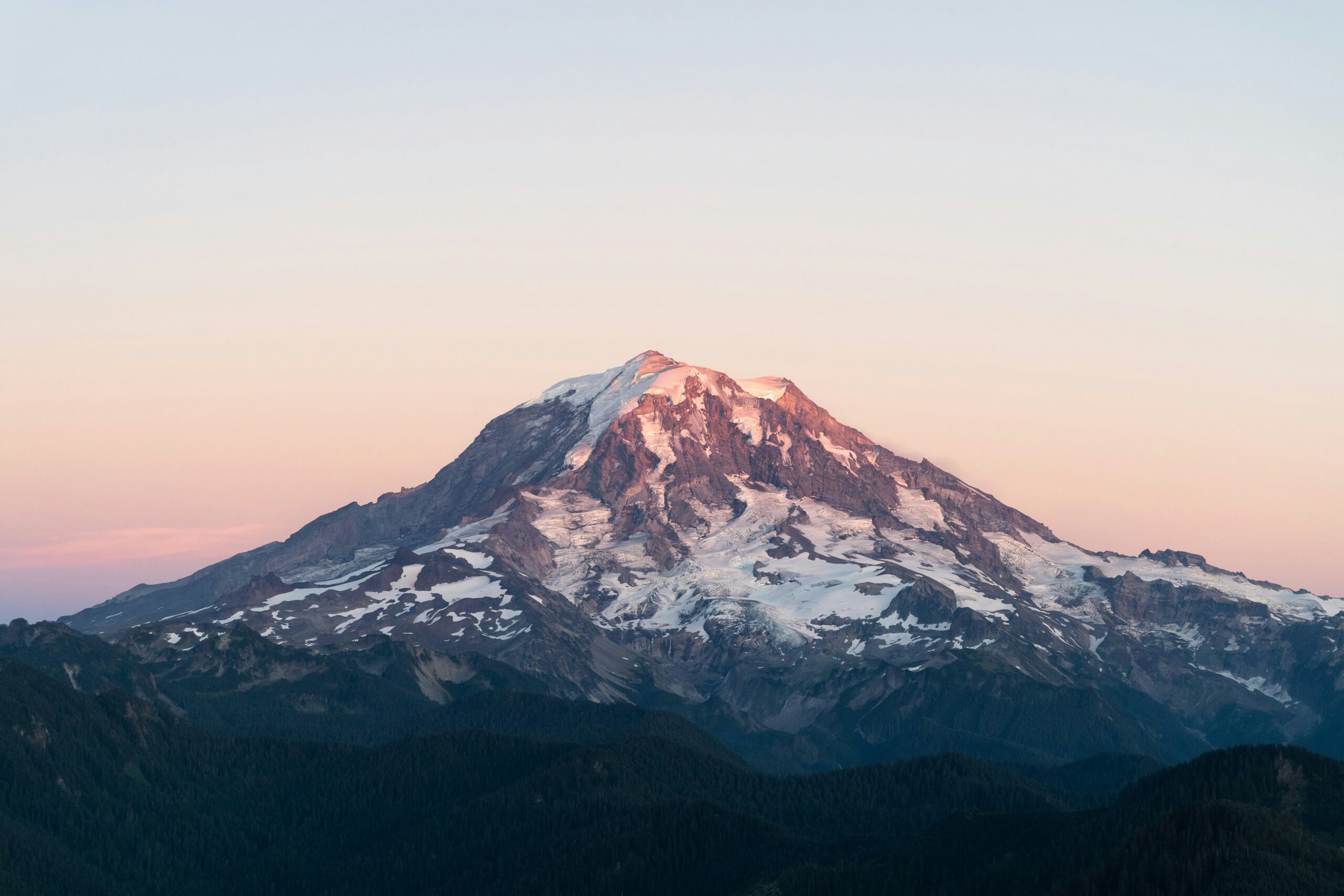
    The greatest mountains in the USA showing the dramatic American peaks landscape including Denali Mount Rainier and the iconic high country that defines US mountaineering from Alaska to the Cascades to the Rocky Mountains
    From Alaska’s Denali at 6,190 meters to Mount Washington in New Hampshire, the United States contains some of the most varied and dramatic mountain terrain in the world.

    The crown peaks the absolute icons

    1

    Denali

    Alaska · Alaska Range · First climbed 1913 · Grade Alaska Grade 2 on West Buttress
    6,190 m

    Denali (formerly Mount McKinley) is the highest mountain in the United States and the highest peak in North America. The mountain rises 5,500+ meters from its base in the Alaska Range — one of the largest base-to-summit vertical relief profiles on Earth, larger than Everest’s relief from base camp to summit. The standard West Buttress route involves three weeks of glacier expedition climbing at high latitude, severe cold (the coldest mountain in the Seven Summits despite not being the highest), and significant logistics requirements.

    Denali requires real mountaineering skill including glacier travel, rope team management, and cold-weather expedition camping. Most climbers train for several years before attempting Denali, typically through structured progressions on smaller Cascade volcanoes, Aconcagua, or Mexican volcanoes. The full Denali framework is in our Denali climbing guide, with the training framework in our Denali progression plan and route detail in our Denali route comparison. The peak-vs-peak framework against other major mountains is in our Aconcagua vs Denali and Rainier vs Denali comparisons.

    2

    Mount Rainier

    Washington · Cascade Range · First climbed 1870 · Grade Glacier mountaineering
    4,392 m

    Mount Rainier is the most iconic Cascade volcano and the most-climbed major glaciated peak in the contiguous United States. The mountain dominates the Seattle/Tacoma skyline from 80 miles away and contains more glacier ice than all other Cascade volcanoes combined. The standard Disappointment Cleaver and Emmons Glacier routes are graded glacier mountaineering with serious crevasse hazard, requiring full rope team protocols and proper crampon technique.

    Rainier is the standard training mountain for climbers preparing for Denali, Aconcagua, and Himalayan expeditions. Approximately 10,000 climbers attempt the summit each year with summit success rates around 50%. The mountain is the proving ground for nearly every serious American mountaineer. The full Rainier framework is in our Rainier progression plan, with the comparison against Denali in our Rainier vs Denali analysis. The broader Cascade volcano context is also where many climbers begin their American mountaineering progression.

    The iconic peaks recognized worldwide

    3

    Mount Whitney

    California · Sierra Nevada · First climbed 1873 · Grade Class 1 walking trail
    4,421 m

    Mount Whitney is the highest peak in the contiguous 48 states and the standard “first big mountain” for many California-based hikers. The standard Whitney Trail is a 22-mile round-trip day hike that gains 6,100 feet of elevation — long and demanding but technically class 1 walking. Approximately 30,000 climbers attempt the summit each year via the standard trail, with the technical Mountaineers Route adding a class 3 option for more experienced climbers.

    Whitney requires a permit during the high season (May 1 – November 1) with a competitive lottery system. The standard route can be completed in a single day by fit hikers; many climbers prefer a two-day trip with an overnight at Trail Camp. Whitney is part of the Sierra Nevada peak-bagging tradition that includes peaks like Mount Russell, Mount Muir, and the rest of the California 14ers. The Six Pack of Peaks framework in Southern California is a natural training progression — the detailed plan is in our Six Pack of Peaks guide.

    4

    The Grand Teton

    Wyoming · Teton Range · First climbed 1898 · Grade Class 4 on Owen-Spalding
    4,199 m

    The Grand Teton is the highest peak in the Teton Range and one of the most visually iconic mountains in the United States. The dramatic granite spires rising directly from Jackson Hole produce one of the most photographed mountain landscapes in North America. Unlike most US peaks which are accessed via long approach hikes, the Tetons rise vertically from the valley floor with the Grand Teton summit accessible by routes ranging from class 4 walking-and-scrambling to expert technical climbing.

    The standard Owen-Spalding route involves a 14-mile round trip with class 4 scrambling and a short technical summit pitch. Most climbers complete it in 2-3 days with overnight camps. The Exum Ridge offers a class 5.5 alternative for technical climbers. The Tetons sit in the broader Wyoming high country and provide some of the best alpine rock climbing in the United States.

    5

    Mount Hood

    Oregon · Cascade Range · First climbed 1857 · Grade Glacier mountaineering
    3,429 m

    Mount Hood is the highest peak in Oregon and one of the most-climbed major glaciated peaks in the United States, with 10,000 to 15,000 annual climbing attempts. The mountain is visible from Portland and dominates the Oregon skyline. The standard South Side route via the Hogsback is an accessible introduction to glaciated mountaineering with manageable approach times and reliable infrastructure (the Timberline Lodge ski area provides high-elevation starting access).

    Hood requires real mountaineering skills including crampons, ice axe, glacier travel, and avalanche awareness. The route involves crossing the Bergschrund and ascending the Hogsback to the summit. Most climbing accidents on Hood happen on the descent when climbers fatigue and conditions change. The full snow travel context for Hood-style climbs is in our microspikes vs crampons decision guide and our ice axe techniques guide.

    The classic peaks deep American mountaineering

    6

    Longs Peak

    Colorado · Rocky Mountain National Park · First climbed 1868 · Grade Class 3 on Keyhole
    4,346 m

    Longs Peak is the only 14er in Rocky Mountain National Park and one of the most iconic Colorado peaks. The Keyhole Route is class 3 scrambling on exposed rock with several genuinely committing sections — the Ledges, the Trough, the Narrows, and the Homestretch. The summit attempt is a long 15-mile round-trip day hike with 5,000 feet of elevation gain. Most climbers start before 3 AM to beat afternoon thunderstorms.

    Longs Peak has killed approximately 60 climbers in recorded history — high among US 14ers due to the technical scrambling at high altitude combined with weather exposure. The peak is widely considered one of the most rewarding 14ers in Colorado for climbers seeking real mountaineering character rather than walk-up summits. The full Colorado 14ers framework is in our Colorado 14ers guide.

    7

    Mount Washington

    New Hampshire · Presidential Range · First climbed 1642 · Grade Class 1-2 (weather is the difficulty)
    1,917 m

    Mount Washington is the highest peak in the Northeast and one of the most dangerous mountains in the United States despite its modest elevation. The mountain holds the official US record for the highest non-tornado wind speed at sea level (231 mph in 1934) and one of the most extreme weather profiles in the country. Approximately 150 climbers have died on Washington since 1849 — a remarkably high count for a peak that can technically be hiked in a single day.

    The mountain’s deceptive accessibility (an auto road climbs to the summit) hides the genuine danger of its weather. Summer hikers regularly die from hypothermia in unexpected storms. Winter climbing on Washington is some of the most extreme weather mountaineering in the Lower 48. The Presidential Range traverse including Washington and adjacent peaks is one of the most committing extended climbing routes in the eastern United States.

    8

    Mount Shasta

    California · Cascade Range · First climbed 1854 · Grade Glacier mountaineering
    4,322 m

    Mount Shasta is the largest stratovolcano in the contiguous US by volume and one of the most striking peaks in California. Rising dramatically from the surrounding plains in Northern California, Shasta is visible from over 100 miles away and contains seven named glaciers on its upper mountain. The standard Avalanche Gulch route is a long but non-technical glacier climb requiring crampons, ice axe, and basic mountaineering skills.

    Shasta is widely used as a training peak for Rainier and Denali. The summit can be completed in a single very long day from the trailhead or as a two-day climb with a high camp at Helen Lake. Climbers must navigate variable snow conditions, occasional crevasses on certain routes, and afternoon sun on the south-facing standard route. The mountain sits at the northern edge of California where the Cascade volcanoes meet the Klamath ranges.

    Alpine technical peaks advanced objectives

    9

    Mount Saint Elias

    Alaska/Yukon · Saint Elias Range · First climbed 1897 · Grade Alaska Grade 4+
    5,489 m

    Mount Saint Elias is the second-highest peak in the United States and one of the most remote and demanding climbing objectives anywhere in North America. The mountain straddles the Alaska-Yukon border in the Saint Elias Range and rises directly from the Pacific Ocean to its 5,489-meter summit — the largest vertical relief from sea level of any peak in the world. The standard route involves serious glacier travel, severe weather, and weeks of expedition committment.

    Saint Elias is climbed by far fewer parties than Denali and represents the next step beyond Denali for serious American alpinists. The mountain’s combination of remote access, severe weather, and technical climbing makes it one of the few peaks in the lower 48 + Alaska zone that compares to Himalayan or Karakoram objectives. Most climbers who pursue Saint Elias have completed Denali first and seek the mountain as a step toward 8000-meter peaks.

    10

    Mount Foraker

    Alaska · Alaska Range · First climbed 1934 · Grade Alaska Grade 3+
    5,304 m

    Mount Foraker is Denali’s neighbor in the Alaska Range and the third-highest peak in the United States. The mountain rises adjacent to Denali and is often visible from Denali climbers’ high camps, but is dramatically less climbed. Foraker requires technical alpine climbing on its standard Sultana Ridge route — significantly harder than Denali’s West Buttress. Most climbers attempting Foraker have completed multiple Alaska Range expeditions first.

    Foraker represents the technical alpine character of Alaska Range climbing beyond the relatively non-technical Denali standard route. The mountain has killed several elite climbers and is considered among the most demanding peaks in the contiguous US + Alaska region. The Mooses Tooth, Mount Hunter, and other Alaska Range peaks form a portfolio of advanced alpine objectives that natural progression follows Foraker climbing.

    All 10 peaks at a glance

    Rank Peak State Elevation Character
    1DenaliAlaska6,190 mThe crown — highest in North America
    2Mount RainierWashington4,392 mMost iconic Cascade volcano, training peak
    3Mount WhitneyCalifornia4,421 mHighest in lower 48, walking trail
    4Grand TetonWyoming4,199 mMost photographed, granite spire
    5Mount HoodOregon3,429 mMost-climbed glaciated peak
    6Longs PeakColorado4,346 mIconic Colorado 14er, class 3
    7Mount WashingtonNew Hampshire1,917 mMost extreme weather in lower 48
    8Mount ShastaCalifornia4,322 mLargest Cascade volcano by volume
    9Mount Saint EliasAlaska/Yukon5,489 mLargest sea-level relief on Earth
    10Mount ForakerAlaska5,304 mTechnical Alaska Range alpine
    What didn’t make the list

    Several iconic American peaks didn’t make the top 10 ranking but deserve mention: Mount Elbert in Colorado (the highest 14er in the lower 48), Pikes Peak in Colorado (the most-visited mountain), Mount St. Helens in Washington (the famous erupted volcano), Half Dome in Yosemite (the granite icon), Mount Mansfield in Vermont (the highest Eastern peak outside New Hampshire), Mauna Kea in Hawaii (the tallest mountain in the world if measured from seafloor), and the Mount Kineo in Maine. Each could legitimately make a top 15 list. The full peak-by-peak detail is in our best mountains in the USA master guide.

    USA mountains by region where to find each character

    Region Character Highest peak Key climbing destinations
    Alaska RangeExpedition mountaineering, glaciated, remoteDenali 6,190 mDenali, Foraker, Hunter, Mooses Tooth
    Cascade RangeGlaciated volcanoes, accessible from Seattle/PortlandMount Rainier 4,392 mRainier, Baker, Hood, Adams, Shasta
    Sierra NevadaGranite peaks, hiking and technical climbingMount Whitney 4,421 mWhitney, Half Dome, El Capitan, Yosemite peaks
    Rocky MountainsNon-technical to class 4 mountaineering, 14ers traditionMount Elbert 4,401 mLongs Peak, Pikes Peak, Maroon Bells, Colorado 14ers
    Teton RangeGranite spires, alpine rock climbingGrand Teton 4,199 mGrand Teton, Middle Teton, South Teton, Mount Owen
    Wasatch / Uinta (Utah)Diverse Wasatch + remote Uinta high countryKings Peak 4,123 mKings Peak, Mount Timpanogos, Mount Nebo
    White Mountains (NH)Extreme weather at modest elevationMount Washington 1,917 mWashington, Adams, Jefferson, Madison, Lafayette
    Adirondacks (NY)Non-technical hiking, 46er traditionMount Marcy 1,629 mMarcy, Algonquin, Haystack, the 46 high peaks
    Smoky MountainsForested southern AppalachianClingmans Dome 2,025 mClingmans Dome, Le Conte, Mount Cammerer
    Brooks Range (Alaska)Wilderness Arctic mountaineeringMount Isto 2,761 mRemote peaks, limited climber traffic

    The regional diversity in American mountaineering is unmatched globally. A single climber building experience across the Cascades (glaciated volcanoes), Rockies (non-technical to class 4 14ers), Sierras (granite peaks), Tetons (alpine spires), and Alaska Range (expedition mountaineering) develops a portfolio of skills that transfers to nearly any mountain range in the world. The full regional context for several of these areas is covered in our supporting guides: Best Mountains Near Denver, Best Mountains in Utah, SoCal Six Pack of Peaks, and Colorado 14ers.

    A US climbing progression how climbers approach American peaks

    For climbers building toward serious American mountaineering, the typical progression spans 5-10 years and follows a recognizable pattern:

    1. Year 1 — Local hiking peaks: state high points, local 14ers/13ers, day hikes building fitness and altitude experience.
    2. Year 2 — Introduction to mountaineering: Mount Whitney (lower 48 high point), Mount St. Helens, or the easier Cascade peaks. Acquire crampons and ice axe; learn basic technique.
    3. Year 3 — First glaciated peak: Mount Hood, Mount Adams, or Mount Baker. Learn rope team travel and serious glacier protocols.
    4. Year 4 — Major glaciated objective: Mount Rainier as the standard “test piece” before bigger objectives. Most climbers attempt Rainier 2-3 times across multiple seasons.
    5. Year 5 — International or major US: Aconcagua, Cotopaxi, Mexican volcanoes, or the harder Cascade objectives like Mount Shasta and Mount Olympus.
    6. Year 6+ — Expedition mountaineering: Denali as the standard major American expedition objective. Builds toward 7,000-meter peaks abroad.
    7. Advanced — Technical American alpine: the Tetons technical routes, Alaska Range objectives beyond Denali, Yosemite big wall climbing, advanced Sierra Nevada alpine.
    The pattern that makes American mountaineering unique

    Few countries in the world contain the full mountaineering range from class 1 walking trails to expedition-level technical alpine within their borders. American climbers can build a complete career — from first 14er to major expedition — without leaving the United States. This isn’t quite true of any other country except maybe Russia (with the Caucasus + Altai + Kamchatka combination) or China (with its dramatic range). For most US climbers, this regional diversity makes serious mountaineering more accessible than equivalent international objectives.

    Cost framework for US mountaineering honest budgeting

    Trip type Typical cost (USD) Notes
    Mount Whitney day hike (self-guided)$100-$300Permit + accommodations
    Colorado 14er weekend (self-guided)$200-$500Lodging + transport + gear
    Mount Hood guided climb (3 days)$800-$1,5002-day course or guided summit
    Mount Rainier guided climb (4 days)$1,500-$2,500RMI, Mountain Madness, or Alpine Ascents
    Grand Teton guided climb (4 days)$1,800-$2,800Exum Mountain Guides or Jackson Hole Mountain Guides
    Mount Shasta guided climb (3 days)$900-$1,500Multiple operators available
    Denali expedition (3 weeks)$8,000-$15,000RMI, IMG, or Mountain Trip
    Mount Saint Elias expedition$15,000-$30,000+Few operators; mostly private expeditions

    US peaks are dramatically cheaper than equivalent international objectives because of easier logistics and lower permit costs. Denali is probably the best value among major peaks: $8K-$15K for a 6,190-meter expedition compared to $25K-$40K for similar-altitude Himalayan peaks like Cho Oyu. The full cost framework for major peaks is in our Aconcagua cost breakdown and seven summits cost guide for comparison.

    When to climb US mountains seasonal framework

    Region Best season Avoid
    Cascade volcanoesMay-July (firm snow, longer days)Late August (rotten snow, crevasses open)
    Sierra Nevada peaksJuly-September (snow cleared)Winter (avalanche risk, technical)
    Colorado 14ersJuly-September (dry summer)Afternoon thunderstorms – start early
    Grand TetonJuly-September (rock dry)Spring/early summer (still snow on routes)
    Denali / Alaska RangeMay-July (24-hour daylight)August-April (cold, dark, severe weather)
    Mount Washington / NEJune-September hiking; Jan-Mar winter mountaineeringApril-May (rotten snow transitional)
    Utah / WasatchJuly-September high countryWinter for non-skiers
    Mount HoodMay-July (firm snow)Late summer (rotten snow, glacier issues)
    ★ USA Mountains Master Resources

    The complete US mountaineering framework

    Detailed peak profiles, route guides, costs, and the broader American climbing context.

    Master guide →

    The bottom line on the greatest mountains in the USA

    The United States contains some of the most varied mountain terrain in the world, spanning class 1 walking trails to expedition-level technical alpine within a single country. The 10 mountains that consistently appear on serious US climbers’ lifetime lists are Denali (the crown peak), Mount Rainier (the training mountain), Mount Whitney (the lower 48 high point), the Grand Teton (the granite icon), Mount Hood (most-climbed glaciated peak), Longs Peak (the iconic Colorado 14er), Mount Washington (extreme weather at modest elevation), Mount Shasta (largest Cascade volcano), Mount Saint Elias (largest sea-level relief), and Mount Foraker (technical Alaska Range). These peaks span the full range of American climbing experience and provide a progression from beginner-accessible day hikes to advanced expedition mountaineering. The natural climbing progression — from local 14ers and state high points through Cascade volcanoes to Denali — provides world-class preparation for international objectives. American mountains are also dramatically cheaper than equivalent international peaks due to easier logistics and lower permit costs. For climbers building toward serious mountaineering, the US offers everything from the Six Pack of Peaks in Southern California to the Alaska Range — without leaving the country. The full peak-by-peak framework is in our best mountains in the USA master guide, with detailed regional coverage in our Colorado 14ers guide, Utah mountains guide, Denver area mountains, and Six Pack of Peaks.

    Frequently asked questions

    What is the highest mountain in the United States?

    Denali in Alaska is the highest mountain in the United States at 6,190 meters (20,310 feet). Denali is also the highest peak in North America and one of the Seven Summits. The mountain was formerly named Mount McKinley but was officially renamed Denali (its traditional Koyukon name) in 2015. Mount Elbert in Colorado at 4,401 meters is the highest peak in the contiguous 48 states. Mauna Kea in Hawaii is technically taller than Denali when measured from its base on the ocean floor (10,210 m total), but Denali is the highest by elevation above sea level.

    What are the most famous mountains in America?

    The most famous mountains in America include Denali (the highest, in Alaska), Mount Rainier (the most iconic Cascade volcano), Mount Whitney (the highest in the contiguous 48 states), the Grand Teton (the most iconic Wyoming peak), Mount Hood (the most-climbed glaciated peak), Longs Peak in Colorado, Mount Washington in New Hampshire (the most extreme weather), Pikes Peak in Colorado, Half Dome in Yosemite, and El Capitan in Yosemite. These peaks define American mountaineering and represent the range of climbing experiences available in the United States.

    What is the most climbed mountain in the USA?

    Mount Rainier in Washington State is among the most-climbed major glaciated peaks in the USA, with approximately 10,000 climbing attempts annually on its standard routes. For non-technical hiking objectives, Mount Whitney has approximately 30,000 successful summits per year. Mount Hood in Oregon sees 10,000 to 15,000 annual climbing attempts. The most-climbed mountain by total visitor numbers (including non-climbing tourists) is likely Pikes Peak in Colorado due to the cog railway and toll road providing access to the summit. By climbing route attempts requiring mountaineering skill, Mount Rainier leads.

    What is the best mountain to climb in the USA for beginners?

    The best beginner mountain in the USA depends on the climber’s location and goals. For non-technical fitness hiking, Mount Whitney in California offers the highest summit in the lower 48 via a permitted day hike. For introduction to glaciated mountaineering, Mount Hood in Oregon and Mount St Helens in Washington provide accessible objectives with proper instruction. For a multi-mountain progression, the Six Pack of Peaks challenge in Southern California offers structured difficulty progression. For the Eastern US, Mount Washington in New Hampshire provides serious alpine experience at lower elevation. Most climbers start with state high points or local 13ers/14ers before progressing to glaciated peaks.

    How dangerous are mountains in the USA?

    Mountain danger in the USA varies dramatically by peak and conditions. Mount Washington in New Hampshire has approximately 150 recorded fatalities since 1849, ranking it among the most dangerous mountains relative to its modest elevation. Mount Rainier has approximately 80 fatalities and Denali has approximately 100. By absolute numbers, Mount Hood and Mount Rainier have the highest annual fatality counts due to high climber numbers. By relative danger, peaks with severe weather exposure like Mount Washington and remote Alaskan peaks have higher per-climber fatality rates. The hardest mountains to climb framework with empirical safety data is in our most dangerous mountains analysis.

    How much does it cost to climb mountains in the USA?

    Costs vary widely by peak. Day hikes like Mount Whitney cost approximately 100-300 USD including permits and accommodation. Mount Hood and Mount Rainier guided climbs cost 1,500 to 3,500 USD for 3-4 day expeditions. Denali expeditions cost 8,000 to 15,000 USD for the full 3-week climb including permits, guide service, and transport. National park entrance fees apply at most major US peak destinations. The full cost framework for major US peaks varies dramatically based on whether the climb is self-guided, guided commercially, or part of a larger expedition. US peaks generally cost less than equivalent international objectives in the Alps or Andes due to easier logistics.

    What states have the best mountains for climbing?

    The best states for mountain climbing in the USA are Alaska (Denali and the Alaska Range), Washington (Mount Rainier and the Cascade volcanoes), Colorado (the 58 fourteeners and dramatic Rocky Mountain peaks), California (Mount Whitney, the Sierra Nevada, and Mount Shasta), Wyoming (the Grand Teton range), Oregon (Mount Hood, Mount Jefferson, the Cascade peaks), Montana (Glacier National Park and the Beartooth Range), Utah (the Wasatch and Uinta ranges), New Hampshire (Mount Washington and the White Mountains), and Arizona (the San Francisco Peaks including Humphreys Peak). Each state offers distinct climbing character ranging from non-technical hiking to serious mountaineering.

  • Mount Mulhacén: the highest mountain in Spain and the complete climber’s guide

    Mount Mulhacén: The Highest Mountain in Spain and the Complete Climber’s Guide | Global Summit Guide
    Mountain Climbing Guides / Europe

    Mount Mulhacén: the highest mountain in Spain and the complete climber’s guide

    3,479 m
    Summit elevation
    1-2 days
    Standard climb
    Class 1
    Summer grade
    Jul-Sep
    Best season
    Part of the Sierra Nevada series This climber’s guide supports our Mount Mulhacén master page and our broader European peaks coverage. Master guide →

    Mount Mulhacén is the highest mountain in Spain at 3,479 meters (11,414 feet), the highest peak in the Sierra Nevada range, and the highest point on the entire Iberian Peninsula. Despite holding these distinctions, Mulhacén attracts far less international attention than the Pyrenees to the north or the famous Alps further northeast — which makes it one of the most underrated European peaks for climbers seeking a major summit without crowds. The standard summer route is a non-technical class 1 hike, but the mountain transforms into a serious alpine objective in winter. This guide covers the routes, difficulty, seasons, and how to actually climb Mulhacén. For broader context see our Mount Mulhacén master page.

    Why Mulhacén matters and what most people miss

    Most international climbers headed to Spain or the Iberian Peninsula go straight to the Pyrenees. The Pyrenees are more famous, have more developed climbing infrastructure, and contain Aneto at 3,404 meters — widely cited as “Spain’s high mountain.” That citation is wrong. Aneto is the highest peak in the Pyrenees, but the highest peak in Spain is in Andalusia, 700 kilometers south, in the Sierra Nevada range.

    Mulhacén at 3,479 meters is 75 meters higher than Aneto and 100+ meters higher than every other peak in the Pyrenees. Three of the four highest mountains in mainland Spain are in the Sierra Nevada — Mulhacén, Pico del Veleta (3,396 m), and La Alcazaba (3,371 m). The Sierra Nevada is the actual high mountain region of Spain. This is widely misunderstood even by Spanish climbers who don’t live in Andalusia.

    The technicality worth knowing

    The 3,479-meter Mulhacén distinction applies to mainland Spain specifically. Pico del Teide on Tenerife in the Canary Islands is higher at 3,715 meters, but the Canary Islands are a Spanish territory in the Atlantic Ocean, not part of continental Spain. By any standard definition of “mainland Spain” or “continental Spain,” Mulhacén holds the crown. By “all Spanish territory,” Teide does. Both peaks are legitimate Spanish high points depending on which framing you use.

    The geography Sierra Nevada and Mulhacén’s position

    The Sierra Nevada range stretches approximately 80 kilometers east-west through the Andalusia region of southern Spain. The range sits in the provinces of Granada and Almería, with the highest peaks concentrated in the western half of the range above the city of Granada. Mulhacén occupies the central position in this western cluster.

    Geographic detail Fact
    Elevation3,479 m (11,414 ft)
    RangeSierra Nevada
    RegionAndalusia, southern Spain
    ProvinceGranada
    Distance from Granada city~40 km southeast
    Distance from Mediterranean coast~50 km south
    National parkSierra Nevada National Park
    Coordinates37.0533° N, 3.3127° W
    Named afterMuley Hacén, second-to-last Nasrid king of Granada (15th century)
    Iberian Peninsula rankHighest point
    European rank (highest country point)Among the highest 15-20 country high points in Europe

    The mountain has two distinct sides — the gentler southern flank used by the standard route, and the dramatic northern face which drops nearly 2,000 meters down to the Genil river valley. The northern face is one of the largest faces in mainland Spain and contains technical alpine routes climbed in winter and spring.

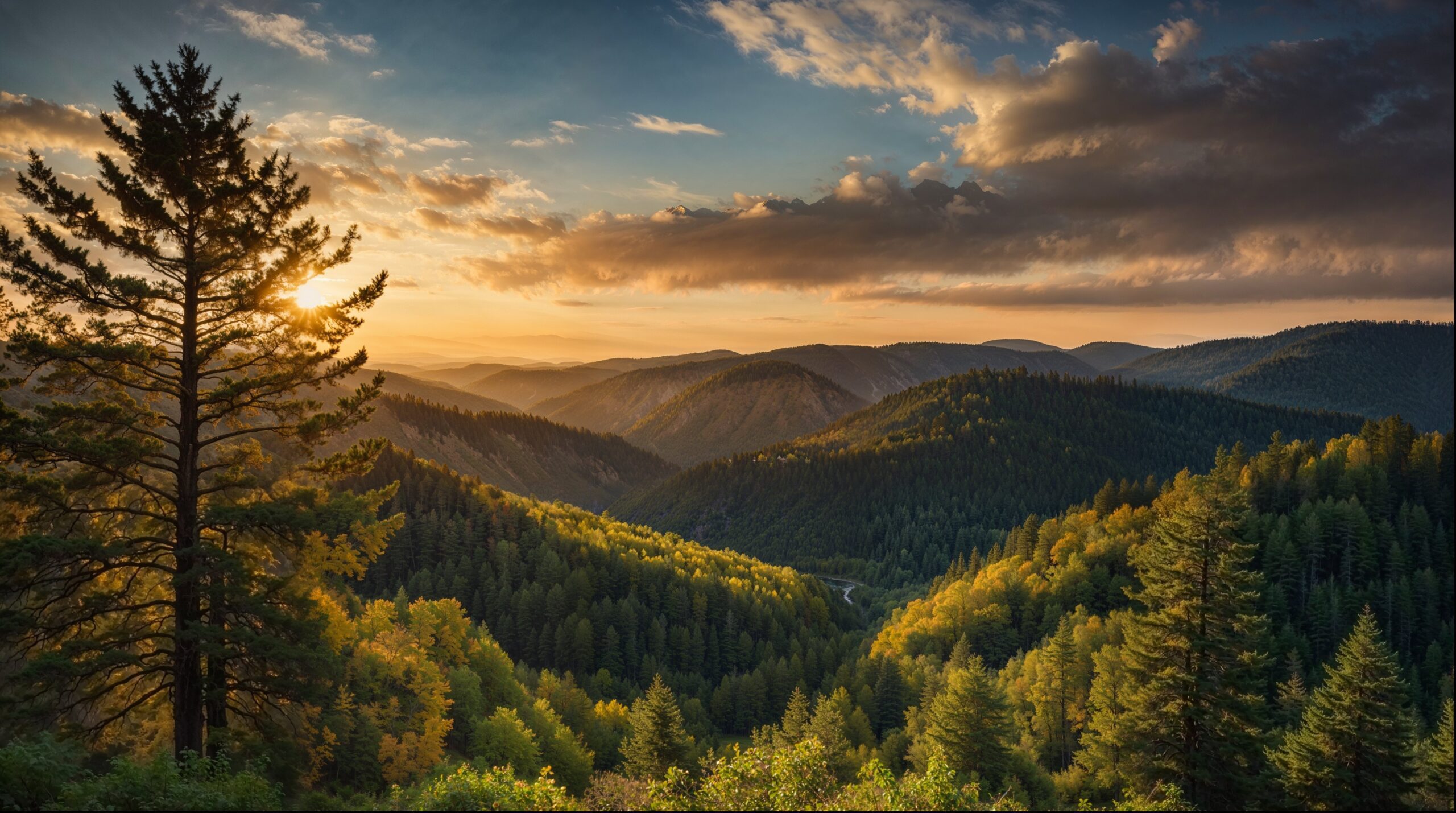
    Mount Mulhacén the highest peak in Spain at 3479 meters in the Sierra Nevada range Andalusia showing the dramatic summit landscape that climbers experience when reaching the highest point on the Iberian Peninsula
    Mount Mulhacén in the Sierra Nevada range of Andalusia — the highest mountain in mainland Spain at 3,479 meters and the highest point on the entire Iberian Peninsula.

    The climbing routes how people actually summit Mulhacén

    There are three primary approaches to the Mulhacén summit, each with different character and difficulty. The standard summer route is non-technical; the other two add length, complexity, or technical demands.

    1. South Route via Hoya del Portillo

    Class 1 / Walking
    Trailhead: Hoya del Portillo (2,150 m) · Distance: ~20 km round trip · Elevation gain: 1,329 m · Duration: 8-12 hours day trip OR 2 days with refuge stay

    The standard route and the only realistic option for most climbers. From the Hoya del Portillo trailhead in Trevélez (reachable by park shuttle during summer), the trail climbs gradually through high alpine terrain to the Refugio Poqueira hut at 2,500 m, then continues up to the Mulhacén summit ridge. The path is well-marked, well-trodden, and requires no technical skills. The summit ridge involves easy walking on broken rocky terrain. Most international climbers use this route.

    2. North Approach from Sierra Nevada Ski Area

    Class 2 / Long hike
    Trailhead: Hoya de la Mora at the ski area (~2,500 m) · Distance: ~28 km round trip · Elevation gain: ~1,200 m · Duration: 10-14 hours day trip

    The northern approach from the Sierra Nevada ski station above Granada. The route traverses several peaks including Pico del Veleta (3,396 m) before reaching Mulhacén, making it the natural choice for climbers wanting to combine multiple Sierra Nevada summits in a single trip. Longer than the south route and with more vertical loss/regain due to traversing peaks, but offers more dramatic scenery. Requires more route-finding than the standard south approach.

    3. North Face Technical Routes

    PD to D / Alpine
    Approach: Genil valley · Vertical: ~1,800 m face · Duration: Multi-day winter alpine · Skills: Crampons, ice axe, rope team

    The north face of Mulhacén drops nearly 1,800 meters to the Genil river valley and contains multiple alpine routes climbed in winter and spring. These are real alpine objectives requiring full mountaineering equipment, glacier travel skills (in heavy snow years), and serious commitment. Spanish climbers have developed dozens of variant lines on the north face since the 1970s. Most are PD to D in difficulty – comparable to easier alpine routes in the Pyrenees but with smaller infrastructure for rescue. Not recommended for first-time Mulhacén climbers.

    How difficult is Mulhacén honest assessment

    The honest answer depends entirely on which season and which route you choose. The same mountain has dramatically different difficulty profiles across the year:

    Season Difficulty What it requires
    July – SeptemberEasy hikeBasic fitness, day pack, water, sun protection
    JuneEasy to moderateSnow may linger on upper sections — microspikes useful
    OctoberEasy to moderateFirst snow possible — check conditions
    November – MayMountaineering objectiveCrampons, ice axe, winter skills, weather awareness
    Mid-winter (Dec-Feb)Serious alpine objectiveFull winter mountaineering kit + experience

    For comparison with peaks readers might know:

    • Summer Mulhacén is comparable to Mount Kilimanjaro‘s Marangu route — long but non-technical, altitude is the main challenge.
    • Spring Mulhacén is comparable to the easier Pyrenees peaks like Aneto in May — snowy but moderate.
    • Winter Mulhacén is comparable to a winter Welsh 3000er or a winter Scottish Munro — serious but manageable with the right skills.
    • The North Face routes are comparable to PD-D routes in the Alps but in a less-developed region with more limited rescue.
    The single biggest gotcha

    Most international visitors plan for “Spain’s highest mountain” expecting something serious, then arrive to find a moderate hiking trail. Conversely, climbers who attempt Mulhacén in winter without proper preparation often underestimate it because of summer trip reports. The same name covers two very different mountains across the year.

    Logistics and access how to actually get there

    Getting to the trailhead

    Most climbers fly into Málaga Airport (AGP) or Granada Airport (GRX). Málaga has significantly more international flights and is approximately 2.5 hours by car or bus from the trailhead. Granada is closer at 1 hour but has fewer flight connections. From Granada city, drive or take regional bus south to the village of Trevélez or the Hoya del Portillo trailhead.

    During the high season (June 1 – October 31), vehicle access to the upper Sierra Nevada is restricted. Park shuttles operate from Capileira and Hoya del Portillo to the higher trailhead points. Reservations are required during peak season — book through the Sierra Nevada National Park visitor center website.

    Where to stay

    Accommodation Position Notes
    Granada cityPre/post climb baseMany hotels, restaurants. 1-1.5 hours to trailhead.
    Trevélez villageClosest villageHighest village in mainland Spain. Several hotels and rural inns.
    Capileira villagePark access pointWhitewashed Alpujarras village. Park shuttle origin.
    Refugio Poqueira2,500 m on mountainMountain hut. Reservation essential. ~€20/night.
    Refugio Felix Mendez3,100 m on mountainUnstaffed emergency shelter near summit.
    Sierra Nevada Ski AreaNorthern approachHotels at 2,100-2,500 m, used for north approach.

    The Refugio Poqueira hut at 2,500 m is the most common overnight base for two-day Mulhacén climbs. The hut is staffed during summer with meals available, dormitory-style accommodation, and a friendly atmosphere typical of Spanish mountain refuges. Book through the Federación Andaluza de Montañismo (FAM) website well in advance — summer weekends often fill 2-3 months ahead.

    Costs

    Cost category Range (EUR) Notes
    Sierra Nevada park accessFreeNo entry fee for the park
    Park shuttle to Hoya del Portillo€8-12Required during high season
    Refugio Poqueira (night + meals)€40-55Dinner + breakfast + dormitory bed
    Trevélez village hotel (per night)€60-100Pre/post climb accommodation
    Granada city hotel (per night)€70-150Hub accommodation
    Guided climb (optional)€150-300Per person for 1-2 day guided trip
    Total typical 2-day budget€200-400Excluding international transport

    Mulhacén is dramatically cheaper than equivalent peaks in the Alps. A complete two-day climb costs less than a single guided day on Mont Blanc. The combination of accessibility, low cost, and the “highest in Spain” distinction makes Mulhacén excellent value for European peak baggers.

    When to climb Mulhacén season by season

    Period Conditions Recommendation
    December – FebruaryFull winter — snow, ice, cold windsMountaineering objective only
    March – AprilLate winter — variable snow conditionsBest for spring ski mountaineering
    May – early JuneSnow melting — wet, variableSkip if possible — transitional
    Late JuneSpring conditions, snow lingers on topAcceptable with microspikes
    July – AugustHot at base, cool at summit, stablePeak season — most climbers
    SeptemberBest window — stable, cooler, less crowdedOptimal for most climbers
    OctoberCool, possible first snowExcellent but unpredictable
    NovemberFirst serious snow — transitionalSkip unless prepared for winter

    September is widely considered the best month for international visitors: stable weather, cooler temperatures than July-August, fewer crowds at the refuge, and reliable trail conditions. July and August work but the lower-elevation approach hikes can be uncomfortably hot.

    Weather note

    The Sierra Nevada has a Mediterranean mountain climate with hot dry summers and cold snowy winters. Afternoon thunderstorms are common in July and August — start early to be off the summit by 2 PM during these months. Winter wind exposure on the summit can be severe; the peak is among the windiest locations in Spain.

    Mulhacén vs other Spanish peaks in context

    Peak Elevation Range Difficulty (summer)
    Mulhacén3,479 mSierra NevadaClass 1 hike
    Aneto3,404 mPyreneesClass 2-3, glacier crossing
    Pico del Veleta3,396 mSierra NevadaClass 1 hike
    La Alcazaba3,371 mSierra NevadaClass 2-3, route-finding
    Posets3,375 mPyreneesClass 2-3
    Monte Perdido3,355 mPyreneesClass 3, glacier
    Pico del Teide3,715 mTenerife (Canary Islands)Class 1 hike, permit required

    Mulhacén is the easiest 3,400+ meter peak in Spain to climb on its standard summer route — easier than Aneto (which requires glacier crossing) and easier than Monte Perdido (technical scrambling). This makes it the natural choice for climbers wanting to claim a major Spanish high point without technical mountaineering. The full Pico del Teide framework is in our broader peak coverage.

    Combining Mulhacén with other peaks trip-planning options

    Most international climbers spend 3-7 days in southern Spain when visiting Mulhacén. The mountain pairs naturally with several other objectives and activities:

    • Mulhacén + Pico del Veleta: the second-highest Sierra Nevada peak (3,396 m) can be combined with Mulhacén in a 2-3 day trip via the north approach. Both summits in one trip is the natural Sierra Nevada peak-bagging objective.
    • Mulhacén + La Alcazaba: the third-highest Sierra Nevada peak adds technical interest with class 2-3 scrambling. Combined trips take 3-4 days.
    • Mulhacén + Granada/Alhambra: the most common pairing for cultural visitors. 2 days mountain + 2-3 days exploring Granada including the Alhambra palace complex.
    • Mulhacén + Las Alpujarras: the white villages on the southern slope of the Sierra Nevada (Capileira, Pampaneira, Trevélez) make excellent multi-day cultural extensions.
    • Mulhacén + Mediterranean coast: the Costa Tropical and Costa del Sol are 1-2 hours south of the mountain. Climbers often combine Mulhacén with coastal time before or after.

    Safety considerations honest assessment

    Mulhacén has a low fatality rate by mountain standards. Most deaths on the peak in recent decades have involved winter alpine objectives on the north face rather than the standard summer route. The standard route safety considerations are primarily:

    • Altitude: 3,479 m is high enough to cause altitude sickness in some climbers, particularly those arriving from sea level (Málaga or Granada) within 48 hours. Drink water aggressively, avoid alcohol the night before, descend if symptoms develop.
    • Sun and heat: summer days at high elevation produce intense solar radiation. Sun protection, hydration, and early starts matter. Heat exhaustion is more common than altitude sickness on summer Mulhacén climbs.
    • Afternoon thunderstorms: July-August storms are predictable. Start early, be off the summit by 1-2 PM, do not climb during active thunderstorm activity.
    • Lightning: the exposed summit ridge is a serious lightning risk during storms. Most lightning incidents in the Sierra Nevada have occurred on the upper ridges of Mulhacén and Veleta.
    • Winter conditions: if you climb between November and May, treat Mulhacén as a real mountaineering objective. The mountain has killed climbers who underestimated winter conditions.
    • Refuge bookings: failing to secure refuge bookings during peak season can force climbers into uncomfortable choices (long day trip or bivvying).

    Who should climb Mulhacén honest fit assessment

    Mulhacén is excellent for you if…

    • You want a major European high point without technical climbing
    • You are visiting Spain or Europe and want to add a meaningful mountain to your trip
    • You collect country high points (Mulhacén is mainland Spain’s high point)
    • You enjoy combining mountain trips with cultural travel (Granada/Alhambra/Alpujarras)
    • You want a lower-cost alternative to Mont Blanc or other Alps objectives
    • You appreciate less crowded mountains than the Alps
    • You have intermediate hiking fitness — Mulhacén is genuinely easier than most major European peaks

    Mulhacén might not fit if…

    • You want technical climbing — the standard route is hiking, not climbing
    • You strongly prefer well-developed Alpine commercial infrastructure
    • You want a peak with a major glacier crossing or alpine ridge — Mulhacén has neither in summer
    • You only have time for one Spanish peak and want technical climbing — Aneto in the Pyrenees may fit better
    ★ Mulhacén Master Guide

    The complete Mulhacén framework

    Full mountain detail including history, geology, and the broader Sierra Nevada climbing context.

    Master guide →

    The bottom line on Mount Mulhacén

    Mount Mulhacén at 3,479 meters is the highest mountain in Spain, the highest point on the Iberian Peninsula, and one of Europe’s most underrated major peaks. The mountain offers a non-technical class 1 hike on its standard south route during the summer season (June-October), making it accessible to fit hikers without prior technical mountaineering experience. Winter and spring conditions transform Mulhacén into a serious alpine objective requiring full mountaineering equipment and skills. Total trip costs are dramatically lower than equivalent Alps peaks — a complete two-day climb typically costs €200-400 excluding international travel. The peak pairs naturally with cultural visits to Granada, the Alhambra, and the white villages of Las Alpujarras, making it one of the best combined climbing-and-cultural trips in Europe. For climbers building a portfolio of European high points or seeking a meaningful Spanish peak without the crowds of the Alps or Pyrenees, Mulhacén consistently rates as one of the most rewarding objectives in southwestern Europe. The full mountain framework is in our Mount Mulhacén master page.

    Frequently asked questions

    What is the highest mountain in Spain?

    Mount Mulhacén is the highest mountain in Spain at 3,479 meters (11,414 feet). The peak sits in the Sierra Nevada range in Andalusia in southern Spain, near the city of Granada. Mulhacén is also the highest point in mainland Spain and the highest peak on the entire Iberian Peninsula. The mountain is named after Muley Hacén, the second-to-last Nasrid king of Granada, who according to legend was buried near the summit in the 15th century. Mulhacén is significantly higher than peaks in the more famous Pyrenees range to the north.

    How high is Mulhacén?

    Mulhacén is 3,479 meters (11,414 feet) high. It is the highest peak in mainland Spain, the highest in the Sierra Nevada range, and the highest mountain on the Iberian Peninsula. Pico del Teide on Tenerife in the Canary Islands is technically higher at 3,715 meters but is located on a Spanish territorial island in the Atlantic rather than on mainland Spain. By the standard definition of “mainland Spain” or “continental Spain,” Mulhacén holds the high point. The peak is approximately 70 percent the height of Mont Blanc and significantly higher than the Pyrenees’ Aneto at 3,404 meters.

    Where is Mulhacén located?

    Mulhacén is located in the Sierra Nevada range in the Andalusia region of southern Spain, approximately 40 kilometers southeast of the city of Granada. The peak sits within Sierra Nevada National Park (Parque Nacional de Sierra Nevada), one of Spain’s largest national parks. The mountain is the highest point in the province of Granada and lies in the western part of the Sierra Nevada range, near the southern edge of the Iberian Peninsula. The Mediterranean coast is approximately 50 kilometers south of the summit.

    How difficult is climbing Mulhacén?

    Mulhacén is generally considered a moderate hike rather than a technical climb. The standard summer route from the Hoya del Portillo trailhead is a class 1 walking trail that requires no technical climbing skills – just basic fitness, altitude acclimatization, and weather awareness. Most fit hikers can complete the standard route in a single day or with one overnight in a refuge. Winter conditions (November through May) transform the mountain into a serious mountaineering objective requiring crampons, ice axe, and avalanche awareness. The summer climb is comparable in difficulty to Mount Kilimanjaro on the Marangu route – long but non-technical.

    How long does it take to climb Mulhacén?

    Mulhacén can be climbed in a single long day from the Hoya del Portillo trailhead during the summer months, typically taking 8 to 12 hours round trip depending on fitness. Most climbers prefer a two-day trip with an overnight stay at the Refugio Poqueira hut, which splits the elevation gain into manageable sections. The two-day approach is the most popular for international visitors. From the Hoya del Portillo trailhead at 2,150 meters, the summit involves approximately 1,329 meters of vertical gain over 20 kilometers round trip. Faster routes from the northern Sierra Nevada ski area can shorten the trip significantly.

    When is the best time to climb Mulhacén?

    The best time to climb Mulhacén is from late June through mid-October, with July through September being the most reliable months. Snow lingers on the upper mountain into June in normal years. Summer days are warm but the high elevation keeps temperatures cool at the summit. July and August can be hot at lower elevations and produce afternoon thunderstorms. September and early October often offer the most stable weather. Winter climbs (November-May) are possible but require full mountaineering equipment and skills – the mountain becomes a meaningful alpine objective during these months with snow, ice, and severe wind exposure.

    Is Mulhacén higher than the Pyrenees?

    Yes, Mulhacén at 3,479 meters is higher than any peak in the Pyrenees. The highest peak in the Pyrenees is Aneto at 3,404 meters, which is 75 meters lower than Mulhacén. This often surprises visitors because the Pyrenees are the more famous Spanish mountain range, but the Sierra Nevada in southern Spain actually contains the country’s highest summits. Three of the top four highest mountains in mainland Spain are in the Sierra Nevada: Mulhacén (3,479 m), Pico del Veleta (3,396 m), and La Alcazaba (3,371 m). Only Aneto in the Pyrenees breaks into this top group.

    Do you need a permit to climb Mulhacén?

    No special climbing permit is required to hike Mulhacén during the summer season. The mountain sits within Sierra Nevada National Park where general park rules apply, but no permit fee or reservation is needed for standard day hikes or overnight trips. The Refugio Poqueira hut where most overnight climbers stay does require advance booking, particularly during peak season (July-August). Vehicle access to the upper trailheads is restricted from June through November, with park shuttles required from Hoya del Portillo. These access restrictions can change year to year – check the Sierra Nevada National Park website before planning a trip.

Language »