
Last updated October 14, 2026
Highest Mountains in Africa: The 10 Tallest Major Summits.
What’s the biggest mountain in Africa? Compare Kilimanjaro, Mount Kenya, Mawenzi, the Rwenzori giants, Mount Meru and Ras Dashen—ranked by elevation, located on a real map and explained by climbing difficulty.
What Is the Highest Mountain in Africa?
Mount Kilimanjaro in Tanzania is Africa’s highest mountain, reaching 5,895 meters (19,341 feet) at Uhuru Peak on Kibo. The second-highest independent mountain is Mount Kenya (Batian, 5,199 m). The third is Mawenzi (about 5,149 m), a separate volcanic cone on the Kilimanjaro massif. Mount Stanley (Margherita Peak, 5,109 m) is fourth by the 500-meter prominence convention used here.
Why do other lists say Mount Stanley is third? They rank separate mountain massifs instead of independent summits. Because Kibo and Mawenzi belong to the same Kilimanjaro massif, they count Kilimanjaro only once. Both ranking methods can be useful; this guide states its method instead of mixing them.
Top 10 Highest Mountains in Africa, Ranked.
This table ranks mountains or volcanic cones with roughly 500 meters or more of topographic prominence, rather than counting every subsidiary bump as a separate mountain. Elevations are published reference values, not a new geodetic survey.
| # | Mountain / highest point | Elevation | Country | Mountain system | What to know |
|---|---|---|---|---|---|
| 1 | Kilimanjaro — Kibo / Uhuru Peak | 5,895 m 19,341 ft | Tanzania | Kilimanjaro volcanic massif | Highest in Africa; trekking routes to summit |
| 2 | Mount Kenya — Batian | 5,199 m 17,057 ft | Kenya | Mount Kenya | Technical rock summit; Lenana is a trekking objective |
| 3 | Mawenzi — Hans Meyer Peak | 5,149 m* 16,893 ft | Tanzania | Kilimanjaro volcanic massif | Independent volcanic cone; technical climbing permit |
| 4 | Mount Stanley — Margherita Peak | 5,109 m 16,762 ft | Uganda / DR Congo | Rwenzori Mountains | Technical alpine and glacier travel |
| 5 | Mount Speke — Vittorio Emanuele | 4,890 m 16,043 ft | Uganda | Rwenzori Mountains | Remote wet-alpine and scrambling terrain |
| 6 | Mount Baker — Edward Peak | 4,844 m 15,892 ft | Uganda | Rwenzori Mountains | Technical mountain terrain |
| 7 | Mount Emin — Umberto Peak | 4,798 m 15,741 ft | DR Congo | Rwenzori Mountains | Remote summit; access must be assessed carefully |
| 8 | Mount Gessi — Iolanda Peak | 4,715 m 15,469 ft | Uganda | Rwenzori Mountains | Remote glaciated-mountain environment |
| 9 | Mount Meru — Socialist Peak | 4,566 m 14,980 ft | Tanzania | Mount Meru / Arusha region | Hut-based volcano ascent; strong acclimatization option |
| 10 | Ras Dashen (Ras Dejen) | ~4,550 m ~14,928 ft | Ethiopia | Simien Mountains | Ethiopian high point; published elevations differ |
*TANAPA currently reports Mawenzi at 5,149 m; some topographic lists use 5,148 m. The ranking does not change. Mount Meru is also published as ~4,562–4,566 m. Published Ras Dashen measurements differ by survey. Values are rounded where appropriate.
A mountain can contain several named summits. To avoid filling the list with closely connected sub-peaks, the guide uses a commonly applied minimum 500 m topographic prominence rule. Mount Kenya’s Nelion (5,188 m) is nearly as high as Batian but does not independently meet that rule. Mawenzi does. Some marginal Rwenzori prominence estimates vary between datasets; this table follows the 500 m major-summit convention and flags uncertainty in the source notes.
How Their Heights Compare
Map of the 10 Highest Mountains in Africa.
Most of the continent’s highest summits cluster in East Africa. Five are in the Rwenzori Mountains along the Uganda–DR Congo border; Kilimanjaro, Mawenzi and Meru are in Tanzania; Mount Kenya stands near the equator; Ras Dashen is farther north in Ethiopia.
Kilimanjaro, Mount Kenya and Mawenzi Are Very Different Climbs.
Elevation alone does not predict how hard a mountain will feel. These three are all above 5,100 meters, yet the normal visitor routes demand very different abilities.
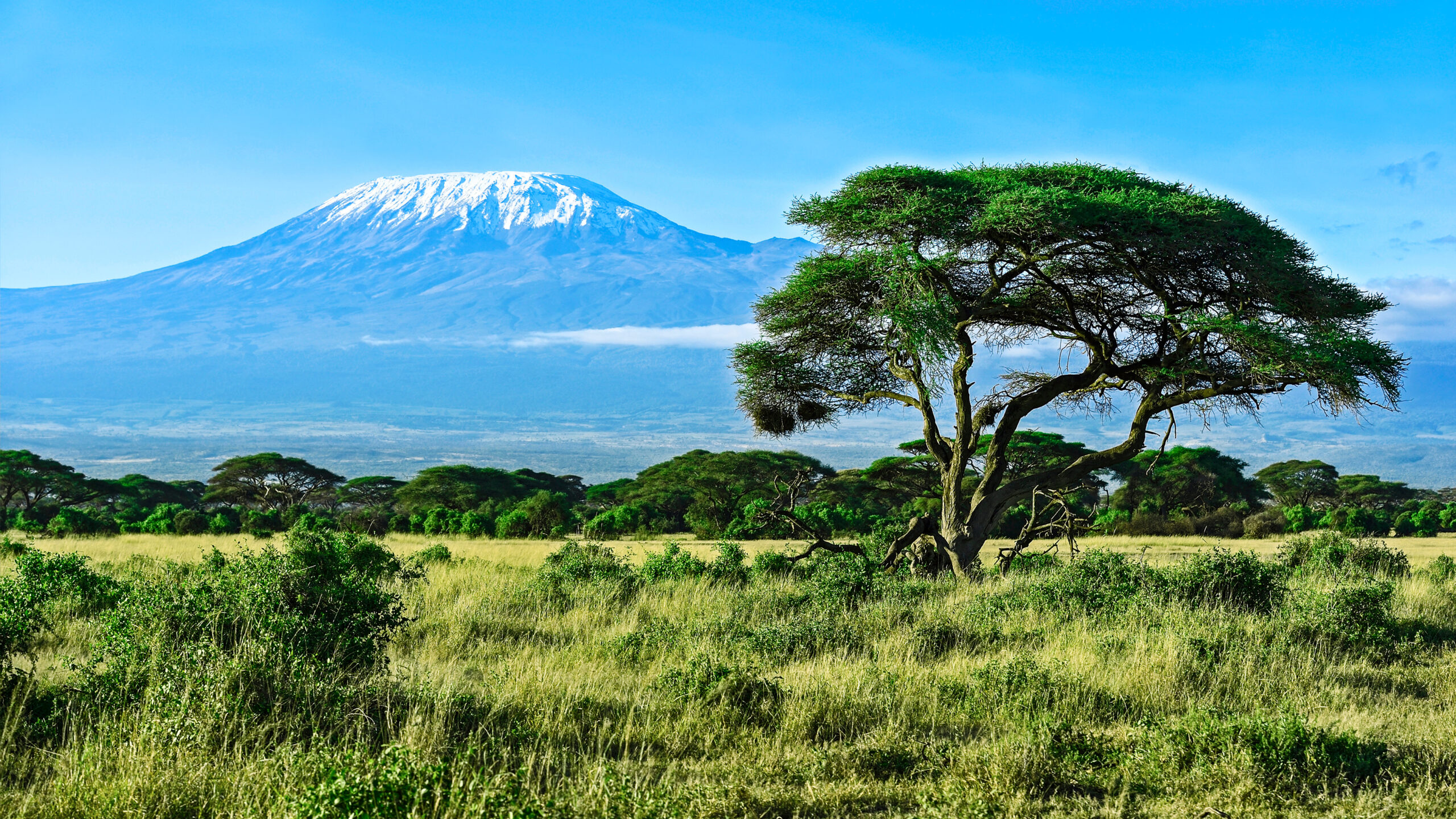
Kilimanjaro — Kibo
A volcanic trek to Uhuru Peak via established national-park routes. Standard itineraries do not generally involve roped technical climbing; altitude, cold nights and ascent pace remain serious challenges.
Best fit: Fit trekkers preparing for their first very high-altitude summit with professional local support and a conservative acclimatization itinerary.
Kilimanjaro mountain guide →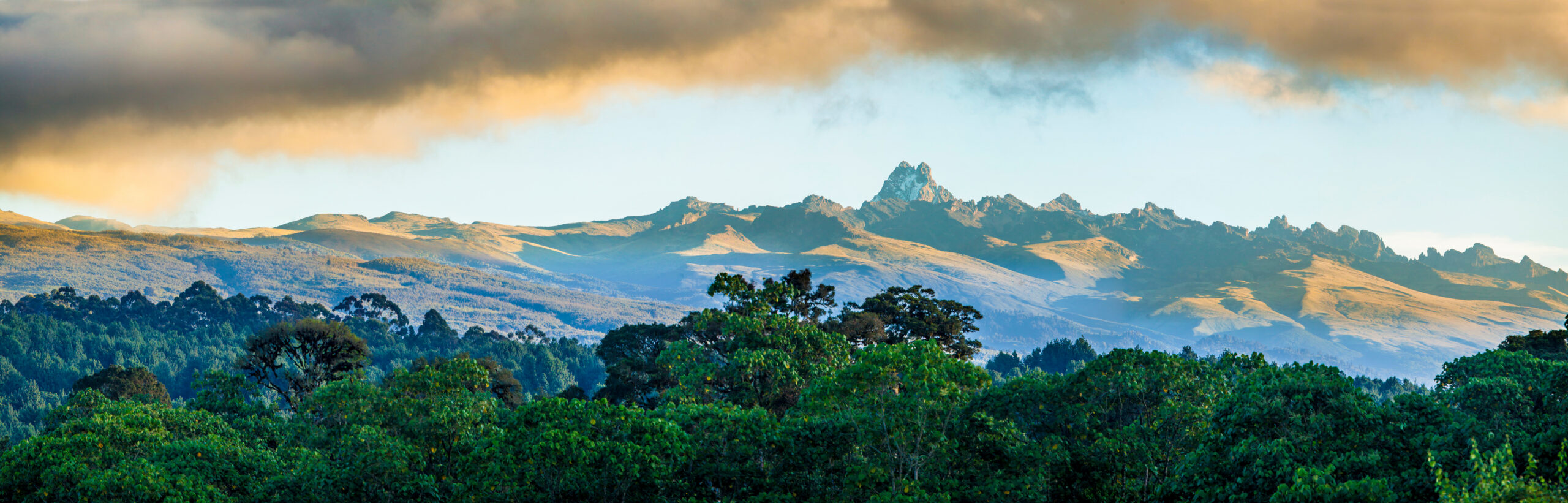
Mount Kenya — Batian
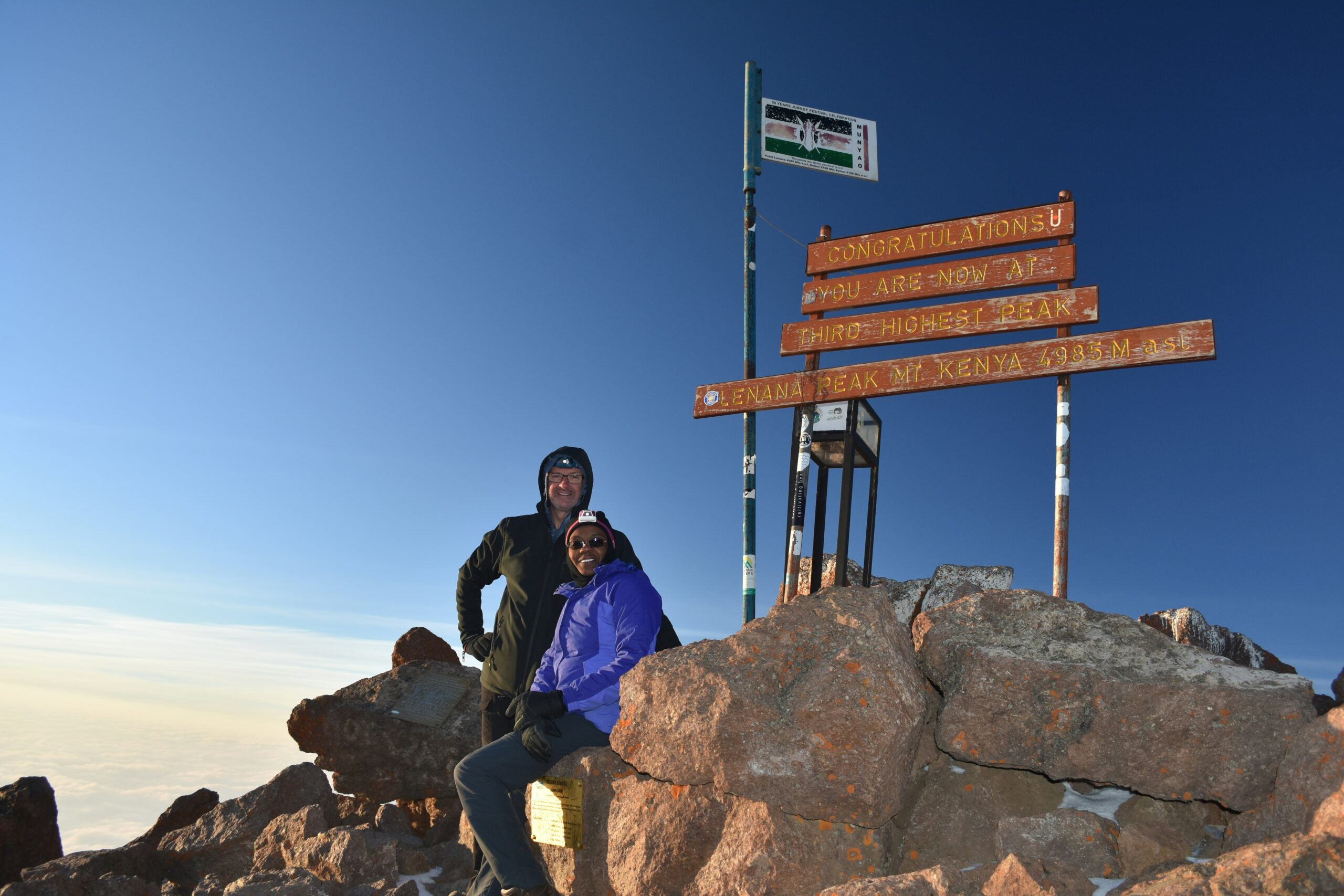
Batian is an alpine rock-climbing summit, not a straightforward hiking destination. Point Lenana (about 4,985 m) offers a well-known high-altitude trekking alternative that is still demanding.
Best fit: Technical climbers targeting Batian; fit trekkers seeking Point Lenana on an appropriately planned route.
Mount Kenya climbing guide →
Mawenzi — Hans Meyer Peak
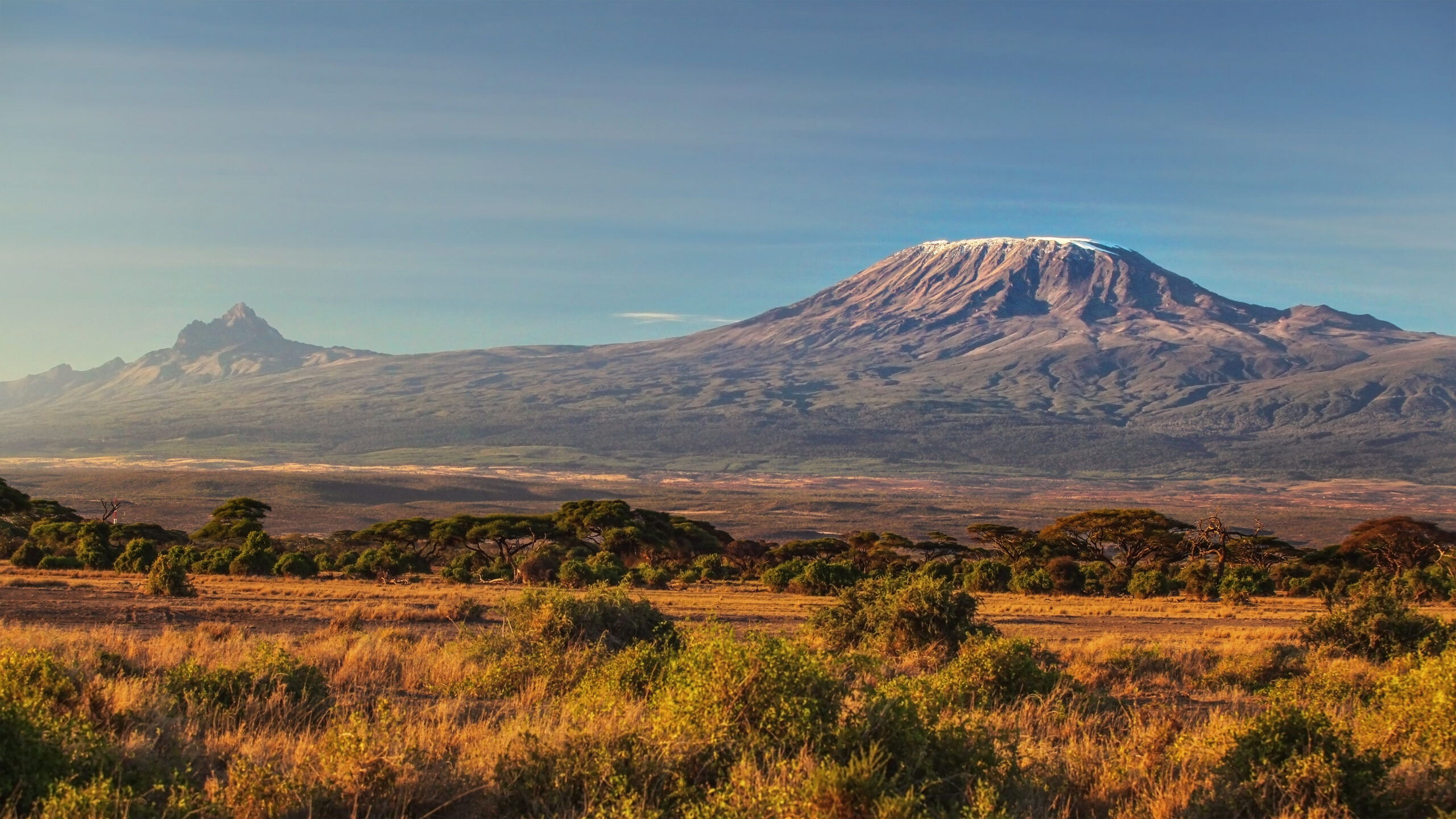
Mawenzi is its own steep volcanic summit east of Kibo, with sufficient topographic prominence to count separately here. Unlike the normal Uhuru Peak treks, climbing Mawenzi is a technical activity controlled by TANAPA.
Best fit: Experienced rock climbers with appropriate technical equipment, qualified operator support and specific permission. It is not a standard Kilimanjaro summit add-on.
TANAPA technical climbing rules ↗Image: Chris 73, Wikimedia Commons, CC BY-SA 3.0.
Kilimanjaro includes Kibo, Mawenzi and Shira. Its highest point, Uhuru Peak, sits on Kibo. Mawenzi rises separately to the east and has about 850 meters of topographic prominence. Although both cones belong to Mount Kilimanjaro, they qualify as separate summits under this list’s ≥500 m rule. The distinction explains why other articles call Stanley Africa’s third mountain.
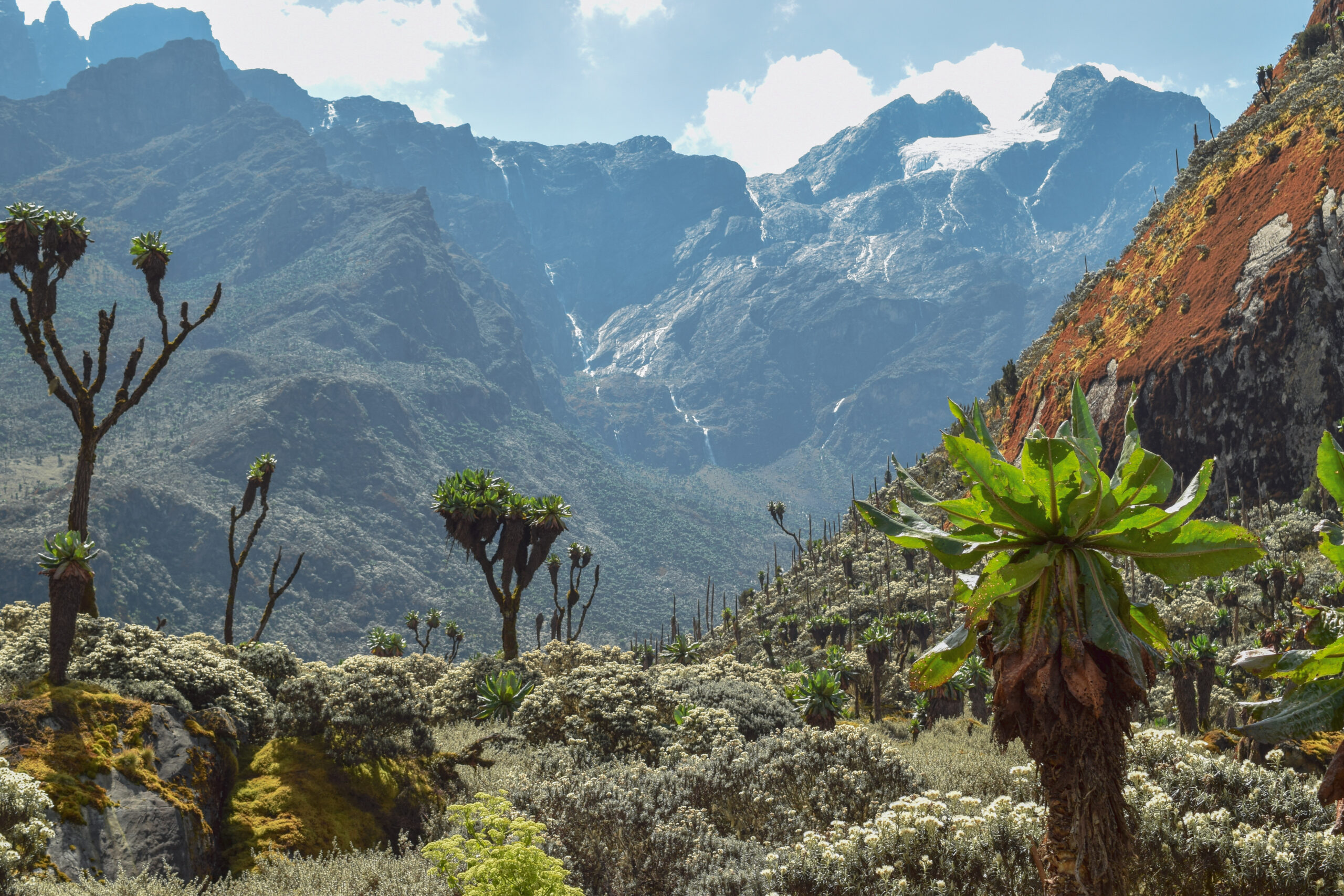
Mount Stanley: Africa’s Great Equatorial Alpine Climb.
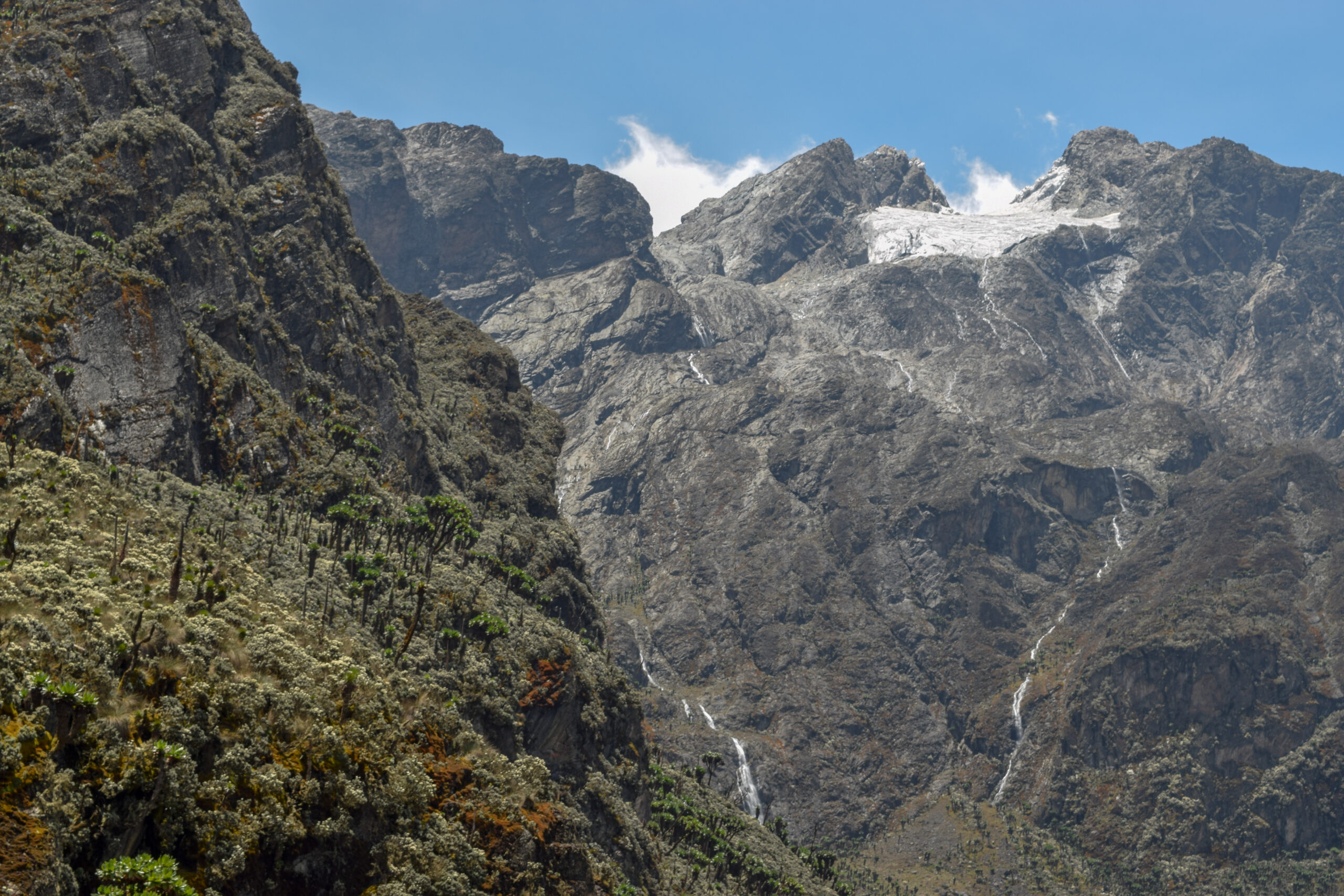
Margherita Peak straddles the Uganda–DR Congo frontier. Its summit combines prolonged mountain travel with rock, ice and glacier hazards—very different from the main trekking routes on Kilimanjaro.
Read the Mount Stanley GuideFive of the Top Ten Are in the Rwenzori.
The Rwenzori Mountains, sometimes called the “Mountains of the Moon,” form a compact but complex high-alpine system on the Uganda–DR Congo border. Thick vegetation, extensive rainfall, boggy valleys, severe weather, and retreating glaciers make the area unusually demanding.
Most visitors reaching Margherita Peak do so via multi-day routes in Uganda’s Rwenzori Mountains National Park. In 2024 the Uganda Wildlife Authority reported the reopening of Margherita access after safety work following a crevasse-related suspension; conditions must still be checked with the park and authorized operators before a trip.
Important distinction: Five qualifying mountains in one range does not mean visitors can casually link all five in a single trek. Each is a separate objective with its own route, technical requirements and hazards.
Mount Meru and Ras Dashen Complete the Top Ten.
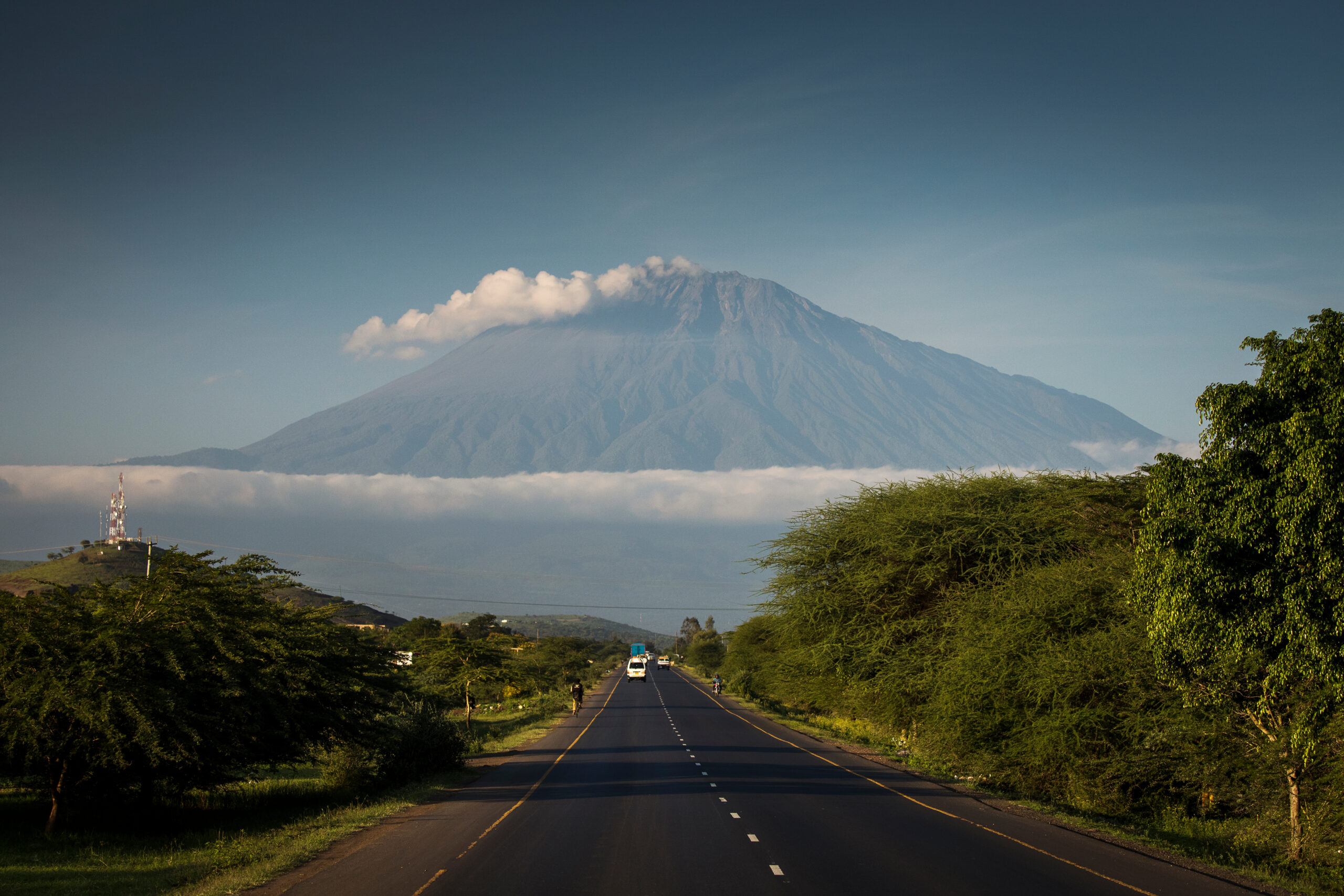
Mount Meru — The Kilimanjaro Warm-Up
Mount Meru is an active-volcanic landscape in Arusha National Park. The established multiday ascent typically travels through forest, open high ground and an exposed crater-rim approach. Guided park logistics and ranger requirements apply.
Meru is useful for some climbers as a separate acclimatization trip before Kilimanjaro, but the two-peak combination adds cost, time and total physical load.
Mount Meru route and planning guide →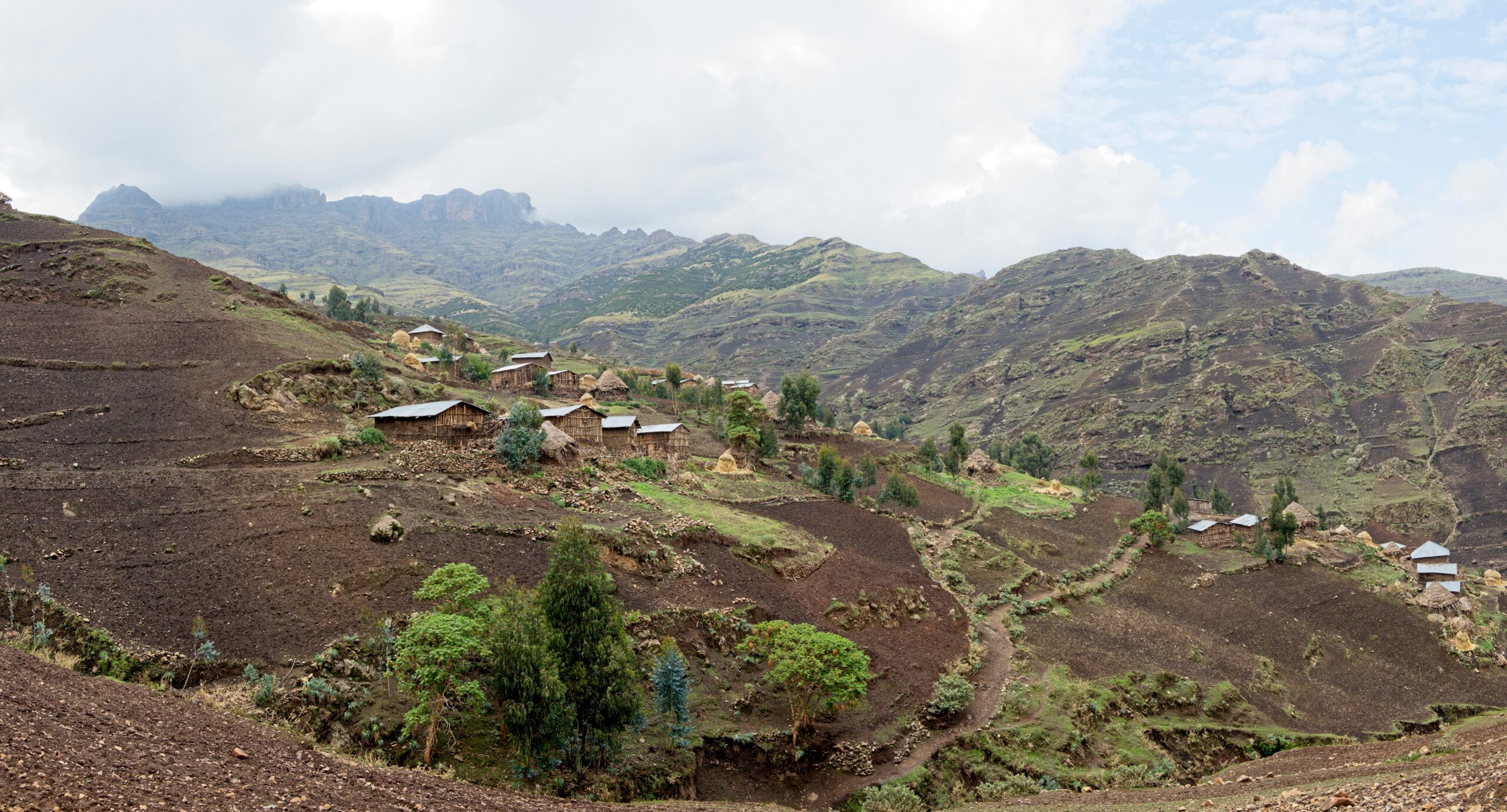
Ras Dashen — Ethiopia’s Highest
Ras Dashen (Ras Dejen) crowns the Simien Mountains, which combine dramatic escarpments, villages, and internationally significant wildlife habitat.
Its stated height varies across surveys, with published values around 4,540–4,550 m. Security conditions and permitted access in the Amhara region can change; this is geographic and planning information, not a guarantee that a trip is currently advisable.
Ras Dashen guide and safety notes →Africa’s Other Great Mountain Regions.
East Africa dominates the 5,000 m list, but the African continent contains many other important mountain landscapes. Their heights, routes and cultures should not be reduced to a single East African ranking.
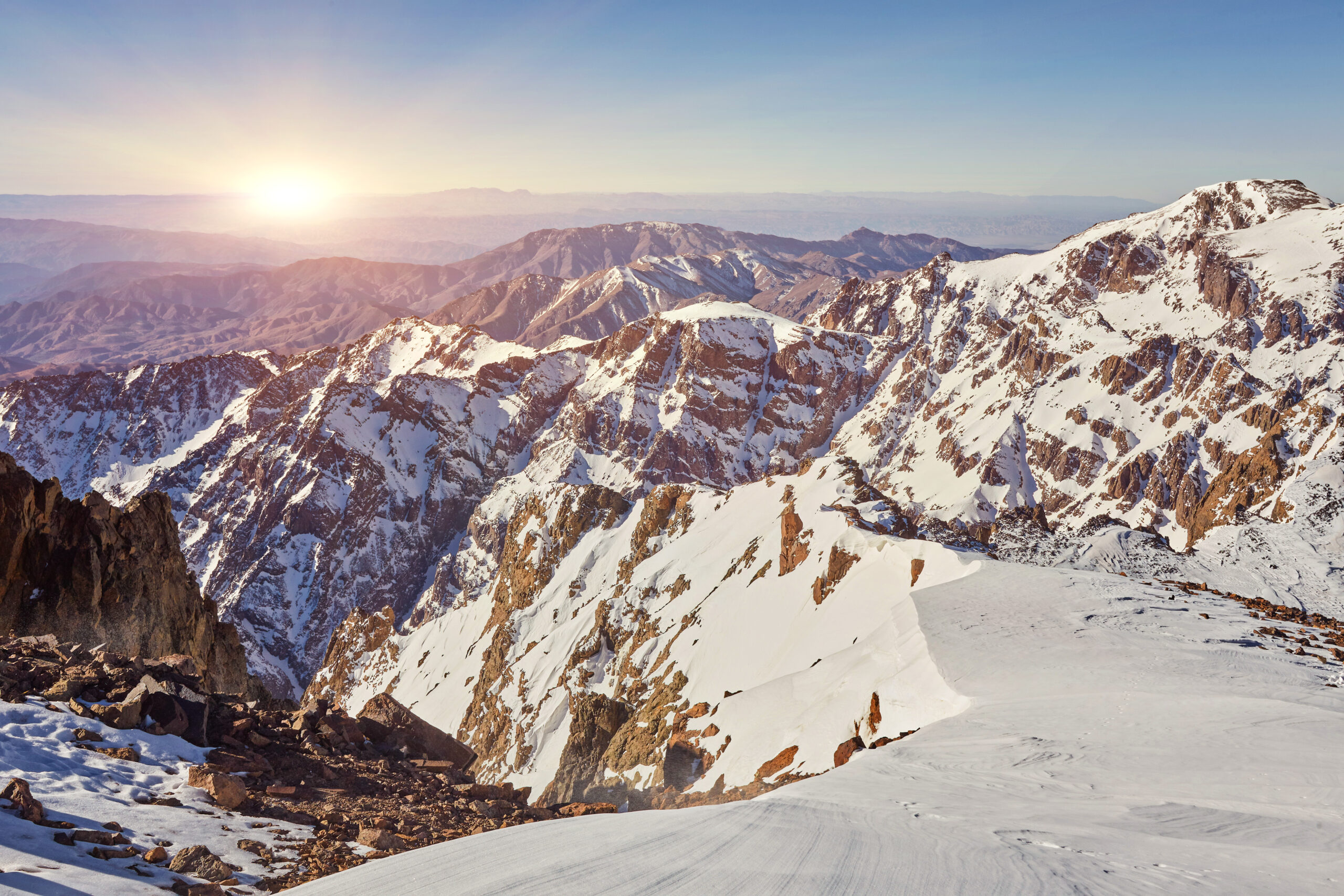
Mount Toubkal — 4,167 m
Jebel Toubkal is Morocco’s highest mountain and the tallest peak of the Atlas Mountains. For many travelers, it offers a relatively approachable multiday ascent compared with the high-altitude objectives of East Africa, although weather, snow and local guiding rules can radically change the experience.
Its lower elevation does not make it trivial in winter. A well-planned Toubkal trip can be a useful first step before higher African peaks.
Chappal Waddi
At about 2,419 m on Nigeria’s border with Cameroon, Chappal Waddi is Nigeria’s national high point and is commonly described as West Africa’s highest when Cameroon is placed within Central Africa.
Mount Cameroon
Mount Cameroon is a major active volcano. Cameroon is grouped with Central Africa in the UN regional classification; it should not simply be labeled the West African high point.
Drakensberg
Lesotho’s and South Africa’s Drakensberg–Maloti highlands offer dramatic escarpments, long trails and important regional high points outside Africa’s ten tallest peaks.
Which High African Mountain Should You Climb?
For a traveler, the highest summit is not automatically the best one. Match your experience to the route’s technical nature, altitude, local conditions and available time.
Kilimanjaro
Choose this when you want a famous high-altitude trekking goal and can commit to gradual acclimatization, proper operator support and a realistic weather buffer.
Compare Kilimanjaro routes →Mount Kenya — Point Lenana
Lenana is not the summit of Batian; it is a separate trekking objective. It offers a high-level experience without presenting Batian’s technical rock climbing as a hike.
Review Mount Kenya routes →Mount Stanley or Batian
These are high-commitment technical goals. Glacier skills, rock skills, qualified guide support and current route conditions matter more than the ranking number.
Study Mount Stanley →When to Climb—and What Changes the Price.
African mountains do not share one climbing season. Equatorial altitude, local rainy seasons, glacial conditions and national-park regulations determine the appropriate window and equipment.
| Objective | Typical research window | Experience / terrain | Biggest planning factor |
|---|---|---|---|
| Kilimanjaro | Often Jan–early Mar and Jun–Oct | High-altitude trekking on standard routes | Days available for acclimatization, local operator, park fees |
| Mount Kenya | Often Jan–Feb and Jul–Oct | Lenana: trekking; Batian: technical climbing | Choose the actual summit and necessary skills first |
| Mawenzi | Route- and condition-dependent | Technical rock climbing | Special TANAPA authorization and qualified team |
| Rwenzori / Stanley | Often Dec–Feb and Jun–Aug for relatively drier periods | Wet multiday alpine terrain; glacier skills for Margherita | Current glacier approach, rescue plan, authorized support |
| Mount Meru | Often Jan–Feb and Jun–Oct | Hut-based hiking and exposed high ridge | Park rules and wildlife/ranger logistics |
| Ras Dashen | Historically dry-season planning | High-altitude trekking and local travel logistics | Up-to-date security and access advice for Amhara |
| Jebel Toubkal | Often spring and autumn for hiking conditions | Mountain trekking; winter can involve snow/ice | Seasonal technical equipment and local guiding rules |
Altitude, permit fees, number of hiking days, guide-to-client ratio, porters, equipment, lodging and flights can change the total dramatically. Published prices also have different inclusions. Use a full-trip calculator rather than comparing a 4-day mountain walk with an 8-day remote glacier climb by headline price alone.
Ten Peaks Do Not Mean Ten Identical Gear Lists.
On standard Kilimanjaro trekking routes, insulated layers, waterproof footwear, weather protection and a well-tested sleep system matter more than glacier hardware. On Batian, competent rock-climbing systems and route-specific ropes and protection can be essential. Margherita Peak involves glacier hazards and specialist equipment that must be chosen with current local guidance.
Do not buy crampons, helmets or climbing ropes merely because a summit appears in a “highest mountains” ranking. Identify the route, conditions, guide requirements and personal skill gaps first.
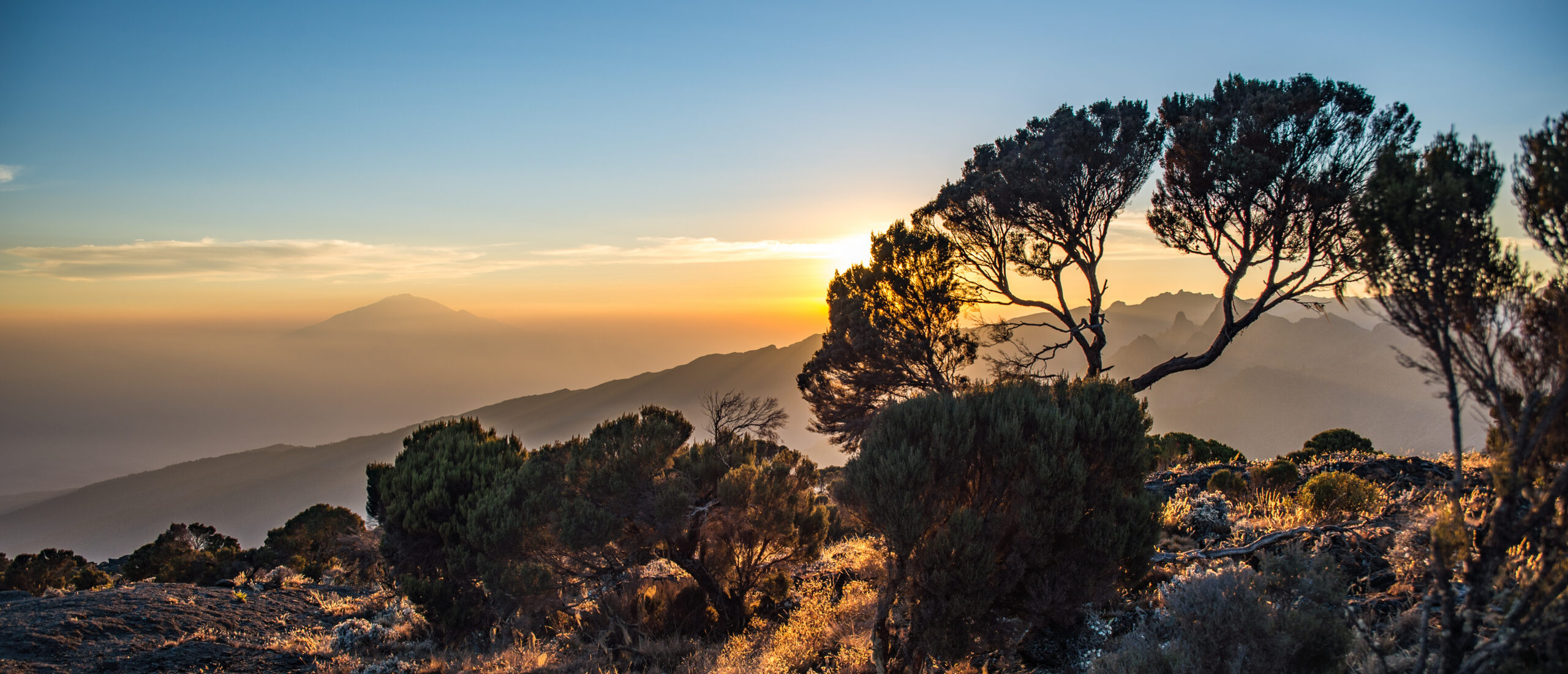
Global Summit Guide may earn a commission from qualifying purchases. Affiliate placements do not determine mountain rankings.
Questions About the Biggest Mountains in Africa.
What is the biggest mountain in Africa?
Mount Kilimanjaro in Tanzania is Africa’s highest mountain and highest point. Uhuru Peak on Kibo reaches 5,895 meters (19,341 feet).
What is the second-highest mountain in Africa?
Mount Kenya, whose highest summit is Batian at 5,199 meters (17,057 feet). Batian is a technical rock-climbing summit, while Point Lenana is a widely known trekking alternative.
Is Mawenzi the third-highest mountain in Africa?
Under the common 500-meter minimum topographic prominence standard, yes. Mawenzi is approximately 5,149 meters high and prominent enough to be counted separately from Kilimanjaro’s Kibo cone. If counting only mountain massifs, Mount Stanley is often called the third-highest.
Why do some African top-ten lists omit Mawenzi?
Those lists may count the Kilimanjaro massif once rather than counting separate qualifying volcanic cones. Our ranking counts summits with at least approximately 500 meters of prominence and explains that choice.
Where are the ten highest mountains in Africa located?
They are concentrated in Tanzania, Kenya, the Uganda–DR Congo Rwenzori region and Ethiopia. Use the map and the ranked table above to see each one.
How many mountains in Africa exceed 5,000 meters?
Using the 500-meter prominence criterion in this article, four qualifying peaks exceed 5,000 meters: Kibo, Mount Kenya, Mawenzi and Mount Stanley. A list of subsidiary summits will contain additional points above 5,000 meters.
Which African high mountain is best for beginners?
On a properly supported standard route, Kilimanjaro can be appropriate for fit first-time high-altitude trekkers. That does not make its extreme altitude safe for everyone. Jebel Toubkal and selected Mount Kenya trekking routes may also be worth evaluating, depending on season and experience.
What is the highest mountain in North Africa?
Jebel Toubkal in Morocco’s High Atlas Mountains is approximately 4,167 meters high.
What is the highest mountain in West Africa?
When Cameroon is classified as Central Africa, Nigeria’s Chappal Waddi (about 2,419 meters) is commonly identified as West Africa’s highest peak. Some informal lists classify Cameroon differently, which changes the answer.
Can a visitor climb Mount Stanley’s Margherita Peak?
Climbing is possible when routes are open under current Uganda Wildlife Authority rules and conditions permit. It is a technical and demanding high-altitude objective involving glacier risks, not an ordinary guided walk.
How We Checked the Elevations and Ranking.
The ranking uses published summit elevations and the 500-meter topographic prominence convention to distinguish principal mountain summits from subsidiary summits. It does not claim to be an independently surveyed geodetic database. Published values differ slightly for Mawenzi, Meru and Ras Dashen, and some Rwenzori prominence values have competing estimates. Rankings that group mountains by massif will differ from ours.
Climbing seasons, fees, security conditions and technical access requirements can change independently of mountain elevations. Review current park and country guidance before committing to a trip.
This is independently prepared research, not a claim of firsthand ascents or a substitute for local route briefings. The image selection favors identified photographs from Global Summit Guide’s own media library; the Mawenzi photograph is properly attributed under its Creative Commons license. Information checked October 13, 2026.
Keep Exploring Africa’s Mountains.
The Highest Peak Is Not Always the Right First Peak.
Use the elevation ranking to understand Africa’s geography. Use route difficulty, technical skills, acclimatization and current access information to choose your own objective.
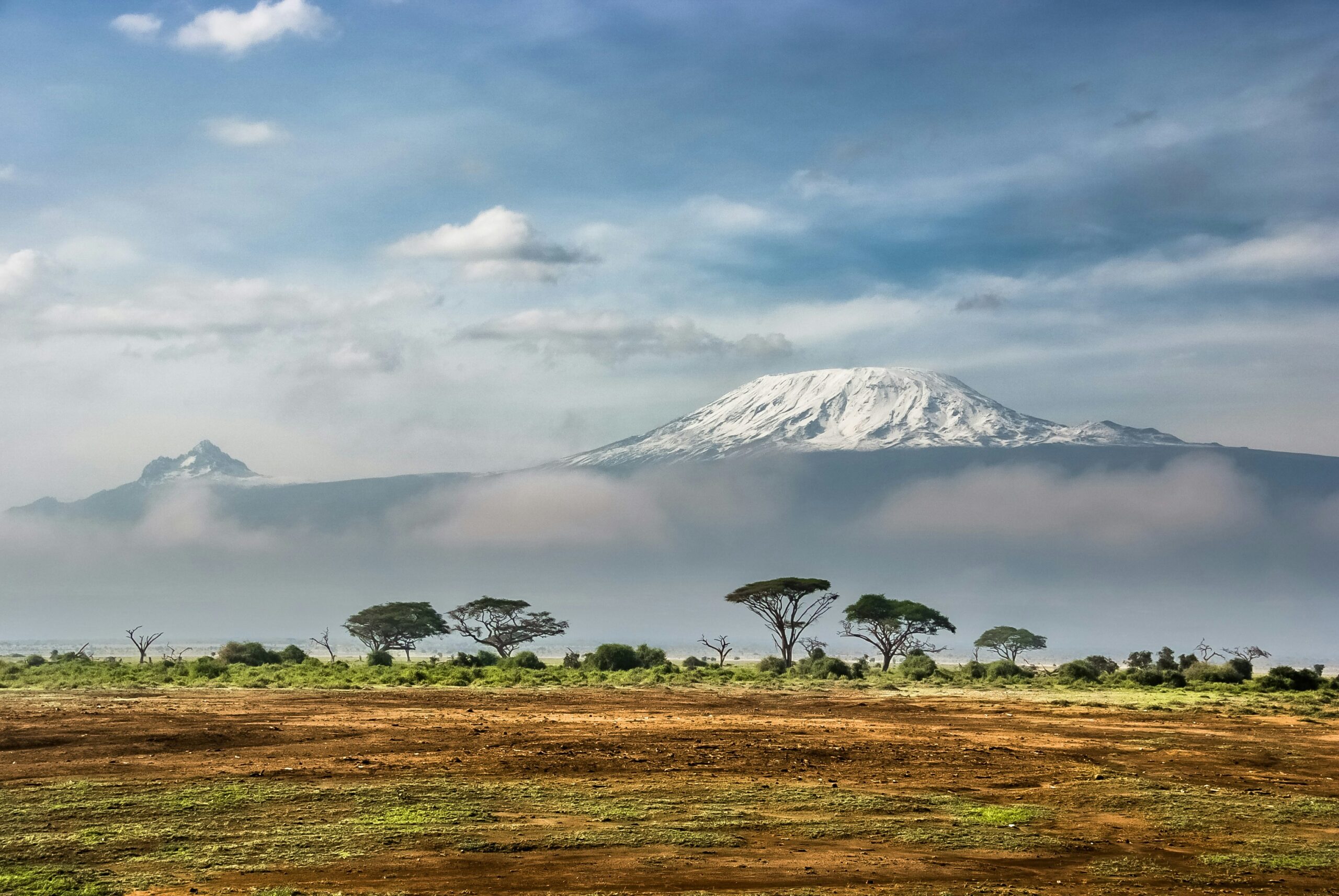
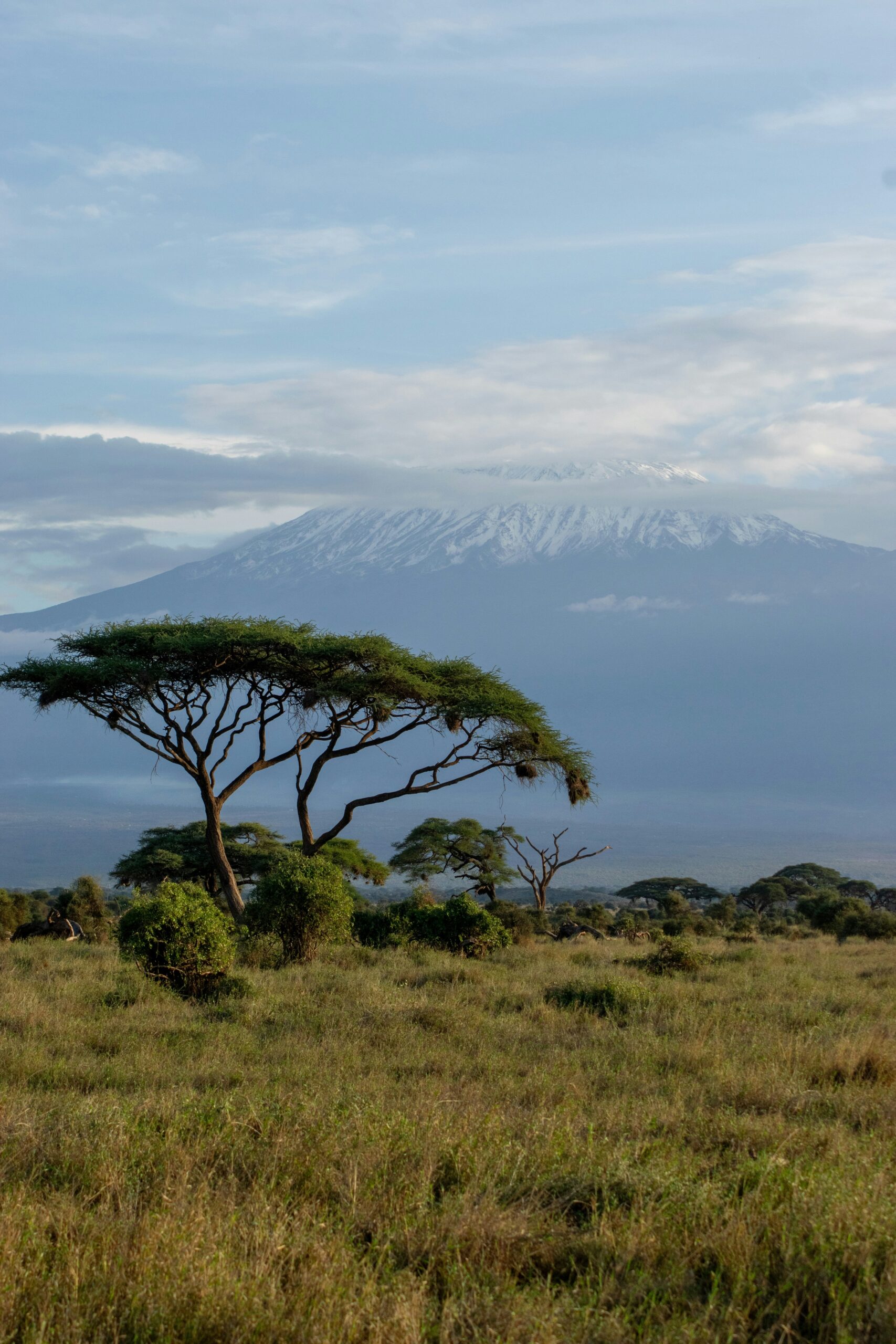
Mount Kilimanjaro
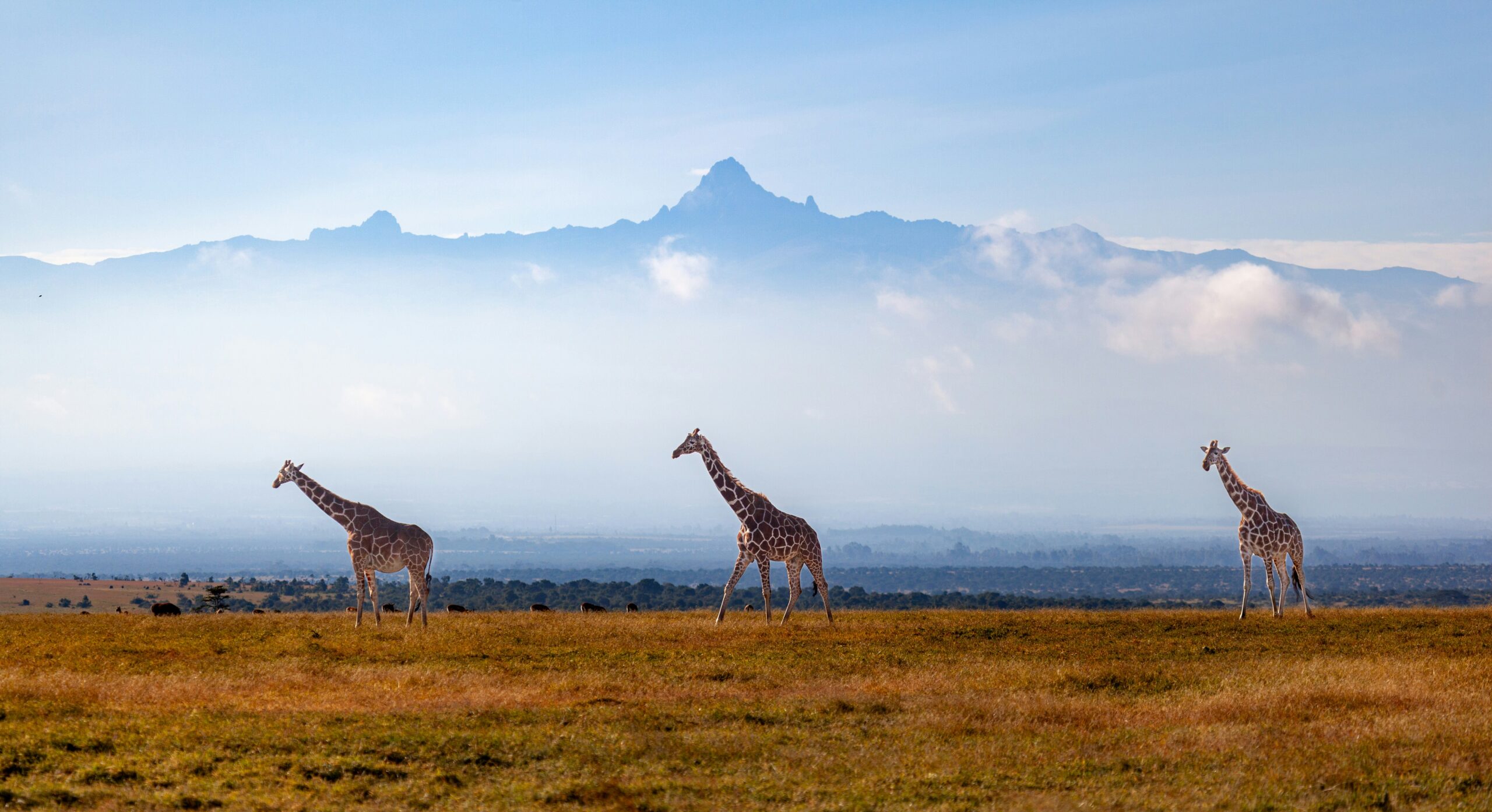
Mount Kenya
Was this helpful?
🏔Peaks in this region
🧭Explore & compare
Global Summit Guide is an independent mountaineering resource founded in 2026. The team combines first-hand trekking and climbing experience with in-depth research and professional health and nutrition review to help climbers choose objectives, prepare properly, and stay safe.
Health, altitude, and nutrition content is reviewed by Taylor Ludlow (Registered Nurse) and Brigg Hoopes (Nutritionist).
What We Don't Know Yet
Mountain information changes quickly. This box explains the limits of what this page can responsibly promise.
- Visa, passport, vaccination, border, insurance, and local transportation rules may change before your trip.
- Route conditions, snowpack, closures, and weather can change quickly after this page is updated.
- Permit rules, fees, quotas, and reservation windows may change between review cycles.
- Operator availability, pricing, guide ratios, and cancellation terms can change by season.
- Your fitness, altitude response, risk tolerance, and experience level may change what is safe or realistic.
Verify current conditions with official land managers, guide services, local forecasts, and current route reports before booking or climbing.
Mountaineering, rock and ice climbing, glacier travel, and high-altitude activity are inherently dangerous and can result in serious injury or death. The information on Global Summit Guide is provided for general informational and educational purposes only and is not a substitute for professional instruction, qualified guiding, proper equipment, or your own judgment and experience.
Route conditions, weather, snowpack, permits, regulations, and hazards change constantly and may differ from what is described here. Details may be incomplete, out of date, or contain errors. Always verify current information with local authorities, certified guides, and official sources before making any decision in the mountains.
Nothing on this site is medical, legal, or financial advice. Our fitness, acclimatization, altitude, and nutrition content is general in nature; consult a qualified physician before beginning any strenuous exercise program or exposing yourself to high altitude.
You are solely responsible for your own safety and decisions. To the fullest extent permitted by law, Global Summit Guide and its team accept no liability for any loss, injury, damage, or expense arising from use of, or reliance on, this information. By using this site you acknowledge these risks and accept these terms.
Some links on this site may be affiliate links. If you buy through them we may earn a small commission at no extra cost to you; this never affects our recommendations.
Global Summit Guide recommendation path
Next Best Mountain to Research
Use these recommendations to continue the right planning path instead of stopping on one page.
Use current permit, weather, route, and operator information before booking or climbing.