
Last updated July 23, 2026
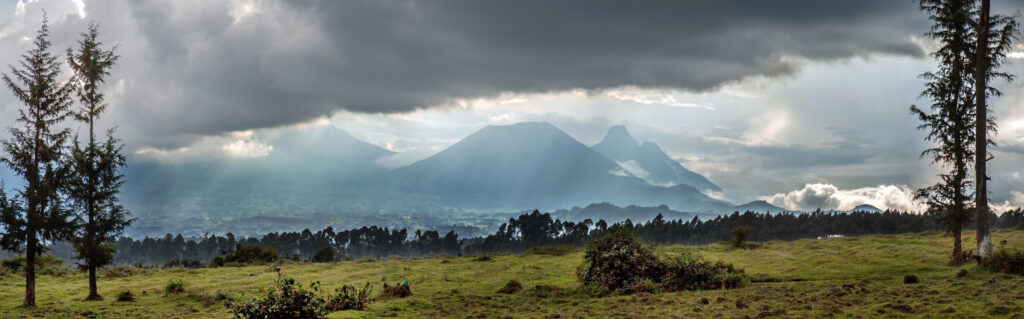
Mount Karisimbi – Rwanda – Africa
.gsg-wrap{max-width:1200px;margin:0 auto;padding:24px;font-family:Arial,Helvetica,sans-serif;line-height:1.55;color:#111;} .gsg-hero{border:1px solid #e6e6e6;border-radius:14px;overflow:hidden;box-shadow:0 8px 24px rgba(0,0,0,.06);background:#fff;} .gsg-hero-hd{padding:22px 22px 14px;background:linear-gradient(135deg,#0b1b2b,#123a5c);color:#fff;} .gsg-hero-hd *{color:#fff !important;opacity:1 !important;} .gsg-toc{margin-top:18px;border:1px solid #e6e6e6;border-radius:14px;padding:16px;background:#fafafa;} .gsg-toc a{padding:8px 12px;border:1px solid #d8d8d8;border-radius:999px;text-decoration:none;color:#0b2a45;background:#fff;display:inline-block;} .gsg-toc-links{display:flex;flex-wrap:wrap;gap:10px;} .gsg-tablewrap{overflow:auto;border:1px solid #e6e6e6;border-radius:14px;background:#fff;} .gsg-table{width:100%;border-collapse:collapse;min-width:820px;} .gsg-th{background:#123a5c;color:#fff;} .gsg-th th{color:#fff !important;opacity:1 !important;} .gsg-table th,.gsg-table td{text-align:left;padding:12px;} .gsg-table td{border-top:1px solid #eee;} .gsg-alt{background:#fafafa;} .gsg-grid2{display:grid;grid-template-columns:1fr 1fr;gap:14px;} .gsg-grid3{display:grid;grid-template-columns:repeat(3,1fr);gap:14px;} .gsg-card{border:1px solid #e6e6e6;border-radius:14px;padding:14px;background:#fff;} .gsg-callout{border:1px solid #ffe3b5;background:#fff8ea;border-radius:14px;padding:14px;} .gsg-soft{border:1px solid #e6e6e6;border-radius:14px;padding:14px;background:#f6f9fc;} .gsg-videoShell{border:1px solid #e6e6e6;border-radius:14px;overflow:hidden;background:#fff;box-shadow:0 6px 18px rgba(0,0,0,.05);} .gsg-videoHead{padding:14px 16px;background:linear-gradient(135deg,#0b1b2b,#123a5c);color:#fff;} .gsg-videoHead *{color:#fff !important;opacity:1 !important;} .gsg-vcard{border:1px solid #ddd;border-radius:12px;overflow:hidden;background:#fff;} .gsg-iframeWrap{position:relative;padding-top:56.25%;background:#000;} .gsg-iframeWrap iframe{position:absolute;top:0;left:0;width:100%;height:100%;border:0;} .gsg-btn{display:inline-block;padding:9px 12px;border-radius:10px;border:1px solid #d8d8d8;text-decoration:none;color:#0b2a45;background:#fff;} .gsg-footer{margin-top:24px;padding-top:14px;border-top:1px solid #eee;color:#555;font-size:12px;} @media (max-width: 980px){ .gsg-grid3{grid-template-columns:1fr;} .gsg-grid2{grid-template-columns:1fr;} .gsg-table{min-width:0;} }Mount Karisimbi Guide: Routes, Season, Logistics, Gear & Safety
Mount Karisimbi is the highest volcano in the Virunga Mountains and the highest point in Rwanda. Rising inside Volcanoes National Park near the border with the Democratic Republic of the Congo, it offers a demanding two-day volcano trek through forest, bamboo, alpine vegetation, and upper volcanic slopes to a high summit camp and final summit push. This page covers the main trekking route, access planning, season notes, essential gear, safety considerations, featured videos, and guide companies for planning a Mount Karisimbi hike.
Mount Karisimbi Quick Facts
| Category | Details |
|---|---|
| Country | Rwanda |
| Region | Volcanoes National Park / Virunga Mountains |
| Elevation | 4,507 m / 14,787 ft |
| Status | Highest volcano in the Virunga range and highest point in Rwanda |
| Mountain type | Stratovolcano in the Virunga massif |
| Climbing style | Strenuous 2-day trek with an overnight high camp and summit push |
| Typical duration | Usually 2 days, 1 night |
| Primary risks | Altitude, cold, mud, rain, slippery trail, volcanic terrain, and summit-day fatigue |
Main Routes (Overview)
Route #1: Standard 2-Day Karisimbi Hike
- Theme: the classic and most common Karisimbi itinerary.
- Best for: trekkers who want the standard Volcanoes National Park summit route.
- Character: a strenuous two-day climb with forest approach, upper volcanic slope travel, overnight camp, and a summit push on day two.
- Important note: most operators describe Karisimbi as a difficult hike, not a casual volcano walk. :contentReference[oaicite:1]{index=1}
Route #2: Bisoke-Side Approach to High Camp
- Theme: the normal approach character used in Rwanda trekking descriptions.
- Best for: trekkers wanting to understand how the route is typically structured.
- Character: the trail usually starts from the Volcanoes National Park side and climbs through the Bisoke sector before reaching a camp around 3,700 m. :contentReference[oaicite:2]{index=2}
- Note: the overnight camp is a major part of the experience because it breaks up the steep total ascent.
Route #3: Karisimbi as a Gorilla-Trekking Add-On
- Theme: one of Rwanda’s best adventure combinations.
- Best for: travelers already visiting Volcanoes National Park for primate-focused safaris.
- Character: many operators position Karisimbi as a strong add-on for travelers who want one major physical challenge after gorilla trekking. :contentReference[oaicite:3]{index=3}
Route #4: Karisimbi as a Rwanda High Point Objective
- Theme: a national high-point climb in one of Africa’s most compact mountain adventures.
- Best for: peakbaggers and trekkers who want a demanding but relatively short summit itinerary.
- Character: a strong out-and-back volcano ascent where the summit is earned through steep vertical gain over a short schedule.
Why Mount Karisimbi is so different
- It offers a serious volcano summit experience in just two days.
- The route packs forest, bamboo, alpine vegetation, and high volcanic terrain into a compact expedition.
- It is one of the few African volcano treks where a true overnight summit camp is part of the standard experience. :contentReference[oaicite:4]{index=4}
Mount Karisimbi Trek Access: Routes, Permits & Logistics
What to know before you go
- Karisimbi is typically climbed from Rwanda’s Volcanoes National Park.
- Most itineraries are 2 days with 1 night camping on the mountain. :contentReference[oaicite:5]{index=5}
- The trail is often described as approximately 12 km each way or around 14 miles round trip, depending on the source and mapping style. :contentReference[oaicite:6]{index=6}
- The route usually starts with a park briefing similar to other Volcanoes National Park activities. :contentReference[oaicite:7]{index=7}
Typical expedition rhythm
- Transfer to Volcanoes National Park and complete the trailhead briefing.
- Climb to the high camp around 3,700 m on day one. :contentReference[oaicite:8]{index=8}
- Summit early on day two and descend all the way out.
- Return to Kigali or continue to other Rwanda safari activities.
Planning notes
- Karisimbi is compact, but the route is physically demanding because of the steep gain and altitude.
- Weather can shift quickly, and the upper mountain is often colder and wetter than trekkers expect.
- It works especially well for trekkers who want one serious summit in Rwanda without committing to a weeklong expedition.
Best Time to Visit (Season Window)
| Season | Typical Conditions | Pros | Watch-outs |
|---|---|---|---|
| Drier trekking windows | Commonly recommended for the best route conditions and summit success | Better footing, clearer views, and more comfortable camping | Karisimbi can still be muddy, cold, and wet because of its elevation and forest approach. :contentReference[oaicite:9]{index=9} |
| Wetter periods | Heavier mud, reduced visibility, and a more difficult upper mountain experience | Lush scenery and fewer trekkers in some periods | Slower movement, wetter camp conditions, and more exhausting summit-day travel |
Season planning tip
For Karisimbi, the best season usually means targeting the drier windows, because the route is already strenuous enough without extra mud and soaked gear. :contentReference[oaicite:10]{index=10}
Essential Gear Checklist
Core trekking essentials
- Strong hiking boots for mud, volcanic trail, and long descents
- Warm layers for the summit and overnight camp
- Rain protection for both body and pack
- Headlamp and enough water capacity for the 2-day route
Most useful extras
- Trekking poles for the descent
- Extra socks and blister care
- Insulated summit clothing for cold early starts
- Camp organization for a wet upper-mountain night
Most underestimated factor
The biggest mistake on Karisimbi is assuming that a 2-day itinerary means an easy mountain. The route is short in calendar time, but it is still a serious, strenuous altitude trek.
Difficulty & Safety Notes
What makes Karisimbi challenging
- Altitude: the summit is high enough to slow many trekkers noticeably.
- Steep gain: the route gains significant height in a short time. :contentReference[oaicite:11]{index=11}
- Mud and rain: lower forest and upper camp sections can both be wet.
- Cold camp: overnighting high on the mountain changes the feel of the expedition.
- Fast schedule: a 2-day structure leaves less room for pacing mistakes.
Featured Videos (Mount Karisimbi)
Mount Karisimbi: Watch & Learn
These videos help visualize the Volcanoes National Park approach, high camp, and summit-day experience.
Watch on YouTube
Watch on YouTube
Watch on YouTube
Featured Mount Karisimbi Guide Companies
Below are three guide companies you can feature for Mount Karisimbi treks and Volcanoes National Park adventure itineraries.
Rwenzori Expeditions
A regional trekking operator offering Karisimbi hikes and broader East African mountain travel. :contentReference[oaicite:12]{index=12}
Beyond Kigali Tours
A Rwanda-focused safari operator offering guided Karisimbi hiking experiences from the Kigali side.
Wild Rwanda Safaris
A Rwanda safari operator featuring Karisimbi summit treks within Volcanoes National Park.
Frequently Asked Questions
Is Mount Karisimbi technical?
The normal route is generally treated as a strenuous trek rather than a technical climb, but it is still physically demanding and high enough to feel serious.
How many days does Karisimbi take?
The standard itinerary is usually 2 days with 1 night camping high on the mountain. :contentReference[oaicite:13]{index=13}
How high is Mount Karisimbi?
Mount Karisimbi is commonly listed at 4,507 meters or 14,787 feet. :contentReference[oaicite:14]{index=14}
What is the biggest challenge on Karisimbi?
For most trekkers, the biggest challenges are steep gain, altitude, mud, and the cold overnight high camp.
Related Peaks
More Africa & Volcanic Trekking Objectives
Strong additions to your Africa internal linking structure.
Map of Mount Karisimbi
View the summit location, route area, current weather, and 5-day mountain forecast.
Summit location”); const routeMarker = L.circleMarker([routeLat, routeLng], { radius: 7, weight: 2, fillOpacity: 0.9 }).addTo(map); routeMarker.bindPopup(“” + routeLabel + “
” + route); const group = L.featureGroup([mountainMarker, routeMarker]); map.fitBounds(group.getBounds().pad(0.35)); const weatherTempEl = wrap.querySelector(“.gsg-weather-temp”); const weatherDescEl = wrap.querySelector(“.gsg-weather-desc”); const windSpeedEl = wrap.querySelector(“.gsg-wind-speed”); const windDirectionEl = wrap.querySelector(“.gsg-wind-direction”); const isDayEl = wrap.querySelector(“.gsg-is-day”); const weatherTimeEl = wrap.querySelector(“.gsg-weather-time”); const weatherStatusEl = wrap.querySelector(“.gsg-weather-status”); const forecastGridEl = wrap.querySelector(“.gsg-forecast-grid”); const forecastStatusEl = wrap.querySelector(“.gsg-forecast-status”); const weatherUrl = “https://api.open-meteo.com/v1/forecast?latitude=” + encodeURIComponent(lat) + “&longitude=” + encodeURIComponent(lng) + “¤t=temperature_2m,weather_code,wind_speed_10m,wind_direction_10m,is_day” + “&daily=weather_code,temperature_2m_max,temperature_2m_min” + “&forecast_days=5&timezone=auto”; fetch(weatherUrl) .then(function (response) { if (!response.ok) { throw new Error(“Weather request failed”); } return response.json(); }) .then(function (data) { if (!data.current) { throw new Error(“No current weather returned”); } const current = data.current; const currentUnits = data.current_units || {}; const daily = data.daily || {}; const dailyUnits = data.daily_units || {}; const weatherCode = current.weather_code; const weatherLabel = weatherCodeMap[weatherCode] || “Current conditions”; const tempUnit = currentUnits.temperature_2m || “°C”; const windUnit = currentUnits.wind_speed_10m || “km/h”; if (weatherTempEl) weatherTempEl.textContent = current.temperature_2m + tempUnit; if (weatherDescEl) weatherDescEl.textContent = weatherLabel; if (windSpeedEl) windSpeedEl.textContent = current.wind_speed_10m + ” ” + windUnit; if (windDirectionEl) { windDirectionEl.textContent = current.wind_direction_10m + “° ” + degreesToCompass(current.wind_direction_10m); } if (isDayEl) isDayEl.textContent = current.is_day === 1 ? “Day” : “Night”; if (weatherTimeEl) weatherTimeEl.textContent = current.time || “–“; if (weatherStatusEl) { weatherStatusEl.textContent = “Live weather loaded for ” + mountainName + “.”; } if ( forecastGridEl && daily.time && daily.weather_code && daily.temperature_2m_max && daily.temperature_2m_min ) { forecastGridEl.innerHTML = “”; for (let i = 0; i < daily.time.length; i++) { const dayName = formatForecastDate(daily.time[i]); const condition = weatherCodeMap[daily.weather_code[i]] || "Forecast"; const maxTemp = daily.temperature_2m_max[i]; const minTemp = daily.temperature_2m_min[i]; const tempDailyUnit = dailyUnits.temperature_2m_max || tempUnit; const item = document.createElement("div"); item.className = "gsg-forecast-day"; item.innerHTML = '
This peak is one of Africa’s highest and most notable mountains
Africa’s highest peaks span four regions and host some of the most diverse mountaineering objectives in the world. See the complete collection covering Africa’s Triple Crown (the only three 5,000m+ peaks), all 11 major African peaks with elevations and first ascents, regional groupings, volcanic peaks, and a 6-step climbing progression order from Toubkal through Kilimanjaro.
View All Africa’s Highest Peaks →🏔 Part of Africa’s Highest Peaks
One of Africa’s 11 major climbing peaks across 4 regions. See the full collection with Triple Crown, volcanic peaks, and costs.
View All Africa’s Peaks →Mount Kilimanjaro belongs to both the Seven Summits and Africa’s Highest Peaks
As Africa’s highest peak (5,895m) and the world’s tallest free-standing mountain, Kilimanjaro is the headline summit of two iconic mountaineering collections. The Seven Summits requires climbing the highest peak on every continent; Africa’s Highest Peaks covers all 11 major African peaks across 4 regions including the Triple Crown.
Seven Summits → Africa’s Peaks →Was this helpful?
🏔Related peaks nearby
🧭Explore & compare
Global Summit Guide is an independent mountaineering resource founded in 2026. The team combines first-hand trekking and climbing experience with in-depth research and professional health and nutrition review to help climbers choose objectives, prepare properly, and stay safe.
Health, altitude, and nutrition content is reviewed by Taylor Ludlow (Registered Nurse) and Brigg Hoopes (Nutritionist).
What We Don't Know Yet
Mountain information changes quickly. This box explains the limits of what this page can responsibly promise.
- Permit availability, reservation windows, quotas, and official fee rules may change after this page is updated.
- Guide-company prices, departure dates, guide ratios, included services, and cancellation rules can change without notice.
- Weather, snowpack, avalanche risk, road access, and route conditions can change quickly and may be different on your climbing dates.
- Route conditions, trailhead access, crevasse exposure, stream crossings, and rescue access may vary from published planning guidance.
- Gear requirements can change by season, route variation, weather window, personal cold tolerance, and guide-service requirements.
Verify current conditions with official land managers, guide services, local forecasts, and current route reports before booking or climbing.
Mountaineering, rock and ice climbing, glacier travel, and high-altitude activity are inherently dangerous and can result in serious injury or death. The information on Global Summit Guide is provided for general informational and educational purposes only and is not a substitute for professional instruction, qualified guiding, proper equipment, or your own judgment and experience.
Route conditions, weather, snowpack, permits, regulations, and hazards change constantly and may differ from what is described here. Details may be incomplete, out of date, or contain errors. Always verify current information with local authorities, certified guides, and official sources before making any decision in the mountains.
Nothing on this site is medical, legal, or financial advice. Our fitness, acclimatization, altitude, and nutrition content is general in nature; consult a qualified physician before beginning any strenuous exercise program or exposing yourself to high altitude.
You are solely responsible for your own safety and decisions. To the fullest extent permitted by law, Global Summit Guide and its team accept no liability for any loss, injury, damage, or expense arising from use of, or reliance on, this information. By using this site you acknowledge these risks and accept these terms.
Some links on this site may be affiliate links. If you buy through them we may earn a small commission at no extra cost to you; this never affects our recommendations.
Global Summit Guide recommendation path
Next Best Mountain to Research
Use these recommendations to continue the right planning path instead of stopping on one page.
Use current permit, weather, route, and operator information before booking or climbing.
Explore Travel Options for Your Destination
Once your mountain, dates and route are taking shape, compare flights, hotels and other travel options that fit the trip.
Affiliate link. We may earn a commission at no additional cost to you.